




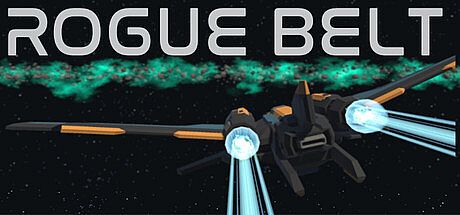


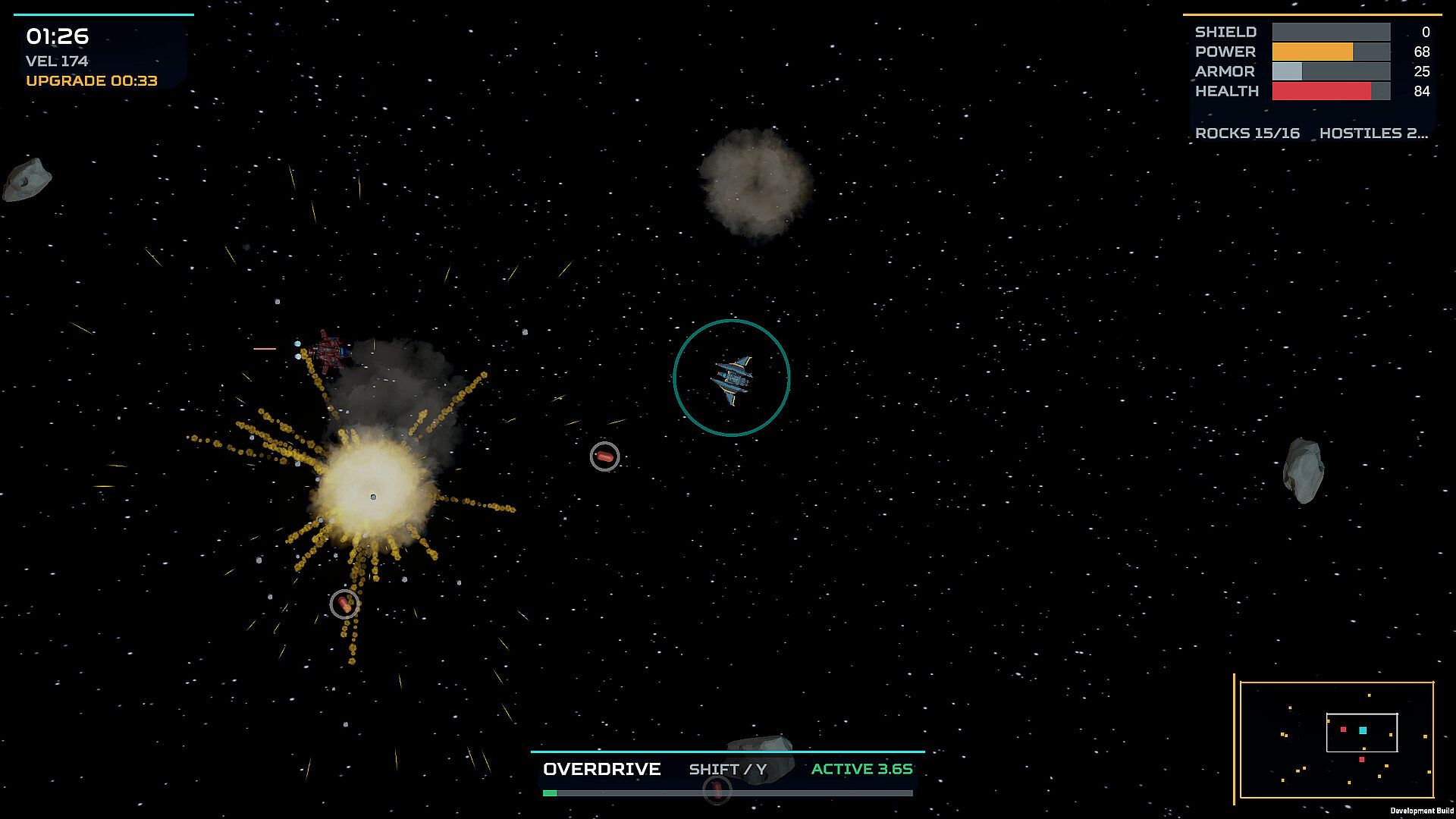
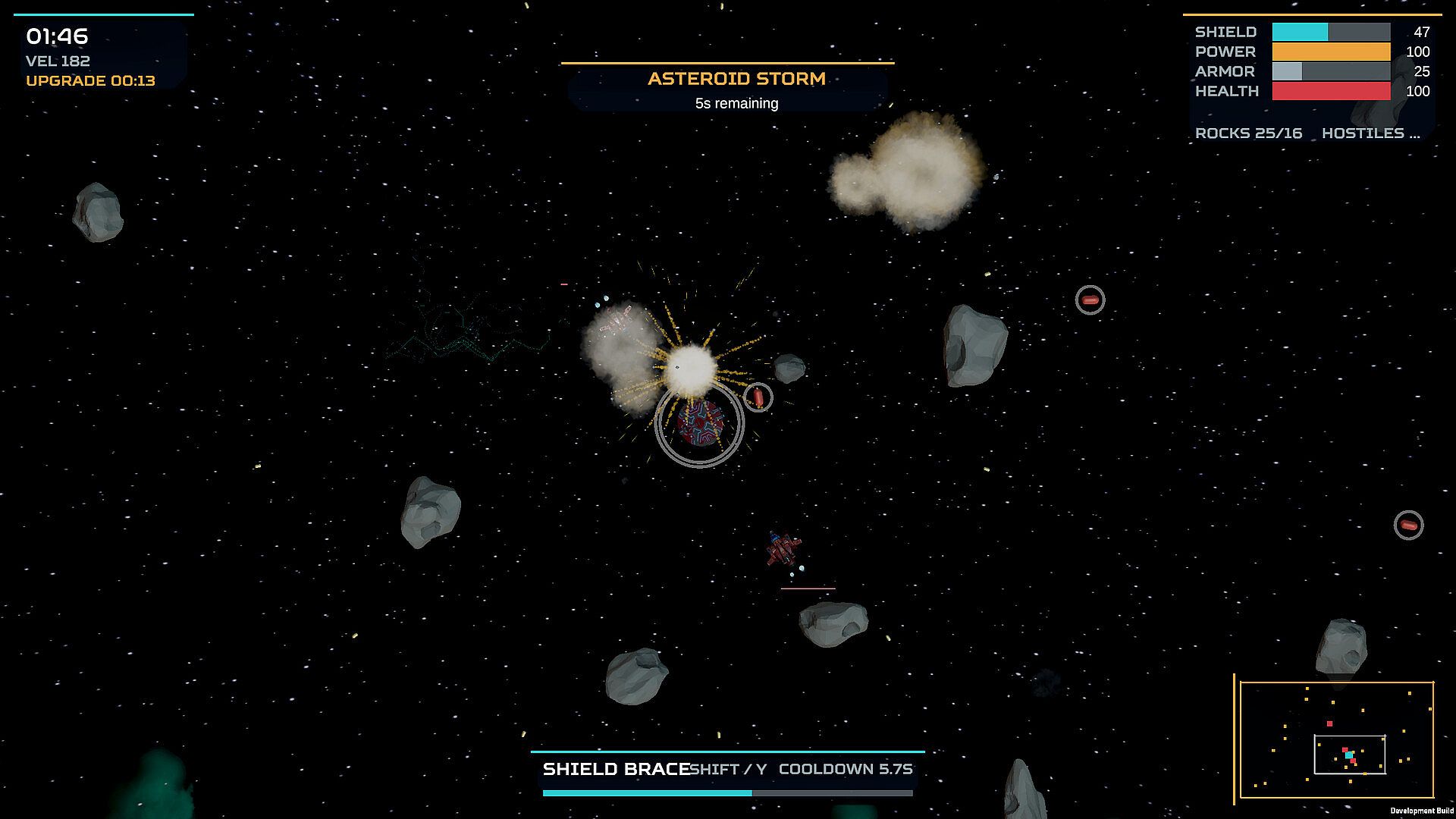
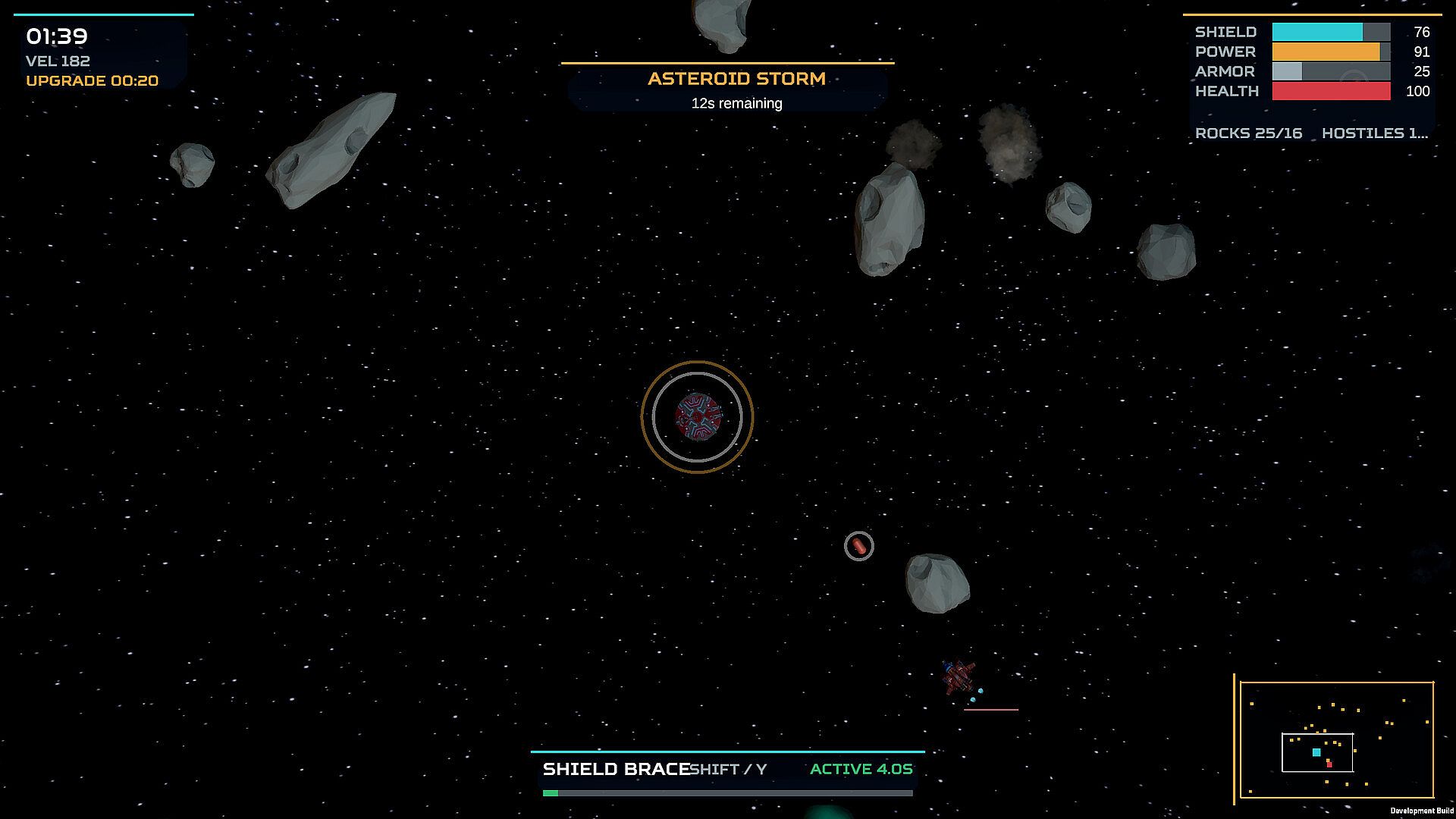
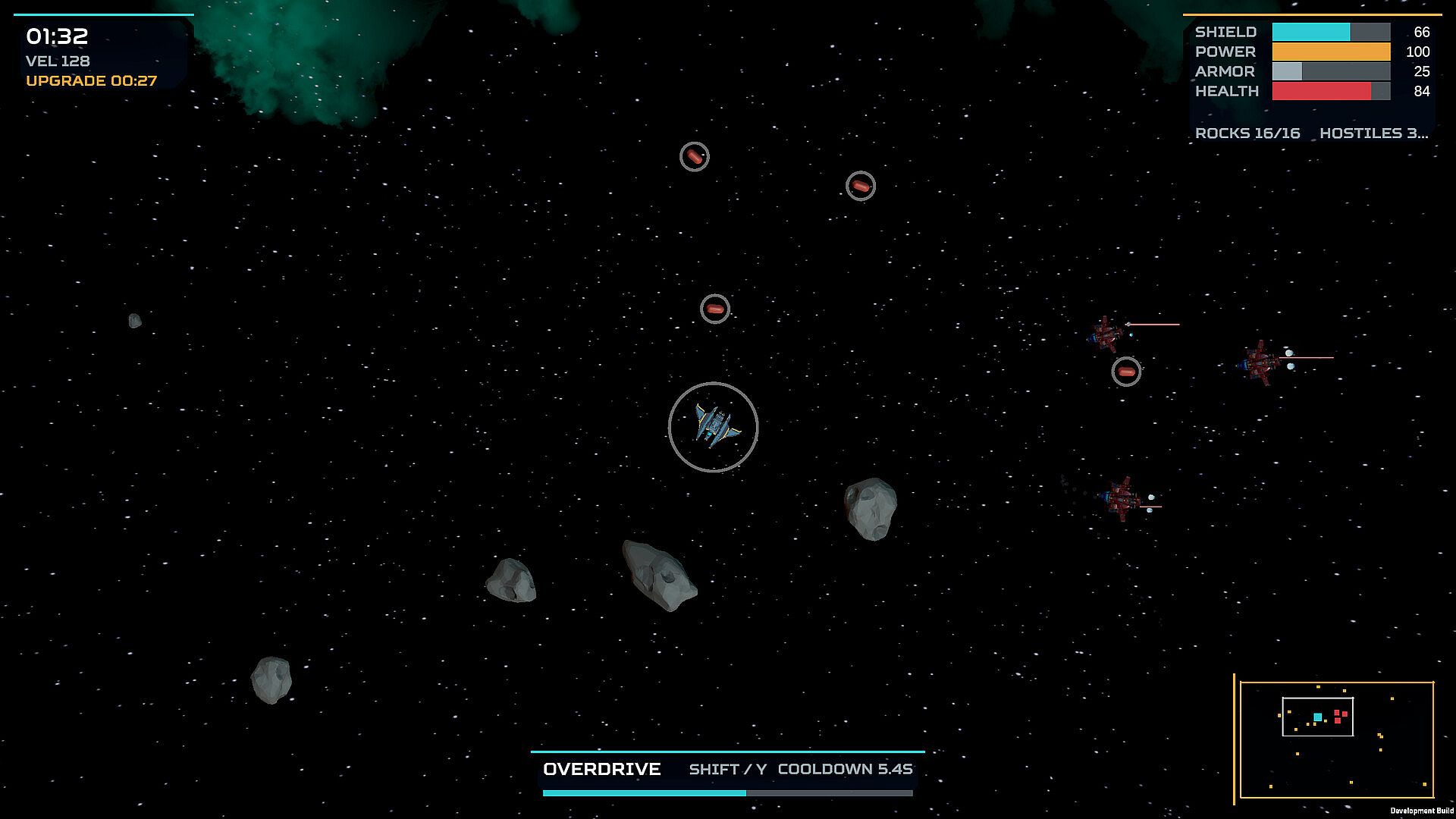
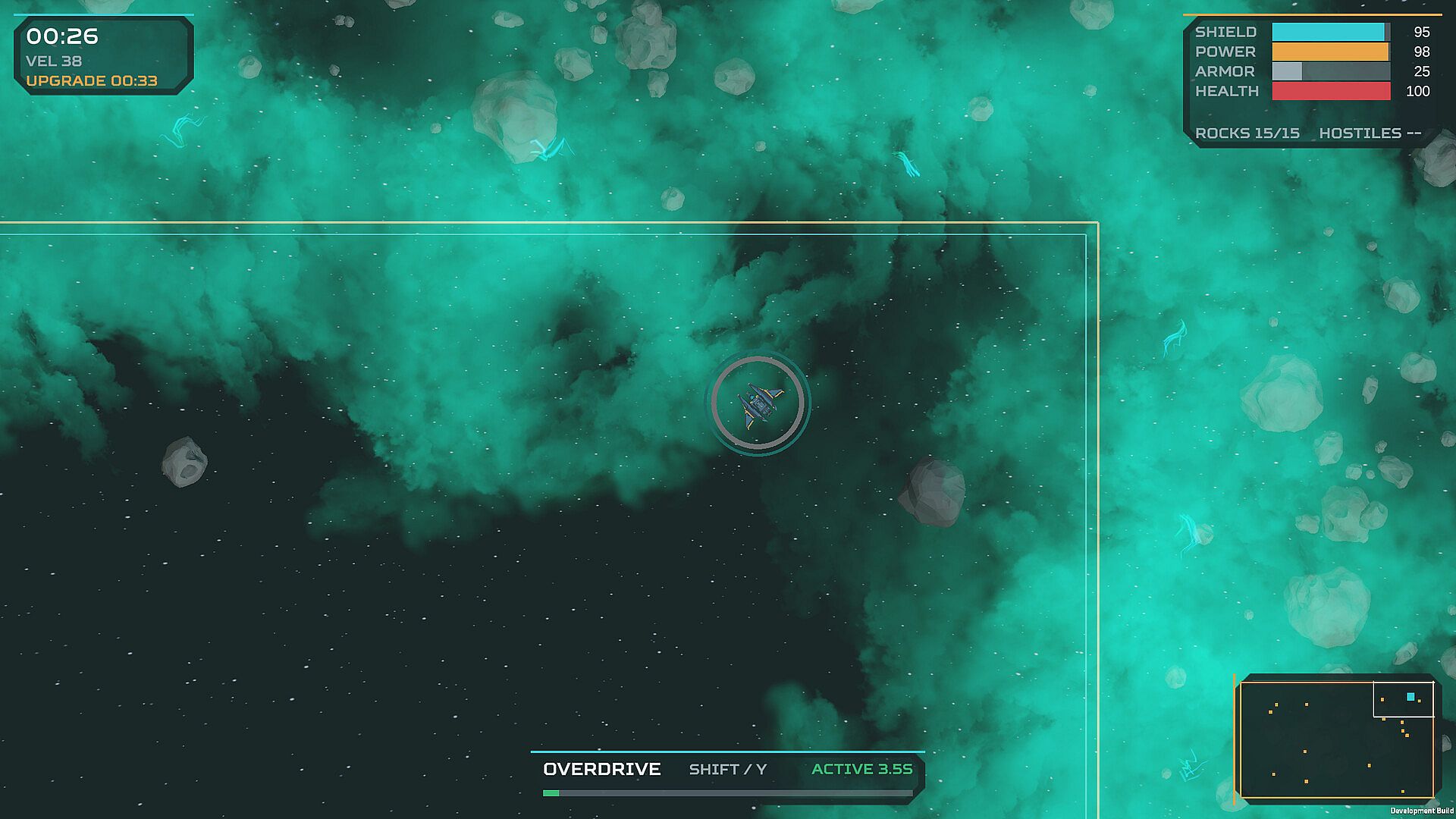
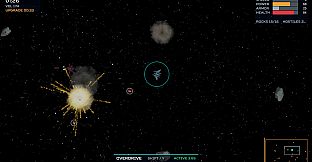
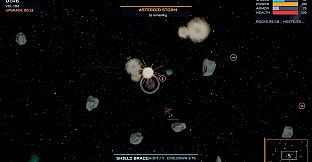
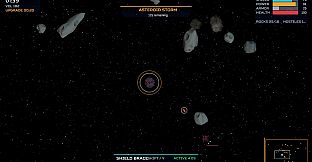
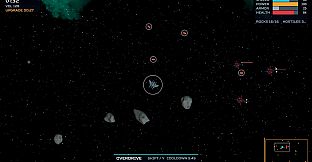
Rogue Belt is a top-down space roguelite action game developed for PC. Players control a ship caught in a hazardous asteroid belt during a storm, with no option to jump away or retreat. The experience centers on short, self-contained runs that last about ten minutes each, focused on survival, combat against debris and patrols, and a final confrontation with a boss.
Gameplay
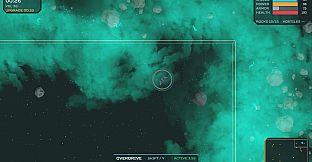
The core loop begins with selecting a ship and a primary weapon before entering the belt. Movement follows one of three flight archetypes that change how the ship handles. Drift Thrust follows Newtonian physics, requiring players to manage forward thrust, rotation, and momentum for expressive but slippery control. Heading Lock provides inertialess movement tied directly to the ship's facing direction, emphasizing deliberate turns and readable positioning. Gunship Strafe allows free movement in any direction while the weapon automatically targets the nearest enemy within range, shifting focus toward tactical placement over precise aiming.
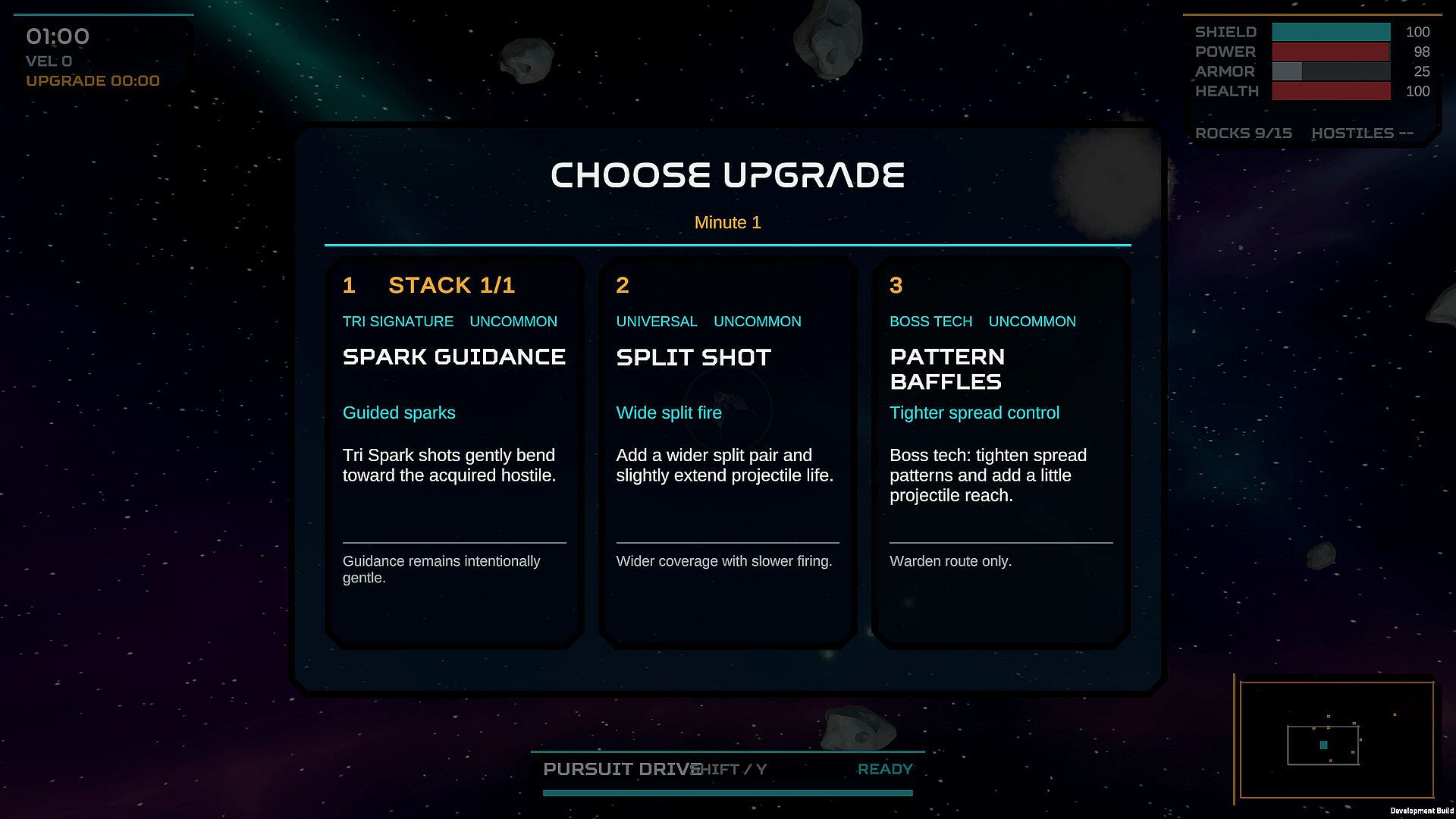
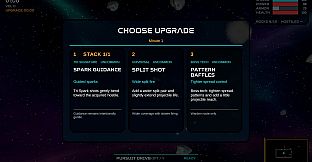
Each minute into a run, the action pauses for an upgrade selection from a small set of options. These upgrades cover weapons, shields, armor, hull strength, movement, and utility systems. There are no caps on stacking effects during a single run, allowing builds to scale noticeably as threats intensify. Heavier weapons interact with reactor capacity on lighter ships by firing in shorter bursts, while higher-output ships support sustained fire. Every ship can pair with any weapon, though reactor limits create natural tradeoffs that reward thoughtful combinations.
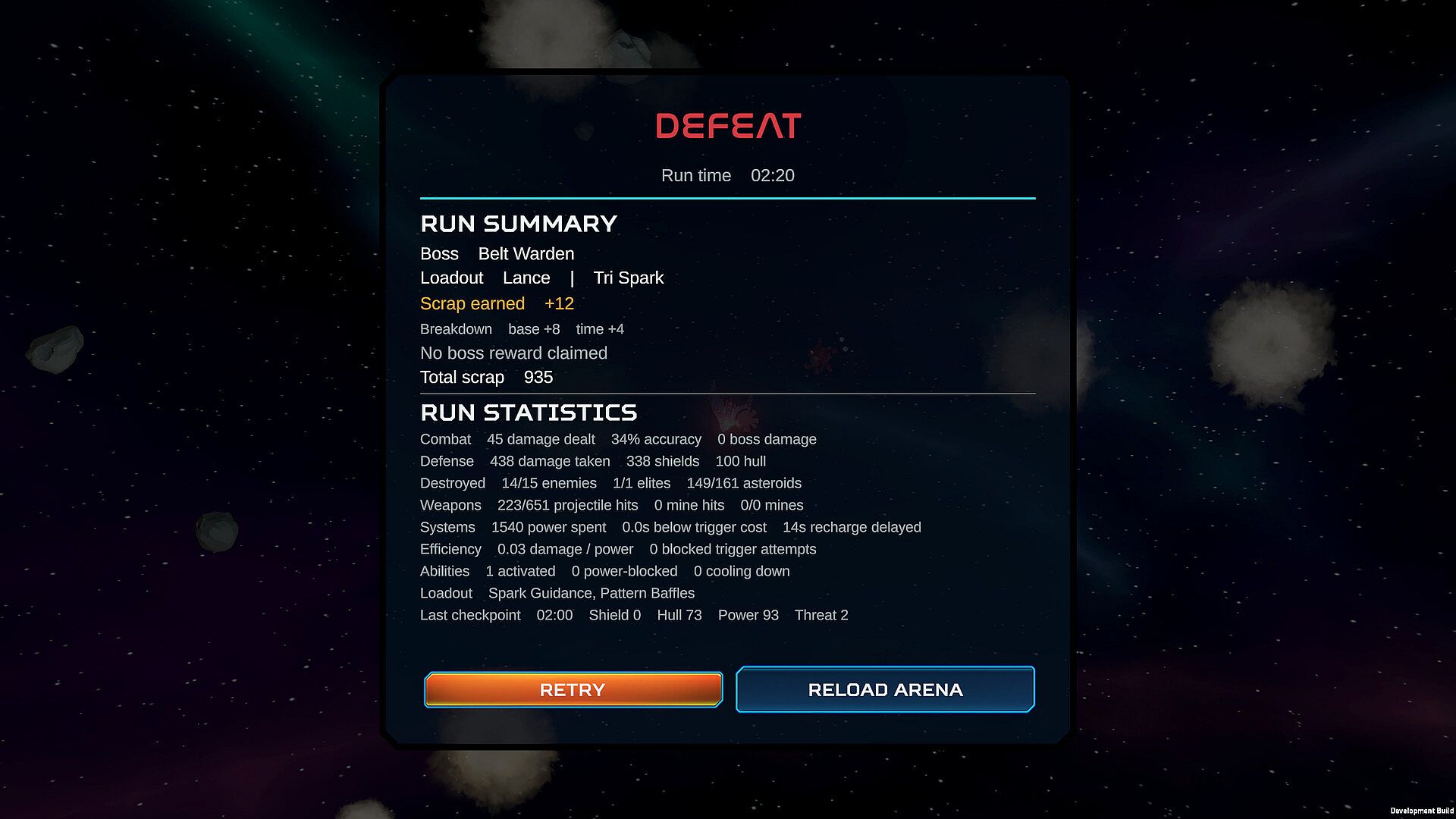
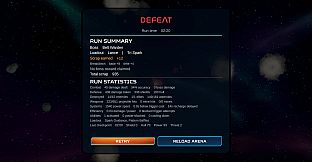
Combat involves dodging escalating waves of debris and enemy patrols while collecting upgrades. The run ends at the ten-minute mark when normal spawns cease and a boss appears in a dedicated arena. Success requires using the accumulated upgrades and chosen flight model to break through. Death occurs from direct outplay rather than unavoidable collisions or frame issues.
Game Modes
Rogue Belt offers a single-player roguelite format built around repeated escape attempts. Each attempt stands alone as a complete ten-minute sequence from entry into the belt through the boss encounter at the exit. There are no persistent world maps or extended campaigns. Instead, the structure emphasizes quick restarts and immediate feedback on ship and weapon choices.
Route selection adds variety by letting players choose which boss blocks the exit. Defeating a boss unlocks new content for future attempts. The format stays consistent across runs, with no separate multiplayer modes or alternative rule sets confirmed at this time.
Ships, Weapons, and Builds
Multiple ships fall into the three flight archetypes, each tuned with differences in mass, durability, reactor size, and a unique active ability. One ship might feel lighter and more responsive, another bulkier with greater staying power, and a third equipped for stronger weapon output. Weapons remain independent of ships, enabling free mixing that highlights reactor management during combat.
Upgrades collected each minute expand options across offensive, defensive, and mobility categories. The absence of rarity systems or single-run limits means every choice contributes directly to the final boss fight. This setup rewards experimentation across different ship-weapon pairings without restricting unusual combinations.
Progression and Unlocks
Beating a boss advances the meta progression by unlocking new ships, weapons, or additional bosses for future routes. Persistent upgrades and new enemy types become available through repeated successful escapes. The system encourages variety because each new element changes the feel of subsequent runs without altering the core ten-minute structure.
Is It Worth Playing?
Rogue Belt suits players who enjoy concise roguelite sessions with meaningful choices in ship handling and loadout building. The tight time limit keeps runs focused, while the upgrade system and archetype differences provide depth in moment-to-moment decisions. Those who prefer longer campaigns or multiplayer elements may find the format limited, but the design delivers consistent feedback on performance and build effectiveness. The game remains available on PC with ongoing support for new unlocks based on current development status.











