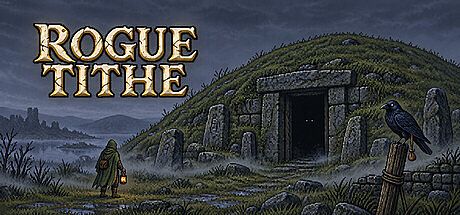


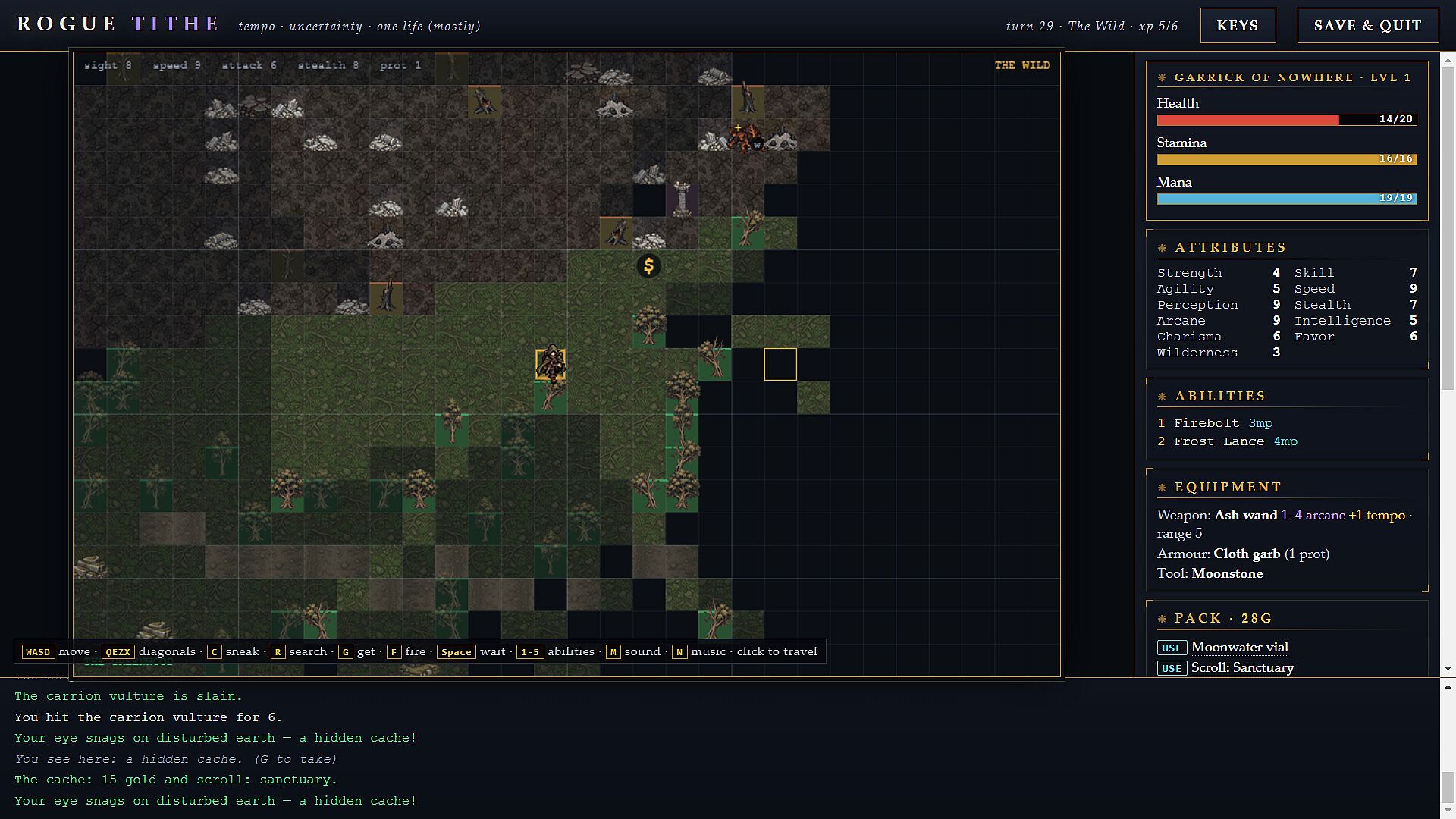
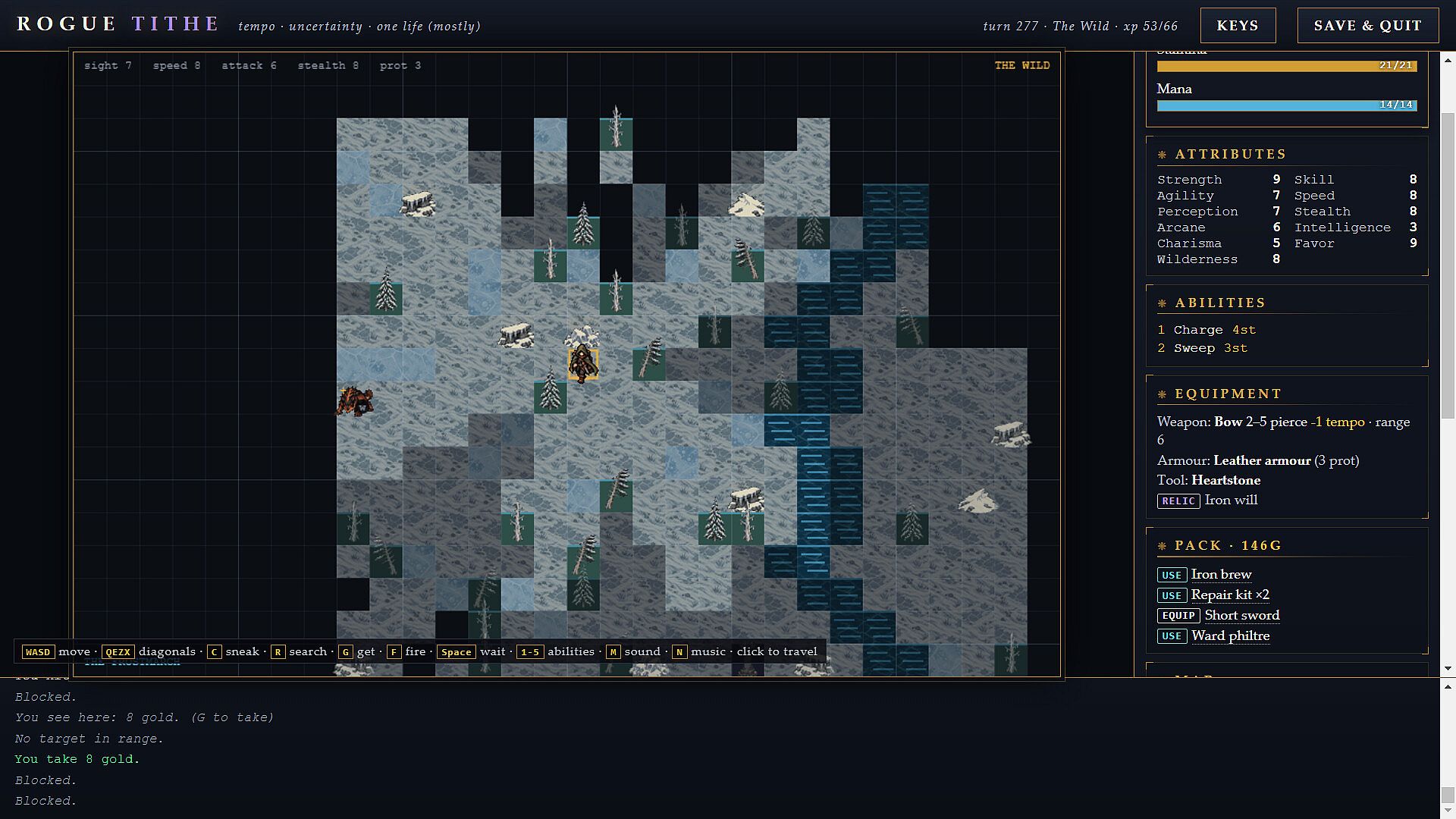
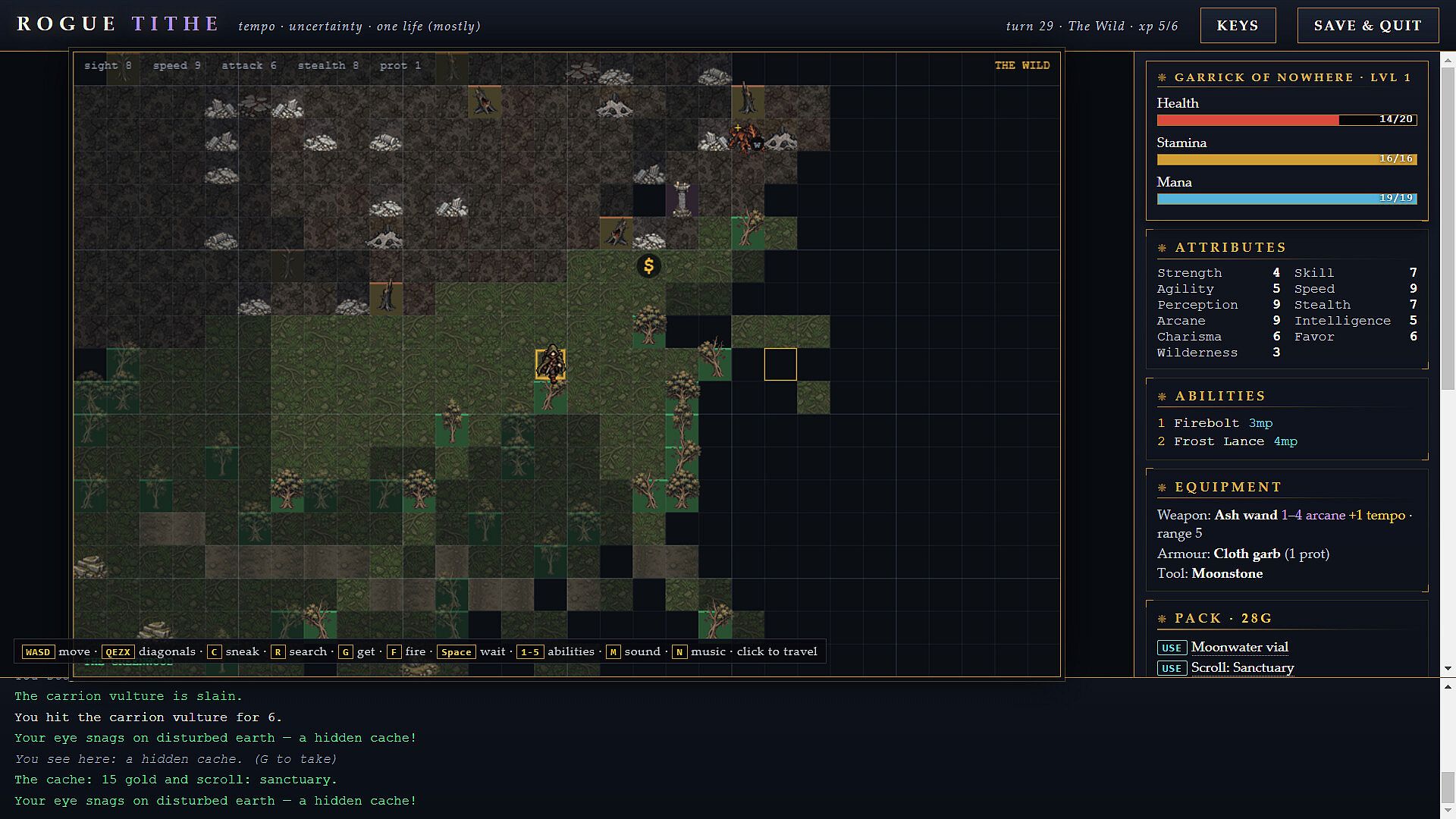
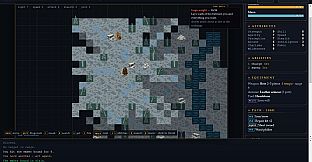
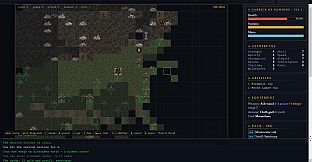
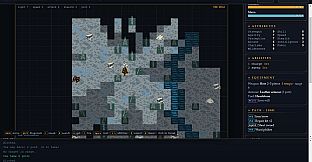
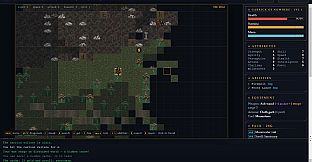
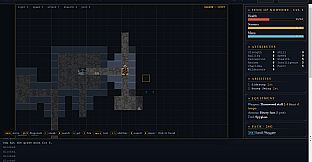
Rogue Tithe is a single-player turn-based roguelike RPG for PC that centers on deliberate decisions in a dangerous descent through procedurally generated depths. Players create characters through blind rolls and navigate uncertainty across surface regions and twelve underground floors to reach the Barrow Relic. The core loop revolves around managing tempo in combat, navigating perception challenges, and deciding what to risk carrying downward while using crows to secure limited returns on death.
Gameplay
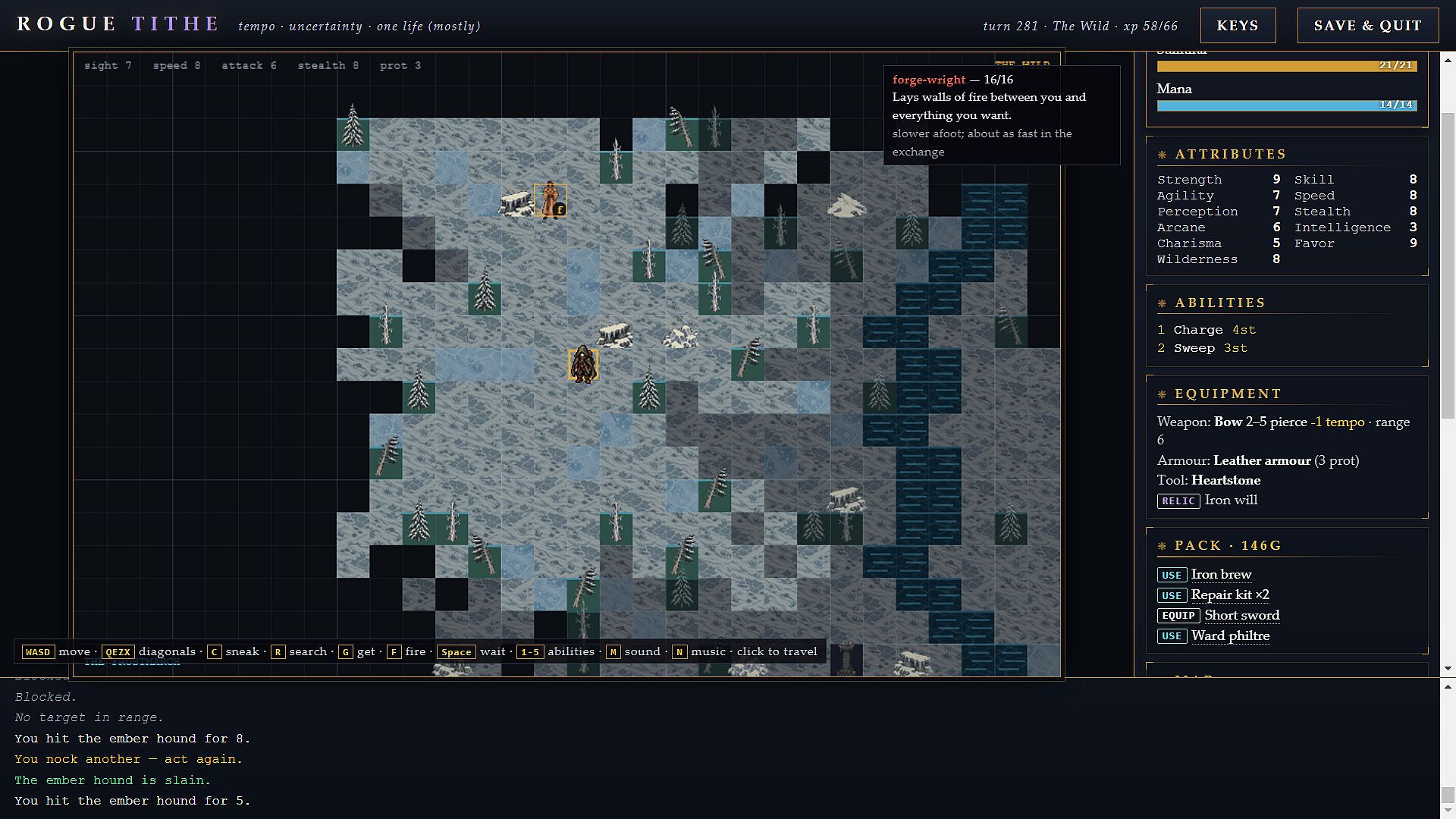
Combat hinges on tempo contests that determine action order. Speed governs movement against enemies, while agility decides who strikes first in melee. Outpacing foes by a margin of five grants an extra turn, and falling short hands the initiative to opponents. Weapons influence this balance directly, with slower options like war hammers trading raw power for lost priority and faster ones like knives allowing preemptive strikes. Eight damage types interact with resistances and weaknesses, supported by elite enemies, champions, and scripted boss encounters.
Character creation uses eleven attributes rolled one die at a time, with assignment locked before the next roll appears. Players leave exactly one attribute weak by avoiding it entirely, then select two abilities that persist for the entire run. Magic draws from separate attributes for arcane, wild, and holy schools without class restrictions, allowing flexible combinations. No classes exist, so builds emerge from attribute priorities and ability choices alone.
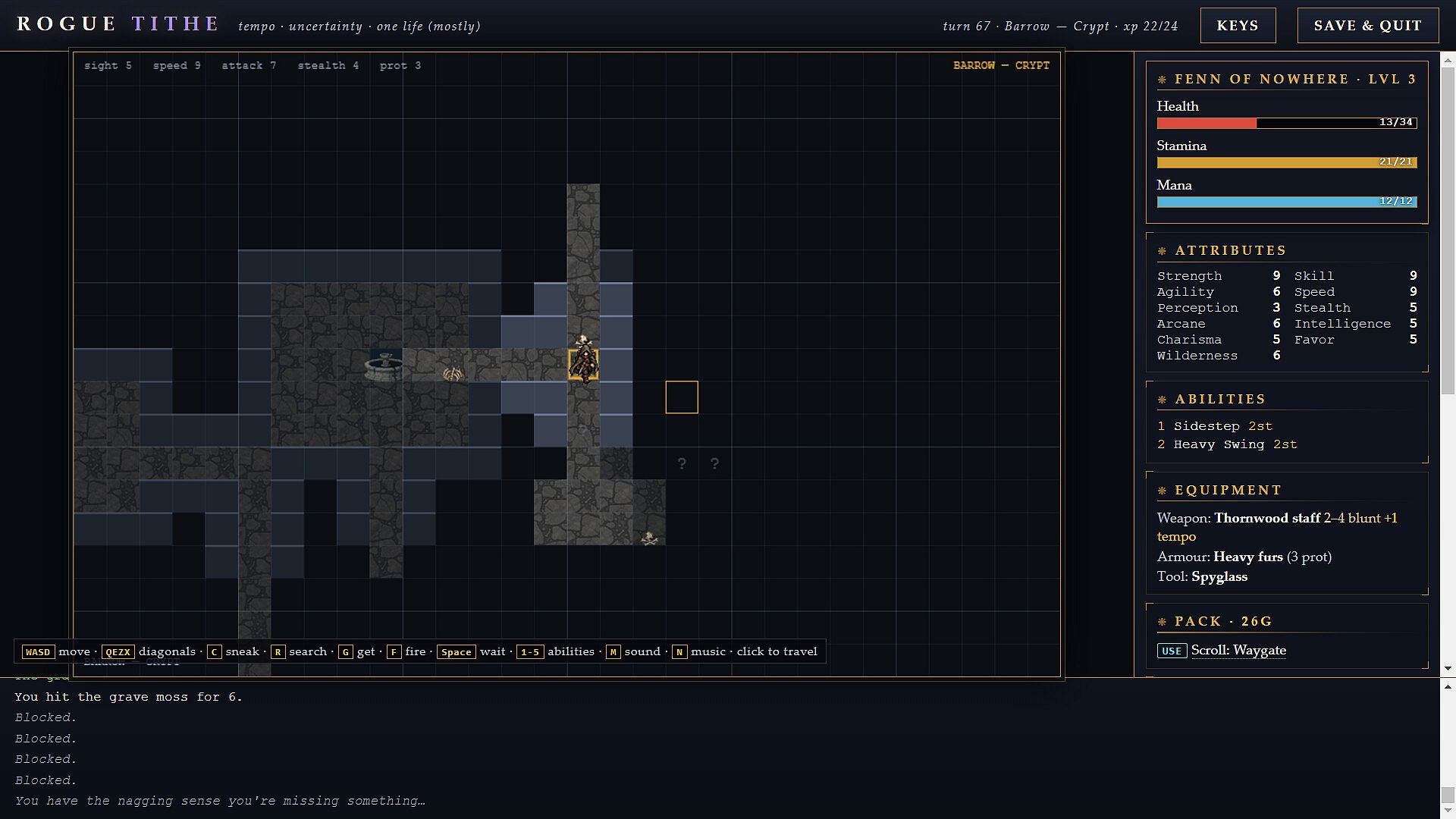
Stealth and awareness add another layer. Enemies must detect the player, and the player must detect threats. Red question marks indicate sensed but unseen elements, while scattered grey marks signal missed details that a higher perception attribute would have revealed. This system encourages sneaking past overwhelming foes or ambushing from concealment when possible. Text encounters appear throughout regions, displaying dice rolls and odds before choices are made.
Exploration includes relics, vaults, traps, shrines, and merchants. The four surface regions of Greenwood, Frostmarch, Sandreach, and Ashfell each feature a champion holding one of four sigils. Twelve floors divide into four tiers beneath the barrow stair, with each tier concluding in a boss. The Barrow King's floor remains sealed until all sigils are collected. Procedural generation ensures varied layouts on every attempt.
Game Modes
The primary experience follows the descent toward the Barrow Relic, with permadeath and the option to deliver the relic itself via crow to complete the run upon survival. A separate mode called The Gauntlet provides an endless arena challenge where loot drops between waves, allowing continued play without the main progression structure.
Upgrades purchased with gold returned by crows persist across runs and can outfit future adventurers or strengthen the stronghold. This meta-progression ties runs together without altering the core roguelike rules of each attempt.
Visuals and Accessibility
Art uses detailed 16-bit pixel style, switchable to pure symbols for clarity. A full-screen map supports navigation, and the HUD offers three visibility settings: glass, solid, or off. The game supports English, Simplified Chinese, and Russian interfaces. System requirements remain modest, running on Windows 10 or 11 with basic hardware.
Is It Worth Playing?
Rogue Tithe targets players who enjoy traditional turn-based roguelikes built around uncertainty, tempo management, and careful resource decisions rather than fast reflexes or complex builds. The blind rolling system and perception mechanics create consistent tension, while the crow system offers meaningful recovery without removing permadeath consequences. The Gauntlet mode extends play for those seeking repeated arena challenges.
As an unreleased title scheduled for 2027, no player reviews or ratings exist yet. Its appeal rests on the described systems matching preferences for deliberate, high-stakes roguelike gameplay on PC. Those drawn to attribute-driven character creation, stealth elements, and persistent upgrades between runs may find the structure engaging once available.