






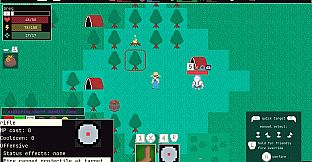
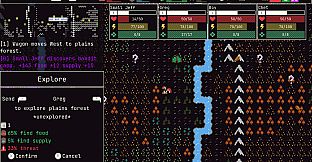
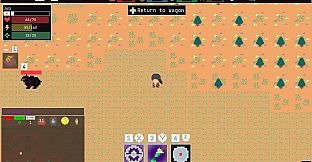
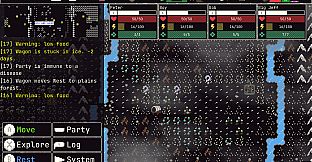
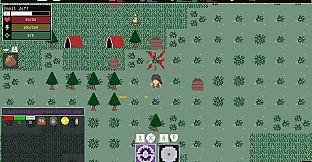
Rogue Trail is an indie simulation and adventure game set on PC that puts players in charge of a customizable party making a dangerous wagon crossing over a vast continent. The experience blends resource management with exploration and survival elements in a setting filled with fantasy races and unpredictable challenges.
Gameplay
The core loop revolves around preparing a party for the trail and then guiding the wagon through changing conditions. Players select from five distinct fantasy races and classes at the start, then customize equipment and supplies before departure. Once underway, every decision about pace, route, and resource allocation influences what happens next in the procedurally generated landscape.
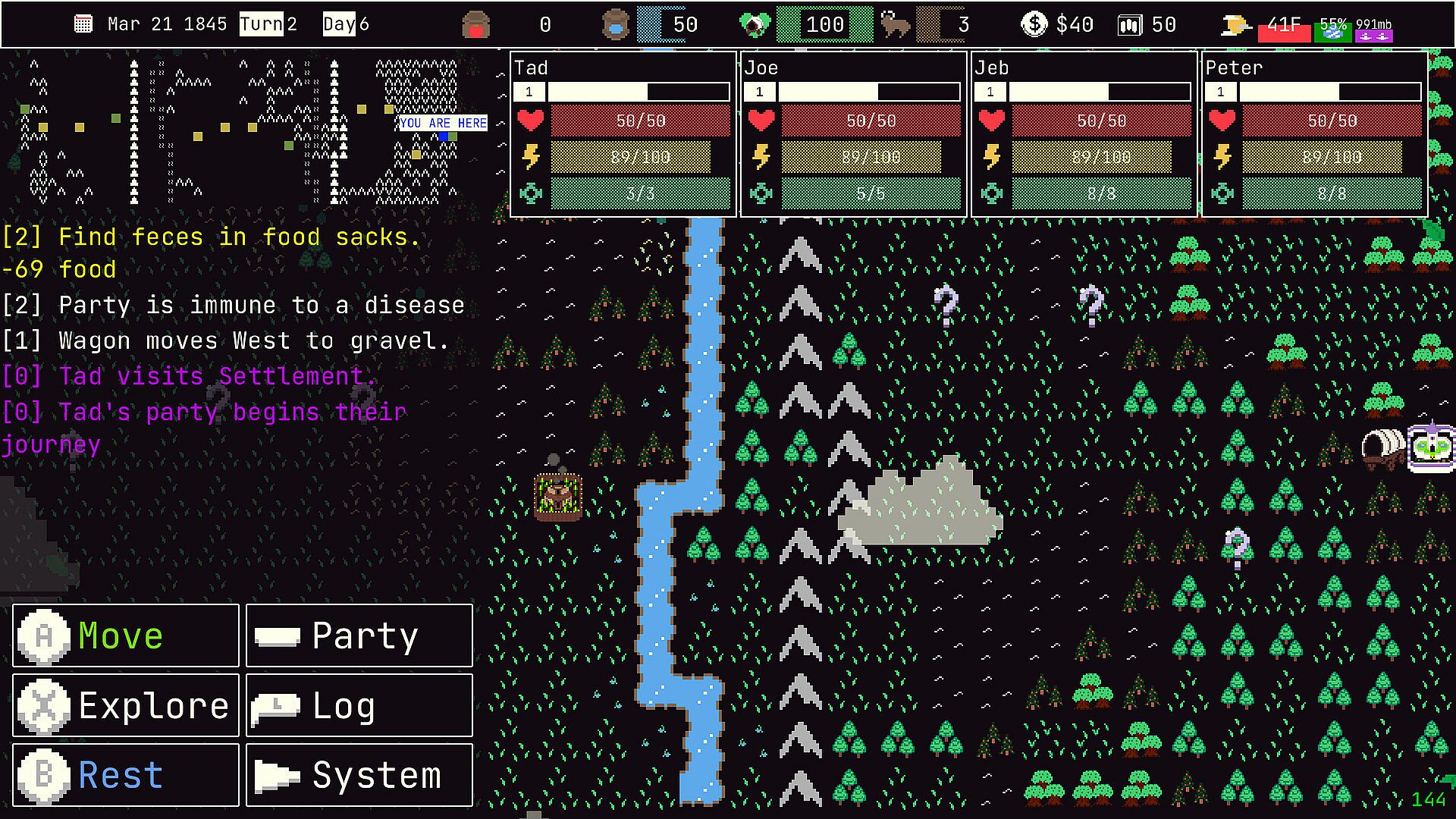
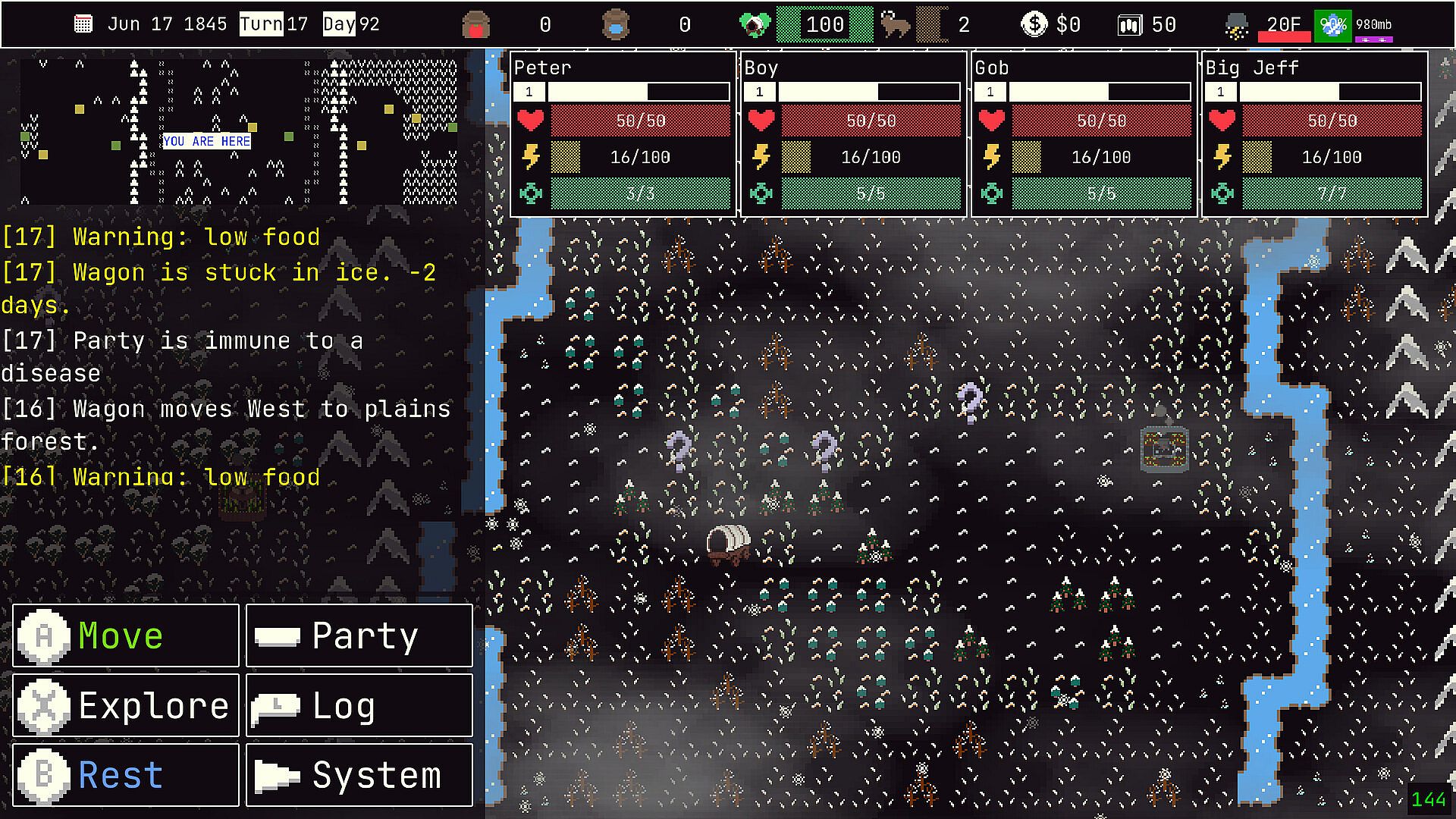
Weather shifts, terrain variations, and random occurrences force constant adjustments to keep the group fed, rested, and equipped. Food, supplies, energy, and gear must be balanced carefully, as shortages quickly lead to setbacks or worse. The wagon serves as the central hub for travel, but stops at hidden landmarks or settlements open opportunities for trade, recovery, or risky encounters at the saloon.
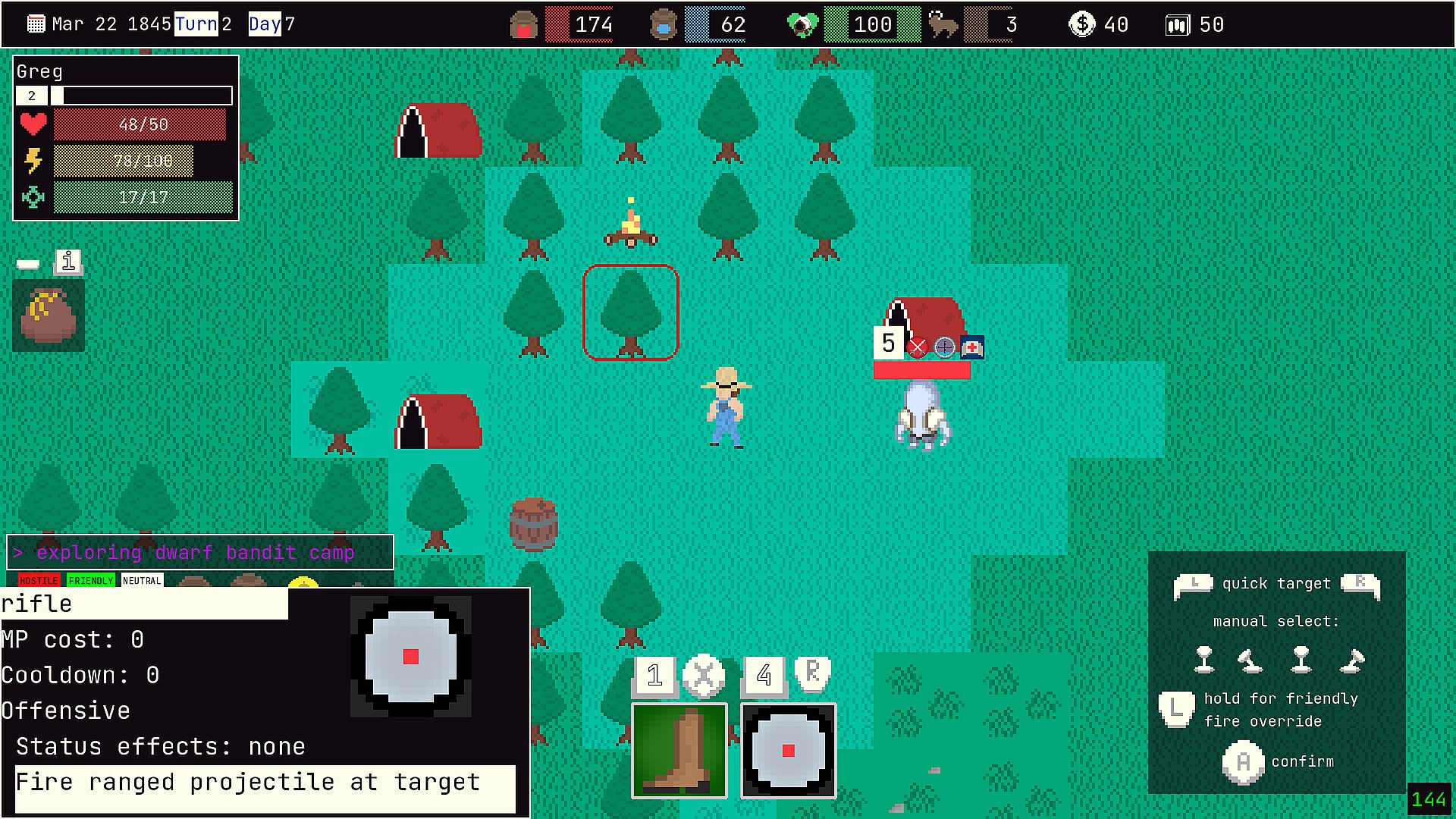
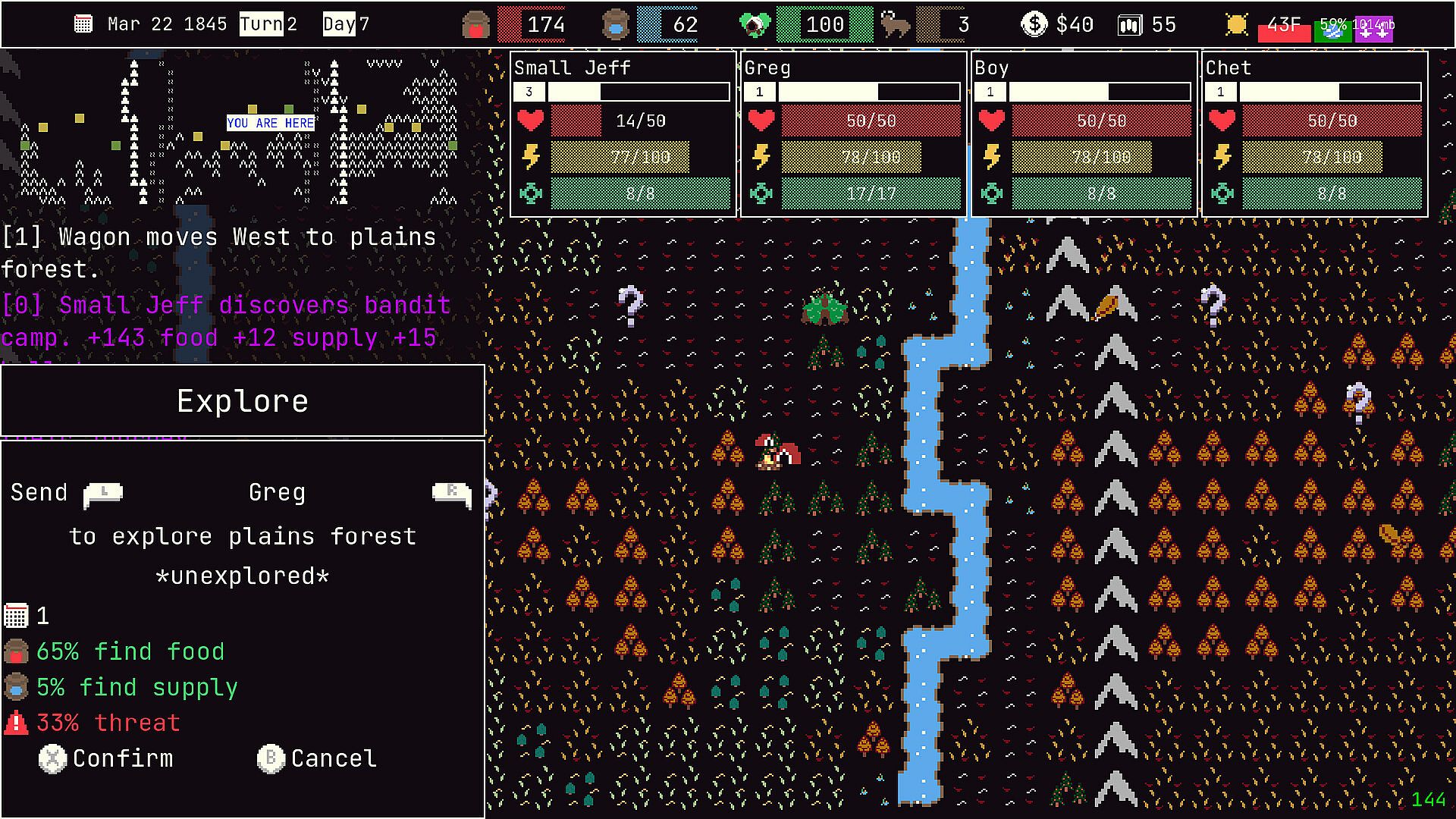
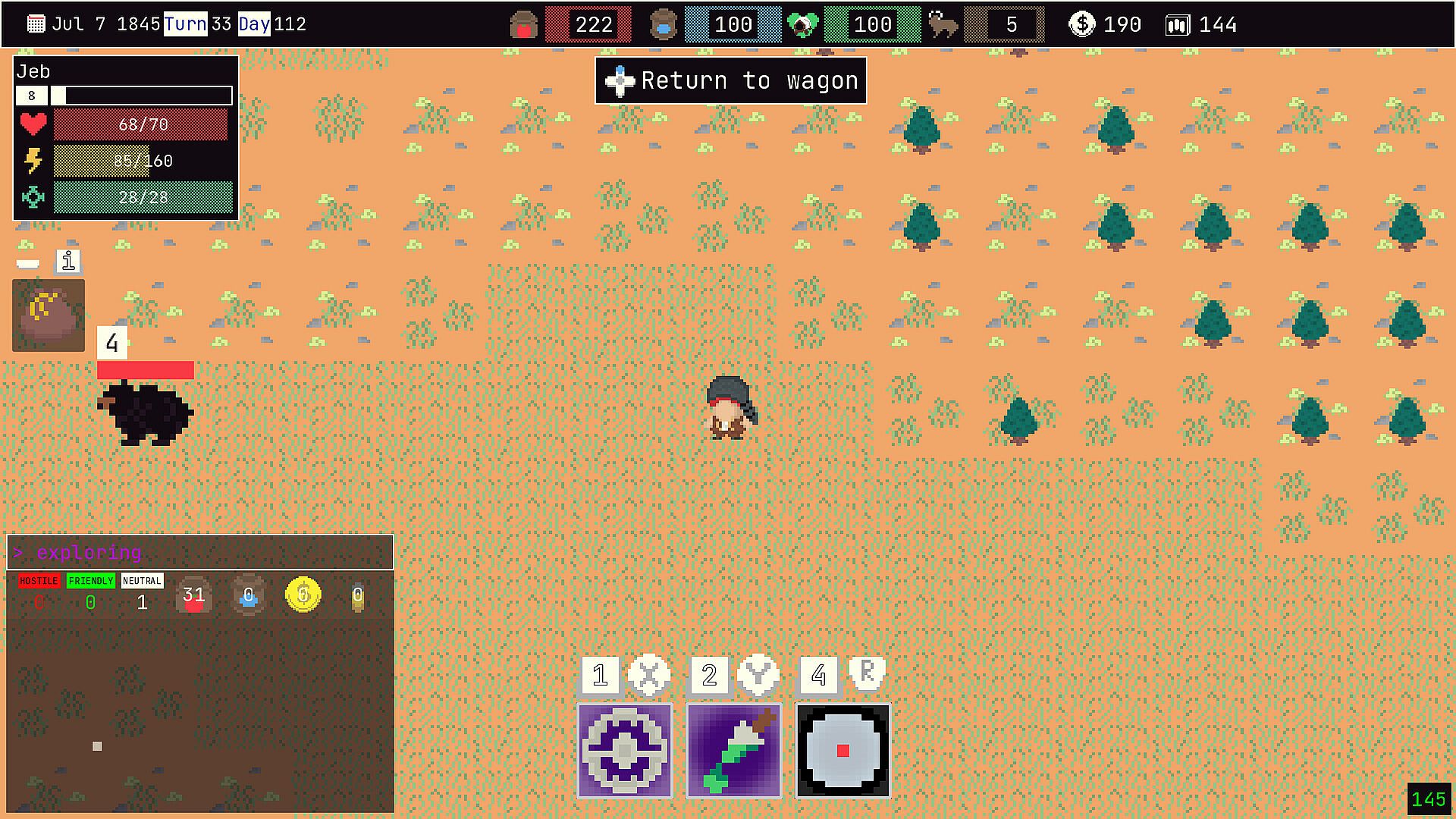
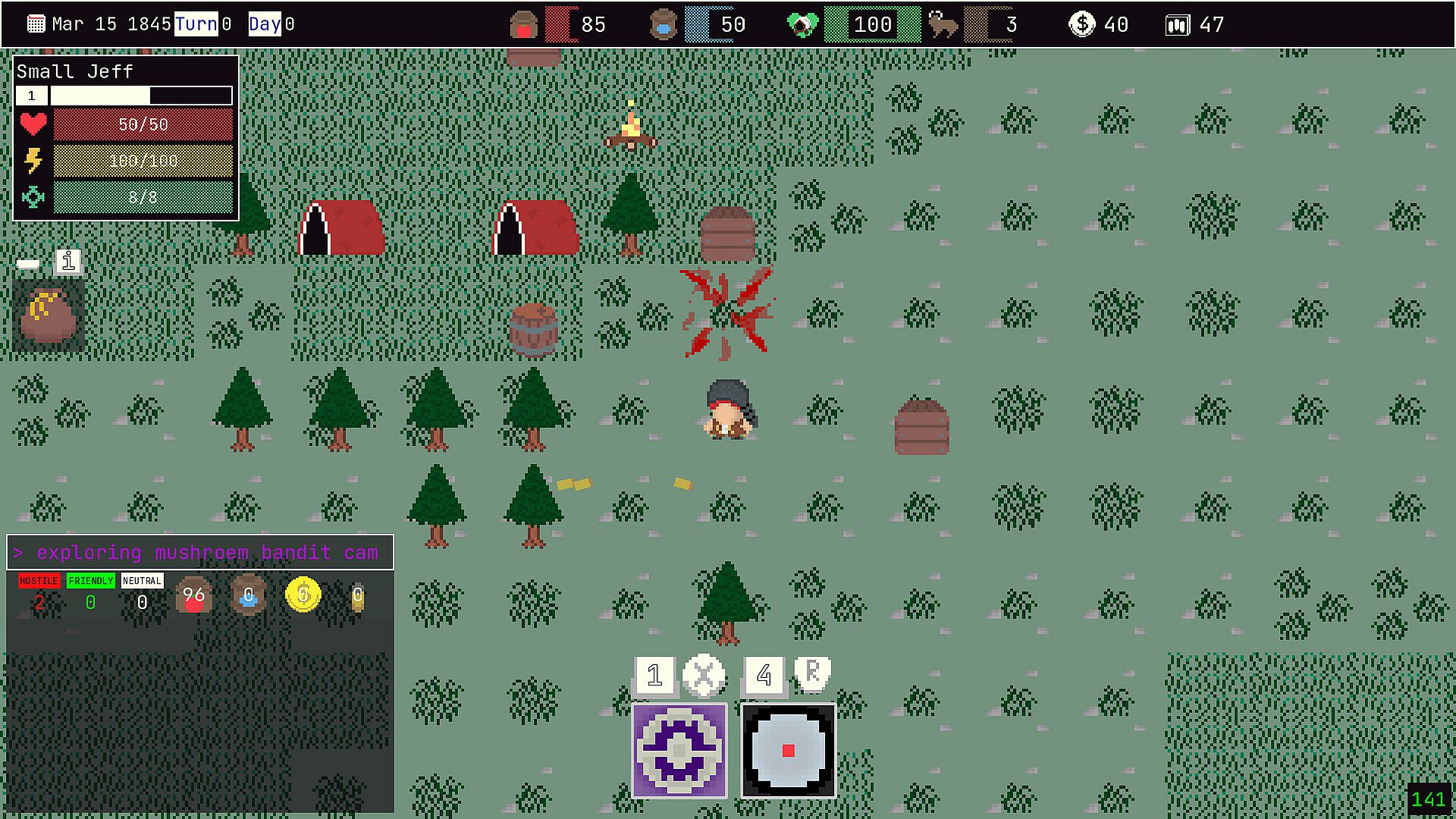
Exploration takes on a roguelike quality when the party leaves the main trail to investigate unique sites. These locations can yield valuable resources or introduce threats such as bandits and wild animals. Party members gain experience over time, unlocking specialized class abilities that improve combat effectiveness and survival odds during these side ventures.
Game Modes
Rogue Trail centers on individual expedition runs that emphasize adaptation and decision-making in a single-player format. Each journey unfolds differently due to the procedural world and an RNG-driven events system that generates disasters, opportunities, and narrative developments on the fly.
After a run ends, players retain the ability to revisit previous expeditions. This feature allows review of past choices and outcomes without starting entirely from scratch, supporting repeated attempts to refine strategies or uncover new paths through the same generated world.
Party Building and Progression
Progression happens through the five fantasy races and classes, each offering distinct starting traits that expand via leveling. Specialized abilities become available as members gain experience, encouraging players to experiment with different party compositions across multiple runs. The system rewards thoughtful management during travel, since stronger classes help overcome the bandits and animals that appear during site explorations.
Resource decisions directly affect how far the party can push into new territory. Overextending on supplies or neglecting equipment leads to cascading problems that the RNG events system can amplify into full disasters.
Is It Worth Playing?
Rogue Trail suits players who enjoy simulation-style management combined with roguelike exploration and emergent storytelling. The focus on party customization, route planning, and reacting to dynamic events creates a loop centered on careful preparation followed by unpredictable outcomes on the trail.
Those drawn to indie titles that emphasize resource juggling and procedural variety will find the wagon journey and landmark visits provide consistent reasons to start new expeditions. The option to revisit completed runs adds a layer for analyzing what worked and adjusting future parties accordingly. Availability on PC makes it accessible for anyone interested in this blend of simulation and adventure mechanics.











