

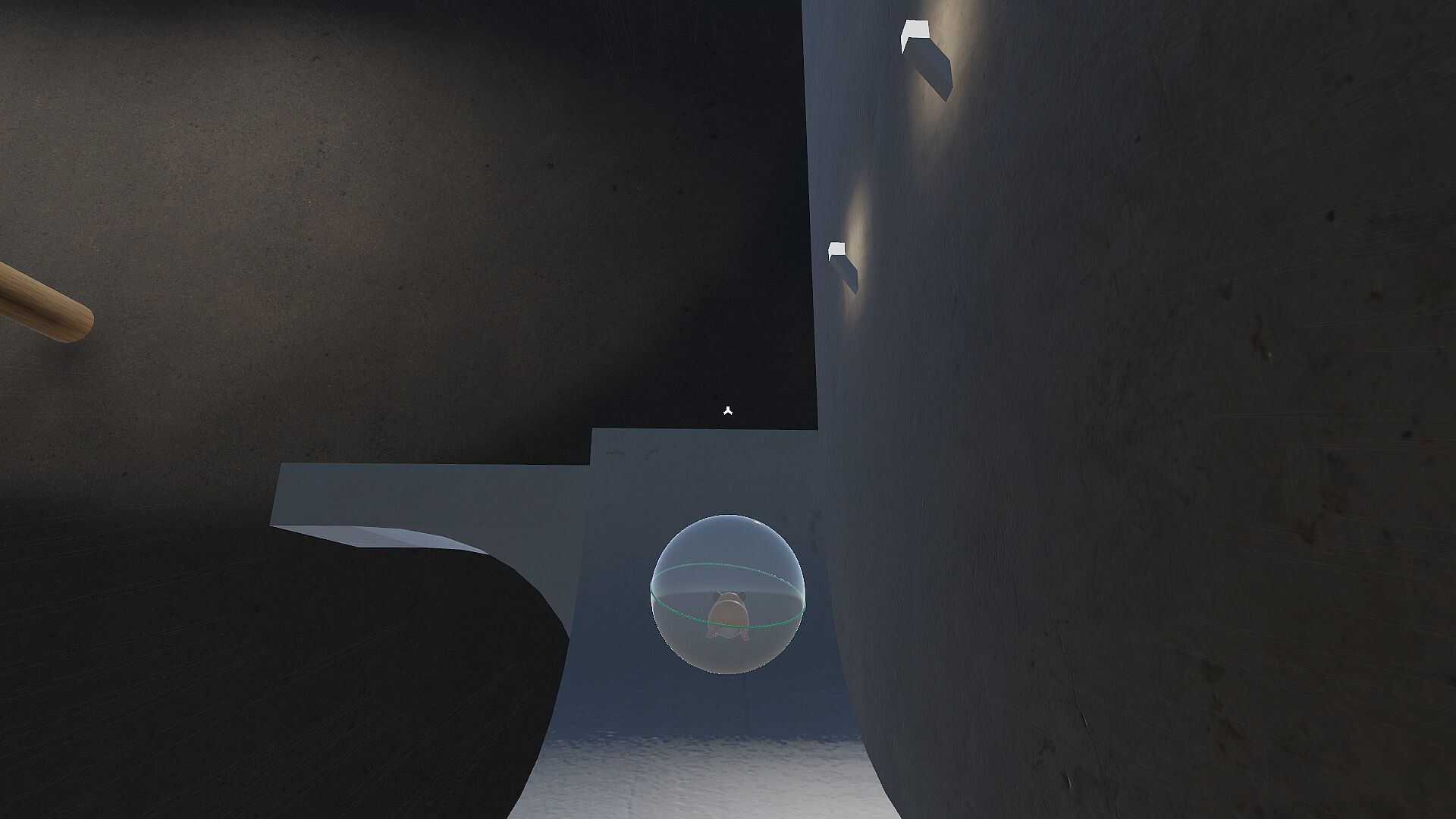
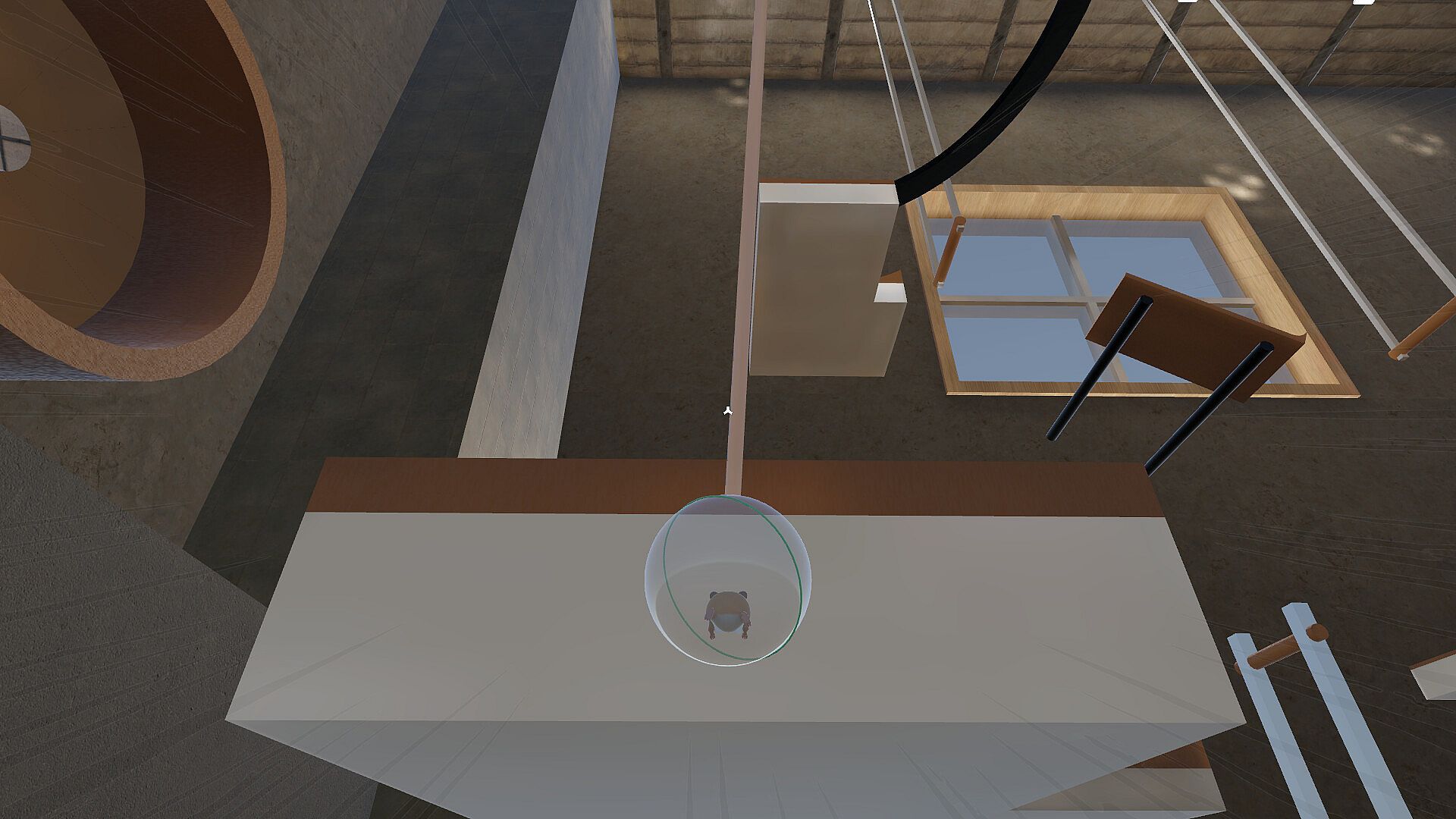
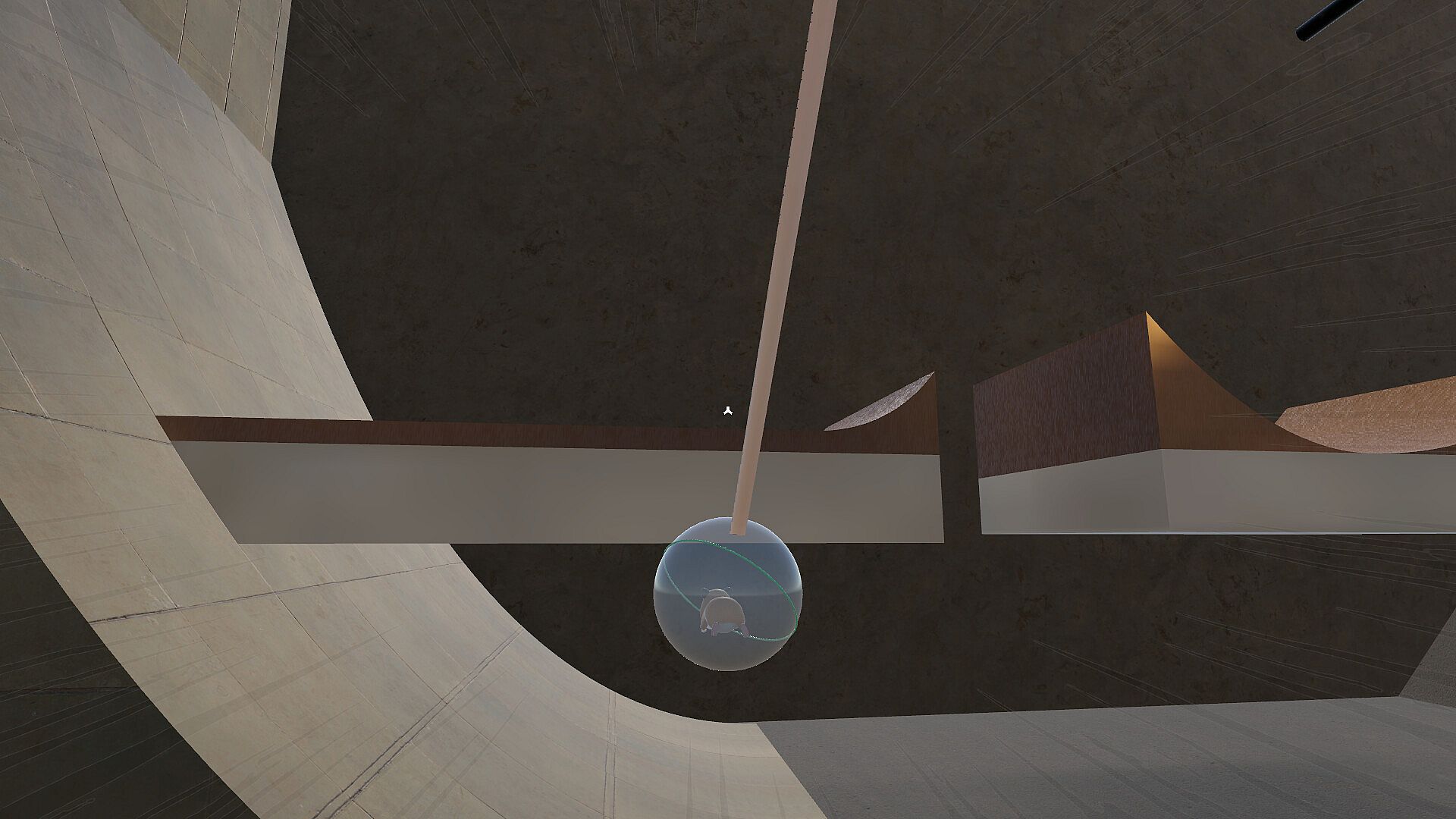
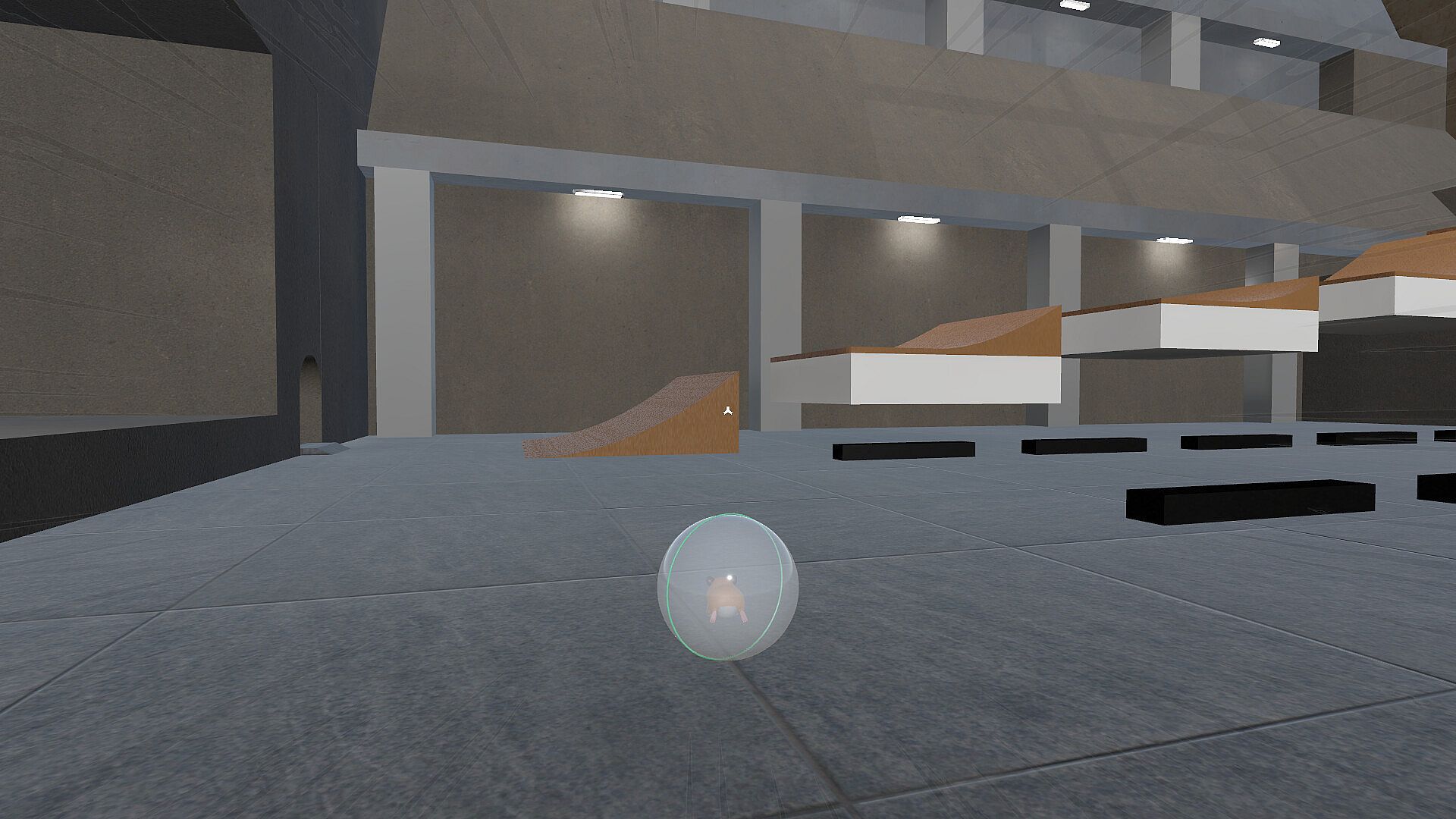
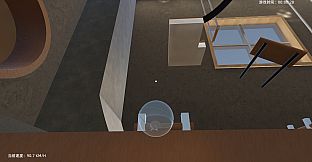

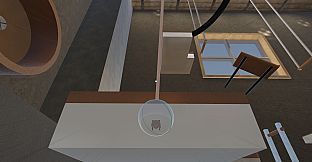

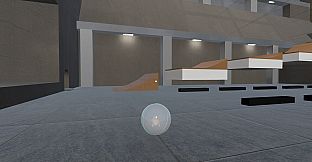
Rolling Free is a 3D physics platformer centered on precise control of a hamster ball fitted with a grappling hook. Players guide the ball through handcrafted levels that emphasize momentum building, slope acceleration, and exacting jumps. The experience targets platforming enthusiasts who value fluid movement and consistent physics feedback over flashy visuals or narrative elements.
Gameplay
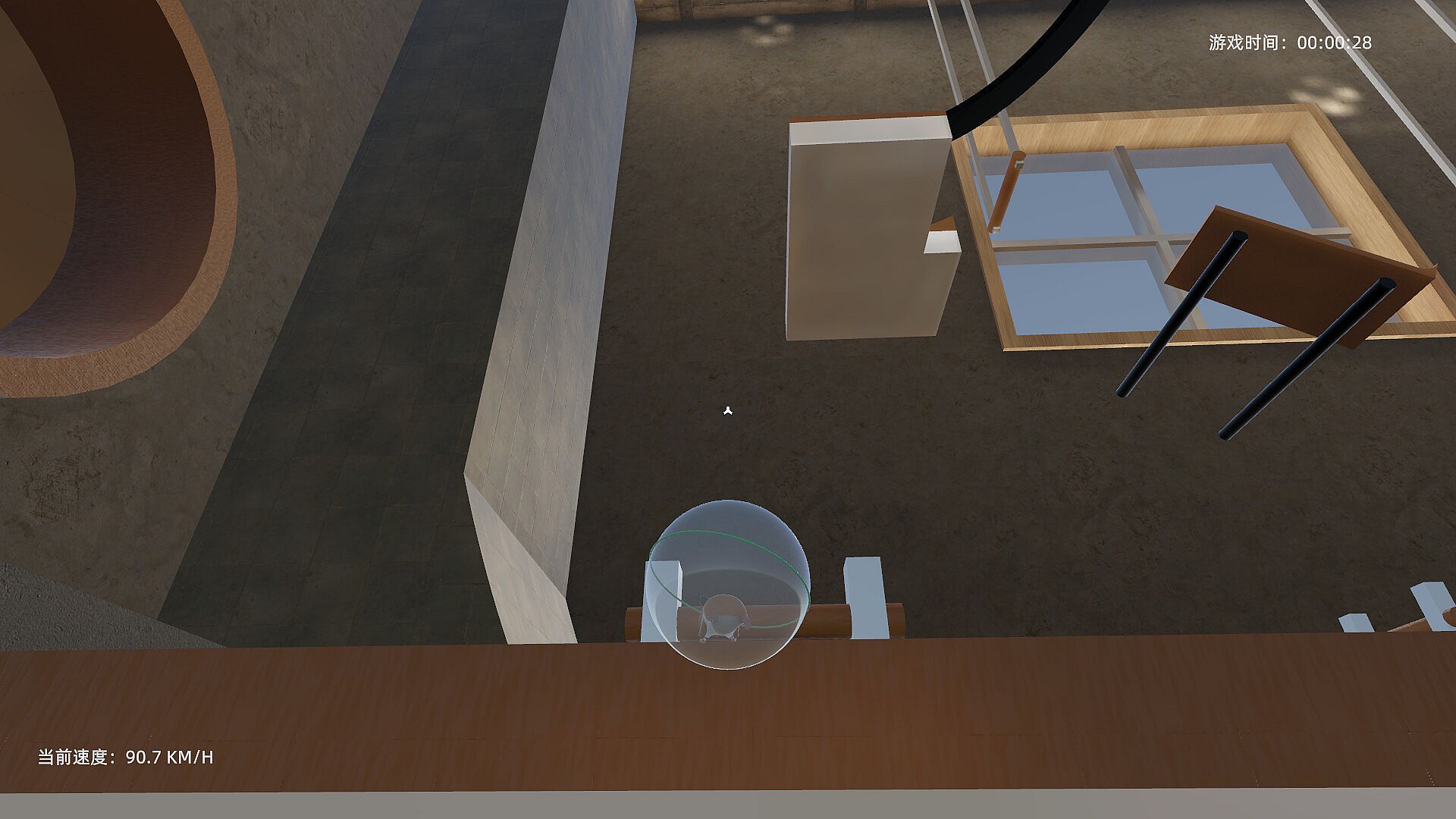
The core loop revolves around swinging with the grappling hook to gain speed, rolling along inclines to maintain momentum, and executing tight jumps between platforms. The hamster ball responds directly to input without noticeable delay, allowing players to chain movements into longer sequences. Slopes serve as natural accelerators while the grappling hook provides vertical and directional options for navigating gaps or obstacles. Precision matters most during landings and mid-air adjustments, where small errors can send the ball tumbling back to earlier sections.
Physics tuning prioritizes predictability so that repeated attempts feel fair rather than random. Players learn to read surface angles and timing windows through trial and error, building muscle memory for consistent runs. The system supports both deliberate, measured swings and aggressive speed-focused paths, giving room for different play styles within the same levels.
Game Modes
Rolling Free operates as a single-player experience built around sequential level progression. Each stage presents a vertical climb from confined starting areas toward higher structures, with failure sending the ball back to a checkpoint or the beginning. The design encourages repeated attempts to refine routes and improve completion times, aligning with speedrun interests without requiring external tools or leaderboards at launch.
No separate competitive or cooperative modes appear in the available details. The focus remains on individual mastery of the physics and grappling mechanics across the handcrafted environments.
Level Design and Progression
Levels follow a handcrafted structure that introduces new obstacles and layout variations gradually. Early sections emphasize basic swinging and rolling, while later ones layer in tighter timing requirements and multi-step momentum chains. The vertical orientation creates a clear sense of upward progress, with environmental details reinforcing the hamster's escape theme from cage-like spaces toward open structures.
Difficulty scales through layout complexity rather than artificial increases in speed or enemy presence. Players encounter slopes of varying steepness, suspended platforms, and grapple points positioned to reward accurate aim and release timing. This approach keeps the challenge rooted in movement skill instead of external threats.
Technical Features
The physics engine delivers snappy responses that match player intent across different input devices. Zero input lag forms a stated priority, ensuring that hook deployment and ball rotation feel immediate. System requirements stay modest, supporting a wide range of Windows PCs with directX 11 compatibility.
Audio includes a narrator that offers occasional commentary on progress and setbacks, adding a light layer of personality without interrupting the flow of movement. The game runs in single-player only, with family sharing enabled for broader access on supported accounts.
Is It Worth Playing?
Rolling Free suits players who enjoy precision platformers and physics-based challenges similar to dedicated speedrun titles. Its emphasis on tuned controls and predictable feedback removes common frustrations found in less refined movement systems. The upcoming release in Q1 2027 means interested players can wishlist it now for notification upon launch.
Those seeking multiplayer options or story-driven content will find the scope narrower, limited to the single-player level climbing loop. For fans of momentum-driven platforming and iterative improvement on handcrafted stages, the game offers a focused alternative that prioritizes mechanical satisfaction over breadth. No review scores or player counts exist yet due to the pre-release status, so expectations should align with the described core mechanics rather than unconfirmed features.