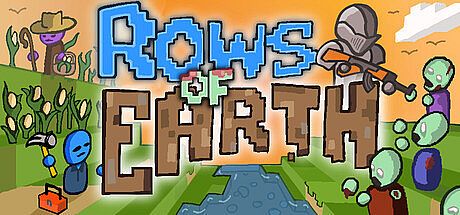


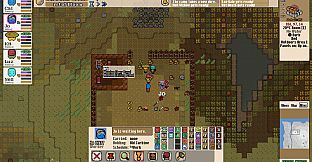
Rows of Earth is a strategy and simulation game that places players in charge of a growing settlement amid a zombie apocalypse. Built around detailed voxel-based terrain and individual survivor tracking, the title emphasizes long-term planning, resource management, and adaptation to a changing environment on PC.
Gameplay
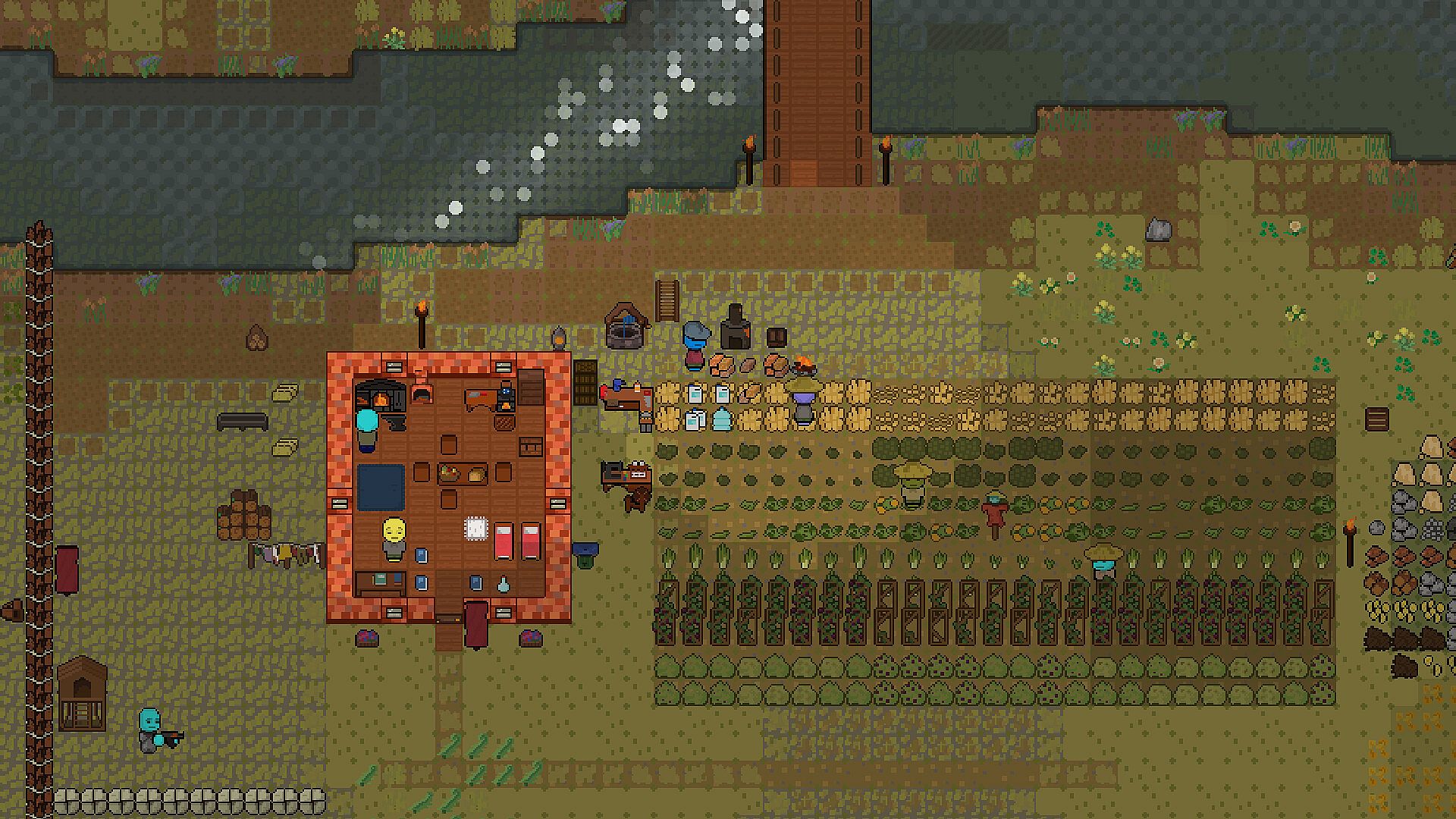
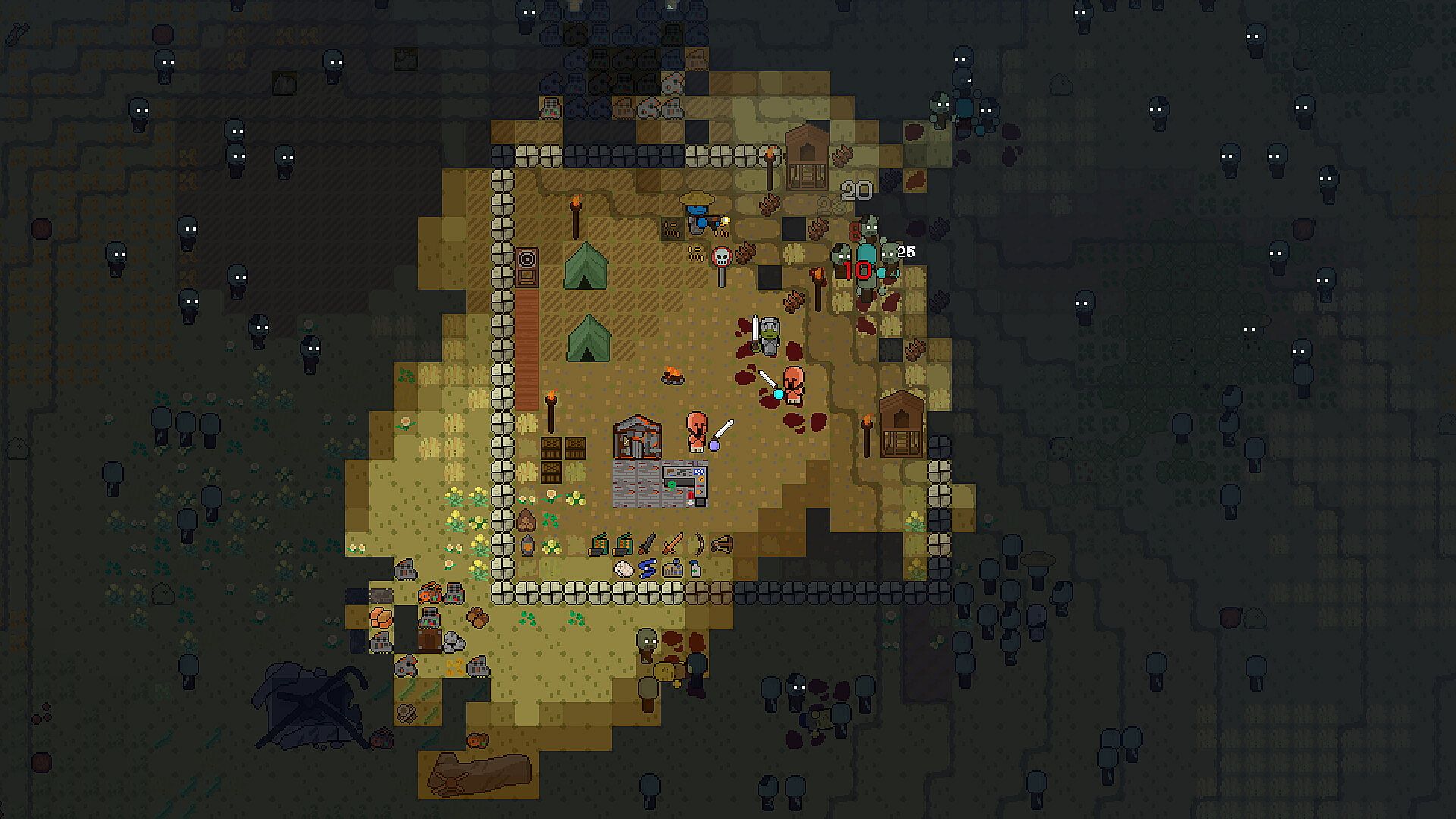
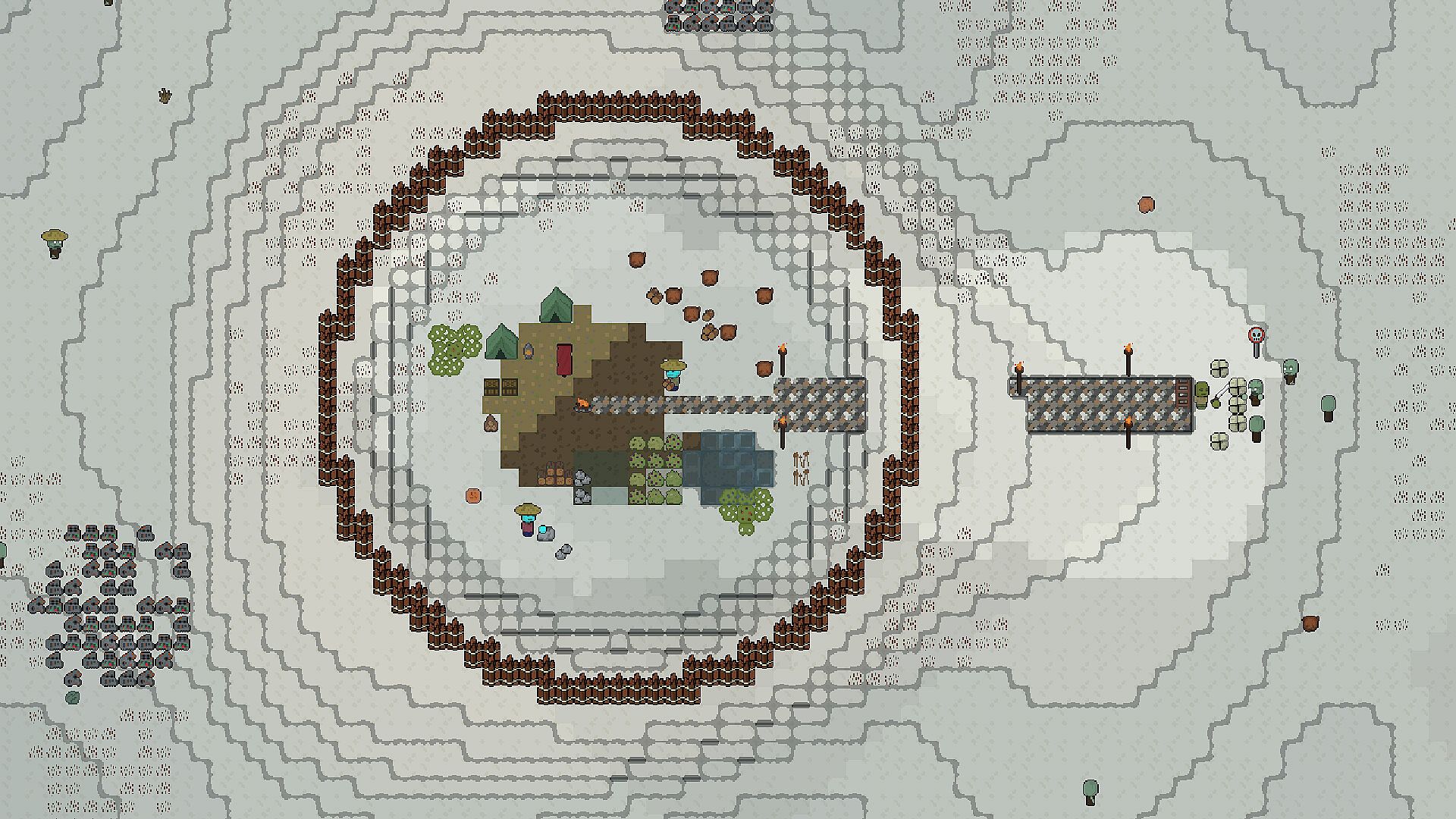
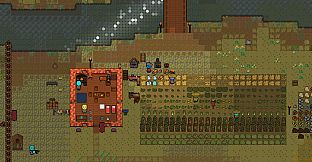
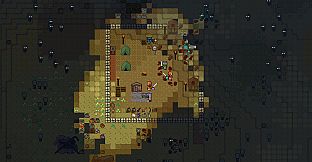
Players start with a small group of survivors and a section of undeveloped land. From there, every decision shapes the colony. Terrain consists of over a million voxels per area, allowing excavation, construction, and modification at a fine level. Hills can be terraced for farming, vaults carved into slopes, or defensive structures raised on elevated ground. Dynamic lighting affects visibility, making nights genuinely dark and requiring functional light sources for safety and work.
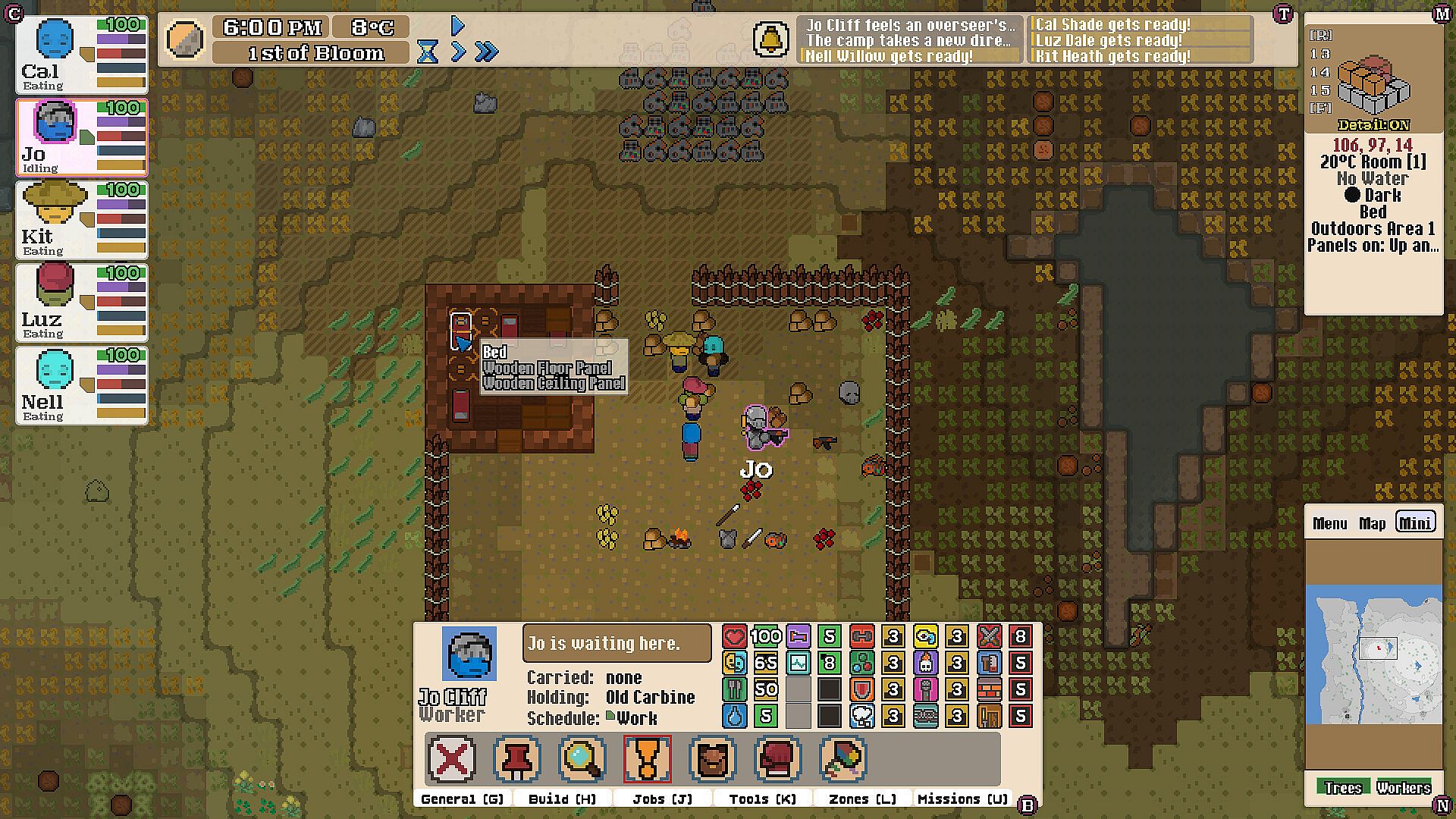
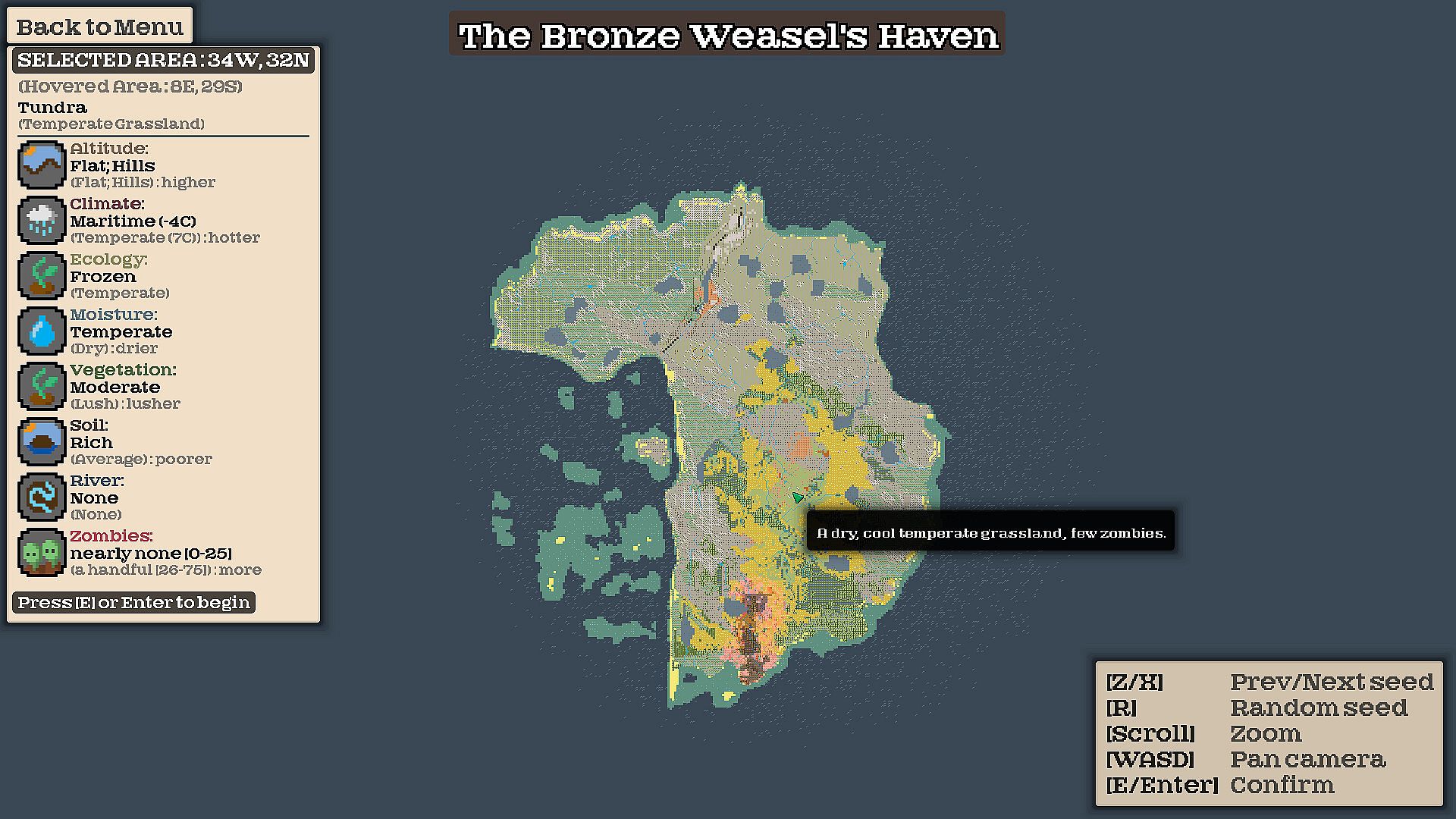
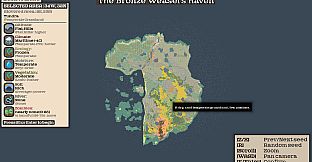
Survivors carry personal skills, needs, schedules, and relationships. They form bonds through shared labor or suffer from conflicts and losses. Plants alter soil conditions through root systems, while seasons influence vegetation, wildlife, and zombie activity. Water flows realistically, enabling irrigation systems or causing floods and landslides. Procedural island generation creates varied starting conditions, from dry grasslands with sparse threats to dense rainforests filled with undead.
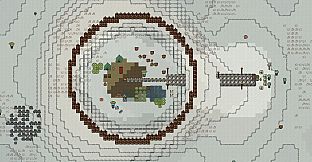
Defense involves crafting or scavenging weapons, positioning guards, and responding to noise-attracted hordes. Expeditions into ruins yield materials and knowledge. Books serve as a recoverable resource for rediscovering technologies such as firearms, electricity, and armor. A former electrician among the survivors can accelerate progress just as much as a trained fighter.
Game Modes
The game centers on self-contained colony runs. Each attempt begins with fresh procedural terrain and a unique set of survivors. Players manage daily routines, expand infrastructure, and handle nighttime threats within a single persistent settlement area. Missions outside the walls introduce risk-reward elements for gathering resources and advancing research.
Procedural generation ensures no two islands match in climate, elevation, soil, or zombie distribution. Runs conclude when the colony fails or the player chooses to end it, at which point an automated chronicle records events in narrative form. This record captures specific incidents such as harsh winters, unusual survivor feats, or generational developments without repeating across attempts.
World and Environment Systems
Every settlement area supports full three-dimensional interaction. Players dig, build, and reshape the landscape while accounting for structural stability and water movement. Seasons cycle through changes that affect crop growth, animal behavior, and zombie patterns. Light propagation influences both gameplay and atmosphere, turning torches into essential tools rather than visual effects alone.
Vegetation interacts with the soil it occupies, creating feedback loops that players can exploit or mitigate. Floods and landslides introduce environmental hazards that can destroy or reshape developed areas. These systems combine to reward careful observation and adaptive building strategies over multiple seasons.
Survivor and Knowledge Management
Each colonist operates with individual goals, faults, and memories. Relationships develop organically through proximity and shared tasks, influencing morale and cooperation. New arrivals may join as family units or isolated individuals, adding variety to group dynamics.
Knowledge functions as a limited asset. Technology from the old world must be recovered through scavenging or recreated from inspirations. A well-stocked library or skilled specialist can unlock production chains that transform the colony's capabilities. This layer encourages balanced investment in both defense and exploration.
Is It Worth Playing?
Rows of Earth suits players who enjoy deep colony simulation combined with survival tension. The voxel-level detail and individual survivor modeling create a management experience focused on cause-and-effect relationships rather than abstract numbers. Procedural islands and the chronicle system support repeated attempts with distinct outcomes each time.
Those drawn to titles that track resources, relationships, and environmental changes at a granular level will find consistent engagement. The emphasis on rediscovering technology and defending against escalating threats provides a clear progression path within each run. Availability on PC makes it accessible for those with hardware capable of handling detailed voxel worlds and dynamic lighting.