

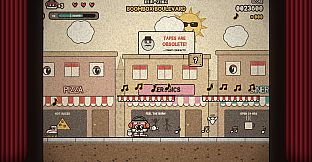
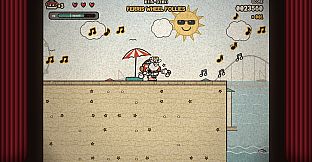
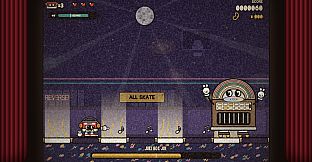
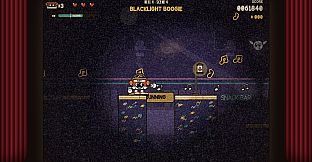
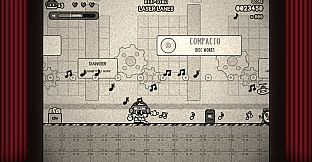
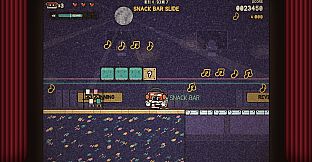
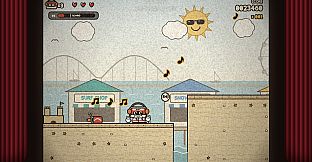
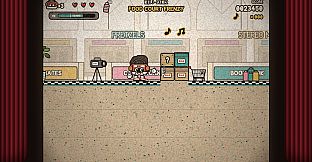
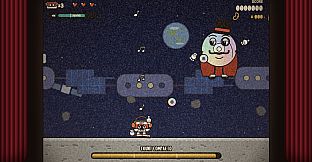
Rudy Rewind is a 2D action platformer built around precise platforming, rhythmic shooting, and a distinctive rewind system that lets players correct mistakes without losing progress entirely. Set in a stylized 1985 world where cassette tapes battle for relevance against compact discs, the game casts players as Rudy, a rubber-hose cartoon character who fires musical notes from his gloves while navigating levels filled with hazards and enemies.
Gameplay
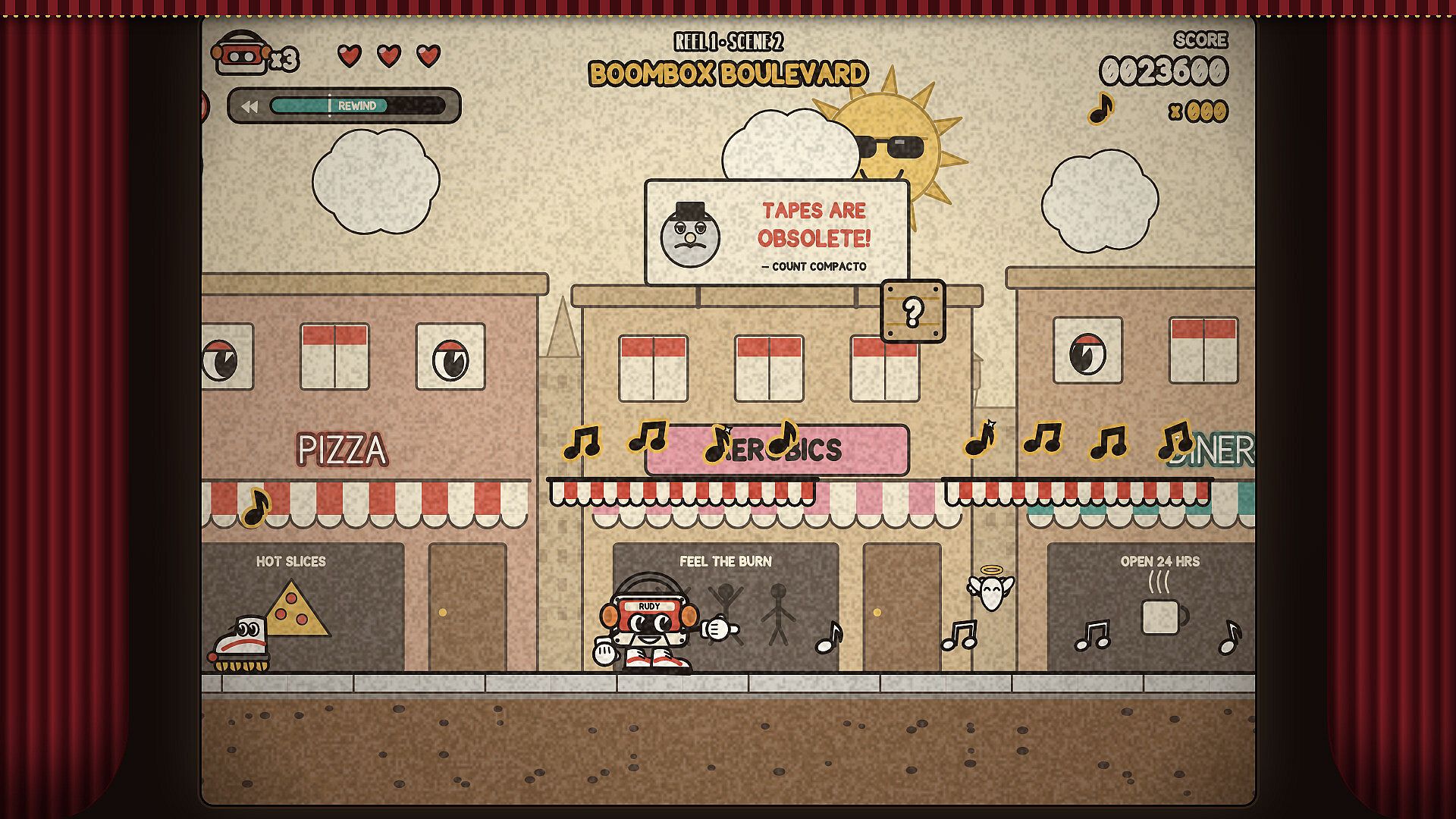
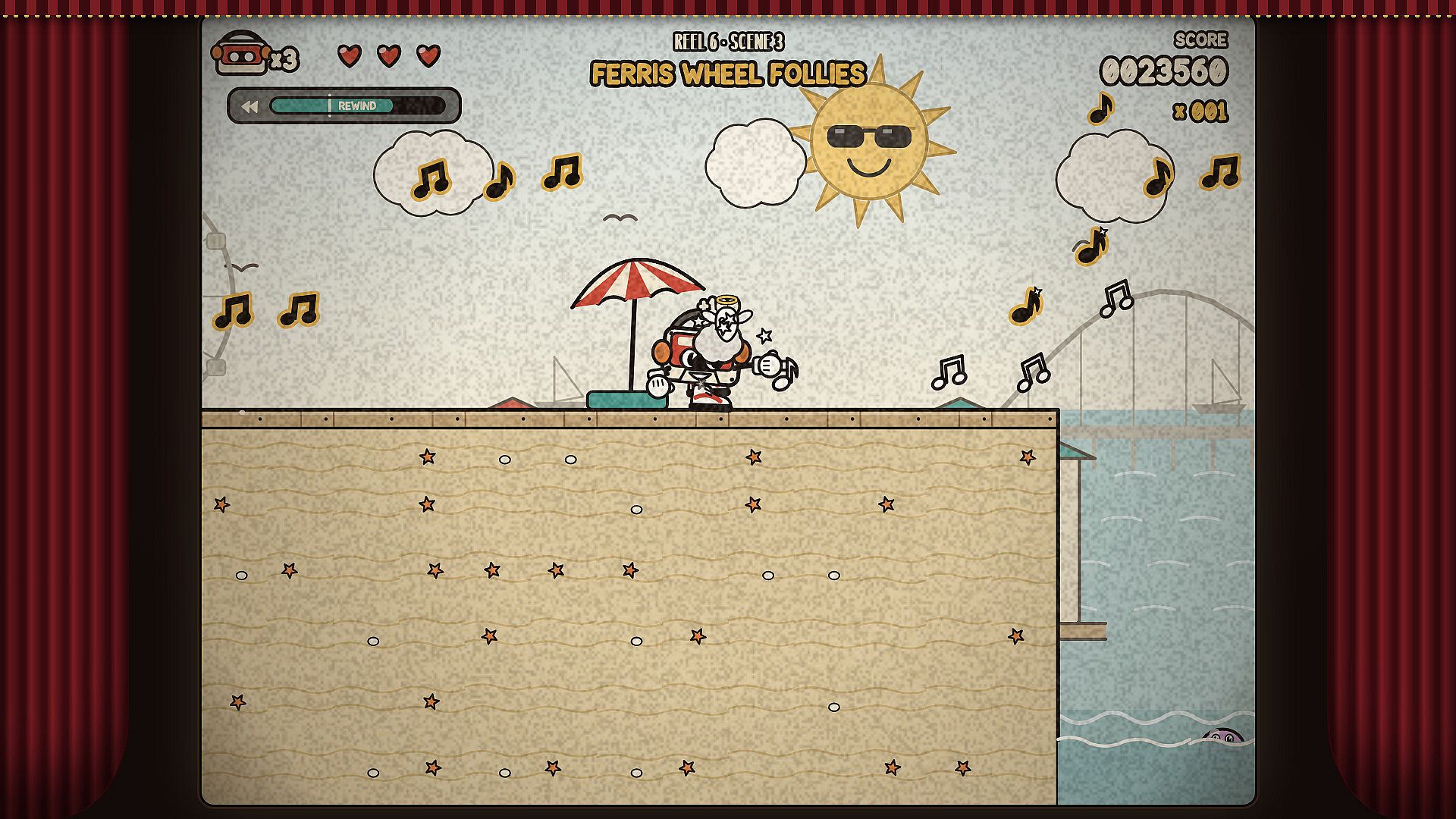
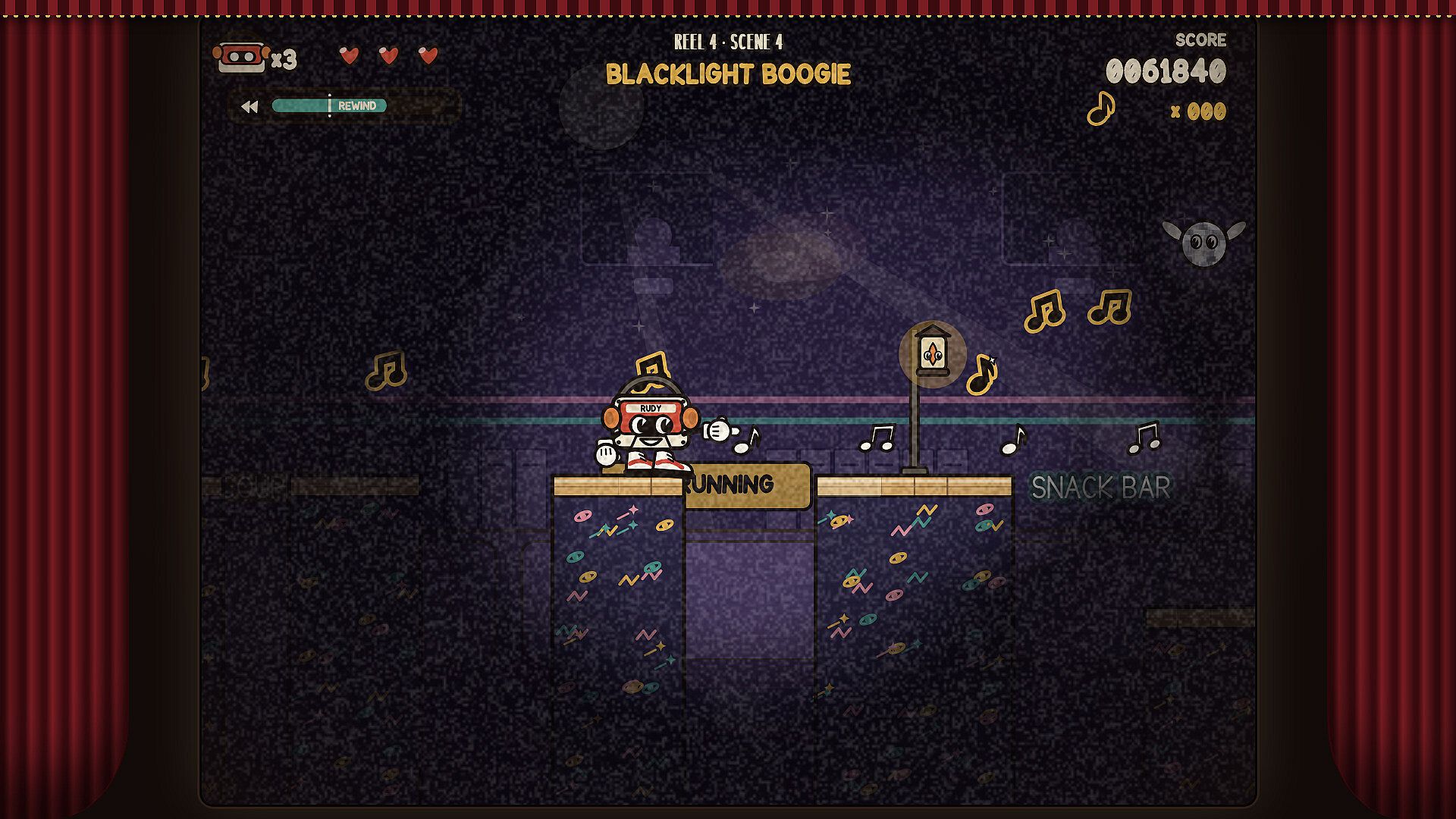
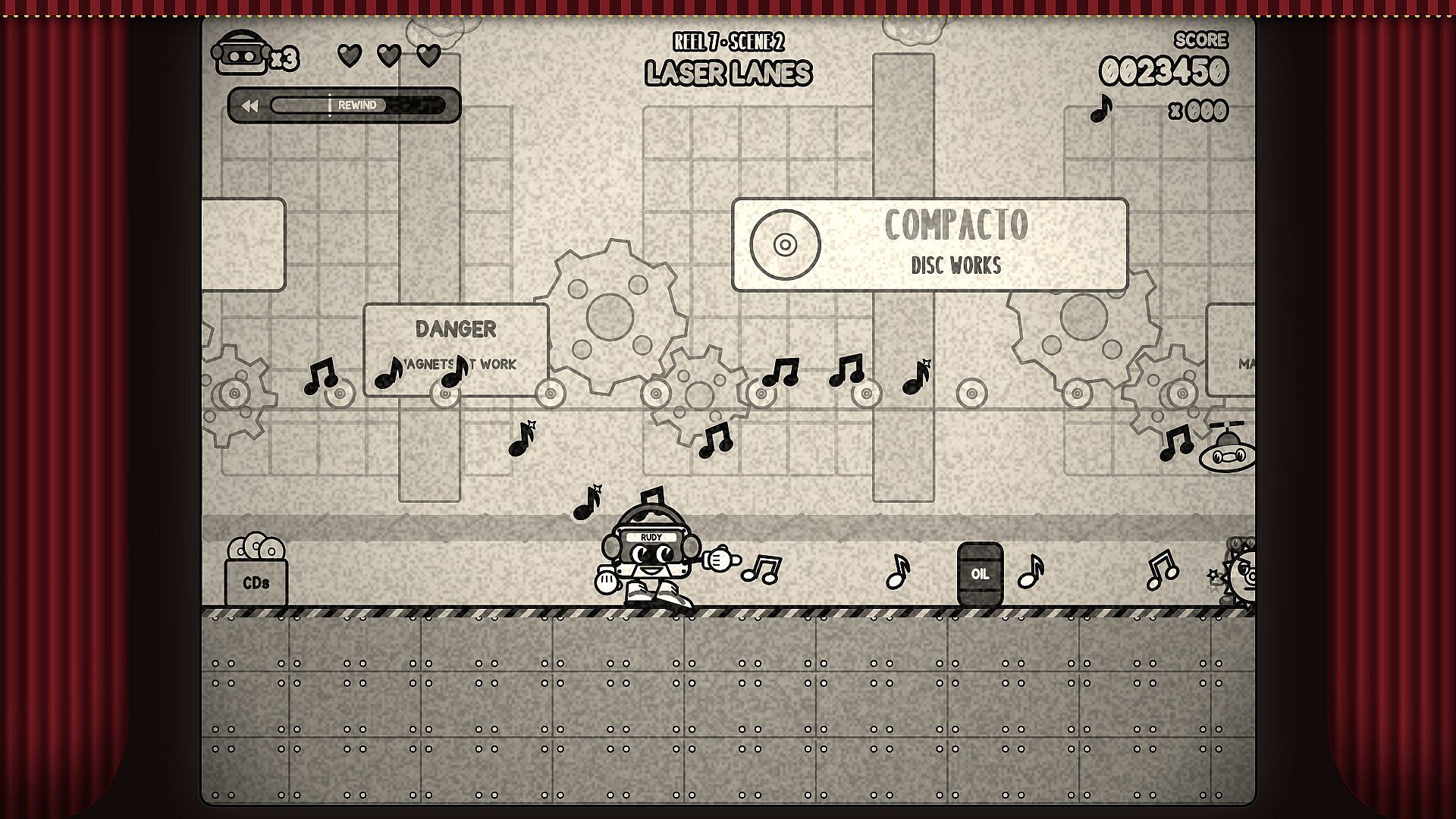
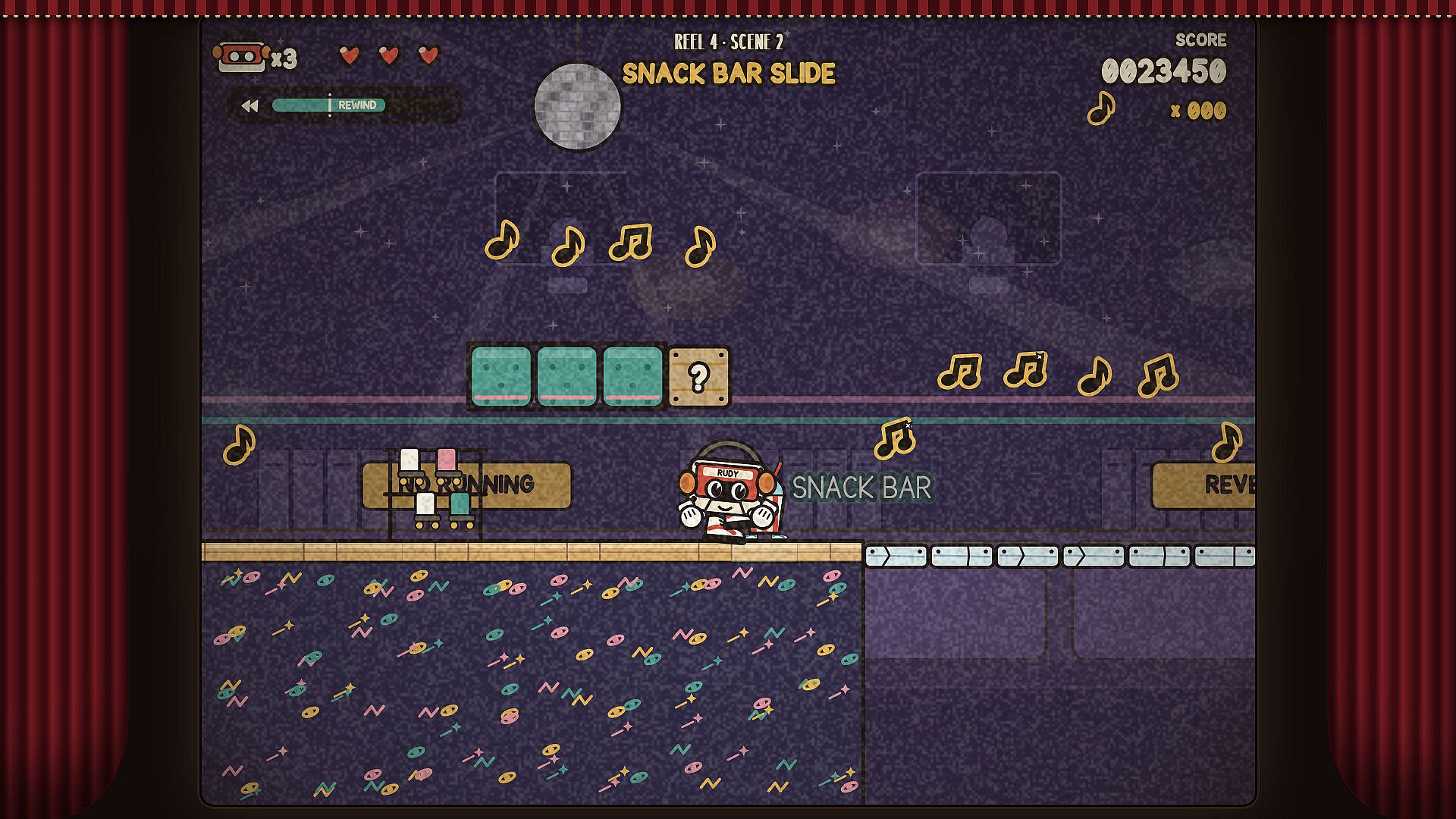
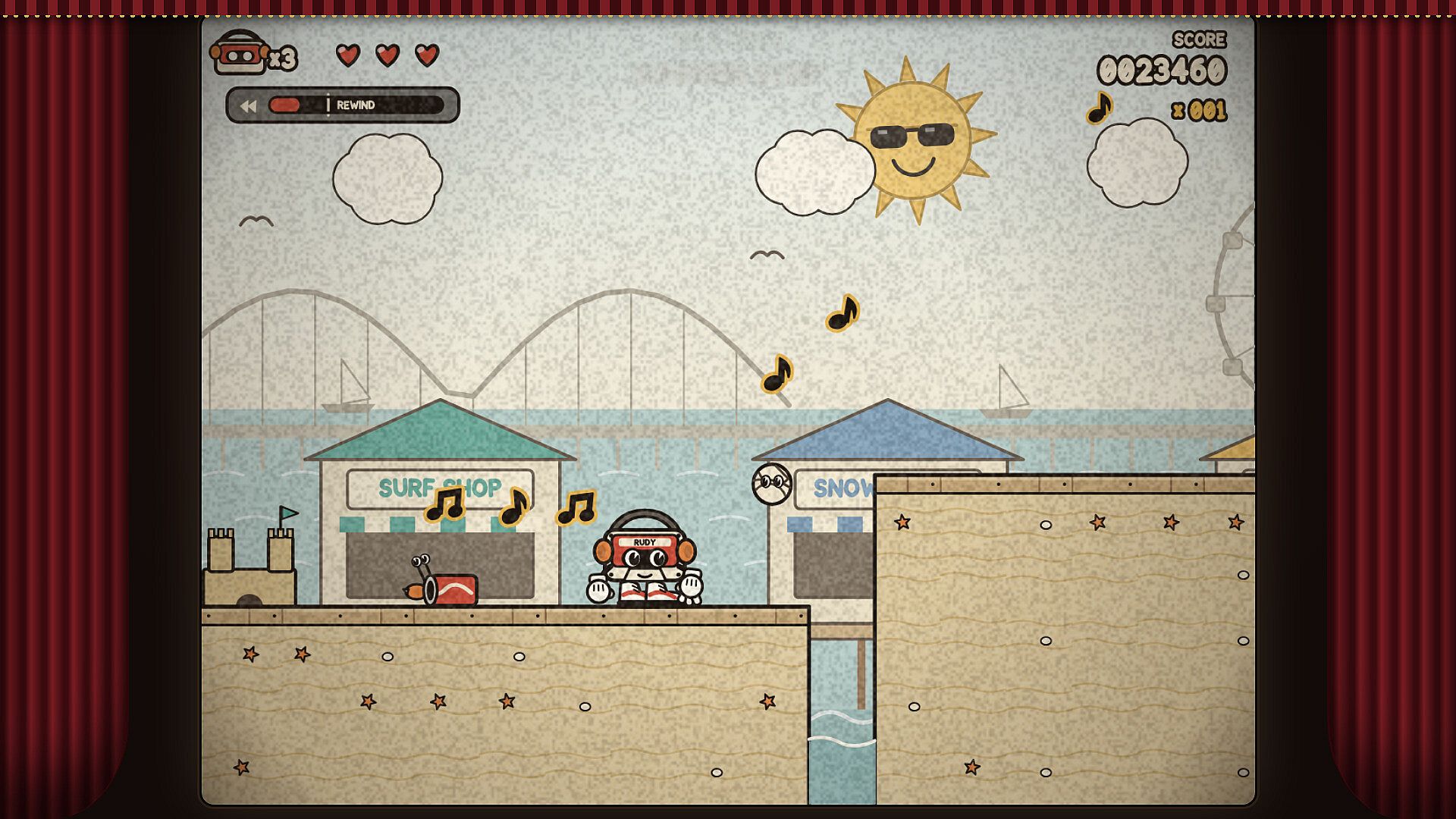
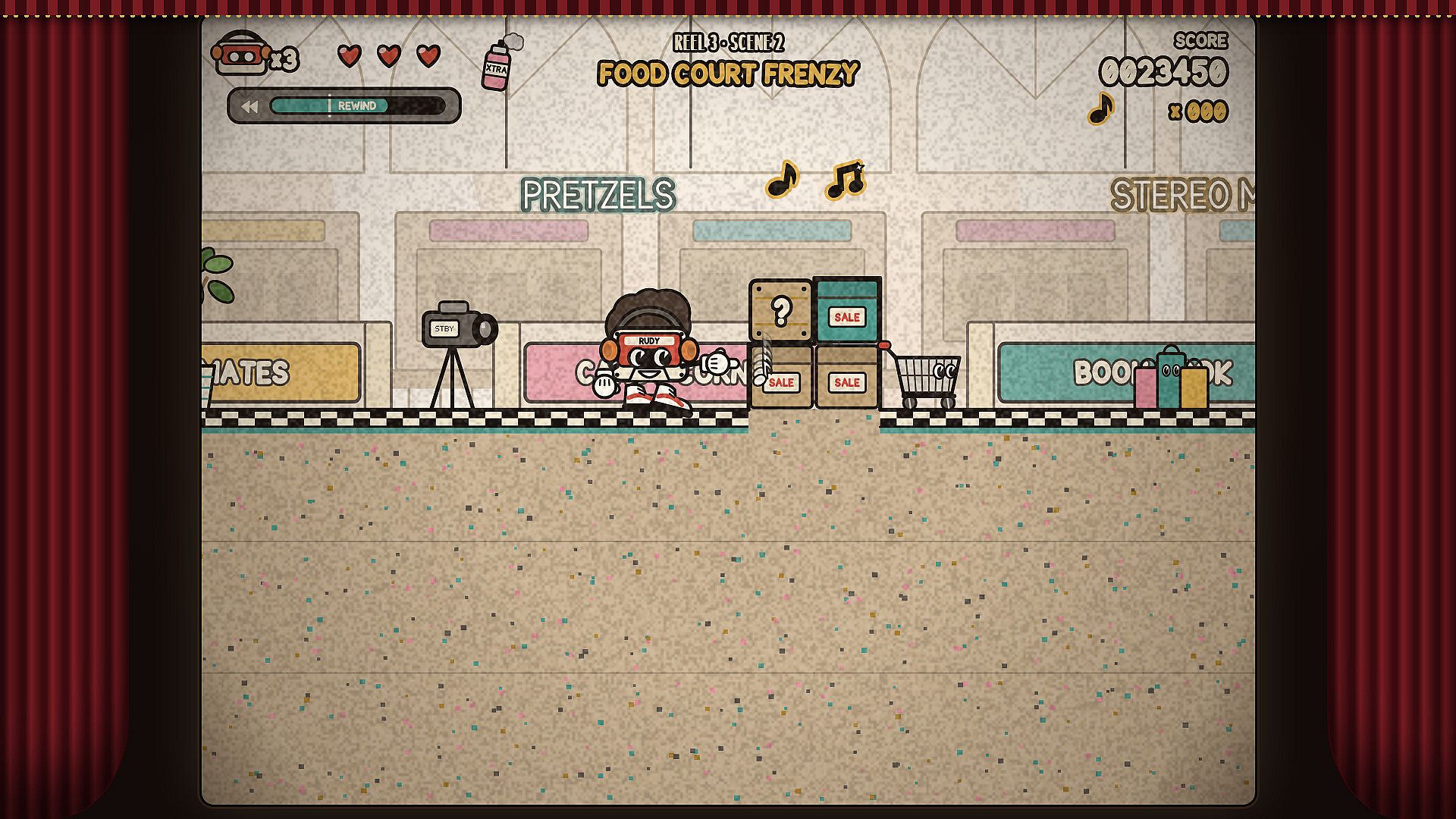
The core loop centers on running, jumping, and blasting through detailed scenes. Rudy collects golden notes scattered throughout each area while managing a limited health pool of three hearts and a supply of spare tapes. Shooting musical projectiles handles most threats, and players must time jumps to clear gaps, avoid obstacles, and reach higher platforms. The visual style draws directly from 1930s rubber-hose animation, giving characters and environments a bouncy, exaggerated quality that fits the neon-tinged 1980s setting of shopfronts, arcades, and boardwalks.
A standout mechanic allows Rudy to rewind his own tape. When a jump fails or an enemy hits, the screen rolls back with visible tracking lines to a prior moment, letting the player attempt the section again. This feature drains a meter that refills during normal play, turning it into a deliberate tool rather than an unlimited resource. Exploration rewards players who hunt for hidden notes and interact with ? blocks that yield items or points. The pressure comes from the combination of limited lives, a visible score, and the need to maintain momentum across longer sequences.
Game Modes
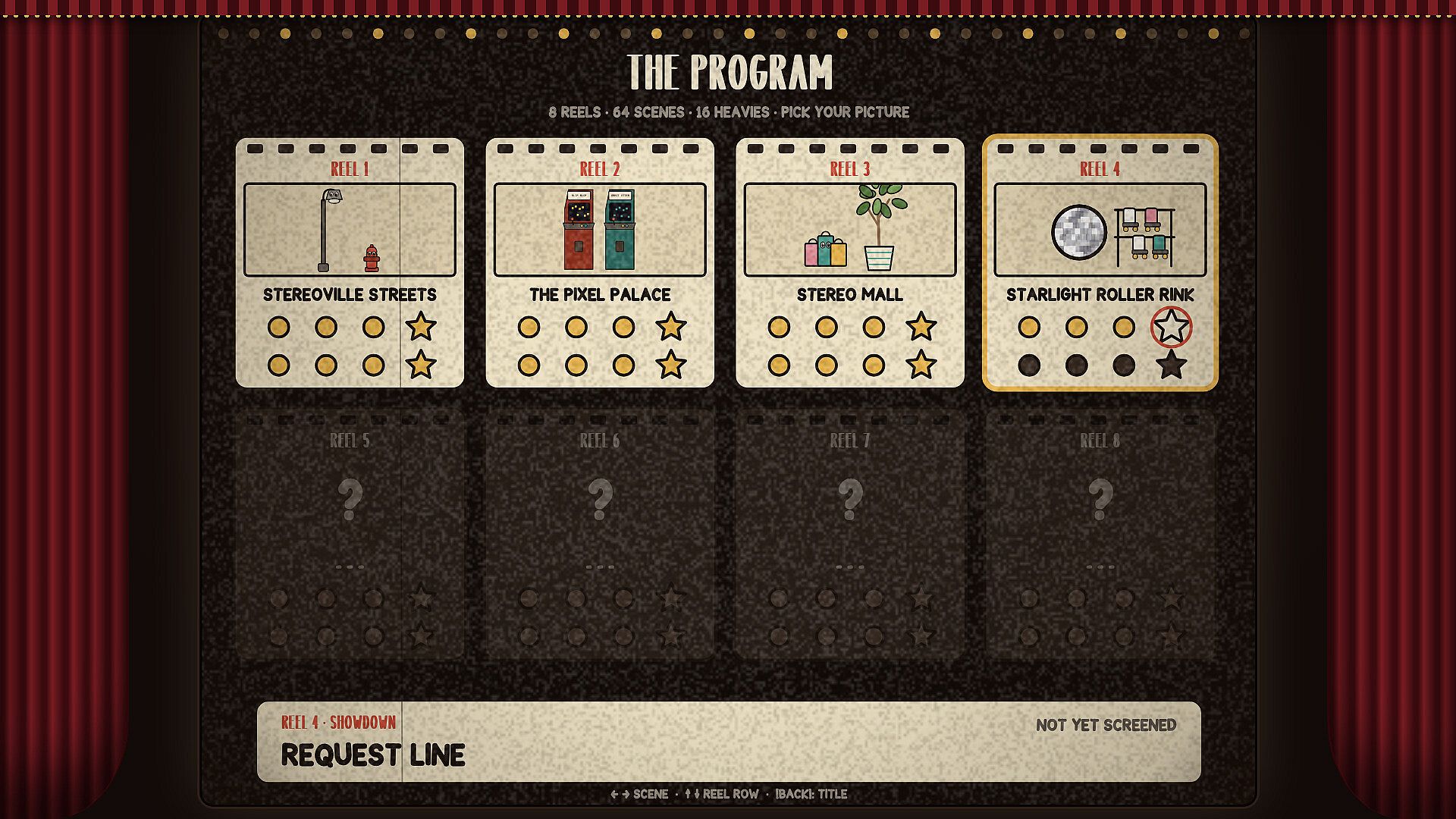
The game operates as a single-player experience with no separate modes listed beyond the main campaign. Players progress through 64 scenes divided across eight reels, each reel presenting a distinct setting and culminating in one of 16 boss encounters. Progression follows a linear path through these reels, with each scene building on the previous ones through increased complexity in platforming and enemy patterns. The structure emphasizes completion of the full sequence rather than branching paths or alternative play styles.
Levels and Enemies
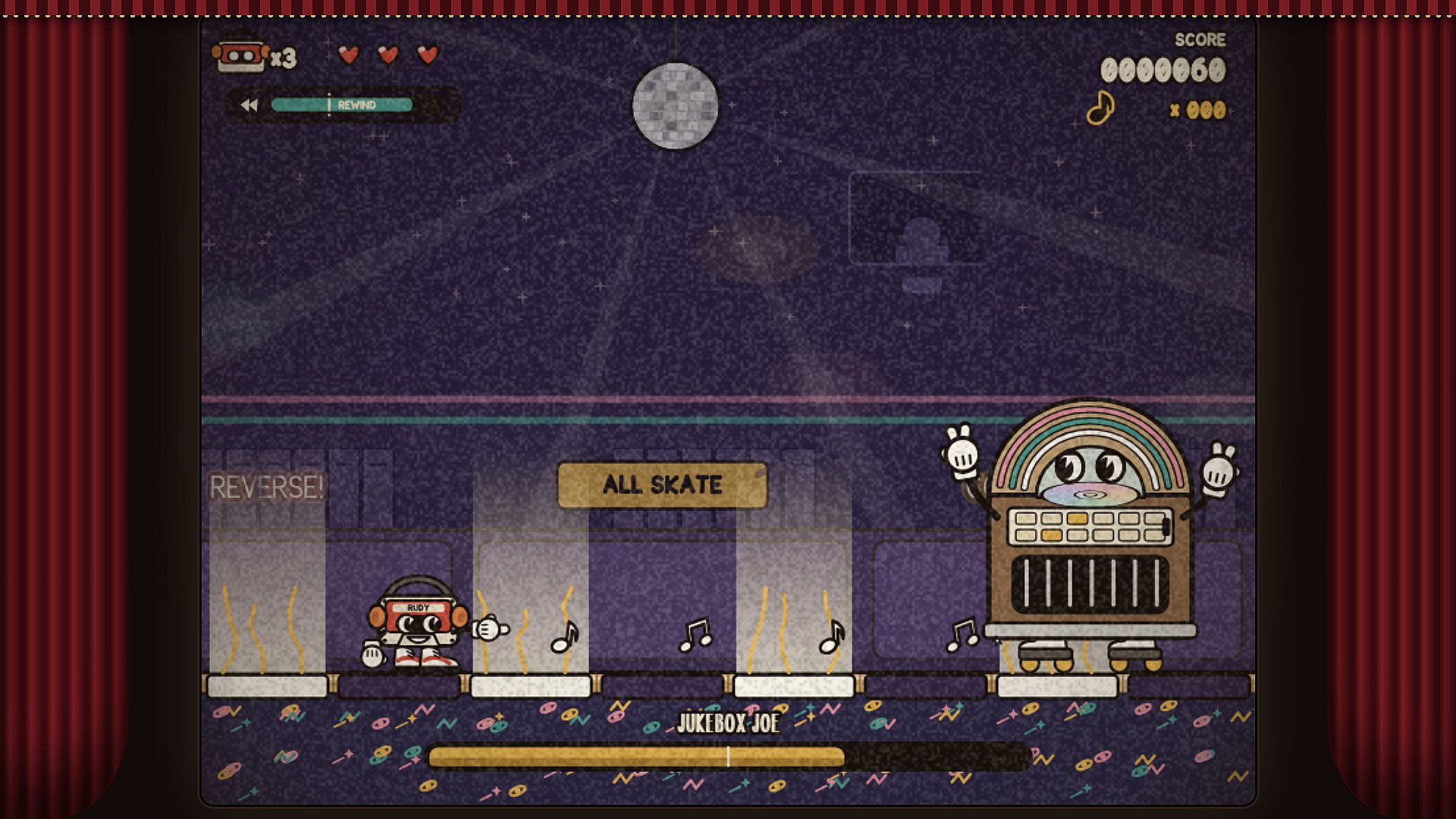
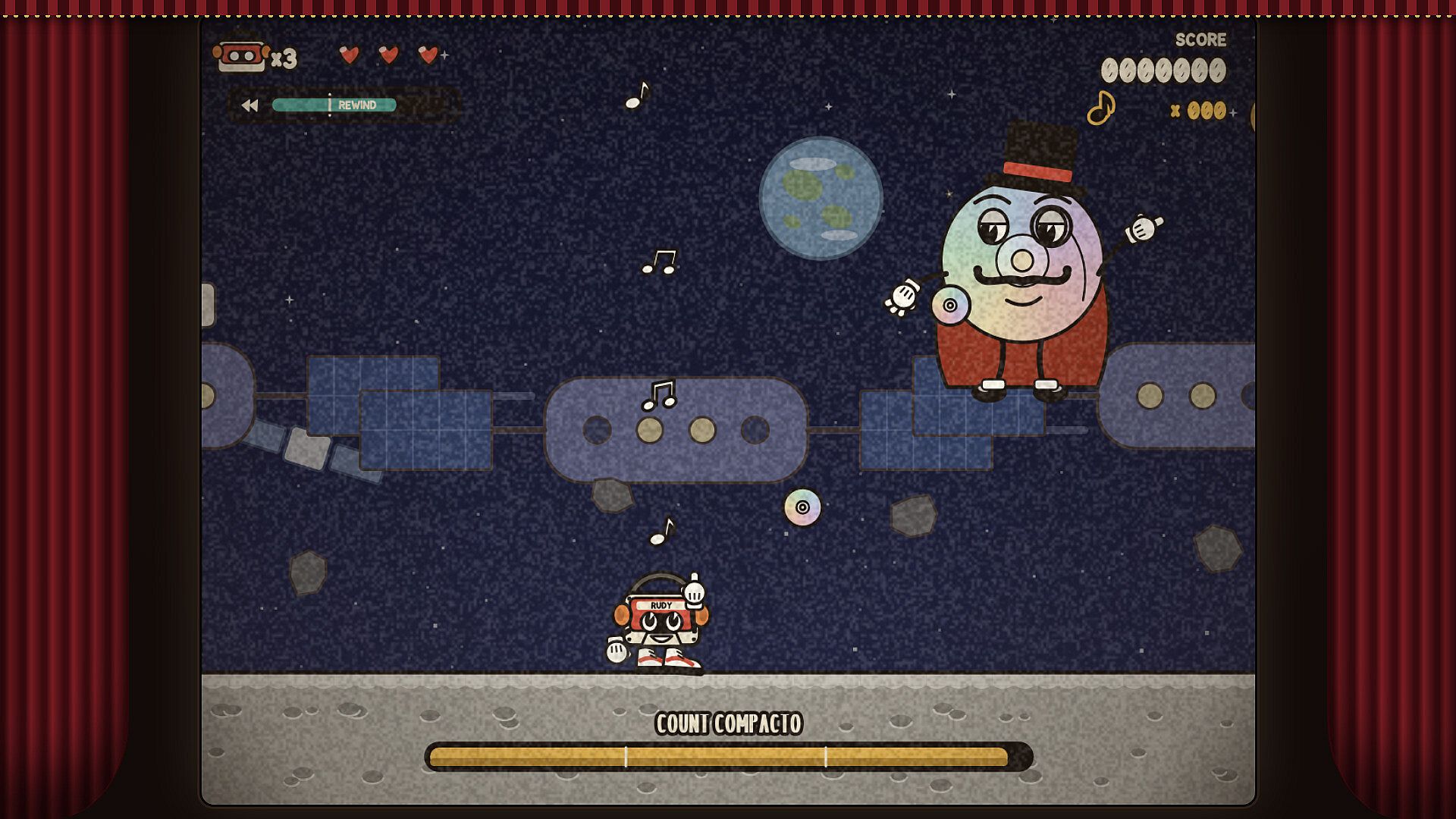
Each of the eight reels introduces its own environmental theme, creating variety in the platforming challenges. Enemies fall into more than 40 categories of Gadget Goons, ranging from everyday objects like cash registers and slushie cups to newspaper boxes and other mechanical foes. These adversaries require specific timing or positioning to defeat with note projectiles or by avoiding them altogether. Boss fights appear once per reel and feature unique mechanics, such as dodging across a light-up dance floor, evading rolling projectiles, matching musical patterns, or staying clear of a large mechanical arm. The final confrontation takes place against the main antagonist in a distinctive lunar environment.
Is It Worth Playing?
The game remains in a coming-soon state with no released version or player reviews available yet. Its appeal lies in the combination of classic run-and-gun platforming, a forgiving yet limited rewind system, and a cohesive cartoon aesthetic that stands out from modern pixel or realistic styles. Players who enjoy deliberate, checkpoint-light platformers with a retro visual flair and a safety net for repeated attempts will find the described systems promising. Those seeking multiplayer options or frequent post-launch content will need to wait for further details once the title launches on PC. The focused single-player campaign structure suggests a complete experience built around mastering the 64 scenes and their associated bosses rather than ongoing seasonal updates.