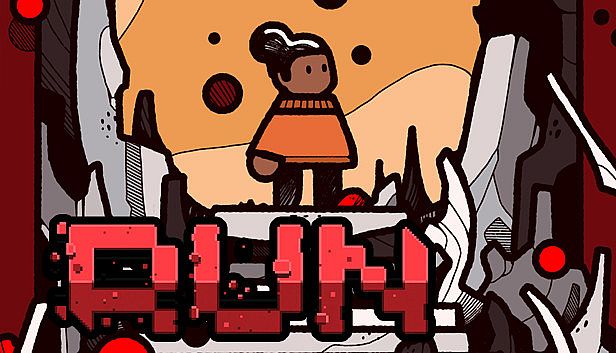























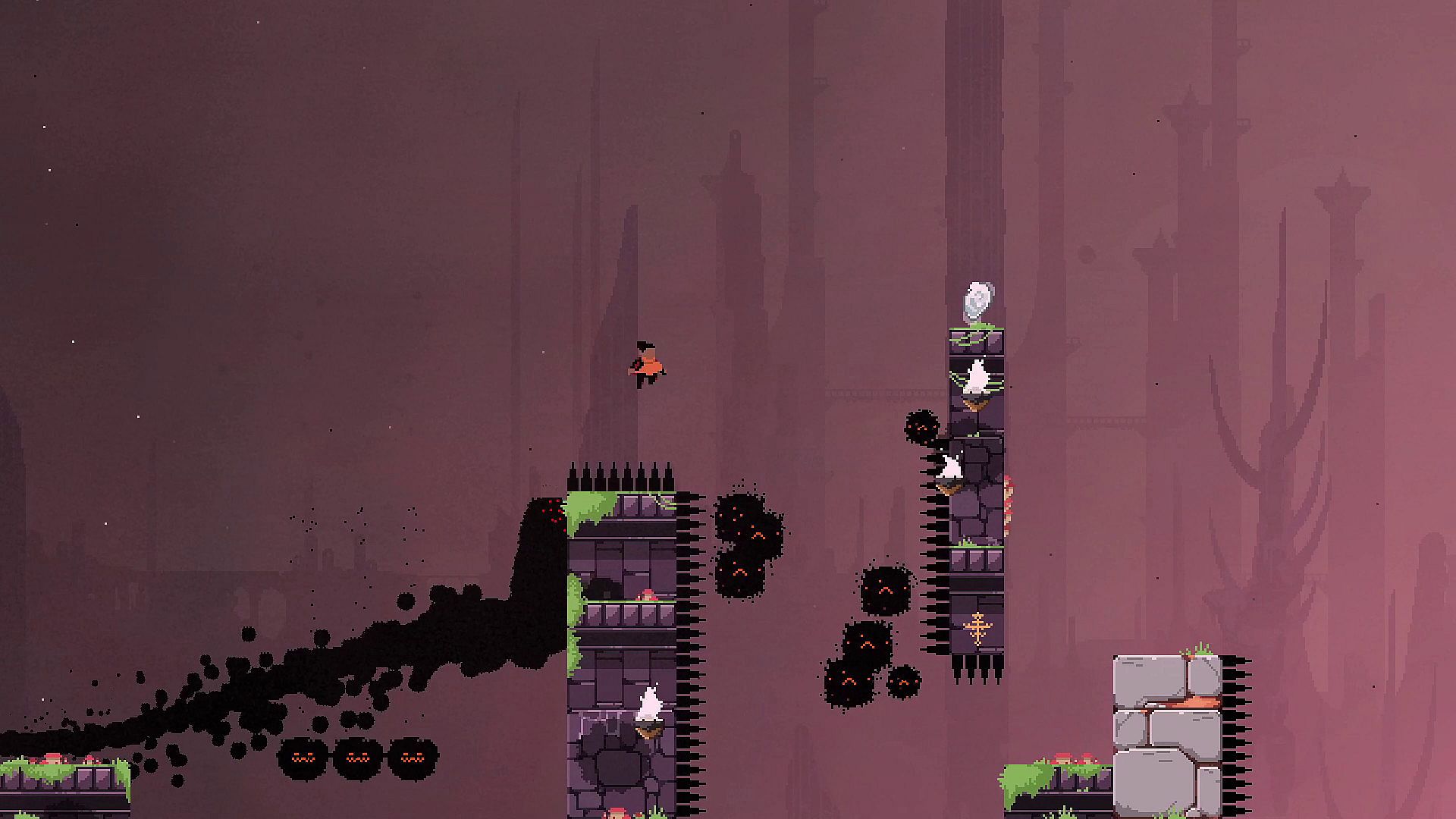
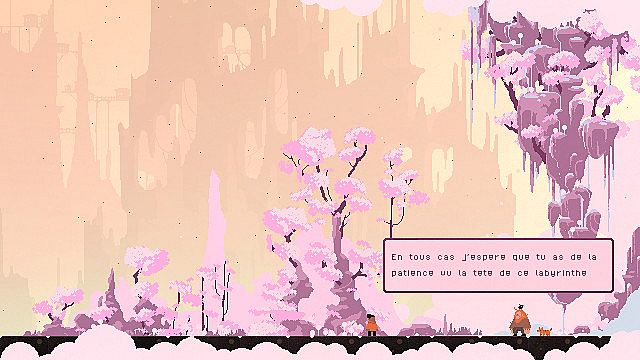
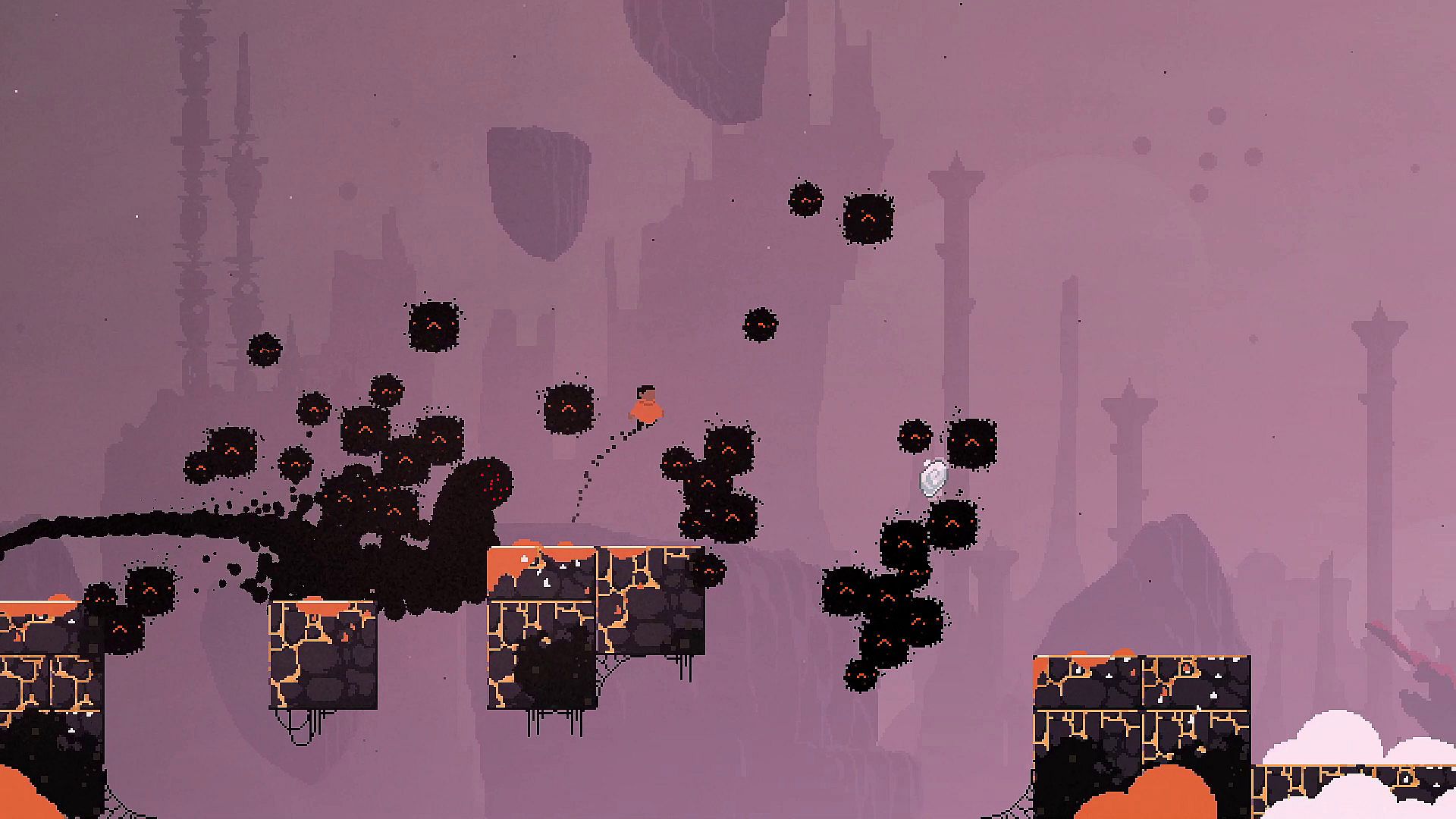
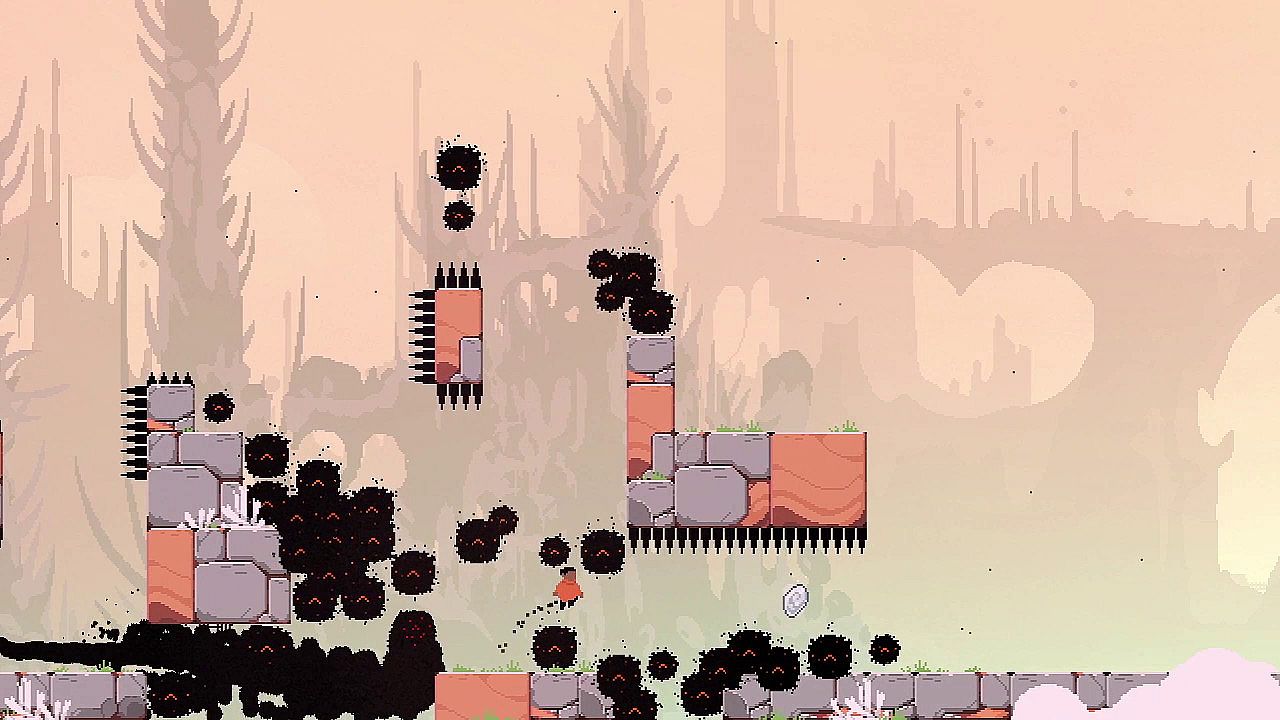
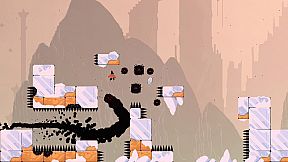
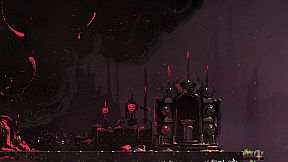
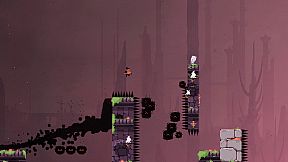
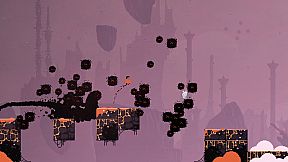
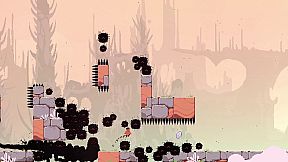
RUN: The World In-Between is a 2D action indie adventure platformer built around precise movement and procedural level generation. Players navigate constantly shifting environments filled with traps, relying on quick reflexes to progress toward the light at the end of each run. The game emphasizes a die and retry structure where every attempt builds familiarity with the core mechanics of jumping, running, and dodging.
Gameplay
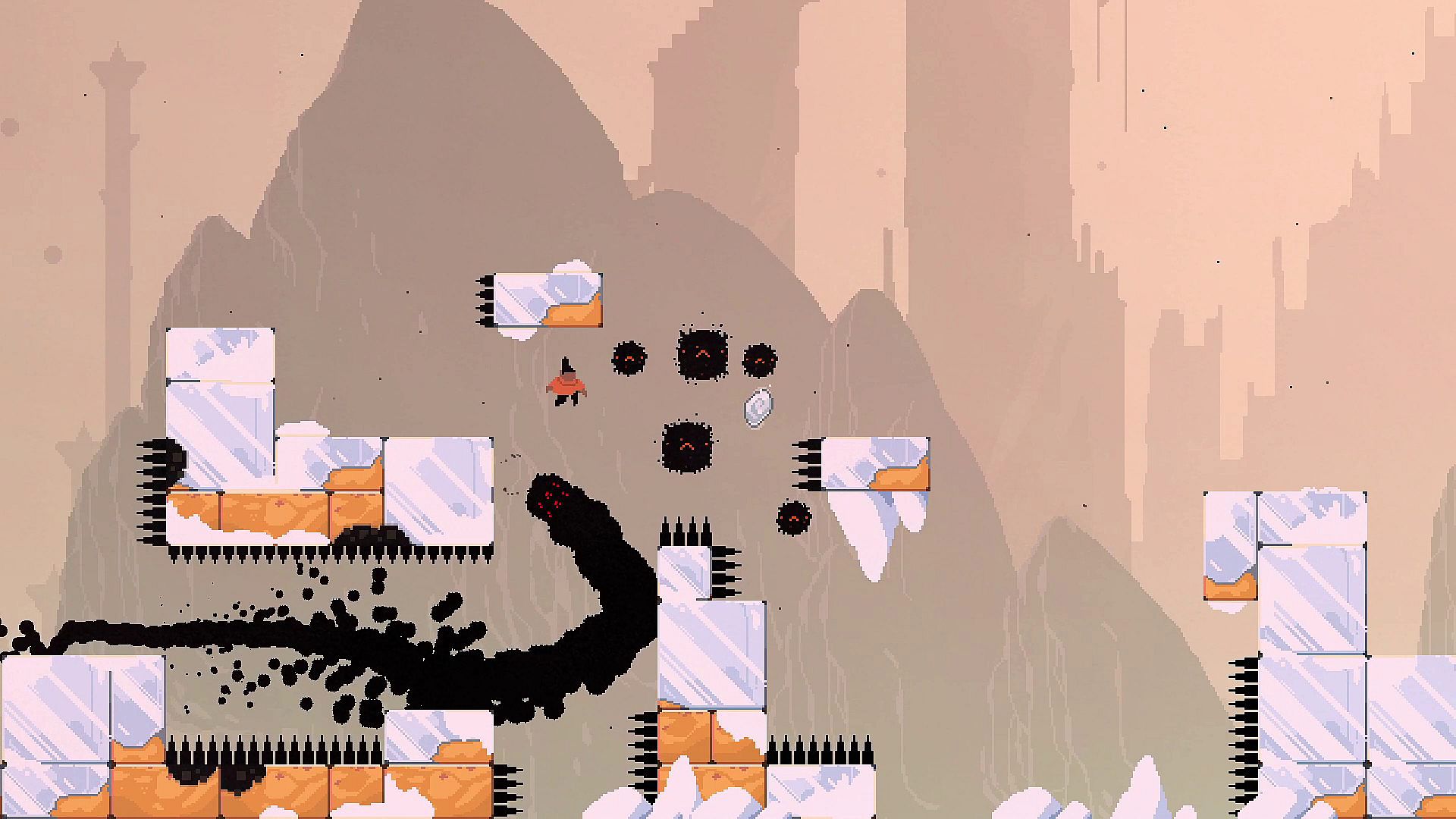
The central loop revolves around fast-paced platforming in levels that change with each playthrough. Movement demands both speed and accuracy, with controls tuned for tight responses during jumps and dashes. Traps appear in varied patterns, forcing players to adapt on the fly rather than memorize fixed layouts. Gems scattered throughout runs serve as collectibles that unlock memories, adding a layer of progression beyond simply reaching the goal. The soundtrack supports the intensity with chiptune and synthwave tracks that sync to the action.
Procedural generation ensures no two attempts feel identical, which keeps the focus on real-time decision making and muscle memory. Accessibility options allow customization of elements like input timing or visual cues, making the experience adjustable for different skill levels. An optimized mode exists specifically for speedrunners, streamlining elements to support competitive timing runs. The overall design draws from tight platformers where failure teaches patterns quickly and success feels earned through repetition.
Game Modes
The primary experience centers on single-player runs through the procedural world, with replayability built into beating personal best times and scores. Players can return to earlier sections after unlocking new content to refine their paths and collect additional gems. The speedrunner optimized mode provides a dedicated setup that removes certain distractions and supports precise tracking for leaderboard-style attempts. Different difficulty progressions unlock further zones as players complete runs, extending the challenge without altering the fundamental movement systems.
Collection of gems ties directly into narrative fragments called memories, giving runs a secondary objective alongside survival. This structure encourages multiple attempts on the same procedural seeds while pushing for higher efficiency. No separate multiplayer or co-op elements exist, keeping the emphasis on individual skill and persistence.
Progression and Features
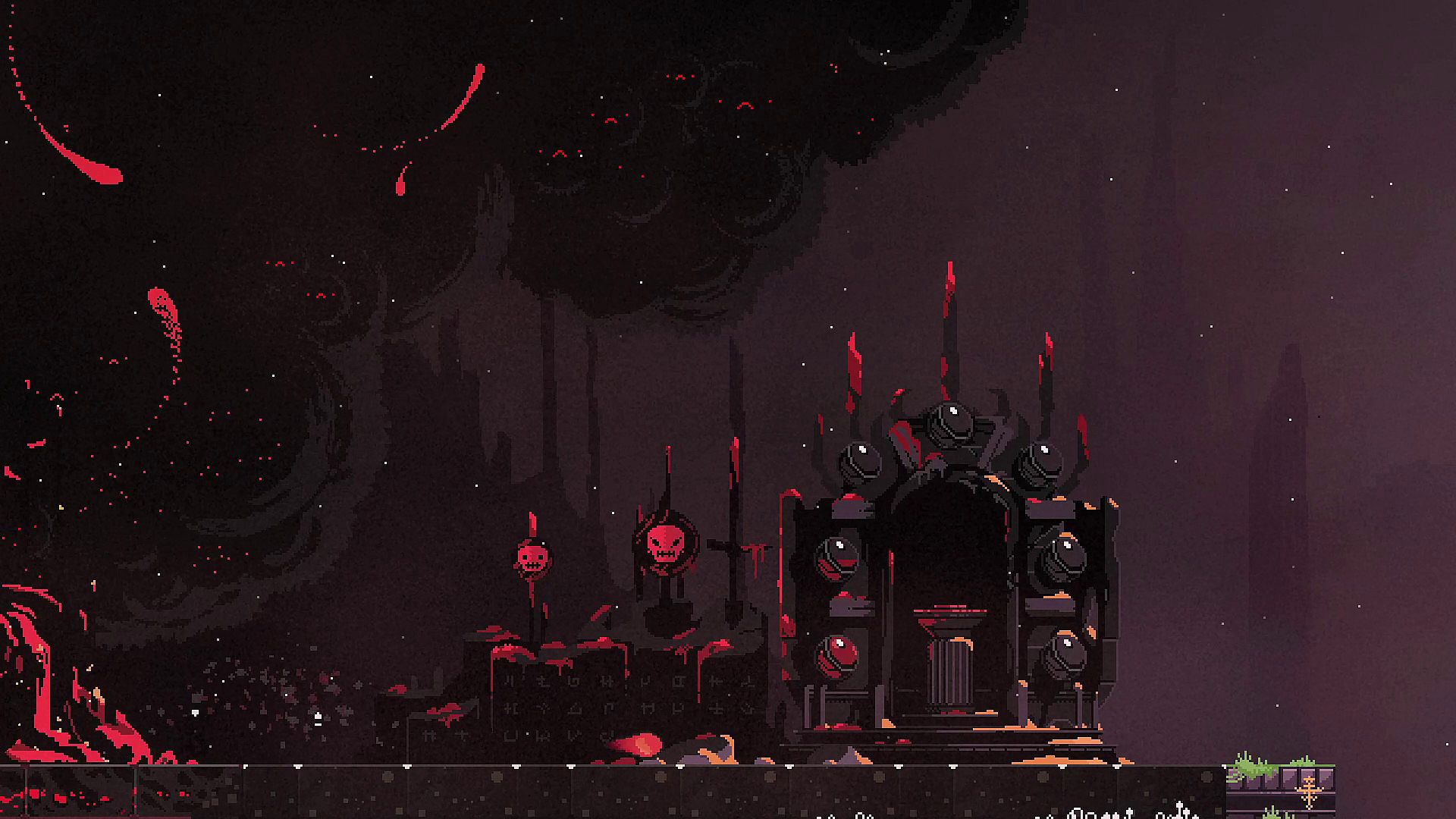
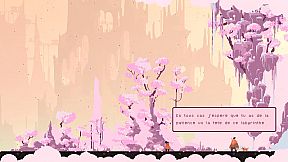
Unlocking memories through gem collection reveals pieces of the story in the World In-Between. Each successful run contributes to overall progress by opening new areas and increasing difficulty tiers. The artistic direction features a distinctive style that complements the fluid motion and shifting environments. Sound design reinforces the urgency with tracks that evolve alongside the player's pace.
Replay value stems from the ability to improve scores and times indefinitely due to the procedural nature of levels. Players often revisit sections to master specific trap sequences or optimize routes. The combination of accessibility tools and the dedicated speedrunner mode broadens the appeal across casual and competitive audiences without changing the core precision required.
Is It Worth Playing?
RUN: The World In-Between delivers a focused platforming experience suited to those who enjoy challenging, reflexive gameplay in short to medium sessions. The 92 percent positive rating from 150 Steam reviews highlights consistent praise for the controls, music, and sense of improvement over repeated attempts. Released in 2022, the game remains available as a complete title with no ongoing seasonal content or major expansions required for the full experience.
It suits players comfortable with die and retry mechanics who value procedural variety over hand-crafted stages. Those seeking precise movement challenges similar to other indie platformers will find the loop addictive once the initial worlds are cleared. The presence of accessibility features and a speedrunner mode makes it approachable for a range of preferences while maintaining its demanding nature. Overall, the game rewards persistence with satisfying mastery of its systems.