



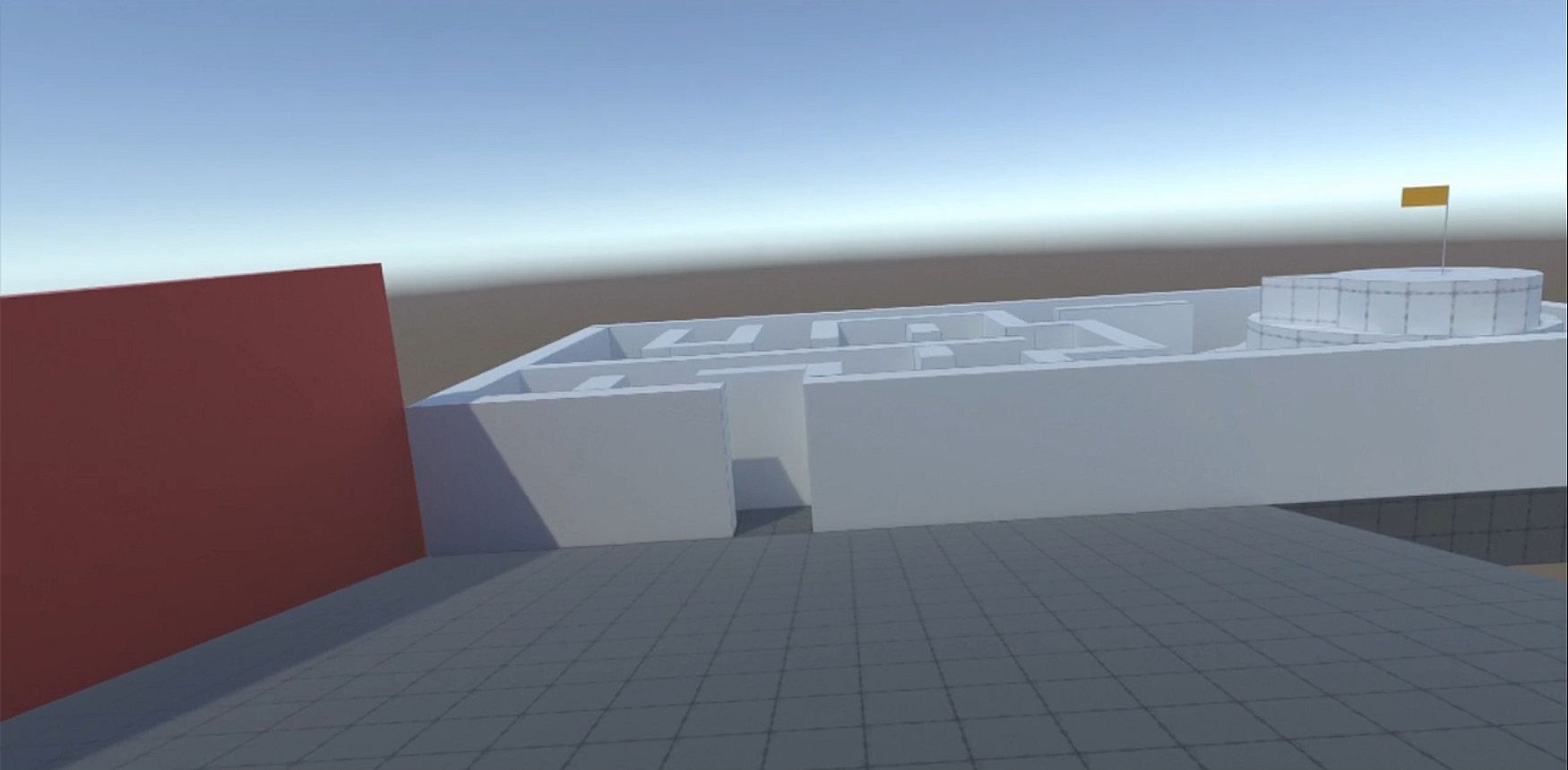
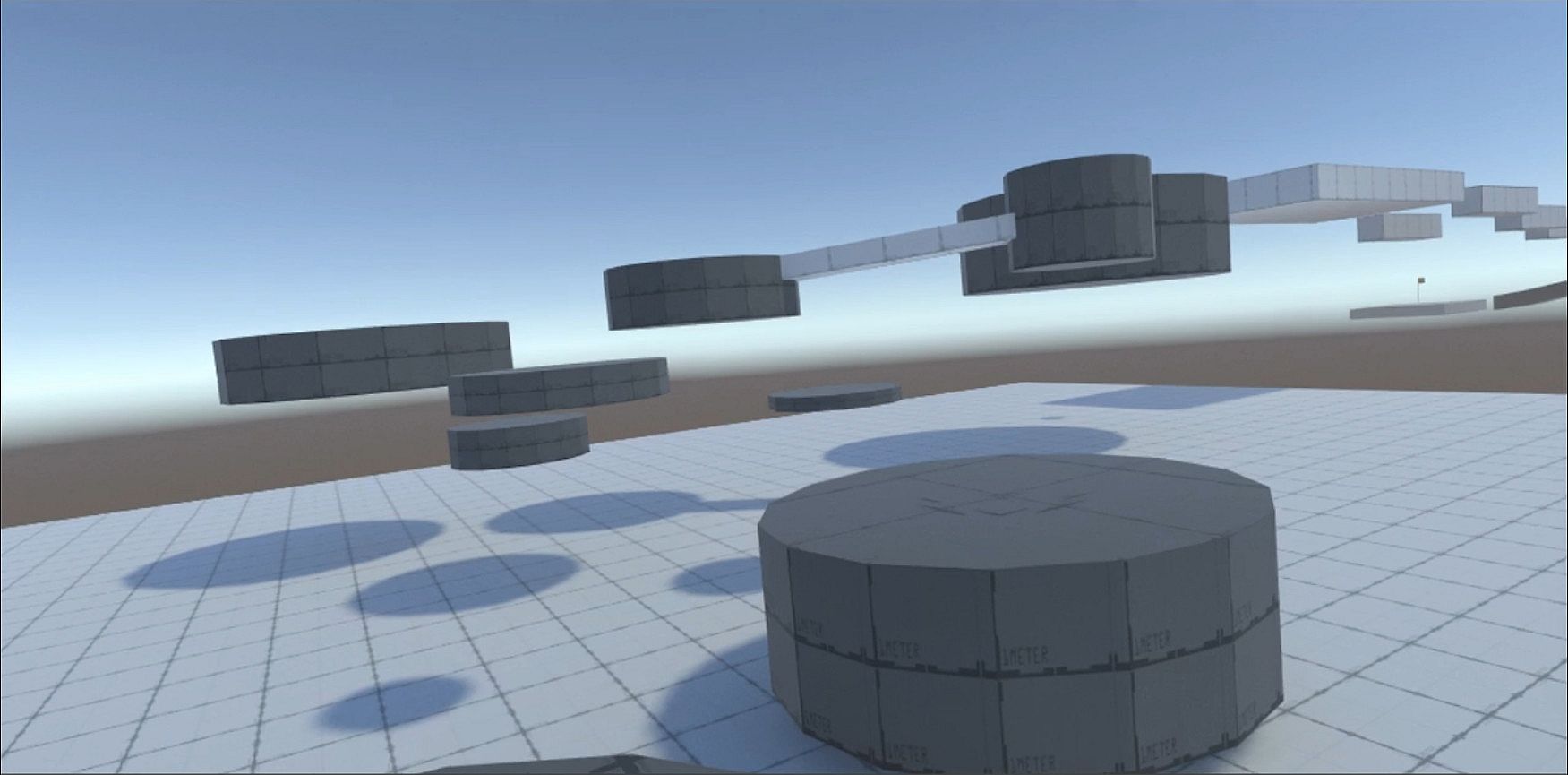
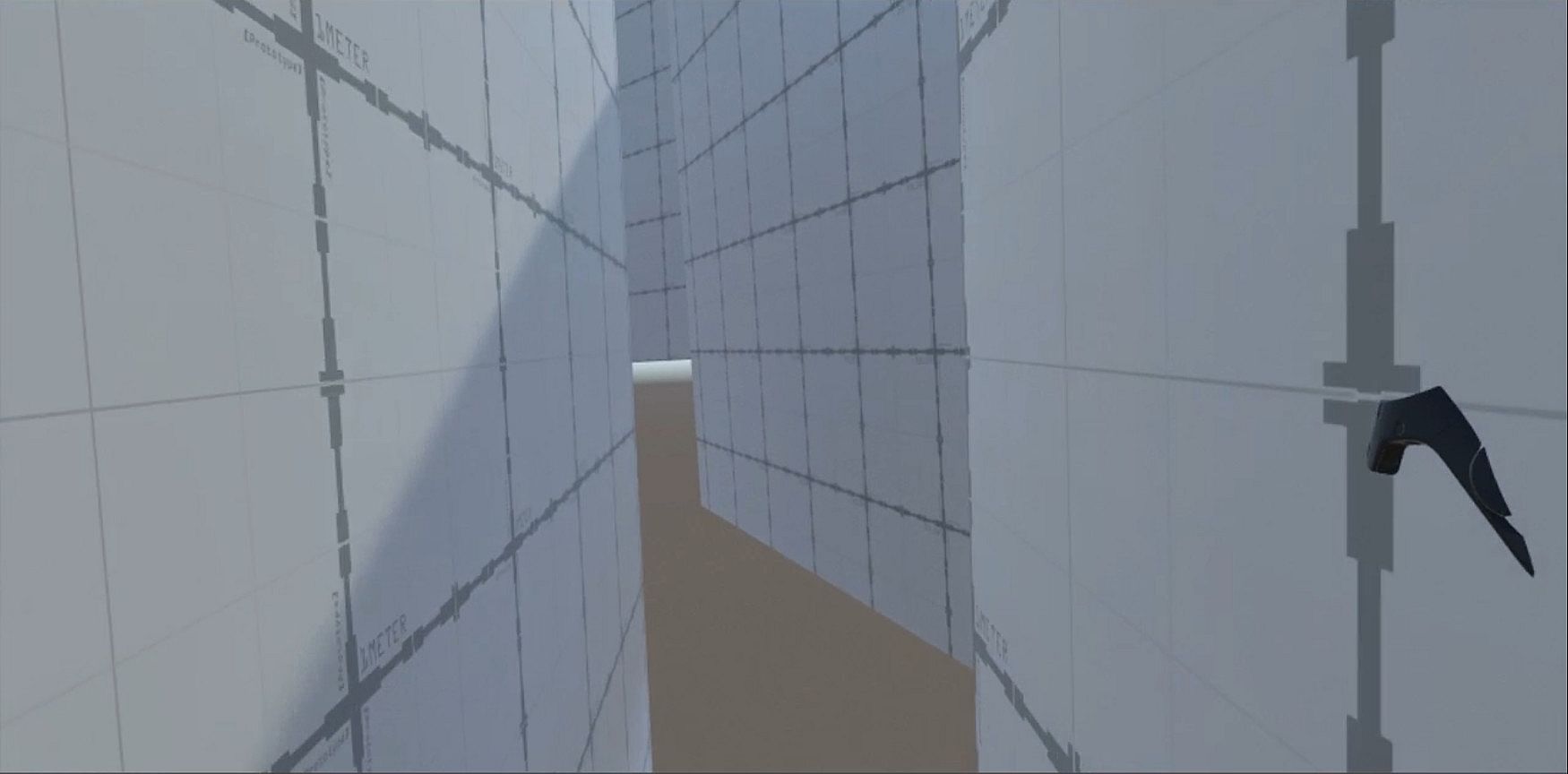
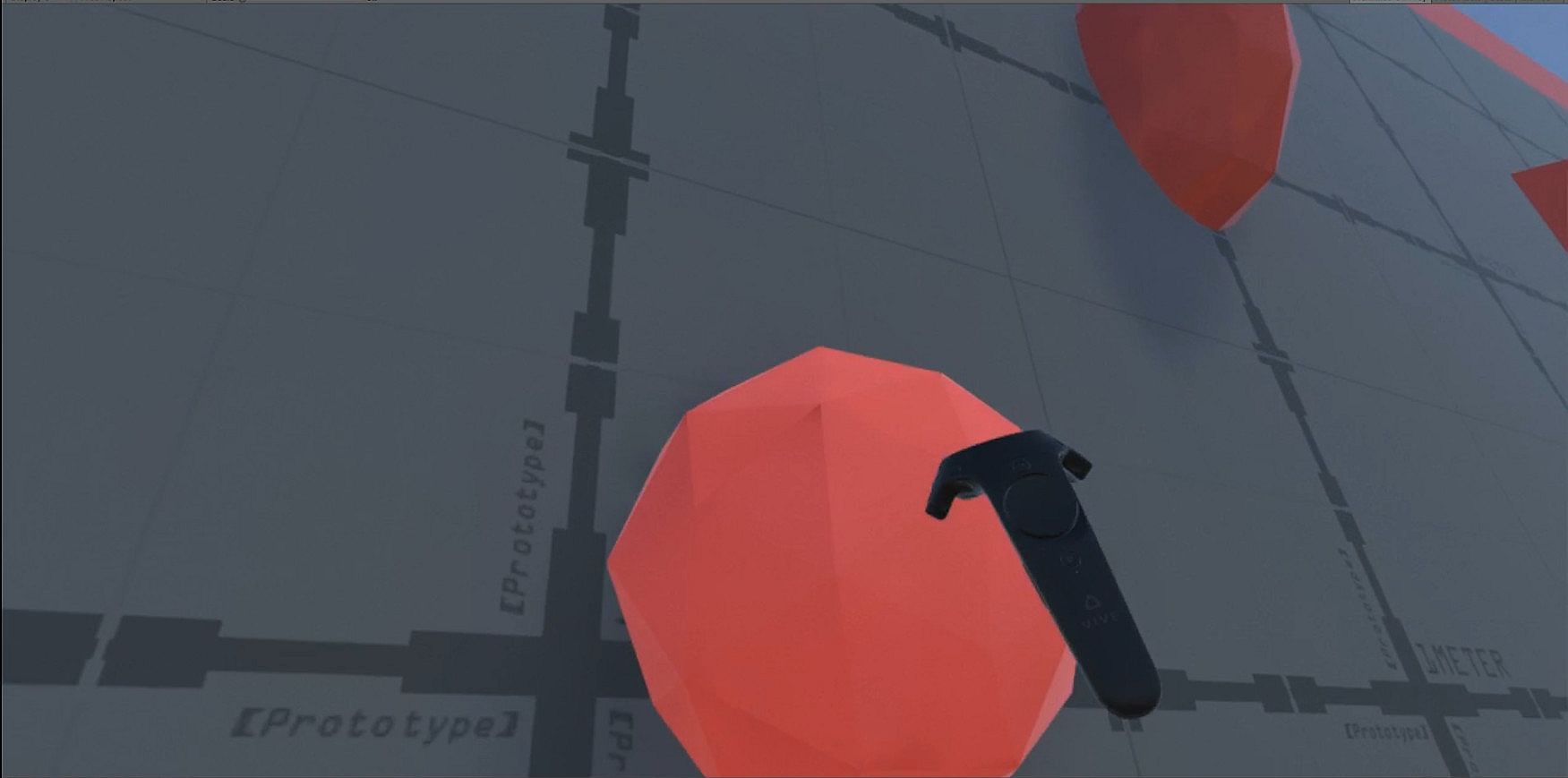
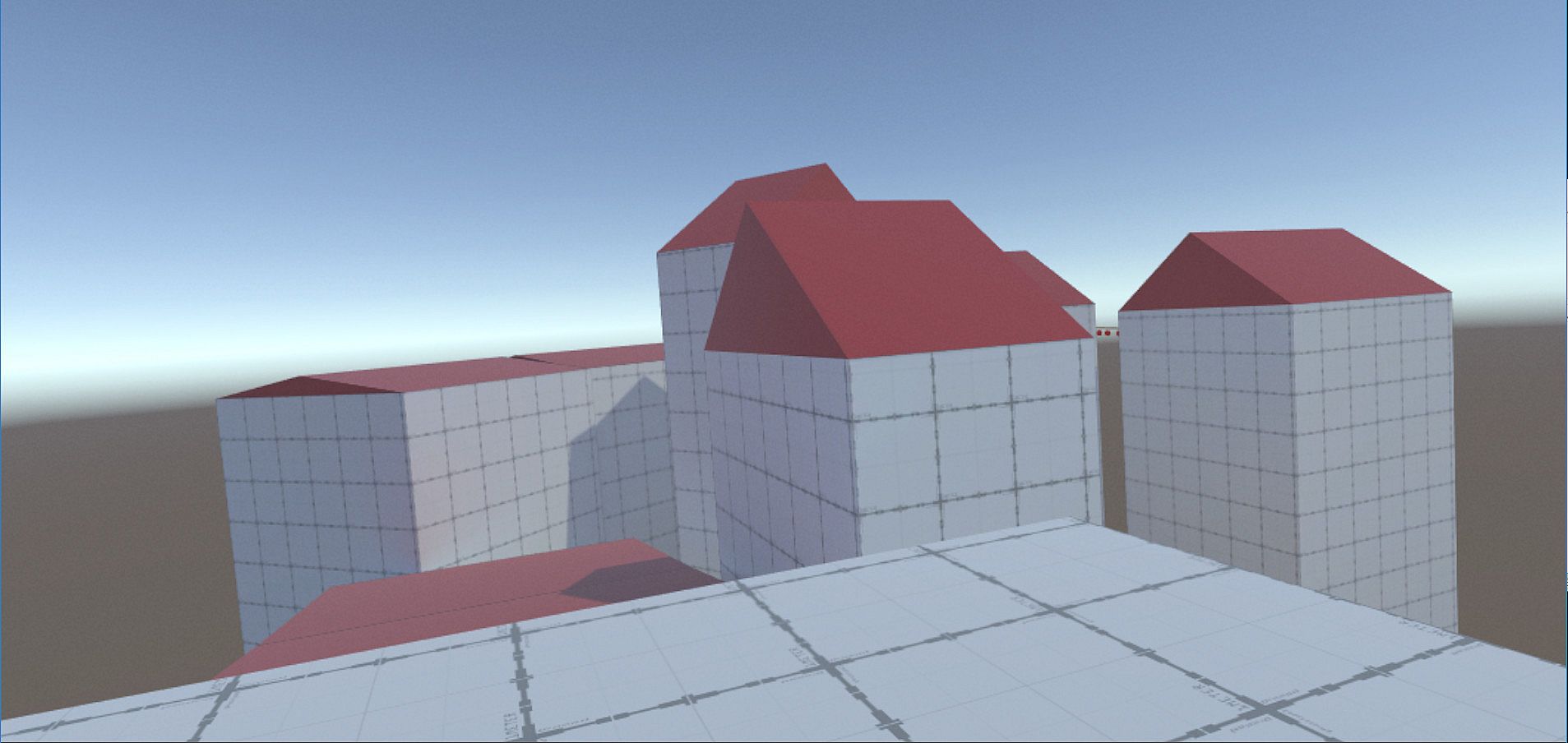
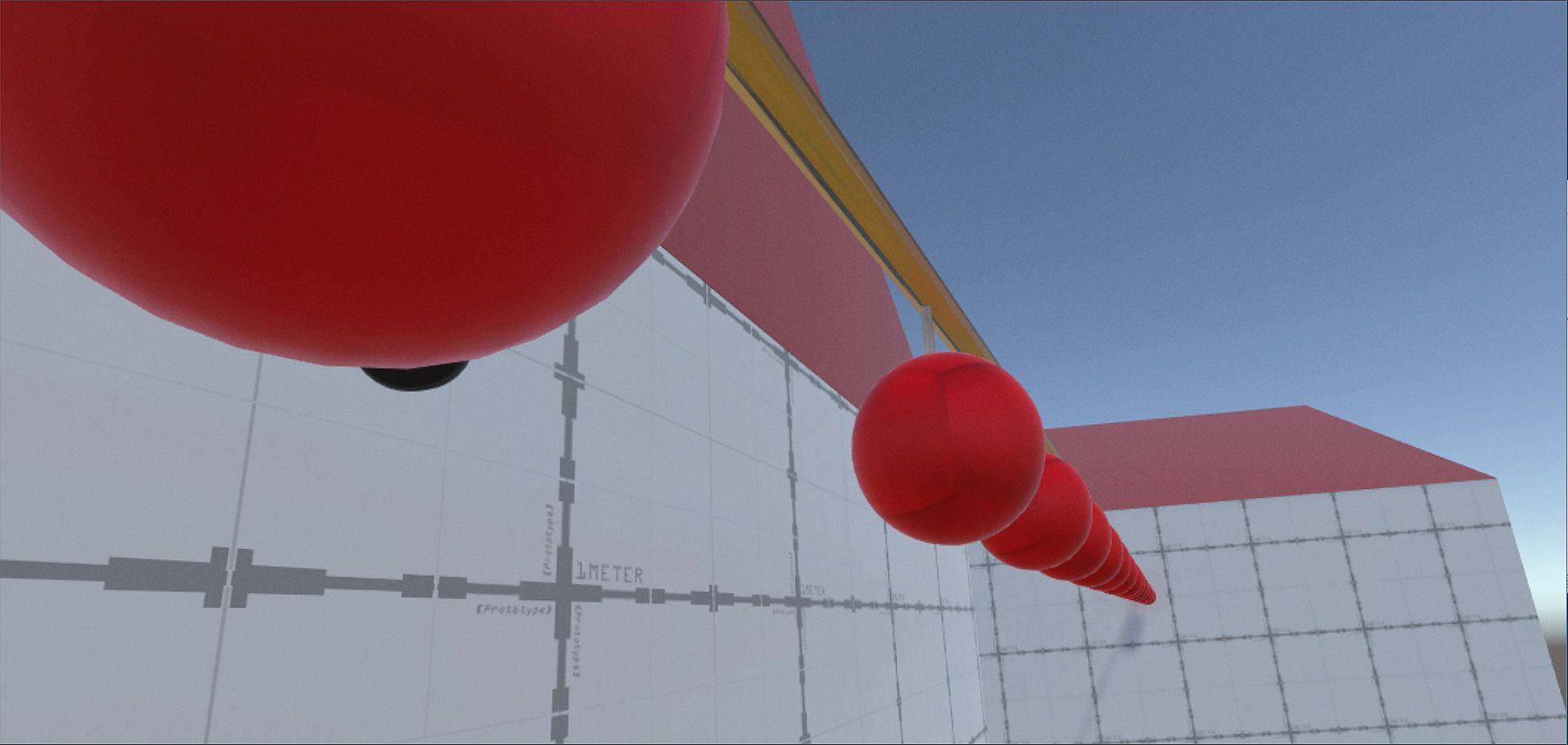


RunVR stands out as a VR simulation racing game that puts a fresh spin on movement in virtual reality. Developed as an indie title for PC, it focuses on intuitive locomotion where players swing their arms to propel through challenging environments. Released back in 2017, this game emphasizes physical interaction without relying on traditional controls, making it a unique entry in the simulation and racing genres.
Gameplay
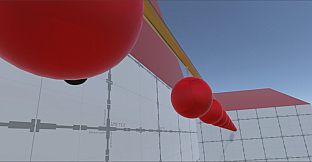
In RunVR, the core mechanics revolve around natural arm movements to simulate running, which drives the entire experience. Players navigate obstacle courses by swinging their arms to build speed, then incorporate jumps to clear gaps, slides to duck under barriers, and climbs to scale walls or buildings. This setup creates a fluid loop of momentum and precision, where timing each action correctly is key to progressing efficiently. The design prioritizes low motion sickness, achieved through smooth, responsive controls that mimic real-world exertion without disorienting effects.
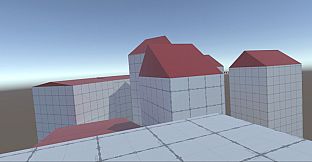
Beyond basic traversal, the gameplay encourages experimentation with paths and techniques to shave seconds off completion times. Obstacles vary from urban structures to rugged climbing walls, demanding quick reflexes and strategic planning. While the controls feel instinctive right away, mastering the rhythm of arm swings and transitions between actions adds depth, turning simple runs into skill-based challenges.
Game Modes
RunVR centers on a single-player format where the primary activity involves tackling obstacle courses aimed at achieving the fastest times. Players race against the clock to reach finish lines, with courses designed around themes like cityscapes or natural terrains. There are no multiplayer options or distinct competitive modes; instead, the focus remains on personal bests and replaying levels for better performance.
This straightforward approach keeps sessions concise and replayable, suitable for quick VR playthroughs. With five achievements tied to milestones like completing specific courses or hitting time goals, it provides light progression without complex systems.
Features and Updates
Key features include its VR-exclusive setup, requiring compatible hardware like Vive for full immersion. The game supports English interfaces and maintains a minimalist style that highlights physical engagement over elaborate visuals or narratives. As an older indie release, it has not seen recent updates, but its core systems remain functional for those with the right setup.
Is It Worth Playing?
For VR enthusiasts seeking a low-motion-sickness option that emphasizes arm-based locomotion, RunVR offers a solid, intuitive experience worth trying. It appeals to players who enjoy racing simulations with a physical twist, providing short, engaging sessions focused on obstacle navigation. With 75% positive reviews from 12 users, it garners appreciation for its innovative movement and ease of play, though the limited content might not satisfy those wanting extensive variety. If you have VR gear and prefer active, solo challenges, this game delivers a unique take on virtual mobility without overwhelming complexity.