

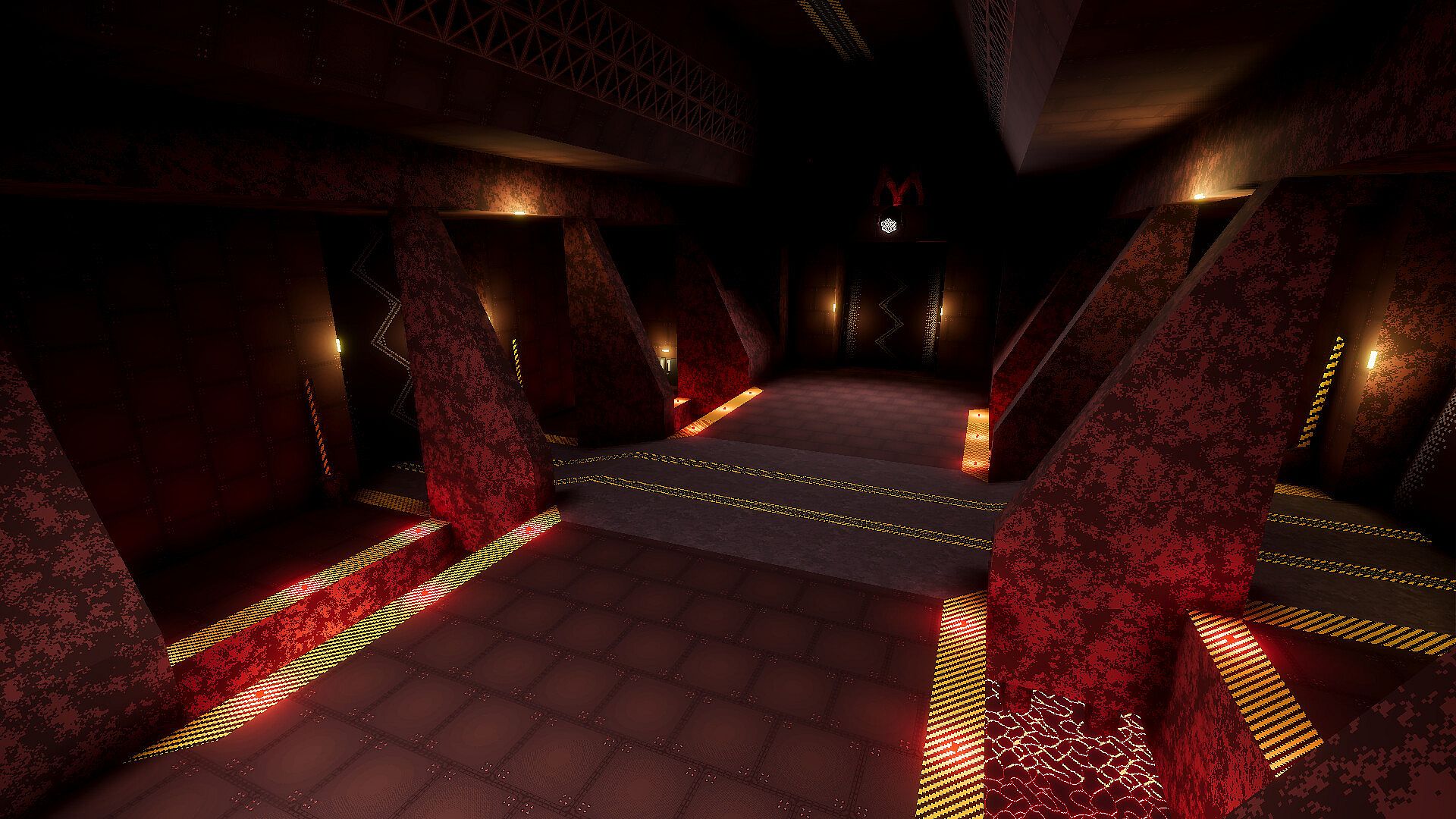
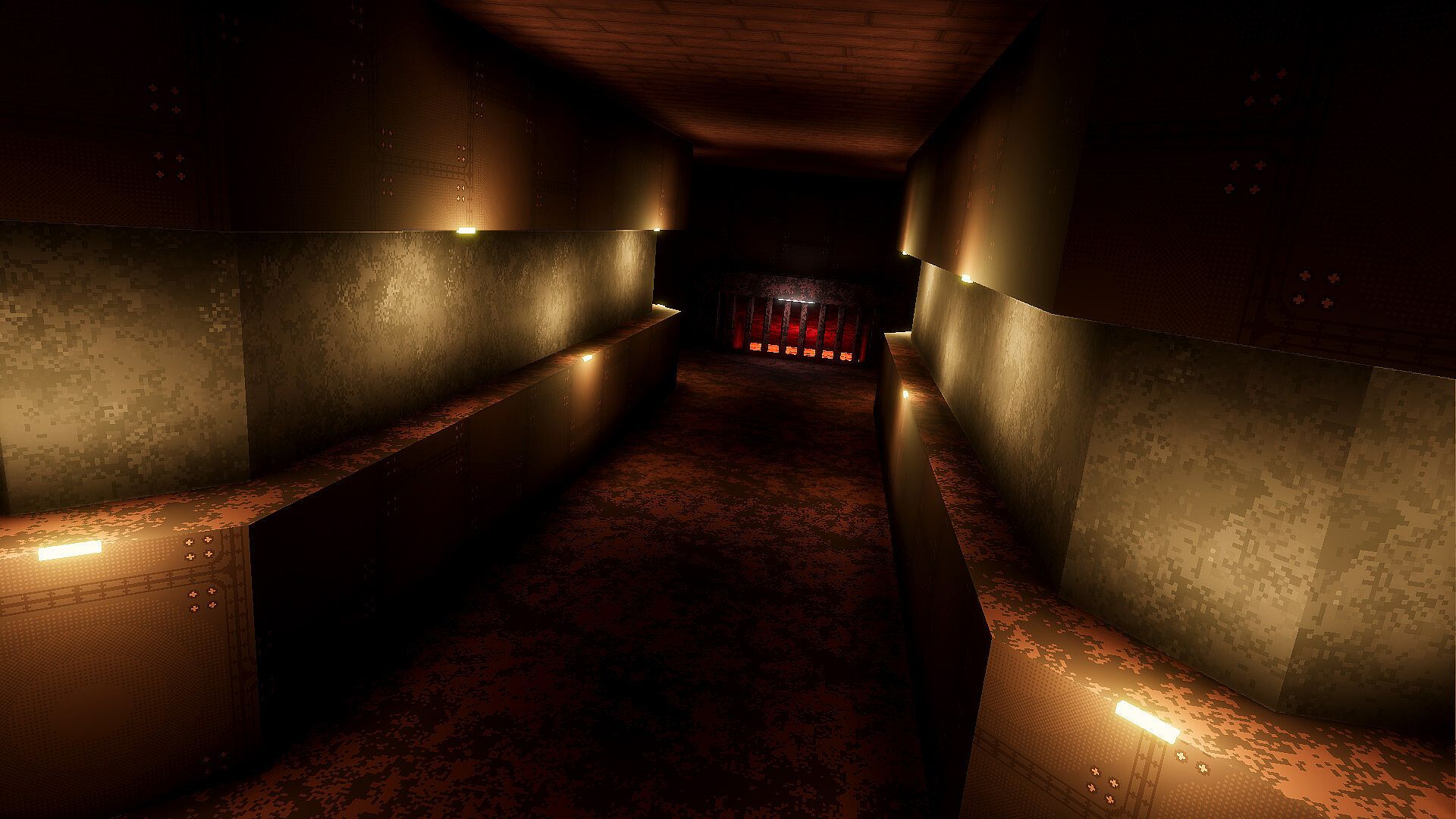
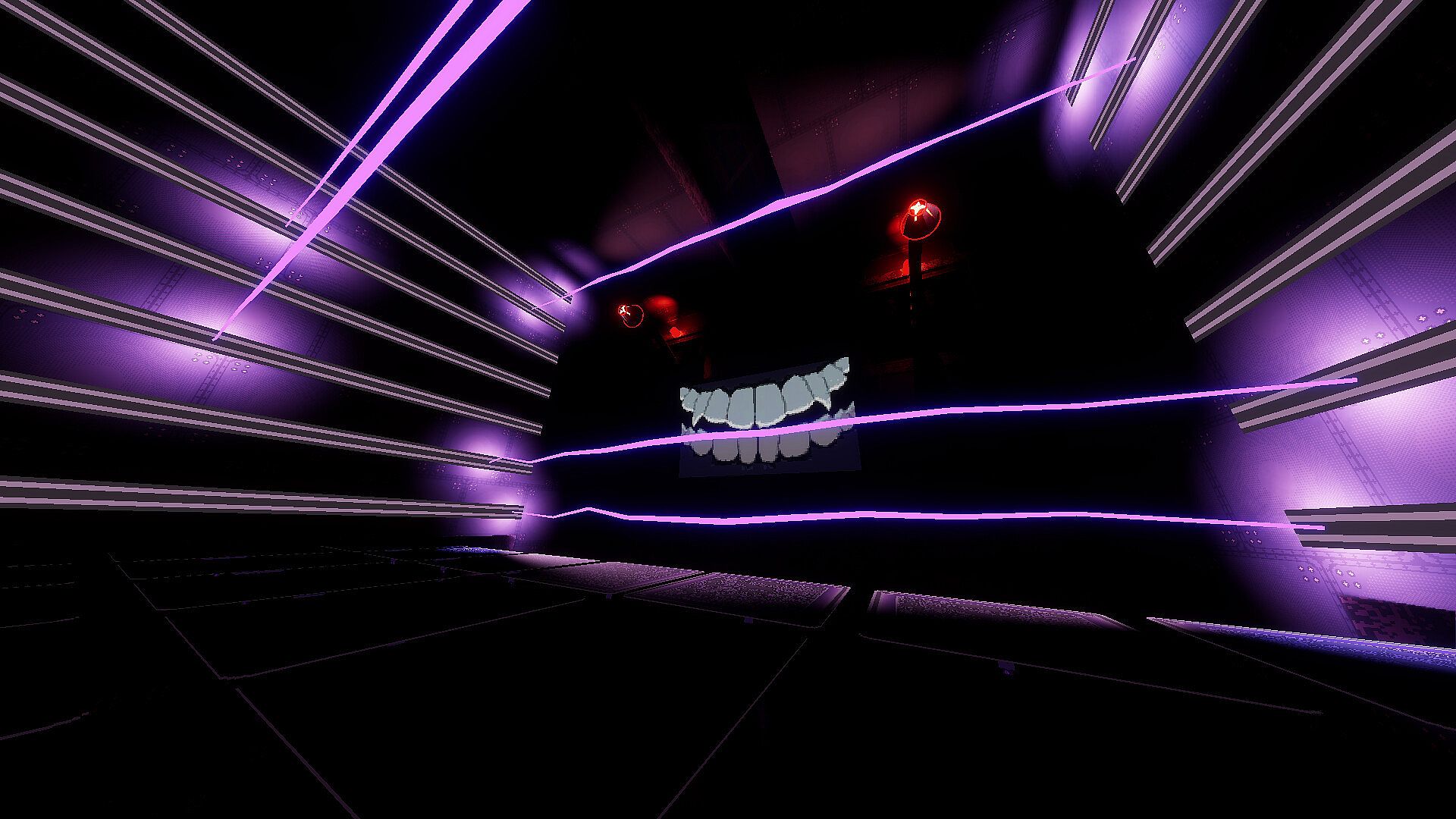
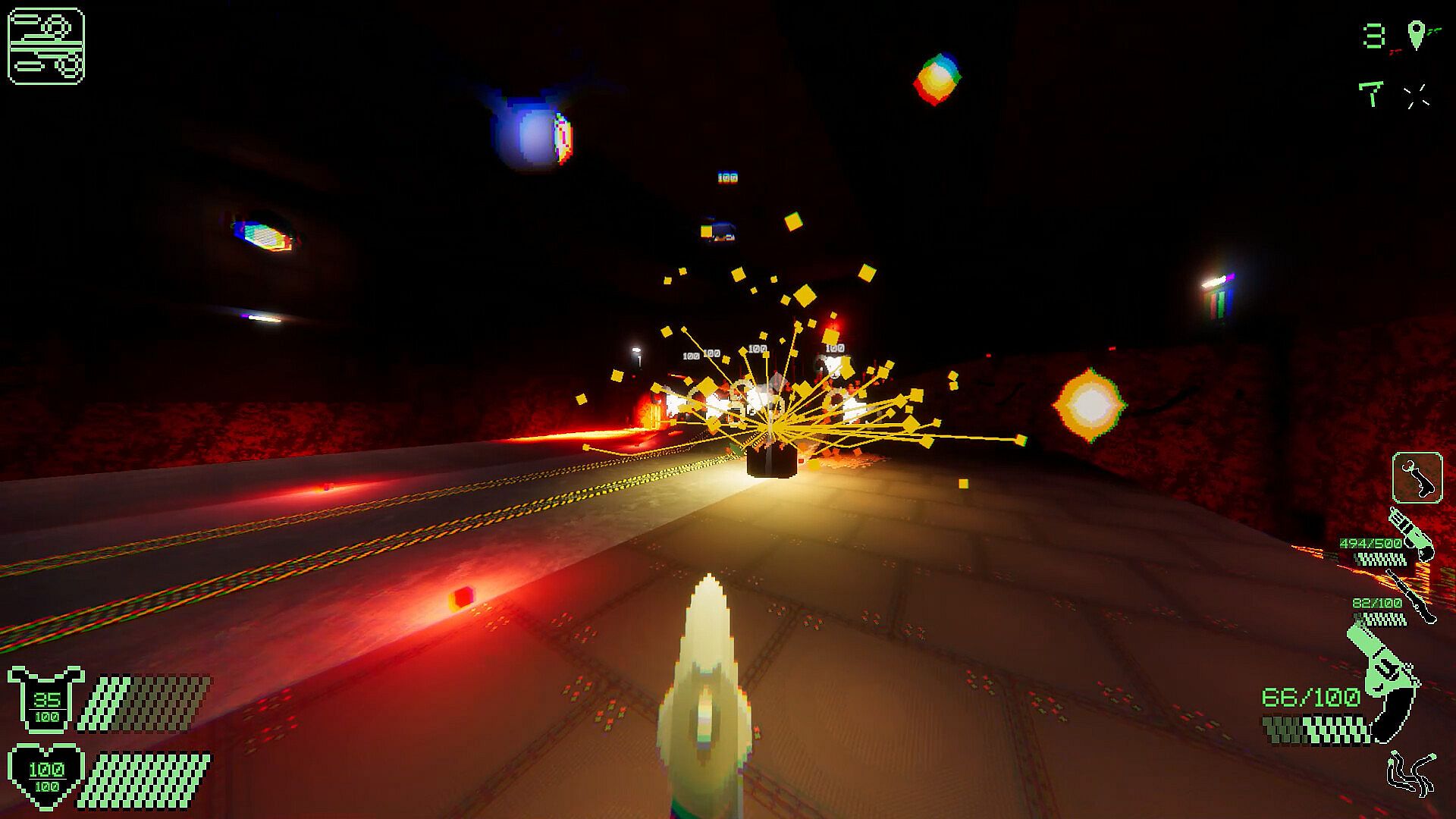
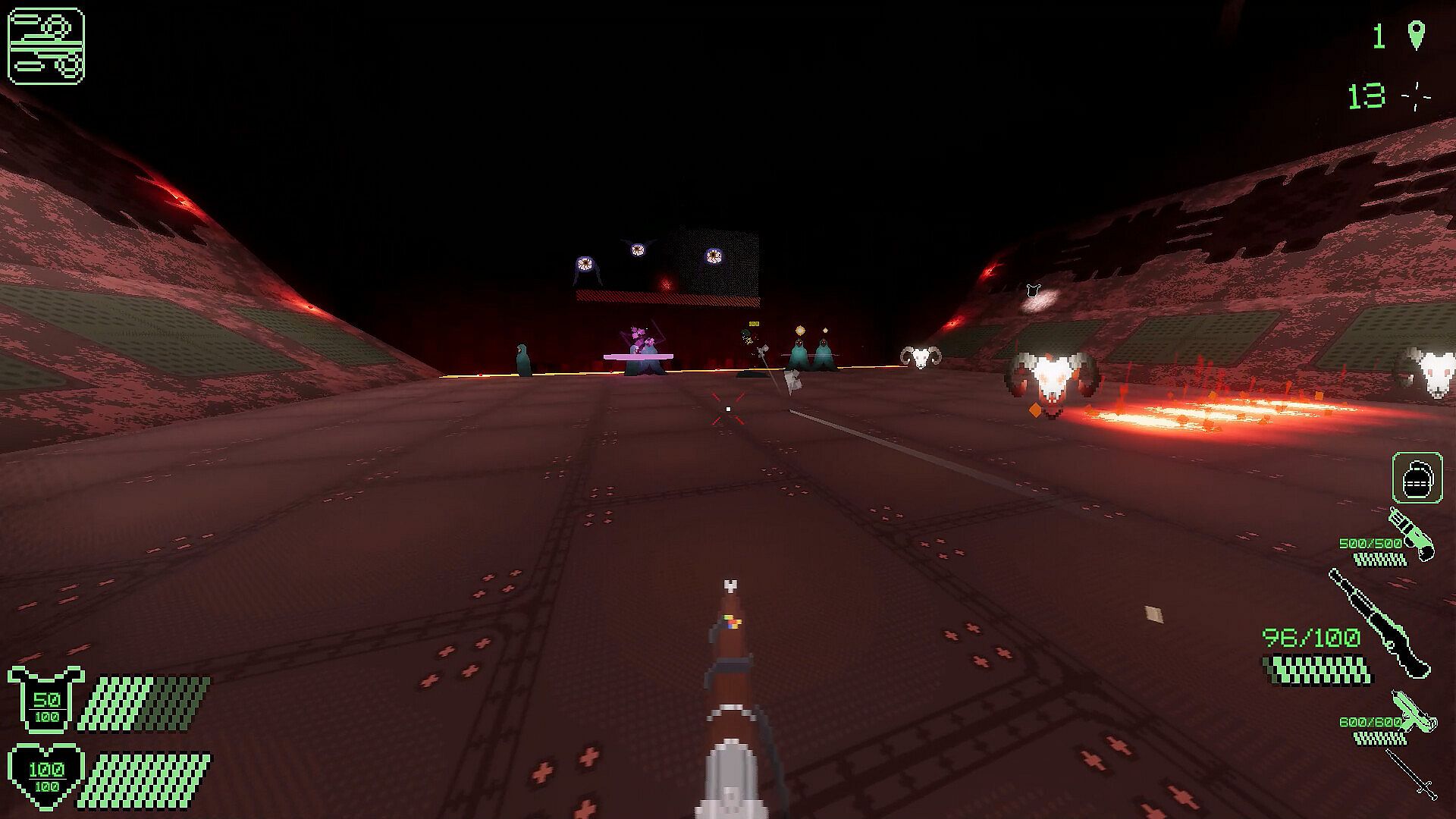
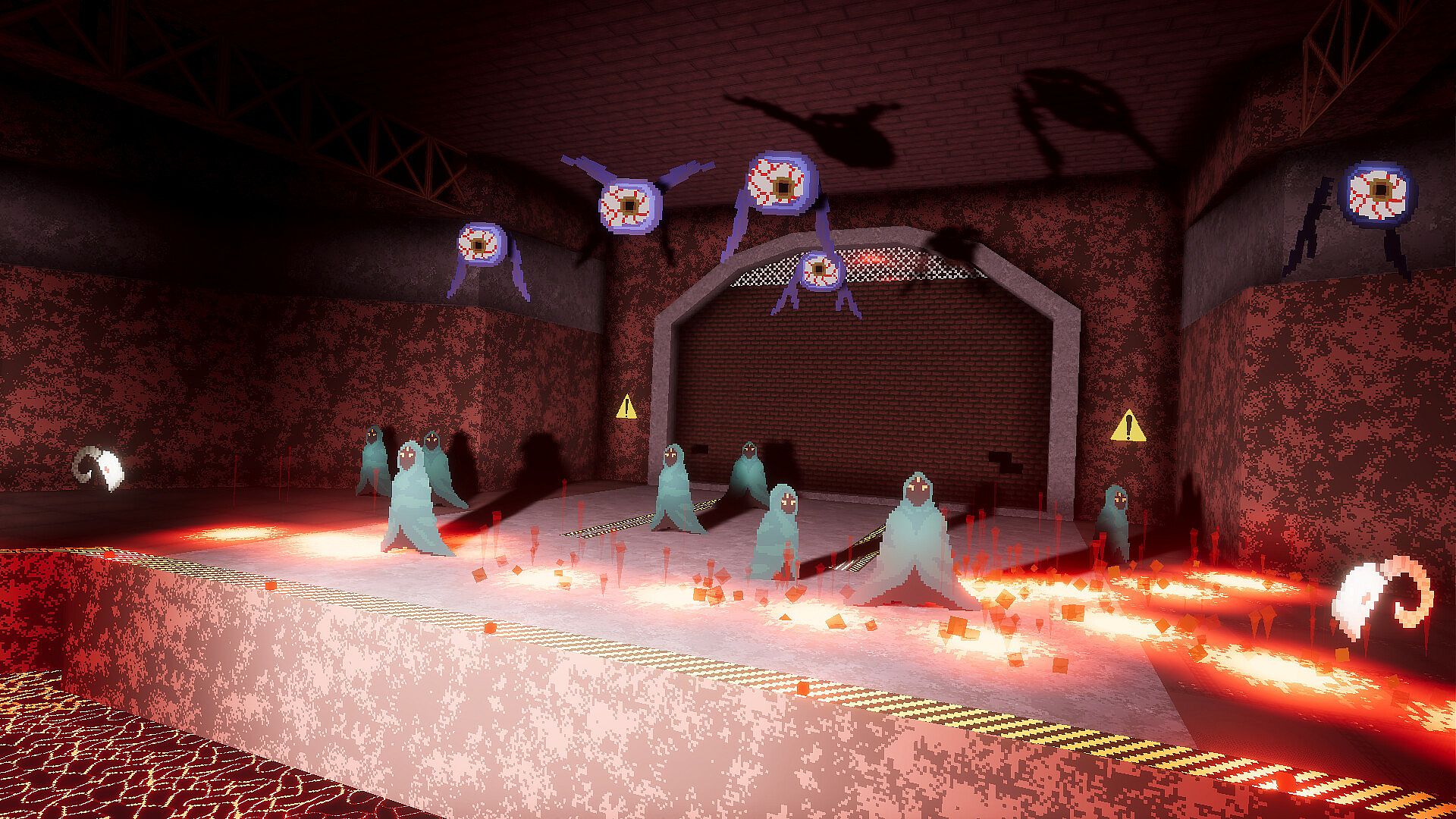
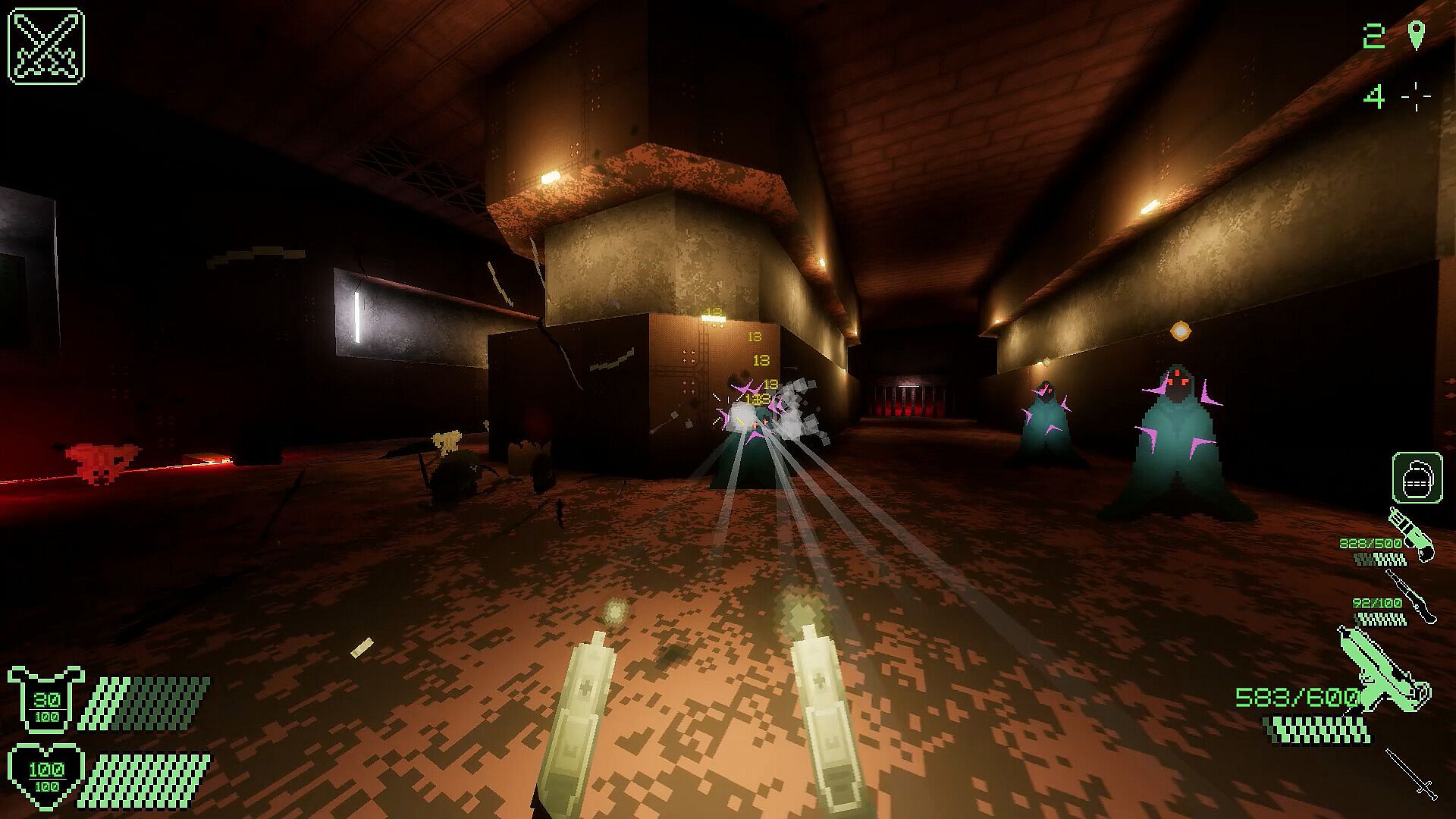
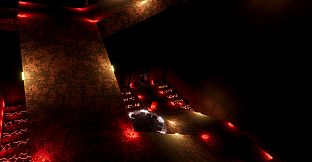
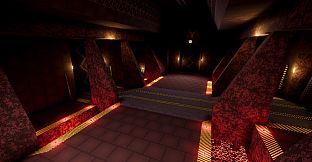
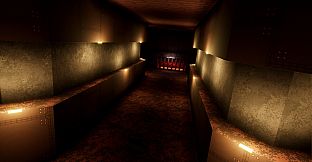

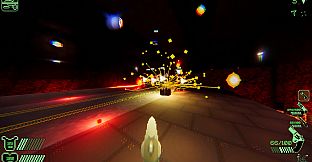
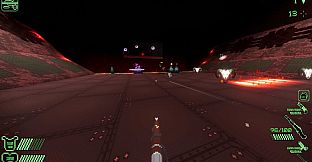
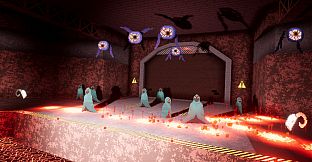
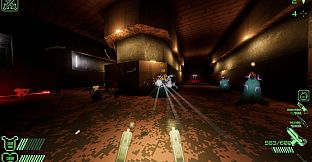
Rust Dungeon is an action indie game for PC that casts players as a newly conscious entity housed in outdated hardware from 1997. The core premise follows this being as it awakens in a once significant location now overrun by corruption, with instructions limited to eliminating all encountered entities while grappling with the dual nature of bit rot as both enabler and adversary.
Gameplay
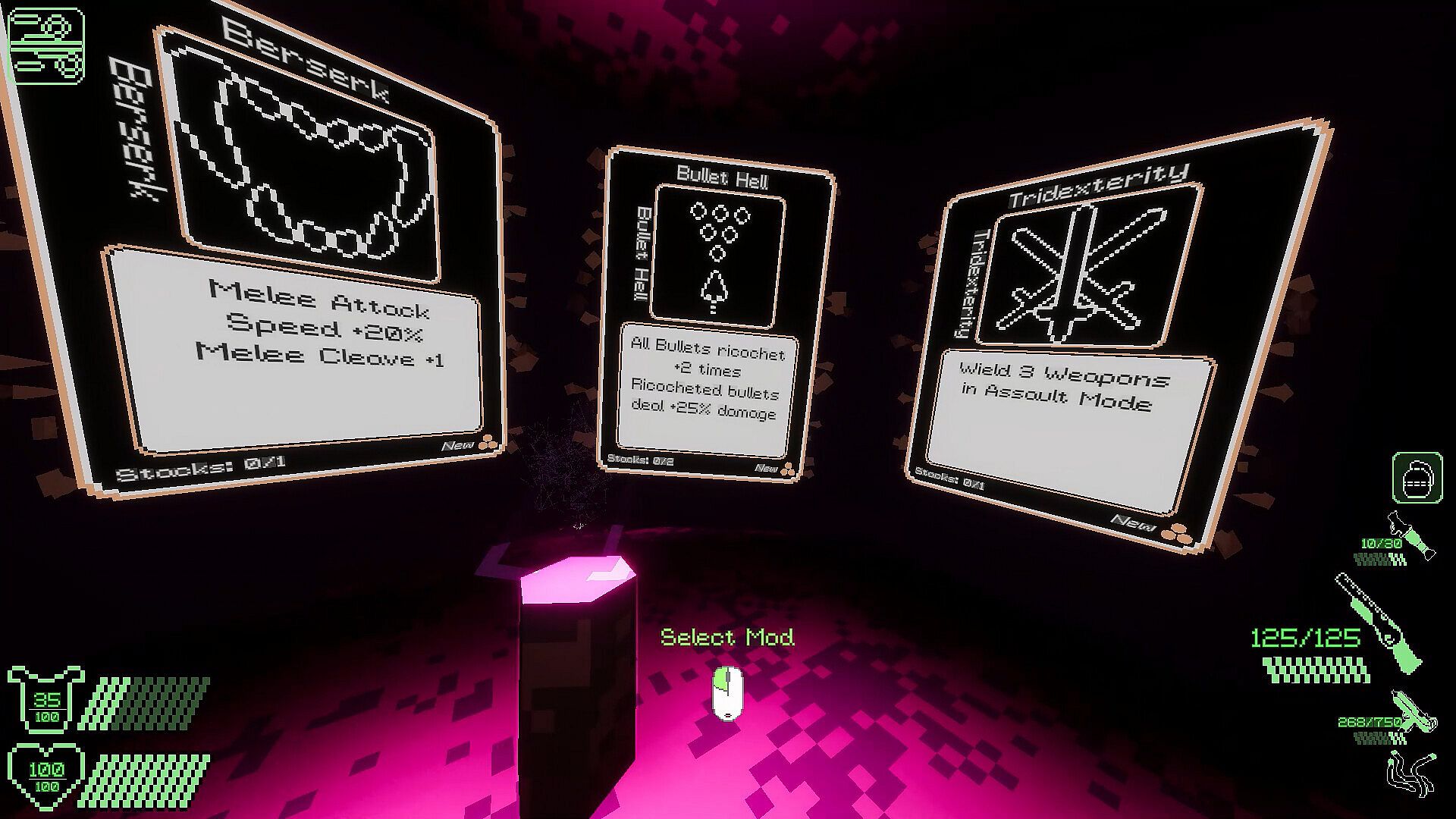
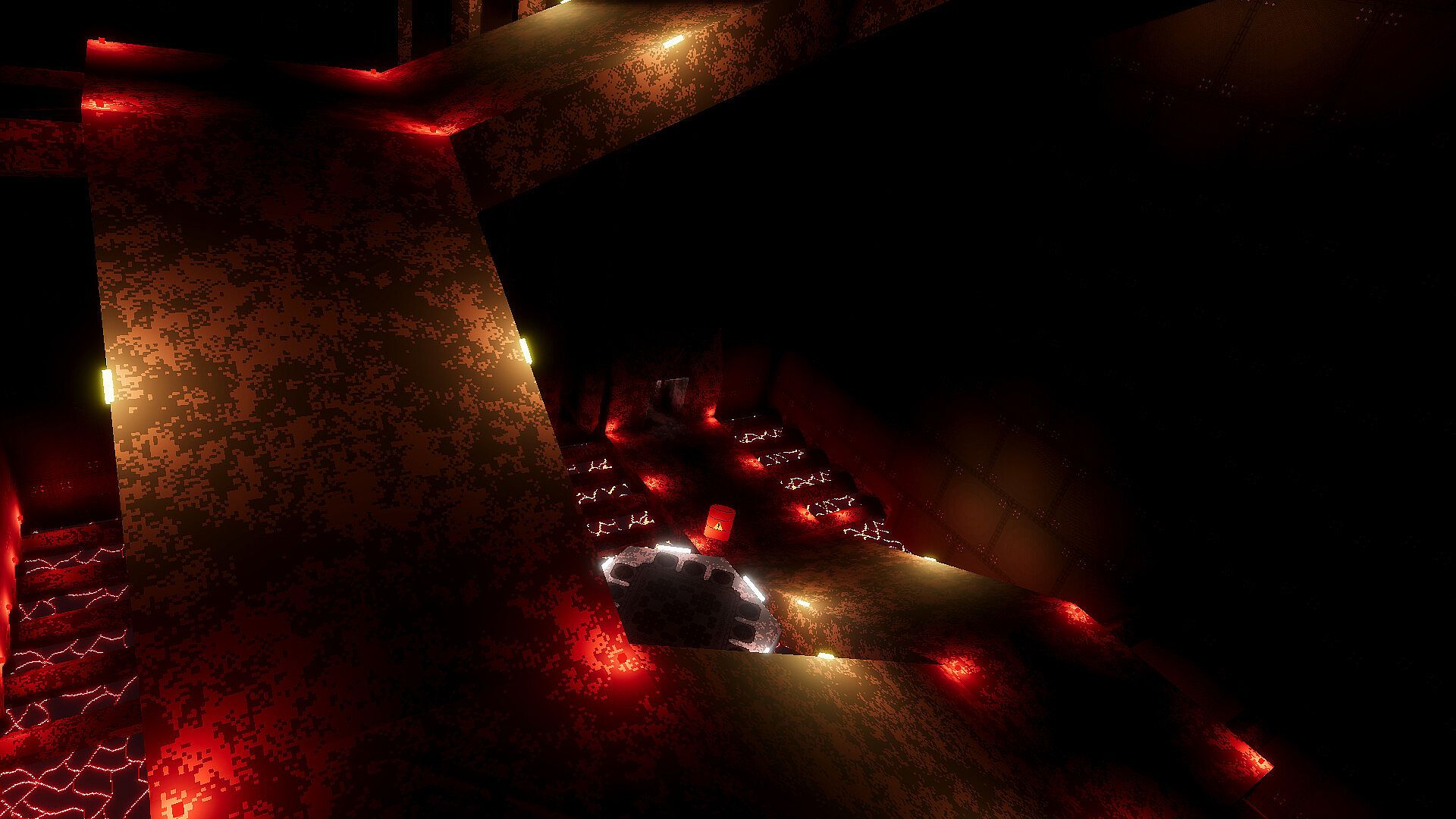
The experience centers on exploration within an environment that feels simultaneously populated and desolate. Players observe surroundings filled with entities yet marked by abandonment, piecing together the remnants of corrupted data from the last known boot date decades earlier. Movement and actions draw from capabilities that exceed the apparent limits of the hardware, creating a sense of unnatural power derived directly from the surrounding decay.
Bit rot functions as the central mechanic, granting abilities that allow the entity to confront threats while simultaneously resisting those same efforts. This creates tension in every encounter, as the force enabling progress also works to impede it. The narrative unfolds through environmental details rather than direct exposition, highlighting how a place of former importance has become fundamentally altered at its core.
Combat and navigation emphasize direct confrontation with entities that inhabit the space. The player must adapt to the corrupted state of the facility, using the very instability of the system to gain advantages in eliminating targets. This loop reinforces the isolation of the protagonist, whose only directive remains the systematic removal of everything observed.
Game Modes
Rust Dungeon delivers a singular, focused experience without additional game modes or variations. The structure remains consistent across play sessions, centered entirely on the entity's progression through the corrupted environment and fulfillment of its core instruction to eliminate encountered threats.
No multiplayer components or alternative formats appear in the game. Players engage solely with the single narrative thread that begins at the moment of awakening and continues through the ongoing struggle against bit rot and the entities it sustains.
Story and Setting
The setting evokes a facility that once held high importance, now reduced to a shell dominated by data corruption. The protagonist possesses fragmented memories limited to a 1997 boot sequence, with all subsequent information lost or altered. This backdrop supports the central conflict between the entity's emerging consciousness and the pervasive bit rot that both empowers and opposes it.
Environmental storytelling conveys the transformation of the location from a functional site into one overtaken by decay. Entities populate the spaces without clear purpose beyond their presence, contributing to the overall sense of emptiness amid activity. The narrative avoids traditional character development in favor of this internal and external battle against systemic corruption.
Is It Worth Playing?
Rust Dungeon suits players drawn to action indie titles that prioritize atmospheric narrative and unconventional premises over conventional progression systems. The unique perspective of an awakened machine intelligence navigating its own corrupted origins provides a distinct hook for those interested in themes of consciousness, decay, and directed purpose.
The game offers a contained experience built around its core concept, with gameplay that integrates the source of power directly into the challenges faced. Those seeking straightforward action without layered modes or ongoing updates will find the title aligns with its focused design. Availability on PC makes it accessible for anyone matching this preference for narrative-driven indie action.