




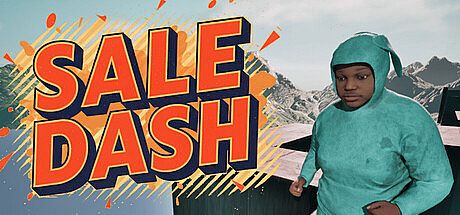



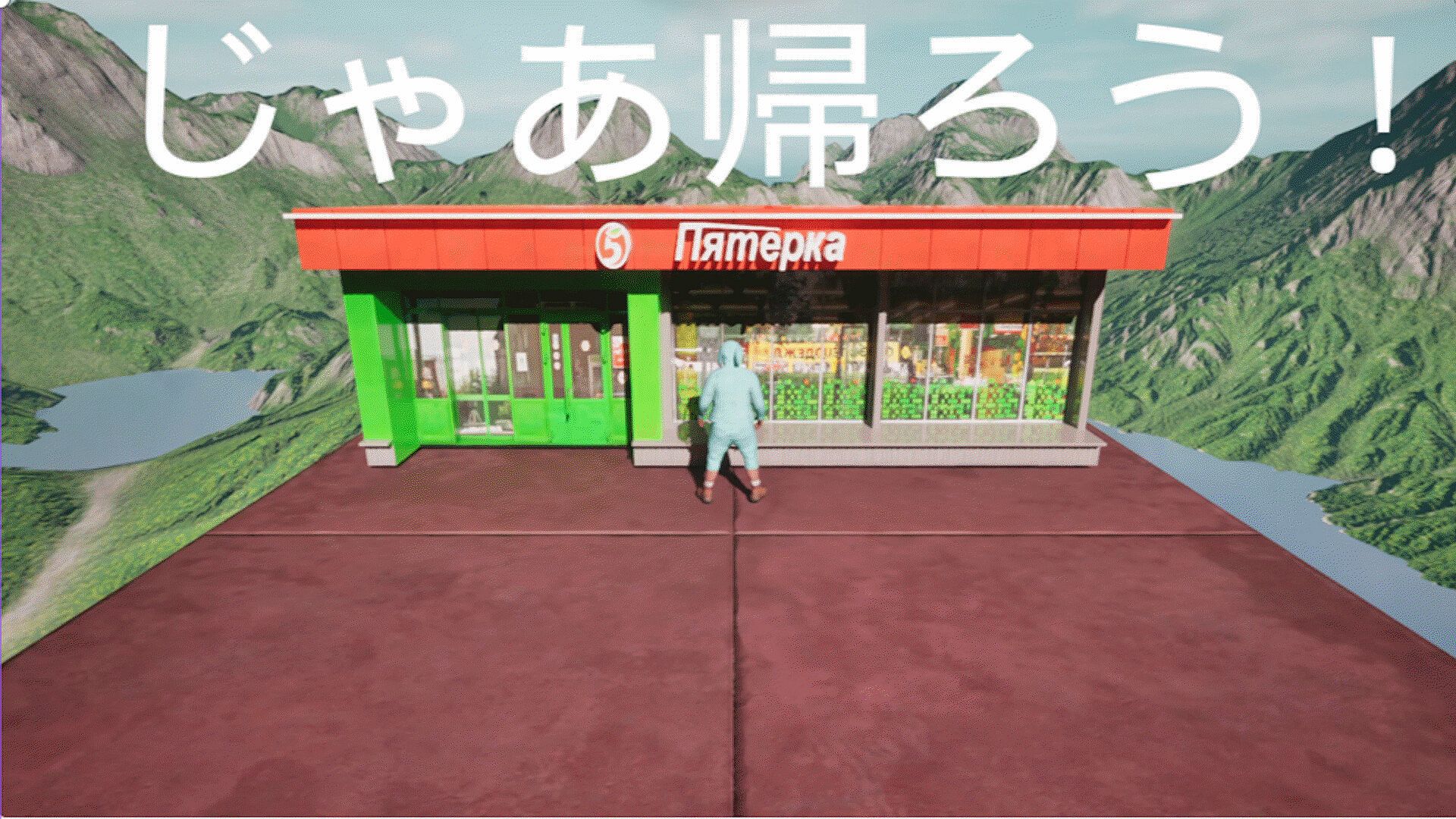
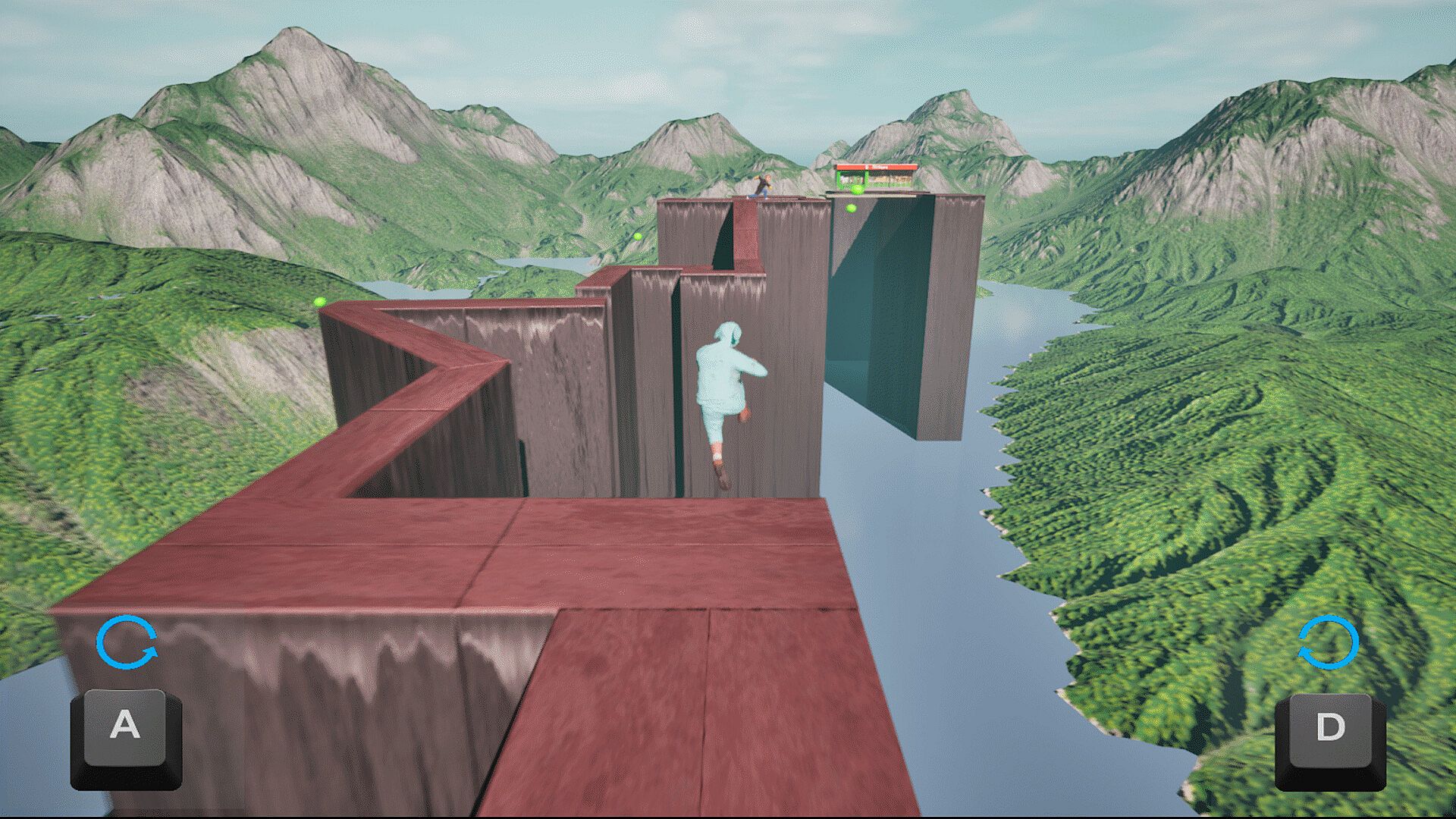
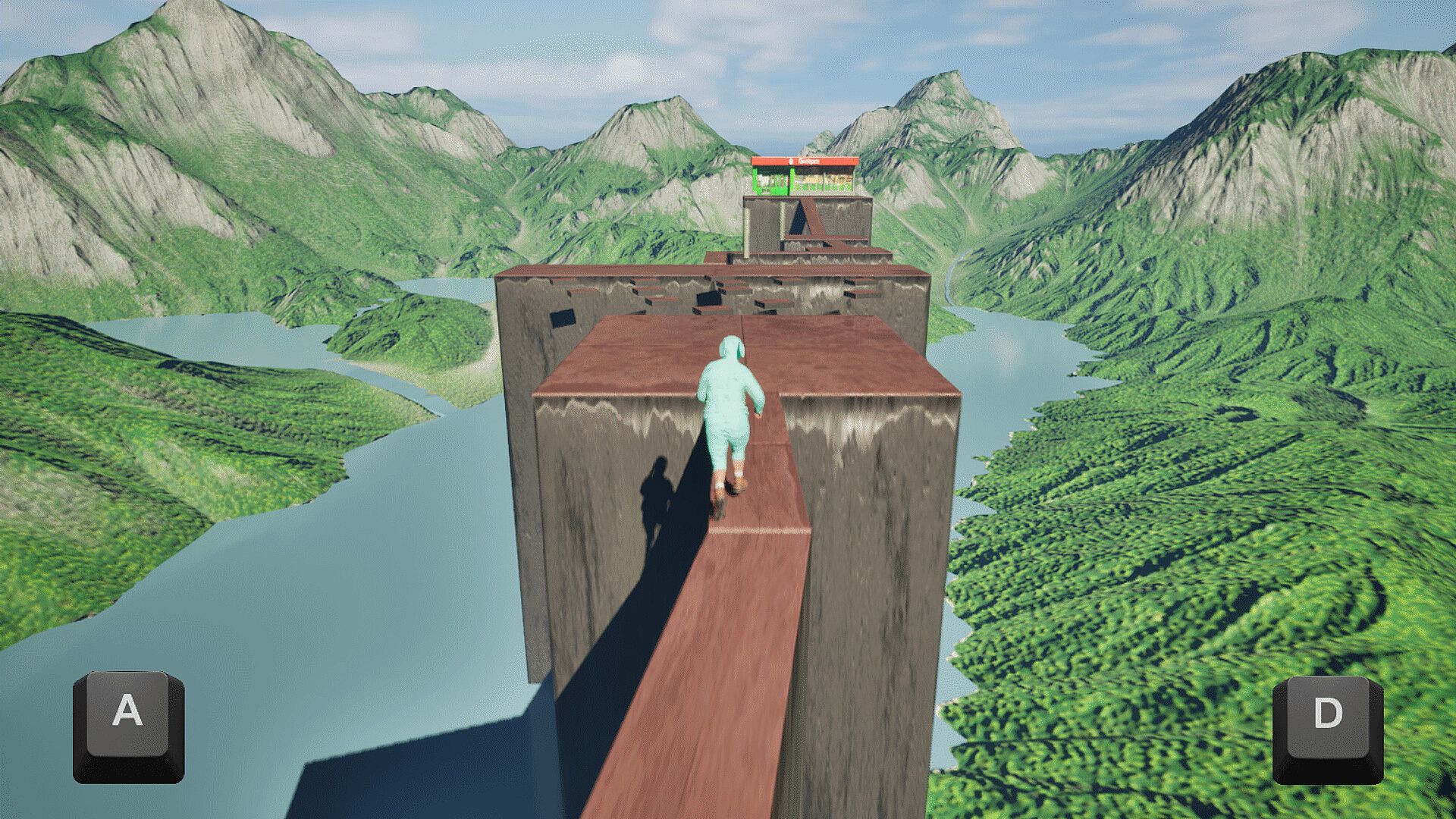
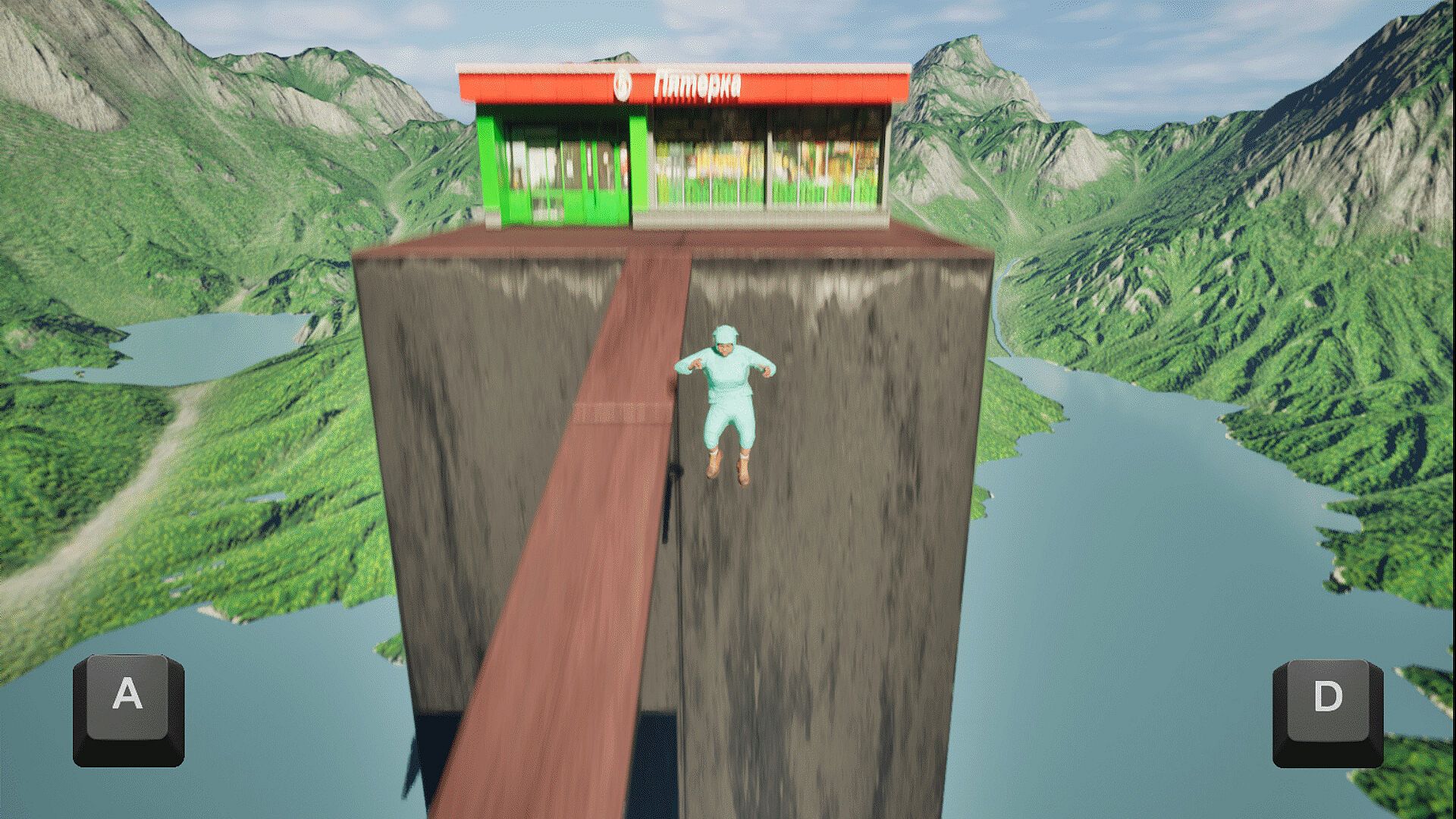
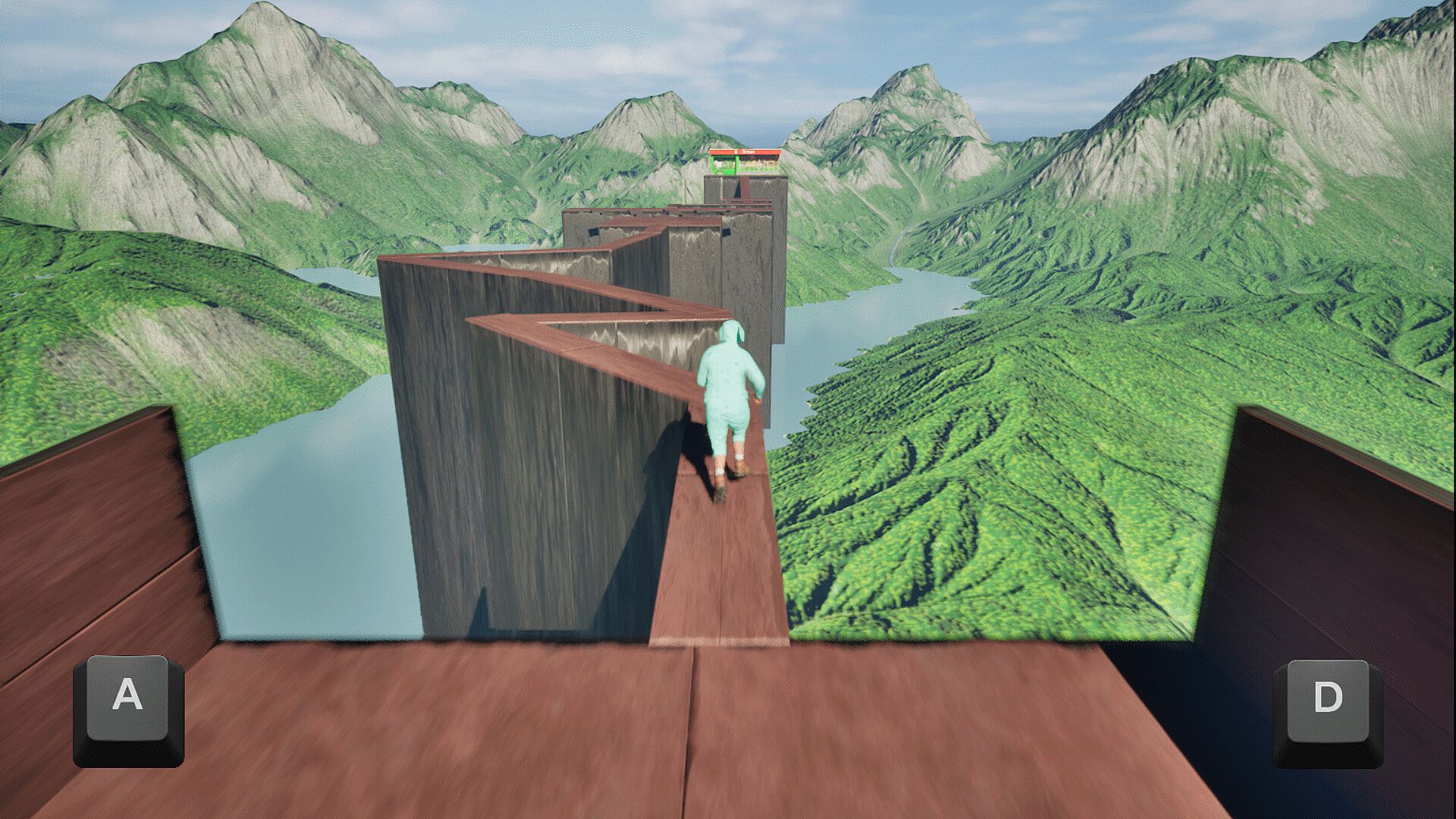
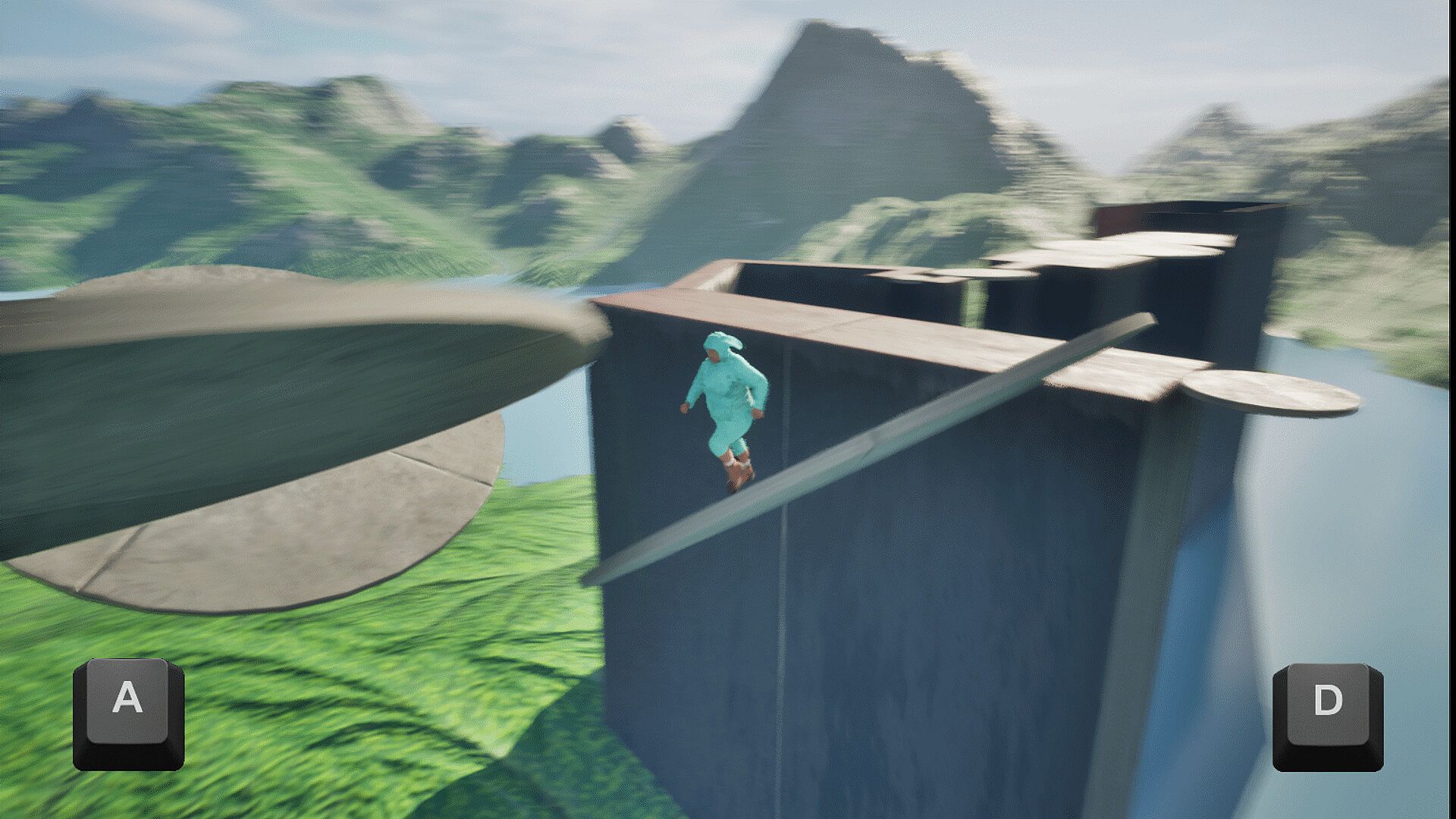
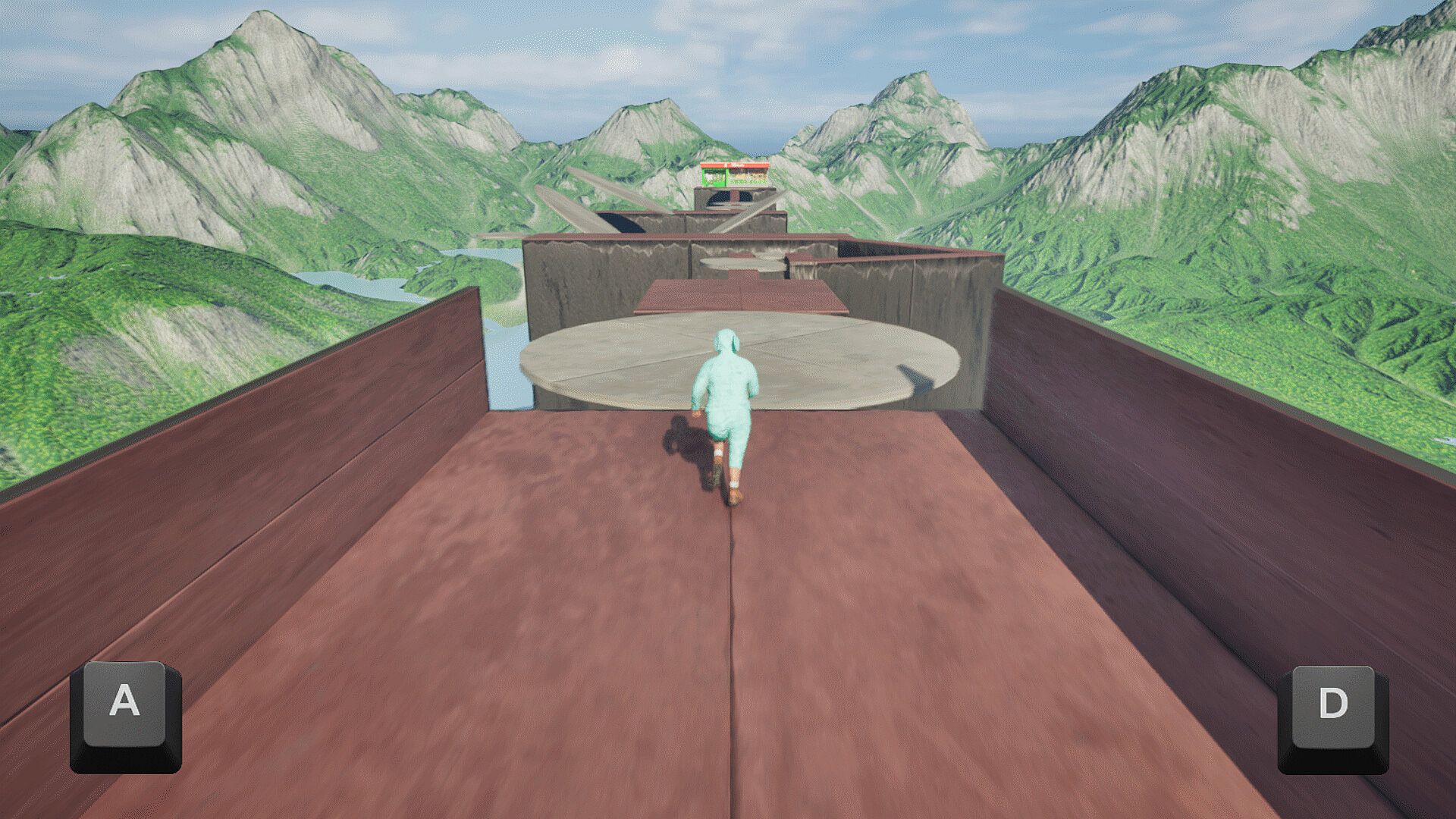
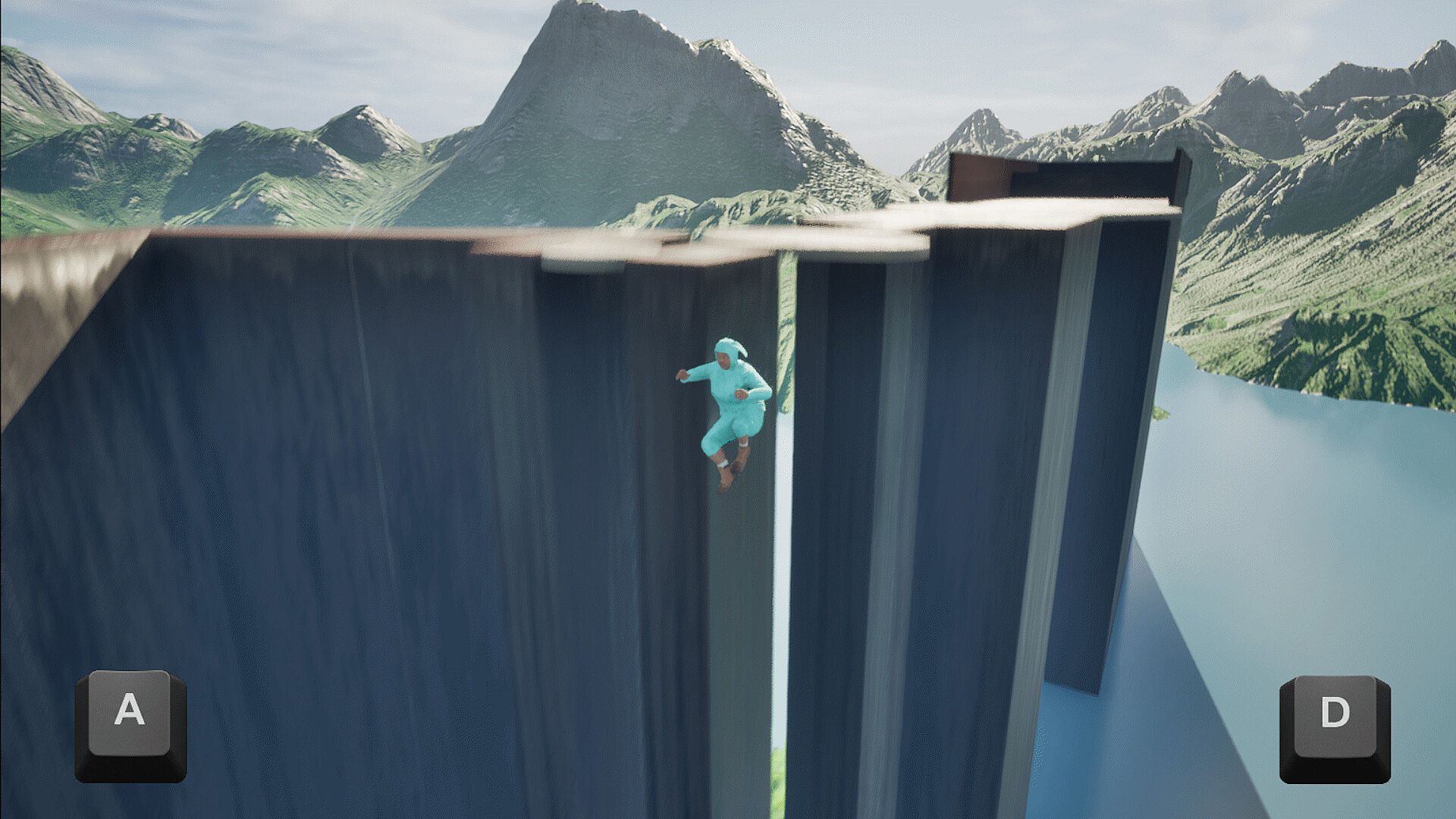
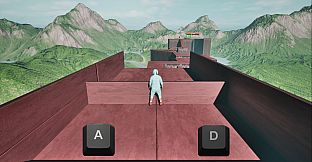

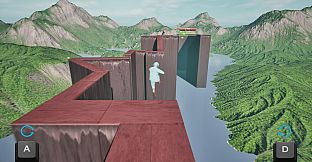
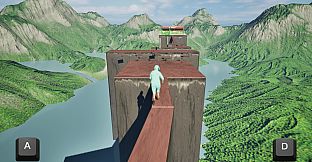
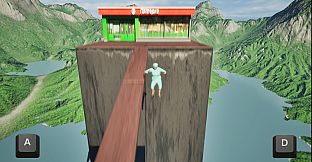
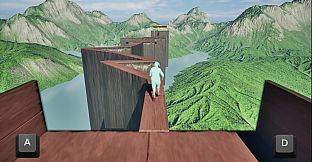
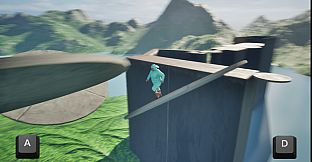
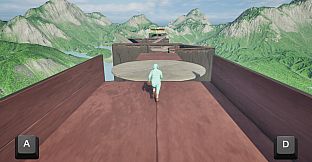
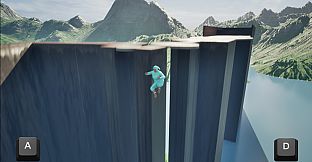
Sale Dash is a single-player 3D running action game built around precise platform navigation and a comedic shopping premise. Players control a woman sprinting through obstacle-laden environments to reach a store before limited-time deals expire, then navigate back with altered controls. The experience emphasizes timing, spatial awareness, and repeated practice rather than complex systems or progression layers.
Gameplay
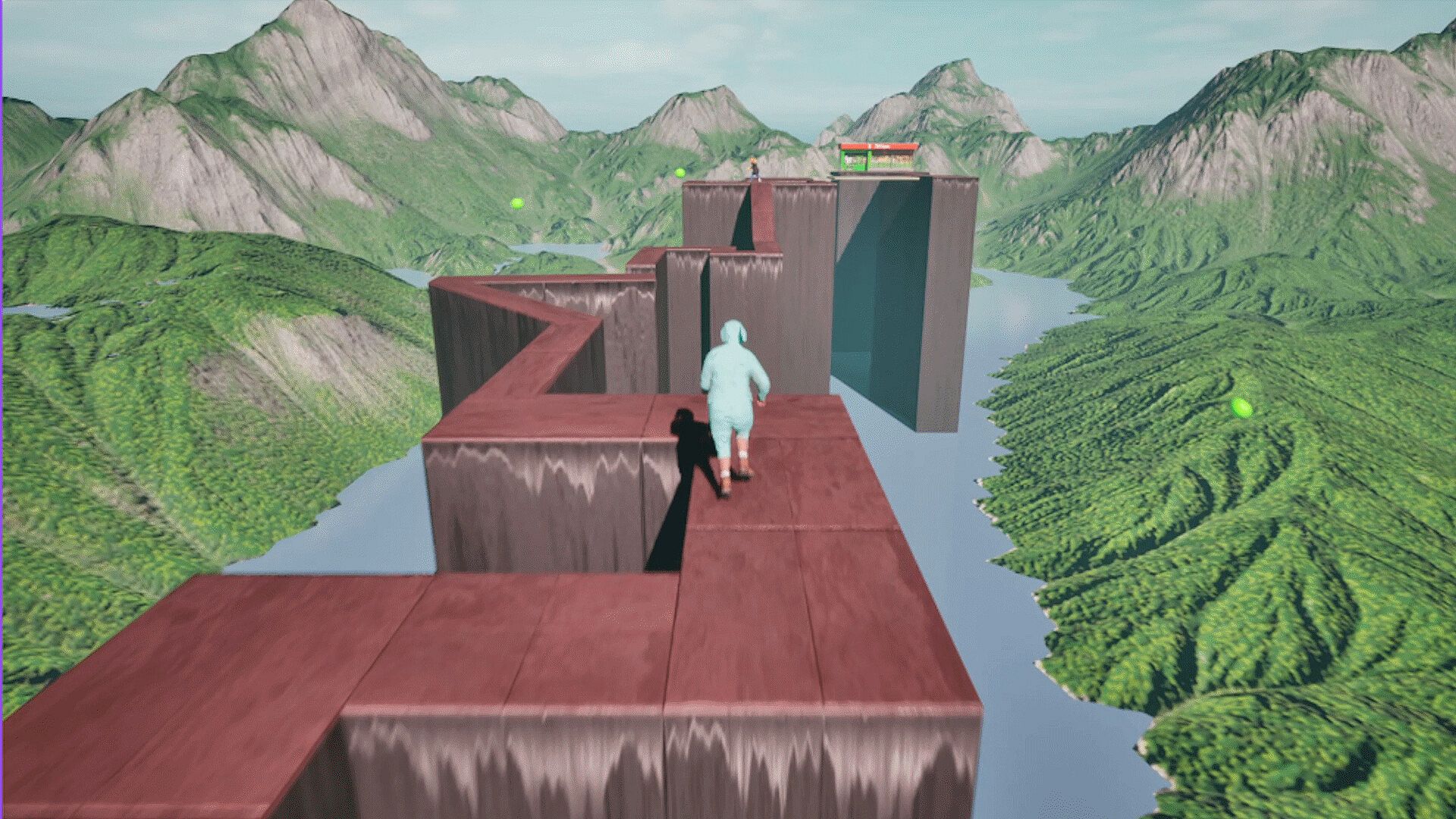
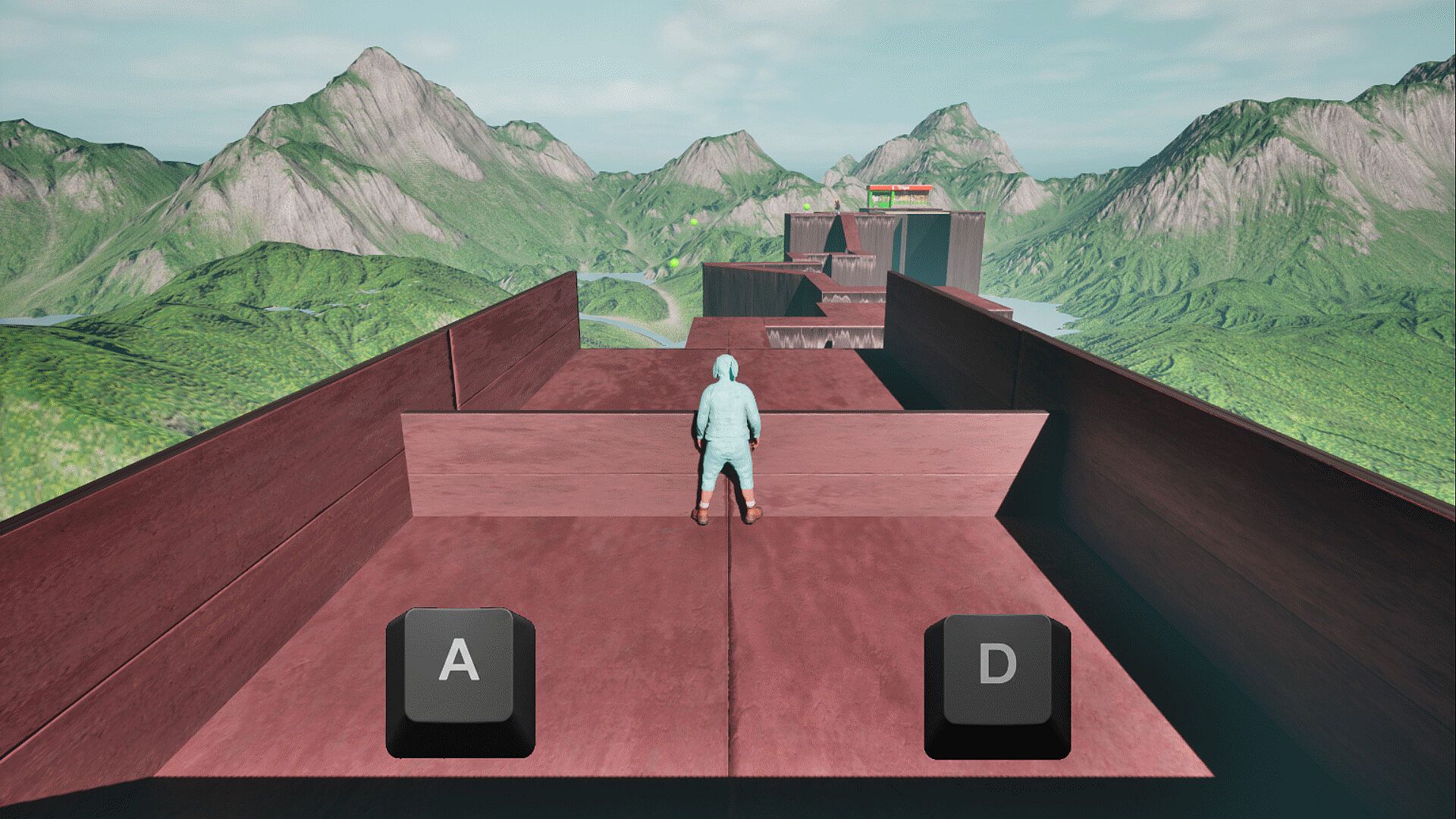
The core loop revolves around forward movement along narrow paths, gaps, moving hazards, and sharp corners. Controls stay limited to 90-degree turns and jumps, which keeps inputs straightforward while demanding exact execution to avoid falls. Stages reward familiarity with layouts, as players learn optimal jump timings and turn points through trial and error. The return trip introduces reversed controls, flipping left and right inputs so previously mastered sections require fresh adaptation and renewed focus on positioning.
Each run tests quick reactions in a fast-paced 3D space without additional mechanics like combat, inventory management, or character upgrades. The design centers on arcade-style retries, where failure sends players back to the start of a section for another attempt at mastery. Visuals and audio lean into chaotic retail energy, with hazards that fit the rushed shopping theme.
Game Modes
Sale Dash operates as a single-player title with no multiplayer components or separate modes. Progression occurs through a series of stages that follow the same structure: an outbound run to the goal followed by a reversed return. Players advance by completing these segments, with difficulty arising from tighter platforming requirements and the control reversal rather than new rulesets or objectives. The experience remains consistent across attempts, encouraging repeated plays of the same content to improve completion times and consistency.
Key Mechanics and Design Focus
Precision timing forms the foundation of every section. Narrow platforms and sudden obstacles leave little margin for error, while moving elements add variability that rewards anticipation. Memorization plays a significant role because layouts stay fixed, allowing skilled players to develop efficient paths. The reversal mechanic on the return leg adds a distinct layer of challenge without introducing new control schemes or abilities.
The game avoids extraneous features, keeping attention on the running and jumping loop. Retry emphasis means short session lengths suit quick attempts, and the overall structure supports focused practice sessions aimed at clearing stages cleanly.
Is It Worth Playing?
Sale Dash suits players who enjoy challenging single-player platformers that reward persistence and pattern recognition over story or variety. The simple controls paired with demanding execution create a pure test of skill, particularly once the reversed return stages force players to relearn familiar routes. Those drawn to arcade-style games with high retry counts and tight timing will find the core loop engaging. Because the title remains in development with no release date confirmed, interested players can follow updates for availability on PC. The experience targets a niche audience comfortable with precise, unforgiving platform navigation in a lighthearted setting.












