




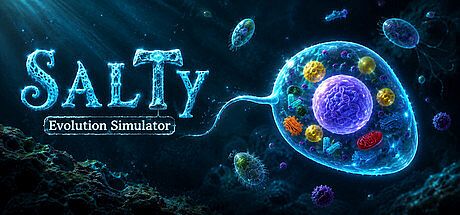


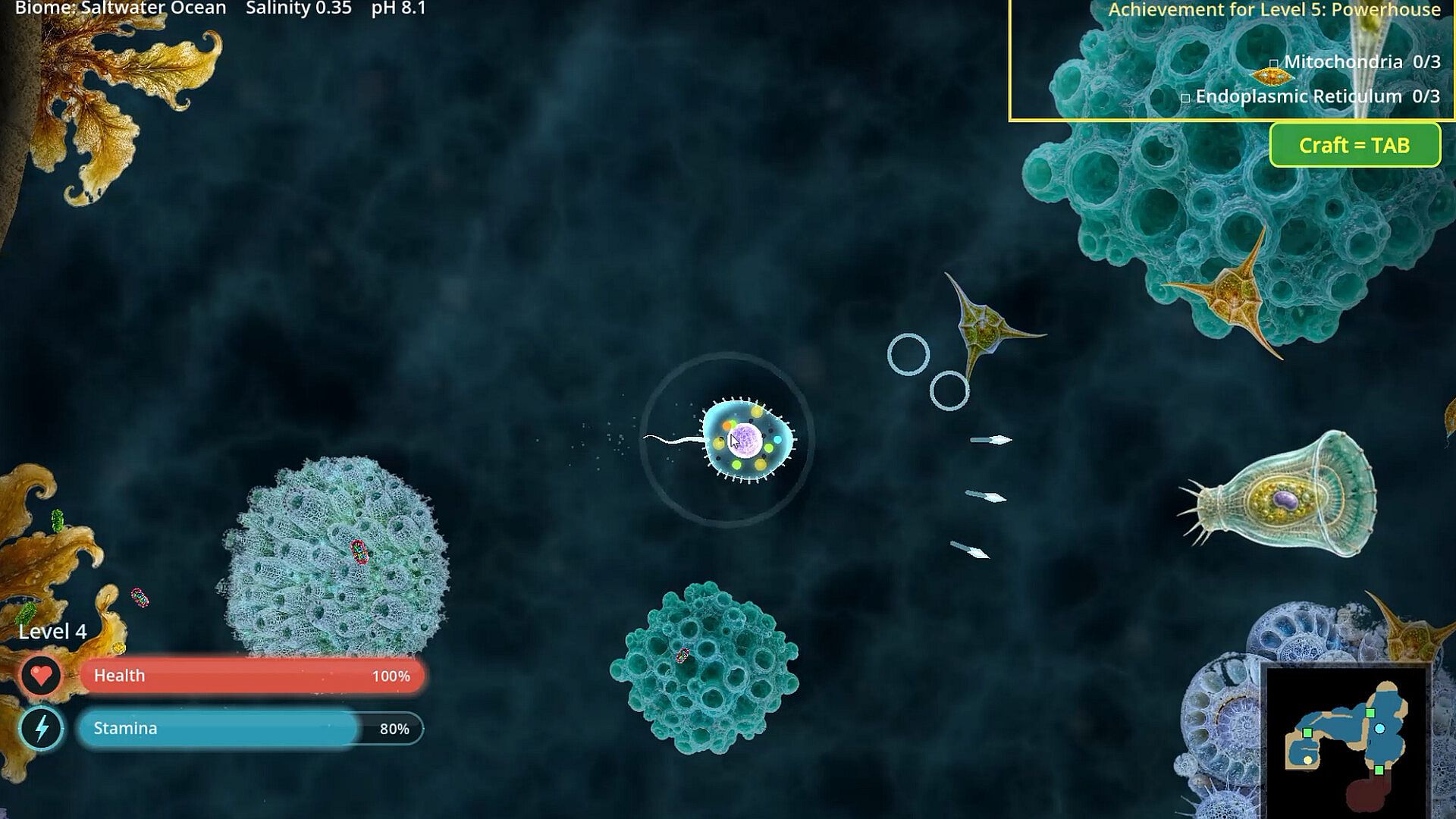
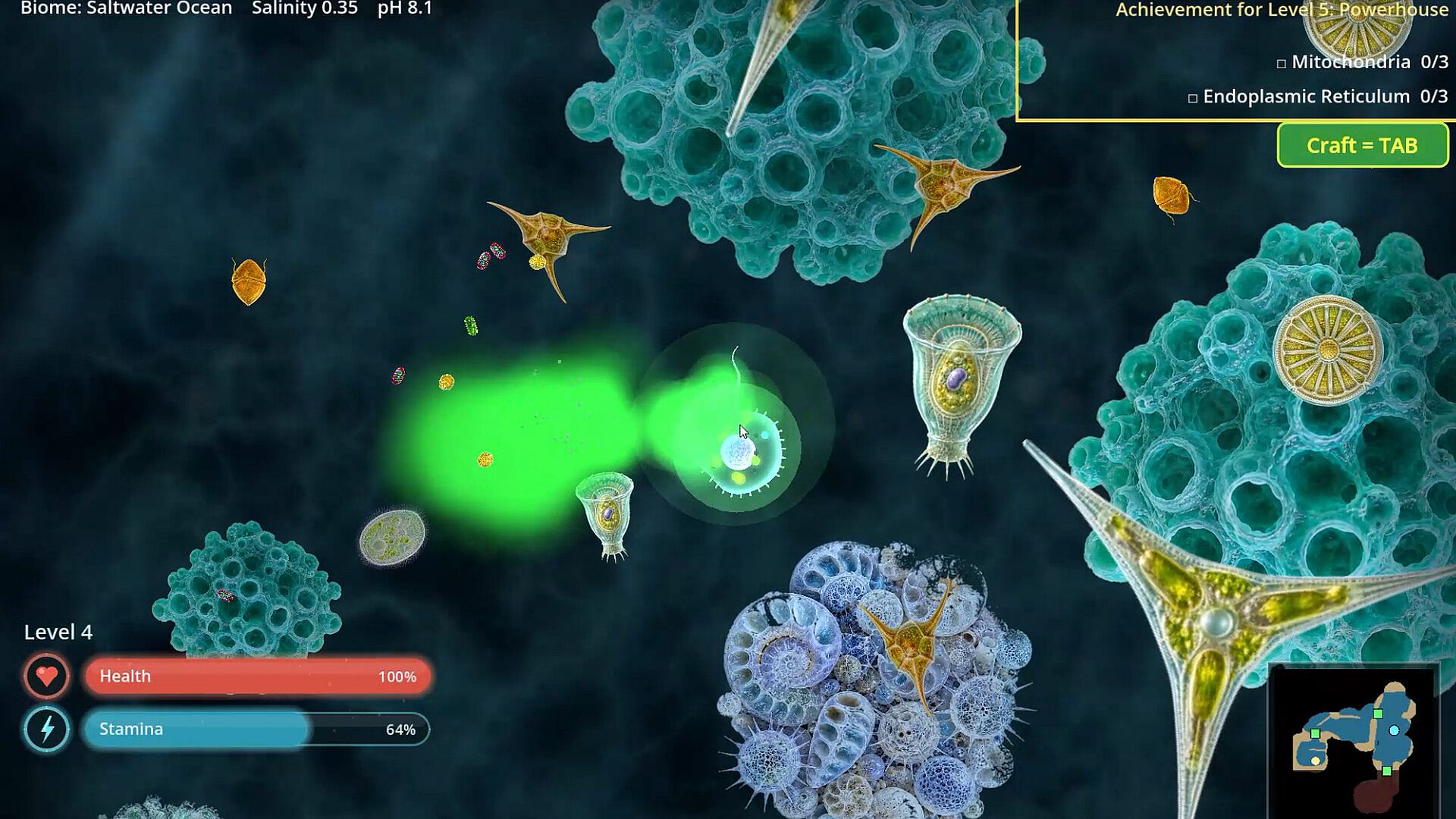
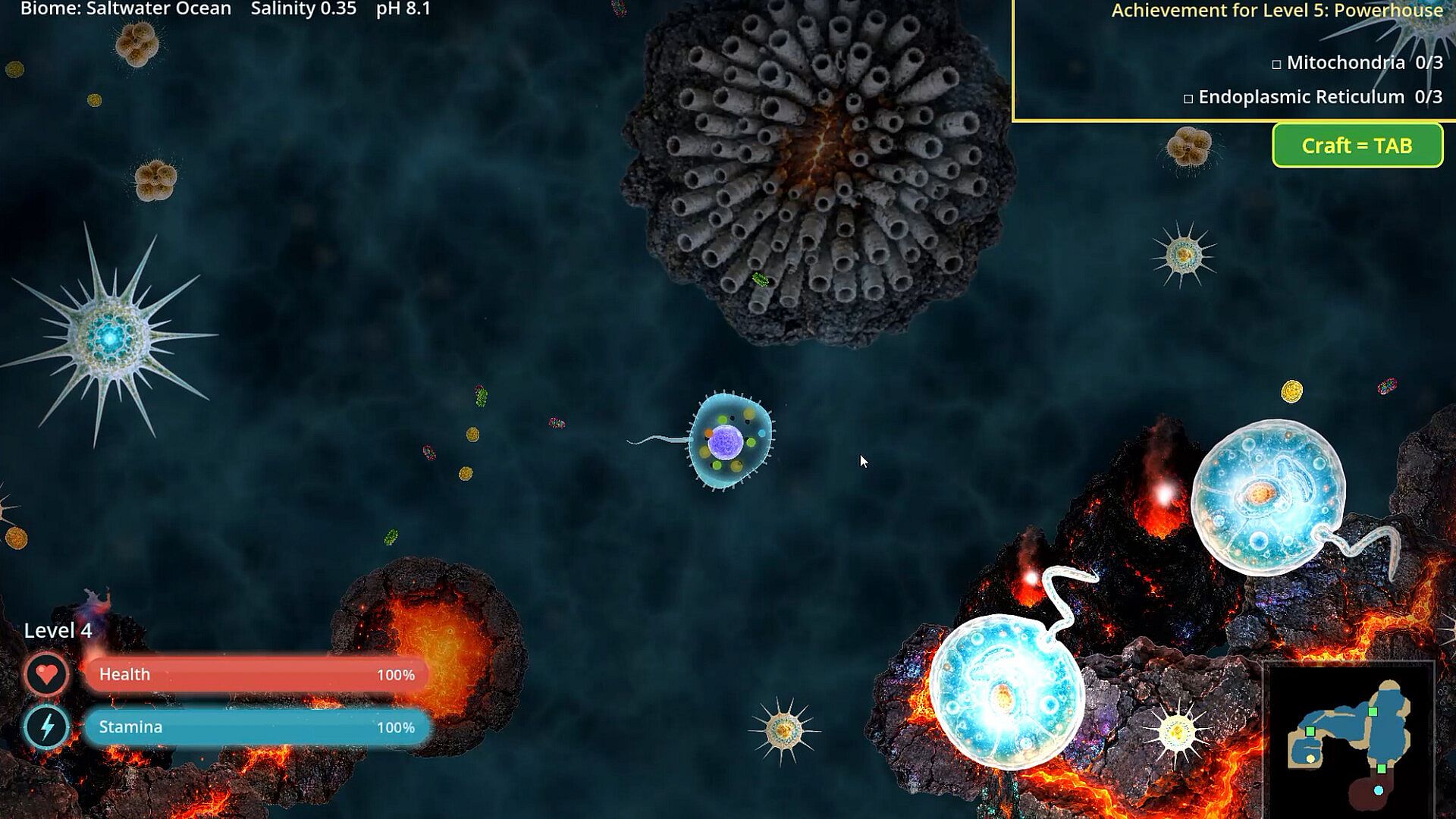
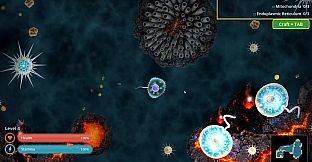
Salty: Evolution Simulator is a single-player simulation and adventure game that places players in control of a single prokaryotic cell in a microscopic saltwater environment. The core experience revolves around evolving from a basic organism into complex multicellular life through hands-on construction of cellular components and survival against real-world biological threats.
Gameplay
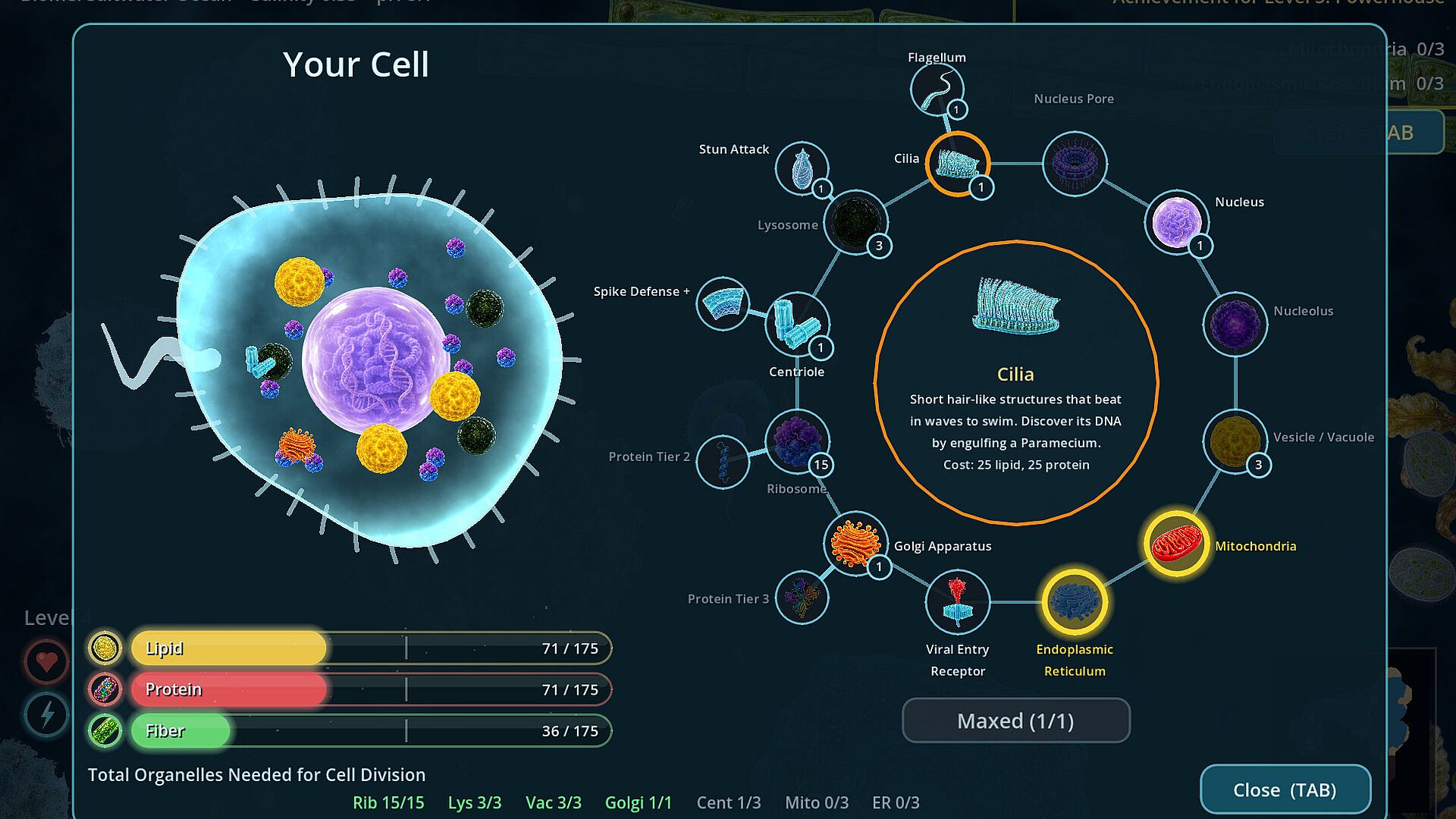
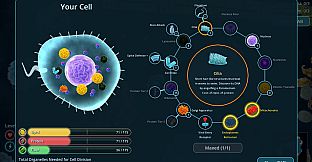
Players begin as a simple prokaryote without a nucleus or advanced defenses. The central loop involves collecting resources such as lipids, proteins, and fiber from the surrounding water. These materials feed into a crafting system where organelles are assembled one by one. Each addition alters the cell's capabilities in ways that mirror actual biological functions, such as energy production or waste processing.
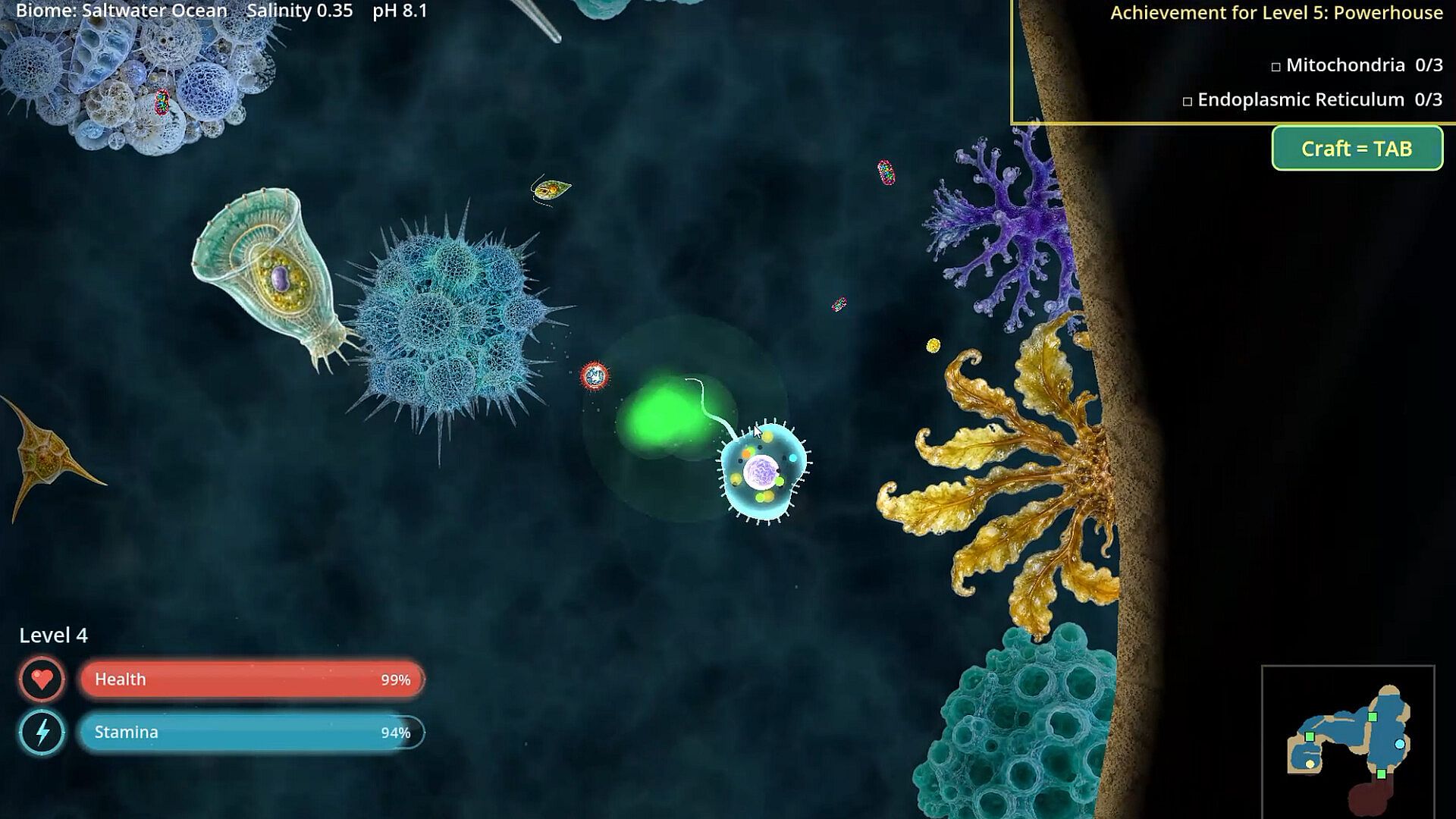
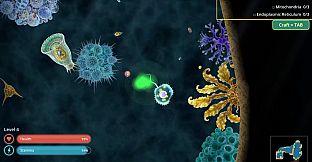
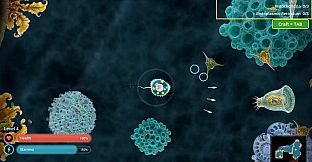
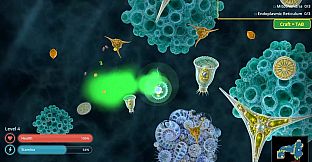
Survival requires constant attention to health and stamina while navigating dangers including aggressive viruses that attempt to hijack the cell and larger organisms that treat it as prey. Movement and resource management become more sophisticated as the organism gains complexity, shifting from prokaryote to eukaryote stages and eventually toward multicellular forms.
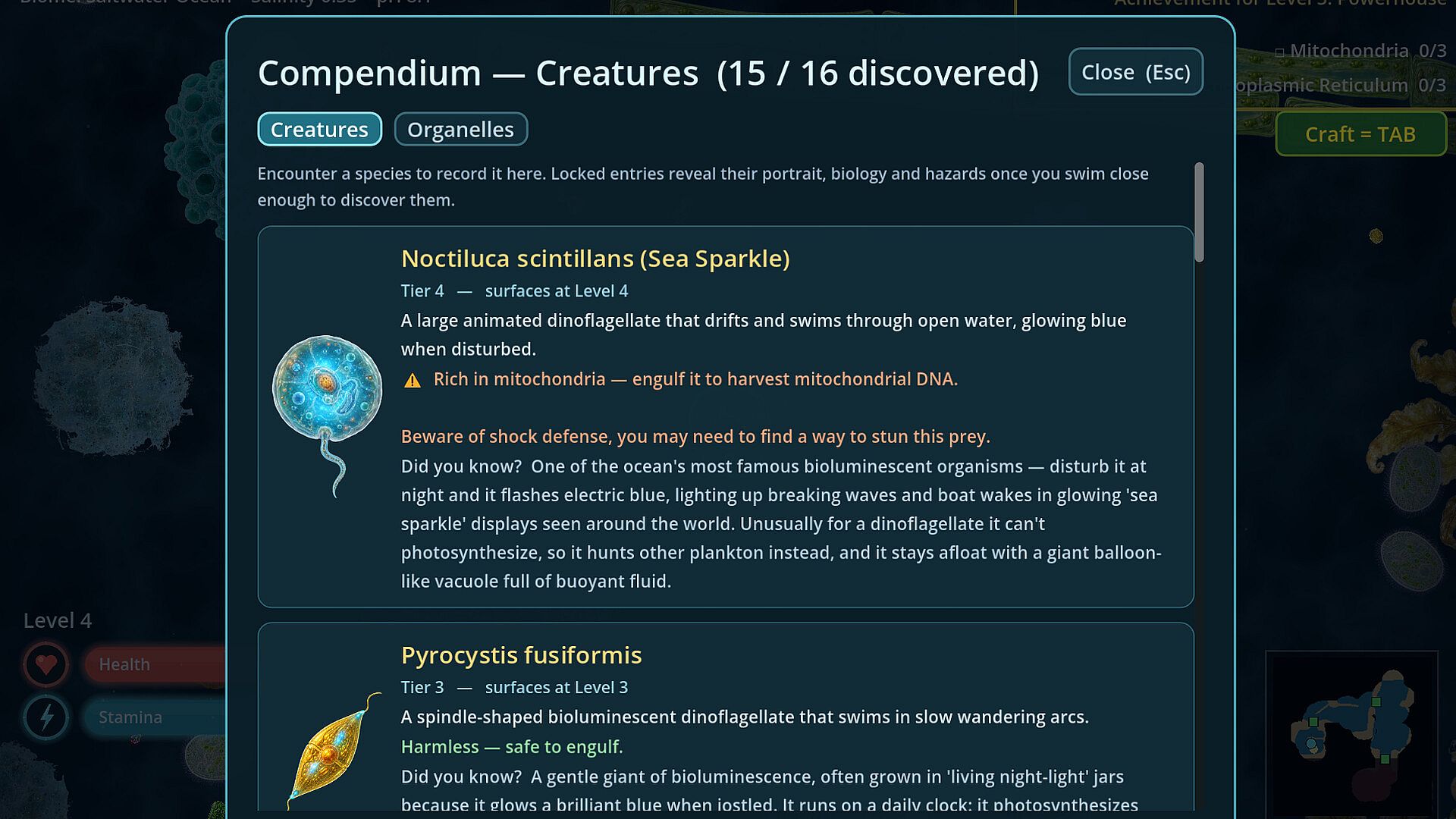
Exploration contributes to a compendium that logs encountered species. Each discovery provides DNA fragments that enable further evolutionary upgrades. The process emphasizes learning through direct interaction rather than external instruction, with biomes ranging from kelp forests to volcanic vents shaping the challenges and opportunities available.
Game Modes
Salty: Evolution Simulator operates as a single-player experience with no separate multiplayer or competitive modes. The entire progression unfolds through one continuous campaign that follows the evolutionary path from the simplest cell to more advanced life forms. All mechanics center on this solitary journey of building, surviving, and cataloging in the microscopic world.
Evolution and Discovery Systems
Progression ties directly to real biological principles. Organelles perform their authentic roles, and environmental pressures replicate those that influenced life on Earth. The compendium serves as both a record and an unlock mechanism, rewarding close encounters with new species by granting access to additional DNA options that expand complexity.
Threats evolve alongside the player. Early stages focus on avoiding viral infection and basic predation, while later stages introduce competition from more developed organisms. This structure encourages repeated playthroughs to test different evolutionary paths and organelle combinations.
Is It Worth Playing?
The game remains in development with a planned release on November 10, 2026, and currently offers a free demo for those interested in trying the core systems. As a single-player simulation focused on accurate cellular biology, it appeals to players who enjoy methodical resource management, incremental upgrades, and learning through experimentation in a hostile environment.
With no user reviews available yet, reception will depend on how well the real-biology foundation translates into engaging gameplay once the full version launches. The free demo provides an immediate way to evaluate whether the crafting ring, survival elements, and evolutionary climb match personal preferences for simulation titles. Those drawn to detailed, system-driven experiences without traditional quests or combat may find it a strong fit once it becomes available.











