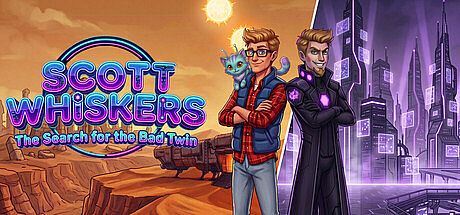


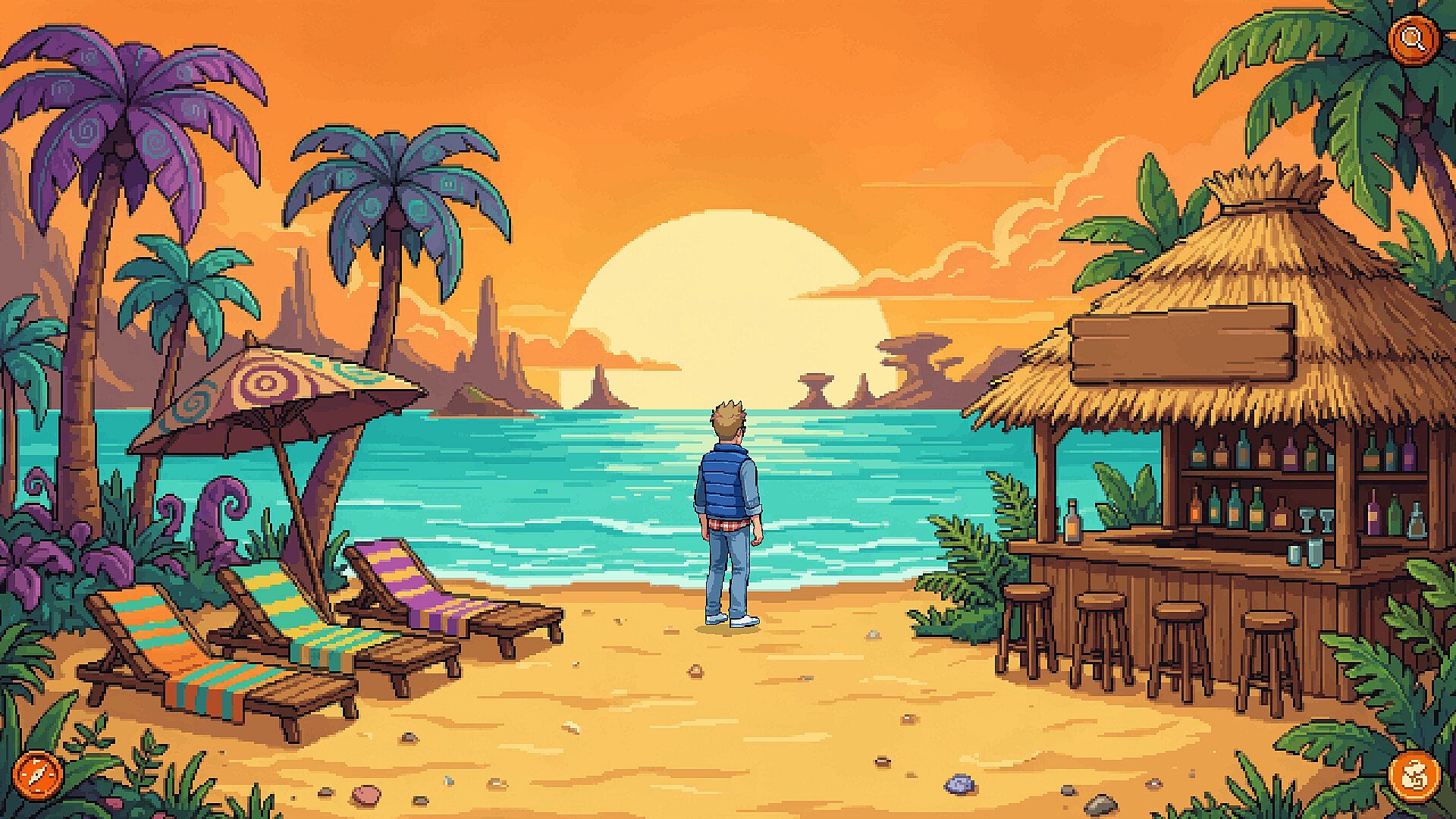
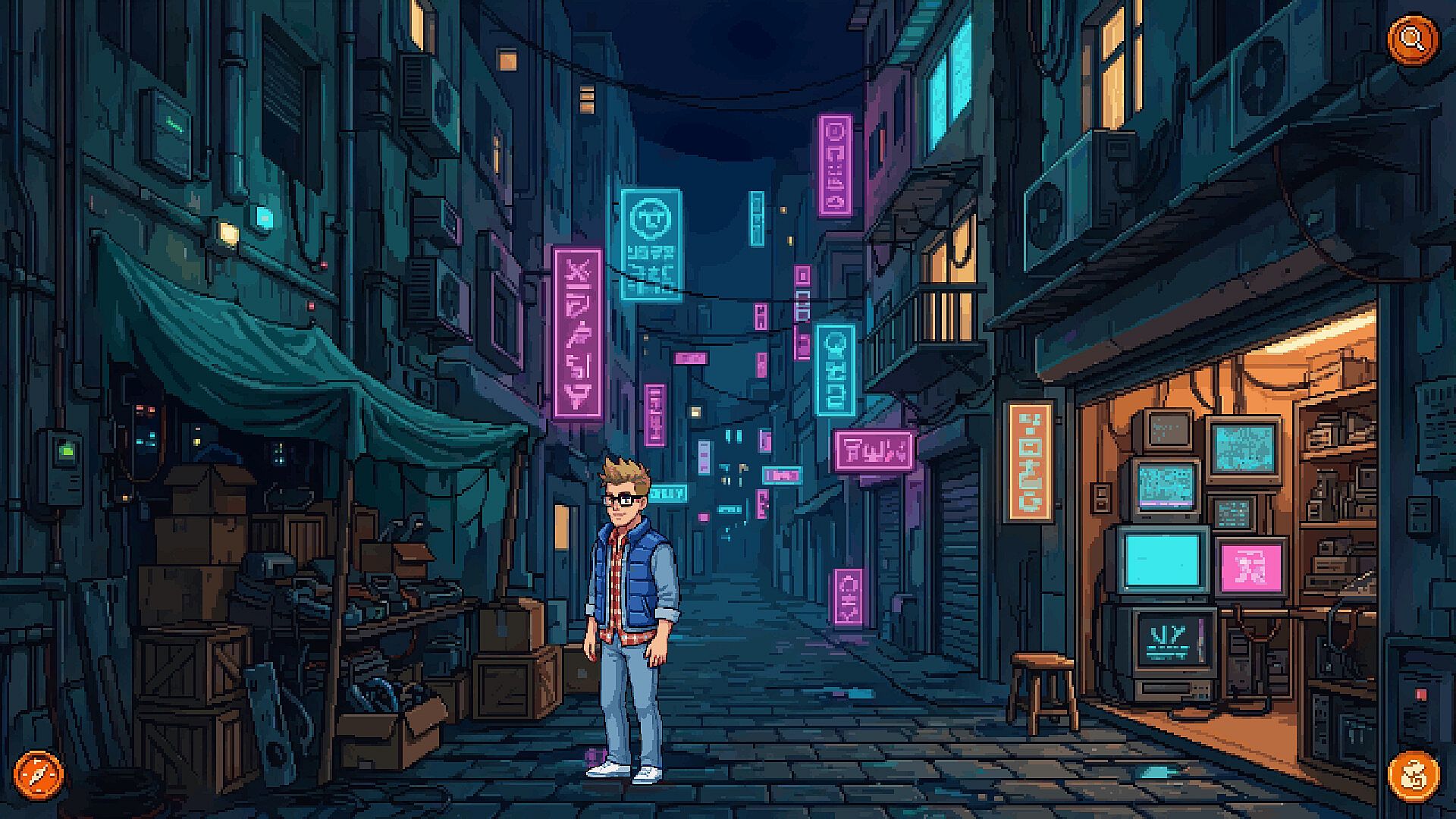
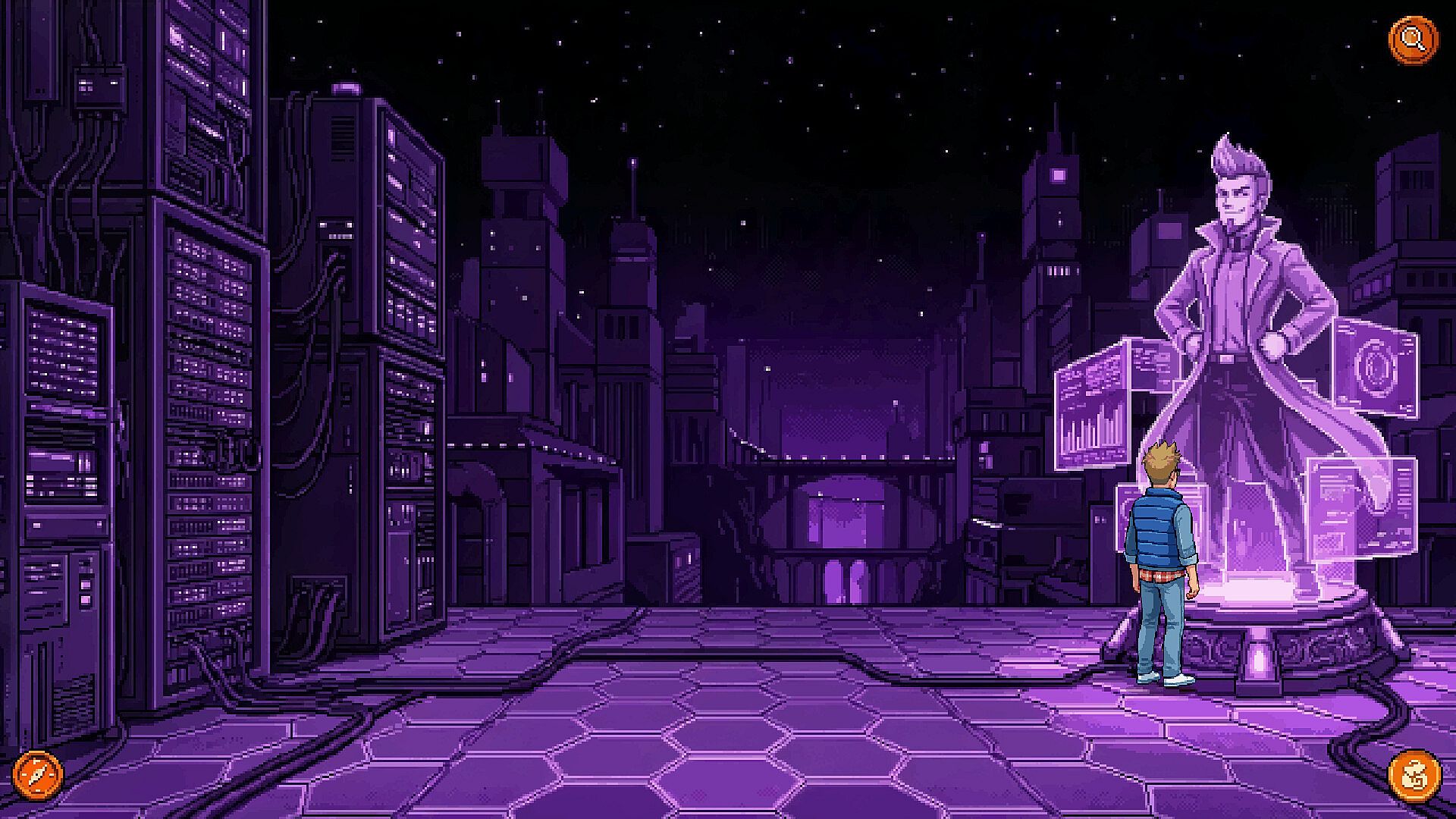
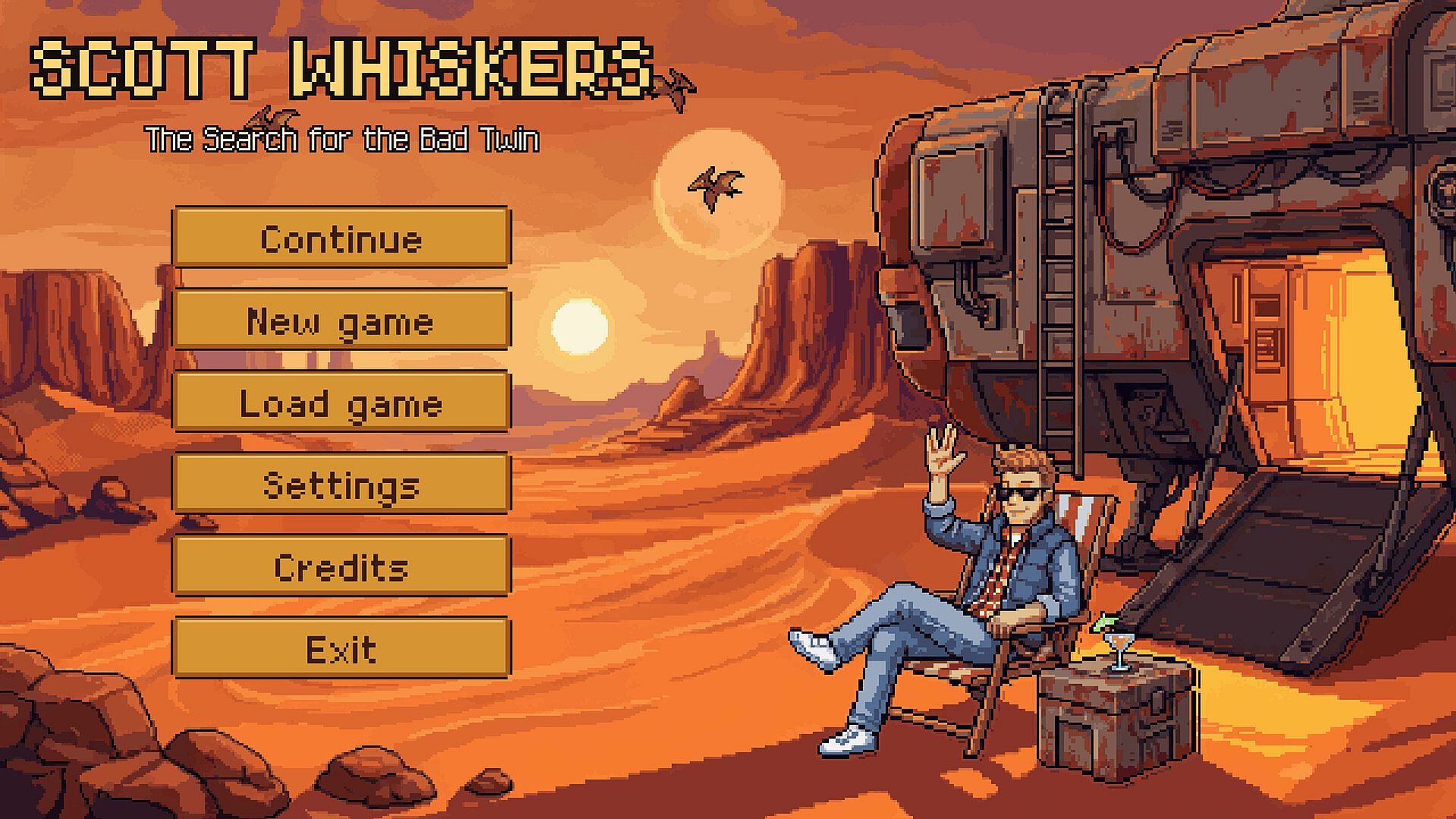
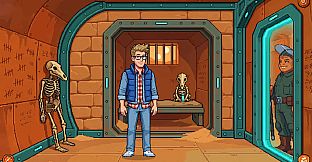
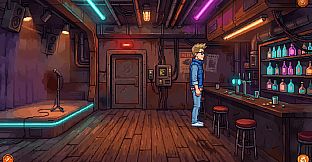
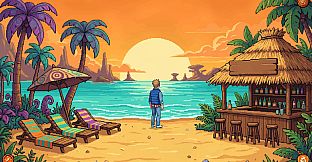
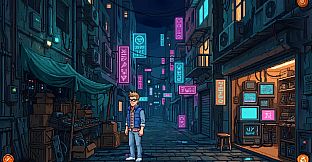
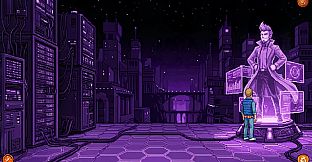
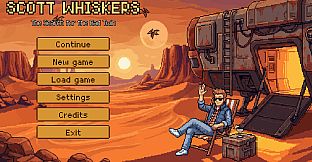
Scott Whiskers: The Search for the Bad Twin is an indie point-and-click adventure game that places its reluctant hero in a sci-fi setting filled with aliens, strange planets, and unexpected twists. The title continues the series with Scott, a cat-loving Trekkie and long-time student, who finds himself transported far from home after a marathon viewing session. Players follow his efforts to navigate this new environment while dealing with a mysterious figure who resembles him but behaves quite differently.
Gameplay
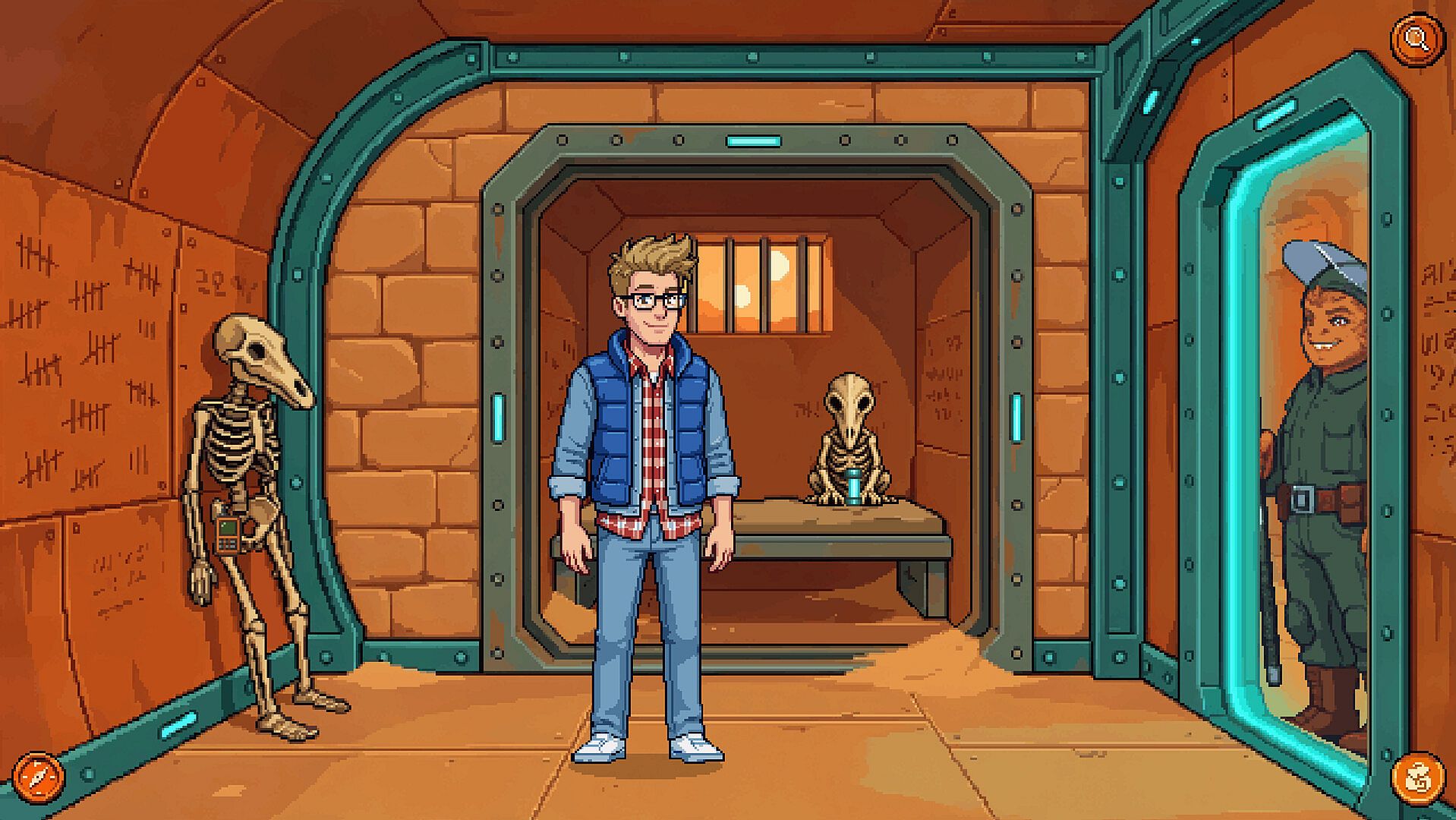
The core loop revolves around classic point-and-click mechanics. Players explore detailed scenes by clicking on locations and objects, collect items for the inventory, and combine them to progress. Conversations with characters drive much of the experience, often leading to absurd exchanges and humorous exchanges that reveal clues or advance the narrative. Puzzles emphasize logical thinking, with solutions that sometimes require a creative angle rather than straightforward application of items.
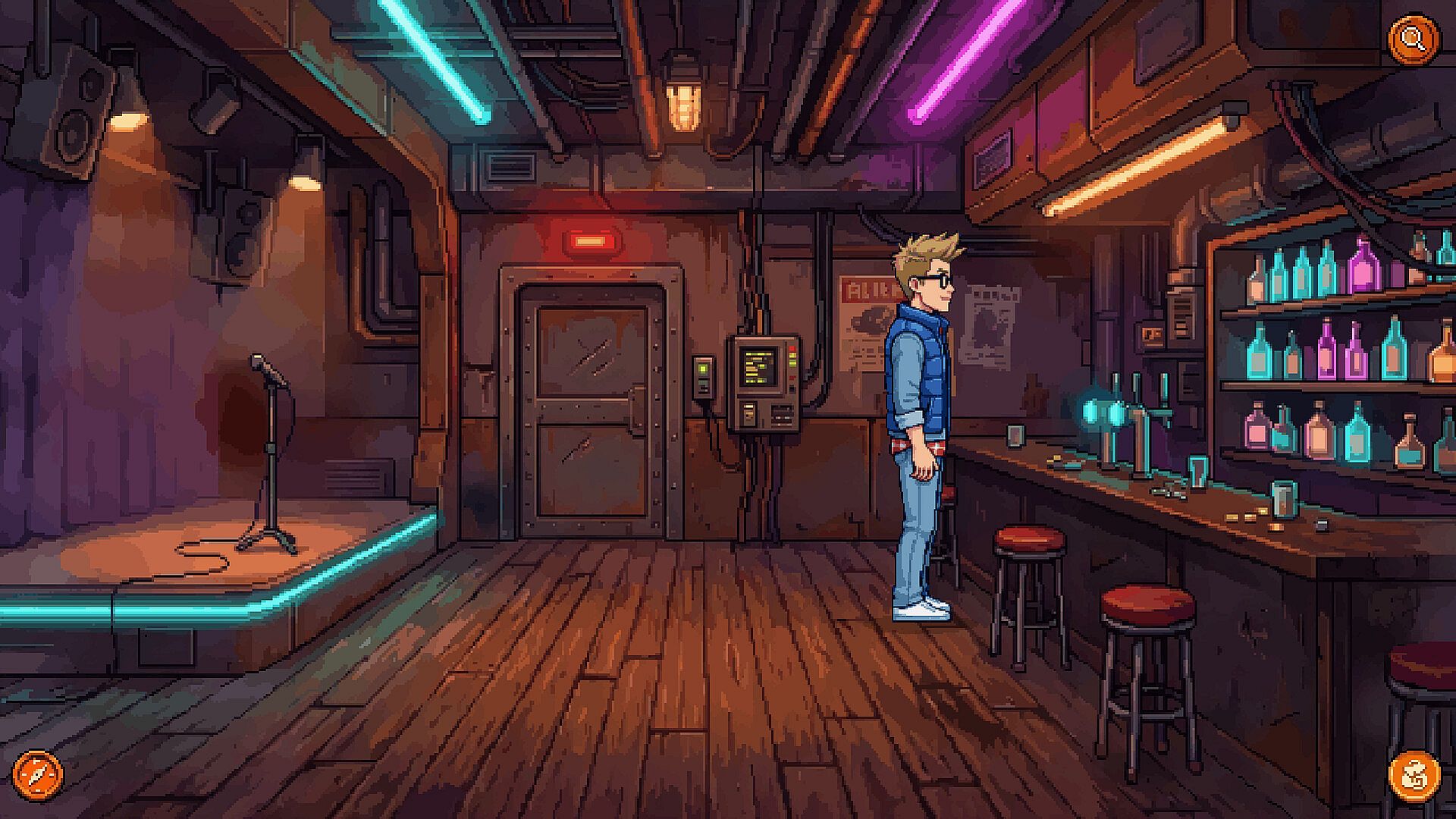
Navigation includes options for walking or running between areas, and an optional hotspot indicator helps newcomers identify interactive elements without removing the challenge for experienced players. The game supports full voice acting for every line of dialogue, allowing the story to unfold through spoken lines alongside the pixel art visuals. Fluid animations bring characters and environments to life in a style that echoes earlier adventure games while incorporating modern polish.
Game Modes
Scott Whiskers: The Search for the Bad Twin operates entirely as a single-player experience. There are no multiplayer components or separate competitive modes. The focus remains on a linear story progression through exploration, item management, and dialogue choices that shape interactions but stay within the bounds of the main adventure path. Steam features such as achievements and cloud saves integrate directly into this single-player structure.
Story and Setting
The narrative opens with Scott dozing off after watching science fiction shows, only to awaken in a distant part of the galaxy surrounded by unfamiliar aliens and situations that seem oddly familiar to those around him. A central thread involves locating his lookalike, referred to as the bad twin, while uncovering why the galaxy appears to recognize Scott in ways he does not expect. The tale incorporates parody, recurring jokes, and references that appeal to fans of the genre and science fiction in general. A colorful cast of oddball characters populates the worlds, with the possibility of encountering space cats along the way.
Visuals, Audio, and Features
Every scene uses rich, detailed pixel art with lively character animations that give the environments a polished yet nostalgic feel. Full voice-over covers all dialogue in both English and German, enhancing the quirky conversations and running gags. Additional features include inventory-based puzzles, a journal for tracking tasks, and support for controller input. The game draws inspiration from adventure titles of the 1980s and 1990s while adding modern conveniences like the hotspot helper.
- Return of the Scott Whiskers character in a new sci-fi context
- Pixel art presentation with smooth animations
- Complete voice acting for all lines
- Inventory puzzles and dialogue-driven progression
- Optional assistance tools for accessibility
Is It Worth Playing?
Players who enjoy traditional point-and-click adventures with humor, logical puzzles, and a light sci-fi tone will find this entry aligns closely with the style of its predecessors. The series has received positive feedback in the past for its engaging characters, voice work, and puzzle design that balances challenge with accessibility. As an upcoming title planned for release in 2028 following a Kickstarter campaign and demo, it targets both returning fans and newcomers seeking a family-friendly experience with nerdy references and parody elements. Those who appreciate single-player adventures centered on exploration and conversation rather than action will likely appreciate the approach taken here.