


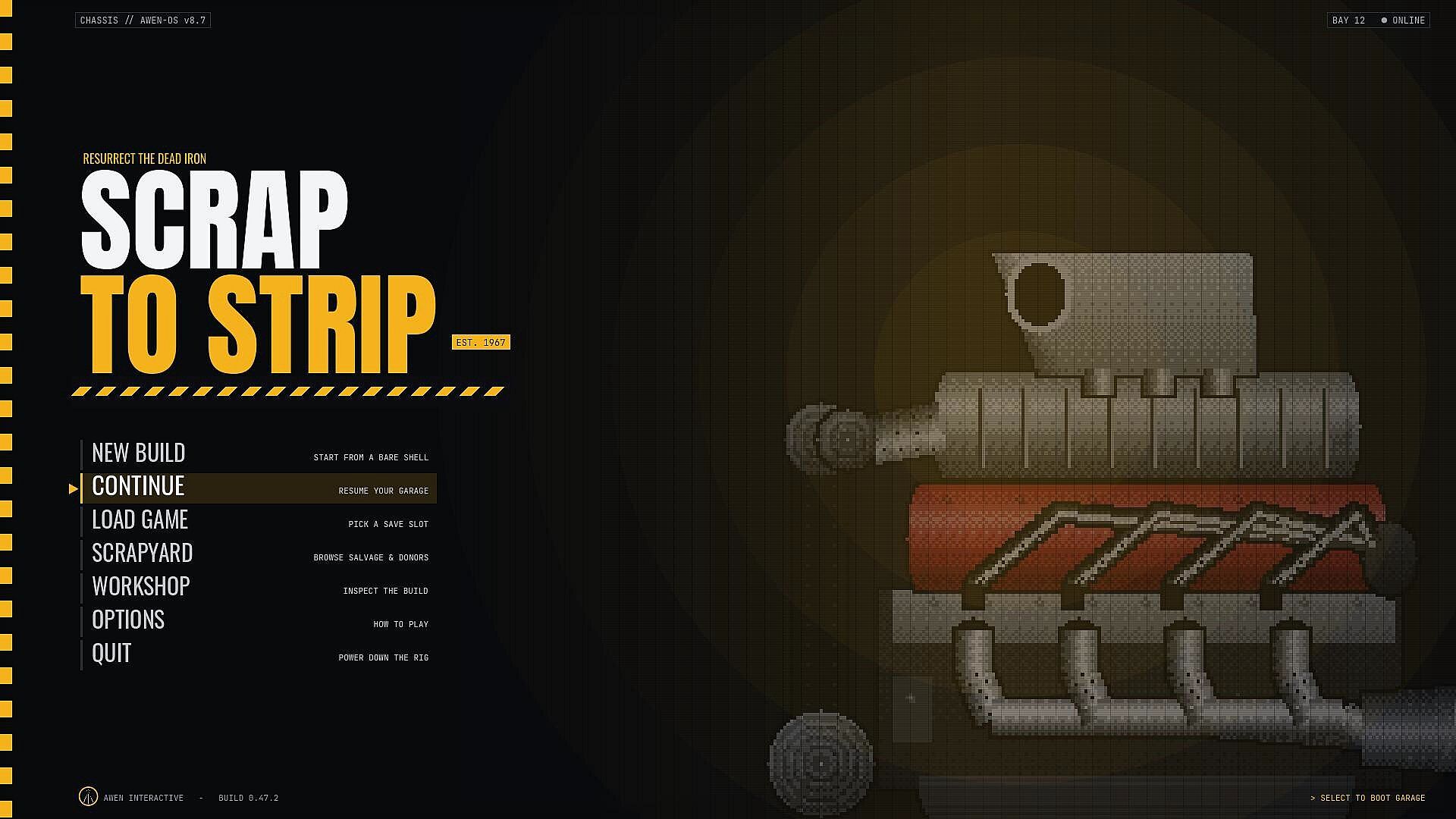

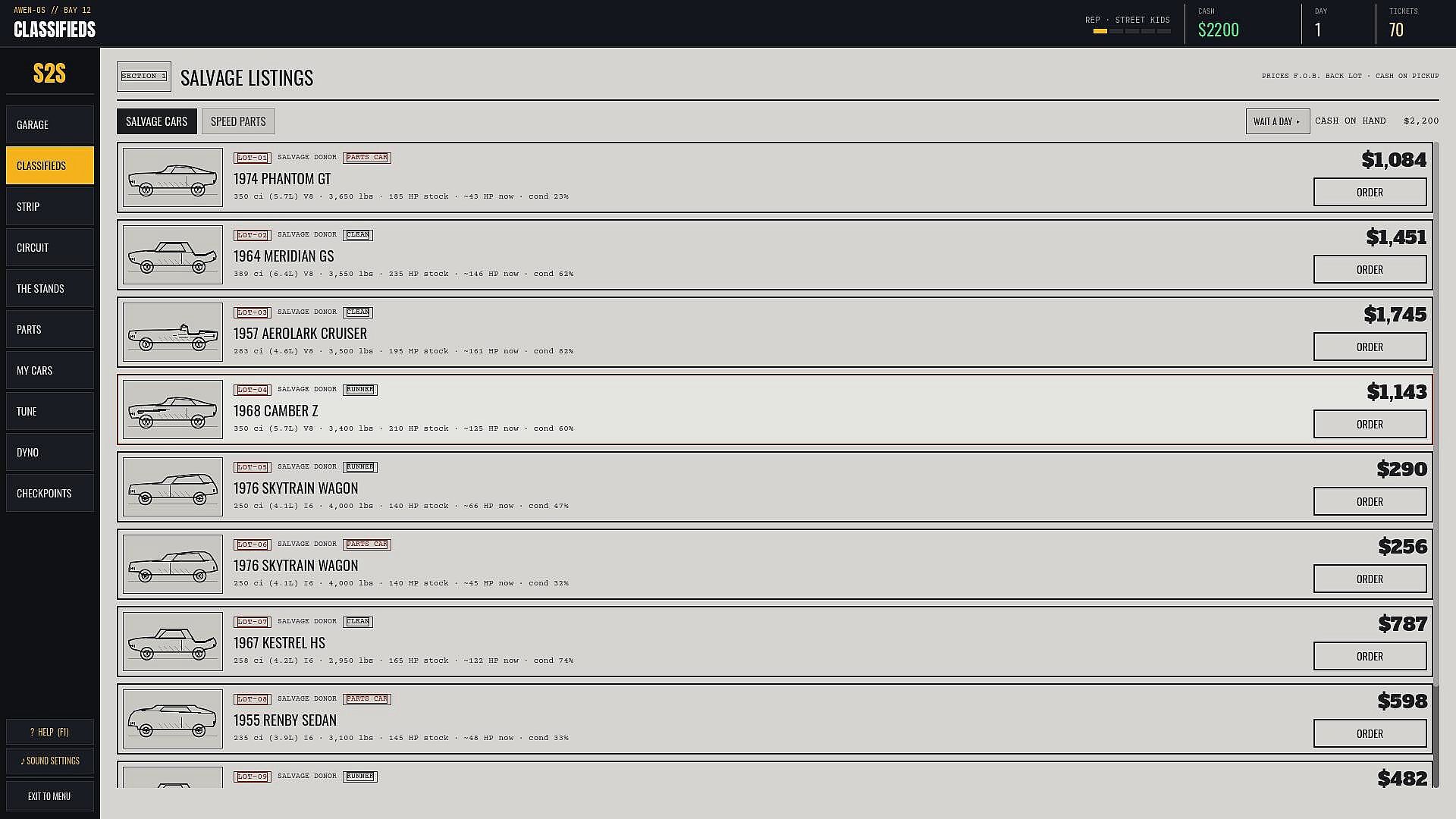
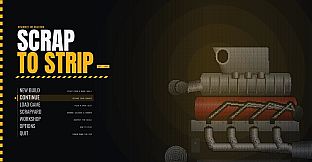


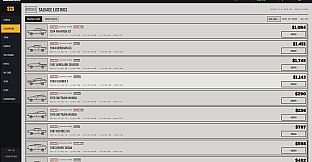



Scrap to Strip is an indie simulation racing game for PC that puts players in the role of a backyard mechanic and drag racer. The core experience revolves around scavenging junk cars from a lot, restoring them through hands-on repairs, and testing the results on the strip against human opponents. Every session begins with limited cash and a selection of rusted vehicles, requiring careful choices about which parts to replace and how to tune the engine for better performance.
Gameplay
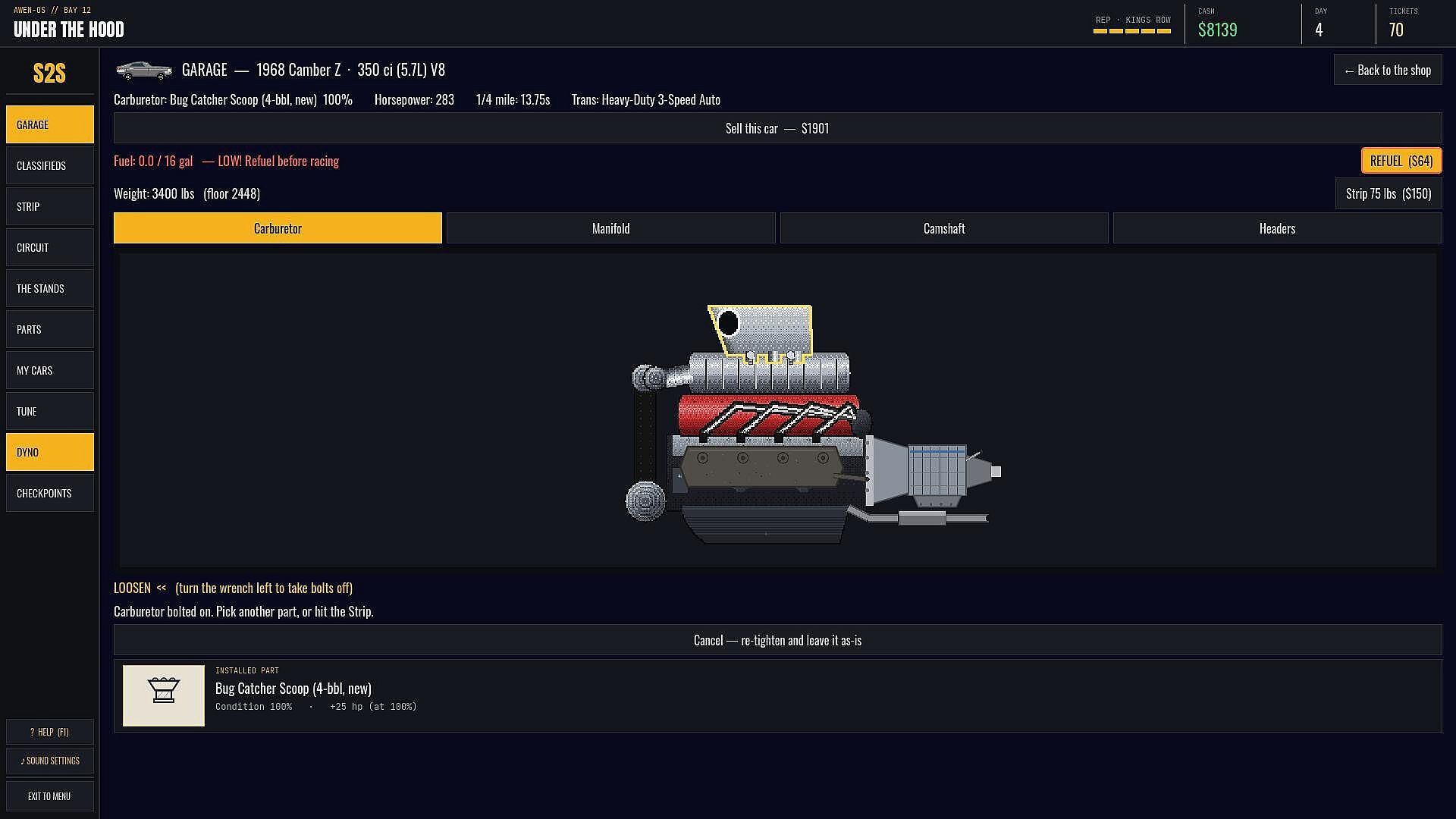
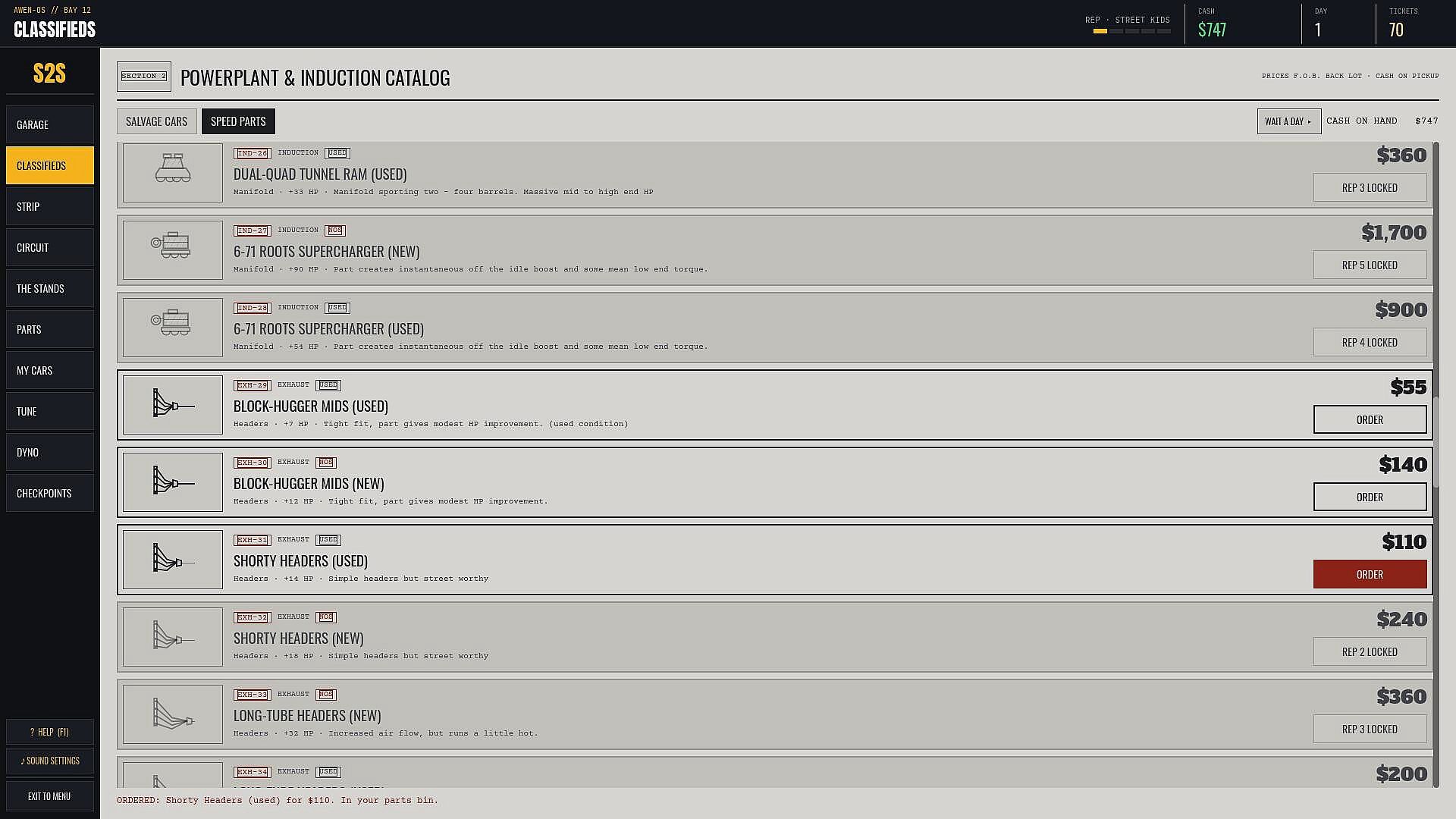
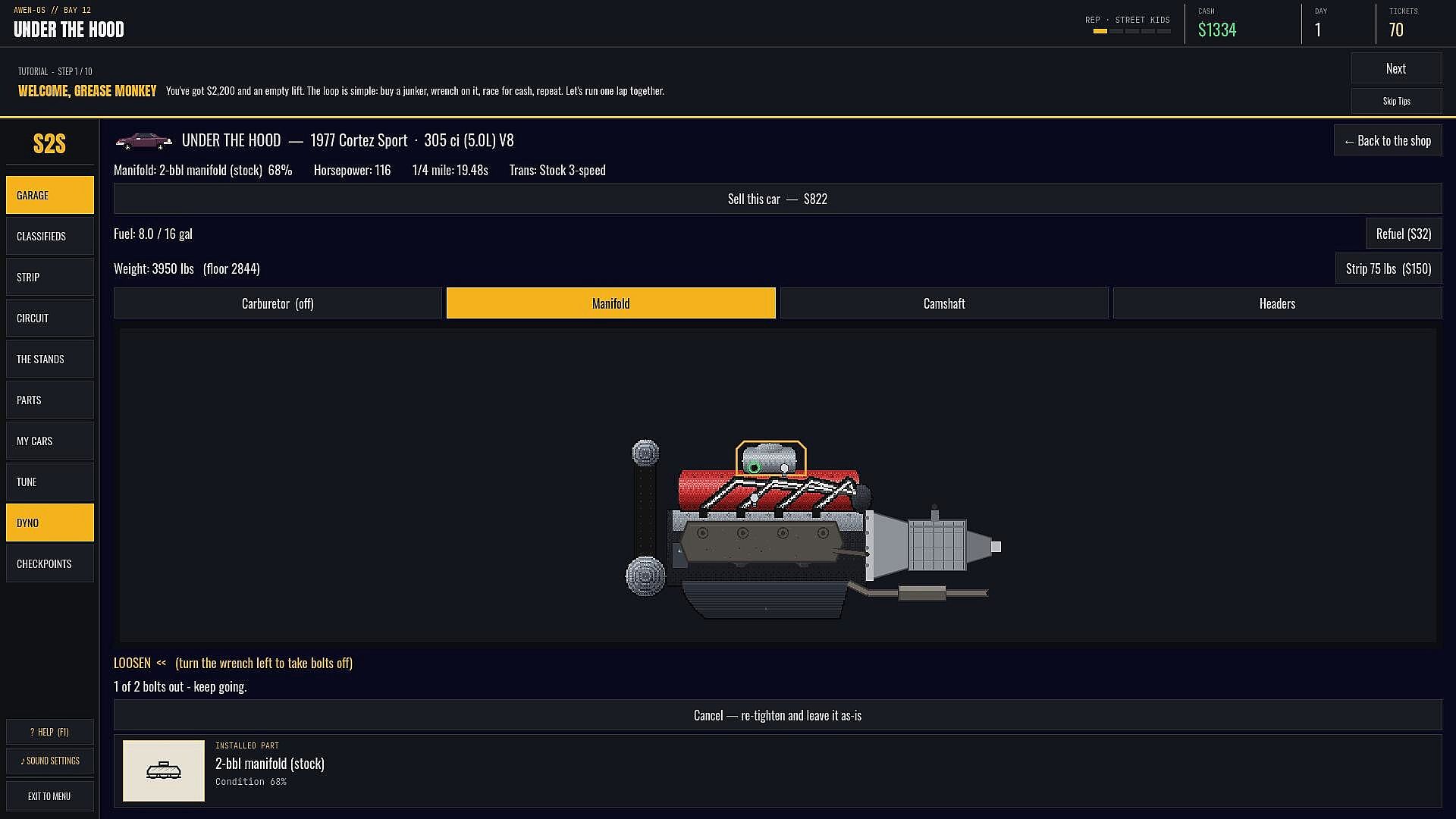
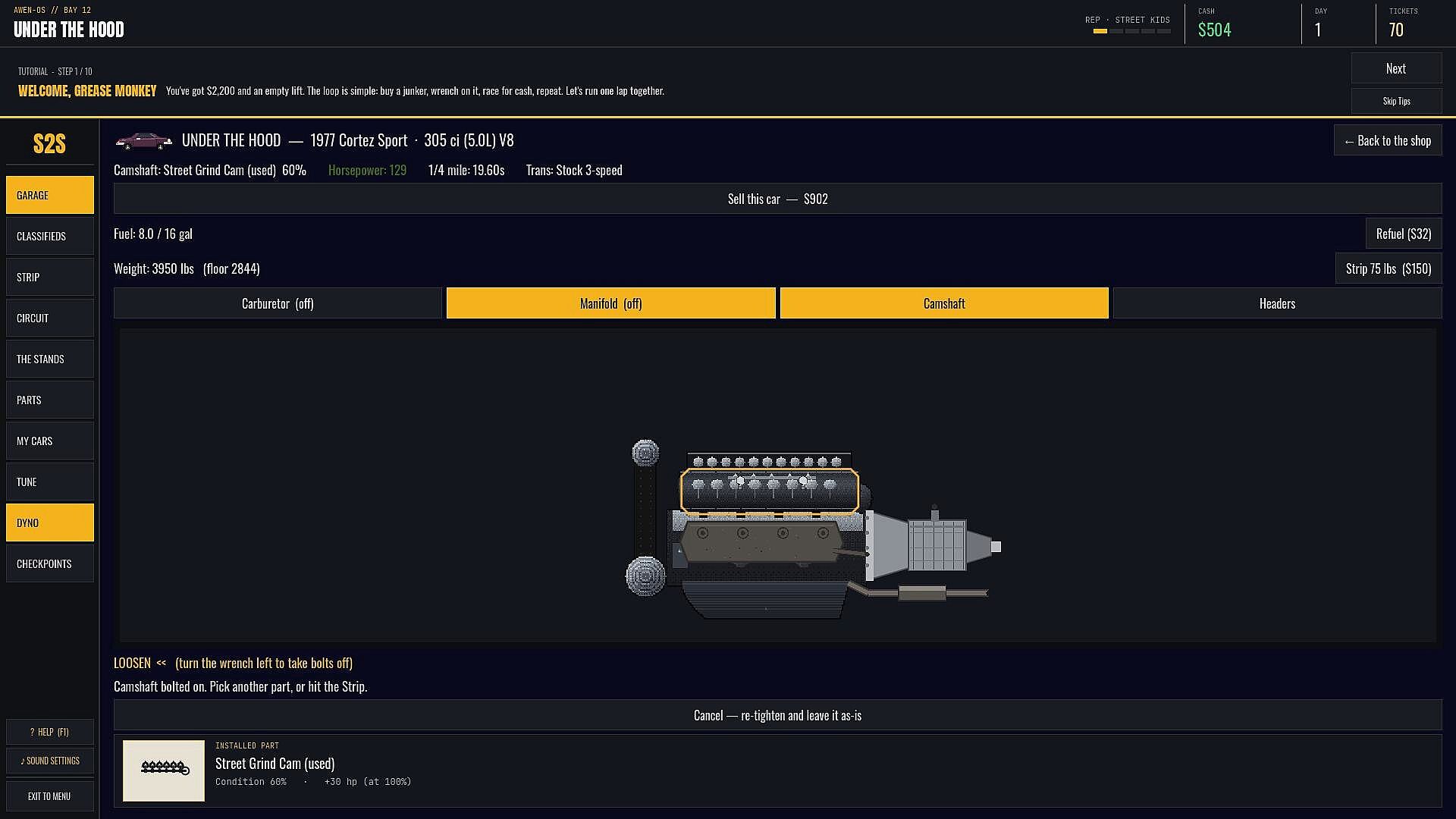
The garage functions as a detailed workbench rather than a simple menu system. Players loosen individual bolts, remove worn components such as carburetors or manifolds, and install upgrades including four-barrel carbs, cams, headers, transmissions, and intake modifications. Each part carries its own characteristics, tiers, and performance trade-offs that affect power delivery, weight, and reliability. Timing adjustments, gear ratios, and launch RPM settings further refine the setup, while weight reduction helps shave seconds off elapsed times. The process mirrors real mechanical work, with visible changes to the engine bay as parts are swapped and fitted.
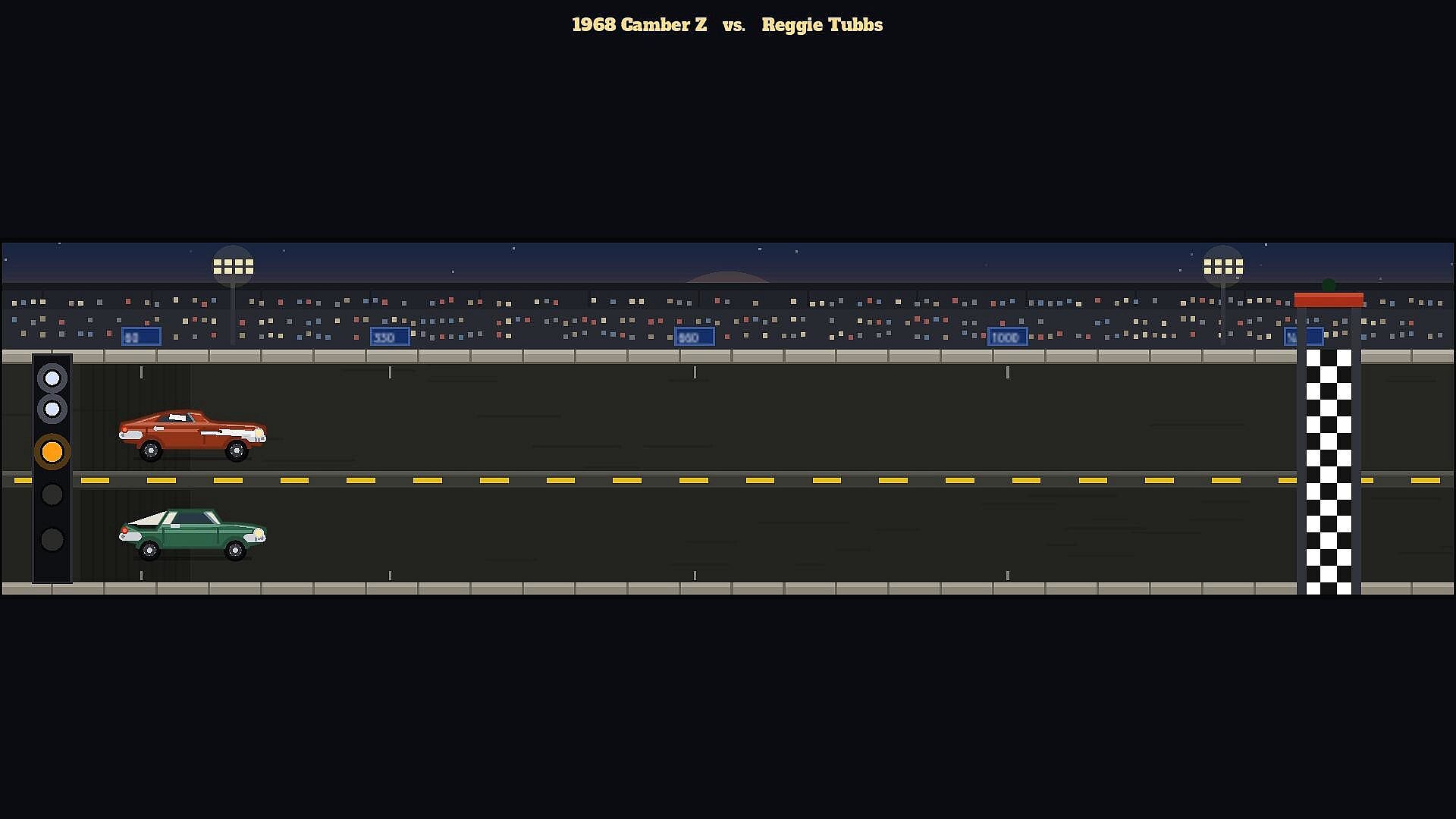
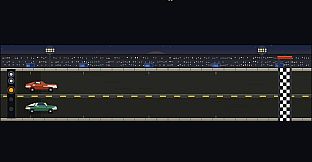
Once the car is ready, it heads to the strip where variables like launch quality, traction conditions, tire wear, and weather influence the outcome. Selecting the appropriate rubber compound for dry, damp, or wet tracks becomes essential for maximizing grip off the line. Opponents appear as distinct characters with their own vehicles and driving tendencies, allowing players to assess risk through details like racer permits before placing bets. Wagers range from small cash amounts to high-stakes runs that include the possibility of losing the pink slip on the player's own car.
Game Modes
Progression follows a ladder structure that starts with informal street-level challengers and advances through back-lot racers, regular strip competitors, and outlaw professionals. Success builds reputation, unlocking access to higher classes and improved components while occasionally attracting attention from nitro-equipped legends in extreme machines. The focus remains on single-player career advancement through repeated build-and-race cycles.
Players who prefer observation over participation can spend time in the stands placing bets on other drivers' runs. An invite-only pro shop also becomes available for those seeking specialized hardware and premium fuel options. These activities integrate directly with the main loop of acquiring vehicles, performing repairs, and competing for cash or ownership stakes.
Progression and Customization
Reputation earned from successful races determines access to tougher competition and better parts. Each rival presents unique challenges based on their car setup and style, encouraging players to adapt builds accordingly. The hand-crafted nature of every component, vehicle, and character contributes to a consistent visual style that avoids procedural generation or external asset libraries. Weather and track conditions add replayability by forcing adjustments to tire choices and launch techniques on each visit to the strip.
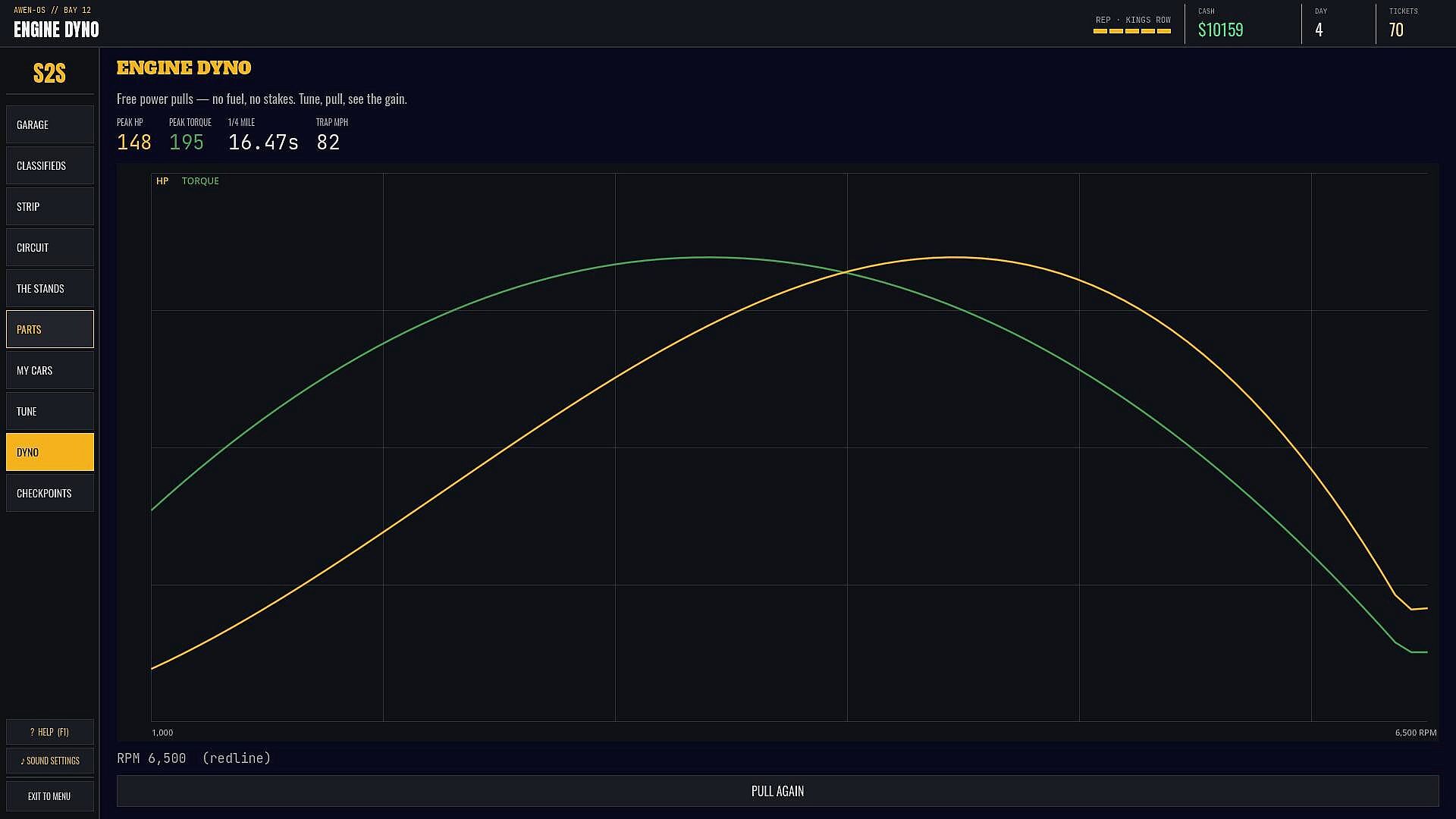
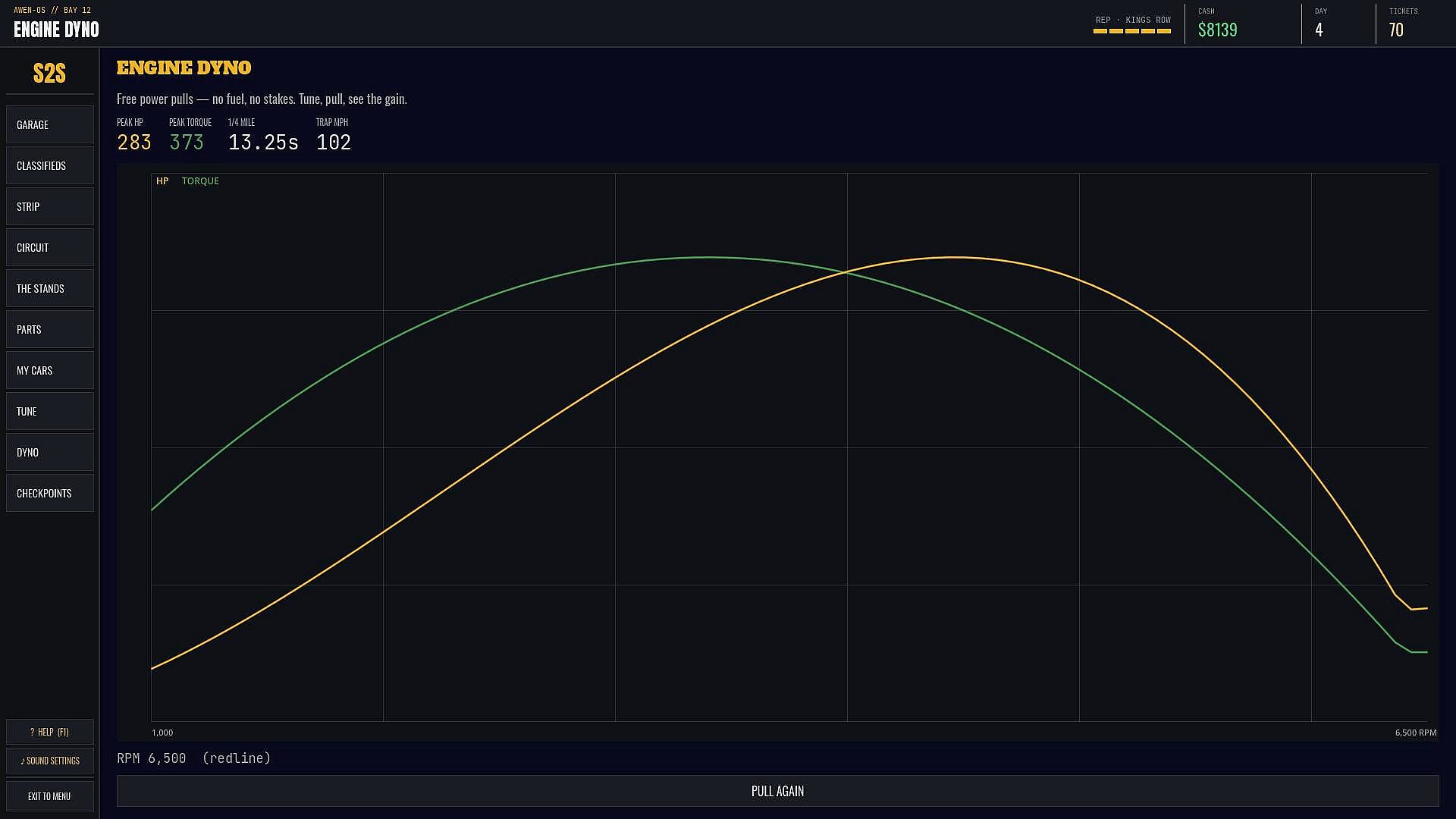
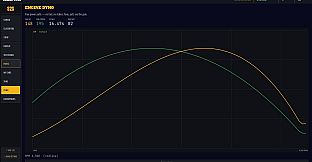
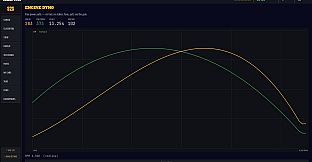
Weight management and engine tuning create meaningful decisions at every step. Removing unnecessary mass improves acceleration while maintaining structural integrity, and precise adjustments to ignition timing or final drive ratios can mean the difference between winning and losing a close race. The system rewards methodical preparation over quick fixes.
Is It Worth Playing?
Scrap to Strip appeals most to players who enjoy detailed mechanical simulation combined with straightforward drag racing. The emphasis on physical part installation and real-time tuning provides a tangible sense of ownership over each vehicle. Those interested in career-style progression through escalating competition will find a clear path from beginner street races to championship contention. The option to spectate and wager adds variety without requiring constant participation in every event. Because the game centers on single-player progression with no additional multiplayer features confirmed, it suits solo sessions focused on building and testing cars. The hand-built presentation reinforces its indie identity and may attract enthusiasts of classic garage-racing themes. Overall, the title delivers a focused experience for anyone drawn to realistic engine work and head-to-head strip runs rather than open-world exploration or arcade-style handling.