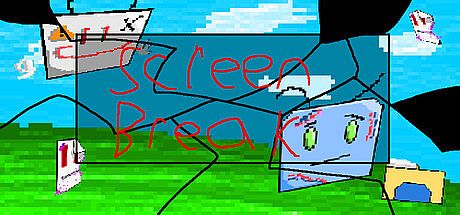


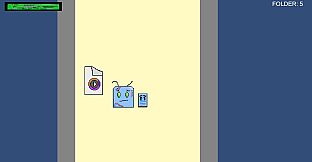
Screenbreak is an action roguelike RPG developed for PC. Players enter a corrupted computer system where a dangerous virus has taken hold, turning once-stable programs and files into hostile threats. The experience blends fast combat with character progression across repeated runs that encourage experimentation with different builds and abilities.
Gameplay
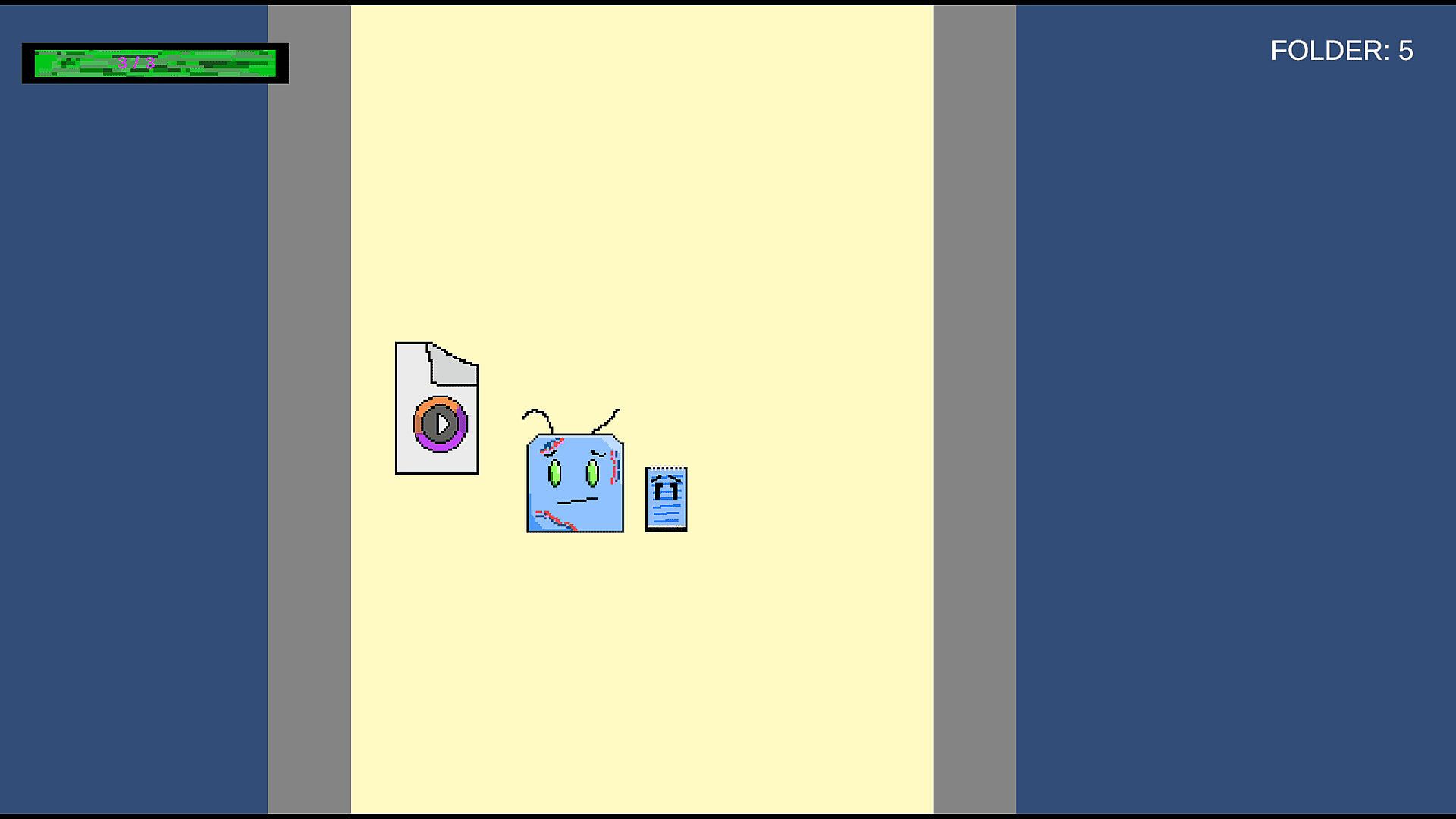
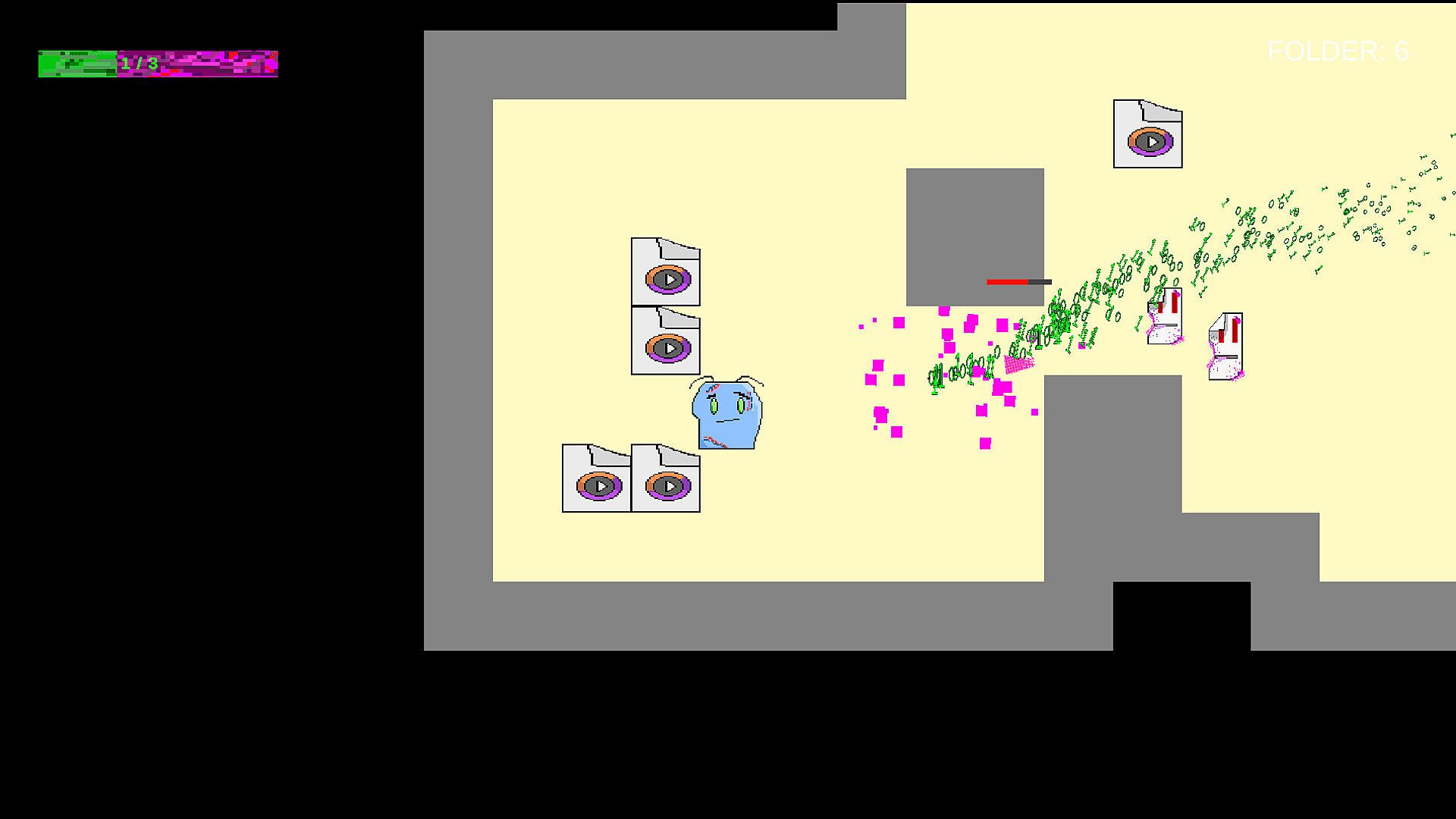
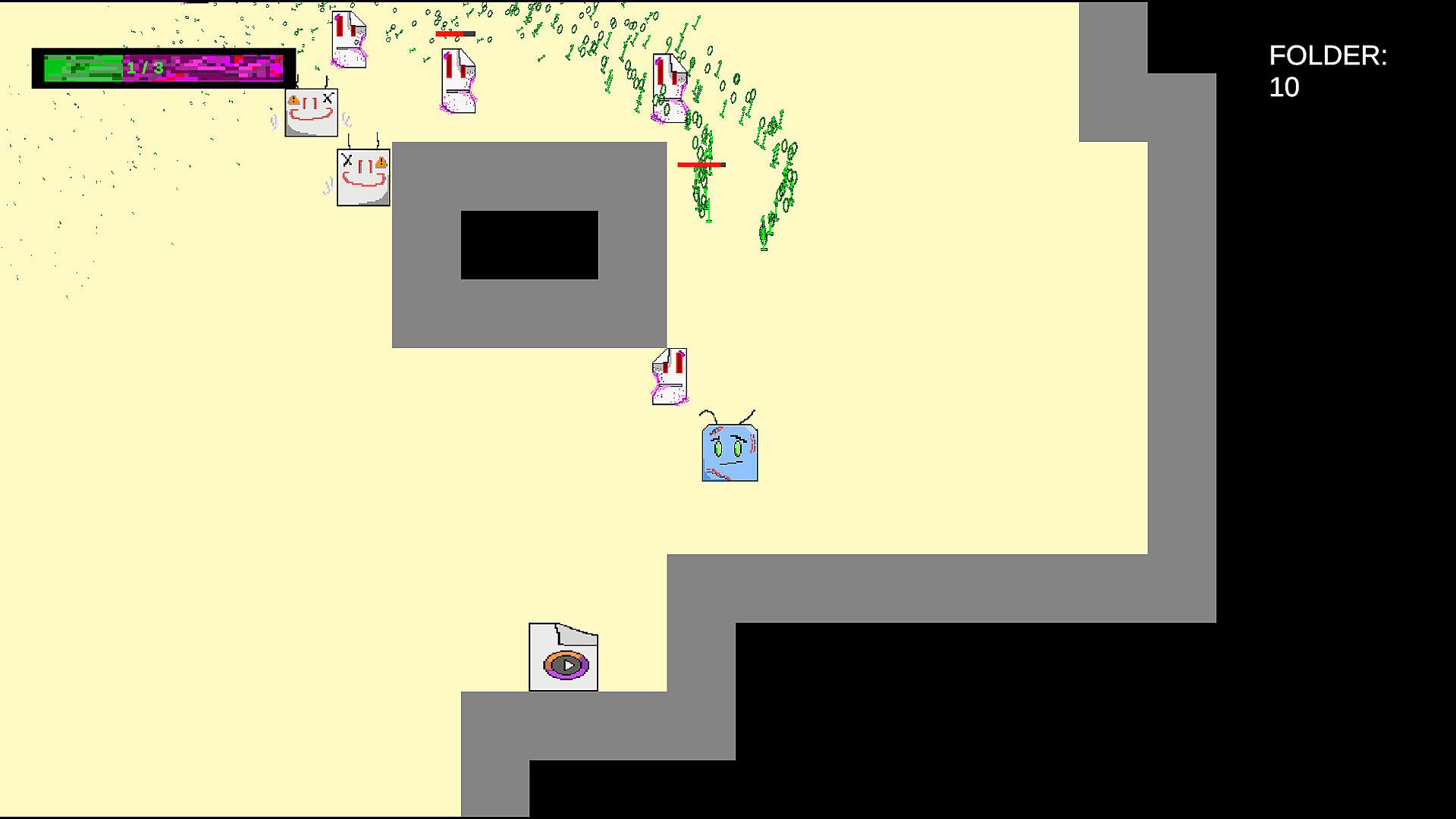
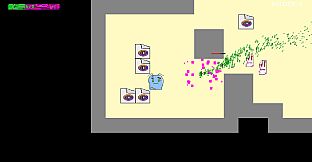
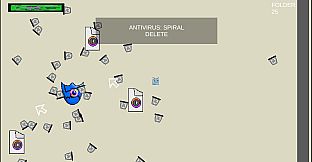
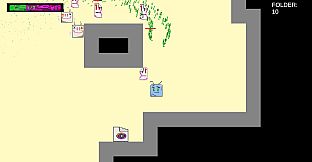
The core loop centers on navigating unstable digital environments filled with glitching programs, broken files, and infected security systems. Combat unfolds in real time through direct confrontations that reward quick reactions and smart use of acquired powers. Each encounter can alter the flow of a run because room layouts and enemy placements shift the available options for movement and attack.
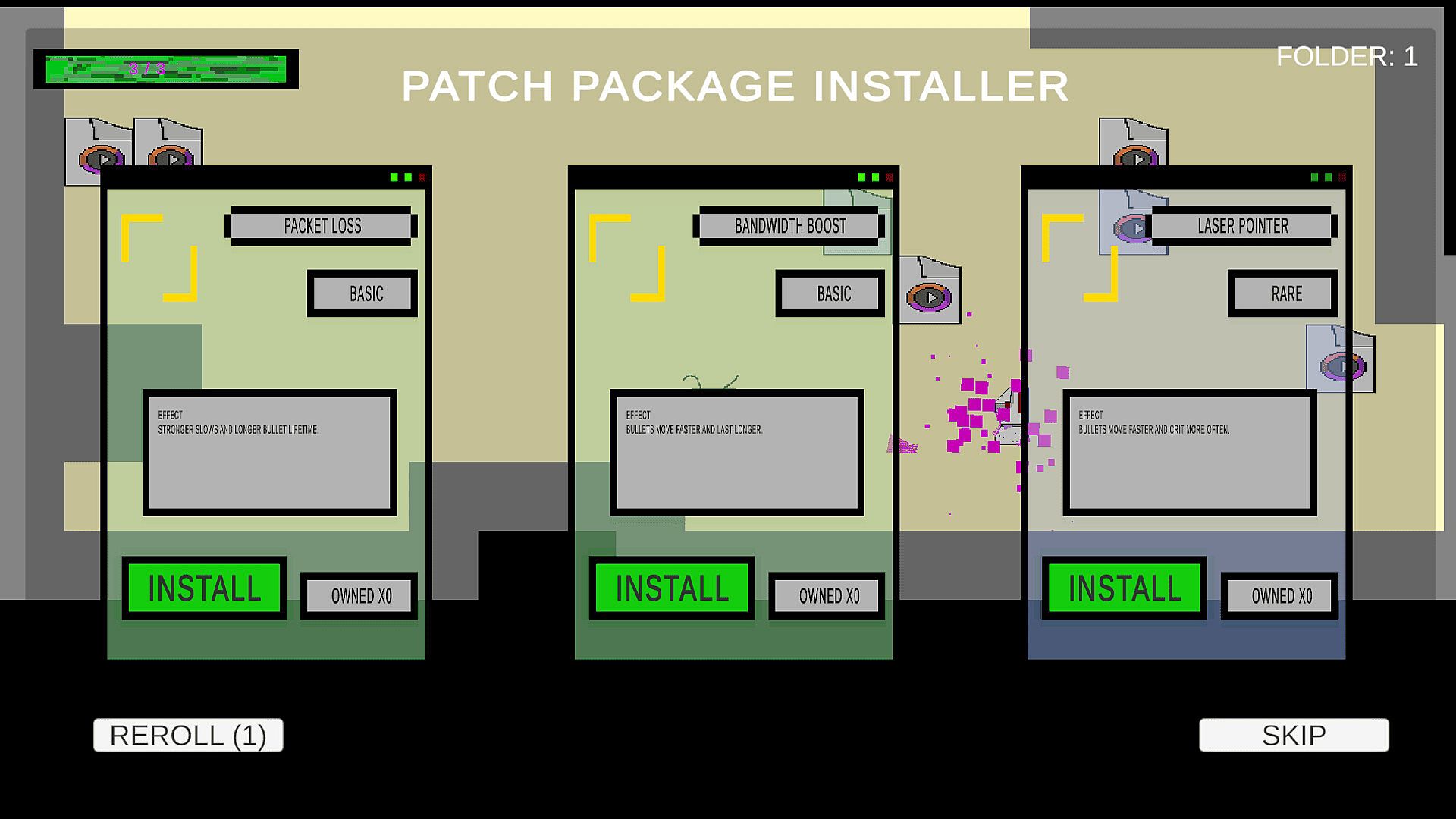
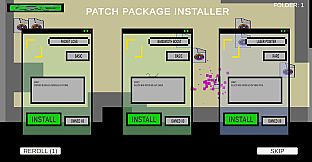
Character growth happens through a system of upgrades collected during runs. These enhancements modify how abilities function, allowing players to emphasize ranged attacks, close-quarters strikes, or defensive tools depending on what surfaces. New abilities appear as options deepen, creating variety across multiple attempts at pushing further into the system. The roguelike structure means death resets progress but carries forward permanent improvements that shape future attempts.
Exploration reveals layers of the corrupted machine, with each area presenting distinct visual glitches and enemy behaviors tied to the virus theme. Fast-paced movement keeps the action tight while the upgrade choices force decisions about risk versus reward in every room.
Game Modes
Screenbreak focuses on a single-player roguelike experience built around repeated runs through the infected system. The format emphasizes starting fresh each time with new combinations of upgrades and abilities while the underlying story advances based on how far a player progresses. No separate competitive or cooperative modes appear in the available details, keeping the emphasis on individual survival and discovery within the digital world.
Runs vary because procedural changes to rooms and enemy placements interact with the upgrades a player brings into each attempt. This structure supports extended play sessions centered on refining strategies and uncovering more of the infection's origin.
Progression and Upgrades
Progression ties directly to the roguelike format. Temporary power-ups gathered in one run combine with lasting improvements unlocked across attempts, gradually expanding the toolkit available for deeper exploration. The system encourages trying different ability paths rather than following a single linear route.
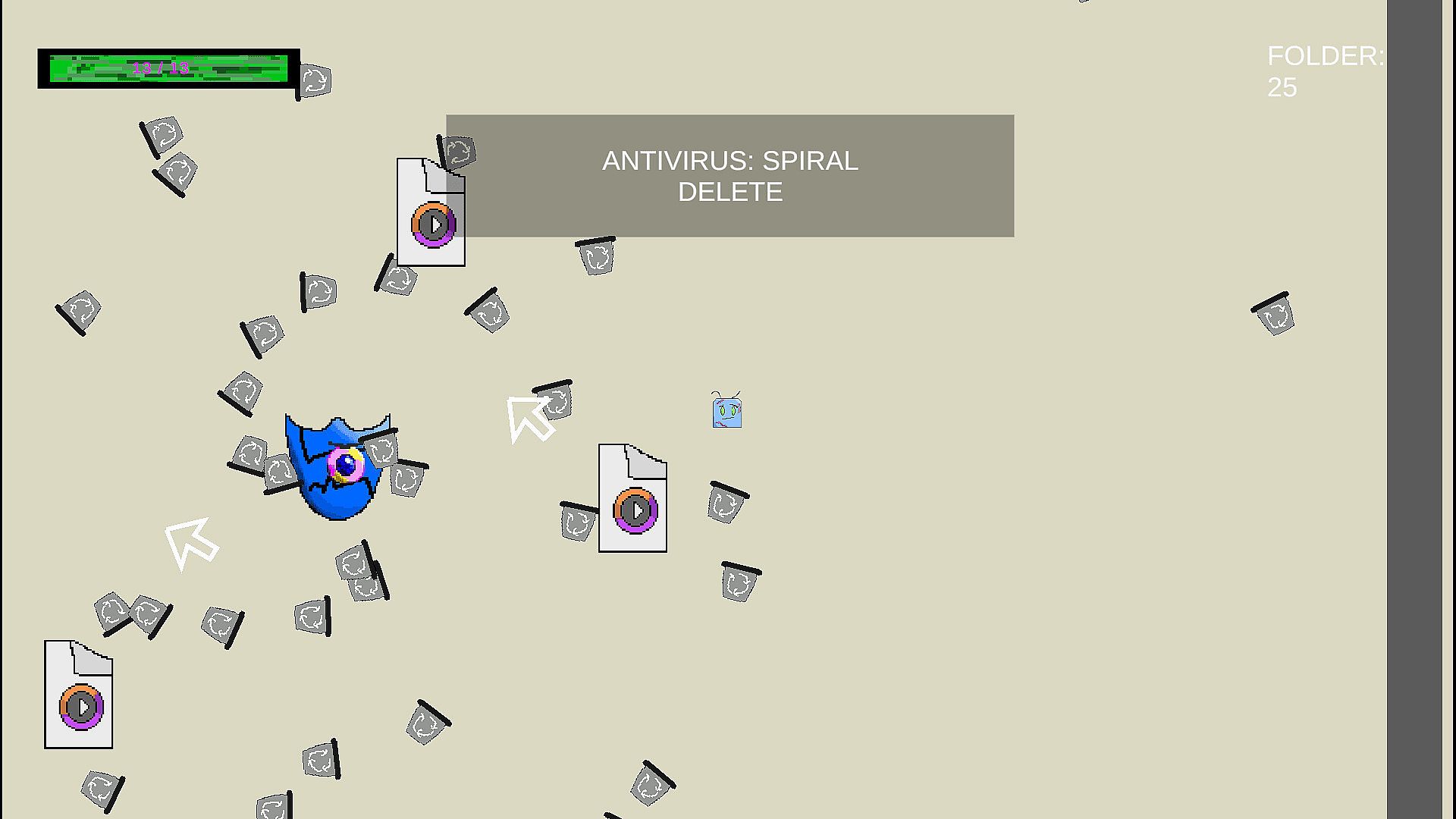
Enemies range from basic corrupted programs to more complex security constructs that require adapting tactics on the fly. Discovering new abilities often comes from pushing into previously unreachable sections, where the environment itself presents additional hazards tied to the virus spread.
Story and Setting
The narrative unfolds inside the machine as players uncover the source of the infection. Environmental details and enemy designs convey the theme of a system breaking down, with glitching visuals and unstable zones reinforcing the sense of digital decay. The story builds through continued runs rather than cutscenes, revealing fragments of what caused the virus to emerge.
This setting supports the action focus by turning familiar computer elements into threats, such as security protocols that now attack or files that have become volatile hazards.
Is It Worth Playing?
Screenbreak suits players who enjoy action roguelike RPGs that combine fast combat with meaningful upgrade choices and repeated attempts at greater depth. The replayable structure and focus on uncovering the infection's cause provide a clear loop for those who like refining builds over multiple runs. Availability on PC makes it accessible for anyone with a compatible system interested in this style of digital-themed adventure.
The emphasis on satisfying action and progression without additional modes keeps the experience streamlined. Those who prefer roguelike elements with a story thread running through the runs will find the core loop aligns with that preference, while the setting offers a distinct visual and thematic hook within the genre.