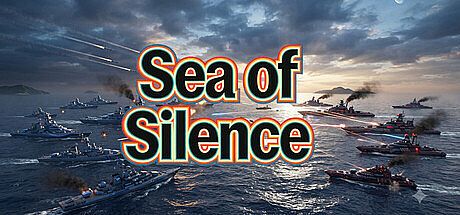


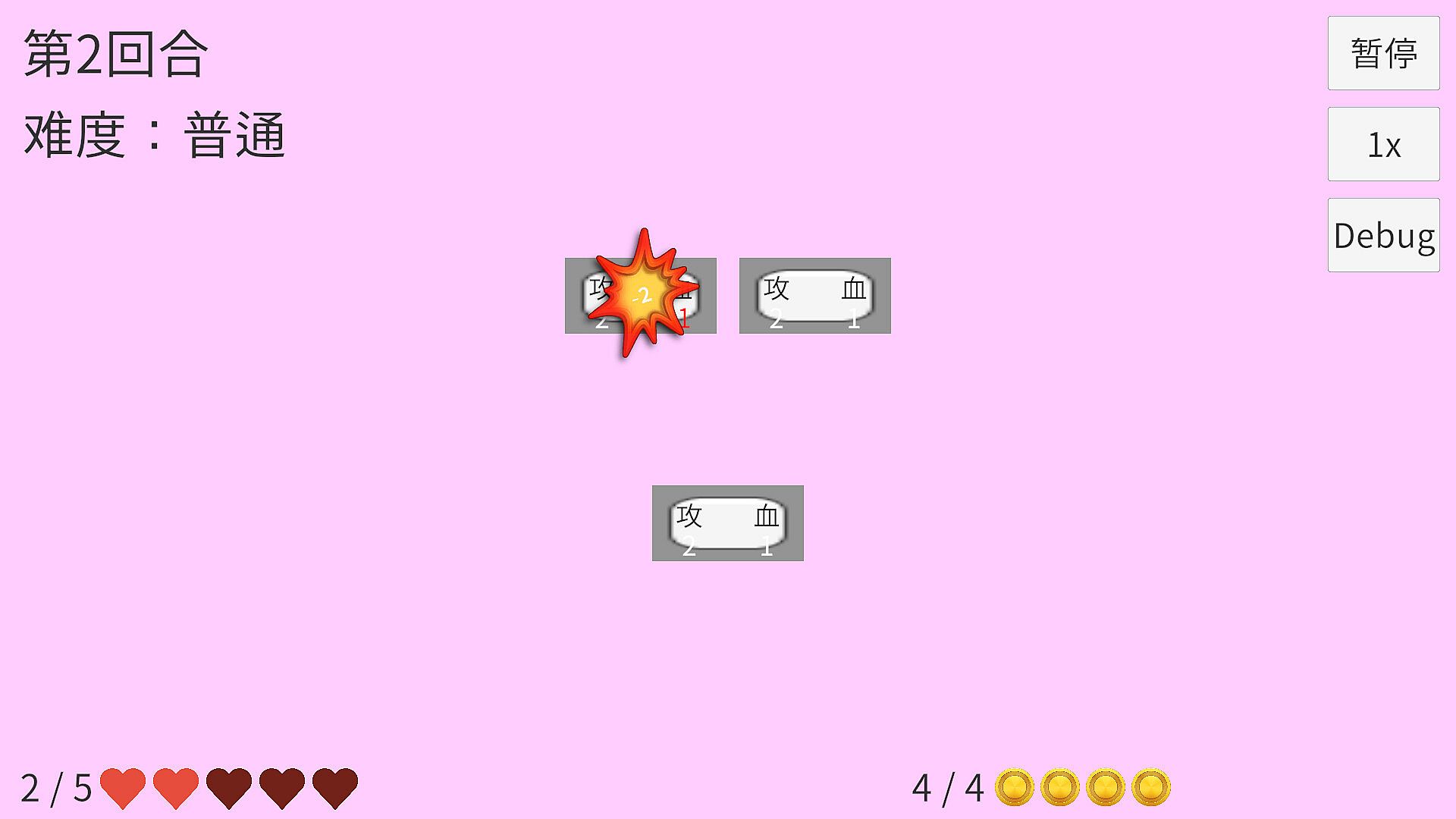
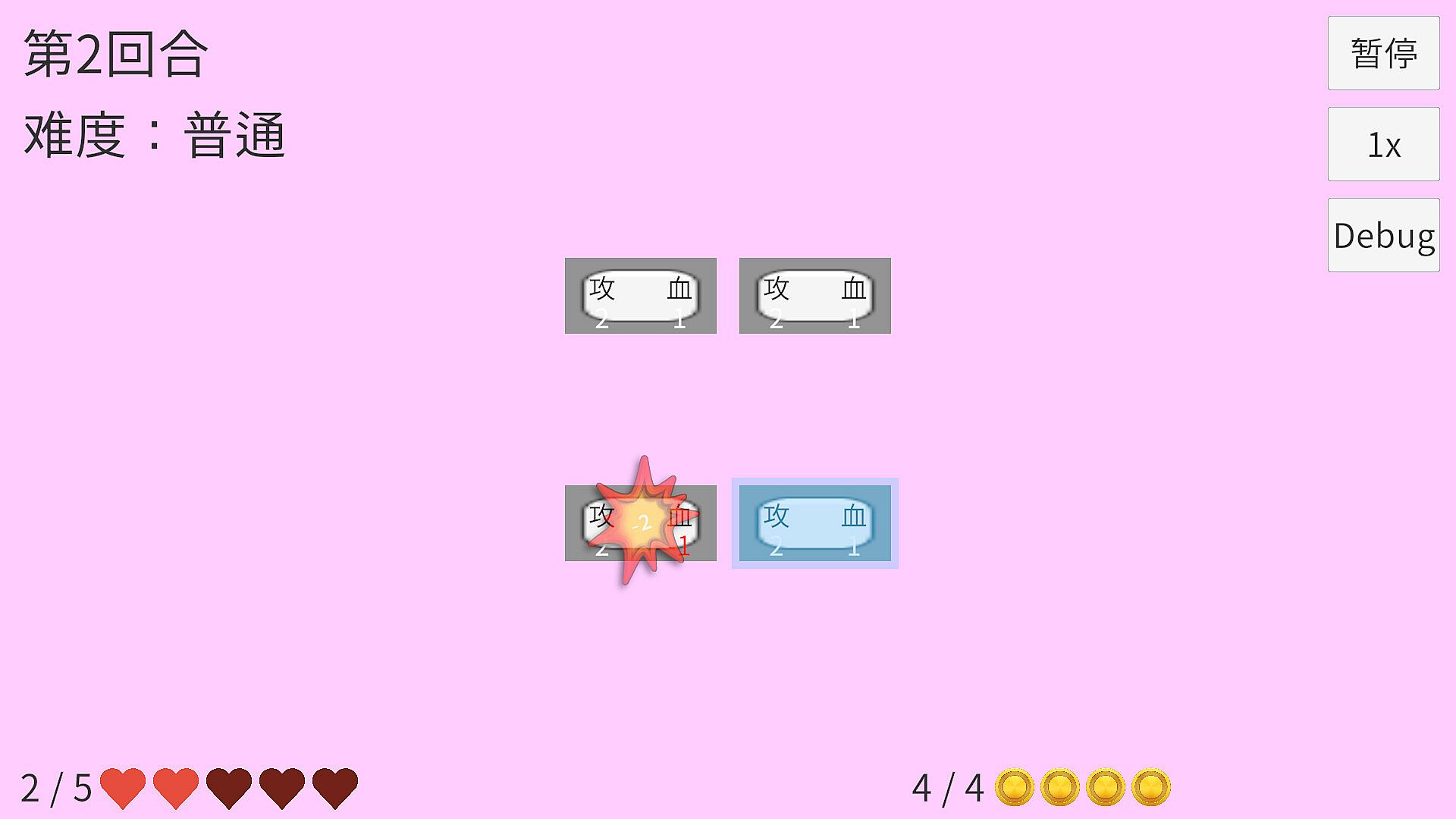
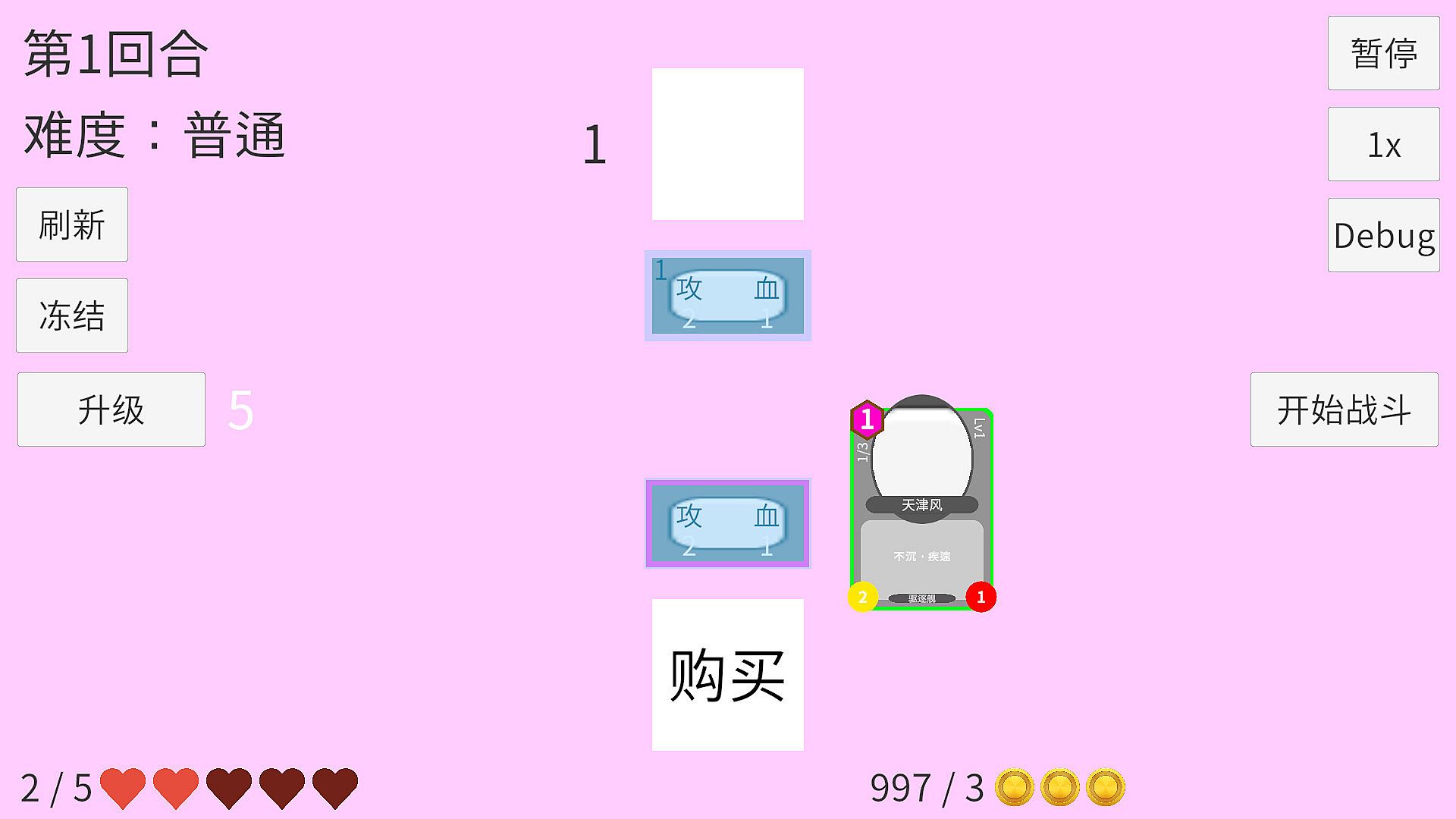
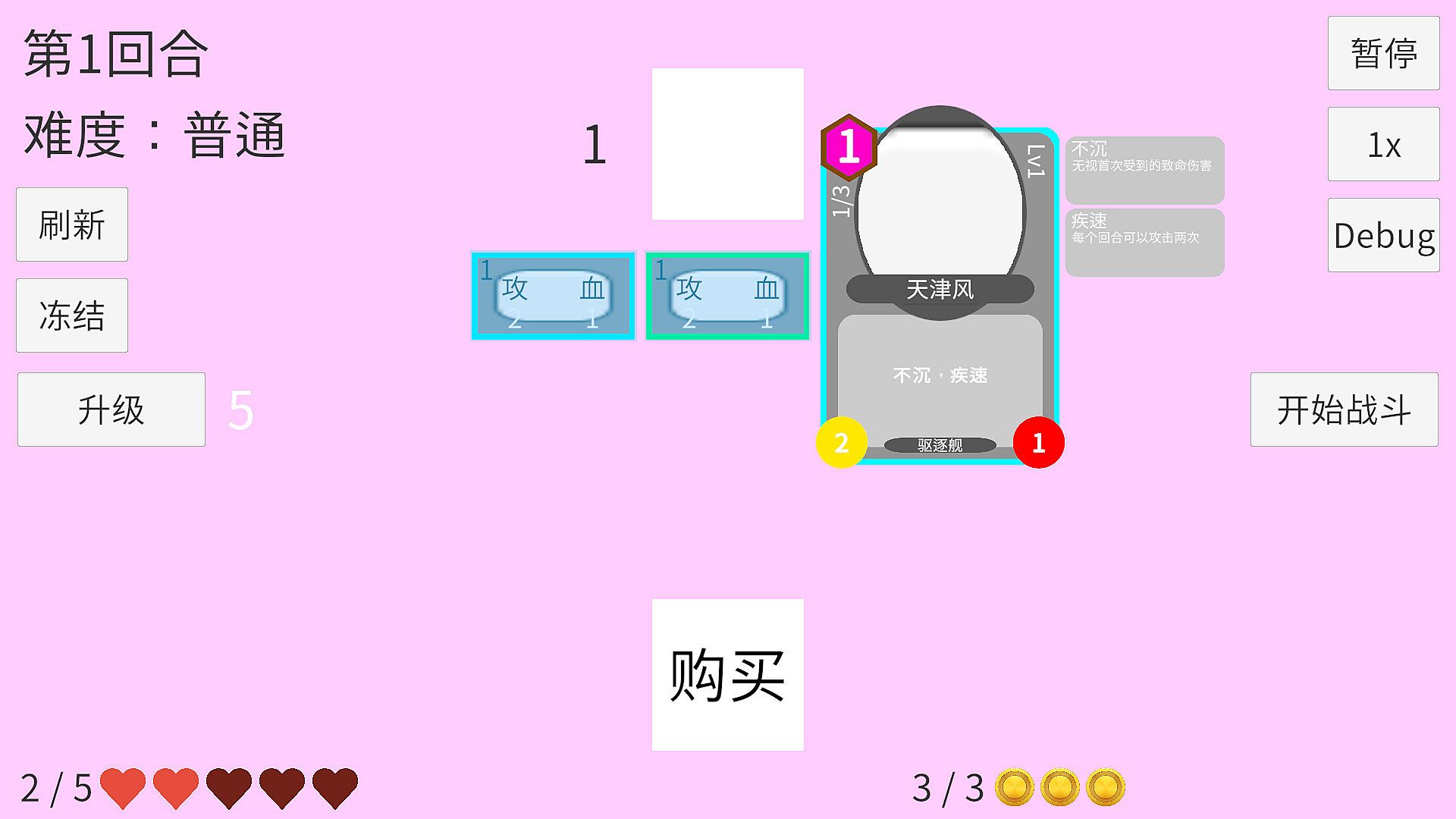

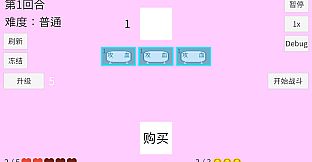
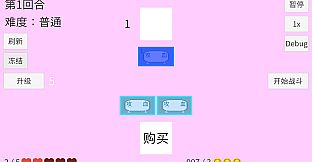
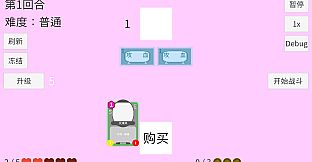
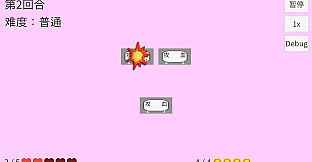
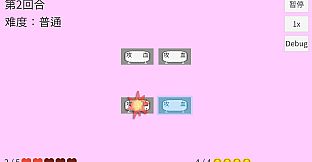
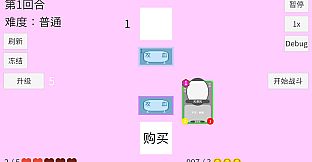
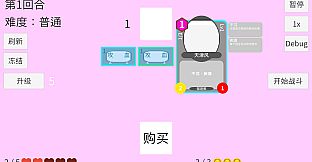

Sea of Silence is a naval turn-based card strategy game for PC that centers on fleet building and tactical decision-making. Players purchase ships and assemble fleets for battles against other players fleets in automated combat, where success hinges on careful fleet composition, formations, and economic planning rather than direct control during fights.
Gameplay
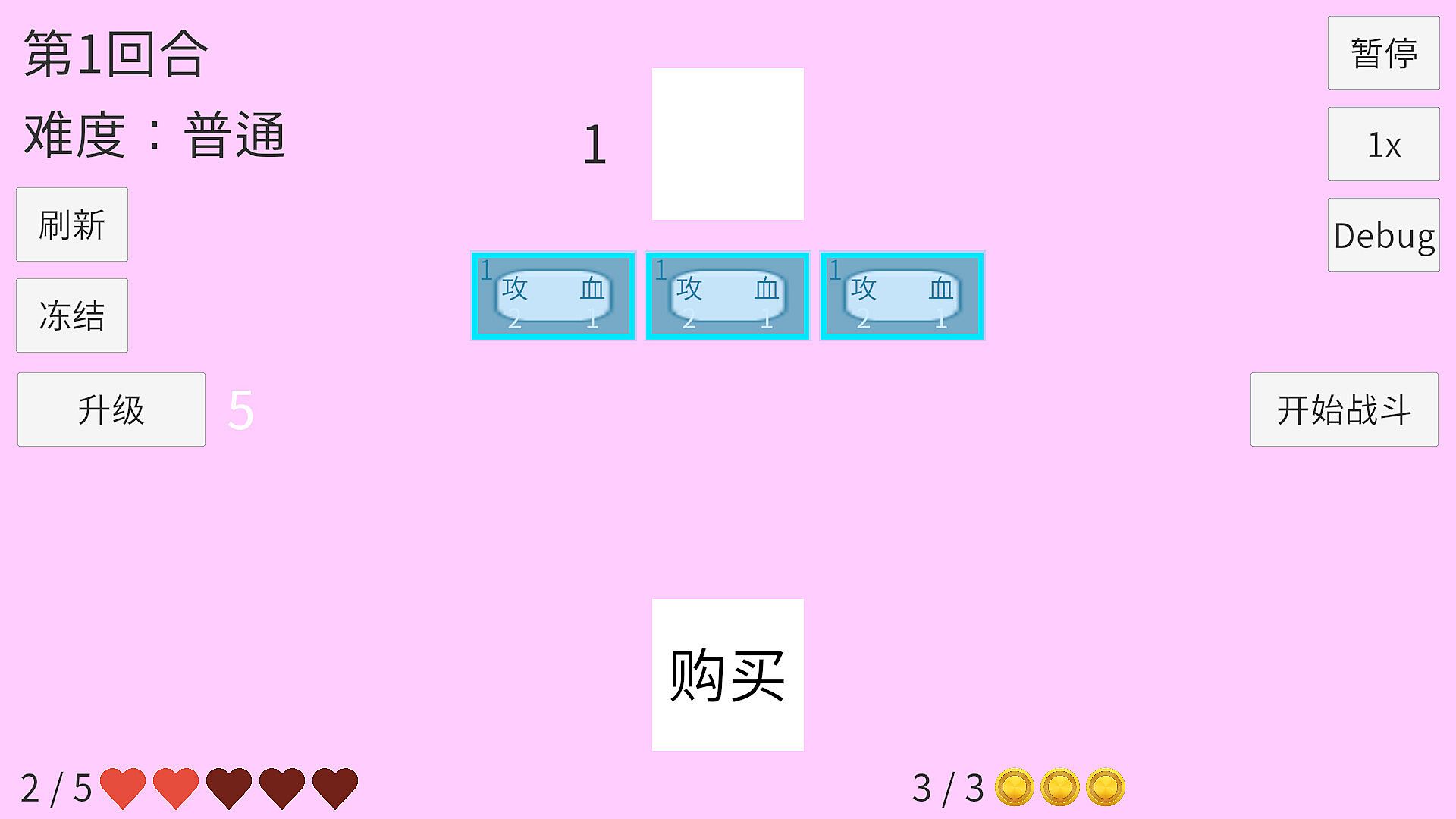
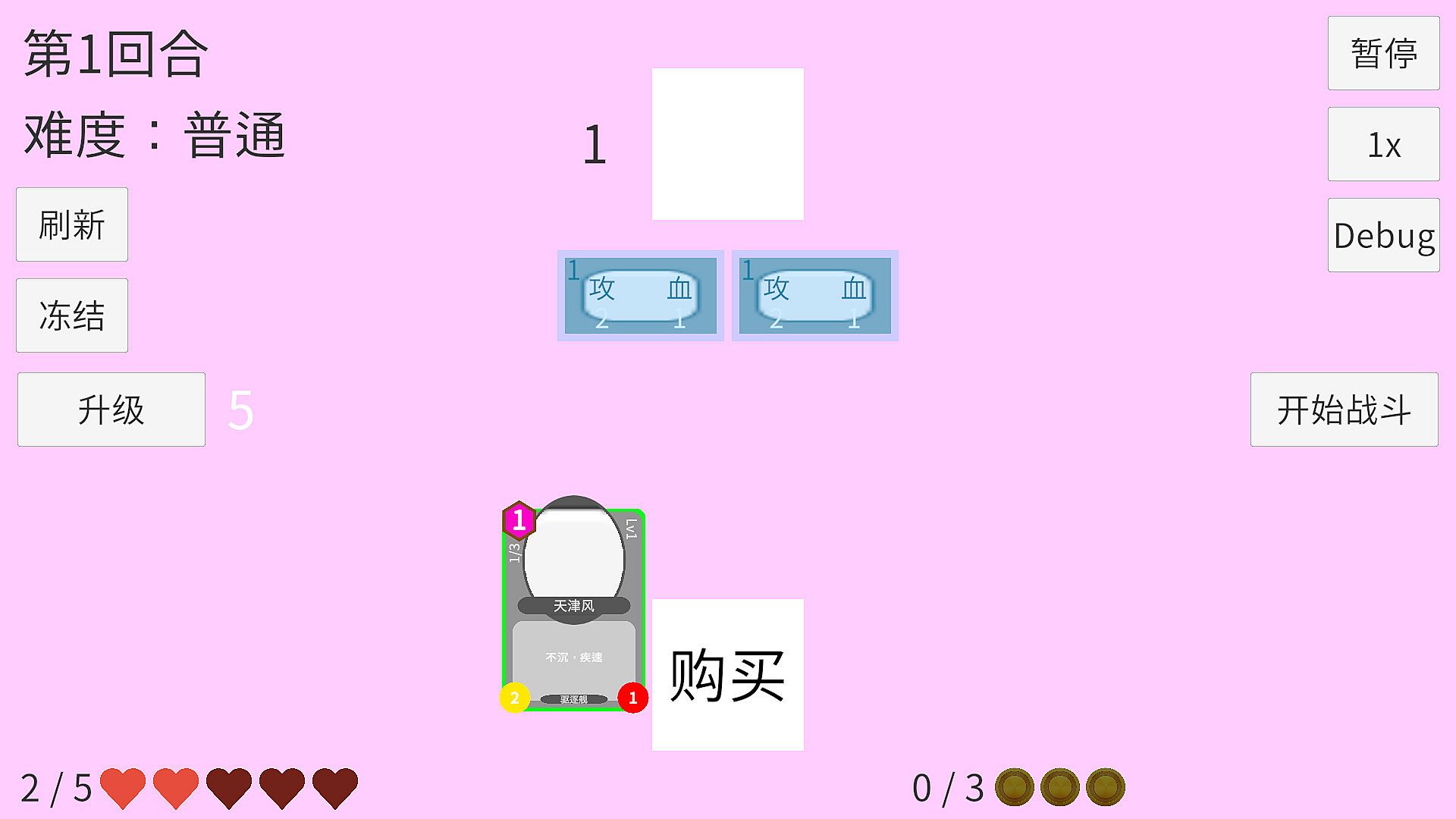
The core loop revolves around resource management across multiple rounds. Each round provides resources that players allocate between immediate power through stronger ship purchases and long-term growth via shop upgrades that unlock better options later. This choice between short-term strength and economic scaling shapes every run and forces ongoing adaptation to enemy fleet builds.
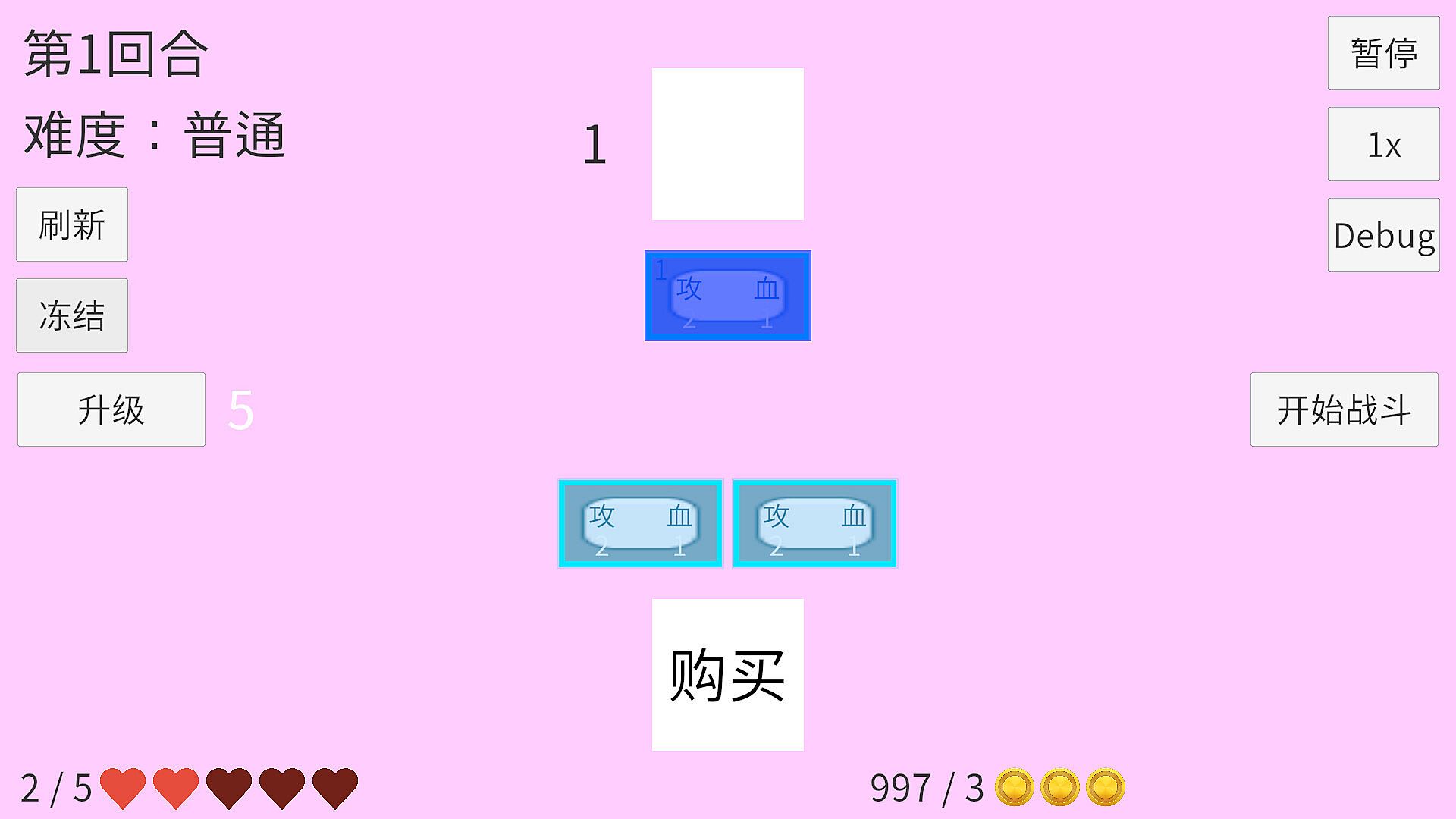
Fleet assembly draws from a wide variety of ships, with emphasis on how units interact through formations. Tactical positioning influences automated combat outcomes, rewarding players who anticipate matchups and refine their compositions over successive rounds. Battles continue until one fleet is defeated, creating a multi-stage process that tests both initial planning and mid-match adjustments.
The shop-based economy adds depth by tying upgrades directly to future options. Investing early in shop improvements can open stronger ship lines, while aggressive spending on current vessels risks falling behind if opponents scale more efficiently. Multiple viable paths emerge from these systems, allowing different approaches to fleet construction without a single dominant strategy.
Game Modes
Sea of Silence focuses on player-versus-player fleet battles conducted through automated combat. Matches pit assembled fleets against one another in a format that emphasizes preparation over real-time input, with outcomes determined by the strategic elements of composition and formation.
The structure supports repeated runs where players experiment with different ship combinations and economic timings. Each encounter unfolds over several rounds of combat, giving opportunities to observe how formations hold up against opposing builds and to carry lessons into subsequent matches.
Fleet Building and Strategy
Building a fleet starts with selecting ships that complement one another in formation. Different ship types contribute unique strengths, and the game rewards experimentation across multiple viable paths. Players learn to balance offensive, defensive, and support roles while considering how formations affect automated resolution.
Economic decisions integrate tightly with fleet development. Upgrading the shop expands the pool of available ships over time, creating branching choices about when to invest in immediate combat power versus future potential. This system encourages long-term thinking alongside reactive adjustments to what opponents field.
Formation-driven positioning adds a layer of tactical depth without requiring manual battle commands. Players set up their fleets in advance, then watch how those setups perform across combat rounds, using the results to refine approaches in later encounters.
Is It Worth Playing?
Sea of Silence suits players who enjoy turn-based strategy games with strong economic layers and automated resolution of conflicts. The focus on fleet composition, shop upgrades, and formation tactics provides consistent decision points across runs, appealing to those who like planning and adapting without needing to micromanage battles in real time.
The game delivers multiple viable fleet-building paths that reward experimentation and observation of how different compositions perform against varied opponents. Its PC availability makes it accessible for strategy enthusiasts seeking a naval-themed card-driven experience centered on preparation and long-term scaling choices.
Those drawn to games where economic timing and tactical setup determine outcomes will find the systems here engaging. The automated battles keep the emphasis on pre-match decisions, creating a clean loop of assembly, confrontation, and refinement that supports repeated play sessions.