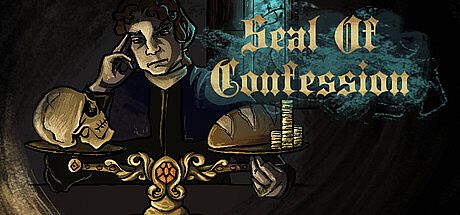


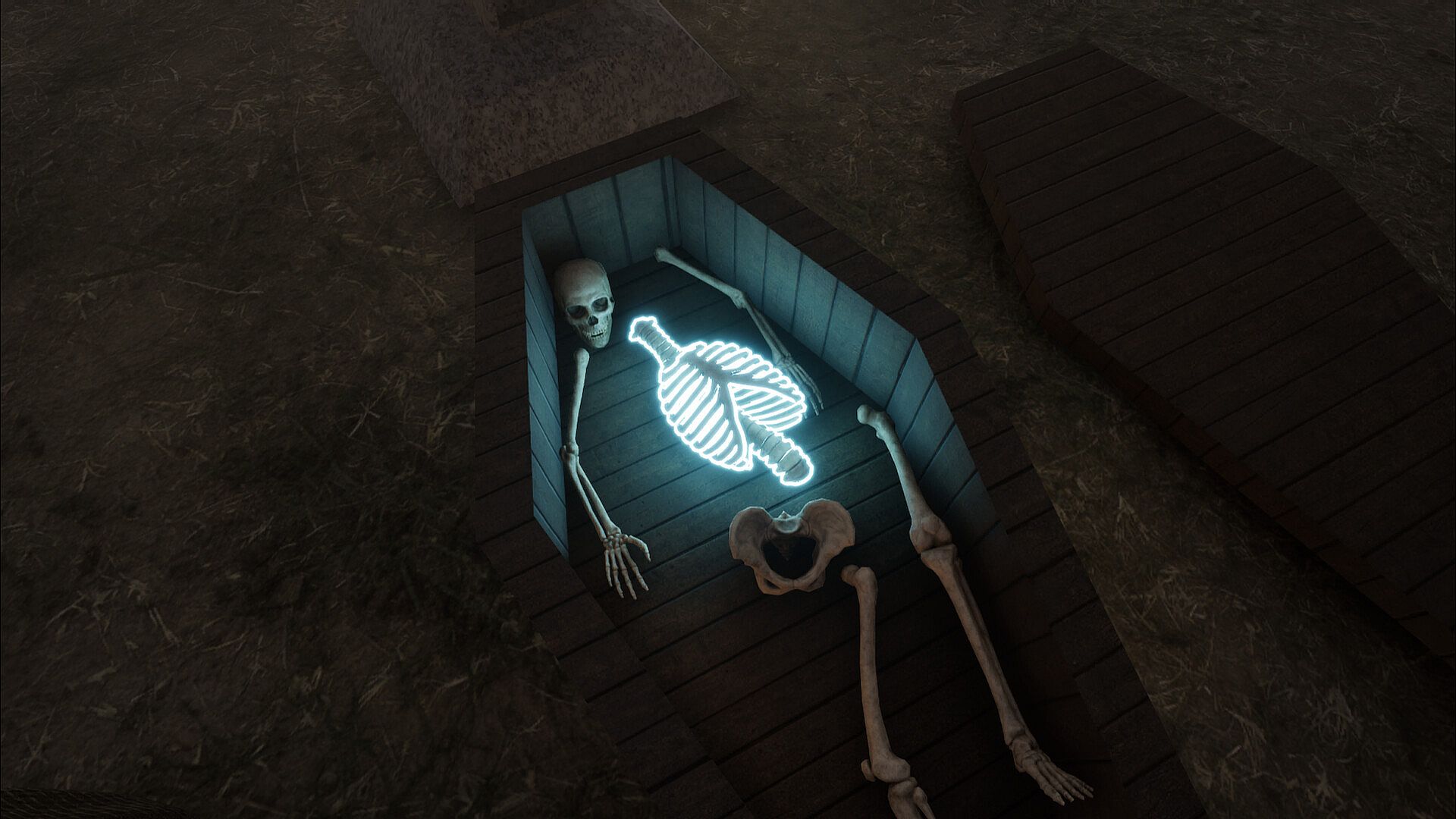
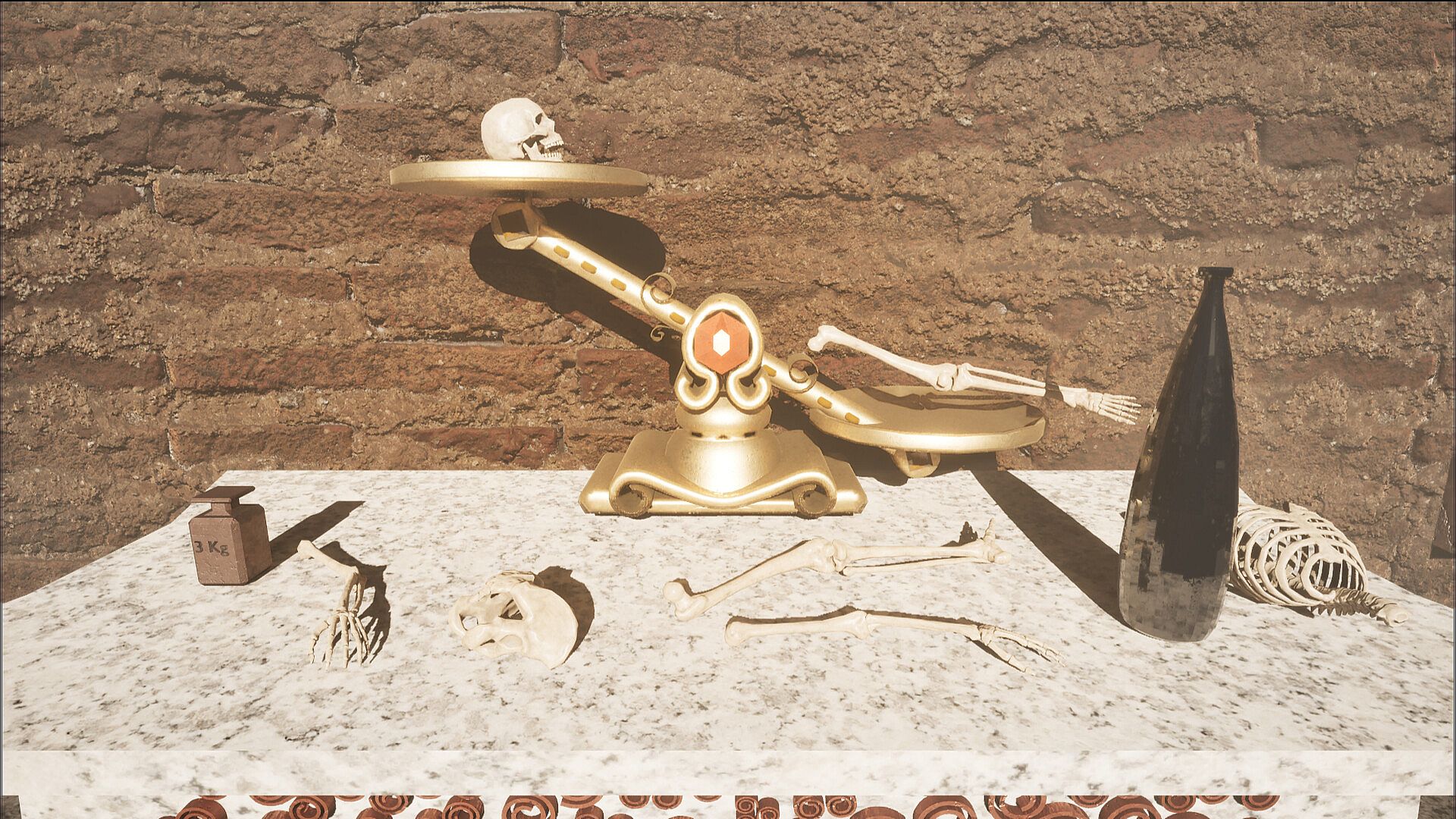






Seal of Confession is an indie adventure title that places players in the role of a priest confronting an ethical crisis rooted in religious tradition. The core premise involves hearing a confession from a desperate father who intends to commit murder, while the player character remains bound by the inviolable seal that prohibits disclosure. At the same time, daily tasks include cleansing old bones, creating a grounded routine that contrasts with the mounting internal conflict over silence versus intervention.
Gameplay
The experience unfolds as a compact narrative-driven journey lasting approximately 40 minutes. Players navigate the tension between duty and personal conscience through a series of interactions and observations within a confined setting. The central dilemma emerges from the confession itself, forcing consideration of what remains unspoken and the potential consequences of breaking sacred vows. Routine activities such as bone cleansing serve as a mechanical anchor, providing moments of quiet reflection amid the psychological pressure.
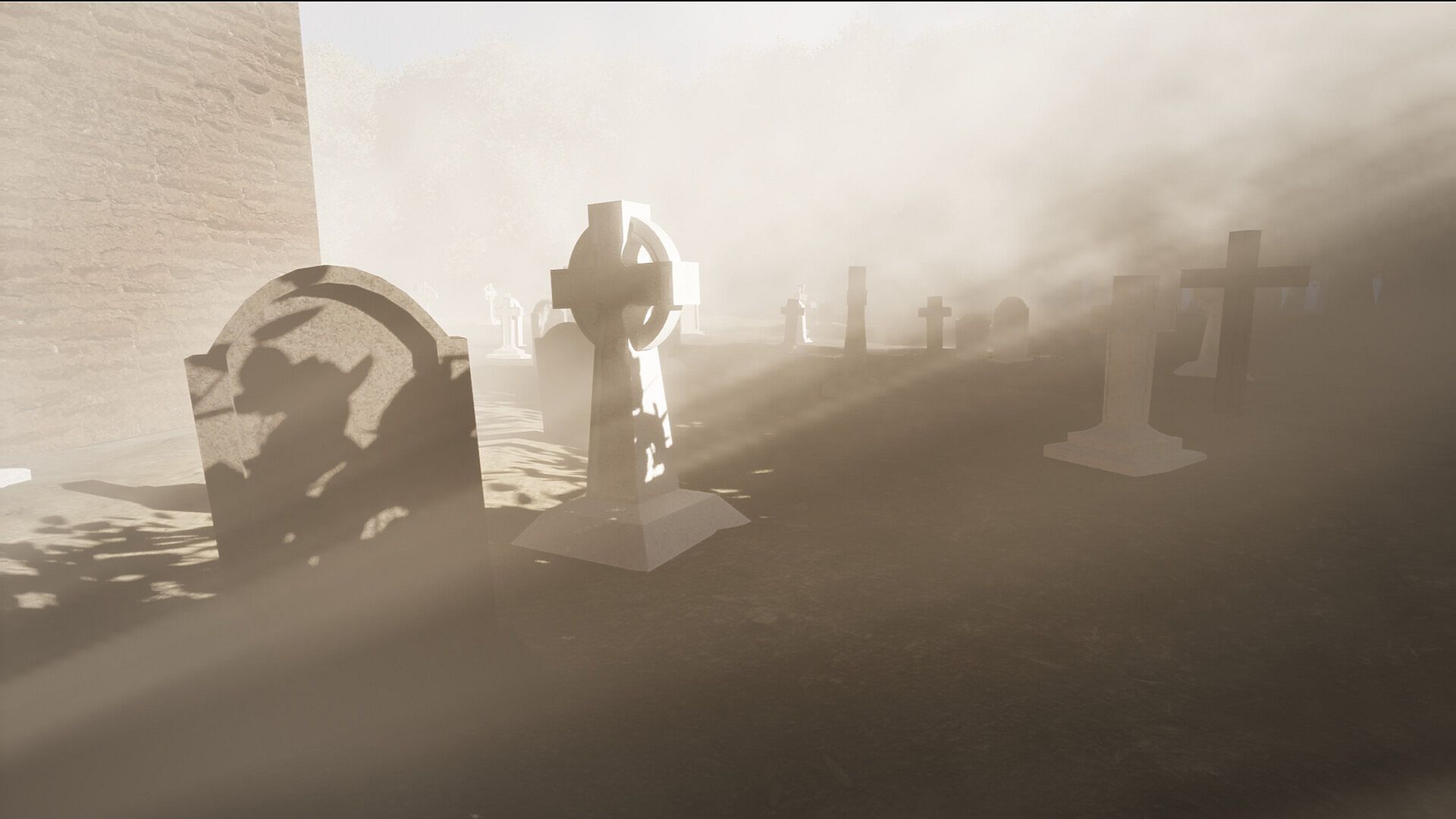
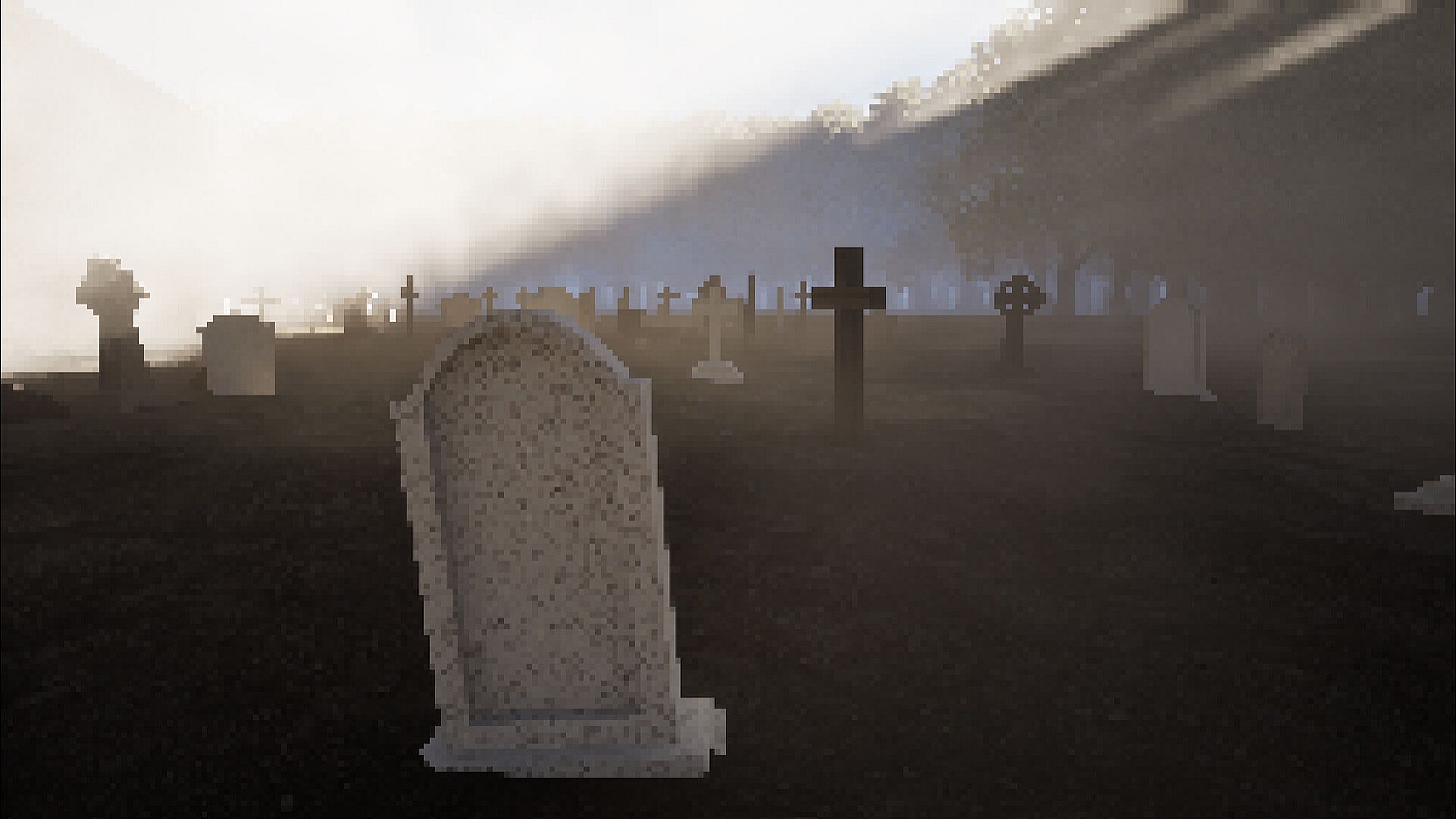
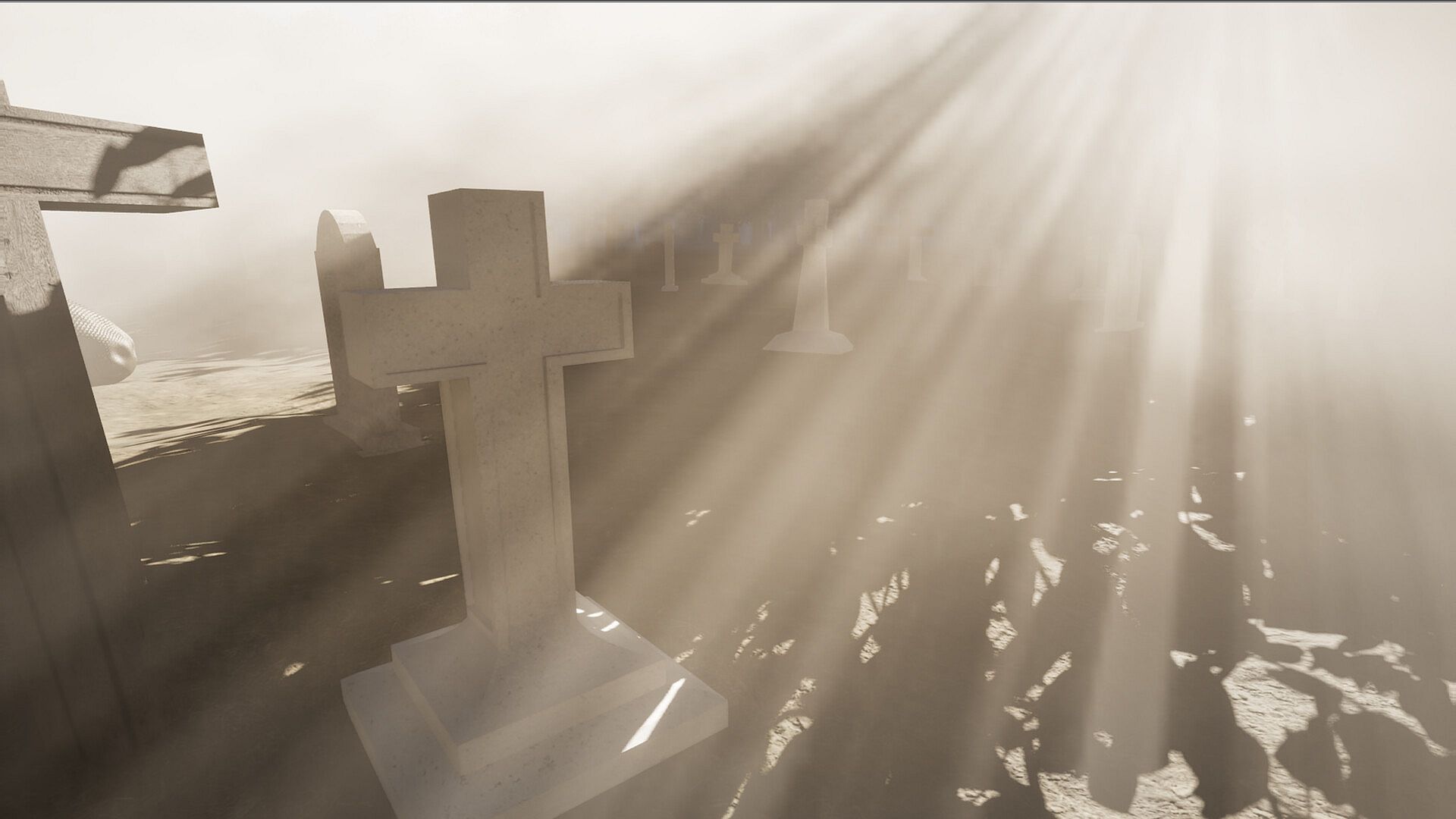
Visual customization forms a key interactive layer. Players can toggle between a clean, modern aesthetic and a gritty retro style at any point, altering the atmosphere without changing the underlying story or choices. This feature supports different tonal interpretations of the same events, from stark realism to stylized unease that emphasizes the horror elements involving death and disturbing imagery.
Progression relies on observation and decision points rather than complex systems. The short runtime encourages focused play sessions where every action and withheld revelation carries weight. Single-player structure keeps the emphasis entirely on personal reflection and the weight of impossible choices.
Game Modes
Seal of Confession operates exclusively in a single-player format with no separate modes or variations beyond the core narrative path. The entire experience centers on one continuous story sequence that blends confession mechanics with the daily labor of bone cleansing. Players move through the day while the external threat of the father's plan looms, creating a linear yet choice-sensitive structure.
No additional game modes such as alternate scenarios, challenges, or replay variants appear in the current design. The focus remains on the singular psychological horror loop of maintaining silence or contemplating its breach, supported by the visual style options that players adjust to suit their preference for tone.
Narrative Themes and Setting
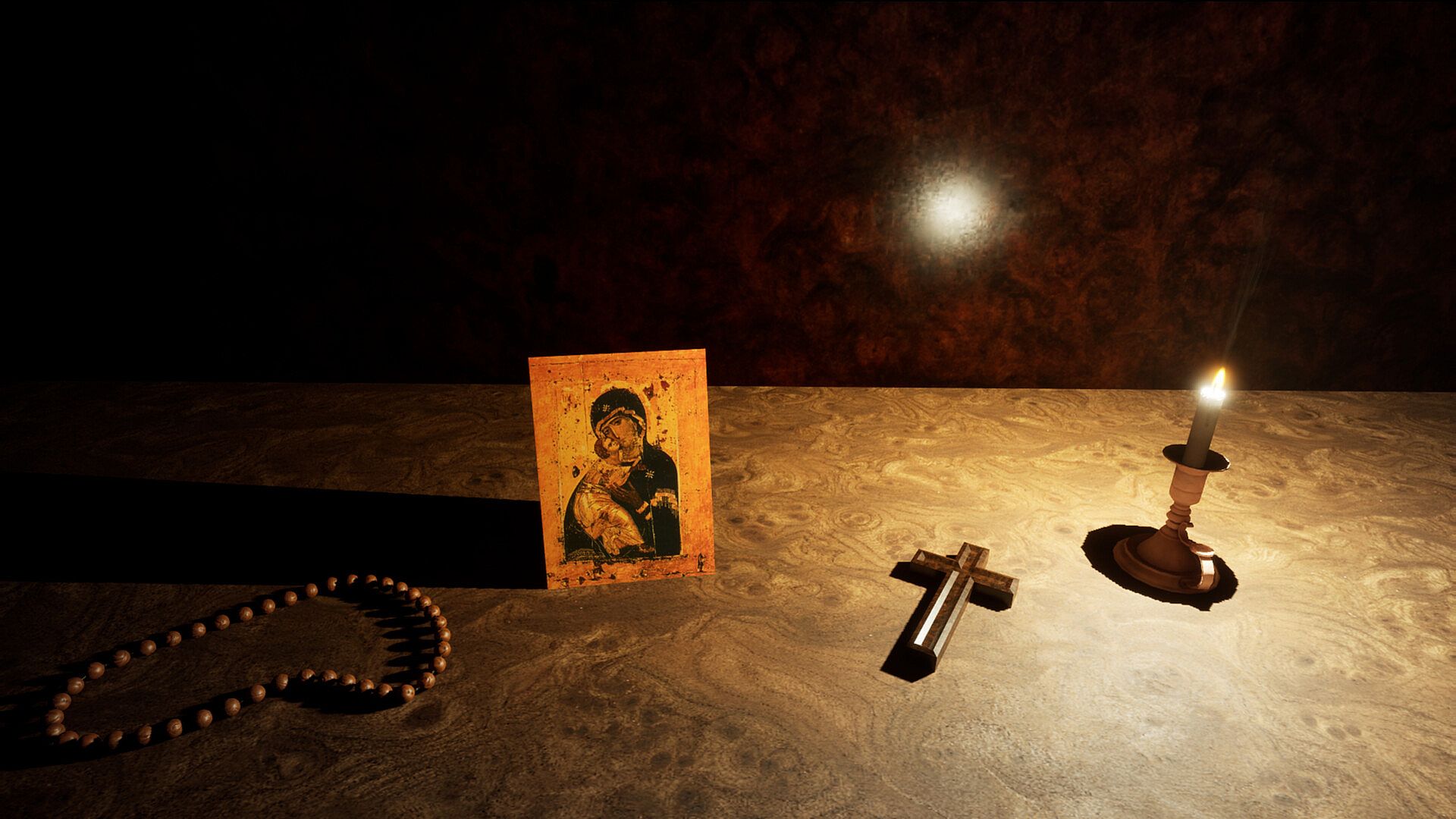
The story examines guilt, duty, and the burden of knowledge that cannot be shared. The priest's role intersects with the gravekeeper's work, highlighting isolation and the unseen tragedies surrounding ordinary routines. Environmental details reinforce the horror through imagery of remains and the quiet church setting, where external events unfold beyond the player's direct control.
Choices arise naturally from the confession and the surrounding tasks, without branching into multiple endings that extend the length. The brief format prioritizes intensity over expansion, delivering a concentrated exploration of moral conflict in an indie adventure context.
Current Development State
The project remains in the prototyping phase, with core mechanics under active refinement ahead of a planned release in April 2027. Visual customization and the central confession dilemma represent the verified features available for description at this stage. No further content expansions or seasonal updates have been outlined beyond the initial scope.
System requirements indicate compatibility with standard PC hardware, supporting both minimum and recommended configurations for smooth performance on Windows platforms. The single-player focus aligns with the intimate, introspective nature of the adventure.
Is It Worth Playing?
Seal of Confession targets players who seek short, focused psychological horror experiences centered on ethical dilemmas rather than extended campaigns or action sequences. Its 40-minute length suits those preferring concise sessions that emphasize atmosphere and internal conflict over prolonged exploration.
The visual customization option adds replay value for individuals interested in how stylistic shifts influence mood, while the single-player structure ensures undivided attention on the narrative. Those drawn to indie adventures that probe themes of duty and silence will find the premise directly relevant, particularly if they appreciate grounded horror without additional modes or multiplayer elements.
With release still ahead, the title's appeal rests on its tight scope and the strength of its central choice framework. Players who value deliberate pacing and moral weight in brief formats stand to gain the most from the experience once it arrives.