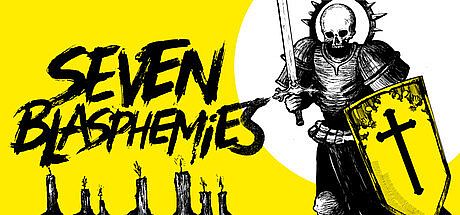






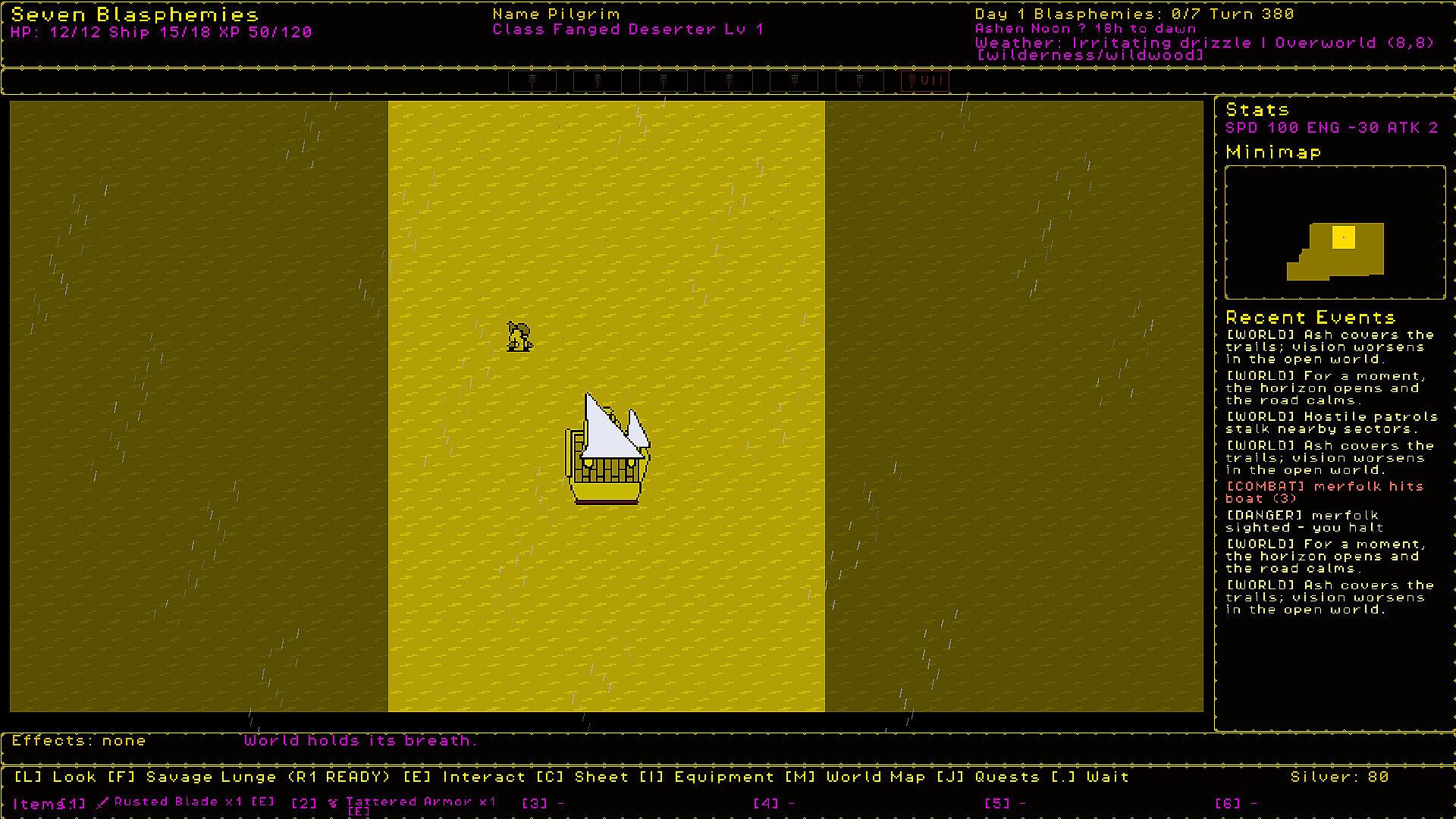
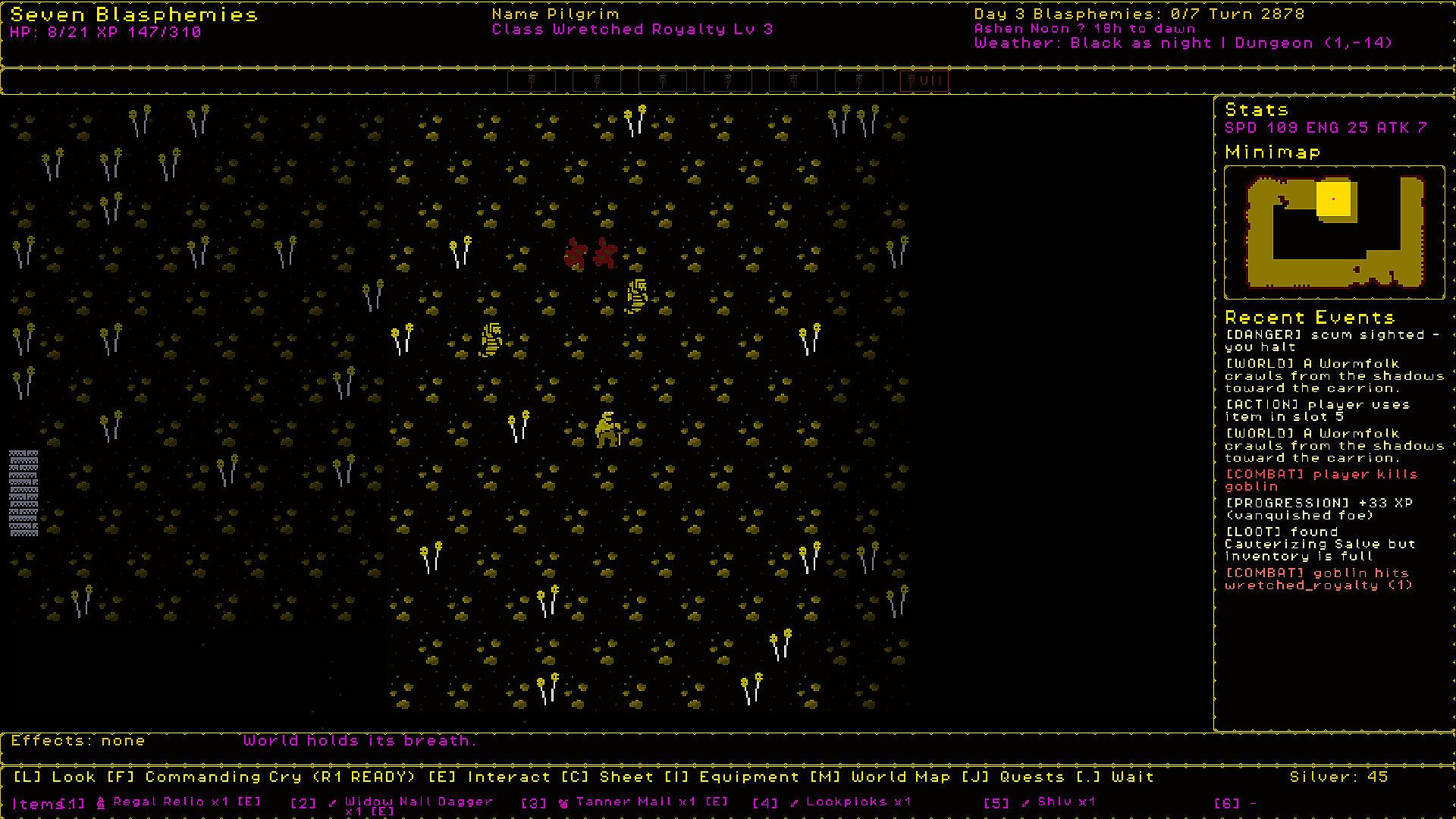
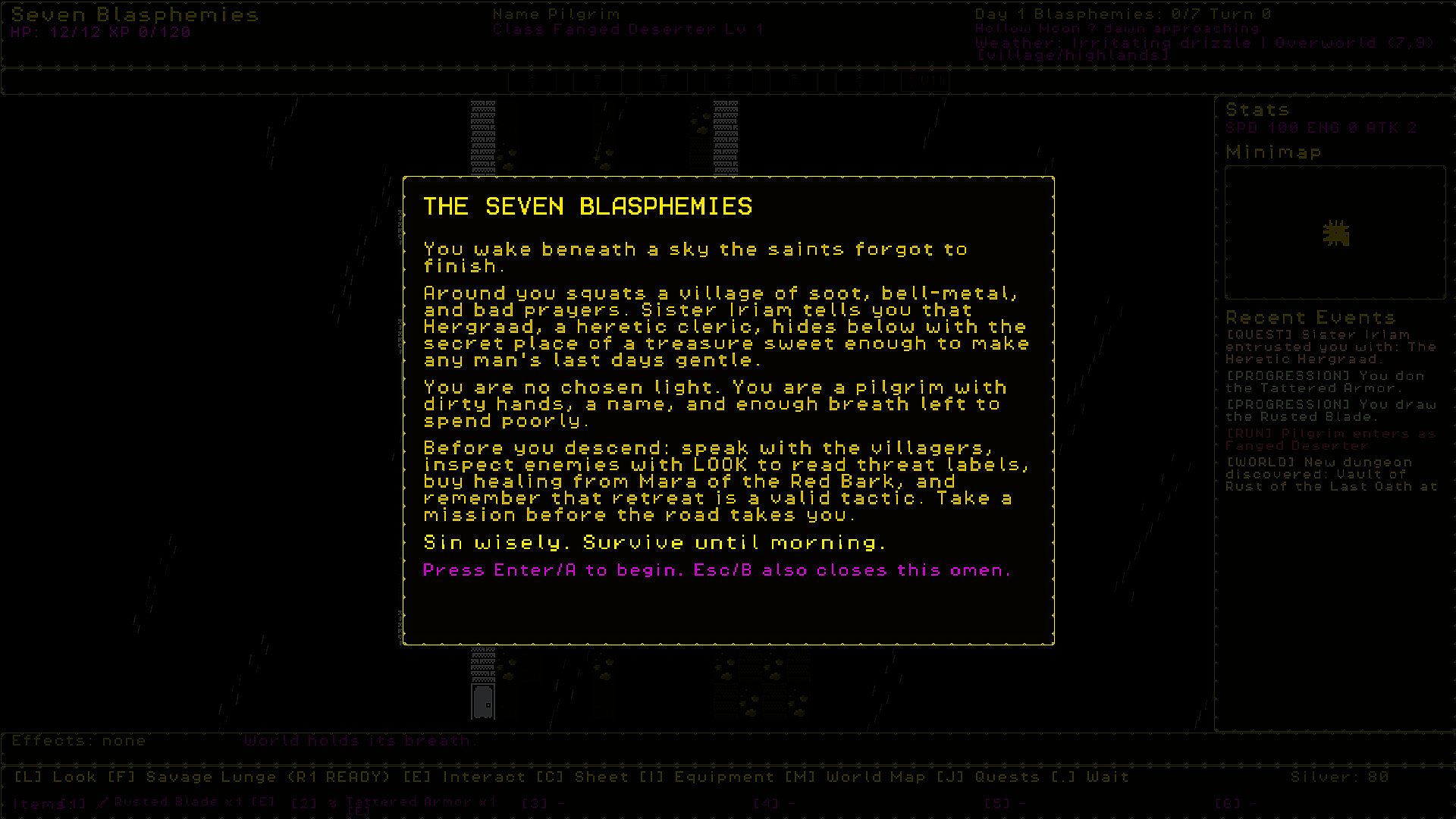
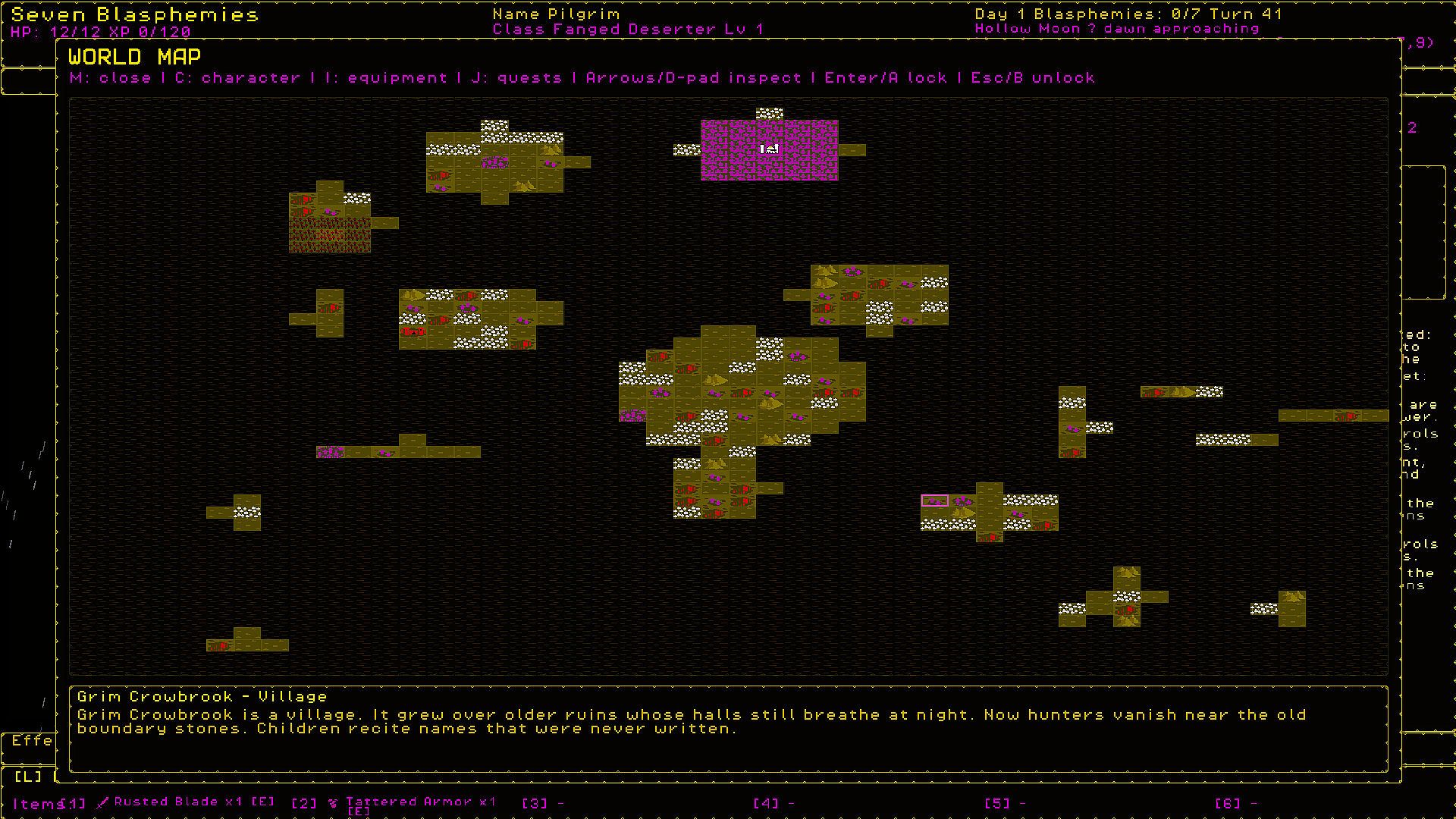
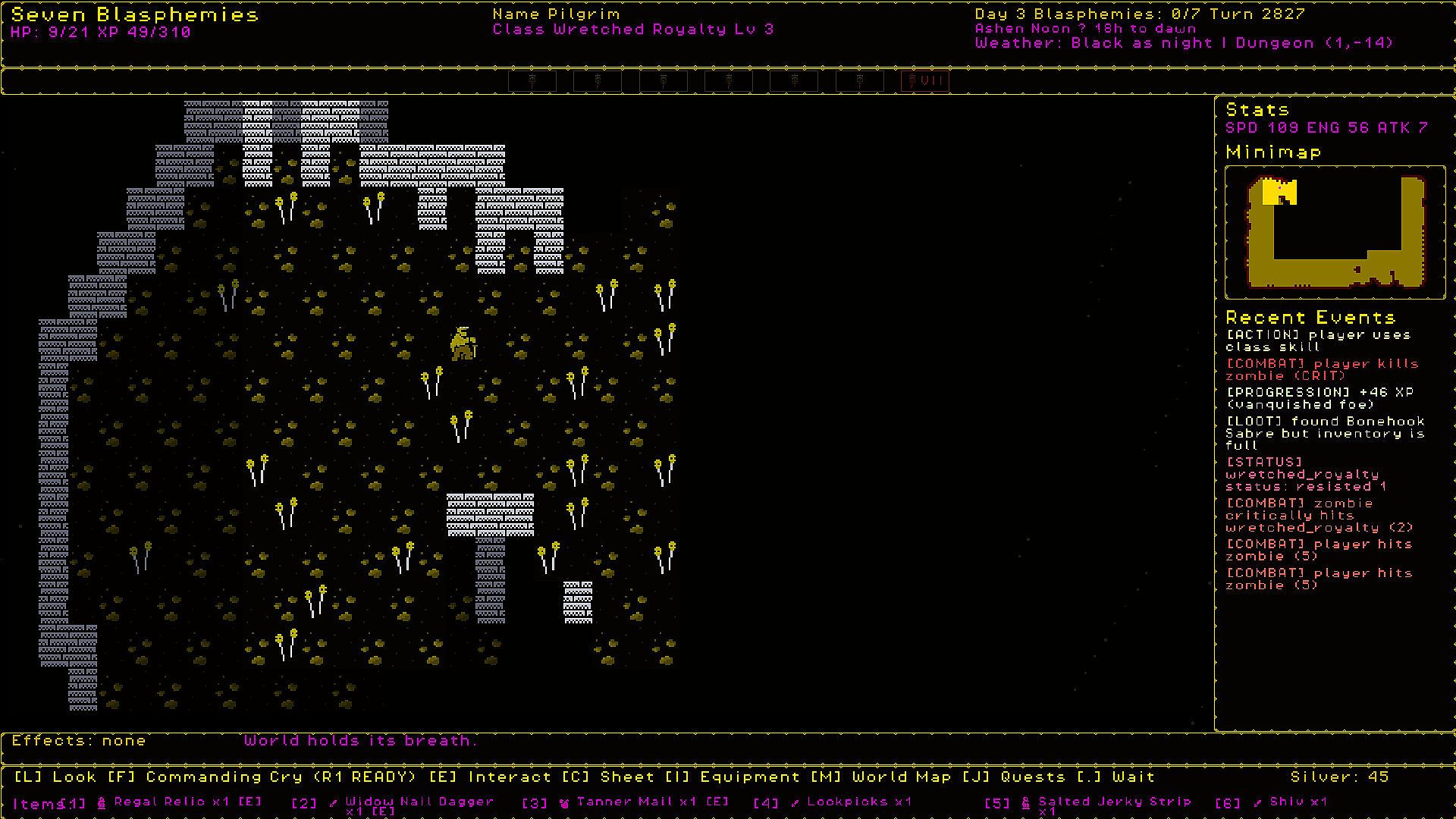
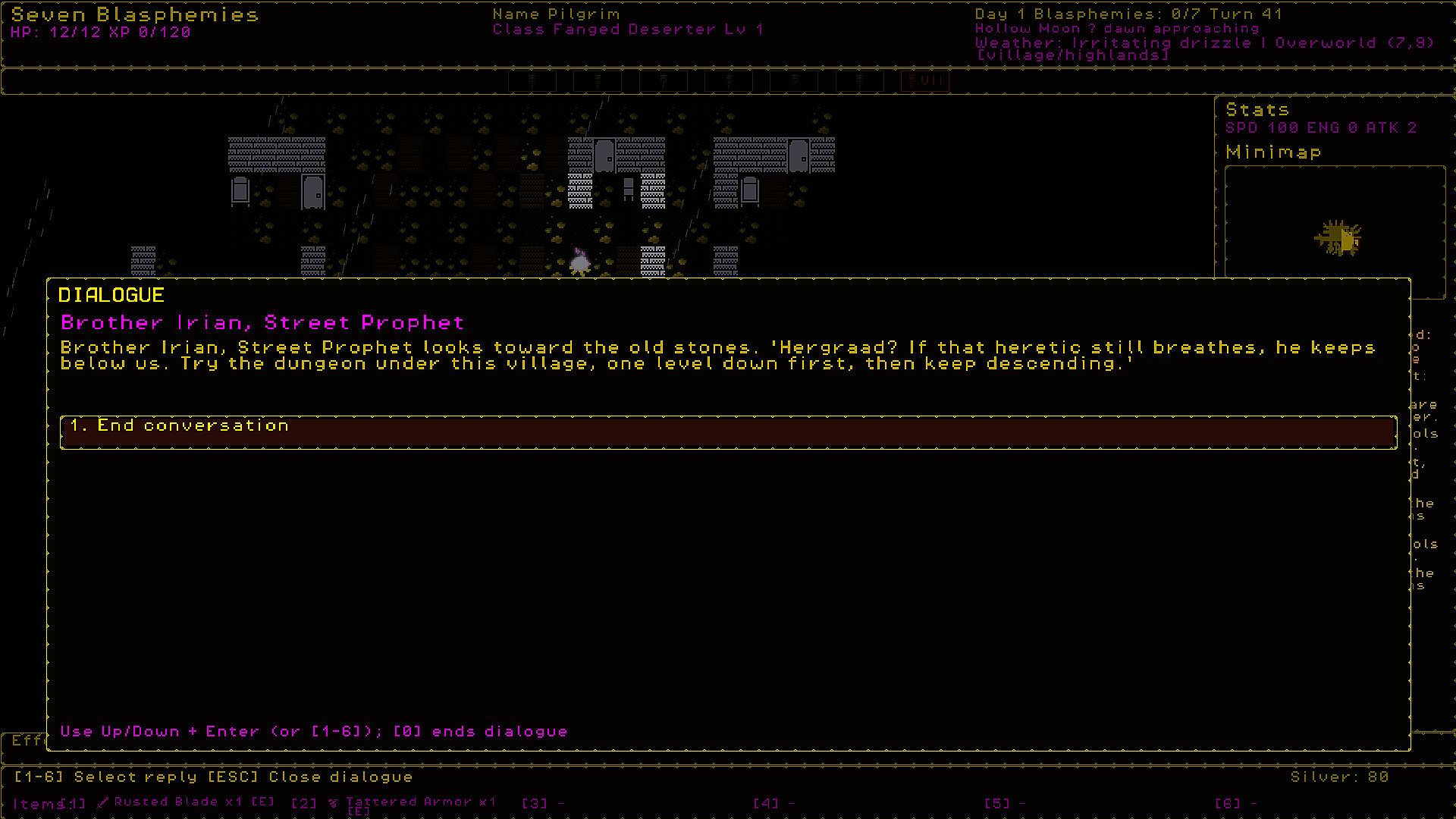
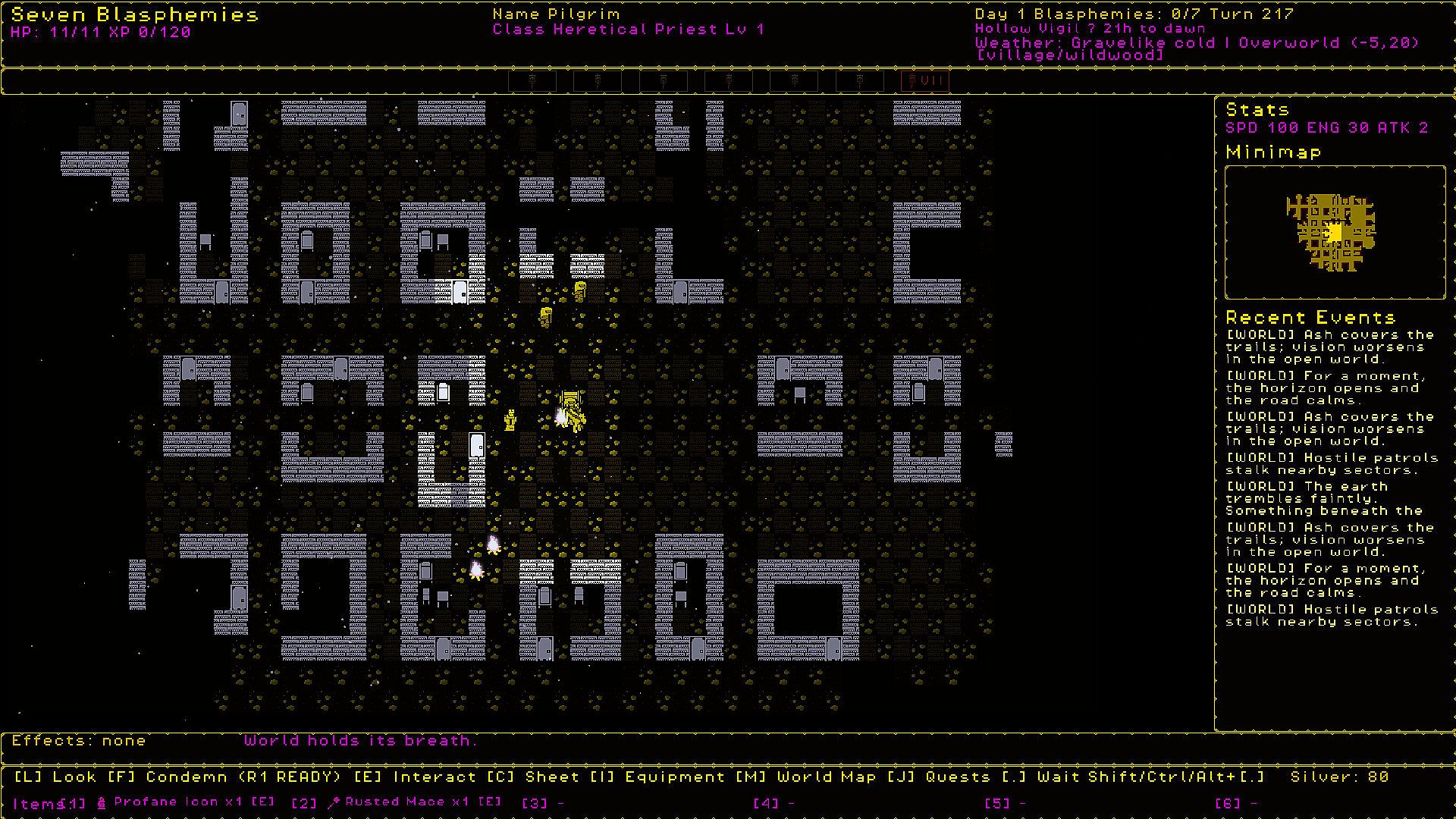
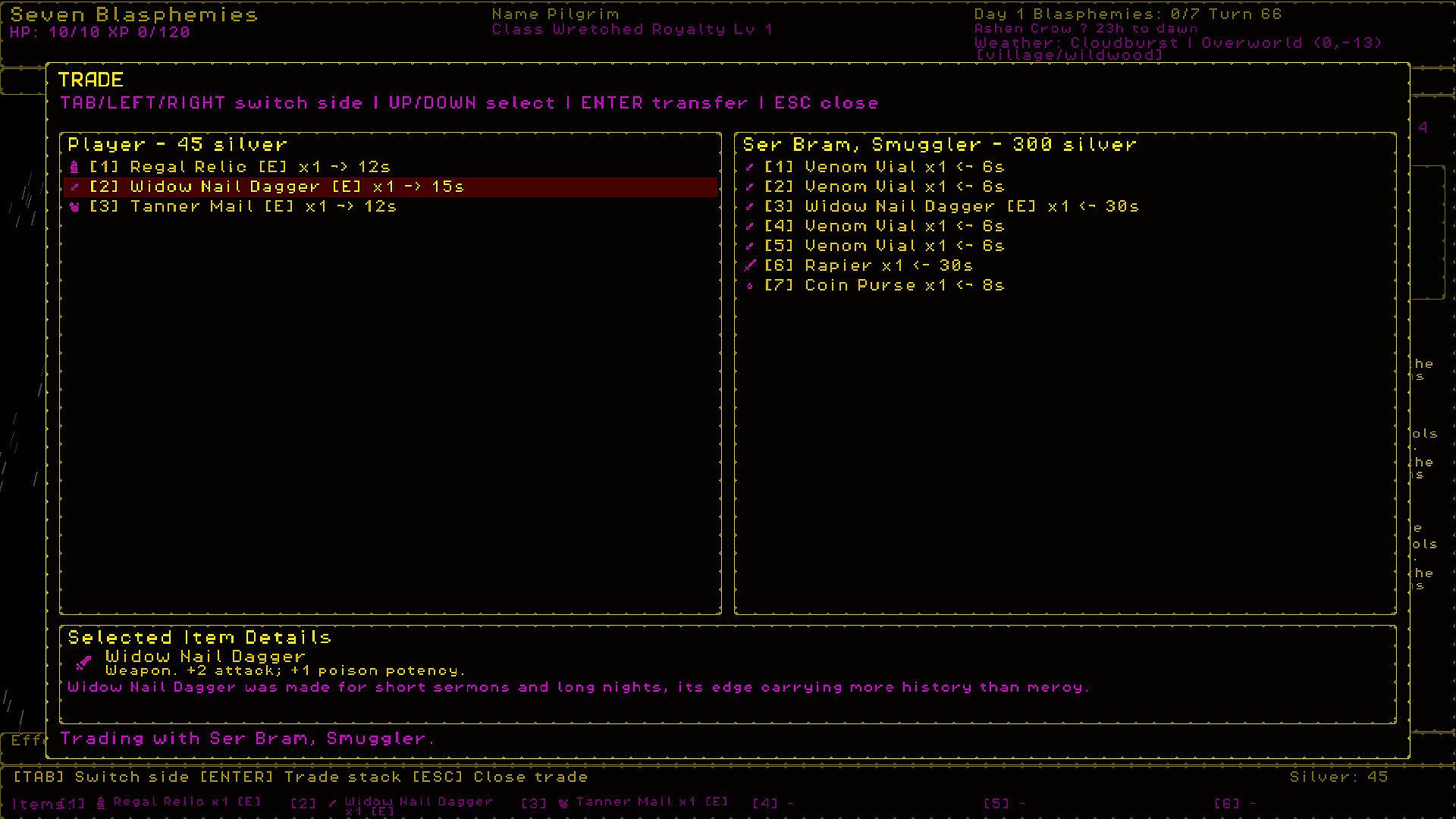
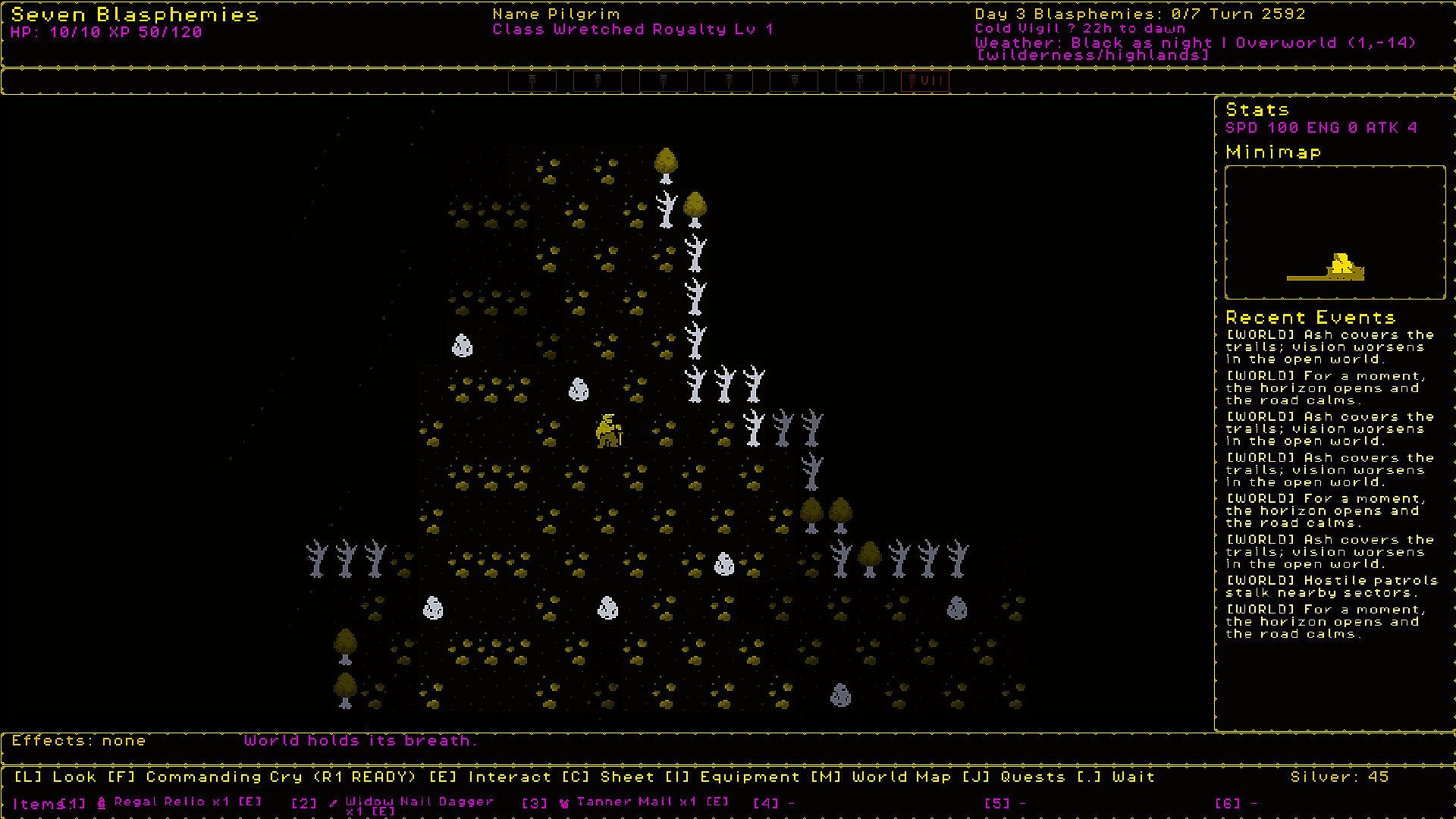
Seven Blasphemies is a single-player turn-based roguelike RPG and adventure title for PC that places players in a cursed world facing inevitable extinction. The experience centers on grid-based movement and careful turn-by-turn choices in a setting where survival hinges on resource management and threat assessment rather than character progression toward power.
Gameplay
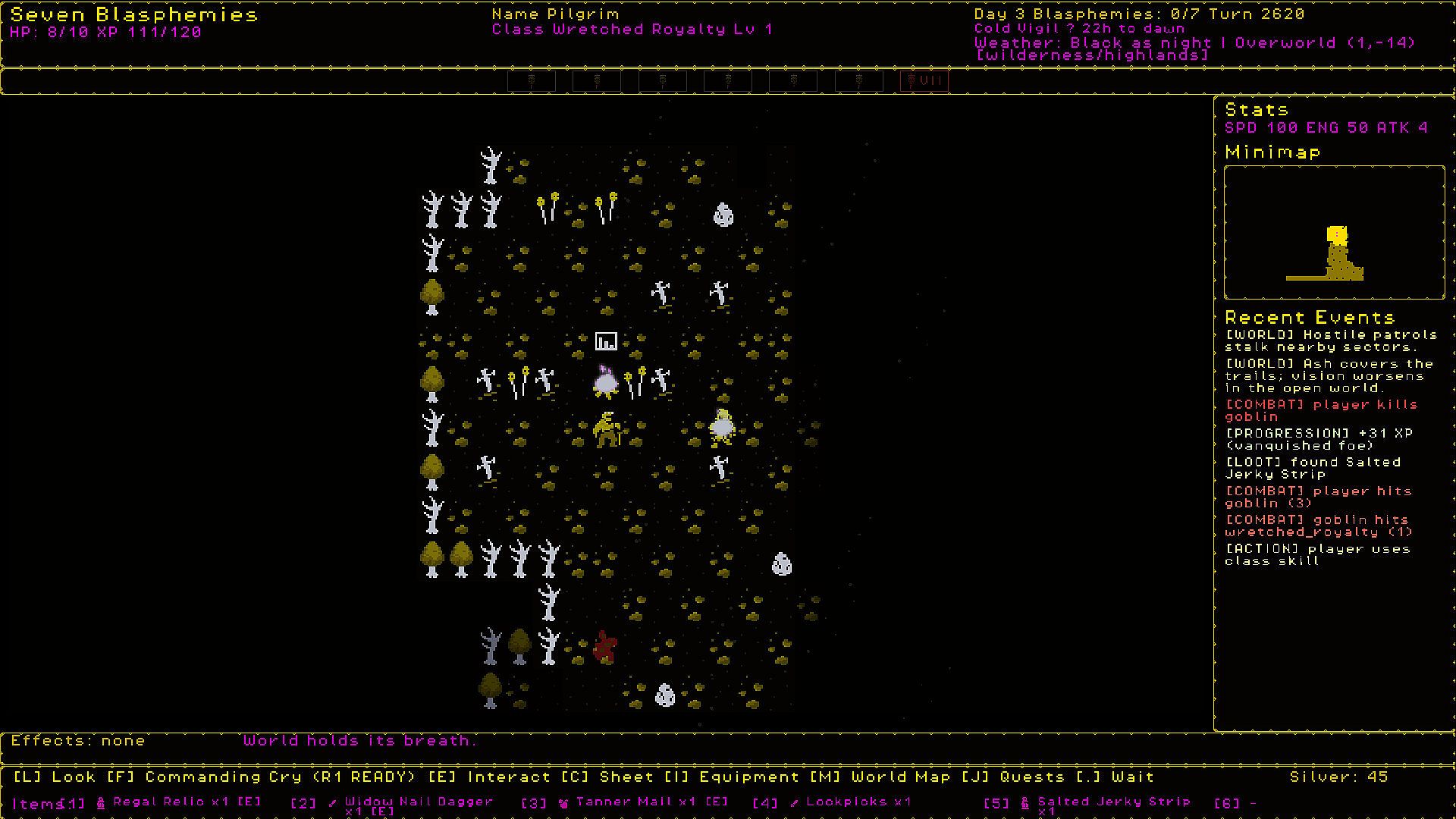
Core mechanics follow classic roguelike rules with one-tile movement and turn-based actions on a grid. Every decision carries weight because the world responds immediately, often with lethal results. Players explore ruined paths while handling scarce supplies and deciding which encounters to risk. Permadeath ensures each attempt ends permanently, forcing a fresh start with accumulated knowledge from prior failures.
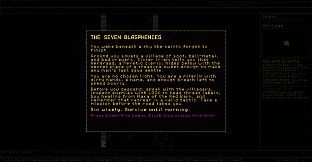
The doom calendar drives much of the tension. At each dawn a new Blasphemy may activate as a permanent alteration to the current run. These changes stack across the session and can reduce visibility, weaken healing, increase enemy aggression, or remove other reliable systems. Runs that begin with measured exploration frequently shift into urgent survival as conditions worsen over successive days.
Combat and exploration emphasize tactical positioning. Enemies present distinct mechanical challenges that reward observation over direct confrontation. Players must judge when to engage, when to retreat, and when to expend limited resources. The design draws from old-school RPG principles that prioritize scarcity and consequence over balanced scaling.
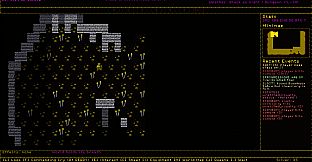
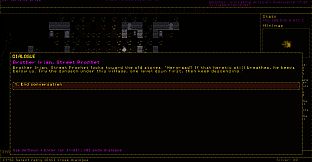
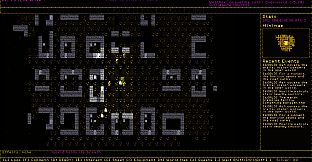
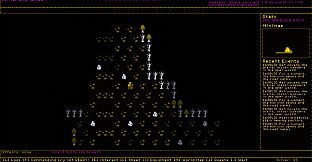
Visual presentation uses minimalist pixel art and a restricted color palette. This approach maintains clear battlefield readability while conveying a stark, decaying atmosphere where the end remains constantly visible.
Game Modes
The game operates through repeated roguelike runs shaped by the doom calendar. Each attempt begins with class selection and proceeds under accumulating curses until the seventh Blasphemy triggers world-ending conditions. No separate campaign or alternative structures exist beyond these pressured survival sessions.
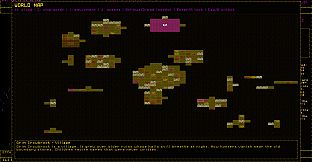
Procedural elements generate danger and layout variety within each run. Players navigate the same fundamental loop of exploration, resource allocation, and combat decisions, yet the stacking Blasphemies ensure later stages feel markedly different from the opening hours. The structure rewards repeated attempts that build familiarity with monster behaviors and curse interactions.
Classes and Enemies
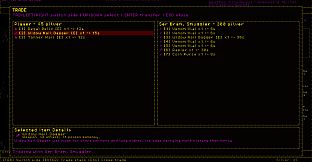
Six playable classes offer distinct approaches to the same hostile environment. Each class carries its own limitations and strengths, yet none provides safety from the calendar or the world's decay. Selection influences starting tools and play patterns without altering the underlying risk of permanent loss.
Enemy types function as individual problems rather than simple health pools. Readable patterns allow experienced players to anticipate threats, but mechanical differences force varied responses such as evasion, resource spending, or acceptance of unfavorable odds. Understanding these distinctions becomes essential as Blasphemies alter the battlefield over time.
Is It Worth Playing?
Seven Blasphemies targets players who seek traditional roguelike difficulty without modern concessions. The combination of permadeath, stacking permanent curses, and OSR-inspired scarcity creates a consistent emphasis on consequence and learning through failure. Those who enjoy deliberate, high-stakes decision-making in grid-based environments will find the core loop aligned with their preferences.
The game remains in development with a planned 2026 release. No user reviews or performance data exist at this stage. Interest centers on the verified systems of the doom calendar, class variety, and minimalist presentation rather than any current community metrics or ongoing seasonal support.