







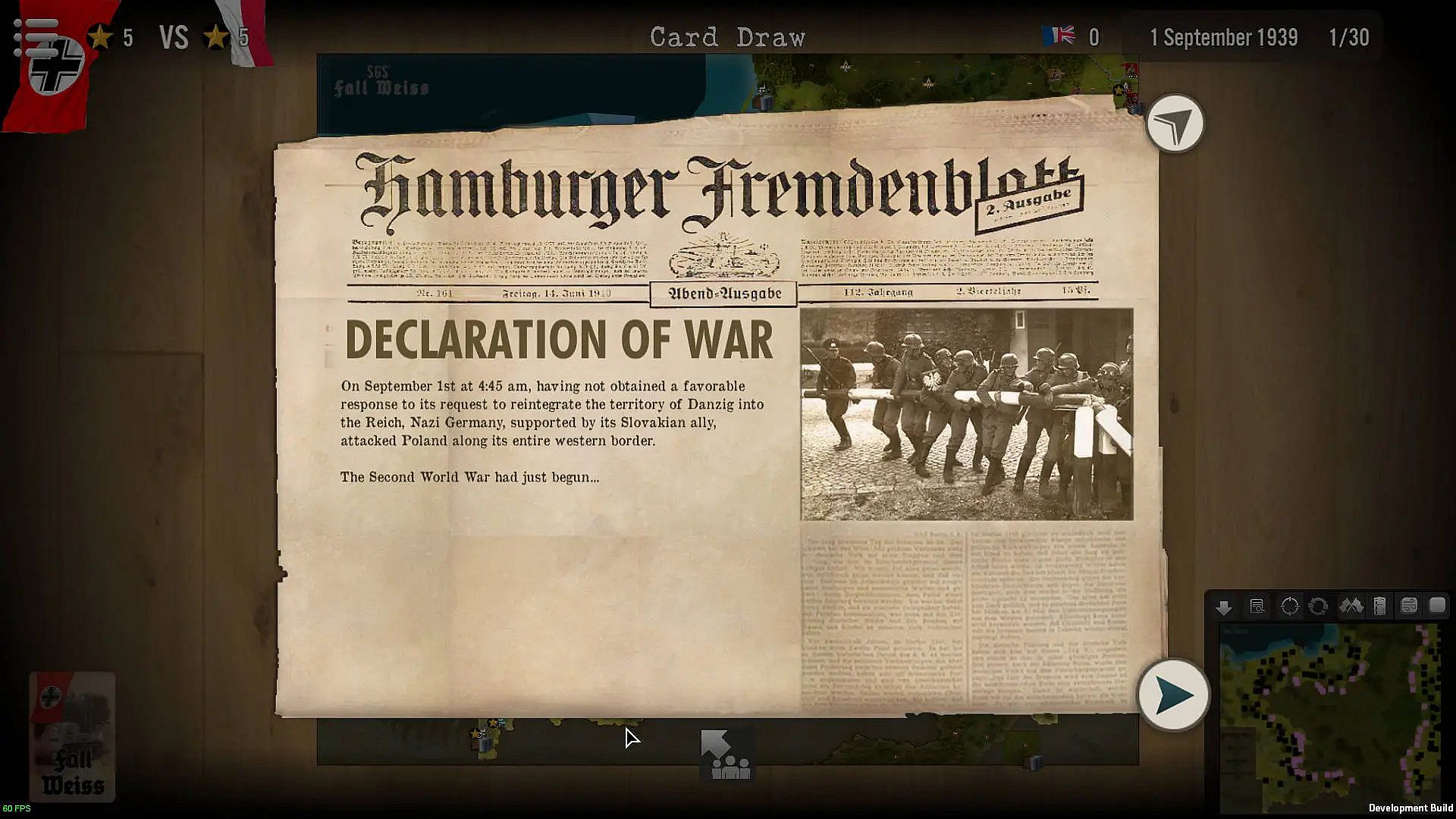
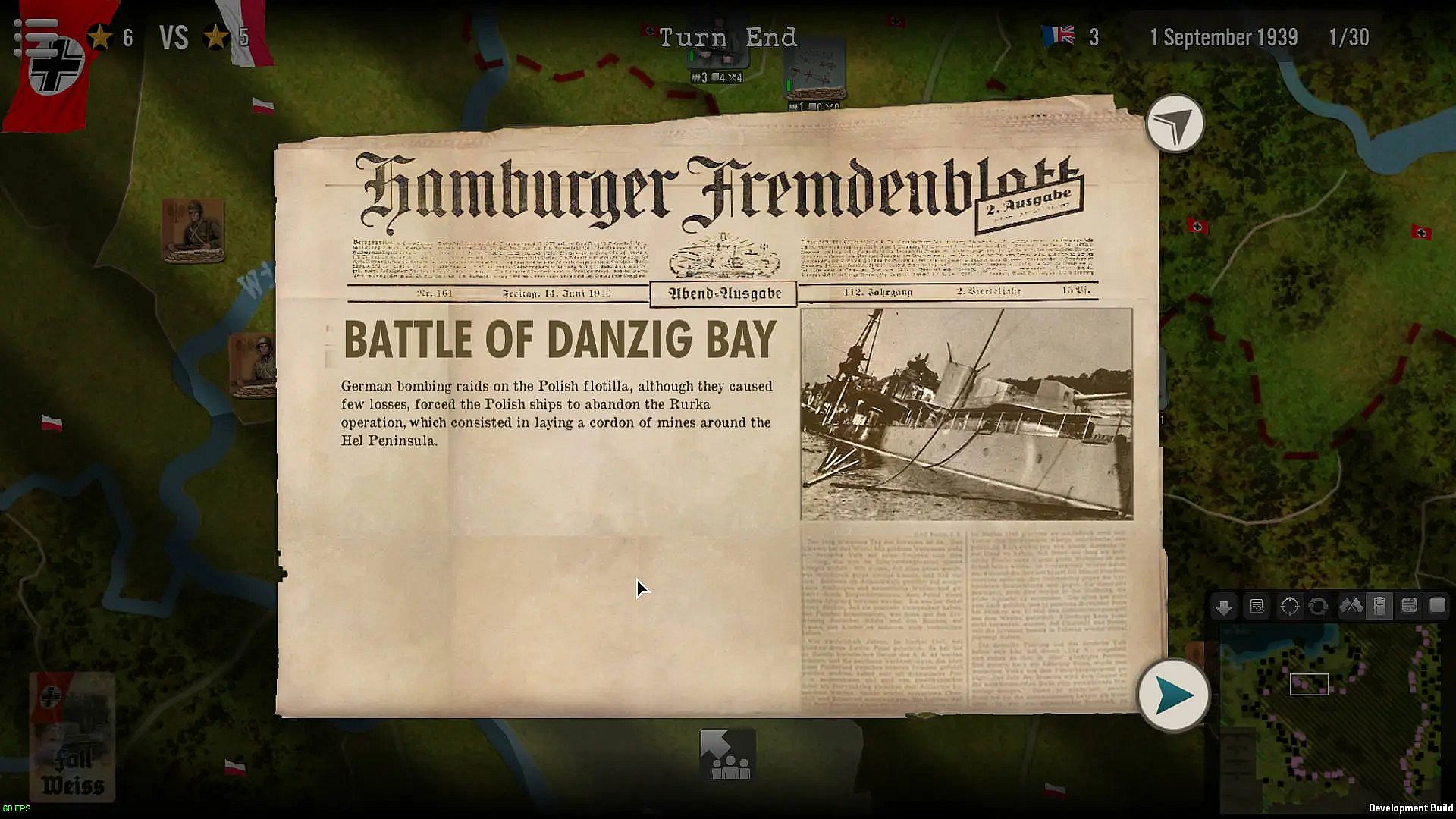
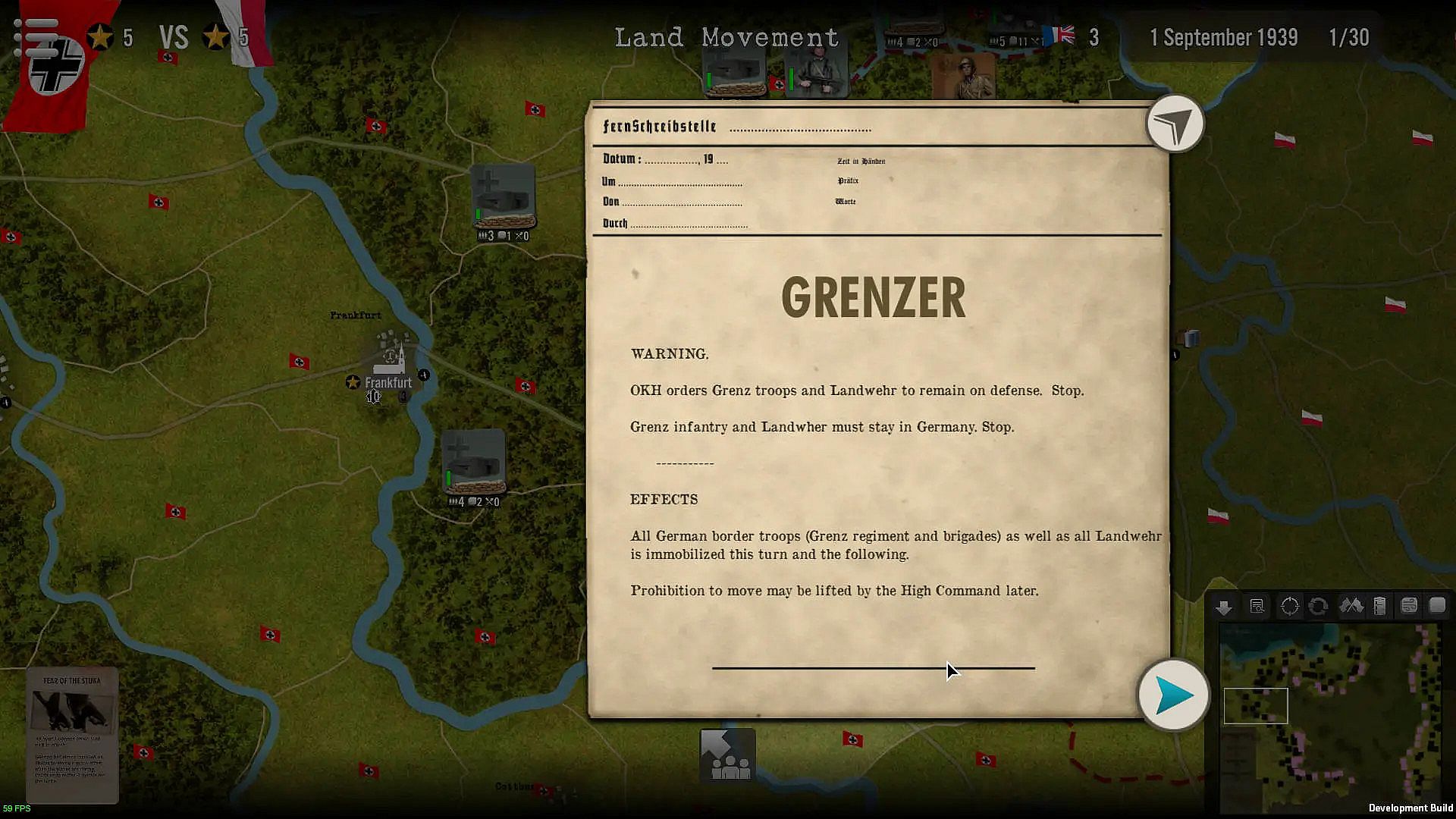
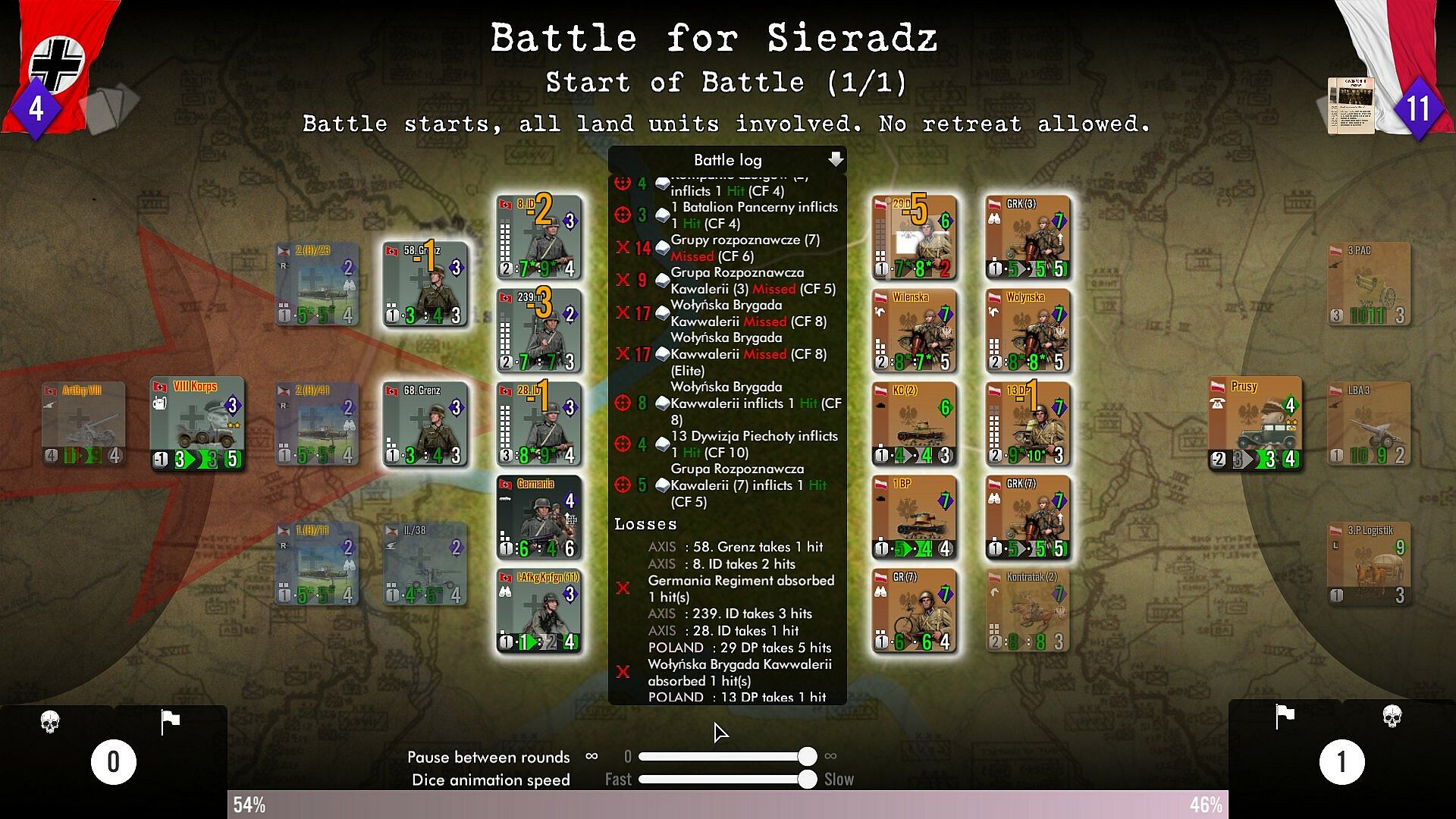
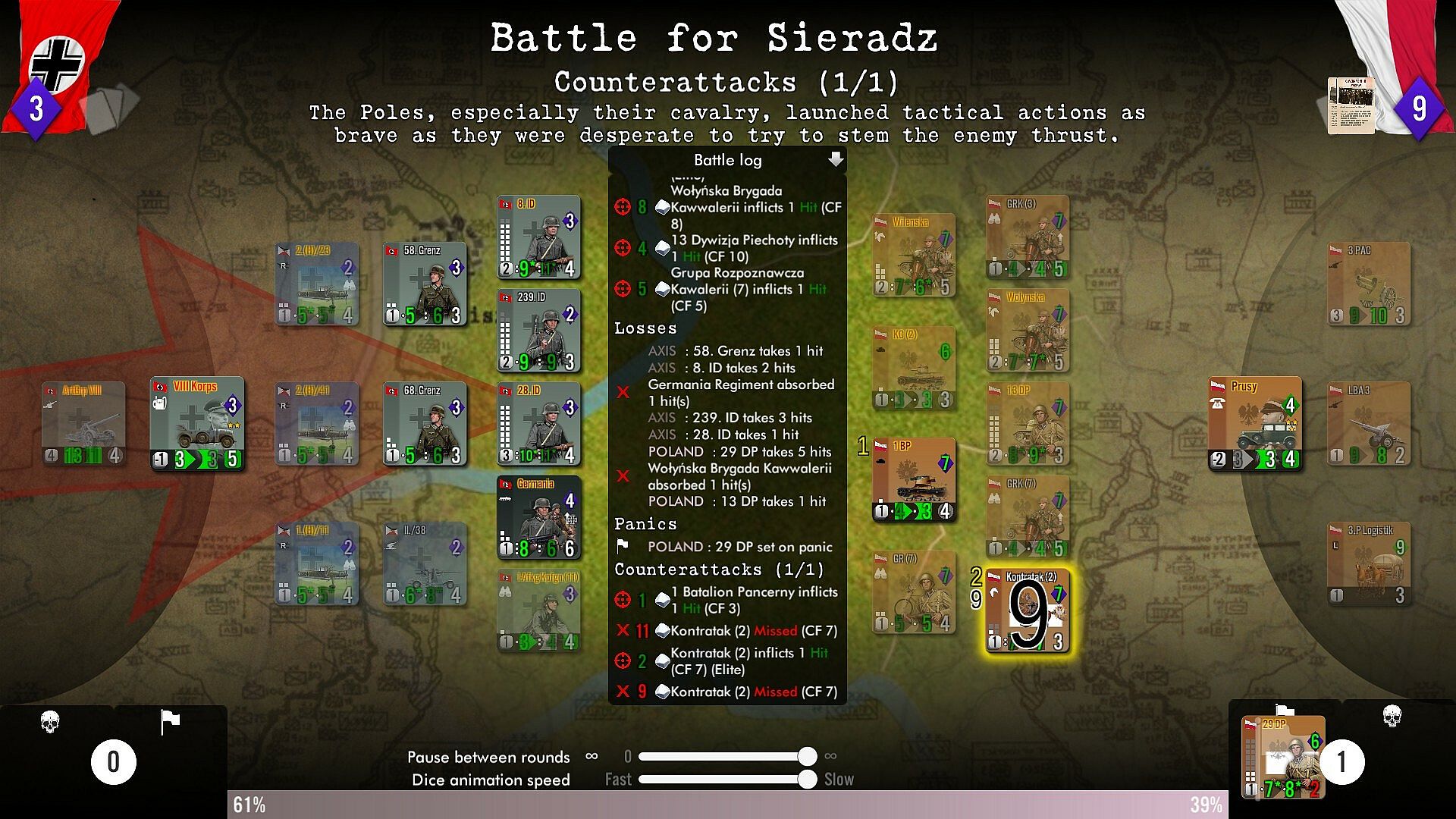
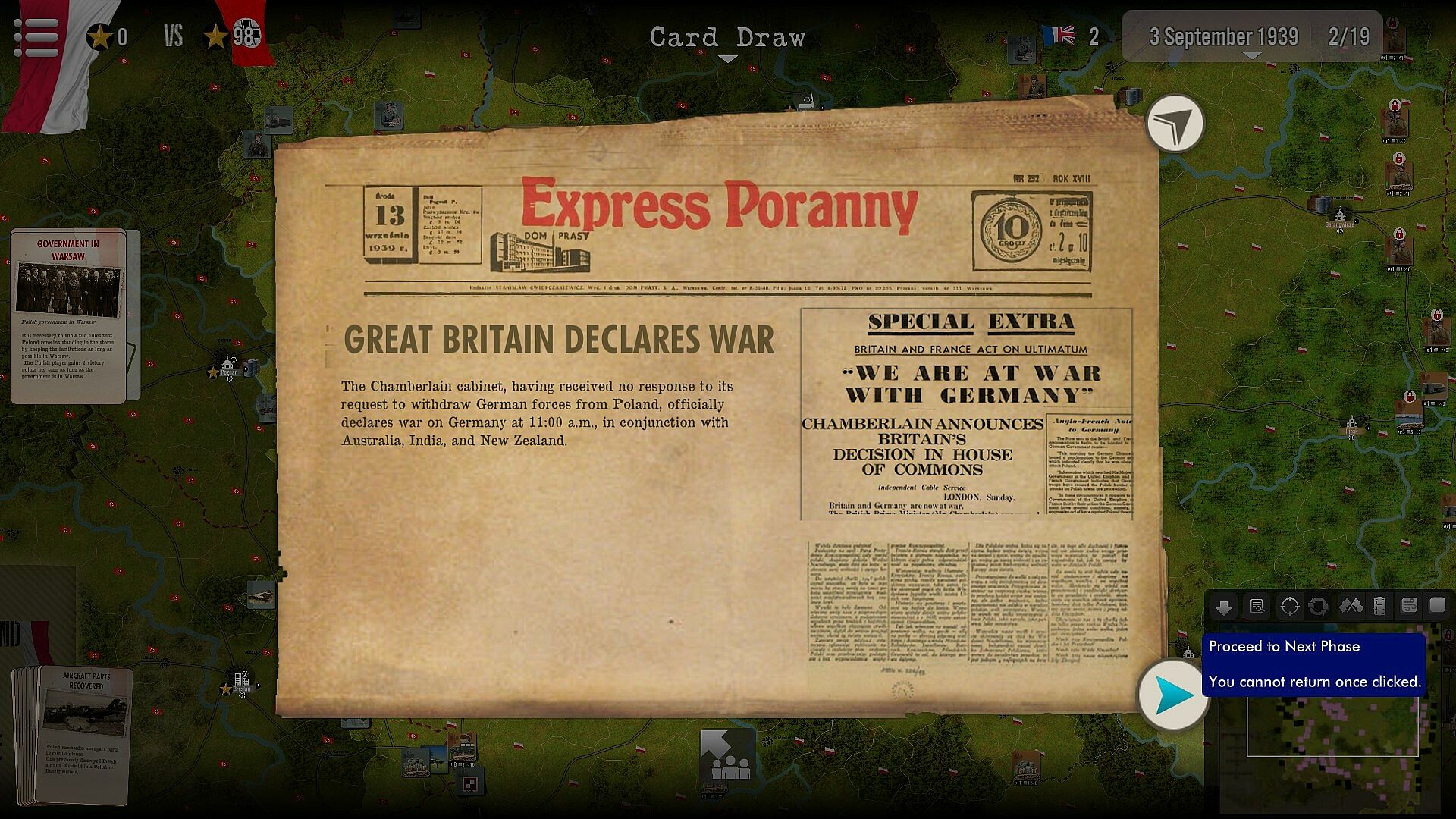
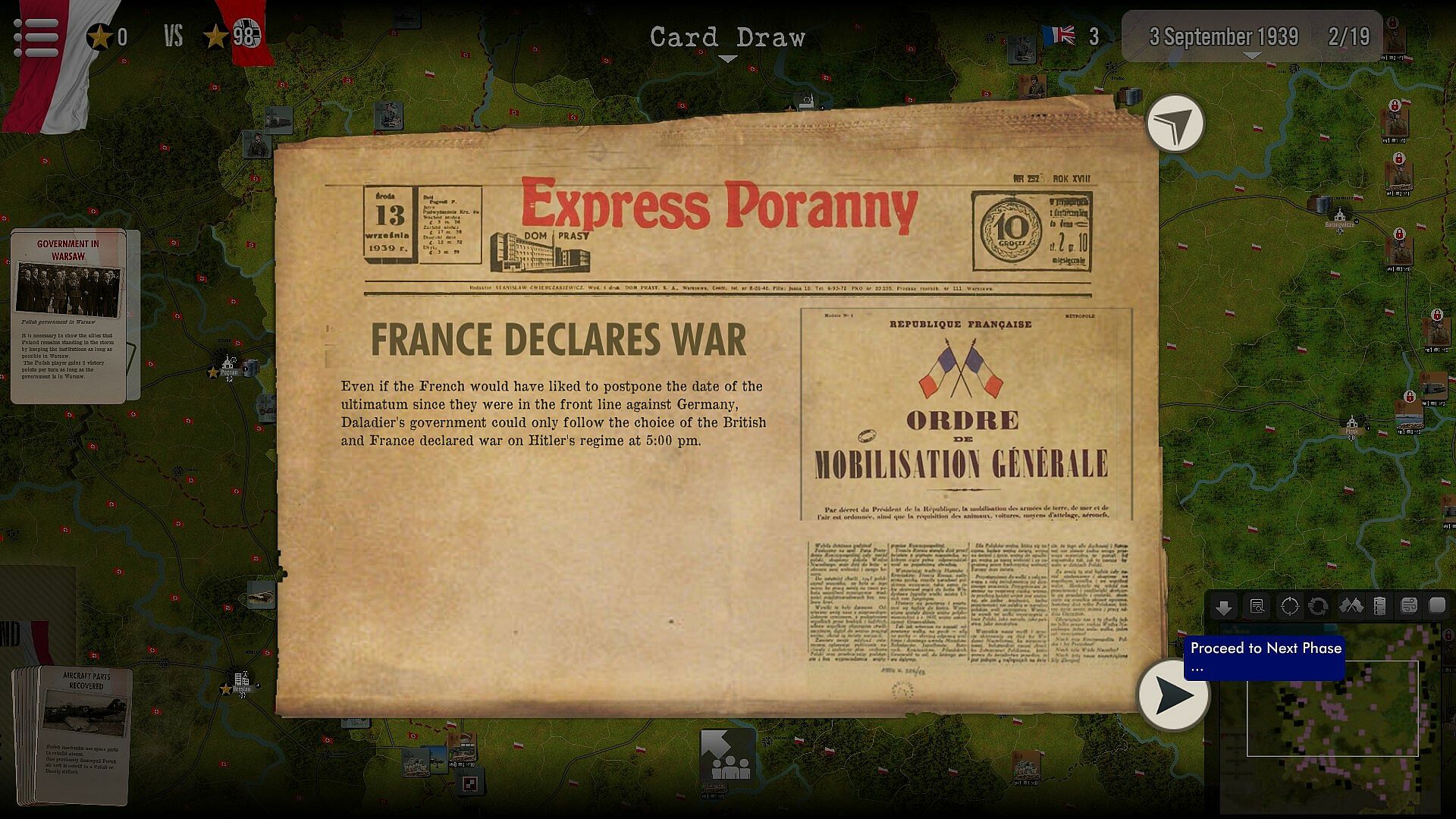
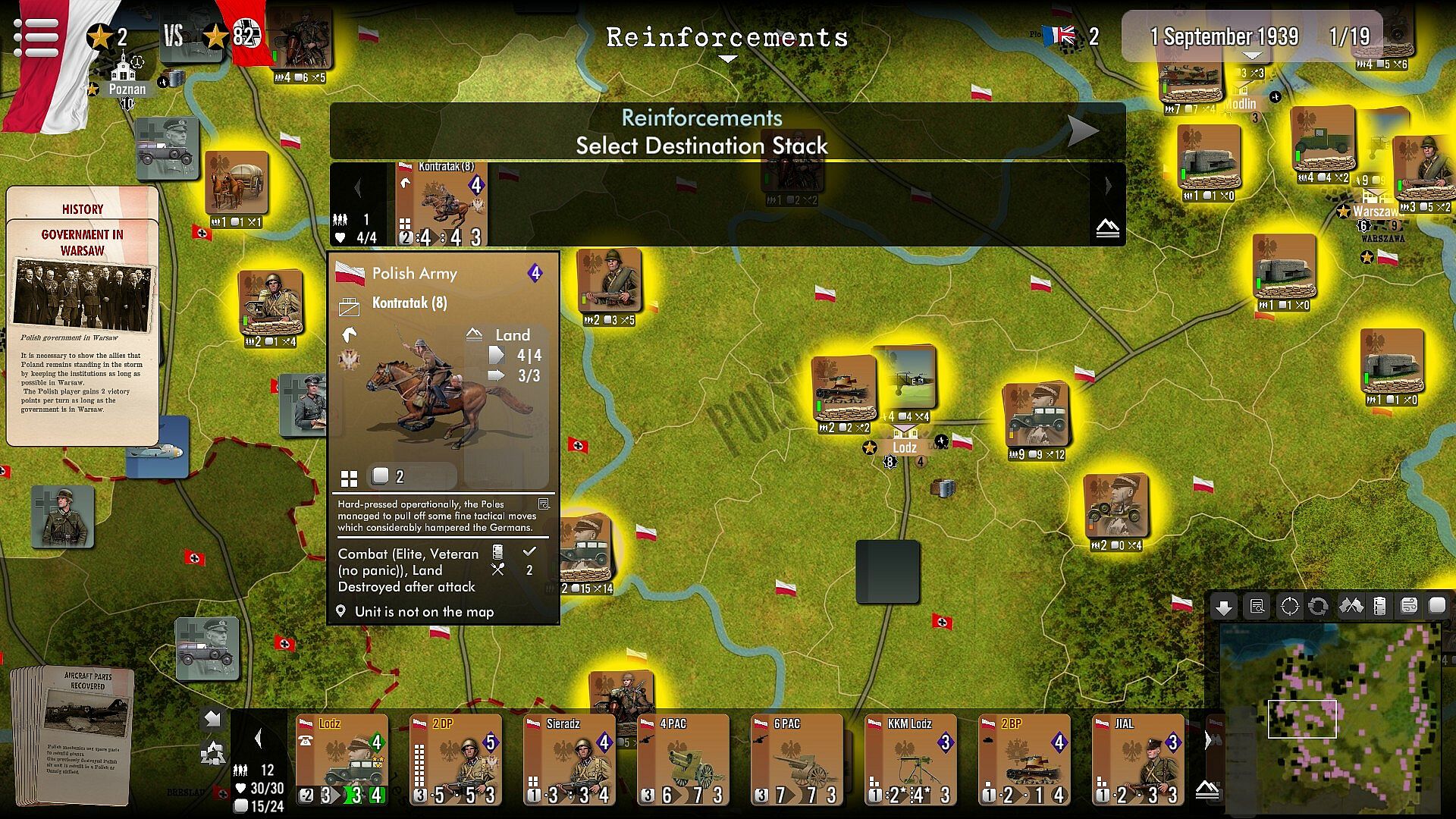
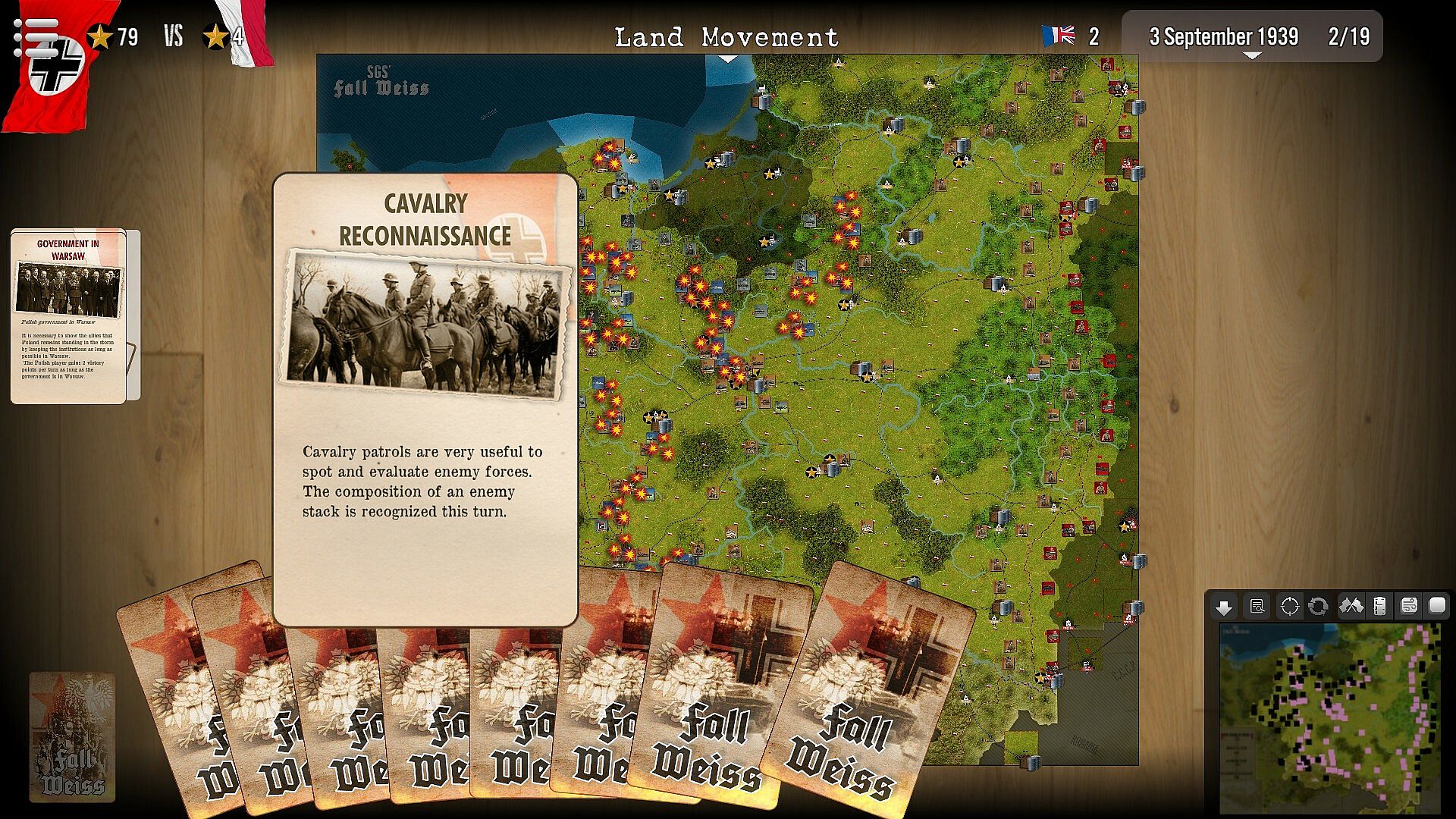
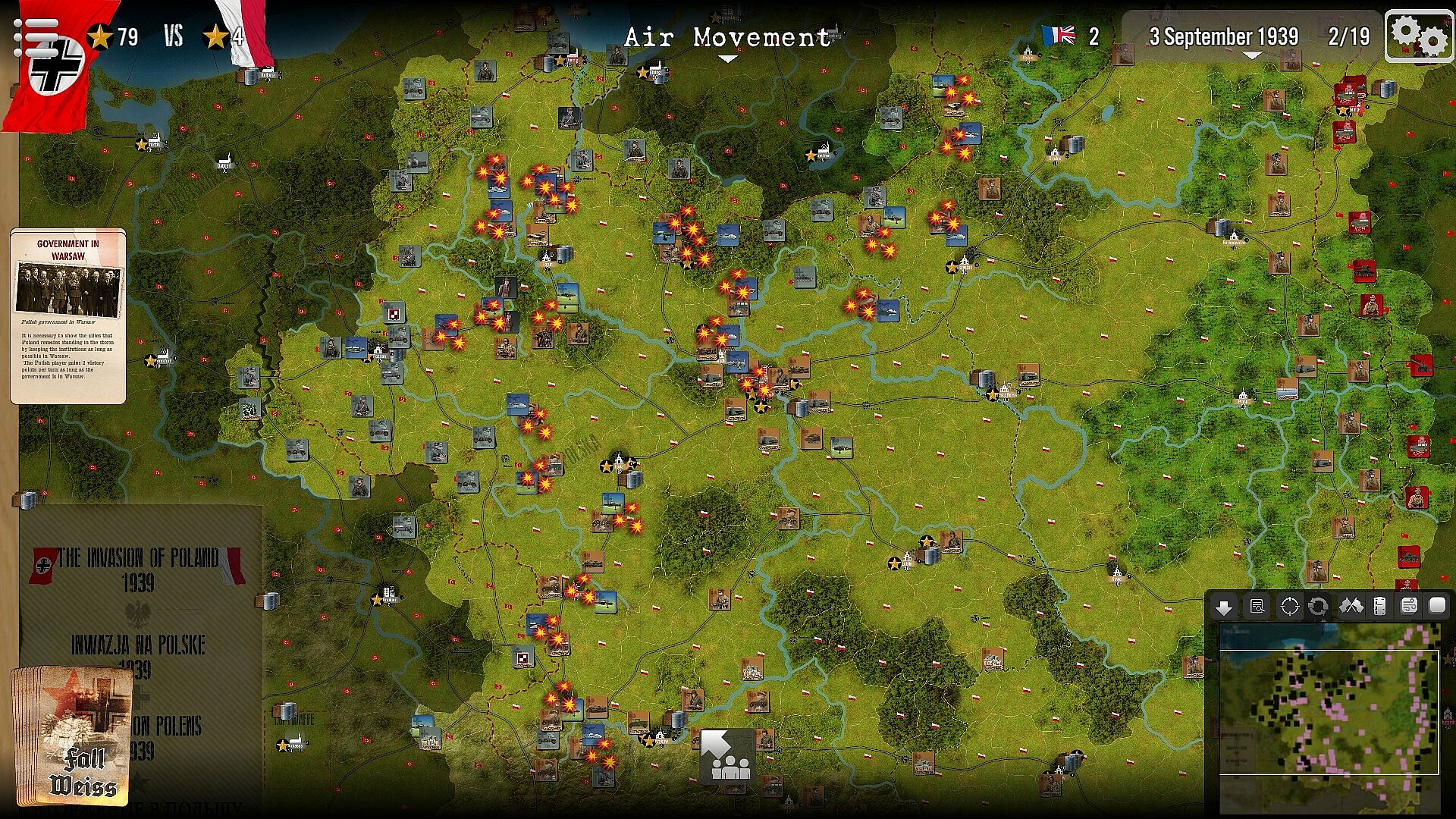
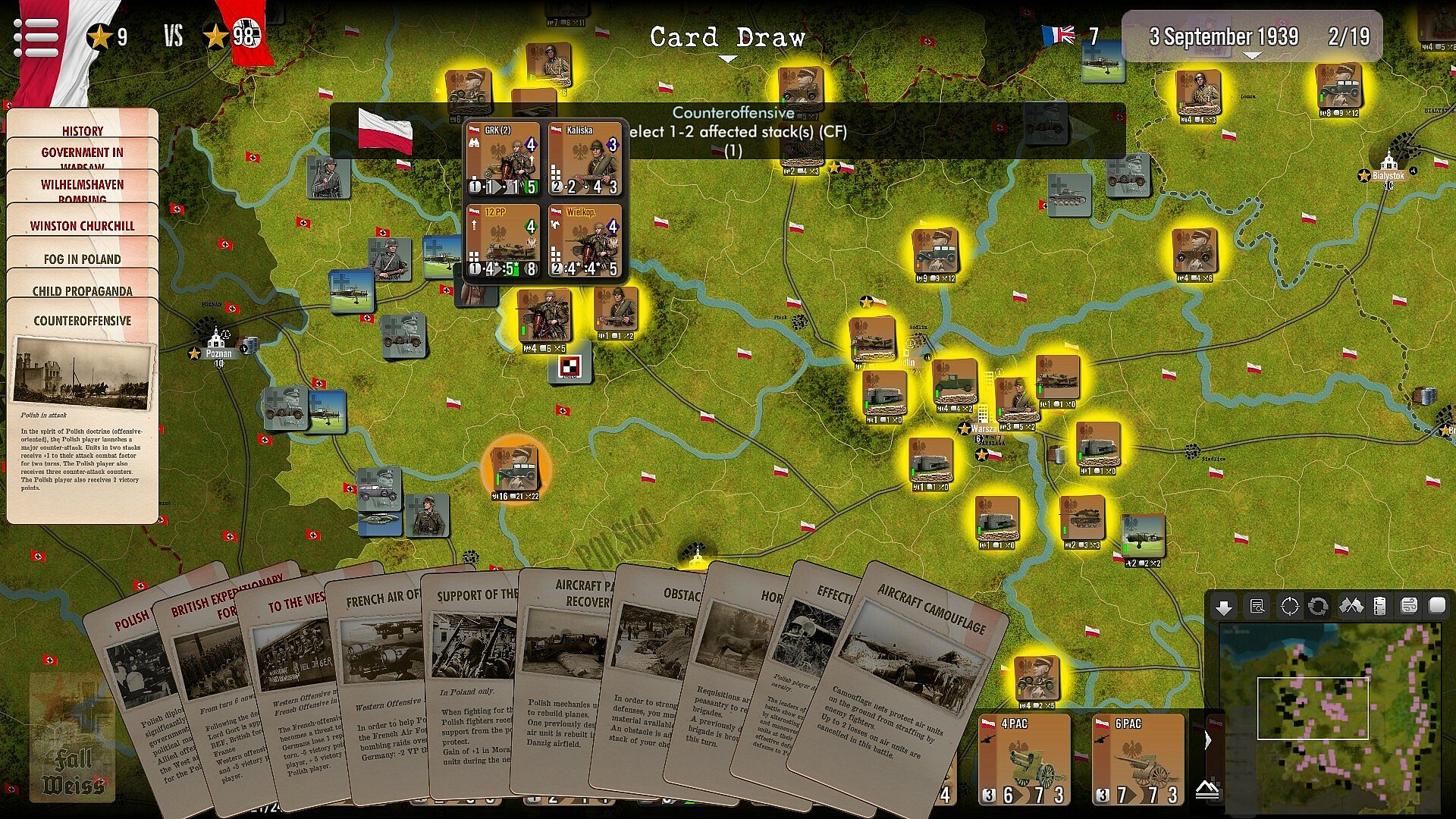
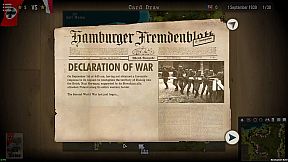
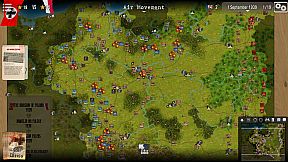
The Second World War officially began with Germany's invasion of Poland on 1 September 1939. "Officially", because Hitler first wanted to launch the operation on 26 August. For diplomatic reasons, the launch was postponed. But not all the special units responsible for actions behind the Polish lines received the counter-order in time, leading to various clashes. SGS Fall Weiss (White Plan in German, the code name for the operation) covered the Polish campaign between September and October 1939.
The German forces appeared to be fast, brutal and unstoppable, thanks to a concept that was quickly described as "blitzkrieg". In reality, the name "blitzkrieg" was coined by Western journalists and was not, strictly speaking, a concept constructed as such. The Germans don't even use the word "blitzkrieg". It was in fact a judicious exploitation of technical advances in the field of motorisation of radio resources, combined with the use of tanks to apply ideas developed by several military thinkers over the last two decades.
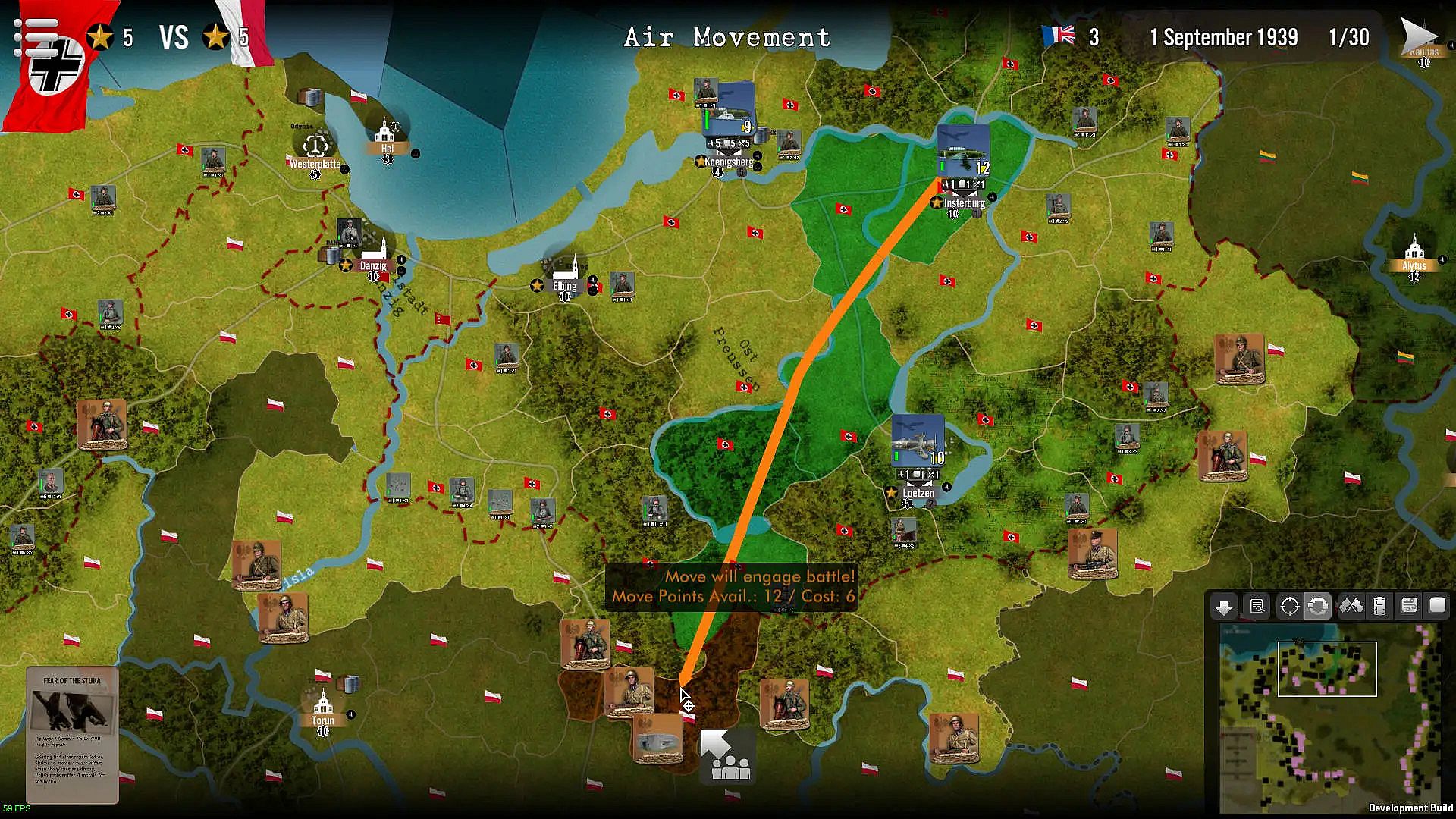
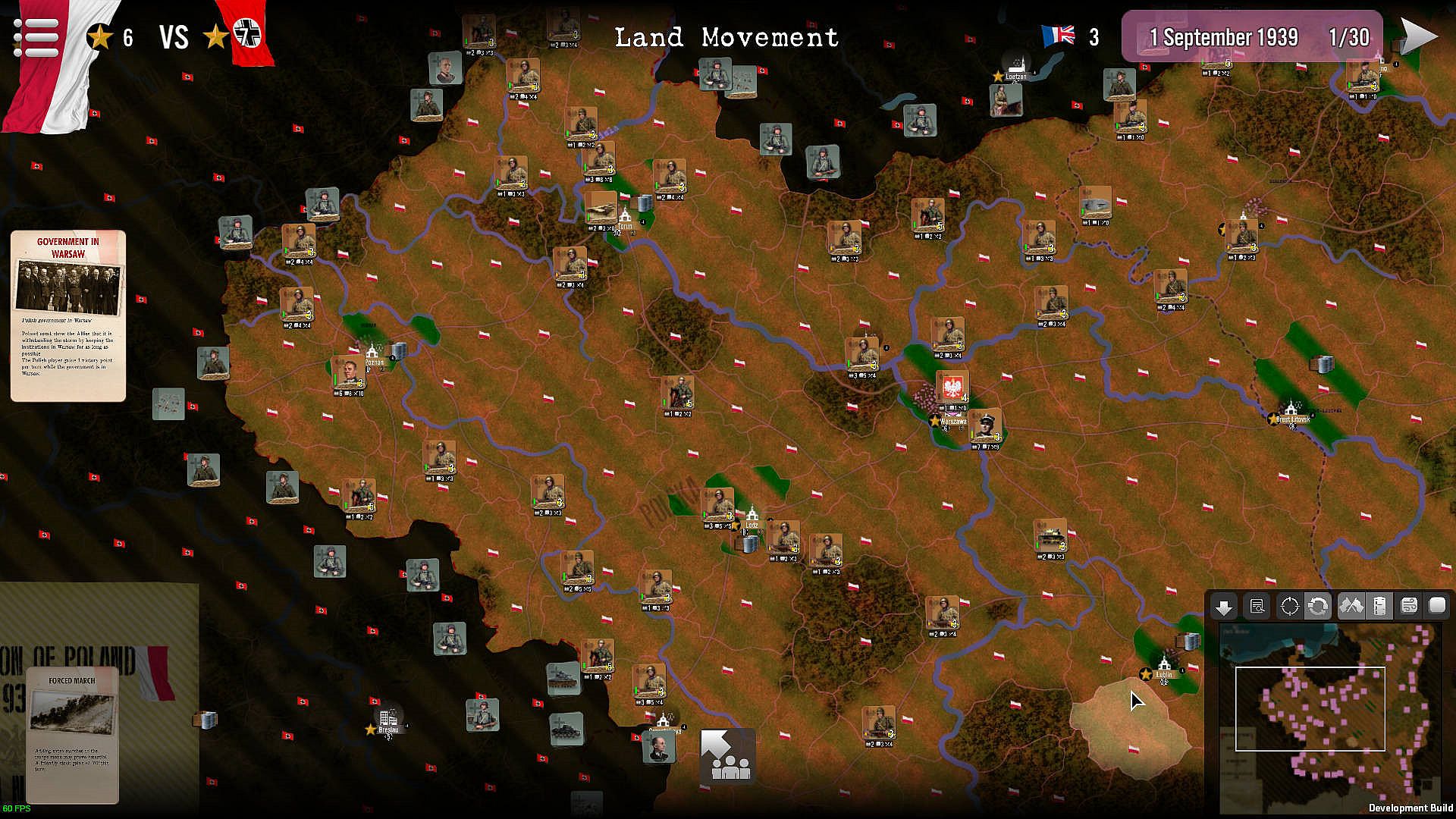
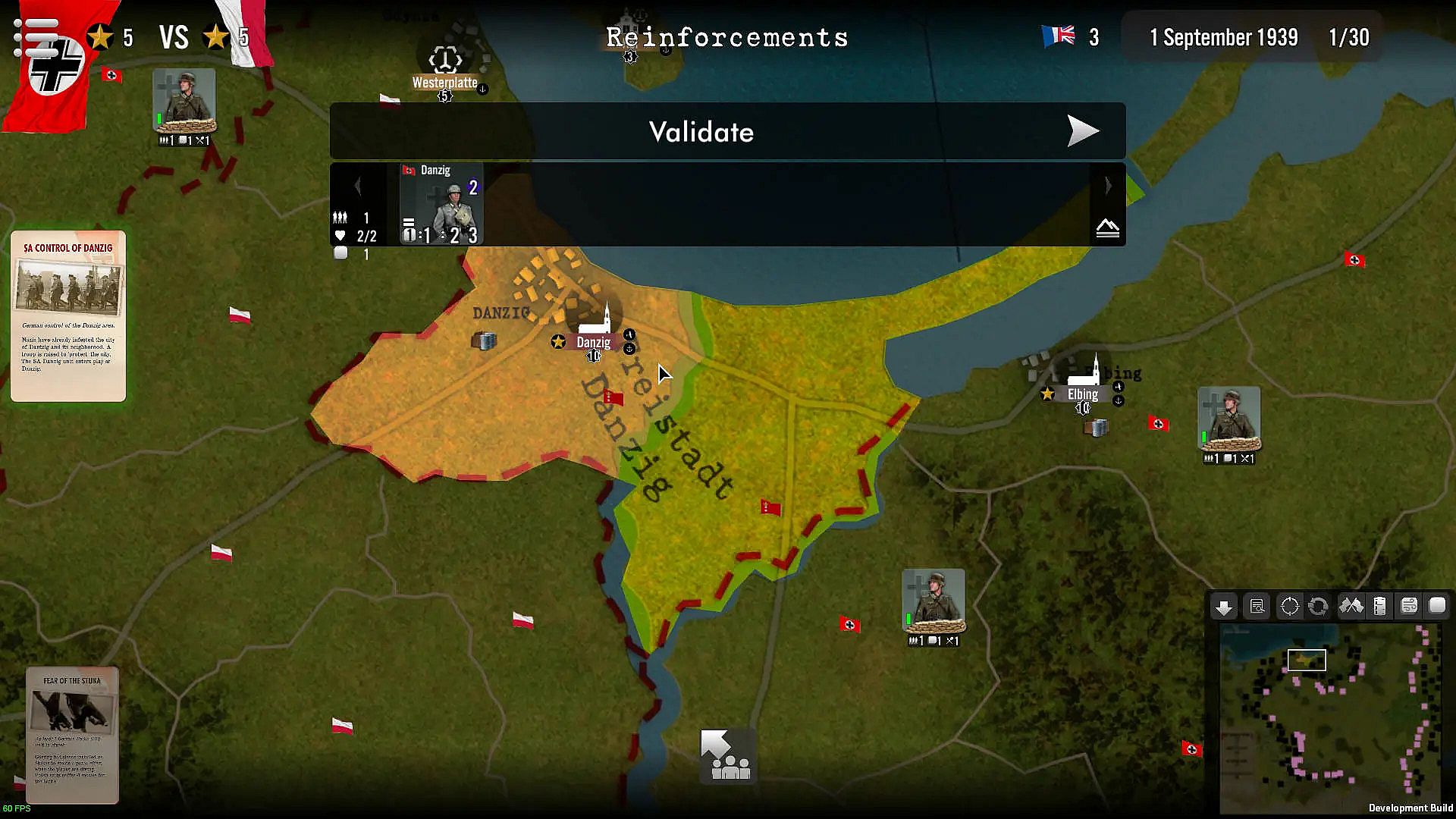
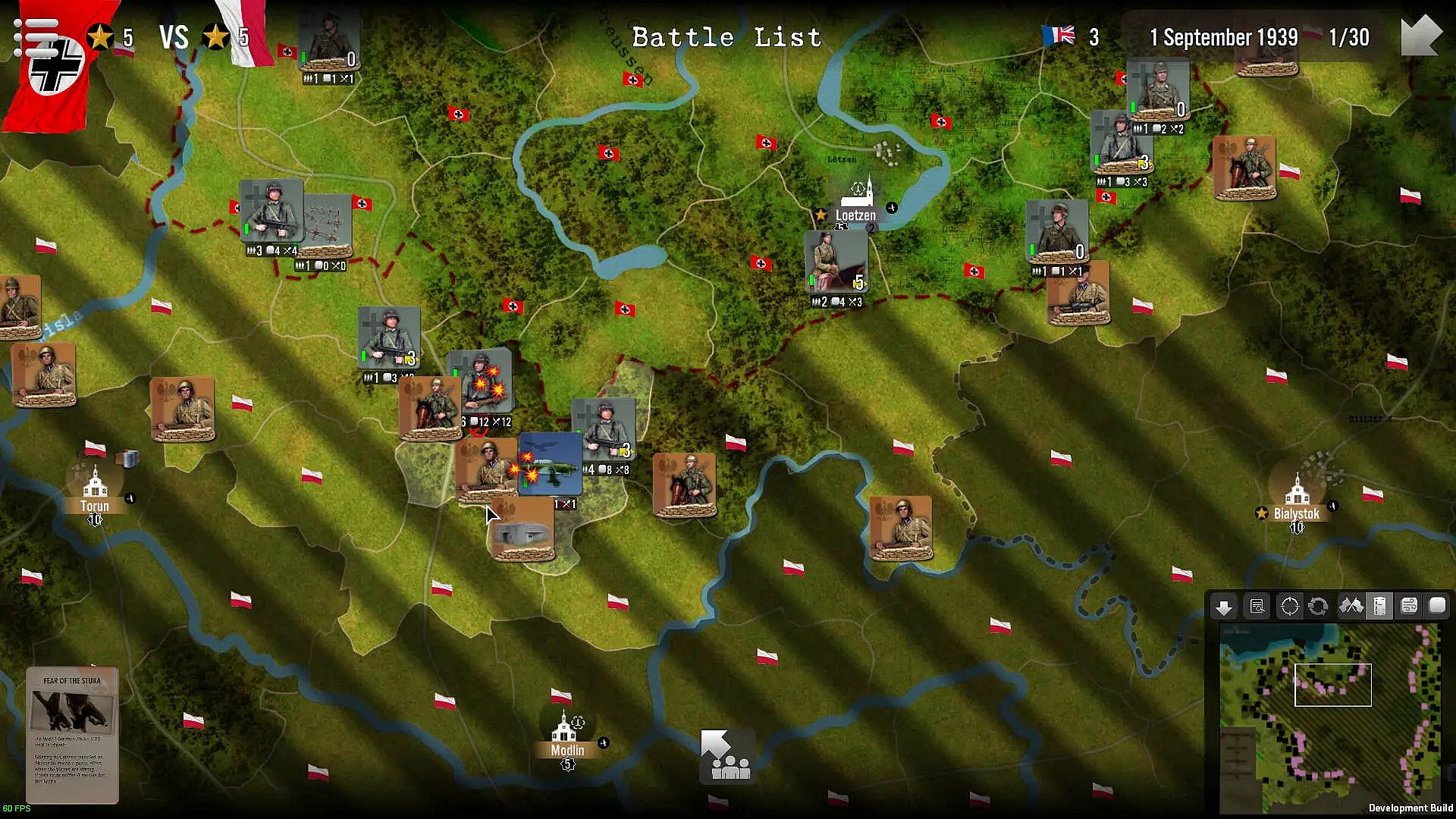
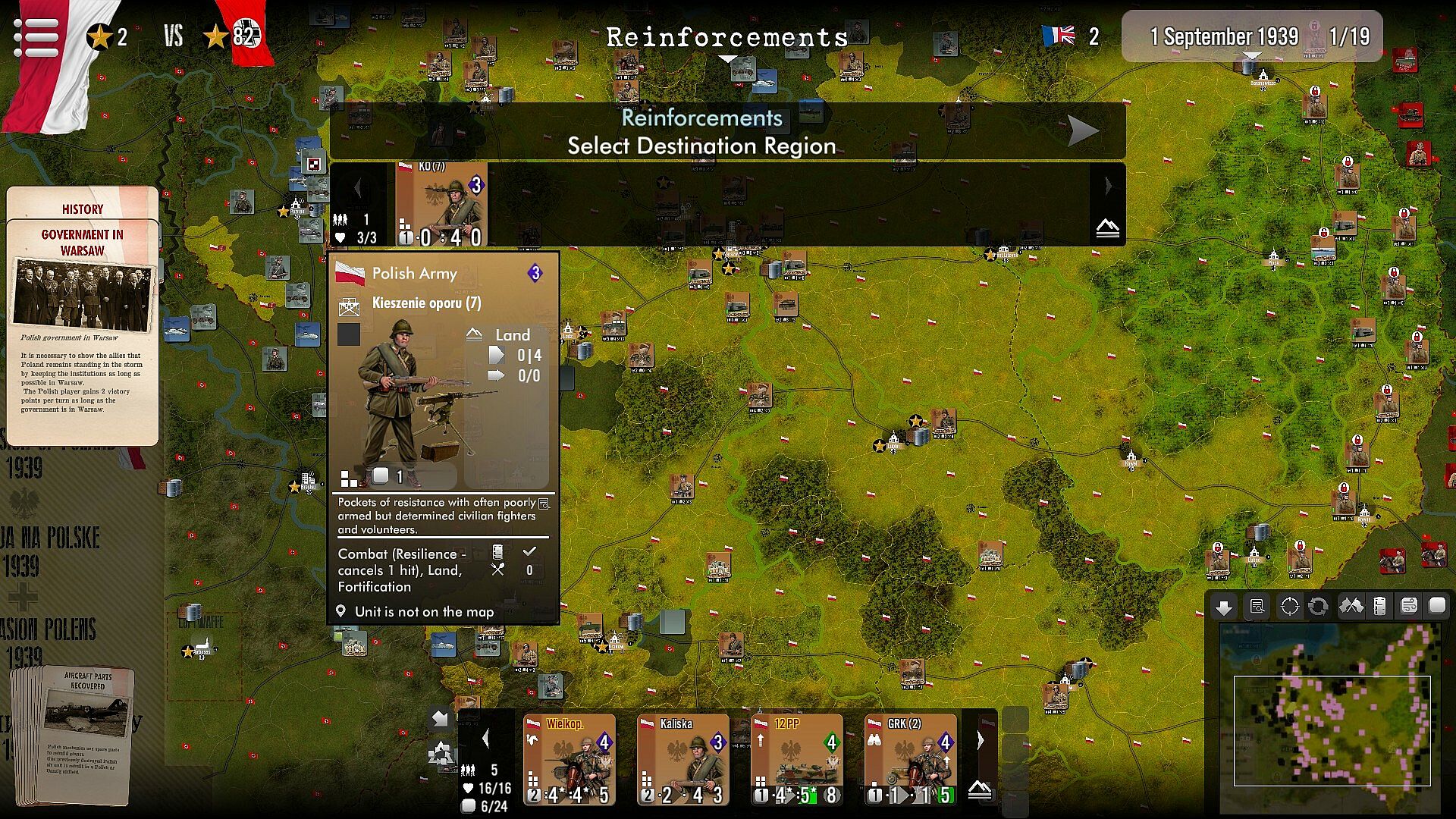
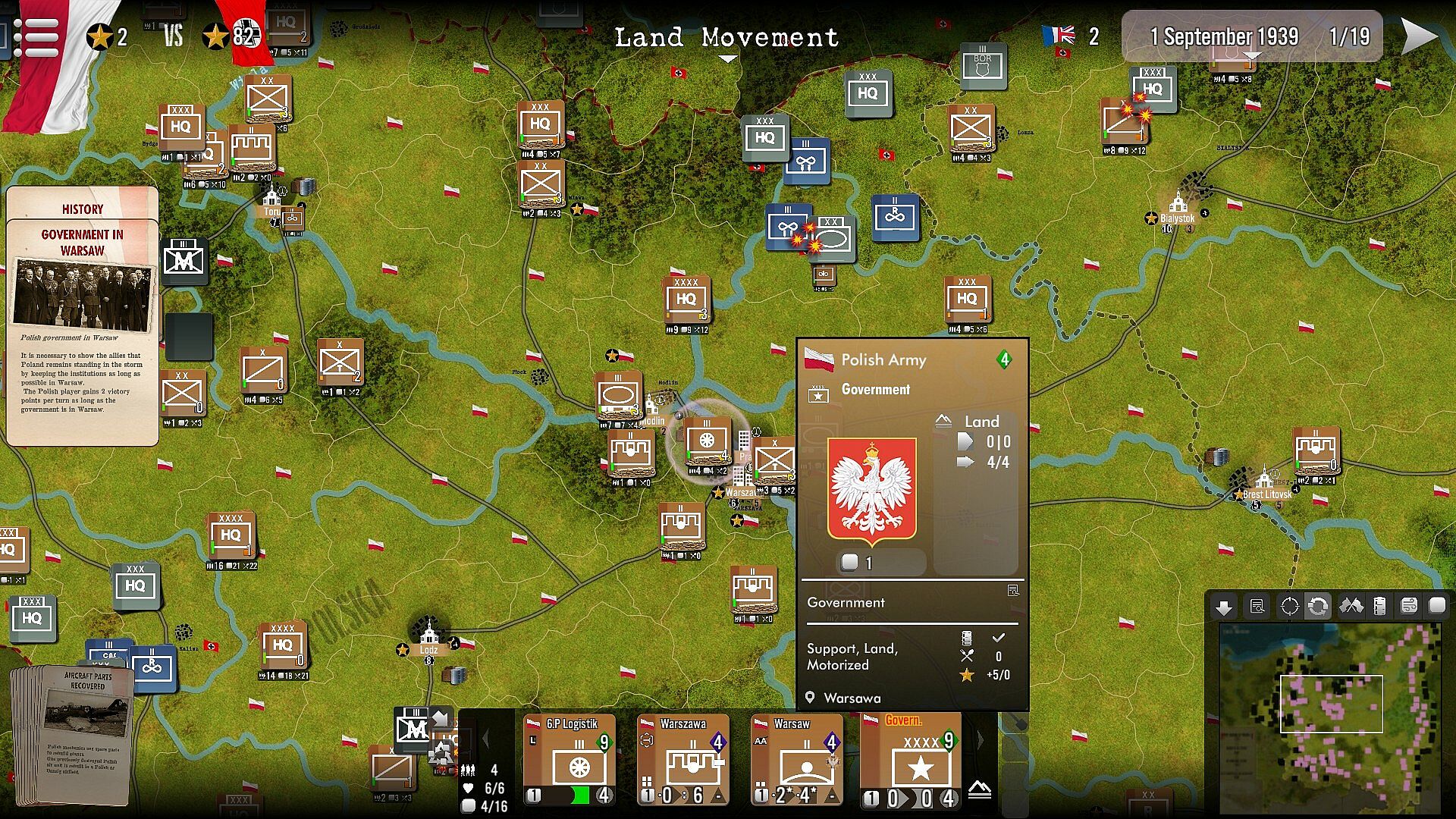
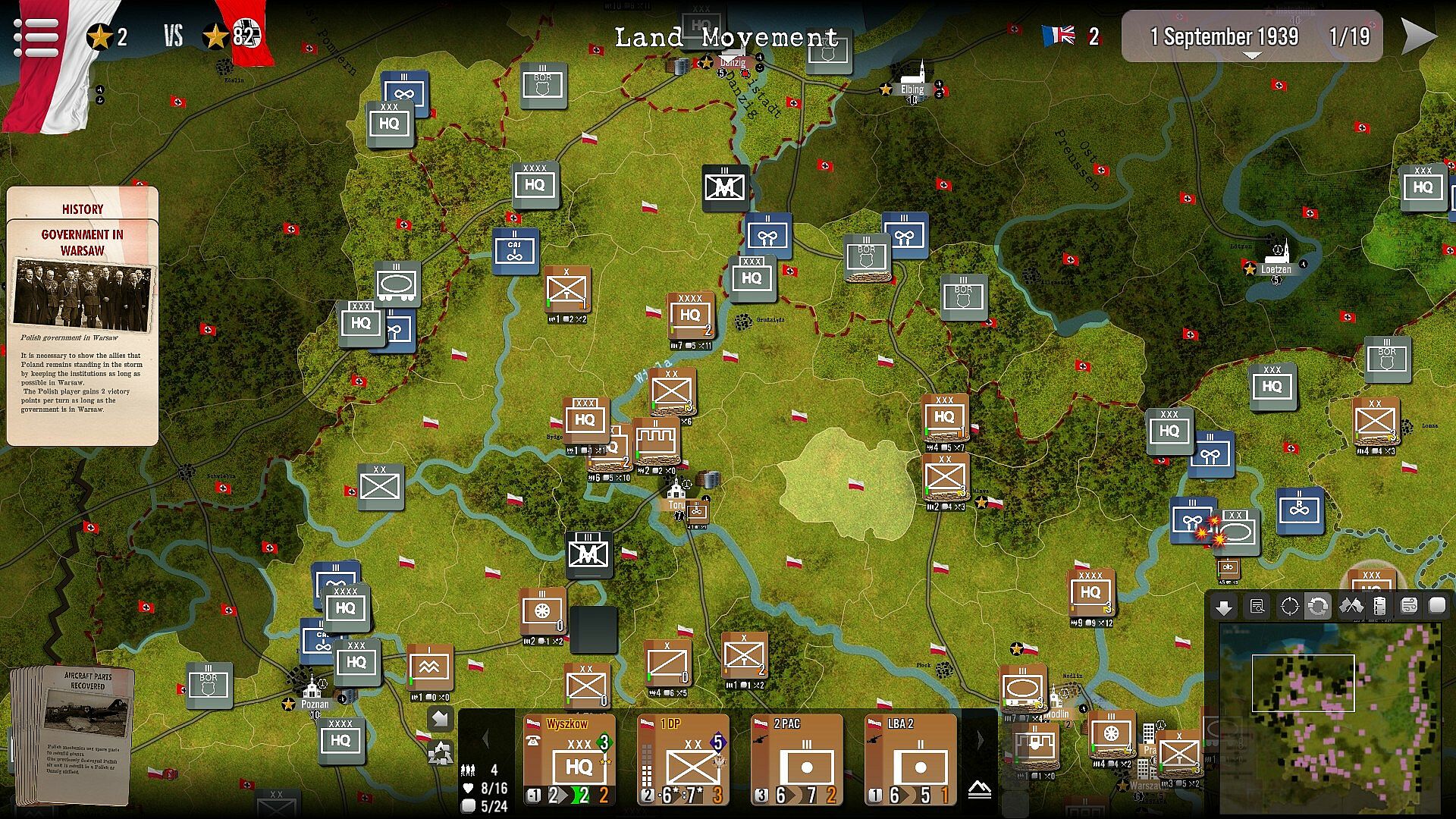
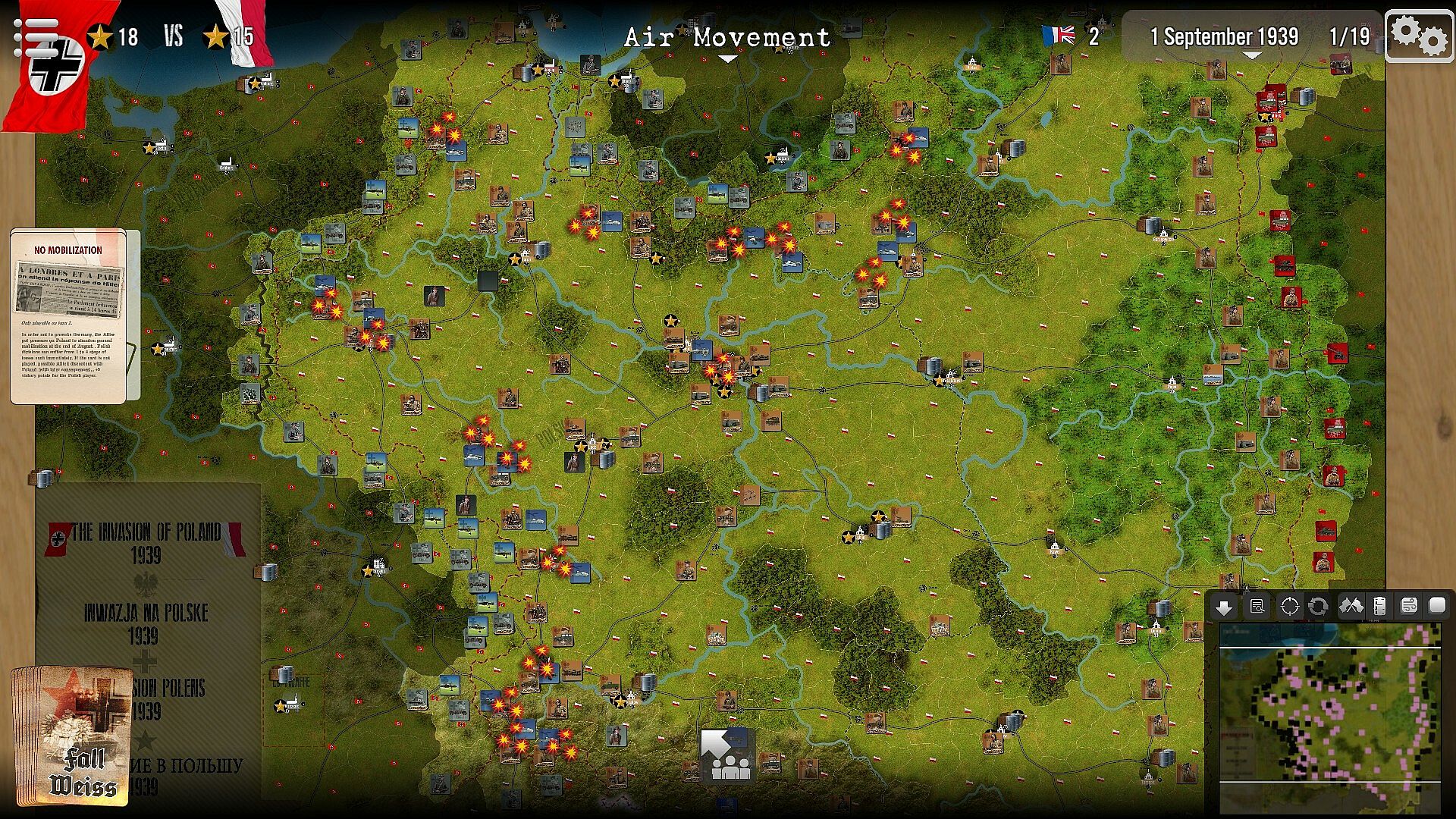
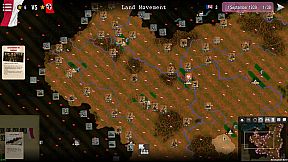
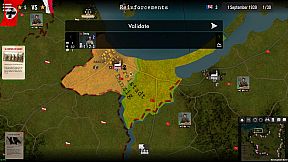
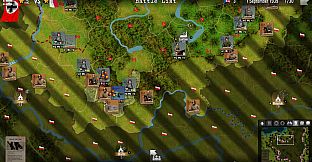
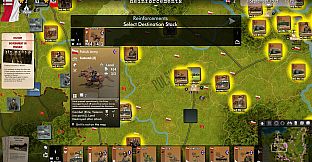
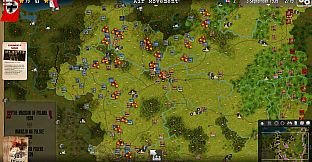
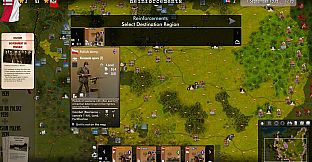
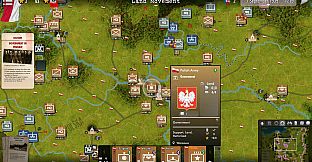
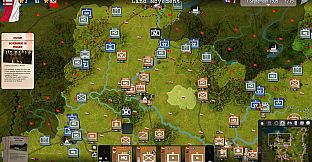
SGS Fall Weiss is a turn-based game. Each turn corresponds to two days of real time, for a campaign scenario that spans 19 turns (plus a "pre-turn" that lets you choose the options that will apply afterwards). The units, represented by counters, are at division, brigade or regiment level, with a few battalions (or battalion-equivalent units). It is therefore an operational-scale game.
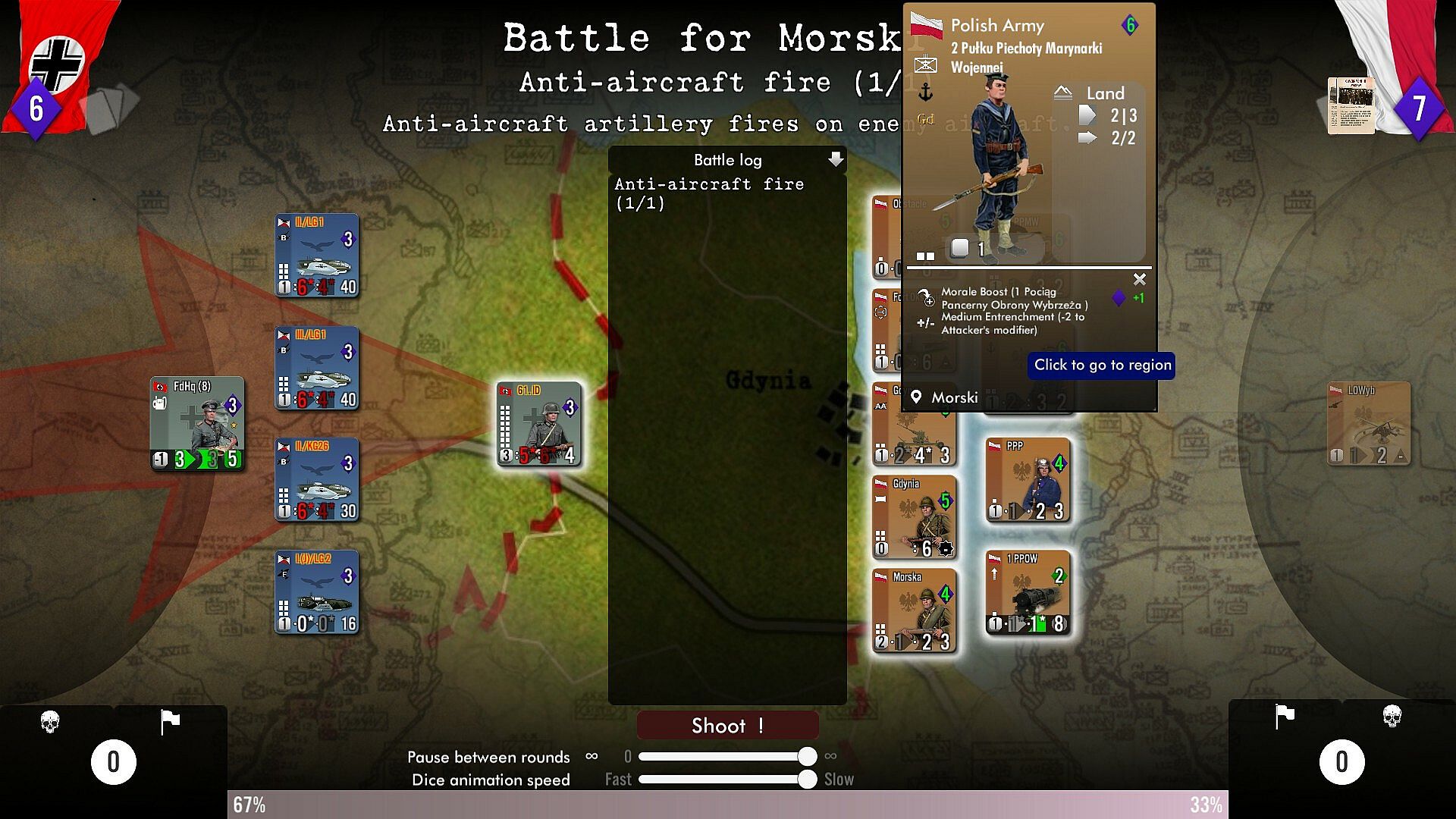
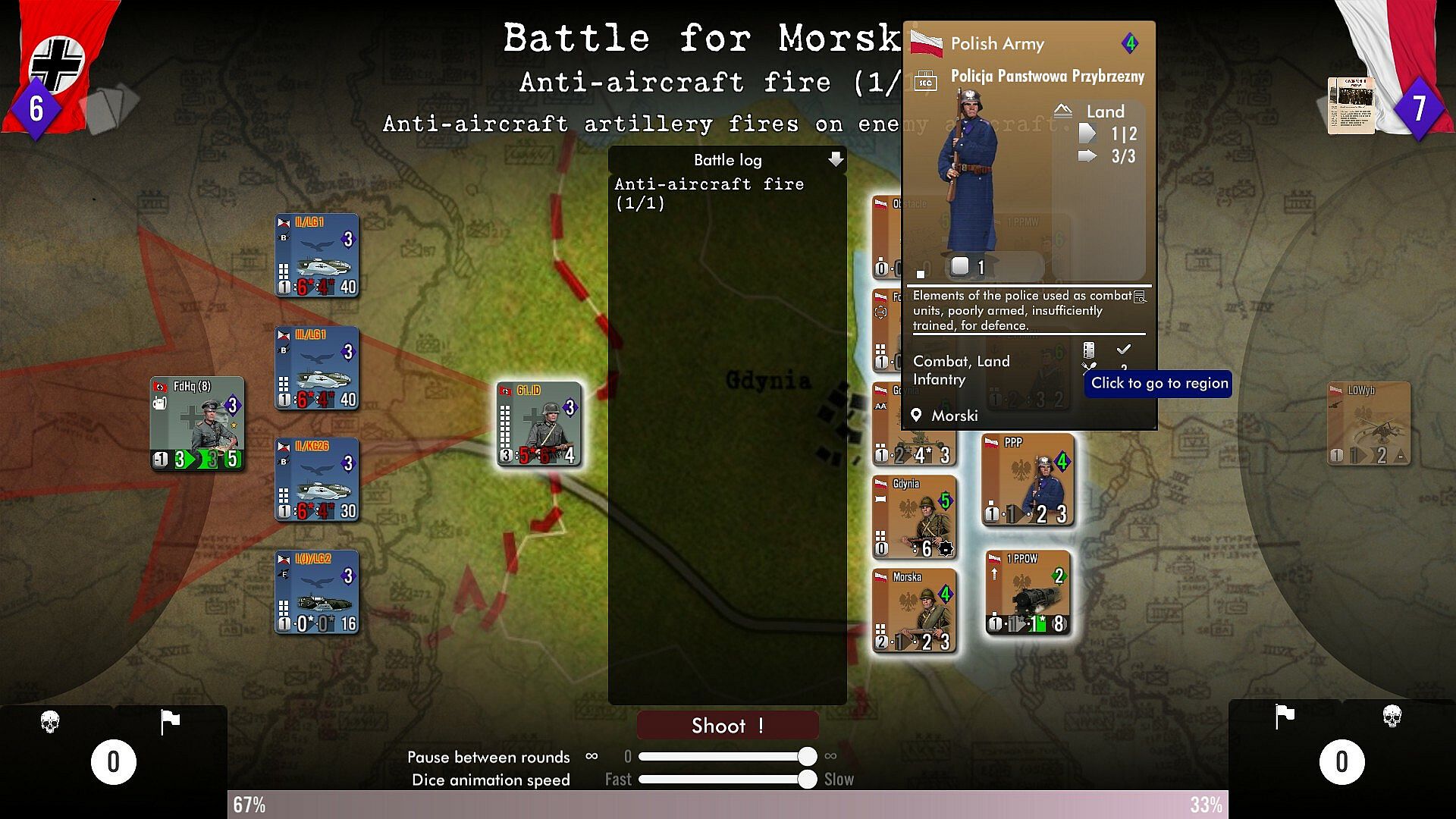
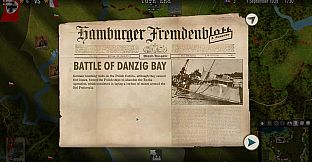
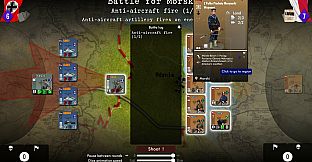
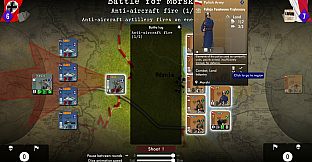
One of the aims of SGS Fall Weiss is to help players understand how the conflict unfolded, as in an interactive history book. It gives you the chance to manoeuvre the units that clashed in Poland in September and up to October 1939, including the Slovakian and Soviet invasions (with units from the countries concerned). The player has at his disposal armoured, motorised, cavalry, infantry and artillery units, as well as armoured trains and river flotillas for the Poles. The respective air forces are also present.
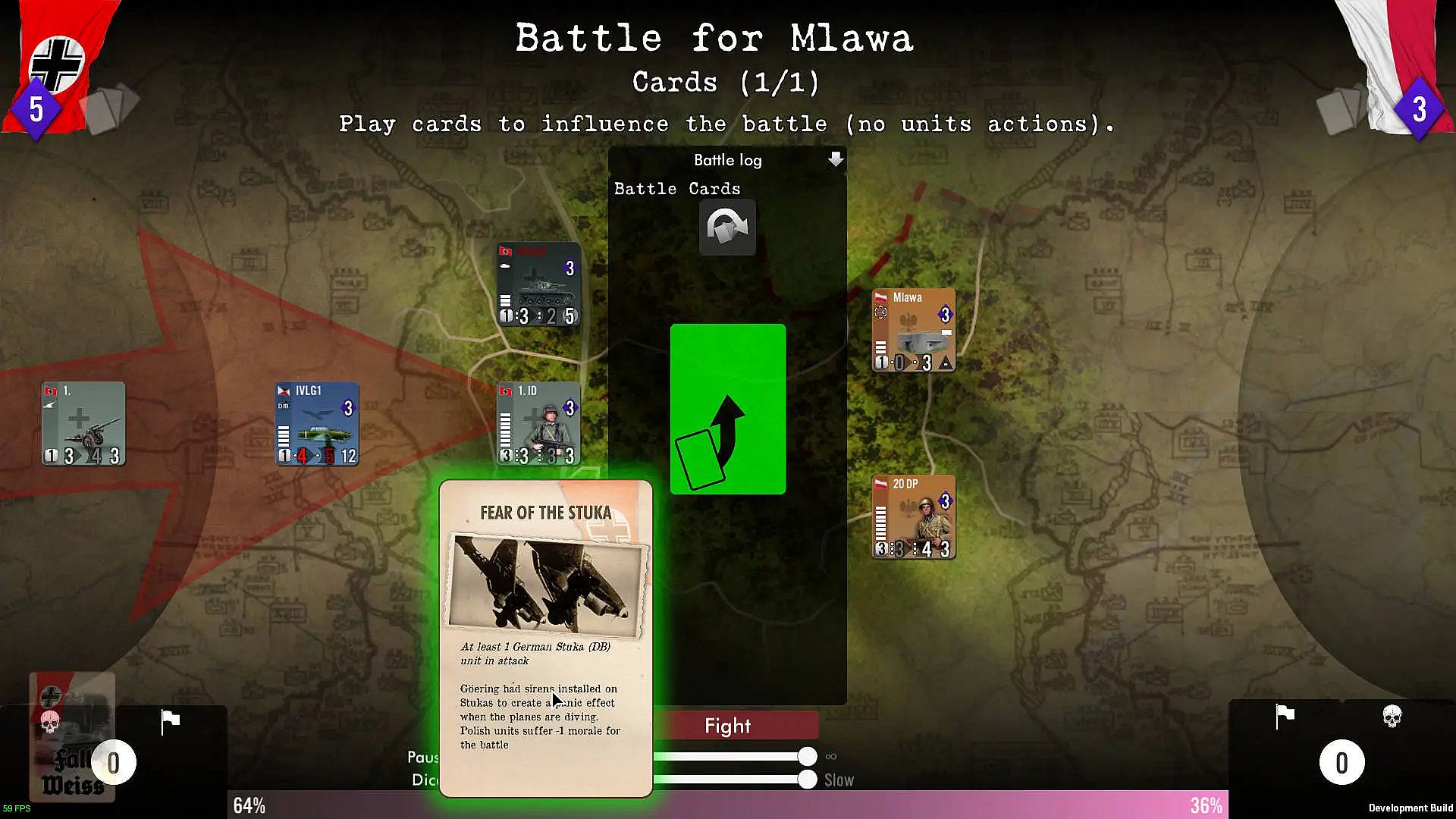
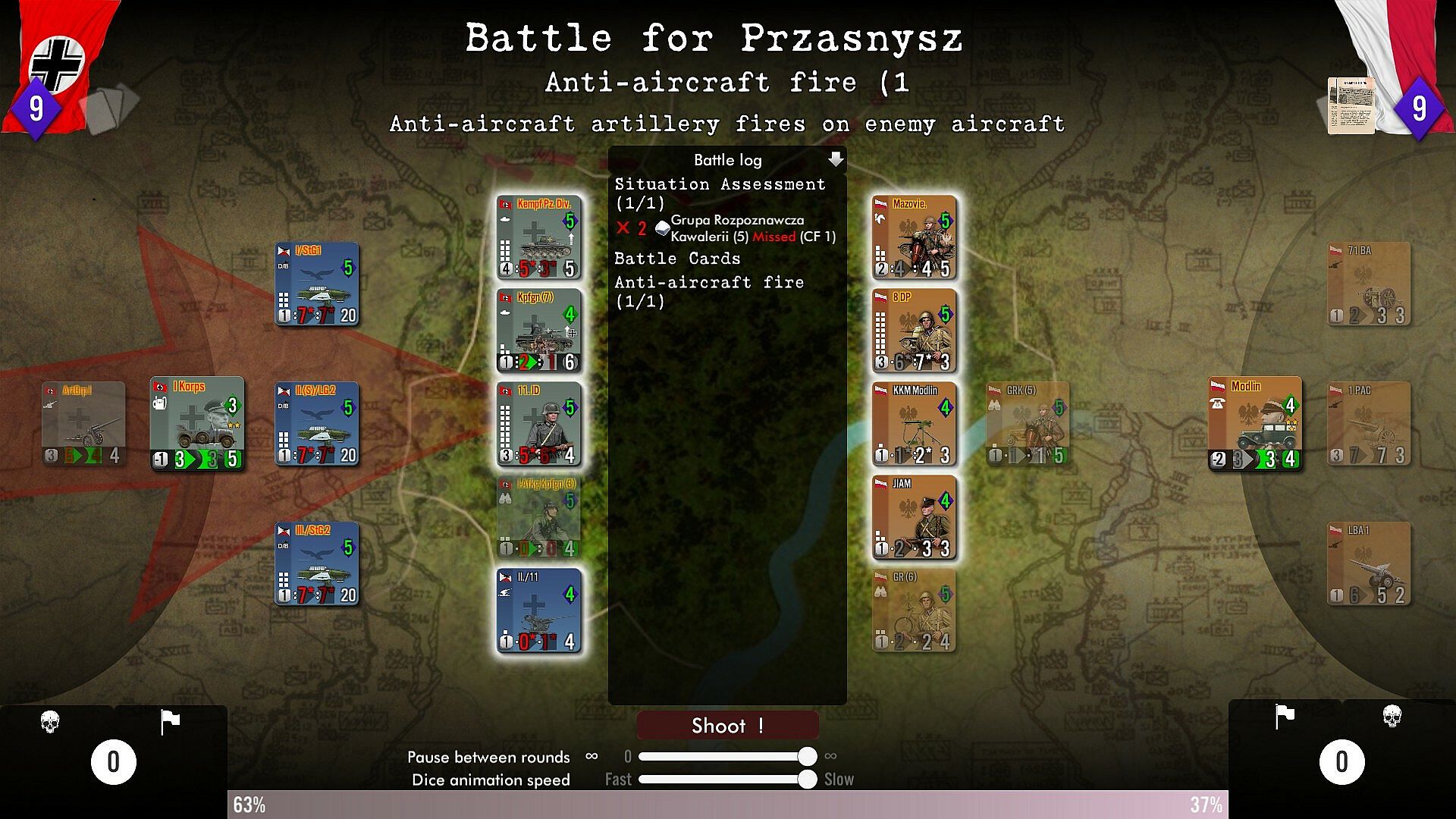
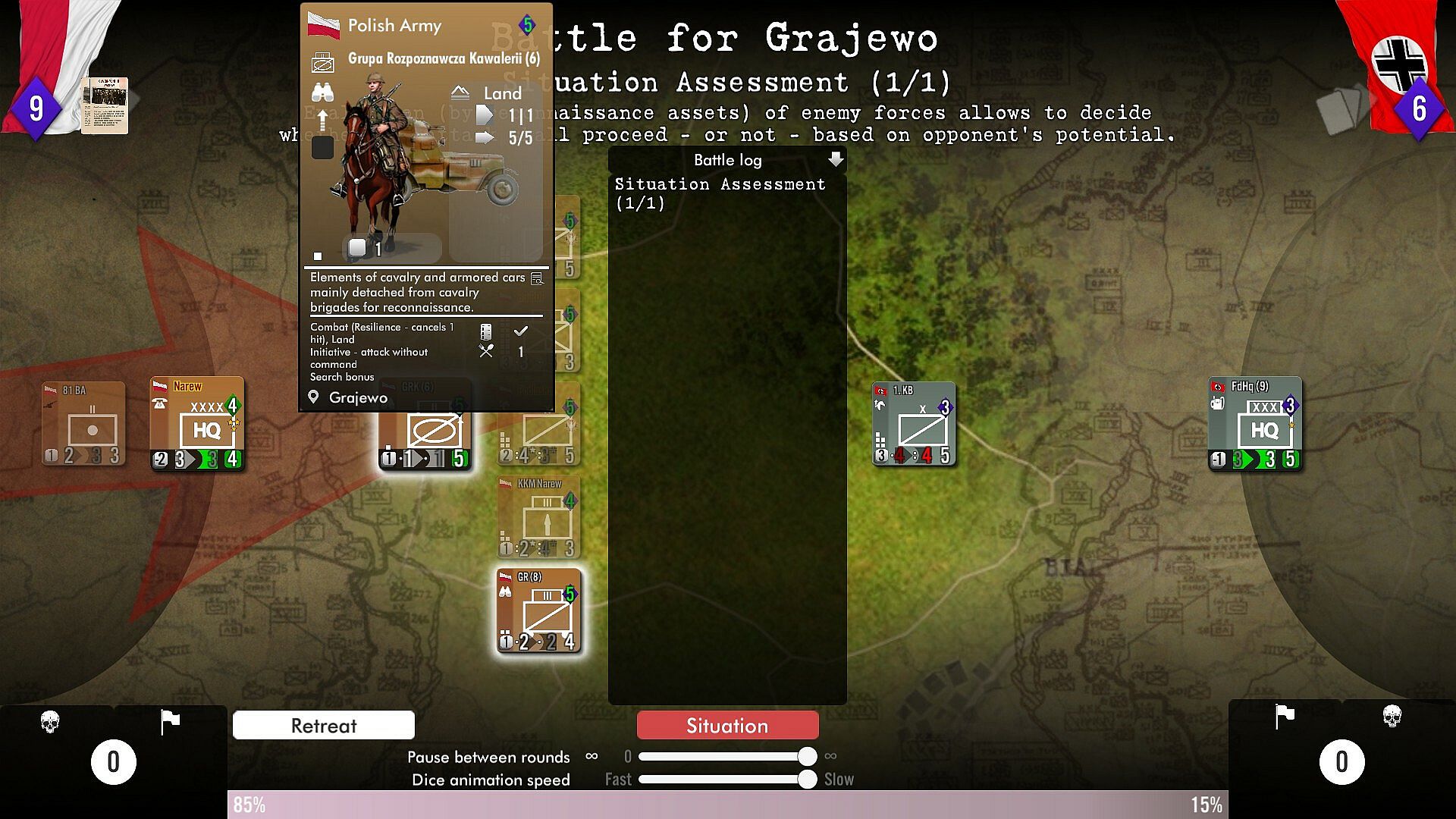
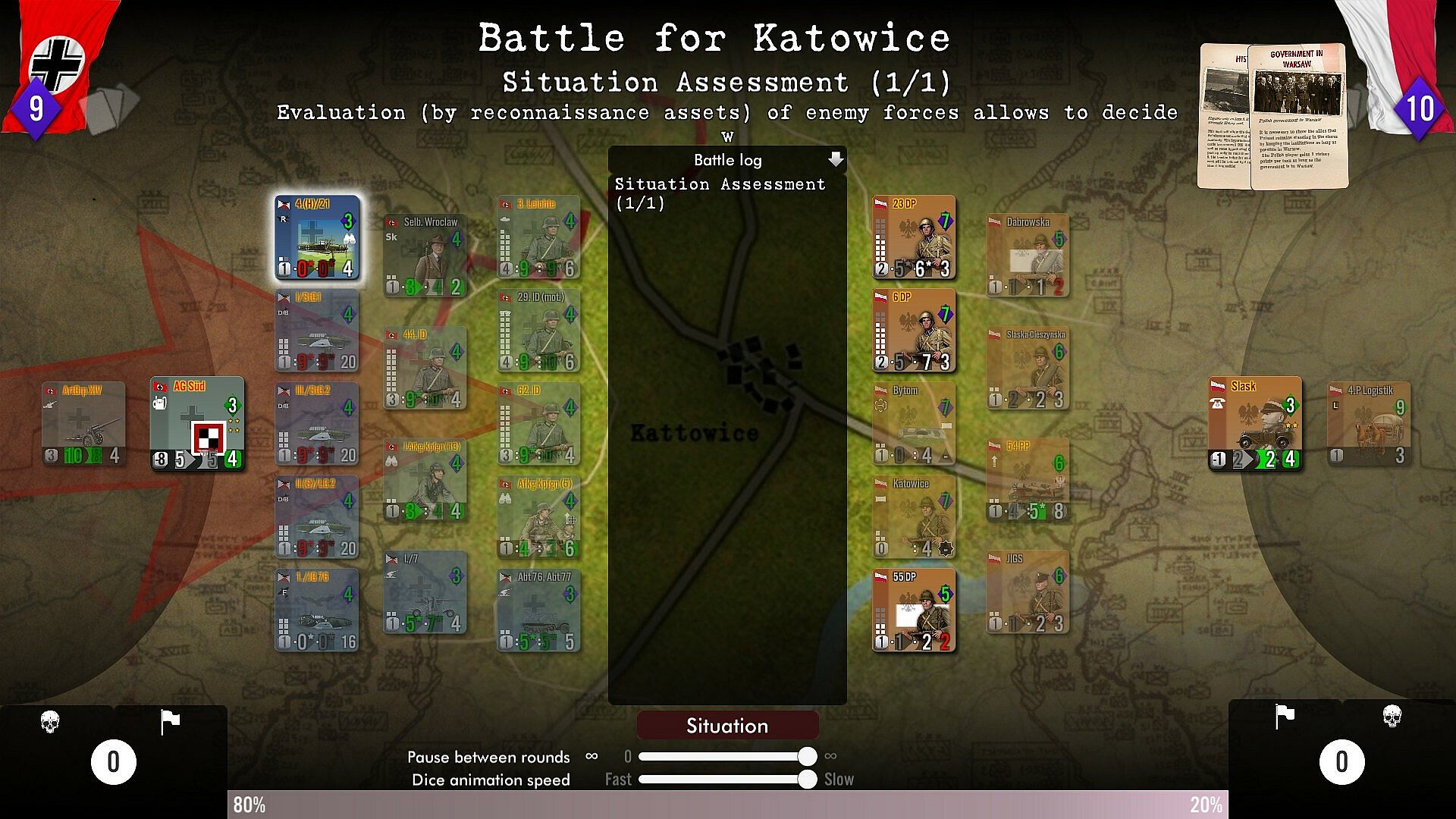
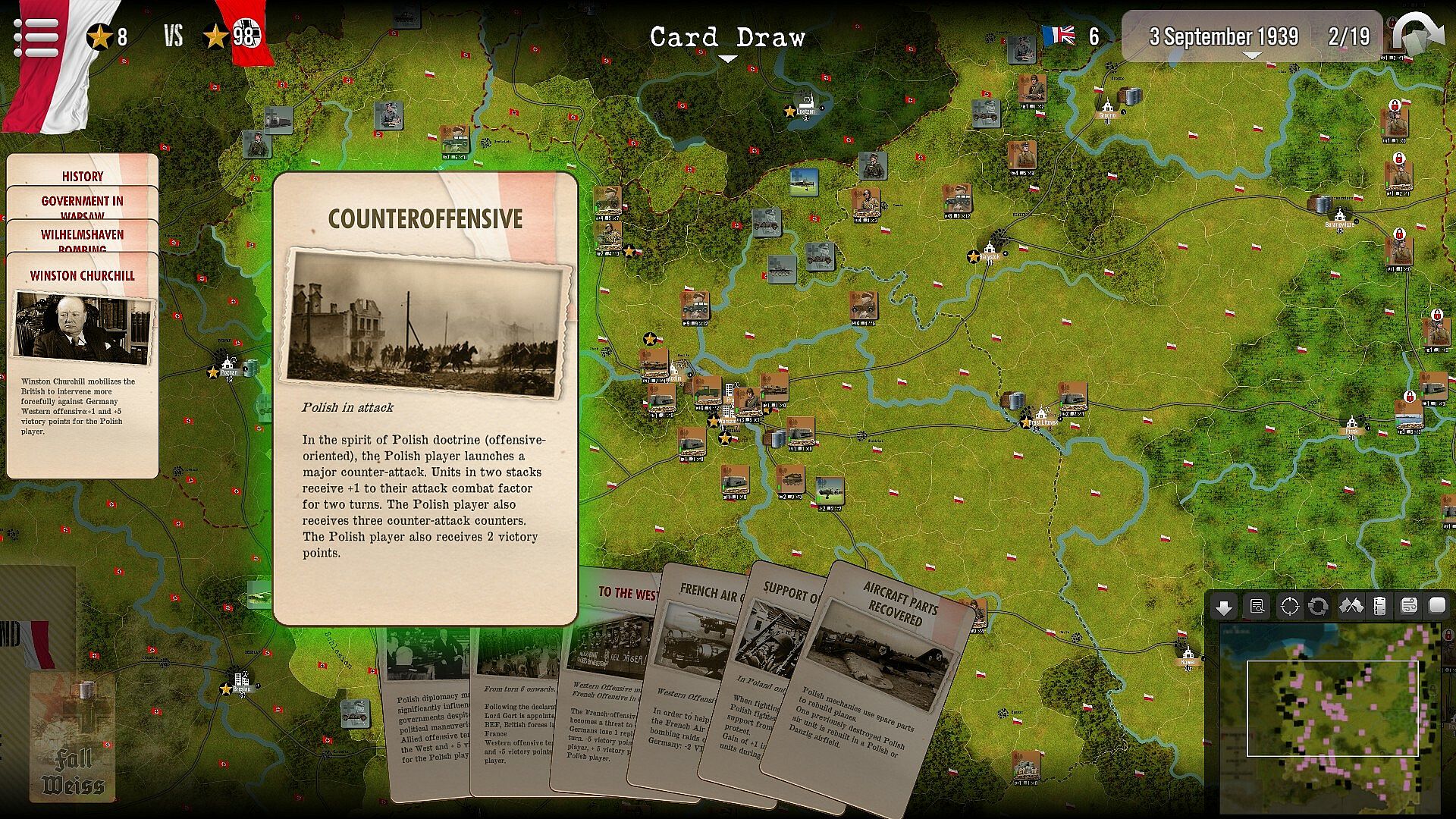
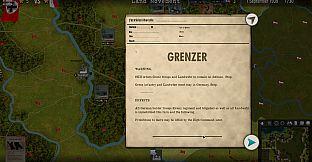
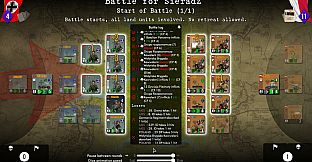
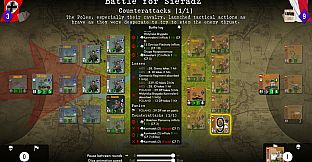
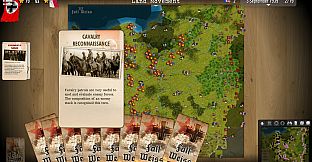
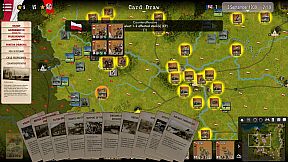
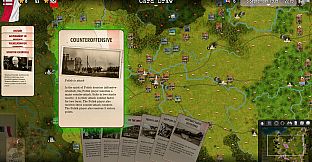
To ensure rapid success while limiting losses, the attacking player must make balanced use of air support, armoured units, artillery and regular infantry, taking into account the effects of the terrain (woods, forests, rivers, etc.). He also has to deal with the cards in his hand, which simulate perfectly successful tactical or operational actions or events with a strategic dimension: from the bonuses brought about by the increasing use of Pervitin within German units to the increase in Polish replacements induced by popular support.
The objectives are simple. The invaders had to conquer strategic objectives, starting with Warsaw and Lvov. As long as these two cities held, Poland would not surrender. The defender must inflict as many losses as possible on the attacker and hold out as long as possible, making the most of the terrain and meticulously managing reinforcements and replacements (to replenish depleted units). The longer the German player loses time and suffers losses, the more difficult it could be to launch a subsequent offensive to the west (which no-one had yet imagined at the time) on the date that history will remember (10 May 1940)...
Furthermore, by holding out for a long time and depending on events and the cards played, an Allied offensive in the West against less solid German troops (the best units being committed against Poland) could well occur, causing an automatic German defeat. The Axis forces are powerful, but they have to move very quickly (not to mention the fact that, as time passes, the Polish player will be able to set up more and more defensive positions). Historically, the great Allied offensive of 1940 that was promised to Poland a fortnight after a possible invasion never took place. But let's imagine for a moment that the German forces were in great difficulty in Poland, with an accumulation of events unfavourable to Berlin... Bad weather could also appear, favouring the defenders.
The Soviet invasion will add to the initial shock caused by the Germans. The Polish player is faced with an additional choice: anticipate this invasion and leave relatively large numbers of troops in the east. Or, on the contrary, clear the eastern border to reconstitute the units destroyed by the German invasion.
Fall Weiss contains a main campaign that covers the entire conflict. The simple rules of classic SGS apply, densified by those developed by the designer of SGS NATO's Nightmare. SGS Fall Weiss is not as complicated as SGS NATO's Nightmare, but the rules specific to this game (and to the series of German campaigns from 1940-1941) make them innovative games based on a tried and tested system.
This campaign is really two games in one. At the start of the game, the players (player against player in pbem or player against AI) are offered a historical variant and an alternative variant.
The historical variant removes many options or events that did not take place (such as an early Polish mobilisation that was not cancelled at the end of September), allowing for a game experience that does not include the major milestones of this conflict. There are, however, elements of uncertainty to ensure that the game can be played again and again. The arrival of numerous reinforcements is not strict (they can arrive in a given period around a fixed date).
The alternative variant allows for events that did not take place historically: the Polish army can be partially modernised, with a better air force. It can mobilise earlier. The Germans can take different strategic actions. And what if the USSR did not invade Poland after all ?
Like all other SGS games, free content will be added over time. Not just in terms of various improvements, but in terms of real content. Players who own the game will benefit from these additions automatically. The addition in question will involve new scenarios in addition to the two-part campaign. Most of these scenarios will be smaller and quicker to play.
The fact remains, however, that the addition of content may also relate to the campaign, such as, for example, what is envisaged for the future in the hypothetical version, the possibility of an option that would see an assertive commitment from Romania.
This game opens a new series of at least four titles: Fall Weiss, France 1940, Norway 1940 and Balkans 1940-1941. These will incorporate most of the concepts from Fall Weiss (others will be developed more specifically). France 1940 will focus on the German offensive in the West in May-June 1940, including the Italian attack on France. It will be more or less a monster game by the author of SGS NATO's Nightmare (who also reworked the initial Fall Weiss project).
SGS Fall Weiss was initially designed by the masterminds behind the Wars across the World (WAW) series, before being taken over and completely reworked by the designer of SGS NATO's Nightmare. He will also be the designer of France 1940, Norway 1940 and Balkans 1940-1941 (which could be in two parts: the campaigns in Greece and Yugoslavia and a battle in Crete). Ideas are in the pipeline for a simple way of linking Fall Weiss to France 1940, so that players could conduct the first campaign (Fall Weiss) and the result of that campaign could be taken into account in a simple way when launching the France 1940 campaign...
- Germany fielded many powerful armoured units, whose formidable tactical effectiveness was expressed, for example, in the "kampfgruppen". Air superiority was also useful in trying to annihilate the Polish air force and then hinder Polish movements and the delivery of reinforcements. These armoured units were able to move quickly, pushing Polish forces and preventing them from reconstituting defensive lines (by taking particular advantage of the waterways), but very bold advances could also put them in danger from Polish counter-attacks and the risk of running out of supplies.
- The Polish troops had to hold out as long as possible, even if defeat soon seemed inevitable, as explained above. Many of their units were of excellent quality and Polish morale was exceptional: the fighters were - at least initially - convinced that the Allied offensive in the west was about to be launched. At the same time, they were fighting for their survival.
- The Soviet armies were specific: although they were numerous and relatively well equipped in terms of armour and aviation, their use was much less flexible in 1939 than that of the Germans, because Stalin had just completed the period of the Great Purges. The surviving officers were not the most effective, and their fear of displeasing or attracting the attention of the master of the Kremlin caused a major paralysis within the Red Army. As a result, the Soviet forces were fragile and lacked the German capacity for a devastating offensive. But as they arrived at a time when, in principle, Poland had dismantled its eastern front, their action should be facilitated.
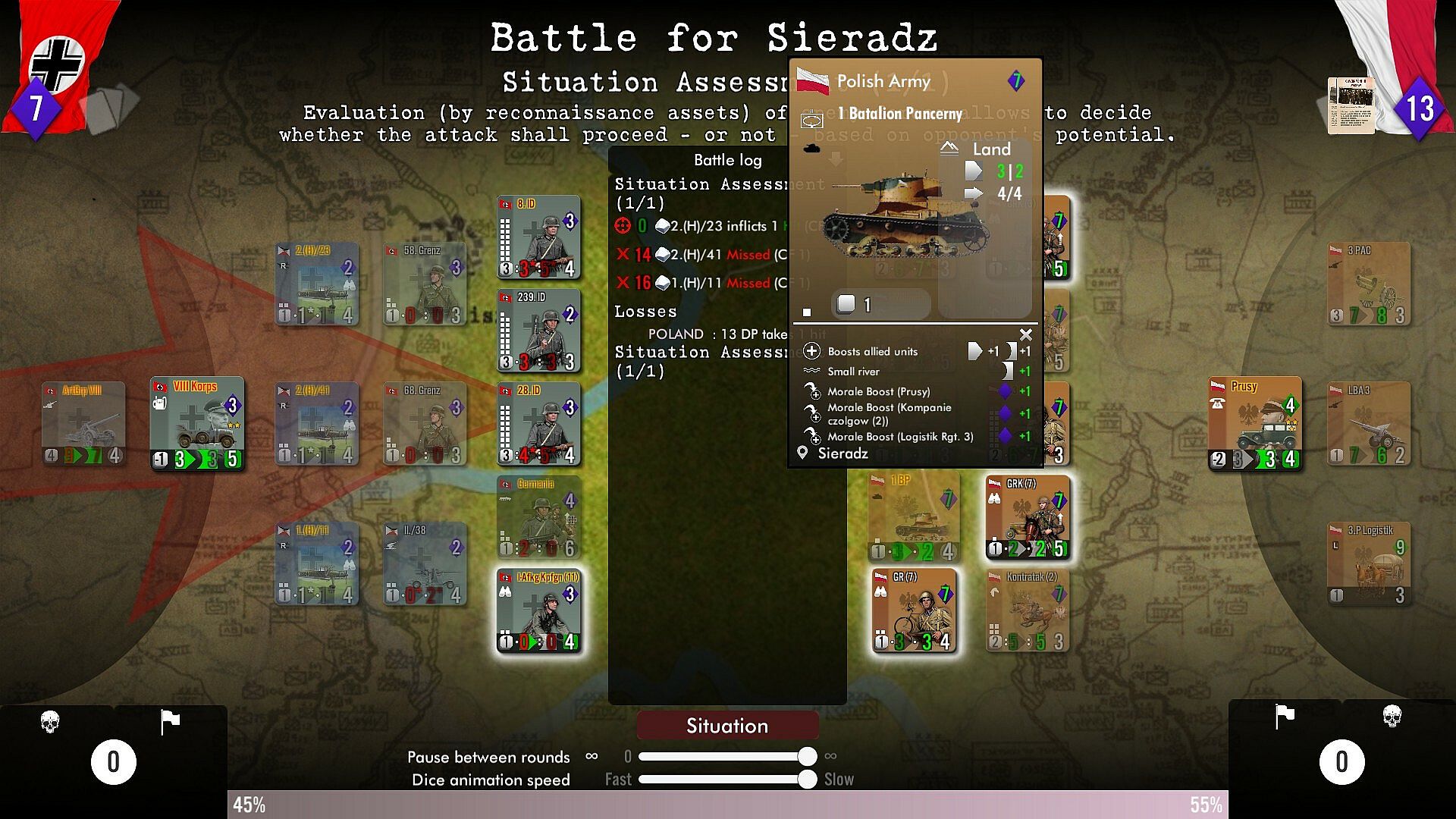
Geographically, Poland remains a vast plain where obstacles are rare, with the exception of the major rivers. The lines of defence therefore had to be located mainly on these water crossings, which provided significant defensive bonuses during battles. But with their mobility and their operational and tactical skills, the Germans will try to prevent the Poles from forming viable defence lines.
The game's event cards offer a high degree of replayability, thanks to the many different situations they create in diplomatic, military, political and economic terms. The options at the start of the campaign, with the choice of a historical or hypothetical campaign, contribute significantly to this replayability.
Estimated playing time: from 1 hour to several hours, depending on the scenario...
Most difficult to play: Poland.