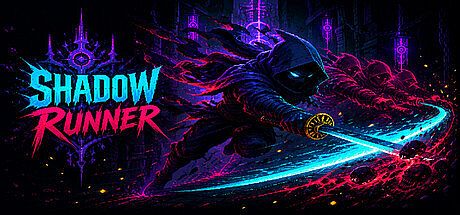



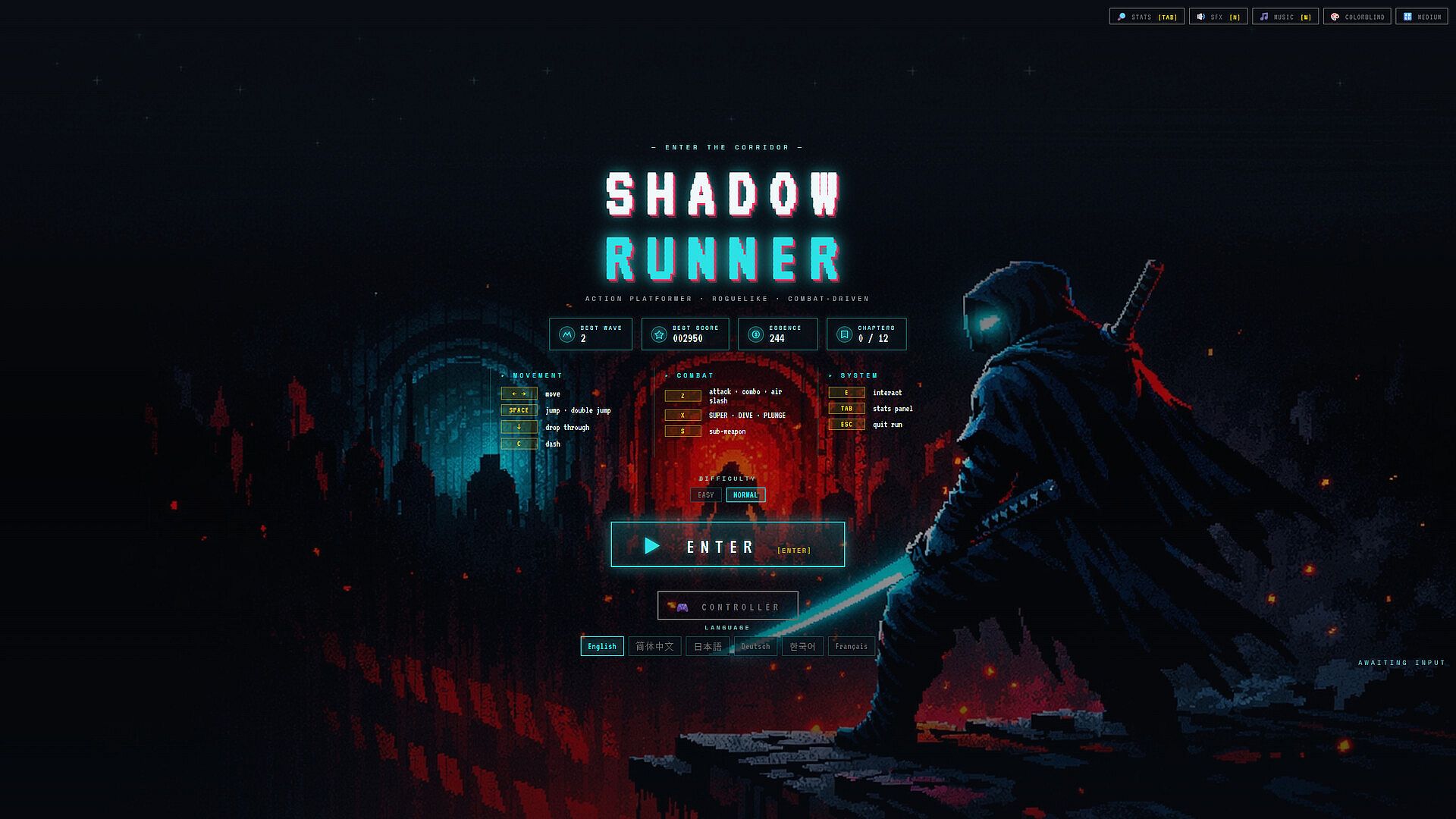
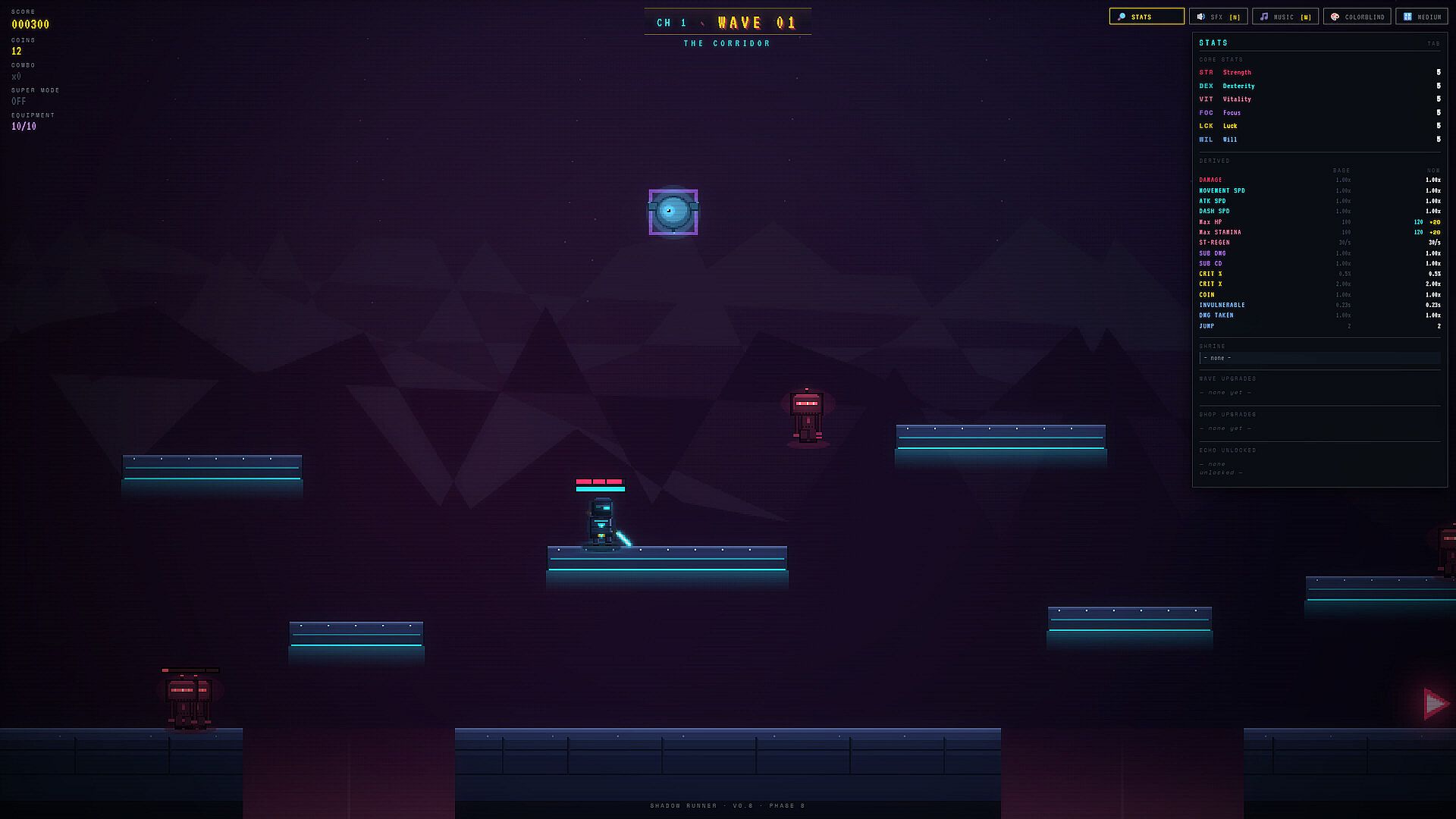



Shadow Runner is a single-player action-roguelike built around precise katana combat and a one-way descent through hostile territory. Players control a lone runner armed with a blade and a selection of sub-weapons, navigating procedurally influenced runs that emphasize timing, spacing, and deliberate decision-making over rapid inputs.
Gameplay
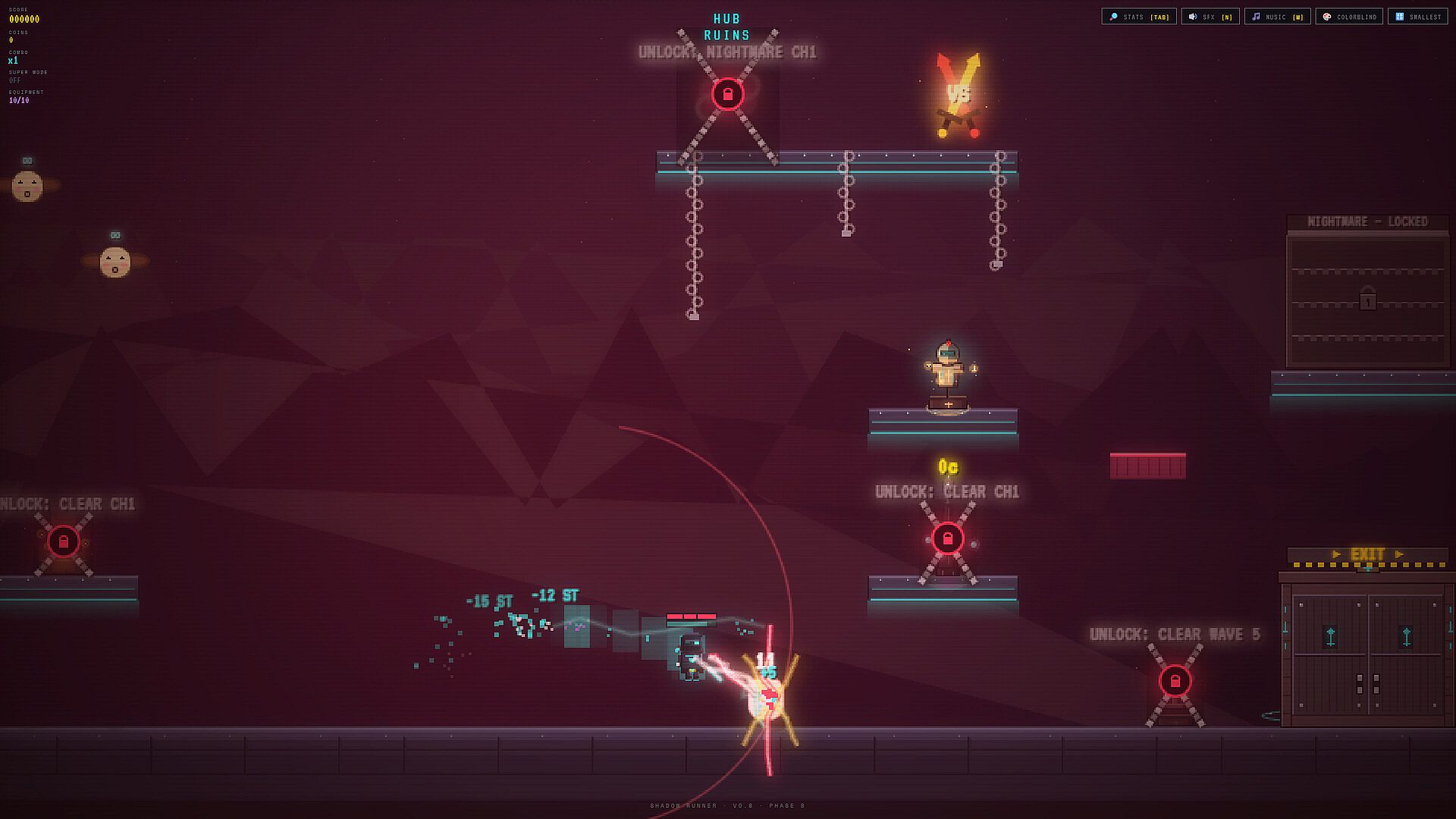
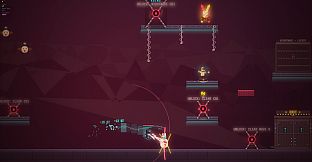
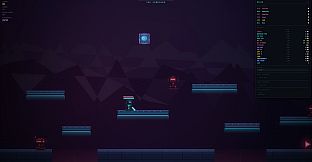
The core loop centers on expressive melee combat that rewards clean execution. Combos unfold in three distinct phases, transitioning into aerial dives and ground plunges that maintain momentum. Dive-cancels and dashes allow mid-fight adjustments to positioning, while hit-pause and slow-motion effects highlight successful strikes. Sub-weapons such as drone, grenade, knife, disc, tether, and skull provide options that players swap to suit each attempt.
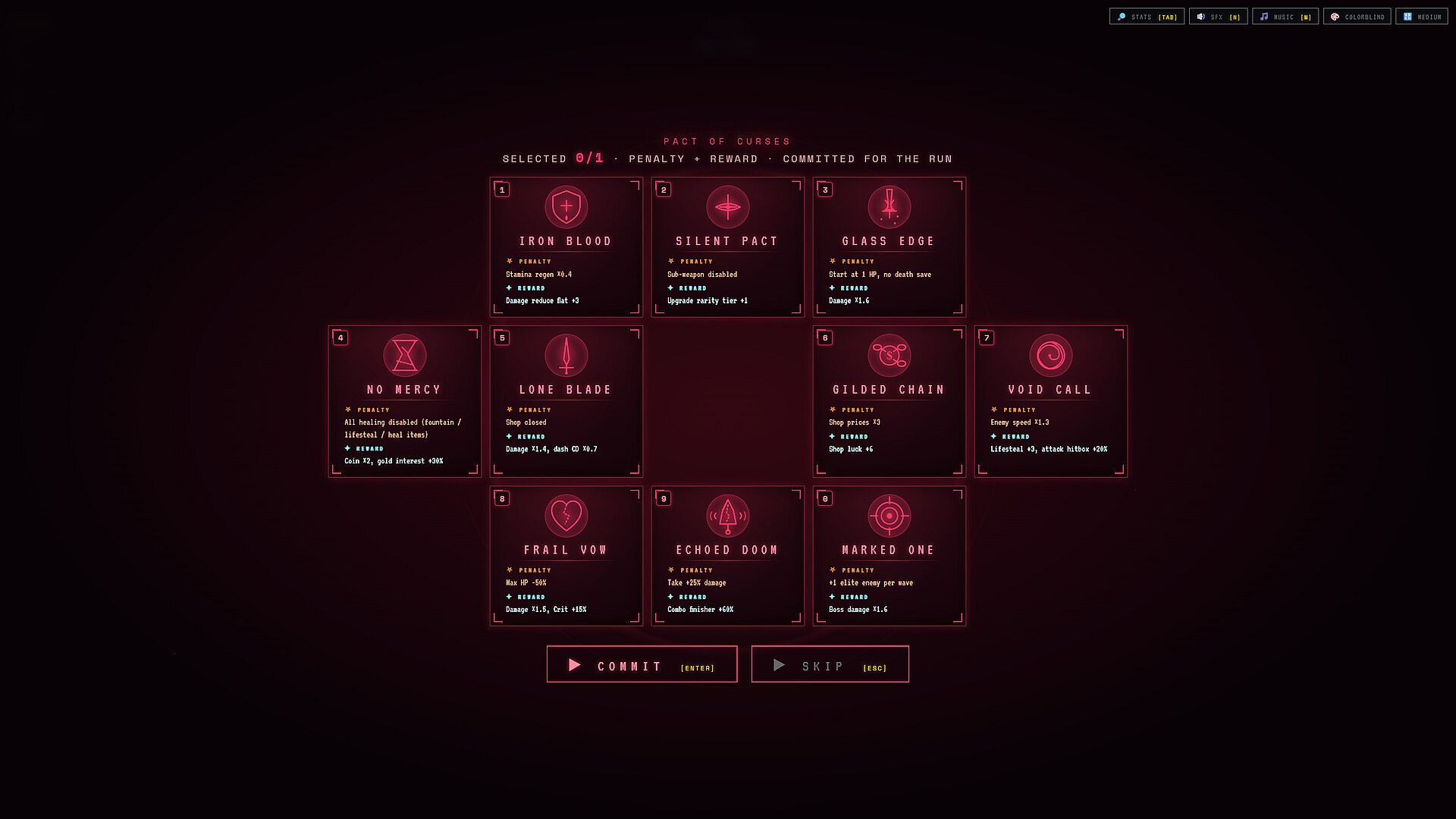
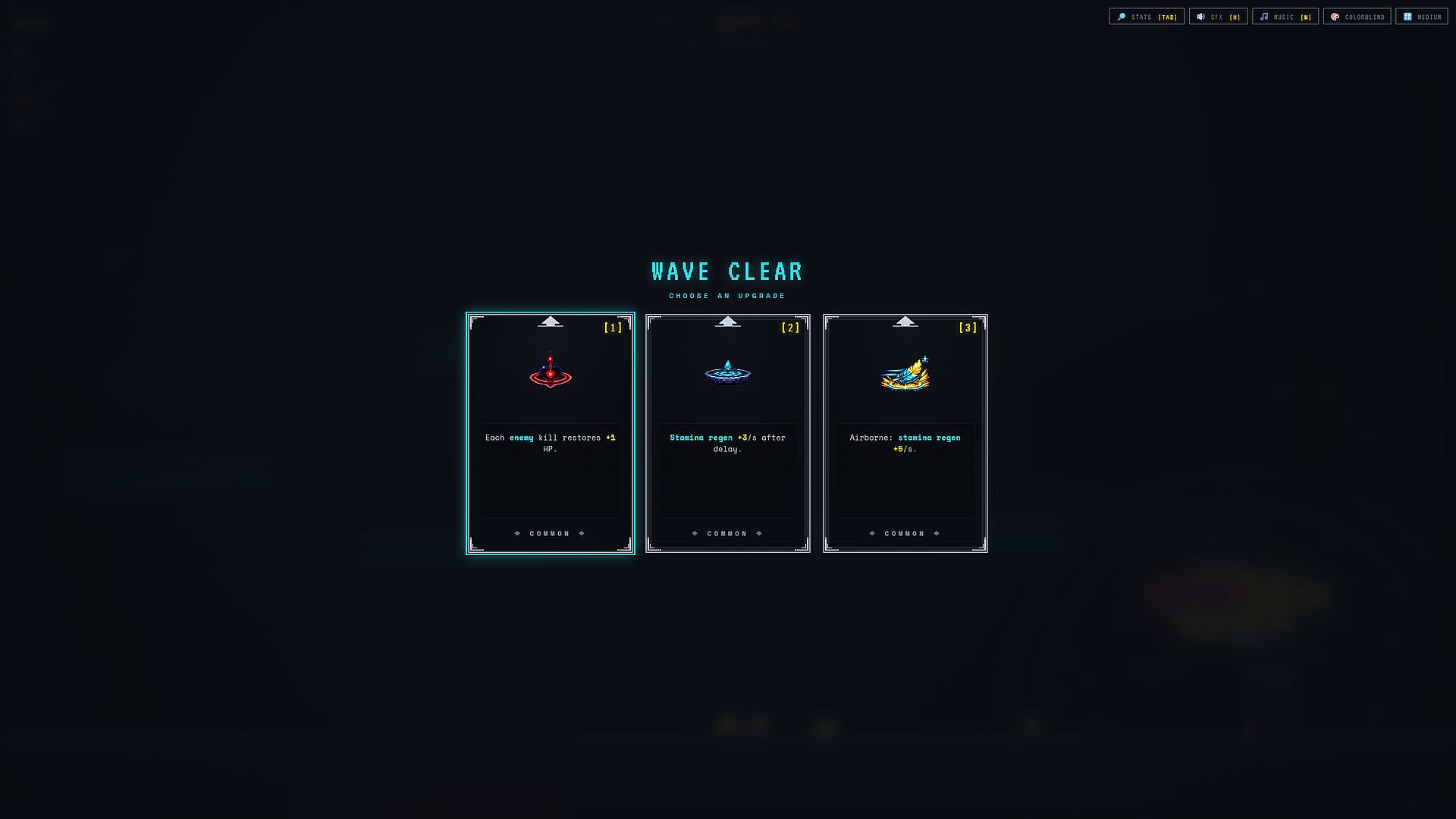
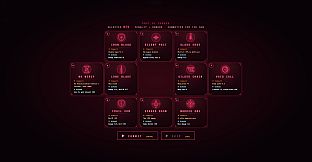
Between waves, upgrades and shrines offer choices that shape the next segment of a run. Loot carries affixes, set bonuses, and unique pieces that alter combat or survival. Curses introduce voluntary penalties that multiply rewards, forcing players to weigh risk against power. Sealed doors lead to optional challenge arenas that test aggressive playstyles.
Visuals feature neon-soaked pixel art with hand-tuned animations and responsive feel. Audio relies on a procedural engine that generates variations in real time, keeping each encounter distinct without repetition.
Game Modes
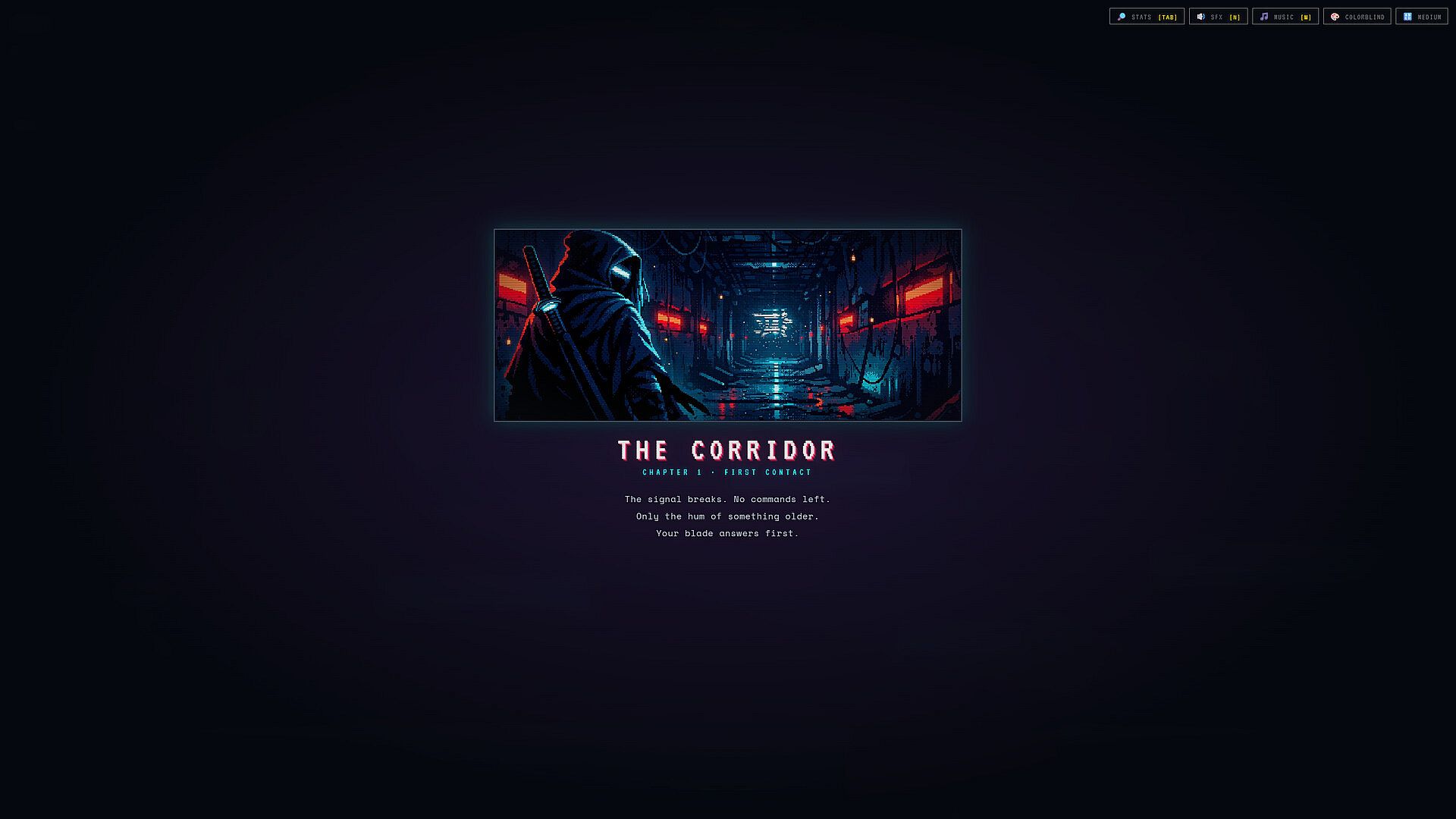
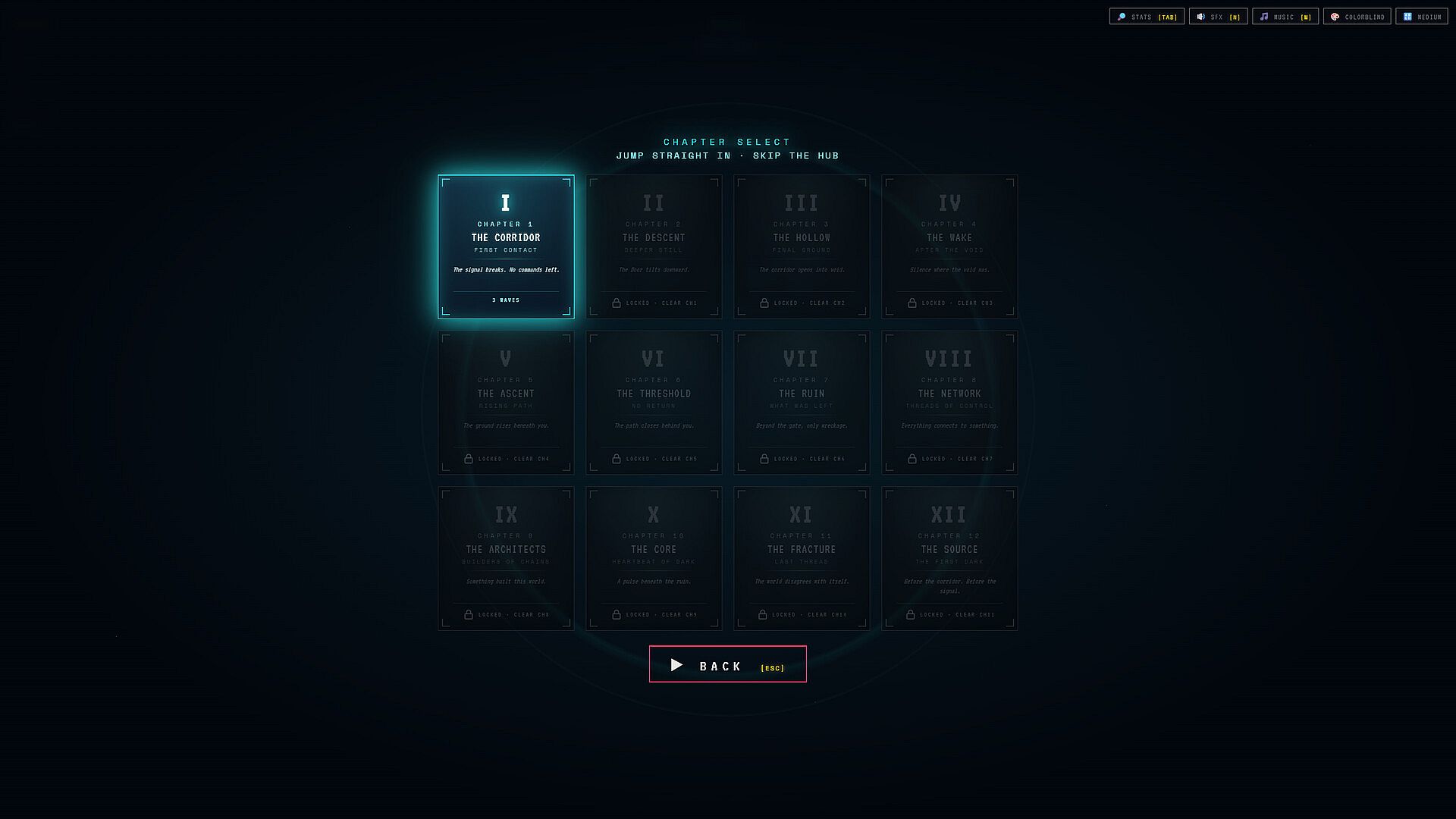
The primary experience unfolds across twelve chapters that progress from the Corridor to the First Dark. Each chapter pits the runner against twenty-three enemy types and culminates in encounters with one of four bosses: the Voidlord, the Sovereign, the Forge, or the Eye. Runs follow a linear descent structure with no option to retreat once begun.
Endless mode extends the descent indefinitely, removing chapter boundaries and allowing players to test how far they can progress under accumulating pressure. Challenge arenas scattered behind sealed doors serve as high-risk detours that grant greater rewards for those willing to engage them.
Progression and Systems
Each attempt builds on the previous through persistent systems that carry forward. Gear collected during runs carries forward with randomized affixes and set effects that encourage experimentation across multiple attempts. Shrines and upgrades drafted between waves provide targeted improvements that compound over time, while curses reshape run parameters for higher stakes and better payouts.
The structure keeps focus on individual runs rather than long-term character building. Players adapt loadouts and strategies on the fly, using sub-weapons and movement tools to handle shifting enemy compositions and environmental challenges.
Is It Worth Playing?
Shadow Runner targets players who value tight, skill-based combat within a roguelike framework. The emphasis on combo flow, spacing tools, and deliberate sub-weapon choices creates a loop that rewards practice and adaptation. Those drawn to unforgiving single-player experiences with clear risk-reward mechanics will find the described systems align with that preference.
With a planned release in August 2026 and no reviews available yet, the game remains an upcoming title. Its single-player focus and procedural audio engine suggest strong replay value for fans of precise action-roguelikes, particularly those comfortable with high difficulty and frequent restarts. The absence of multiplayer elements keeps attention squarely on mastering the blade and managing each descent.