




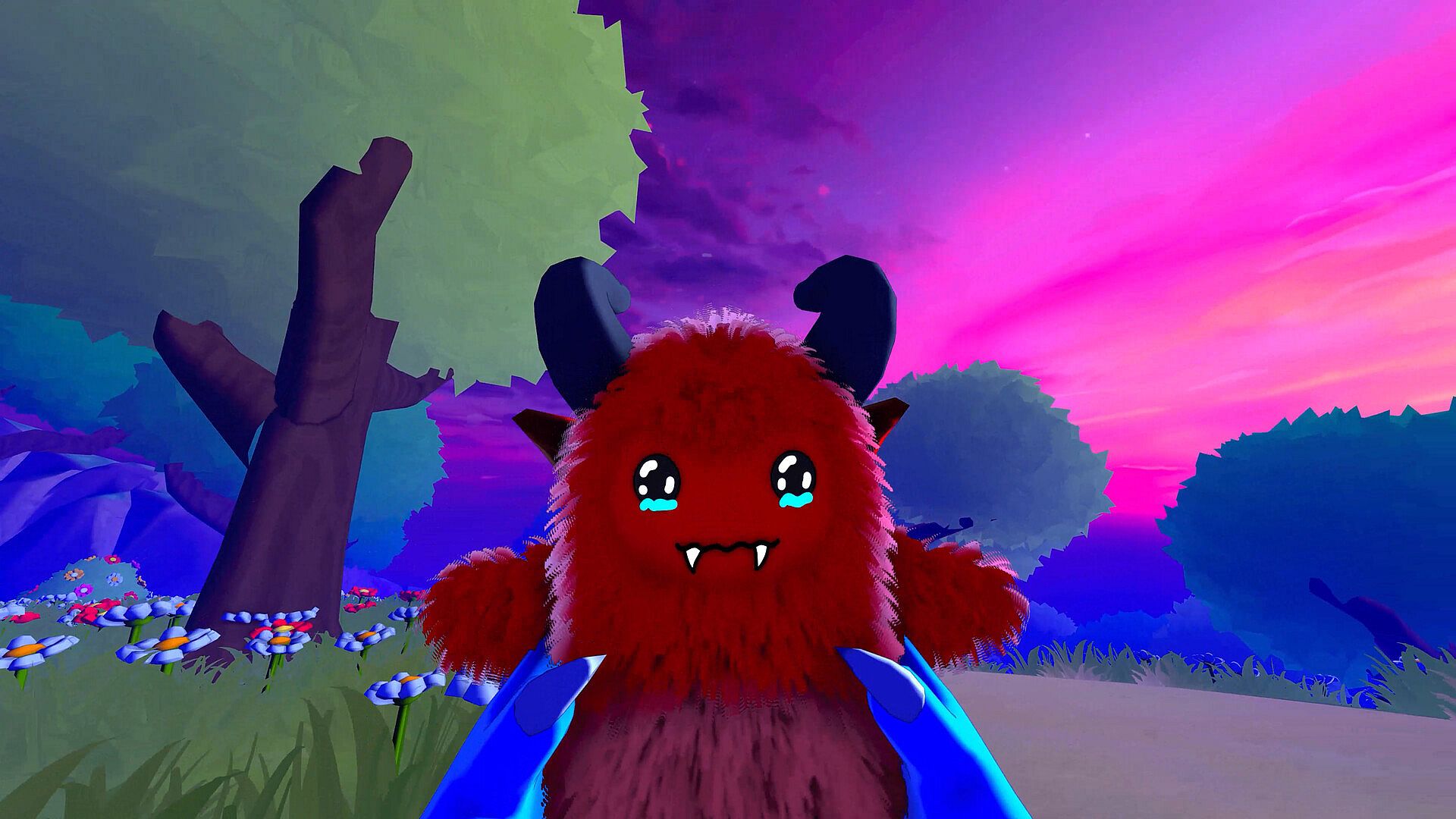
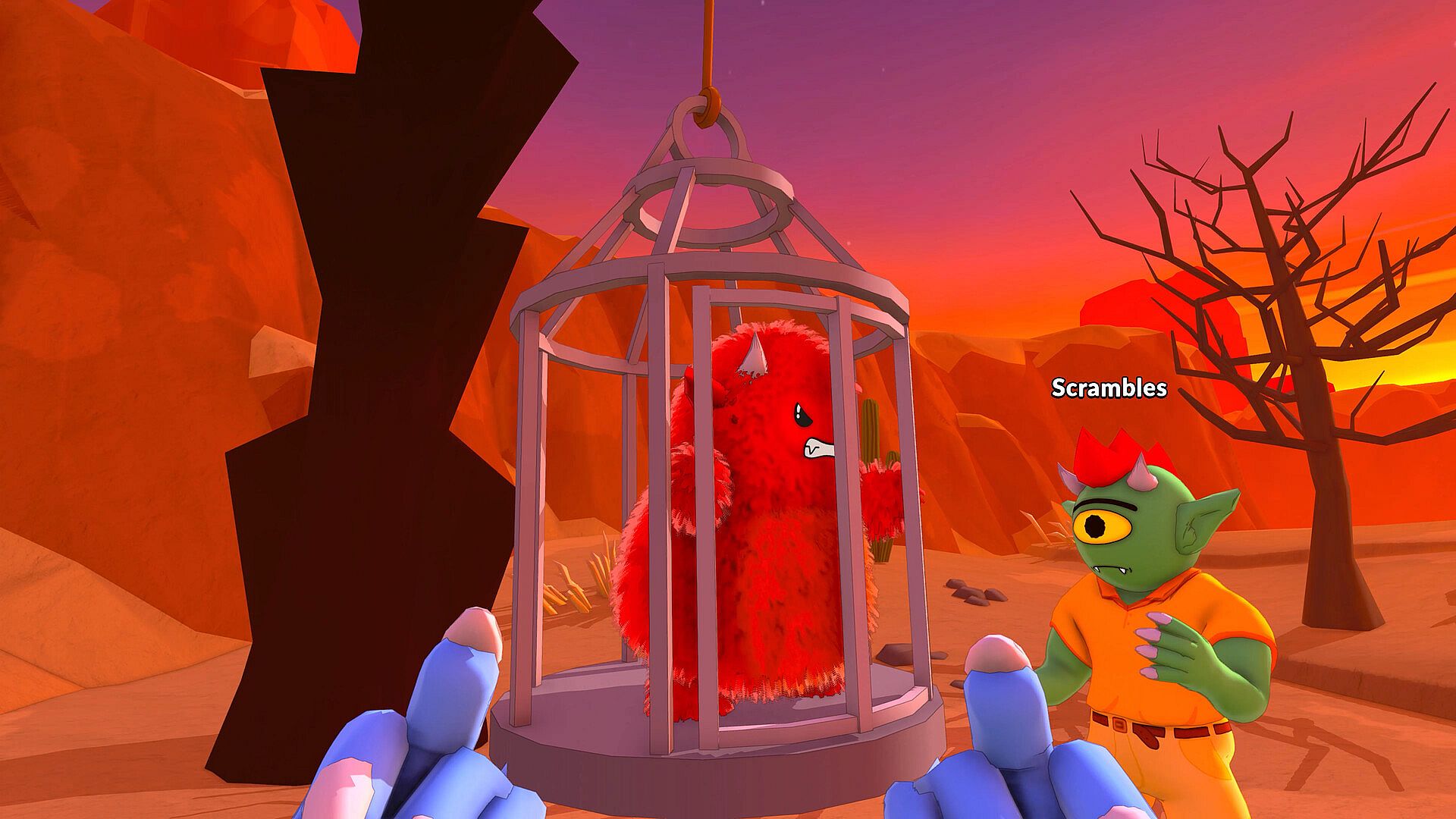
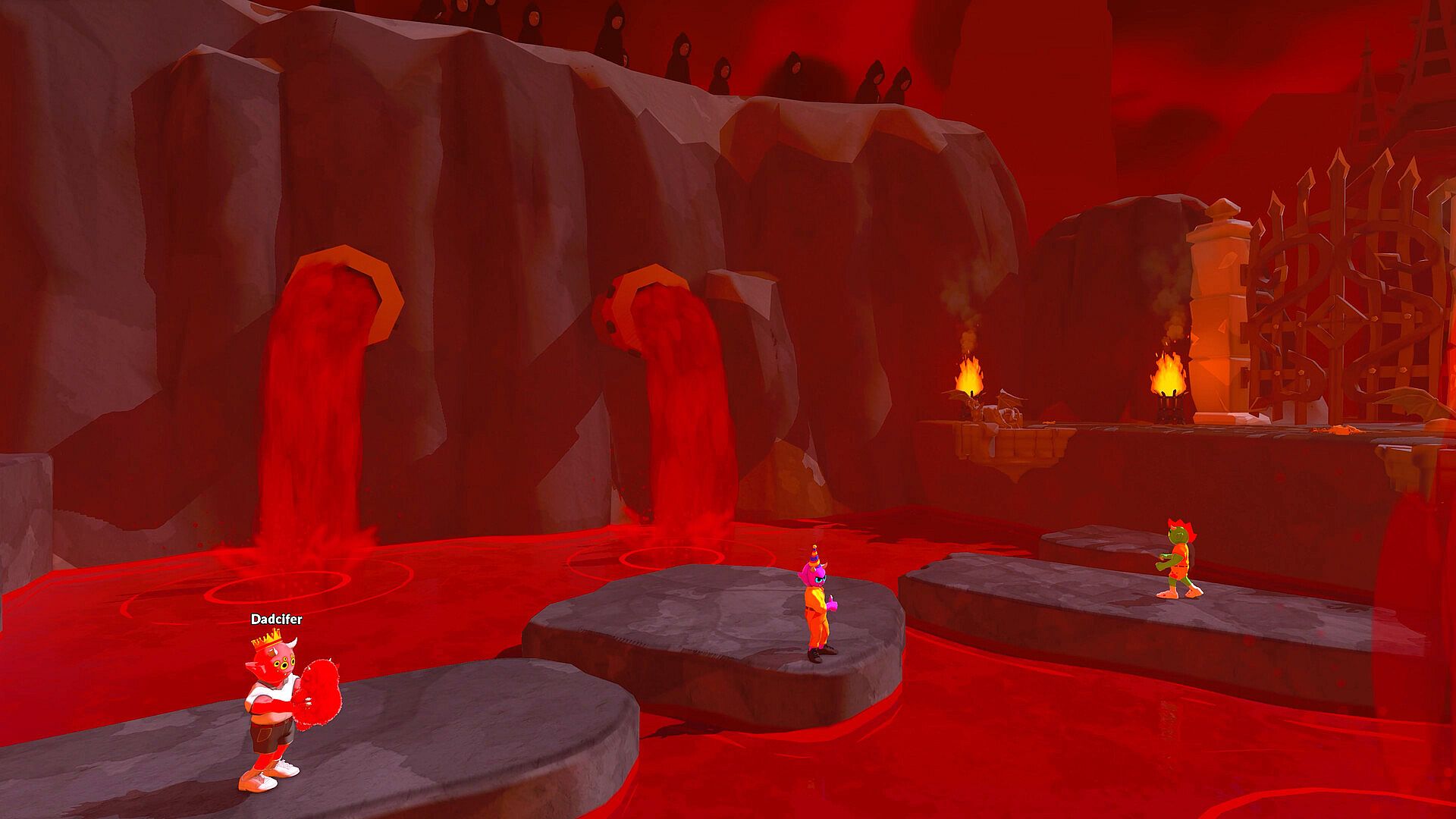
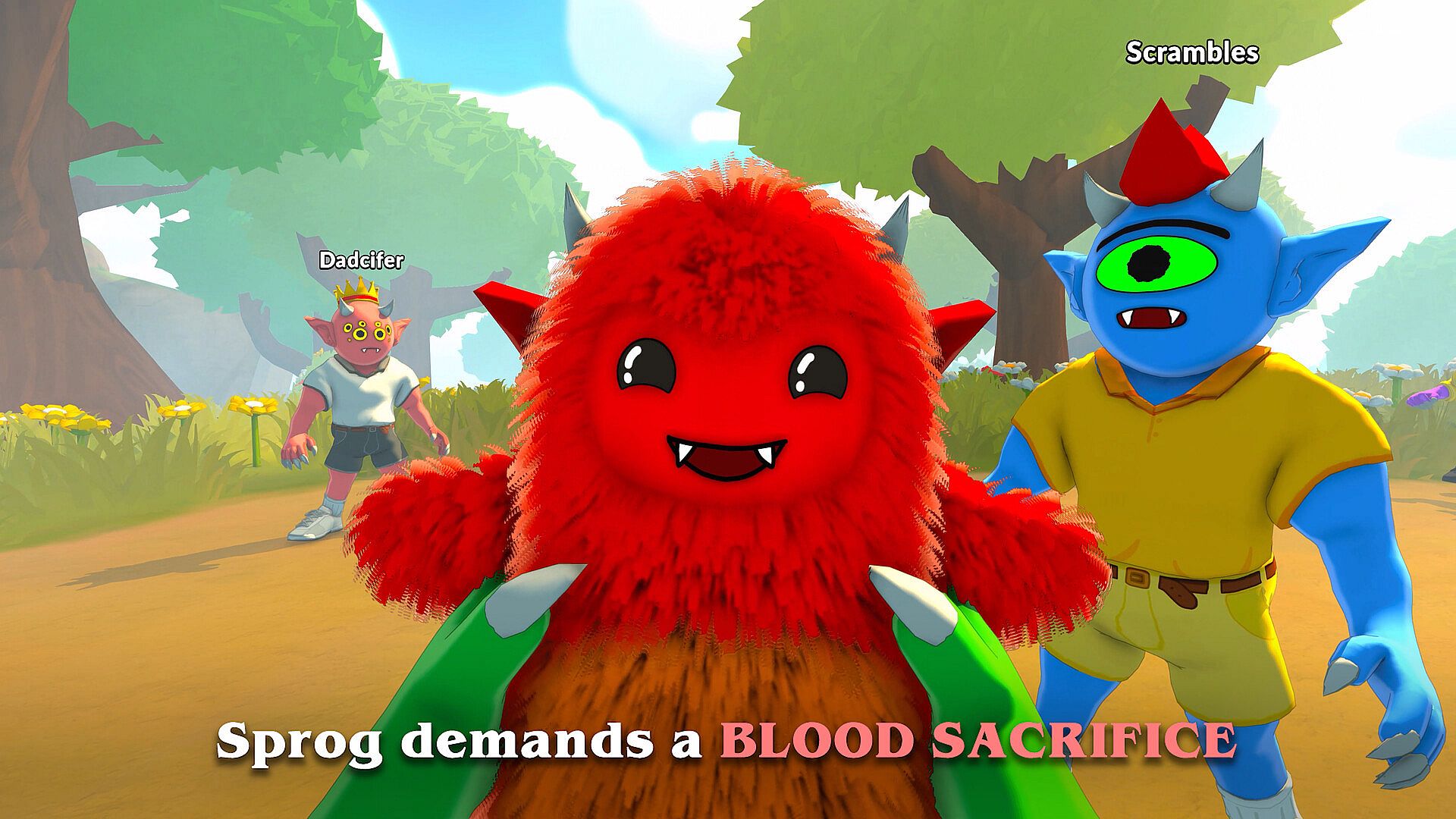
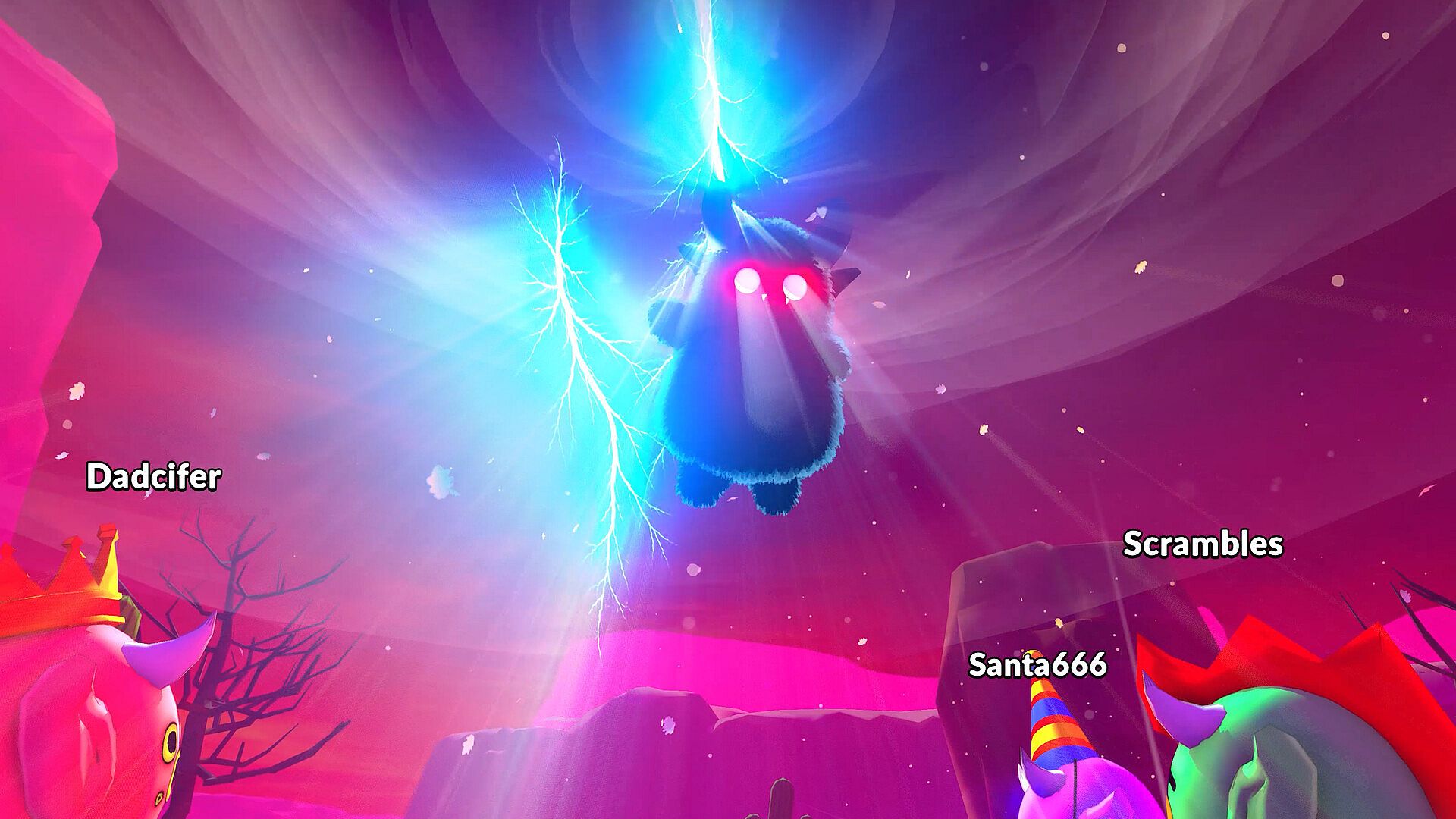
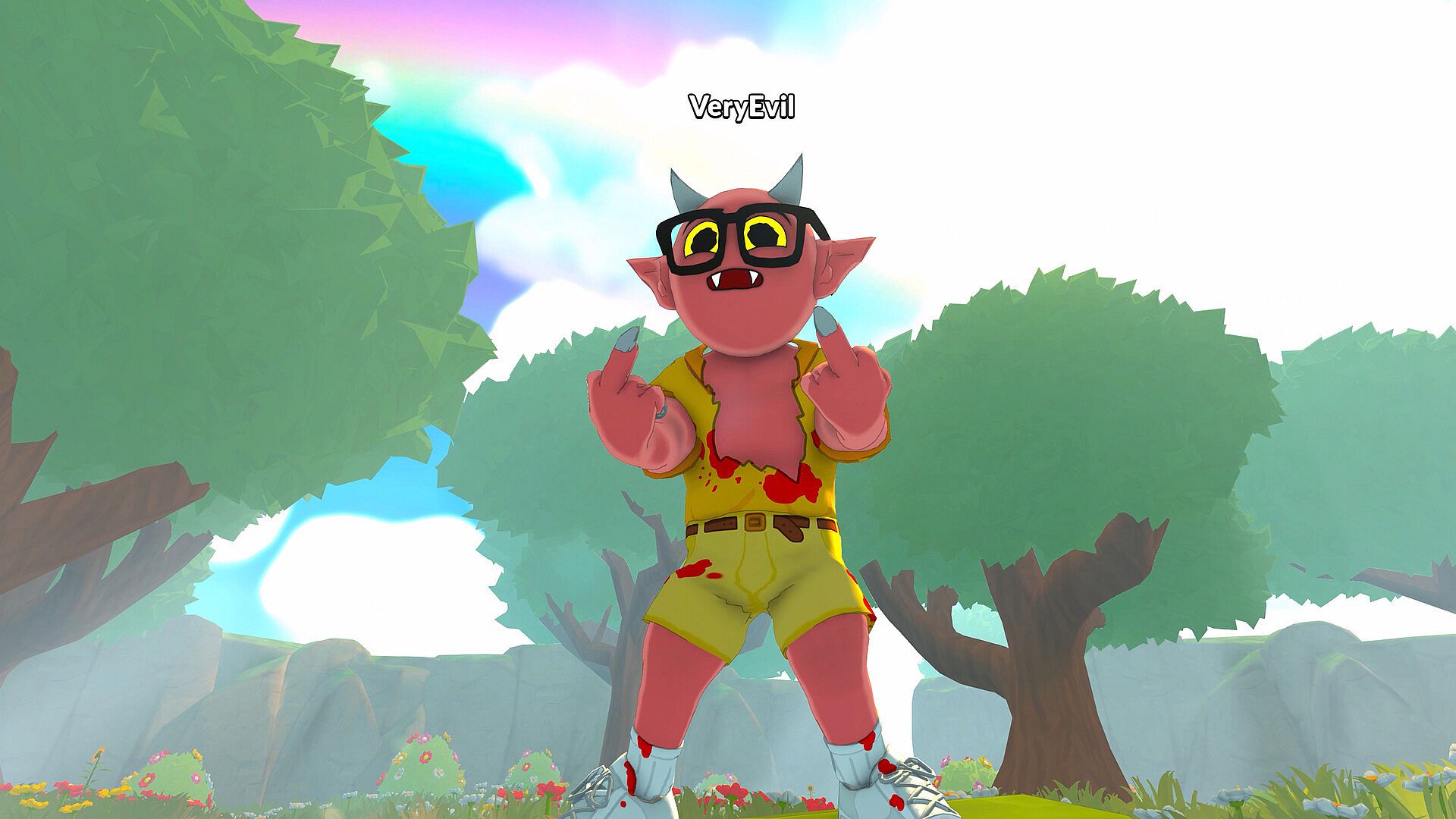
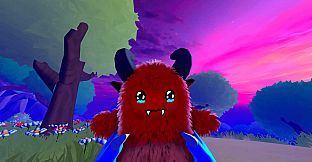
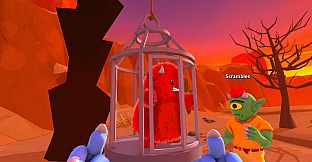
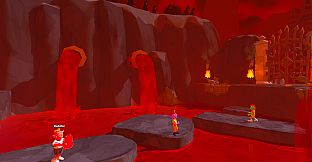
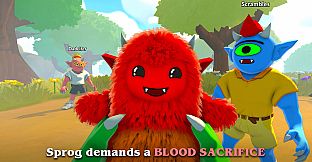
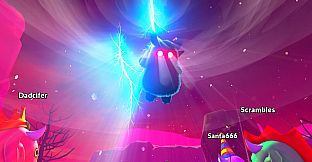
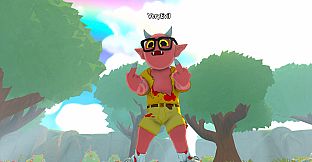
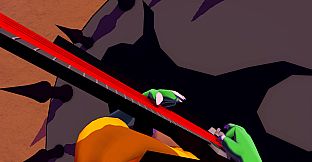
Shared Custody is a co-operative action, casual, and adventure game for PC in which one to four players escort a demanding demonic child named Sprog through dangerous environments toward the Unholy Gates. The core loop centers on keeping Sprog content and alive while managing the group's own survival in semi-procedural modular worlds filled with hazards, obstacles, and environmental puzzles.
Gameplay
Players navigate varied semi-procedural levels built from modular pieces, which ensures each run presents fresh layouts and challenges. The group must guide Sprog forward while handling hazards that test movement, climbing, and evasion. Carrying Sprog or taking damage increases burnout, a fatigue meter that slows movement, makes climbing more difficult, and reduces overall survivability. Monitoring this meter becomes essential for long-term success.
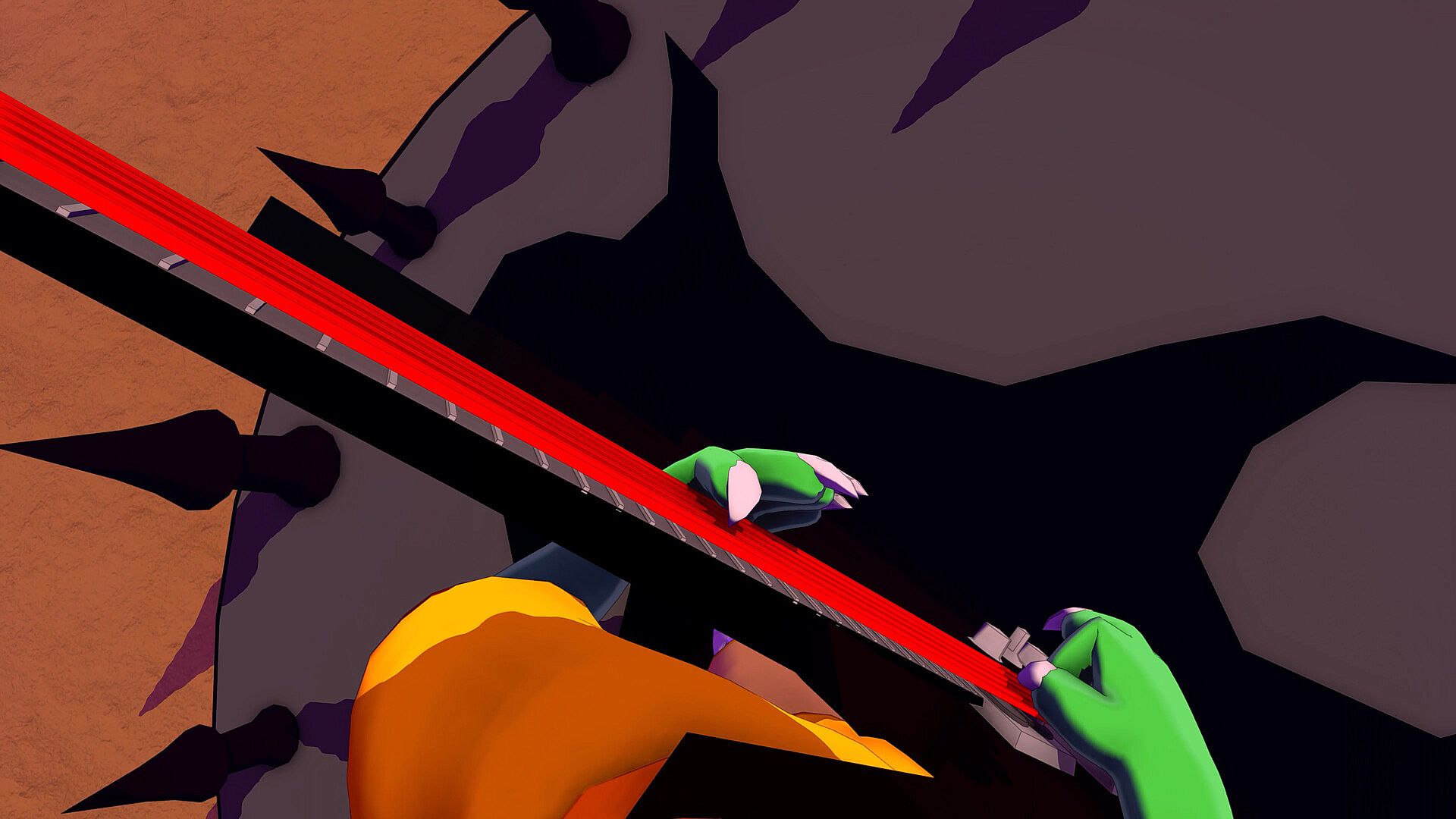
Sprog issues specific demands during the journey. These can include requests to be held by a particular player, entertainment needs, or more extreme sacrificial asks. Meeting these demands keeps him satisfied and prevents complications that could endanger the entire group. Coordination is required to divide tasks such as carrying, puzzle-solving, and hazard avoidance in real time.
The experience supports solo play as well as groups of up to four, with mechanics scaled to encourage communication and role division regardless of player count. Environmental puzzles often require simultaneous actions or careful positioning to progress safely.
Game Modes
The primary experience revolves around the escort journey through hazardous worlds to the Unholy Gates. This core loop functions as both a single-player challenge and a co-operative session for two to four participants. No separate named modes have been confirmed beyond this unified progression system that emphasizes repeated attempts through changing modular environments.
Replayability stems directly from the semi-procedural generation, which rearranges hazards, obstacles, and puzzle placements between runs. Players focus on refining coordination, managing burnout more efficiently, and responding to Sprog's variable demands across different attempts.
Core Mechanics and Systems
Burnout serves as the central risk-reward system. Every instance of damage or extended time carrying Sprog adds to exhaustion levels, directly impacting movement speed, climbing ability, and reaction time. Players must balance aggressive progress with periods of recovery to avoid becoming immobilized in dangerous sections.
Sprog's demands introduce an asymmetric layer to the co-operation. One player may need to focus on holding or entertaining him while others clear paths or solve puzzles. Failure to address these requests promptly can lead to increased difficulty or direct threats to the group's survival.
Exploration emphasizes careful navigation of modular worlds. Environmental puzzles integrate with the hazards, requiring the group to work together to open routes or neutralize obstacles without leaving Sprog vulnerable.
Is It Worth Playing?
Shared Custody targets players who enjoy co-operative challenges that reward patience, clear communication, and adaptive teamwork under pressure. The combination of escort mechanics, burnout management, and Sprog's unpredictable demands creates sessions that hinge on group coordination rather than individual skill alone.
The game remains in a pre-release state with wishlist availability on major platforms and planned tests. Those interested in short-session co-op experiments or longer collaborative runs through varied procedural layouts will find the described systems align with that preference. Solo players can still engage with the full mechanics, though the design highlights the benefits of multiple participants for handling simultaneous tasks.











