







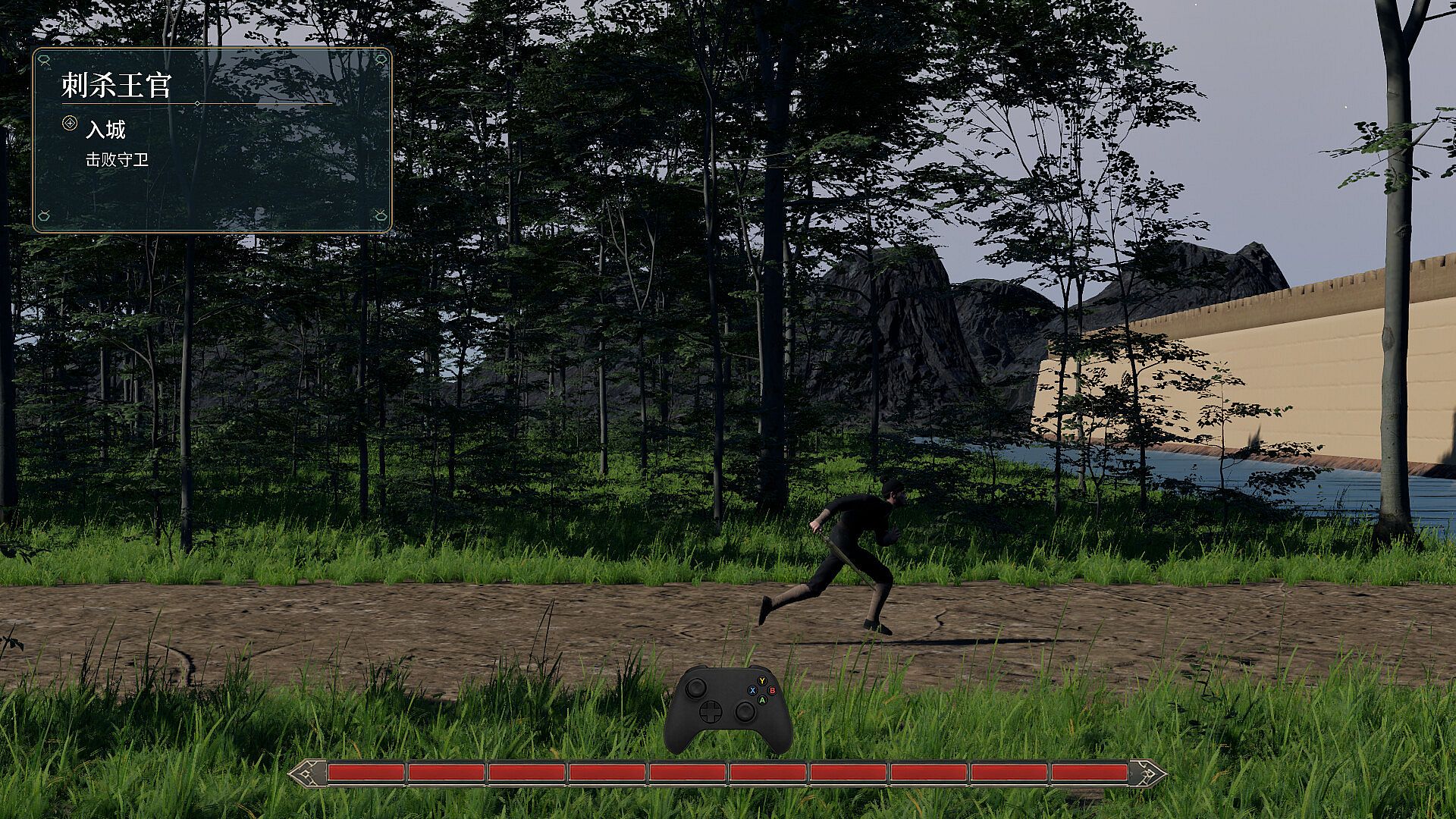
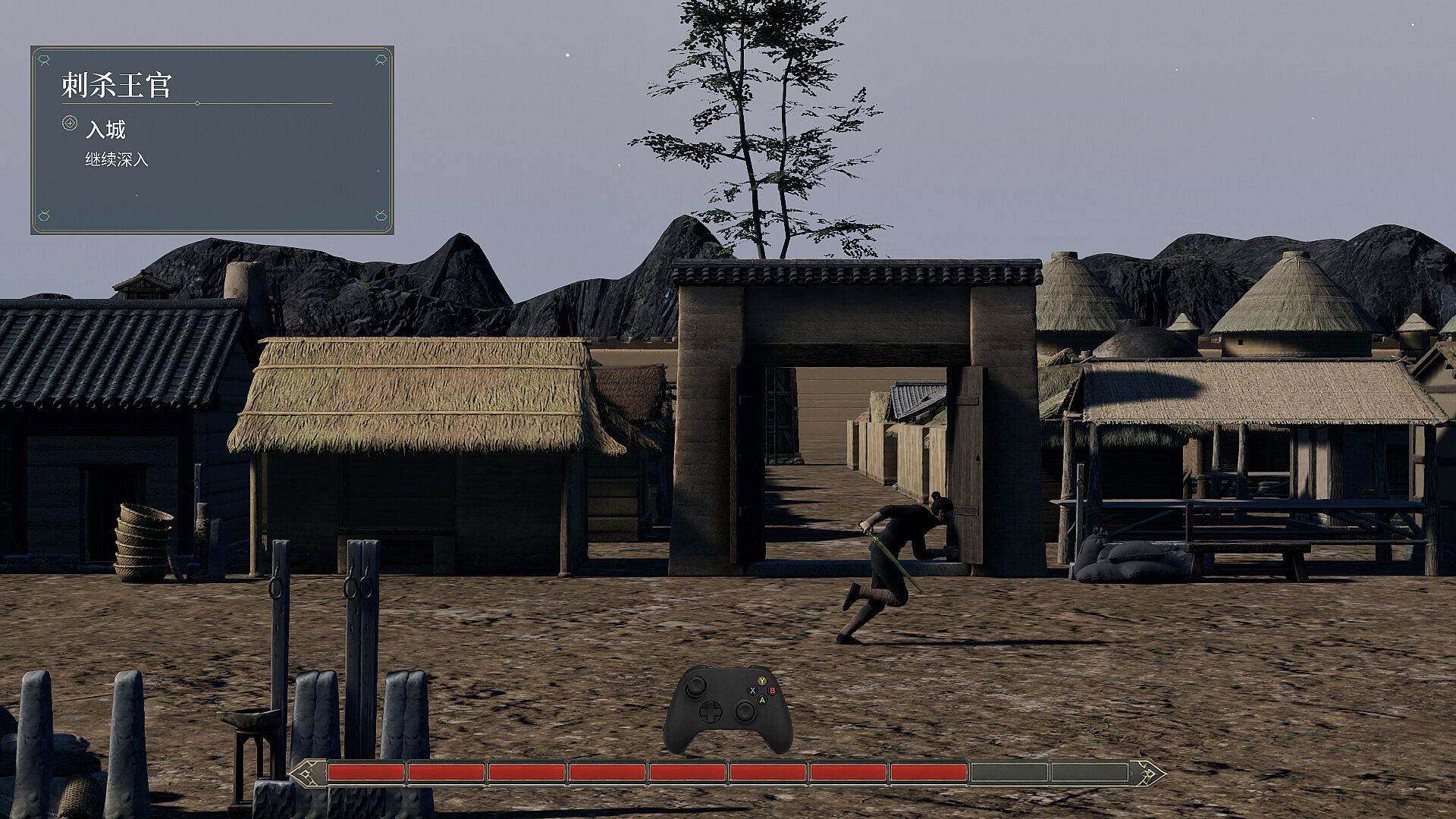
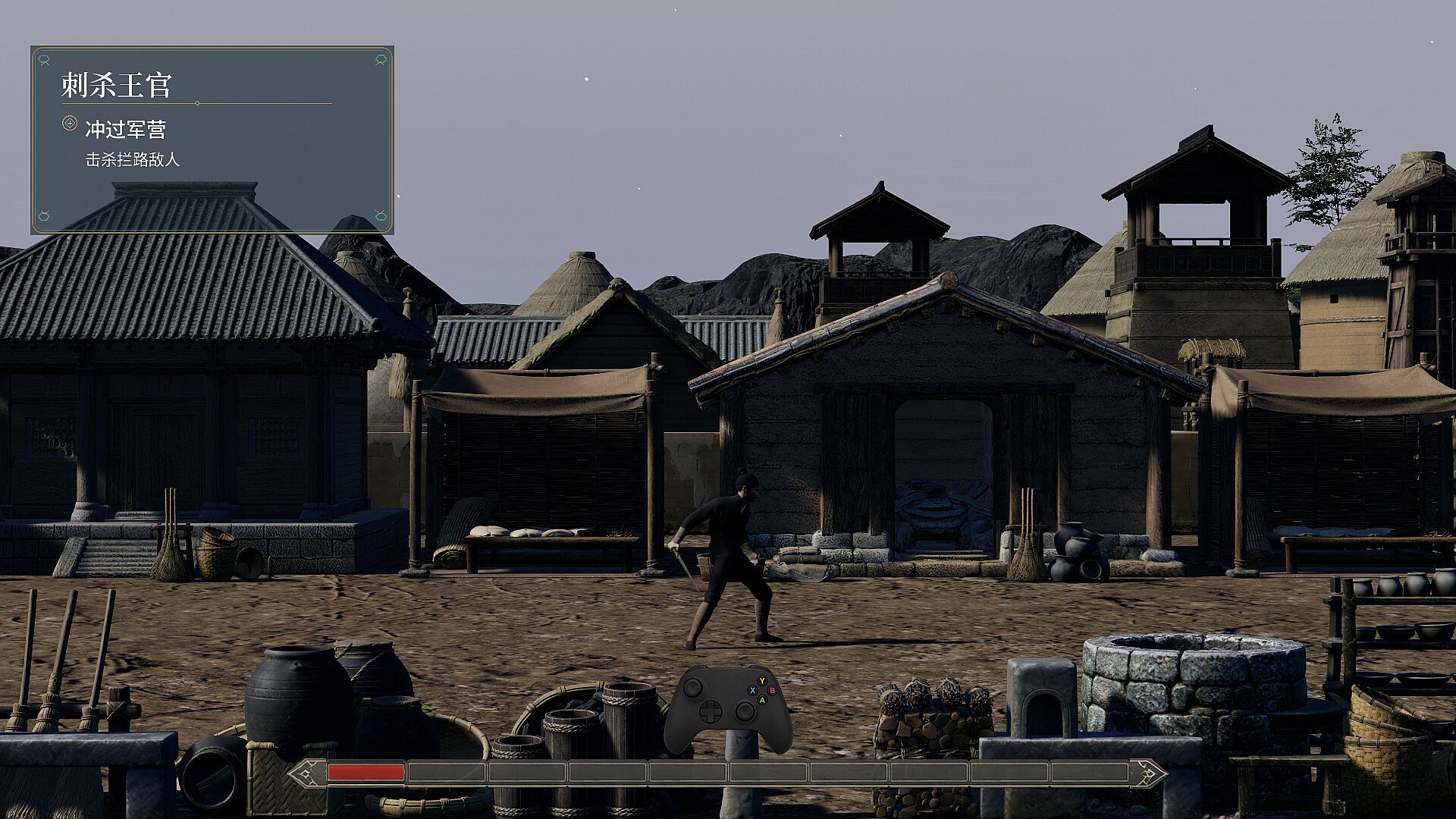
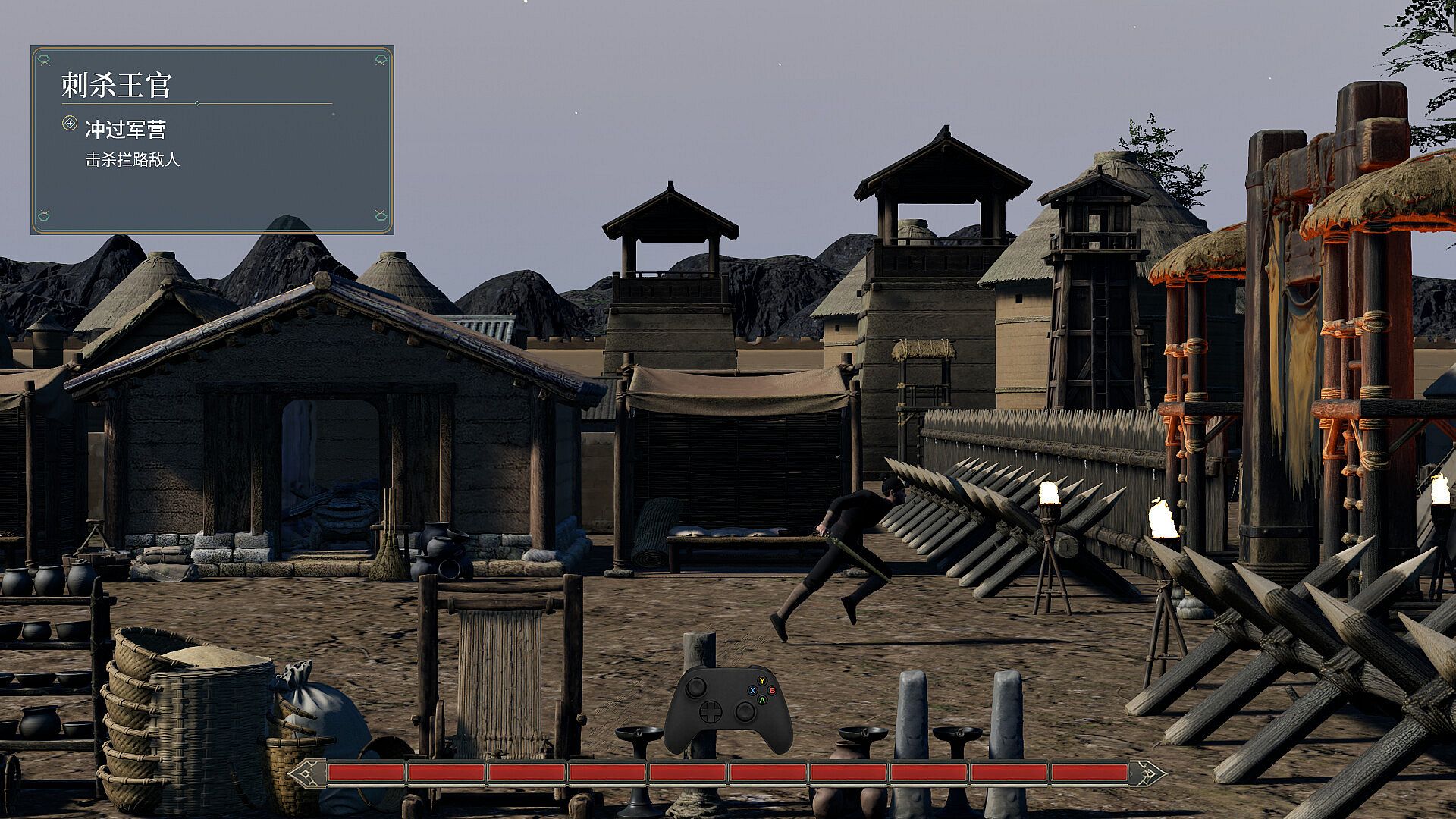
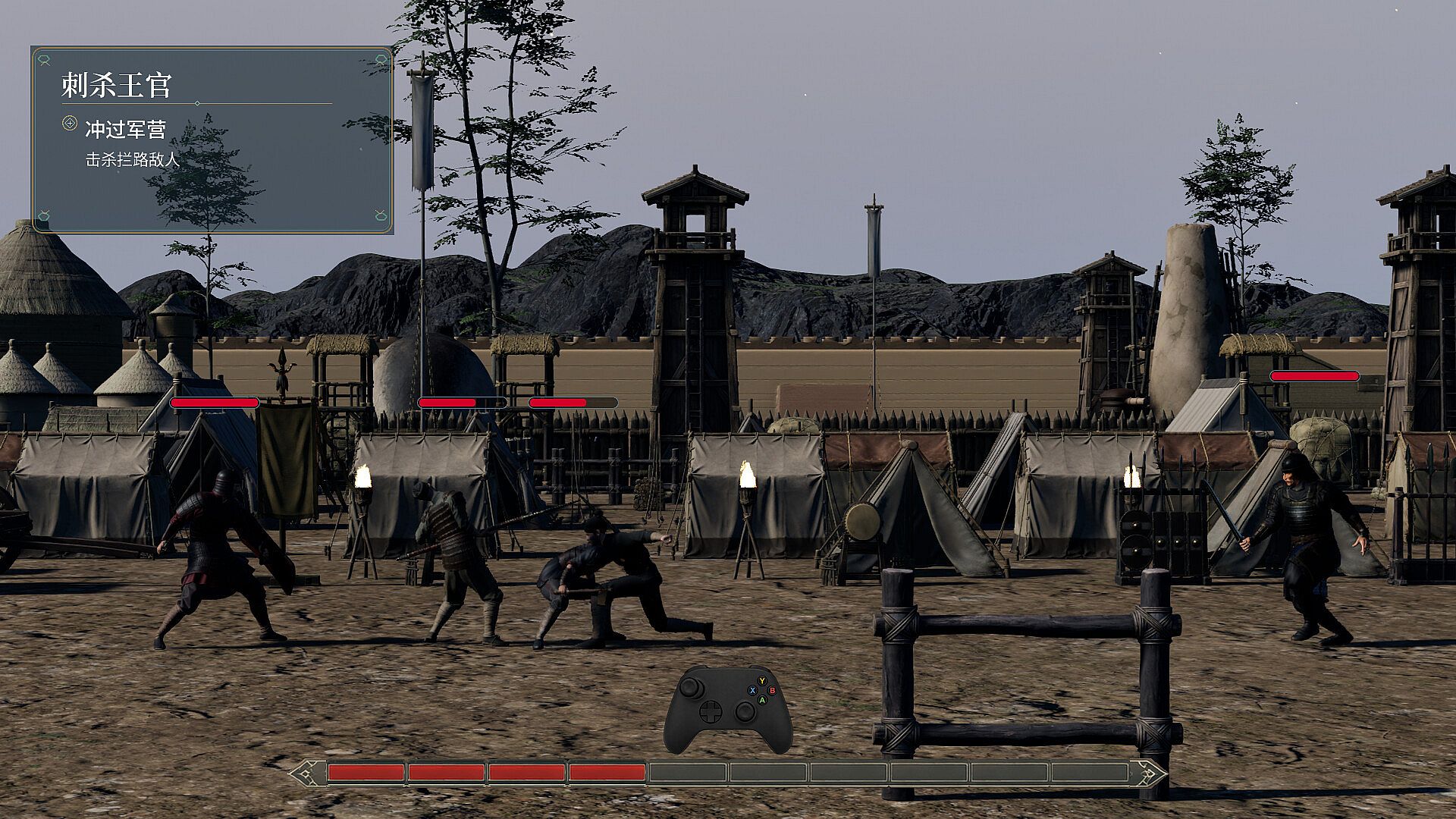
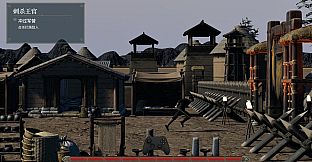
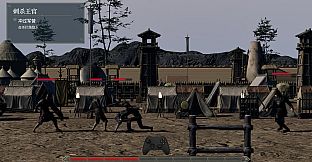
舍 is an action indie game set on PC during the final years of the Zhou dynasty in 256 BCE. Players take the role of a masterless assassin who operates without allegiance to any lord, moving freely between warring states to carry out targeted killings driven by personal motives such as justice or payment. The experience centers on infiltration and elimination in a historically grounded version of ancient China, where every decision about approach and execution rests solely on the player.
Gameplay
The core loop involves navigating heavily guarded compounds to reach a target. Each layer of security presents a choice rather than an obstacle. Direct confrontation at the main gate remains viable, yet the shadows often provide a quieter path to the final room. Most encounters combine both methods, requiring careful timing and positioning to avoid detection or overwhelming force.
Combat relies on bronze weapons that feel short, heavy, and blunt in use. Two or three solid strikes end most fights, and the same rule applies to the player. This creates tense, deliberate exchanges where positioning and timing matter more than sustained exchanges. The absence of allies or backup means every mistake carries immediate consequences, forcing reliance on stealth, environmental awareness, and precise strikes.
The setting draws from documented Warring States practices. Settlements feature walled wards with single gates, markets that close at sundown, and strict curfews enforced by patrols. Night watchmen carry torches and signal their presence with wooden clappers. Architecture avoids later historical elements such as pagodas or porcelain, focusing instead on pounded-earth walls, bamboo writing materials, and kneeling on mats. This attention to period detail shapes both navigation and the atmosphere of each target location.
Game Modes
The game presents a single-player experience built around mission-based infiltration. Players select targets and determine their own methods of entry and elimination without external support structures. Different compounds encourage experimentation with aggressive frontal assaults or methodical shadow work, yet the underlying structure remains consistent across all assignments. No separate multiplayer or co-operative options appear in the design.
Progression follows the assassin's independent path through the divided states. Each location tests the same core principles of observation, timing, and weapon handling while varying the layout and guard routines. The lack of factions or allied systems keeps the focus narrow on individual skill and decision-making.
Historical Setting and Mechanics
Research informs every environmental and mechanical choice. Patrol patterns, lighting, and social restrictions match records from the era rather than later dynasties or stylized interpretations. Markets shut at sundown, curfews limit movement, and guards operate under clear legal authority. These rules influence how players must time their movements and adapt to changing conditions inside each ward.
Weapon limitations reinforce the period feel. Bronze blades require close range and multiple hits, eliminating any sense of ranged dominance or rapid follow-up attacks. The player must therefore weigh the risk of engagement against the advantages of remaining unseen until the final moment.
Is It Worth Playing?
舍 suits players who enjoy deliberate stealth-action gameplay with a strong emphasis on historical accuracy and high personal stakes. The absence of allies or checkpoints creates a focused, self-reliant loop that rewards observation and careful planning over reflex-heavy combat. Those drawn to single-player experiences centered on infiltration and period-specific constraints will find the mechanics consistent with the described systems.
Because the title is newly listed and still building its player base, reception details remain limited. The design prioritizes a narrow, challenging loop rather than broad accessibility features or ongoing seasonal content. Individuals seeking a self-contained assassin simulator set in a researched Warring States environment may find the approach rewarding, while those preferring frequent updates or multiplayer elements may wish to monitor further developments before committing.











