


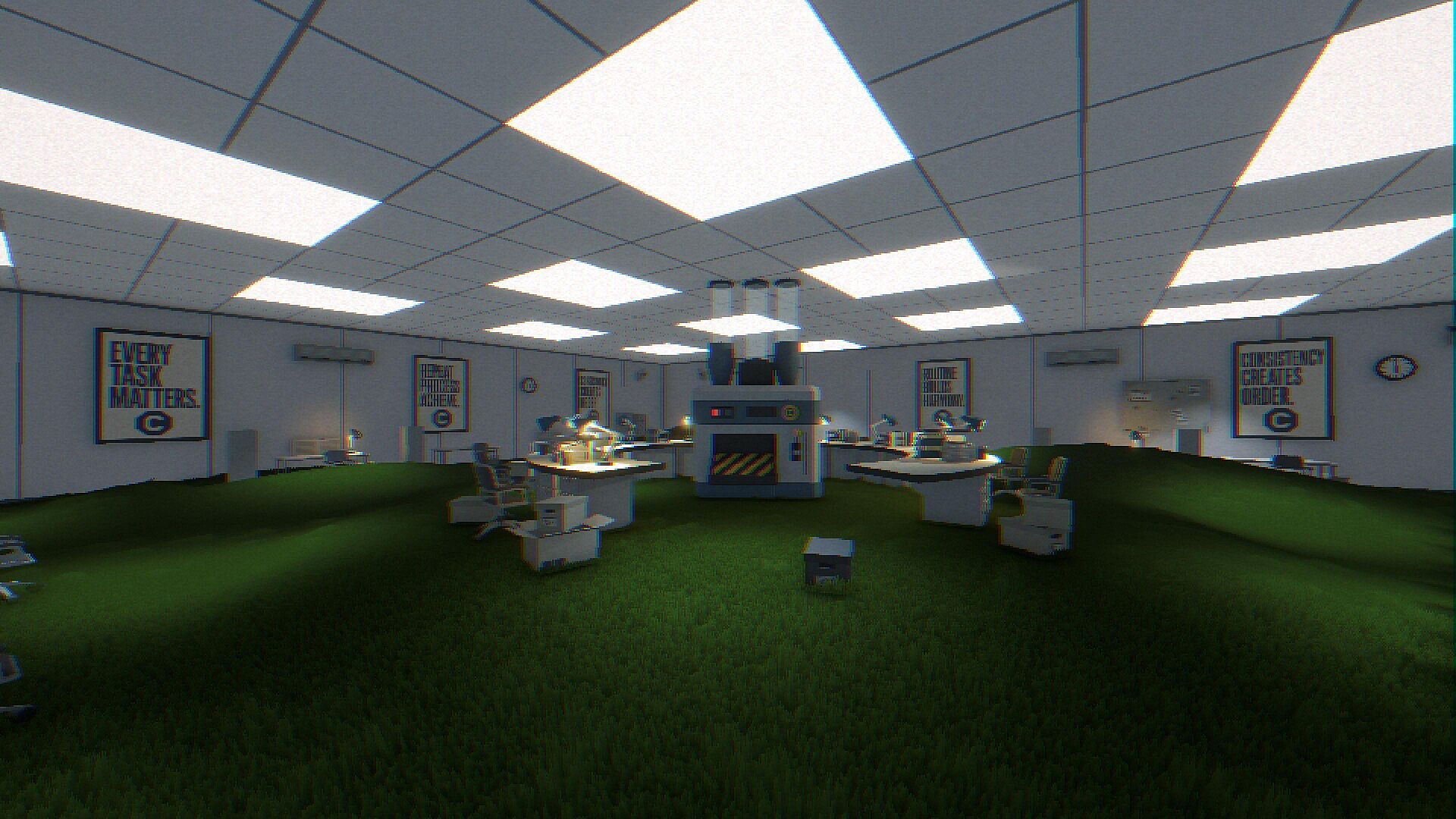


Sheet Job is an action indie casual simulation game for PC where players take on the role of an office worker tasked with destroying endless incoming paperwork and objects. The core premise revolves around manual shredding that evolves into automated systems through upgrades and machinery. Released in September 2026 as a browser-accessible title with PC compatibility, it blends repetitive task management with physics-driven interactions and progression toward efficiency.
Gameplay
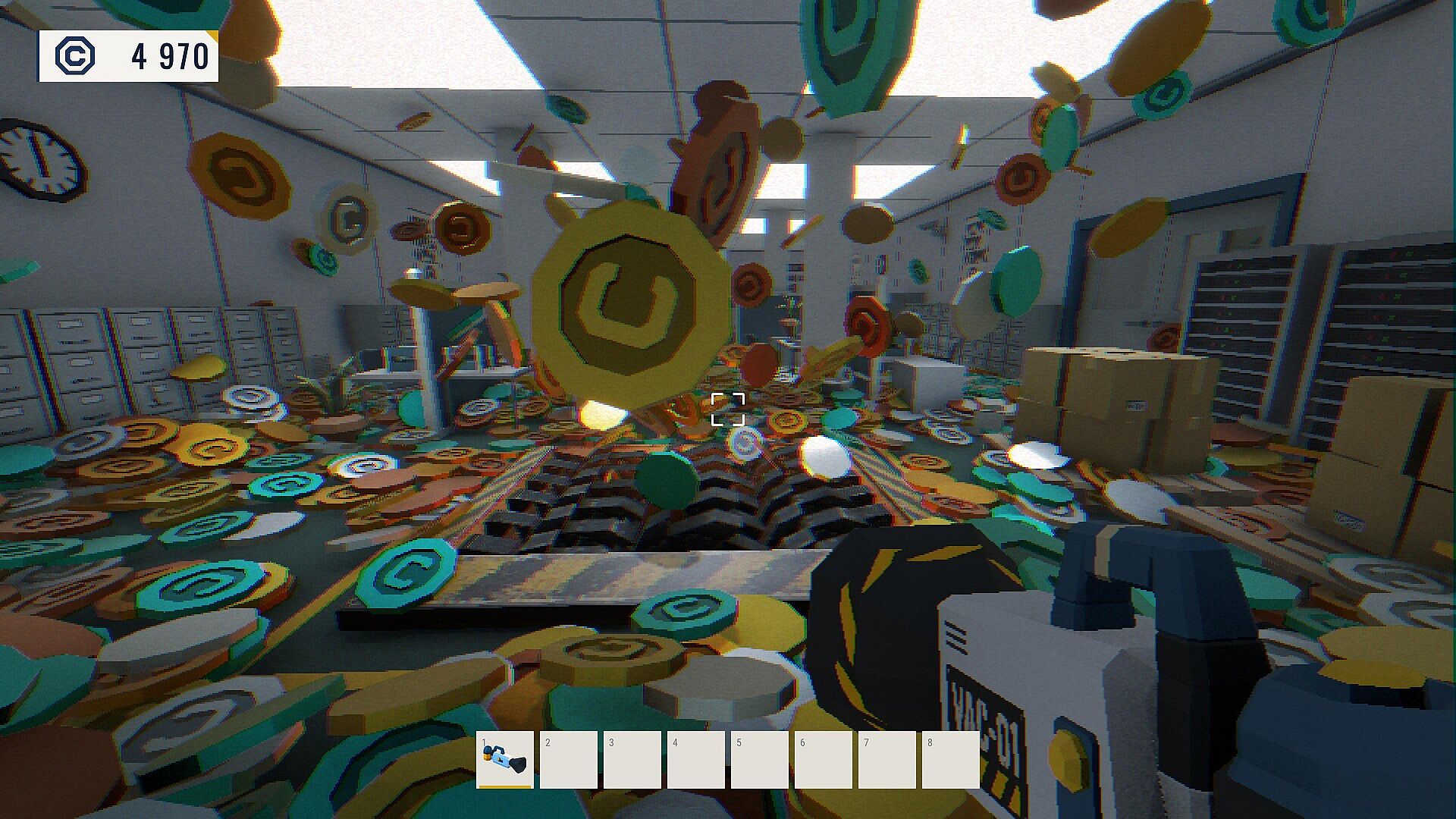
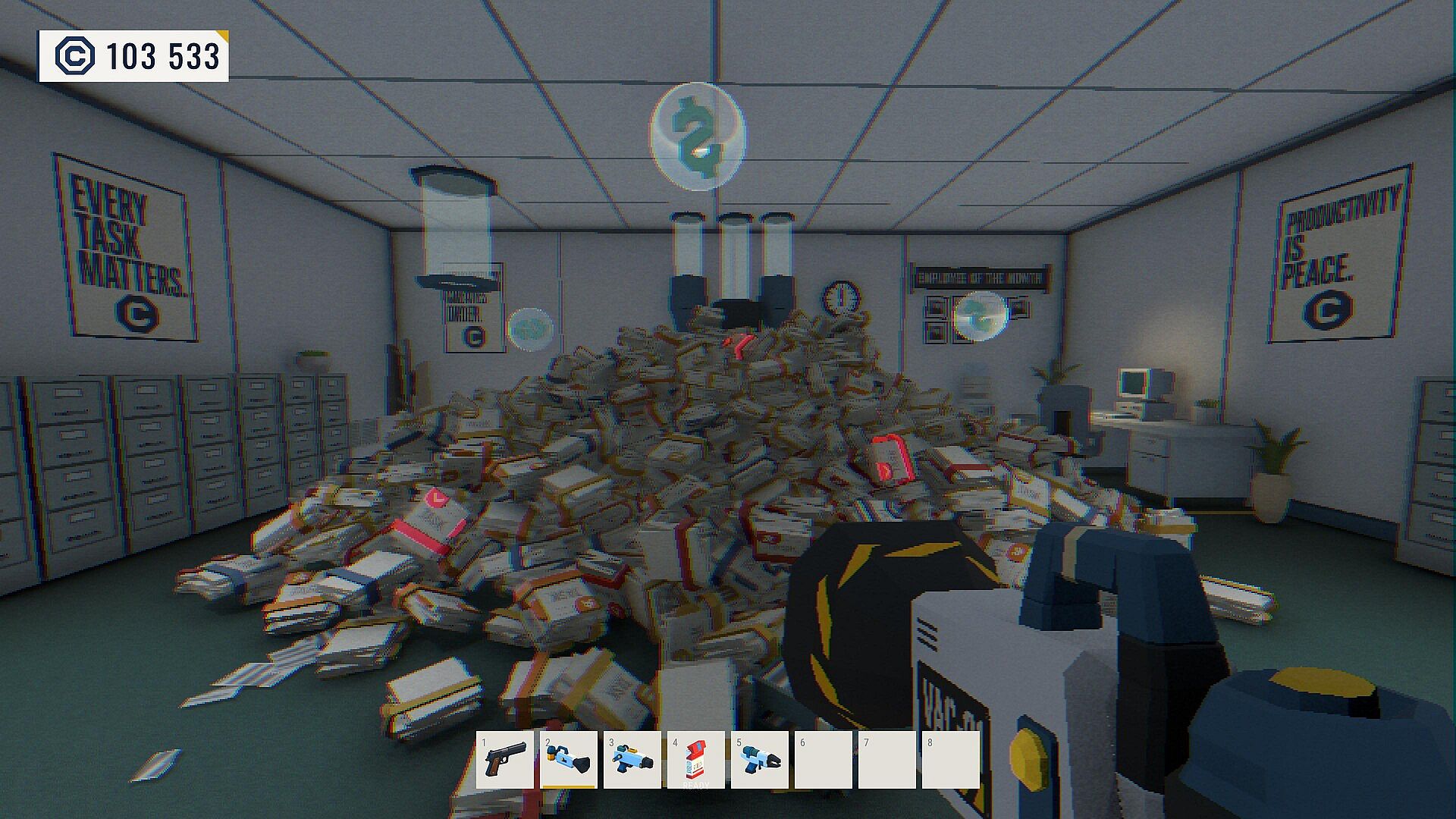
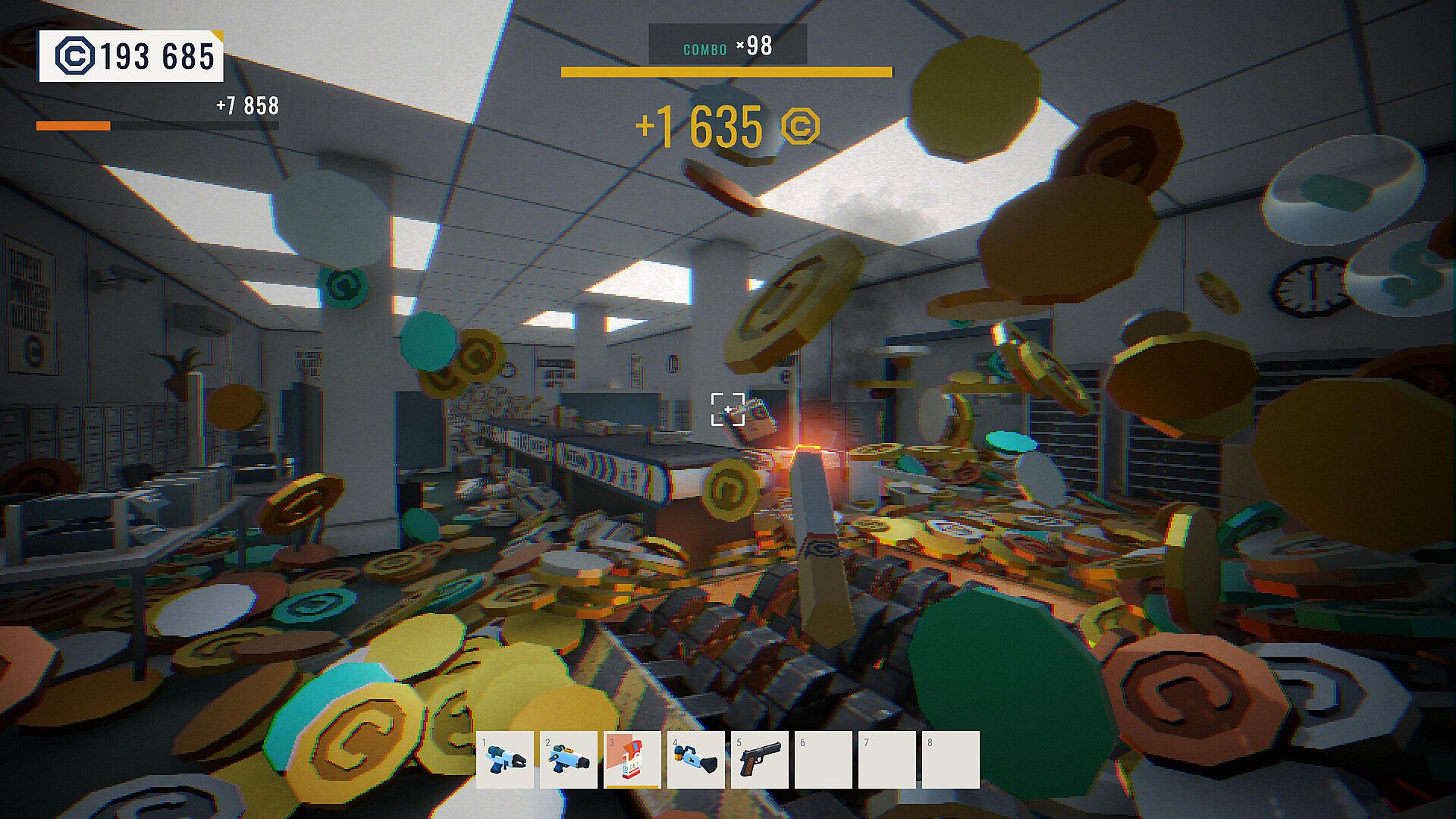
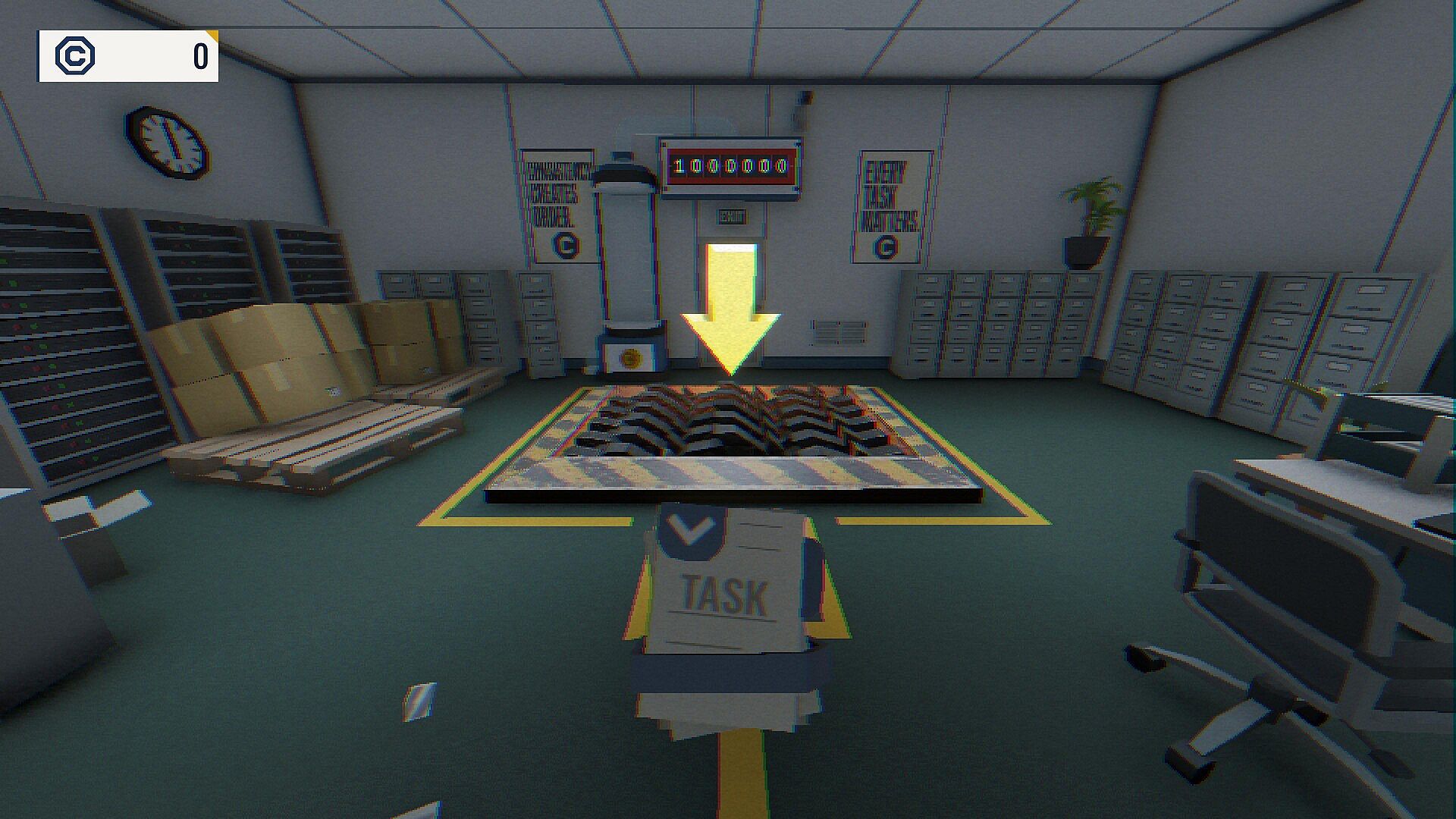
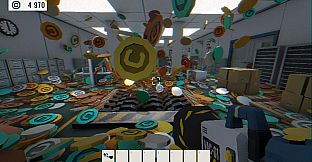
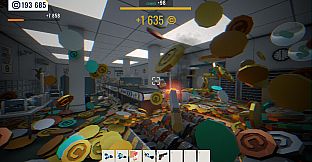
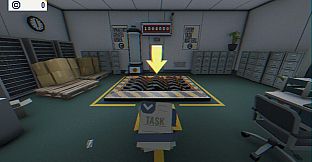
Players begin by using their hands to grab tasks and items scattered around the office environment. These objects get dragged and fed into a large industrial shredder equipped with toothed wheels that consumes everything placed inside it. Each destroyed item yields coins based on its value, which players collect to fund improvements. The workflow starts slow and hands-on but quickly incorporates tools and devices to handle volume.
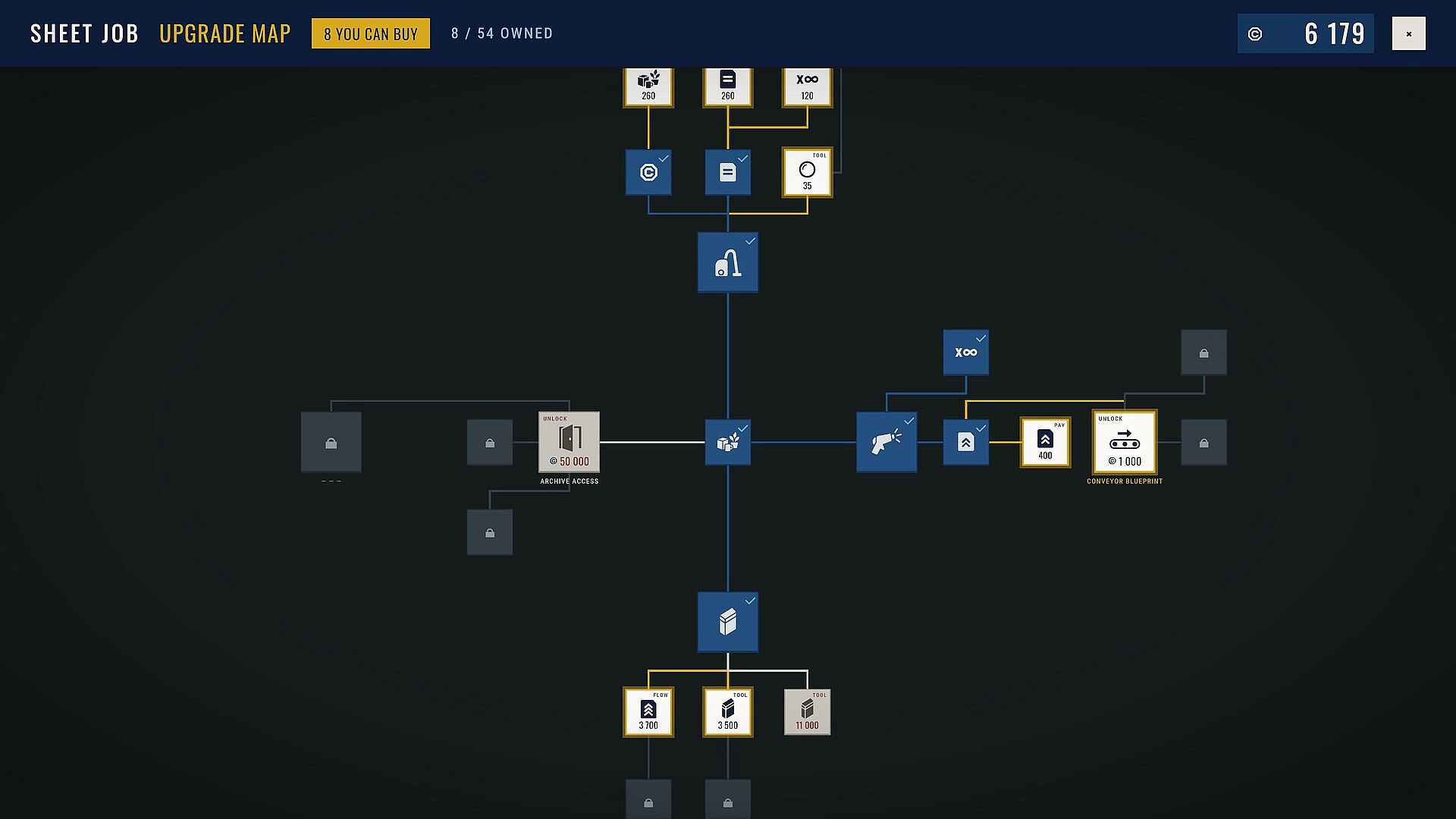
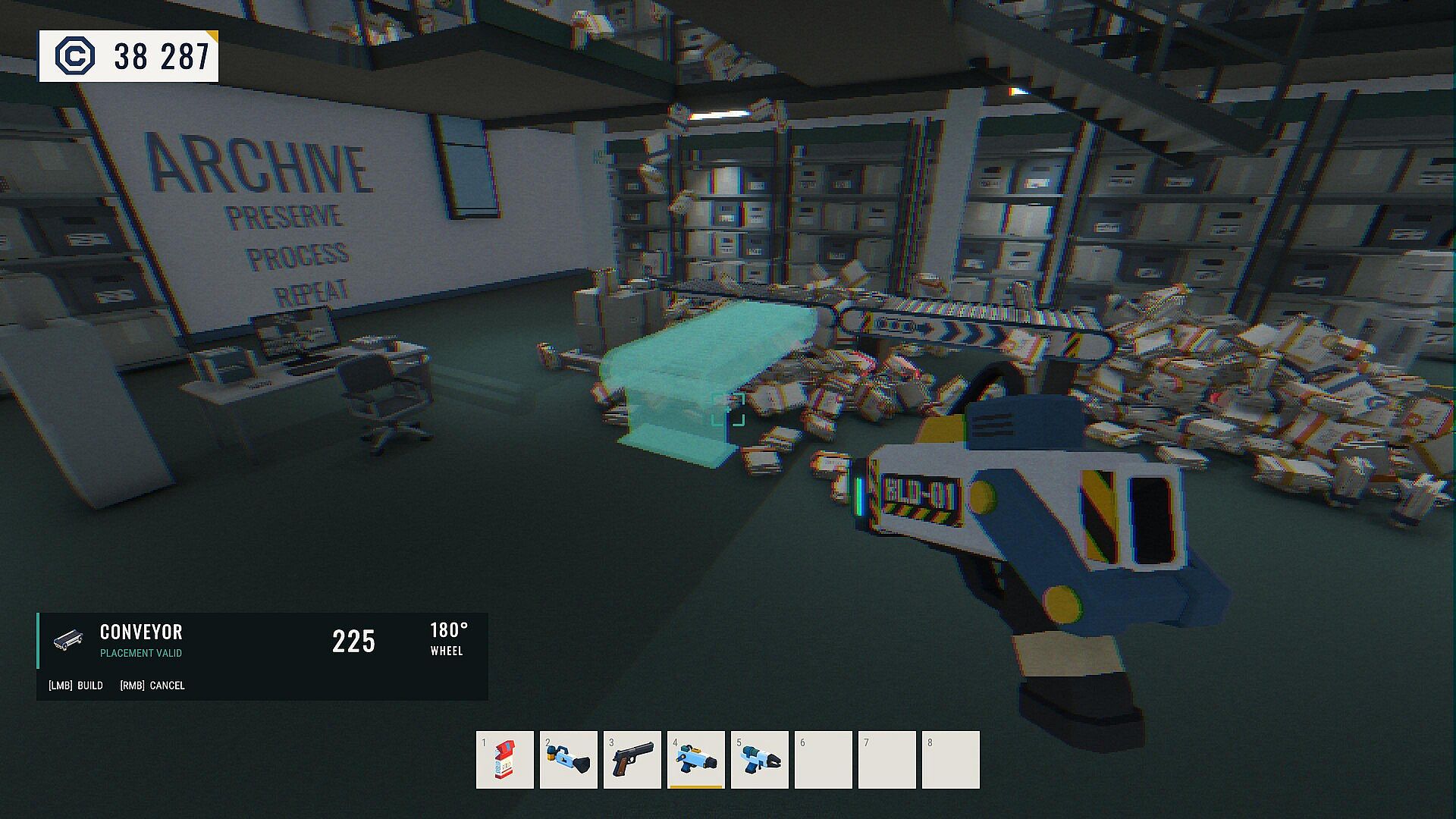
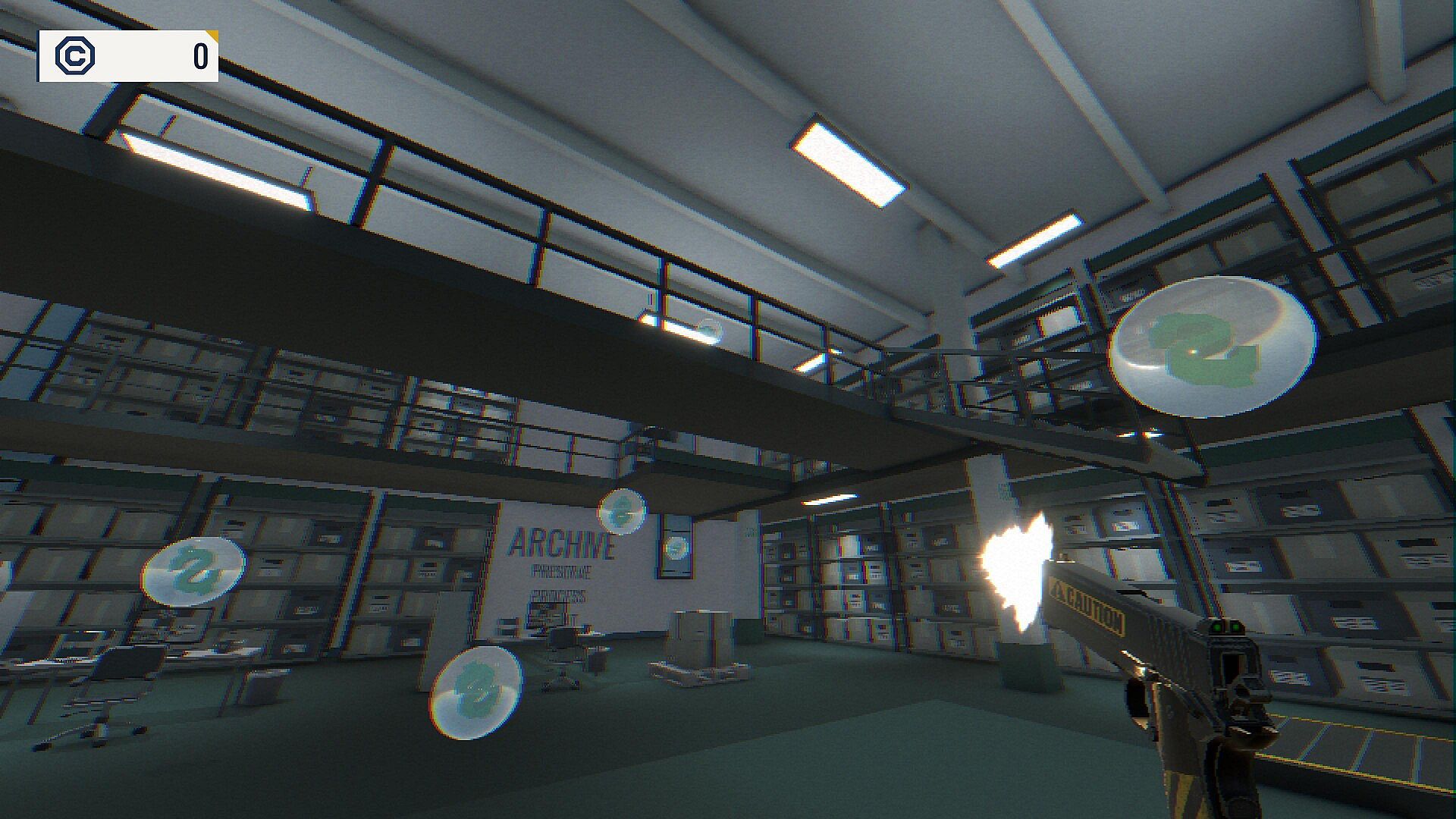
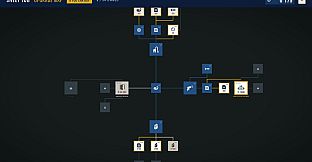
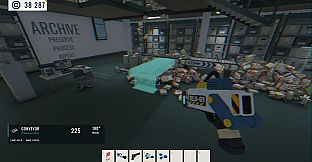
Upgrades form an extensive tree that transforms the setup. Early purchases include items like a glue gun for better handling, pistols for remote interaction, and basic workflow enhancements. Further investments unlock automatic collection, expanded carrying capacity, urgent task bonuses, and creation tools that generate additional items. Machinery additions such as conveyor belts with adjustable speeds, rotators, vacuums, and aspirators allow players to build connected lines that move and process objects without constant intervention.
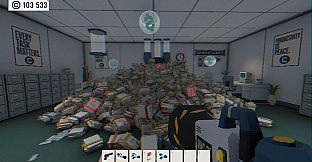
Physics play a key role in how tools and objects interact, enabling creative setups where items tumble or align along automated paths. The office generates a steady stream of new packages and tasks, ensuring the backlog grows unless the system keeps pace. Progression focuses on scaling operations to exceed expectations, with each upgrade layer reducing manual effort while increasing output and earnings.
Game Modes
Sheet Job centers on a single continuous experience without distinct named modes. The primary loop involves managing the office workflow from manual collection through full automation. Players experiment with different upgrade combinations and machine layouts to optimize destruction rates in the same persistent environment. No separate competitive, survival, or multiplayer variants appear in the available details, keeping focus on iterative improvement within the core simulation.
Progression and Systems
Earnings from shredding directly support an upgrade system that rewards experimentation. Basic tools give way to specialized equipment that handles larger volumes or specific tasks, such as urgent items that provide bonus payouts. Automation elements combine to create self-sustaining lines where conveyors feed the shredder while other devices sort or accelerate the flow. The retirement theme ties into long-term goals of maximizing productivity, though the endless task generation means the process continues indefinitely.
Features like guns, cigarettes, and other workplace-themed equipment integrate into the physics-based toolkit, adding variety to how players interact with the environment. The system encourages building outward from the initial shredder setup, expanding coverage across the office space until machines handle most of the work.
Is It Worth Playing?
Sheet Job appeals to players who enjoy casual simulation games centered on optimization and incremental progress. Its absurd office destruction concept delivers a lighthearted twist on task management, with satisfying moments as manual labor gives way to elaborate conveyor networks and automated workflows. Available player feedback highlights its charm for those appreciating quirky indie titles, with ratings in the 8-9 range from small review samples on browser platforms.
The game suits short sessions or extended tinkering, as the endless task stream supports ongoing refinement without strict time limits. Those seeking deep narrative or competitive elements may find it limited, but fans of physics sandbox mechanics and upgrade-driven gameplay will likely appreciate the straightforward yet engaging loop. Its recent release means ongoing accessibility through standard PC browsers or compatible setups, making it a low-commitment option for simulation enthusiasts.