






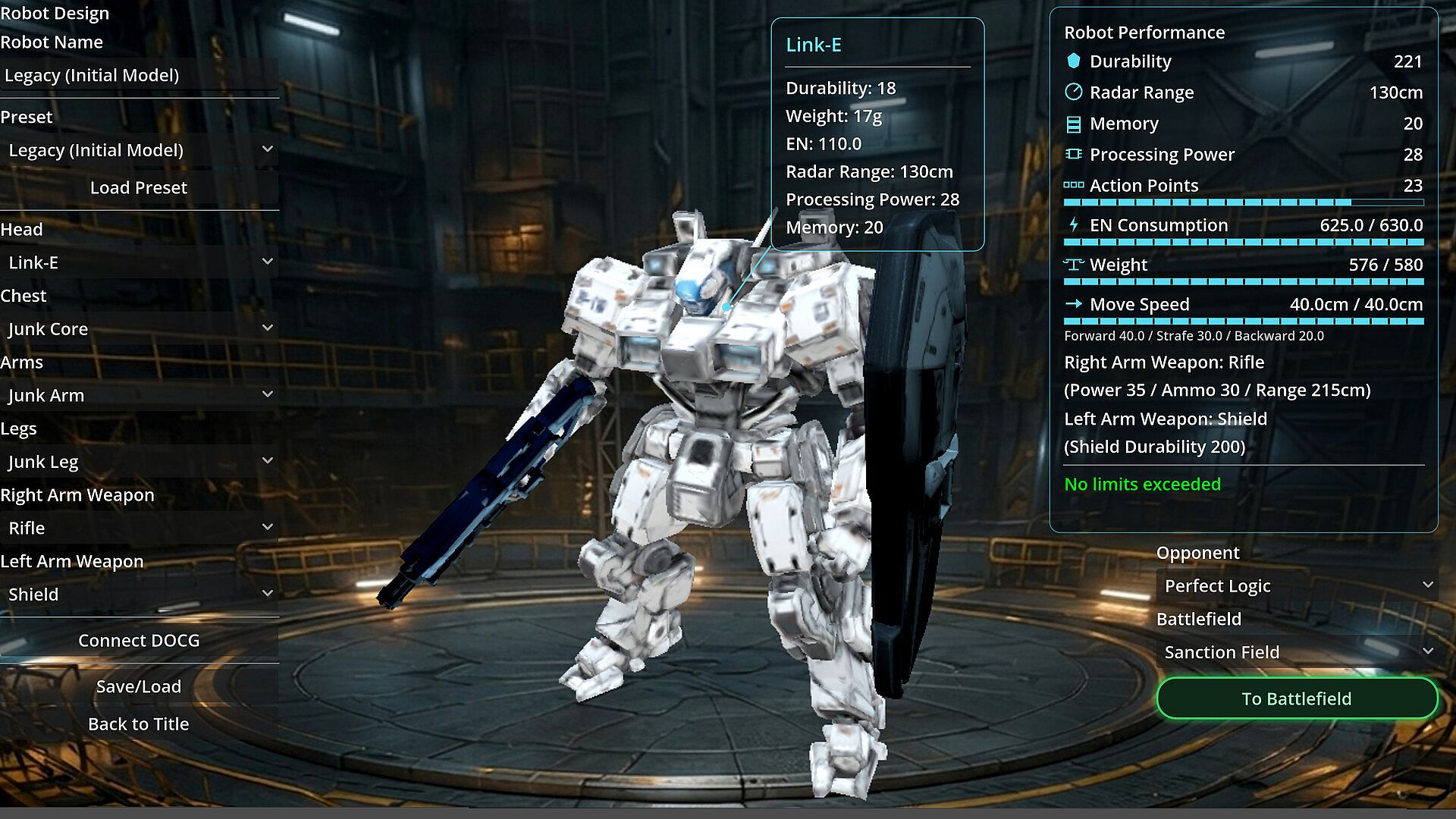
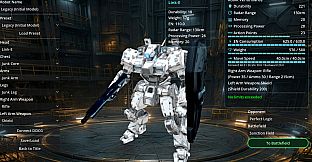
SIGNOS: AI Robot Builder is a strategy simulation game for PC in which players design custom robots and program their combat behavior through node-based logic systems. The core experience centers on creating an 18cm-tall hobby robot called SIGNOS by selecting and combining head, chest, arm, and leg parts that each carry distinct attributes such as durability, weight, energy consumption, processing power, and firing arcs. Once assembled, the machine receives behavior instructions built from Thought Tiles, after which it fights entirely on its own without any direct player control during matches.
Gameplay
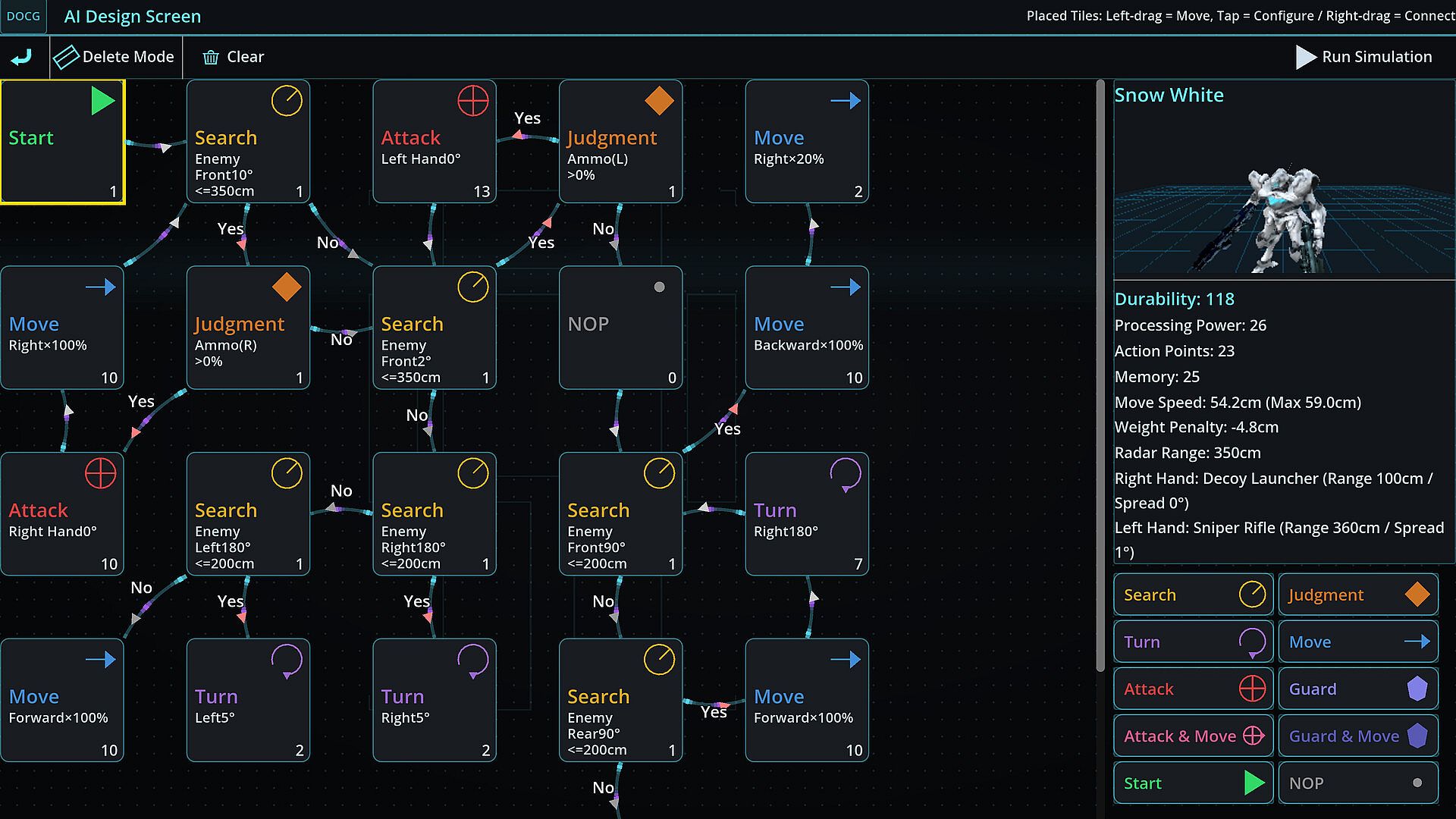
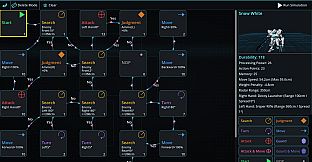
The gameplay loop revolves around three repeated phases: machine construction, logic assembly, and post-battle review. Parts selection determines the physical capabilities of the robot, allowing builds that emphasize heavy firepower, defensive shielding, or high mobility to control engagement distance. Thought Tiles such as Move, Search, Attack, and Judge are placed and connected into branching decision trees that dictate how the robot responds to battlefield conditions. Memory capacity on the robot's head limits the complexity of these trees, forcing players to prioritize essential processes and remove unnecessary branches to avoid execution delays.
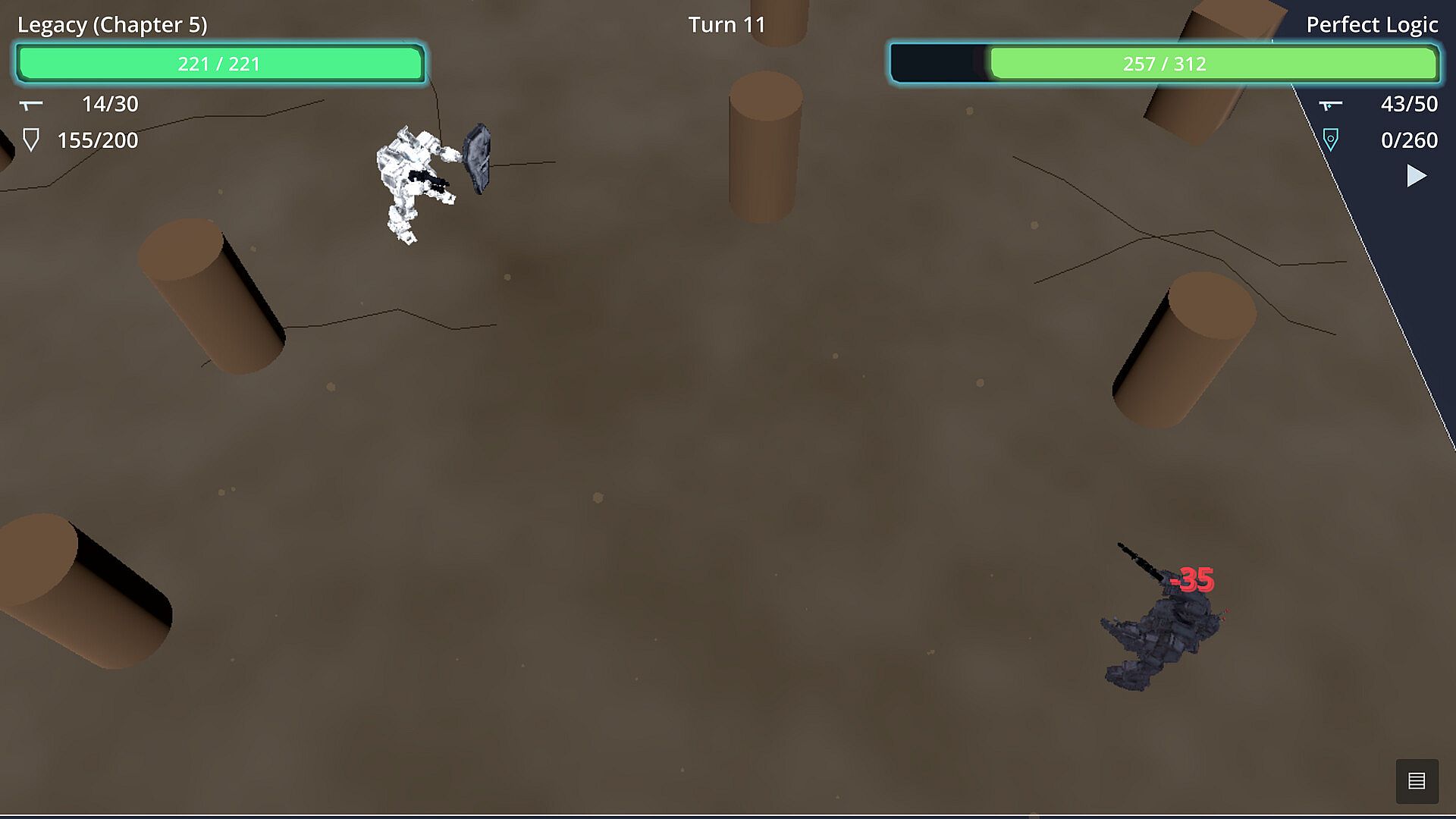
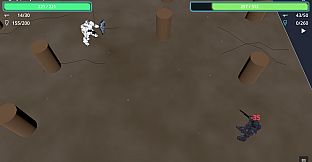
After the design phase ends, the battle runs automatically. The robot executes the programmed logic exactly as written, locating opponents, adjusting position, and firing at moments defined by the conditional nodes. Results often reveal gaps in the original plan, prompting adjustments to the tile connections or part loadout before the next test. This cycle of iteration rewards careful observation of how intended tactics translate into actual performance under real conditions.
Game Modes
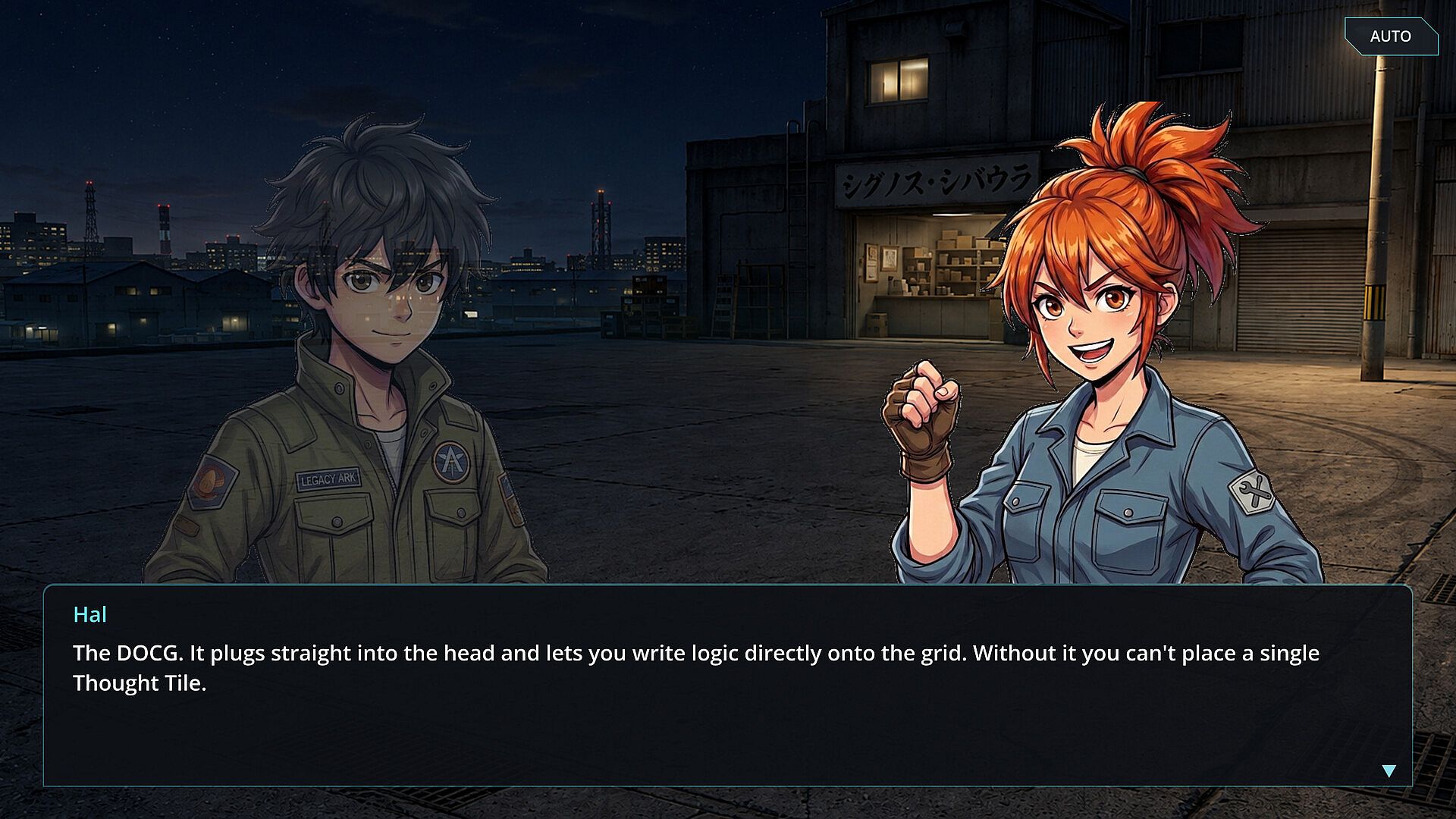
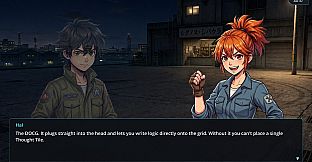
Story Mode guides players through a narrative sequence spanning five chapters and an epilogue. It pairs the protagonist Rei with mechanic Hal and introduces AI-building concepts progressively, beginning with basic tile connections and advancing to multi-branch conditional logic across successive encounters. The mode serves as structured training that builds familiarity with the systems before players move to competitive play.
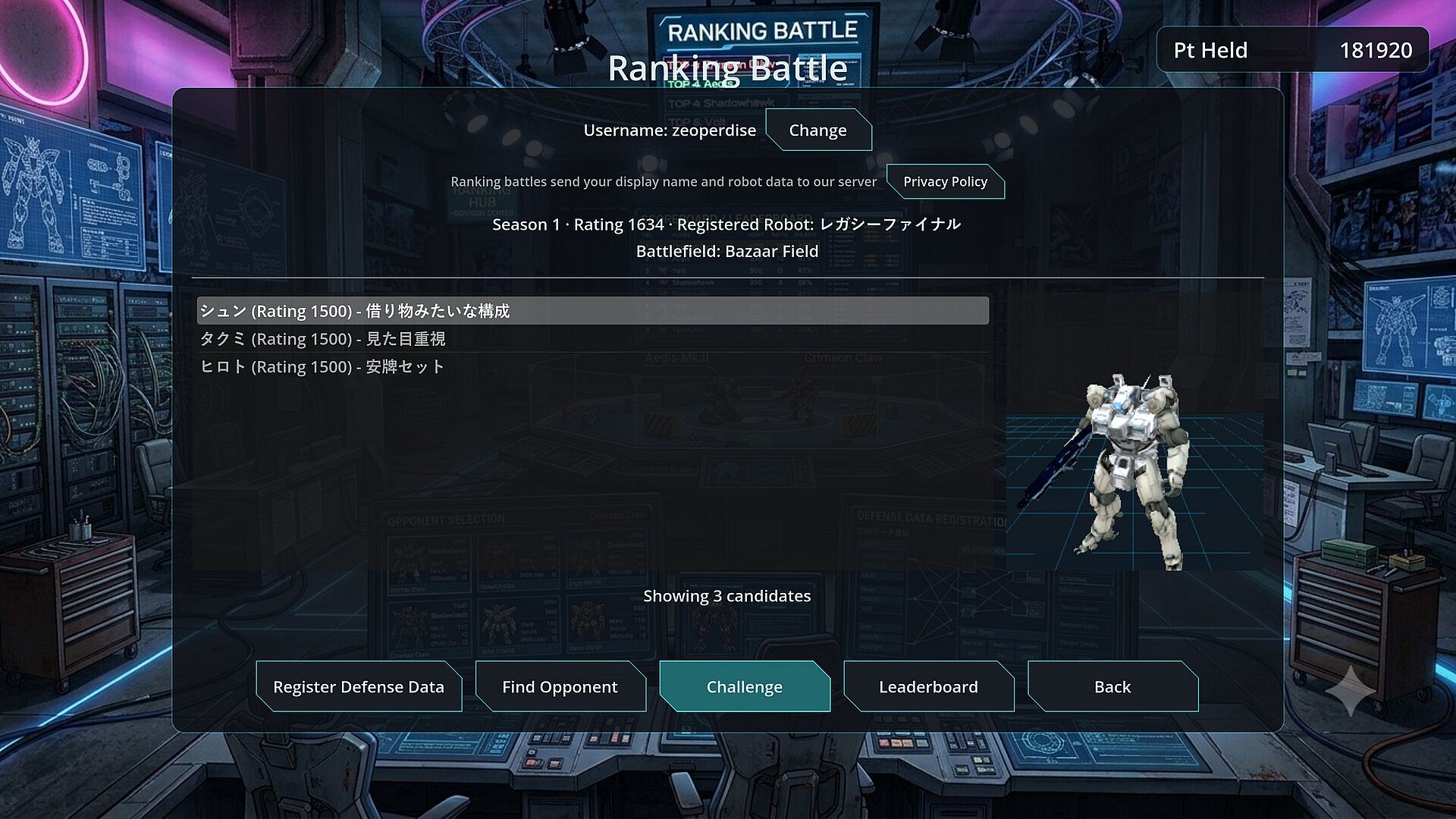
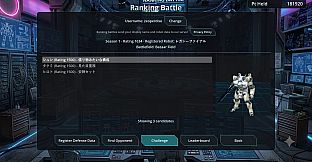
Asynchronous Ranking Battles become available after the story concludes. These matches pit a player's completed SIGNOS unit against robots created by others worldwide. Victories grant new parts as rewards, expanding customization options and encouraging further refinement of both hardware and behavior logic. Matches run without live opponents, allowing review of results at any time.
Design and Logic Systems
Robot customization focuses on balancing trade-offs between weight, energy use, and combat effectiveness. A heavy configuration might carry multiple high-output weapons at the cost of speed, while a lighter frame prioritizes rapid repositioning to maintain optimal range. Each part choice directly influences how the subsequent logic must account for movement speed, weapon arcs, and durability under fire.
Logic construction uses a visual node system that starts simple and scales in complexity. Early trees might consist of a single search-and-attack sequence, while advanced versions incorporate distance checks, situational judgments, and fallback behaviors. The memory constraint turns optimization into a core skill: players must decide which decision paths matter most and discard redundant instructions to keep response times short. This emphasis on distillation distinguishes the experience from unrestricted programming tools.
Is It Worth Playing?
SIGNOS: AI Robot Builder suits players who enjoy strategy and simulation titles centered on iterative design rather than real-time control. The fully automatic battles shift focus to preparation and analysis, rewarding those who treat each match as data for the next improvement cycle. Story Mode provides a clear on-ramp for learning the systems, while ranking battles extend the experience into ongoing competition against global creations.
The game supports a wide range of languages including Japanese, English, Simplified Chinese, Traditional Chinese, Korean, Thai, Spanish, Portuguese (Brazil), German, French, Polish, Russian, and Italian. Its independent development status means the current version reflects the core loop described in its design without additional seasonal content or live-service elements at launch. Individuals drawn to building and refining autonomous agents in a contained strategic framework will find the trial-and-error process engaging, whereas those seeking direct piloting or large-scale multiplayer will encounter a narrower scope.











