




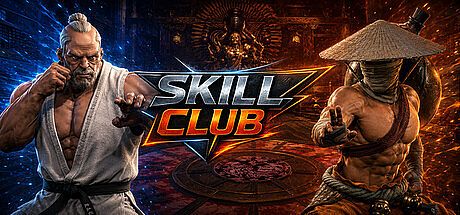


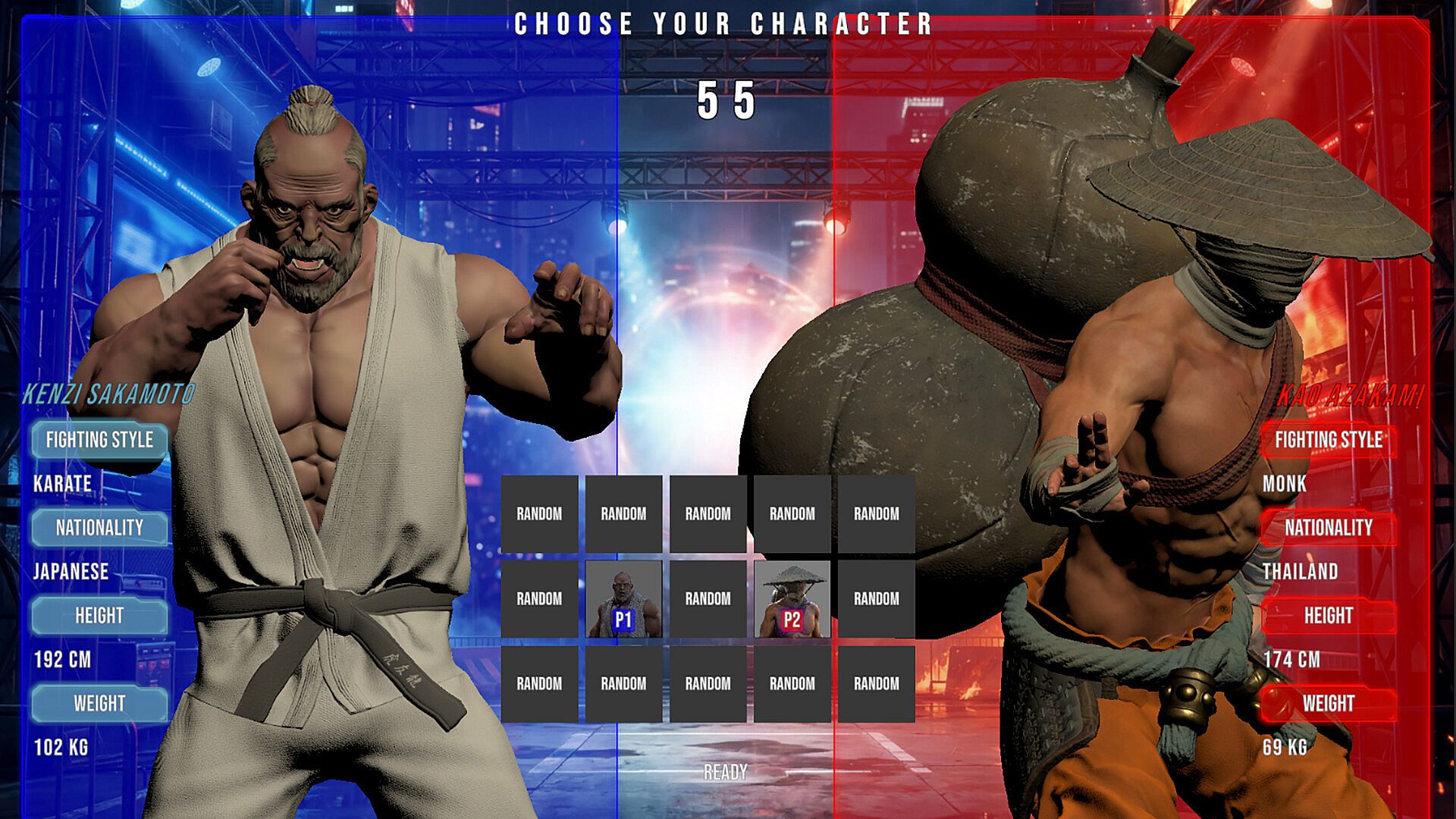
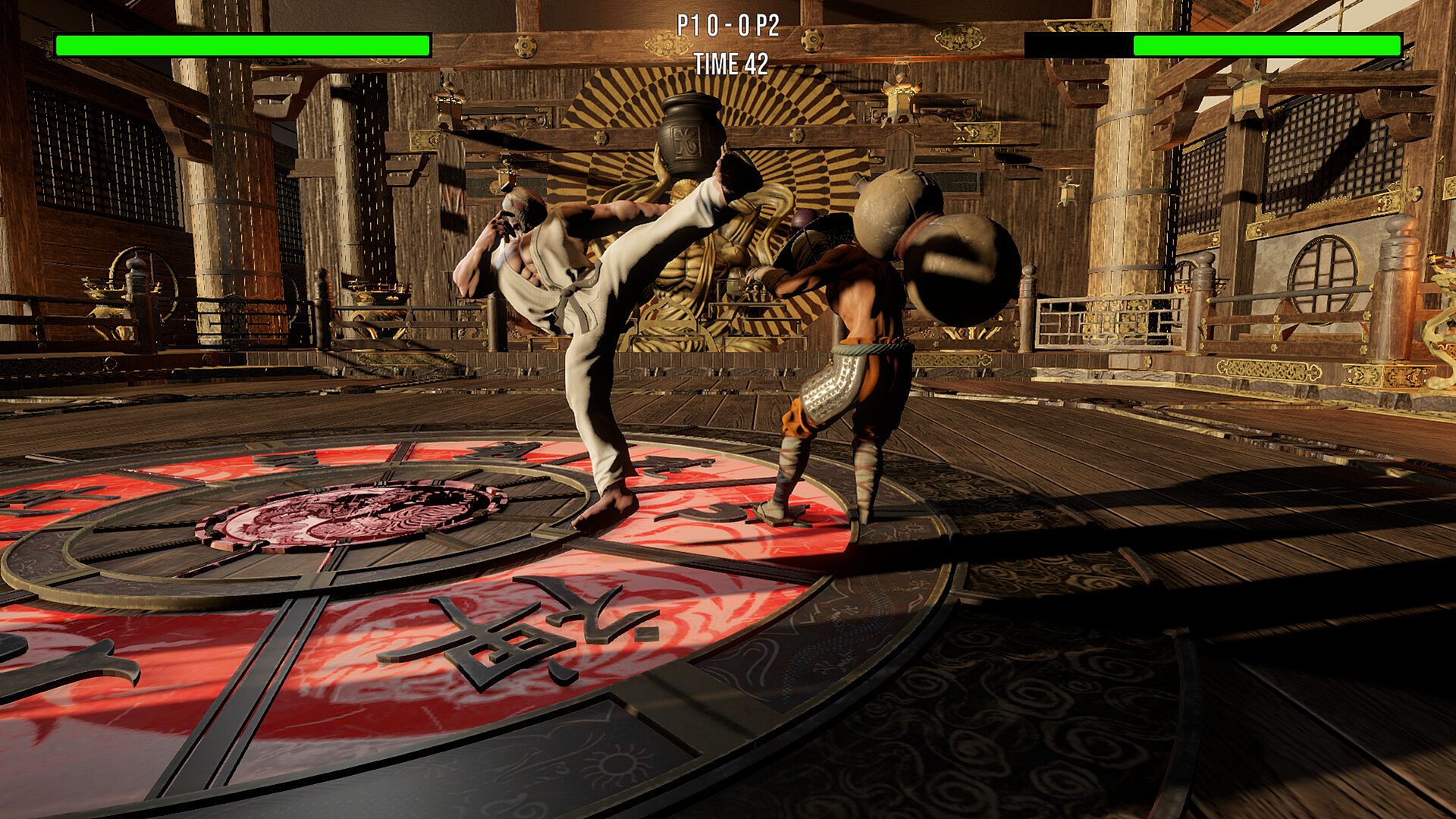
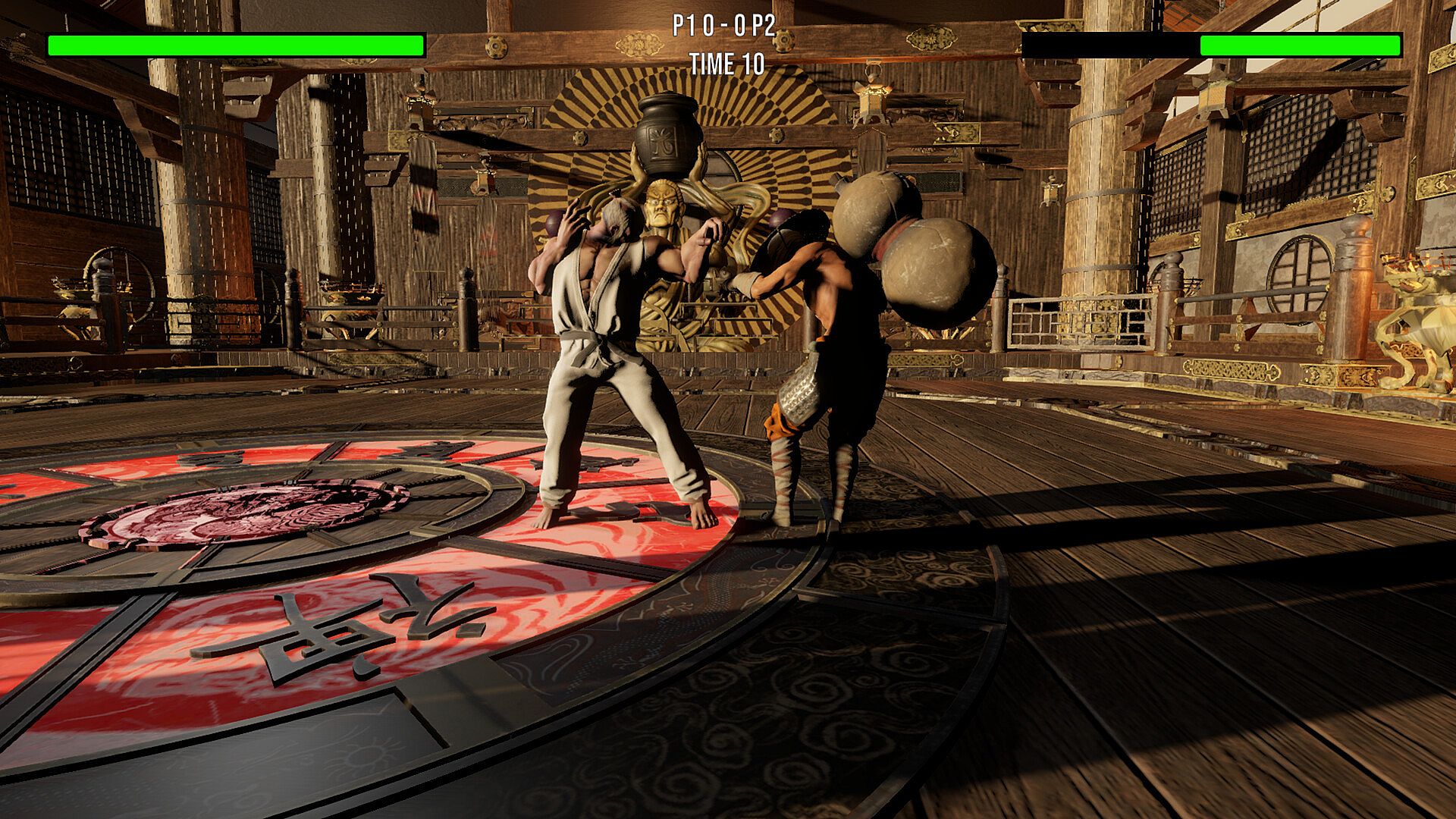
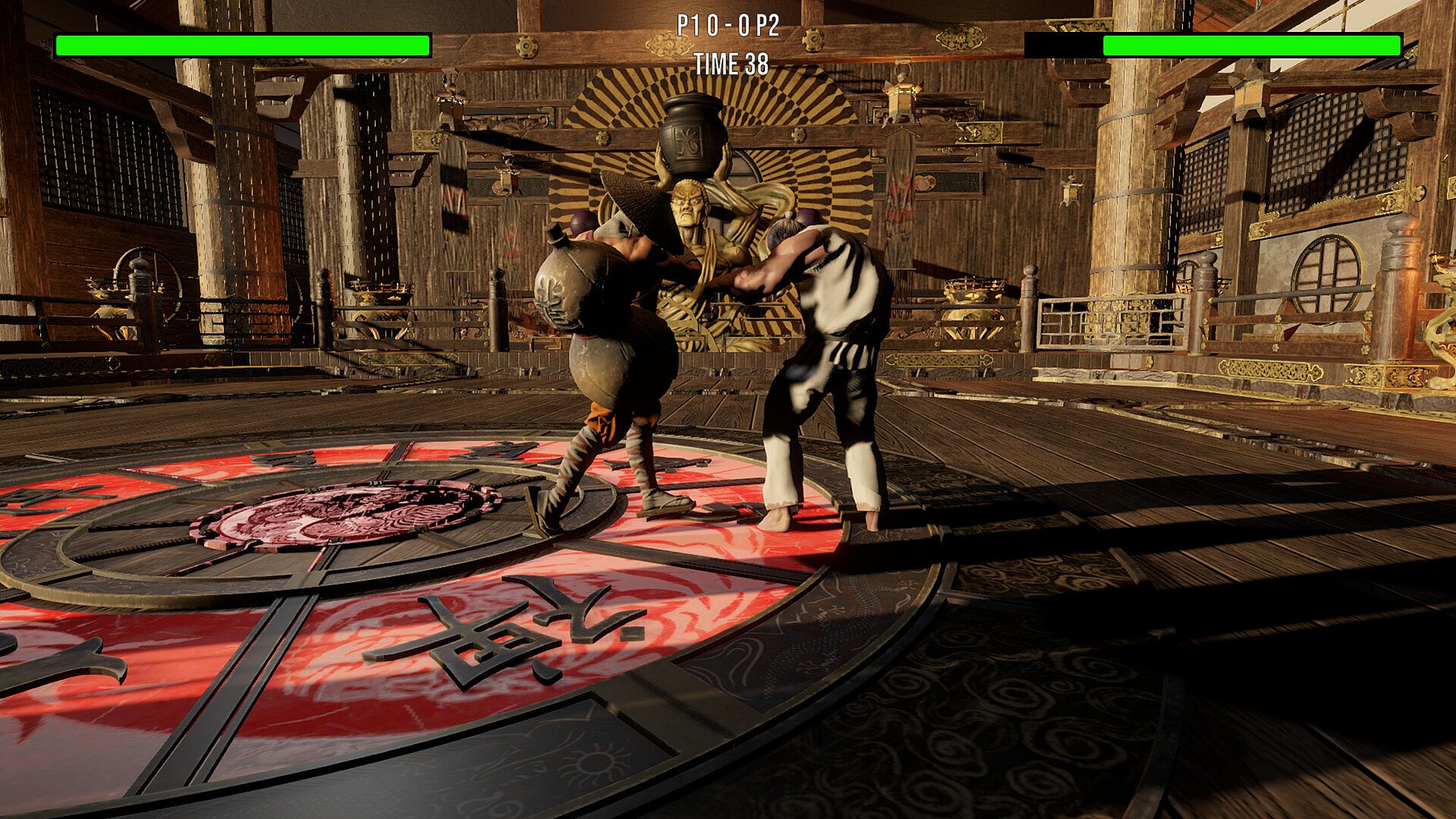
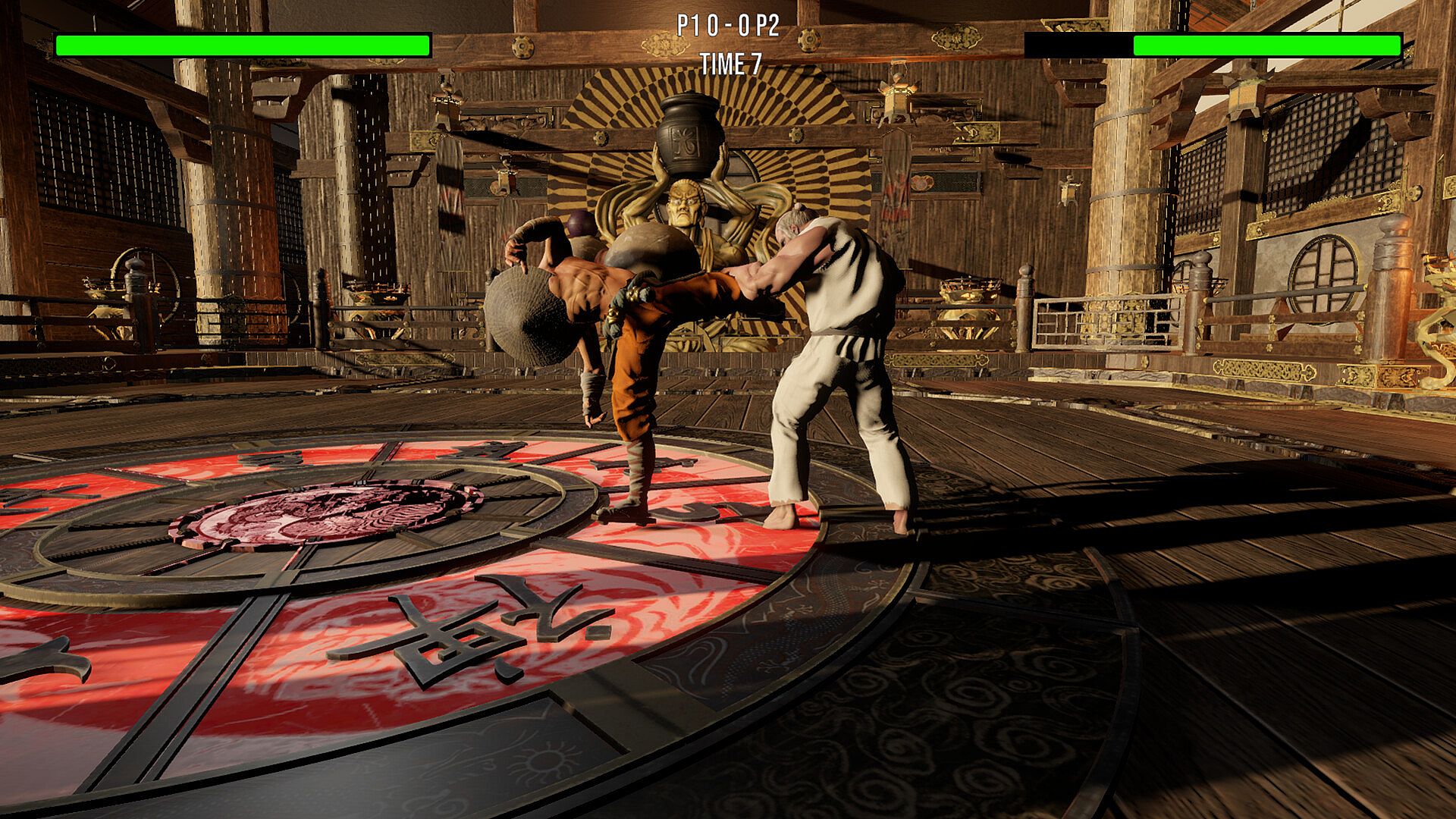
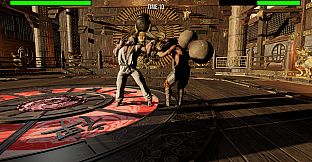
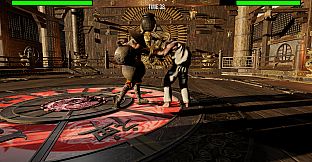
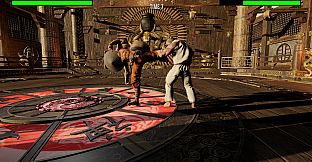
Skill Club is an action indie fighting game built around online 1v1 matches on PC. Players select a fighter and compete in direct confrontations that hinge on precise timing, controlled movement, and anticipating the other person's actions rather than relying on complex combos or special abilities.
Gameplay
The core loop centers on three attack types: light, medium, and heavy. Each carries different speeds and risks. A light attack lands quickly but deals less damage, while a heavy attack hits harder yet leaves more time for the opponent to counter. Movement options allow players to close distance, create space, or reposition to avoid incoming strikes. Success depends on observing patterns in the opponent's approach and choosing the right moment to commit to an attack or hold back.
Controls remain straightforward with support for both keyboard and controller. The emphasis falls on decision-making during live matches instead of memorizing long input sequences. A mistimed strike can open a player to immediate punishment, while a well-placed read can shift momentum within a single exchange. Matches unfold in a focused arena setting that keeps attention on the two fighters and their interactions.
Game Modes
The primary format consists of round-based 1v1 battles conducted entirely online. Each round requires players to land enough successful attacks or outlast the opponent until one reaches the necessary wins to claim the match. No additional modes appear in the current description, keeping the experience centered on these direct competitive encounters.
Matches support both keyboard and controller inputs, allowing players to choose their preferred method without affecting the core rules. The structure rewards consistent performance across multiple rounds rather than single decisive moments.
Core Mechanics and Fighter Selection
Fighter choice serves as the main point of variety. Each character brings its own visual style and subtle differences in how attacks feel, though the fundamental light-medium-heavy system applies across the roster. Players learn to adapt their timing and spacing based on how the chosen fighter moves and recovers from actions.
Reading the opponent forms the central skill. Successful play involves watching for tells in movement or attack wind-ups and responding accordingly. This creates a back-and-forth rhythm where neither player can rely on spamming the same option repeatedly without consequence.
Is It Worth Playing?
Skill Club targets players who enjoy stripped-down fighting experiences focused on fundamentals. Those who appreciate games where spacing, patience, and opponent prediction matter more than flashy moves will find the round-based 1v1 structure appealing. The simple control scheme lowers the barrier for entry while still demanding practice to master the timing and decision layers.
The game remains in a pre-release state with no user reviews available yet. Its narrow scope means it suits short sessions or dedicated practice against online opponents rather than long single-player campaigns. Anyone seeking a pure test of reaction and reading skills in a 1v1 fighting context may find it a worthwhile addition once it launches, particularly if they prefer minimal systems over expansive feature lists.











