




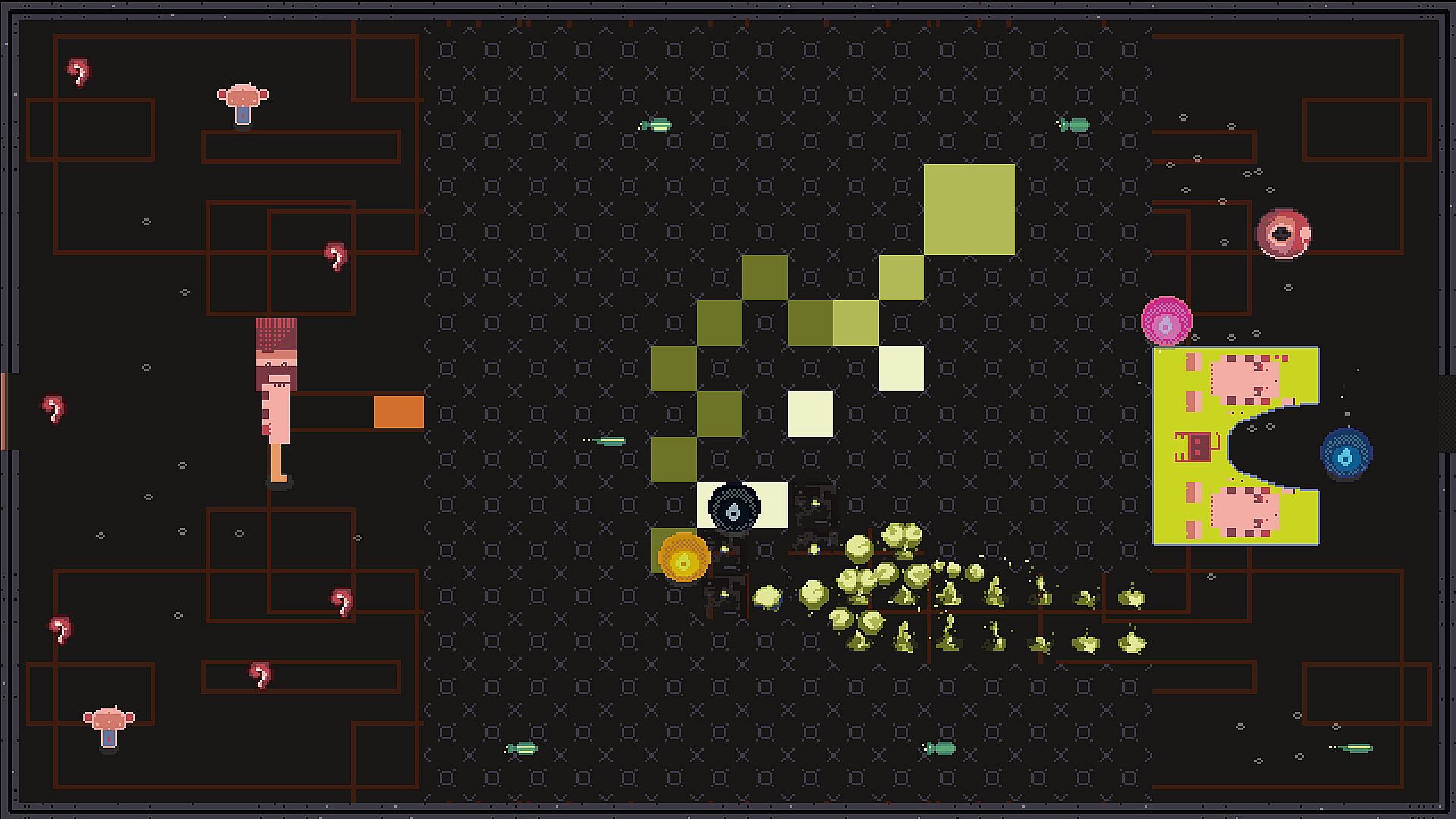
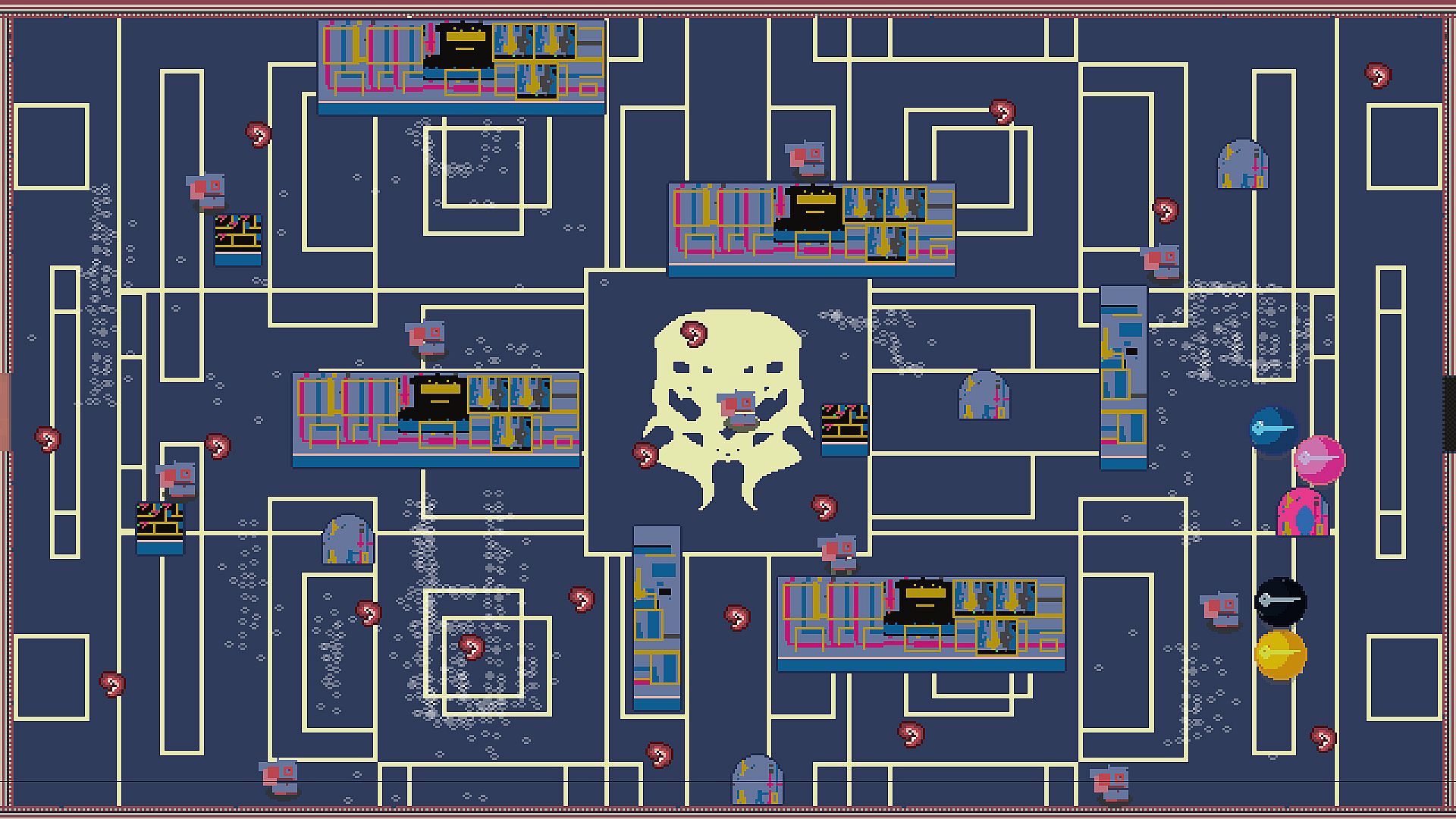
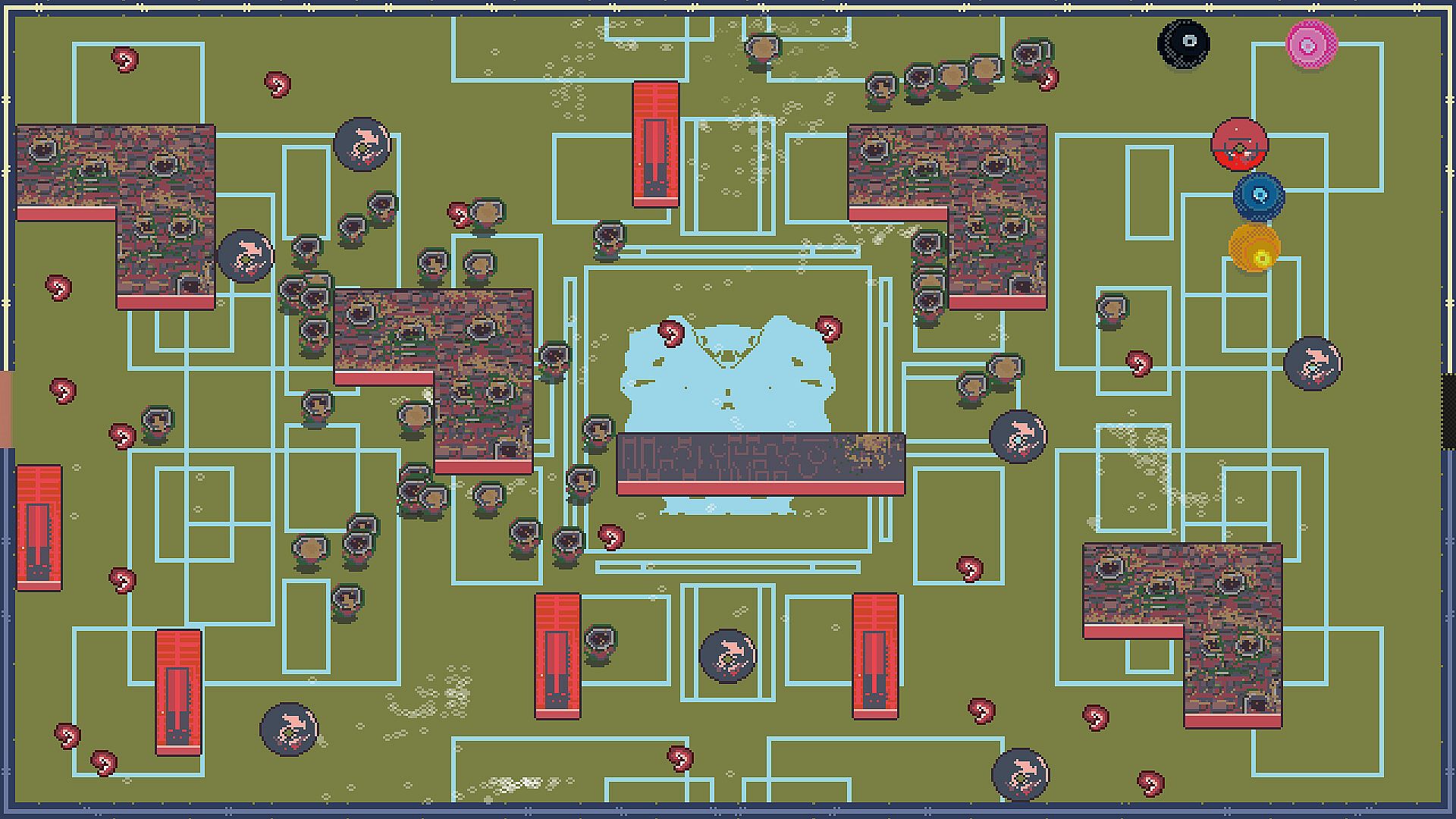
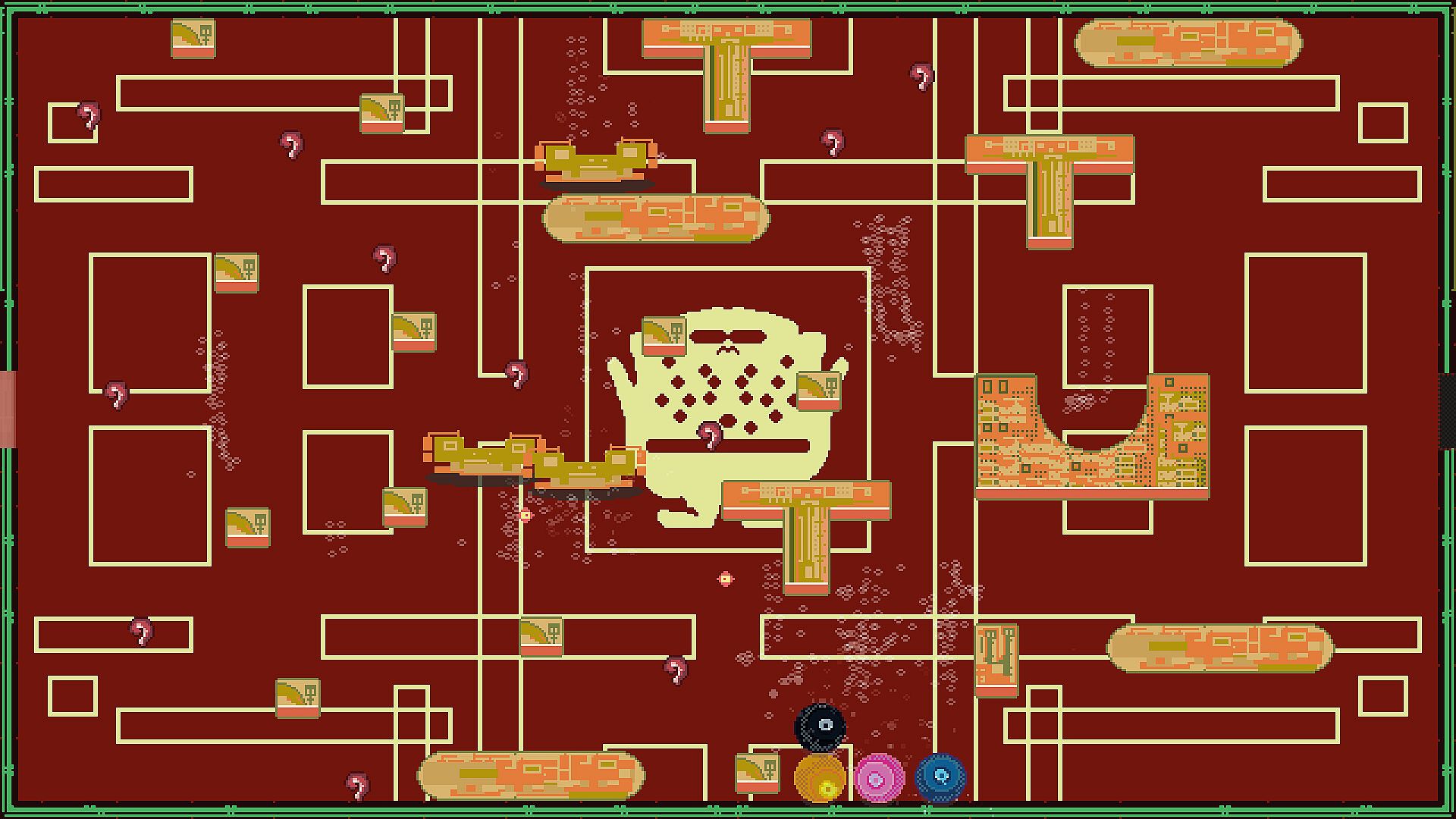
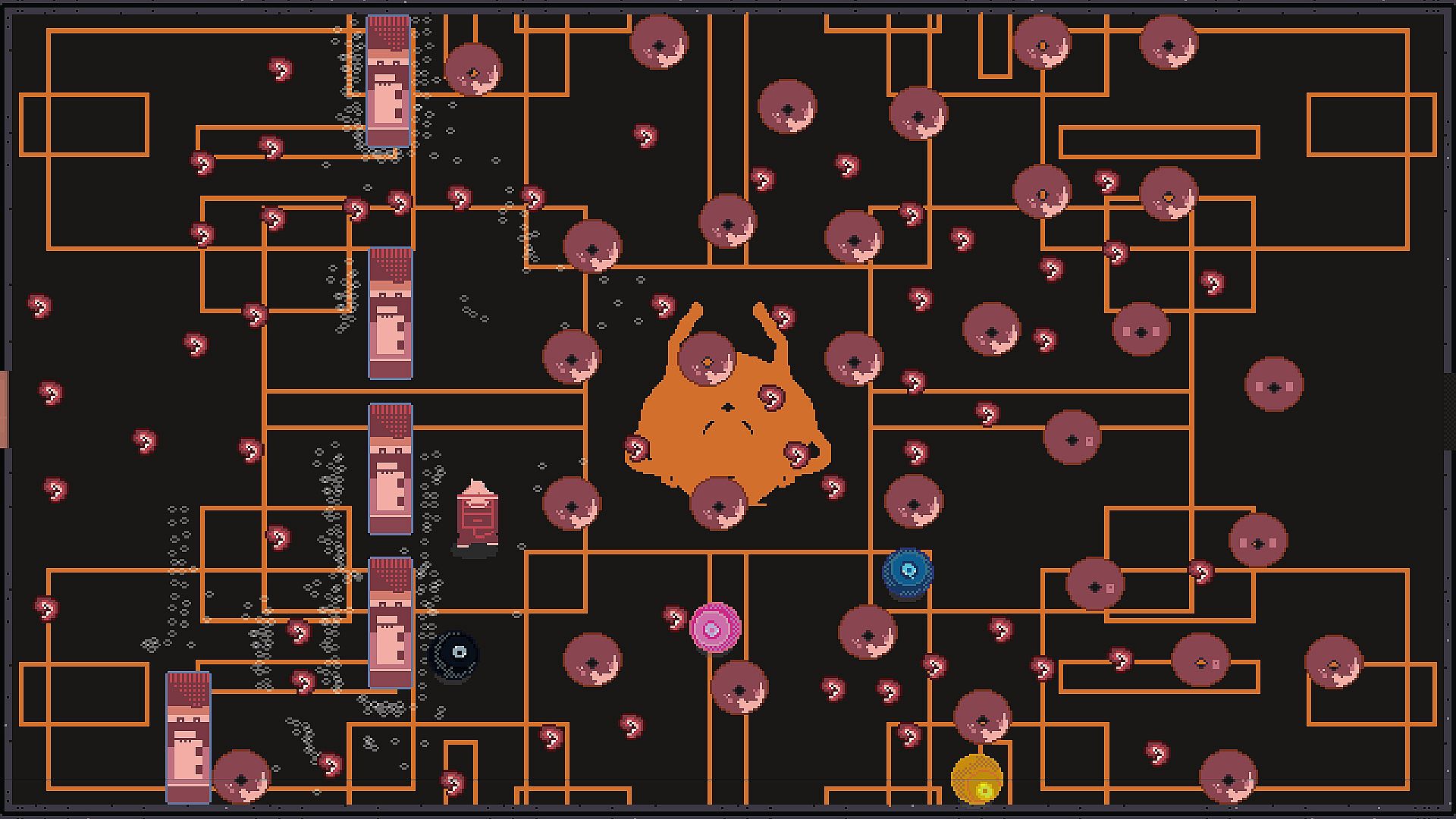
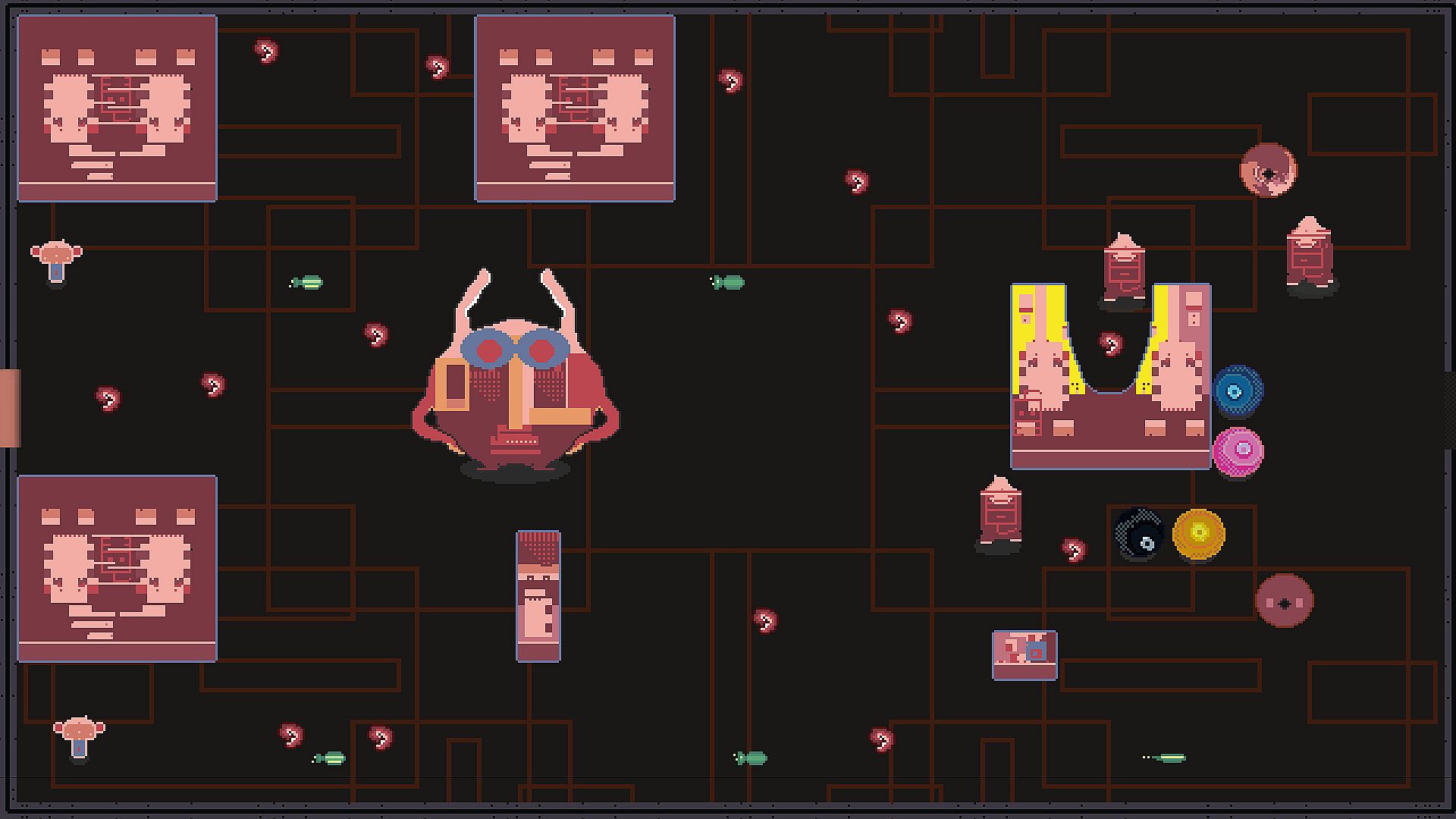
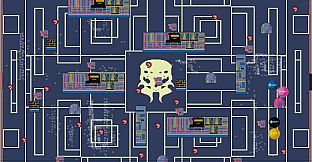
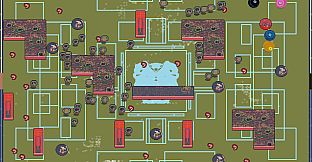
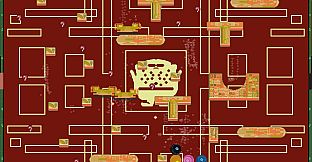
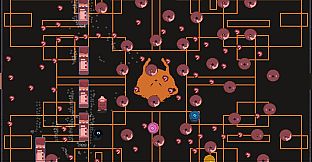
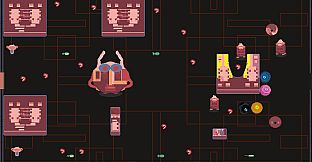
SKIVA is an action indie game for PC that challenges players with simultaneous control of four spheres using a single set of directional inputs. The core premise revolves around guiding these spheres through a series of obstacle-filled rooms while avoiding projectiles, enemies, and traps to reach each exit. Every command affects all four spheres at once, creating situations where a safe path for one can endanger the others and forcing constant adjustments in timing and positioning.
Gameplay
The gameplay centers on precision movement and quick decision making in compact environments. Players direct the spheres in four directions, but the shared controls mean that obstacles like moving blocks, enemy patrols, and incoming projectiles require careful observation before committing to a move. A single misstep can end the attempt for the group, yet the design supports instant room restarts to encourage experimentation with different approaches.
Rooms vary in layout and hazard combinations, each presenting unique coordination tests. Some setups feature tight corridors where spheres must thread narrow gaps together, while others involve staggered threats that demand waiting for the right opening. The pixel art style keeps visuals minimal, using color shifts and motion to highlight key elements without clutter. As progress continues, subtle background changes hint at an underlying narrative thread that unfolds gradually through the sequence of rooms.
Mastery comes from studying patterns rather than raw speed. Players learn to anticipate how one sphere's position influences the safety of the others, turning each room into a planning exercise. The simple input scheme keeps focus on coordination and reflexes, with difficulty scaling through denser obstacle arrangements rather than added complexity in controls.
Game Modes
SKIVA presents its content as a continuous single-player journey through interconnected rooms rather than separate named modes. The experience builds around successive challenges that increase in intricacy, with no branching campaigns or alternate rule sets confirmed. Progression relies on clearing rooms in sequence, where each success unlocks the next area while the mysterious events in the background provide ongoing context.
Quick retries form the main loop support, allowing immediate restarts within the current room to test new paths. This structure emphasizes repeated attempts and refinement over competitive scoring or cooperative elements. The absence of additional modes keeps attention on the core mechanic of managing four spheres under unified commands.
Core Mechanics and Challenges
Central to the design is the tension created by unified controls. A forward input advances every sphere simultaneously, so positioning becomes critical to avoid collisions with hazards that affect only some of the group. Projectiles and enemies move on predictable patterns, rewarding players who pause to map safe windows before acting. Moving blocks add another layer, as their paths can block one sphere while opening space for another.
Strategy emerges from prioritizing which sphere leads or trails in each situation. Certain rooms reward holding position until threats pass, while others demand rapid directional changes to split the group effectively around obstacles. The pixel aesthetic reinforces this focus by stripping away unnecessary details, letting movement and color cues guide attention during intense sequences.
Is It Worth Playing?
SKIVA suits players who enjoy precision puzzle action and coordination challenges in a compact format. The straightforward controls paired with demanding execution create a loop of observation, planning, and adjustment that rewards persistence. Those drawn to minimalist indie titles with a focus on spatial awareness and pattern recognition will find the room-by-room structure engaging.
The unfolding mystery adds a layer of intrigue without requiring external knowledge, encouraging completion to see how events develop. With its emphasis on instant feedback through retries, the game supports short sessions or extended runs of refinement. For anyone seeking a single-player experience built around simultaneous multi-object control rather than traditional character movement, the title offers a distinct test of reflexes and foresight.











