

Sky Commander: Voice RTS is an action and strategy indie game for PC that combines real-time strategy command with direct vehicle control through voice recognition. Players issue spoken orders to direct forces across a neon-vector battlefield while switching seamlessly into the pilot seat of their units for hands-on combat.
Gameplay
The core loop centers on speaking commands aloud to direct units, followed by immediate transitions into piloting those same forces in battle. Orders such as attacking key positions or regrouping troops execute in real time, allowing the player to maintain oversight from a strategic perspective before diving into the action as a fighter pilot, tank driver, or mech operator. This hybrid approach keeps the focus on positioning and resource management while adding personal skill in aiming lasers, firing missiles, or trading cannon shots.
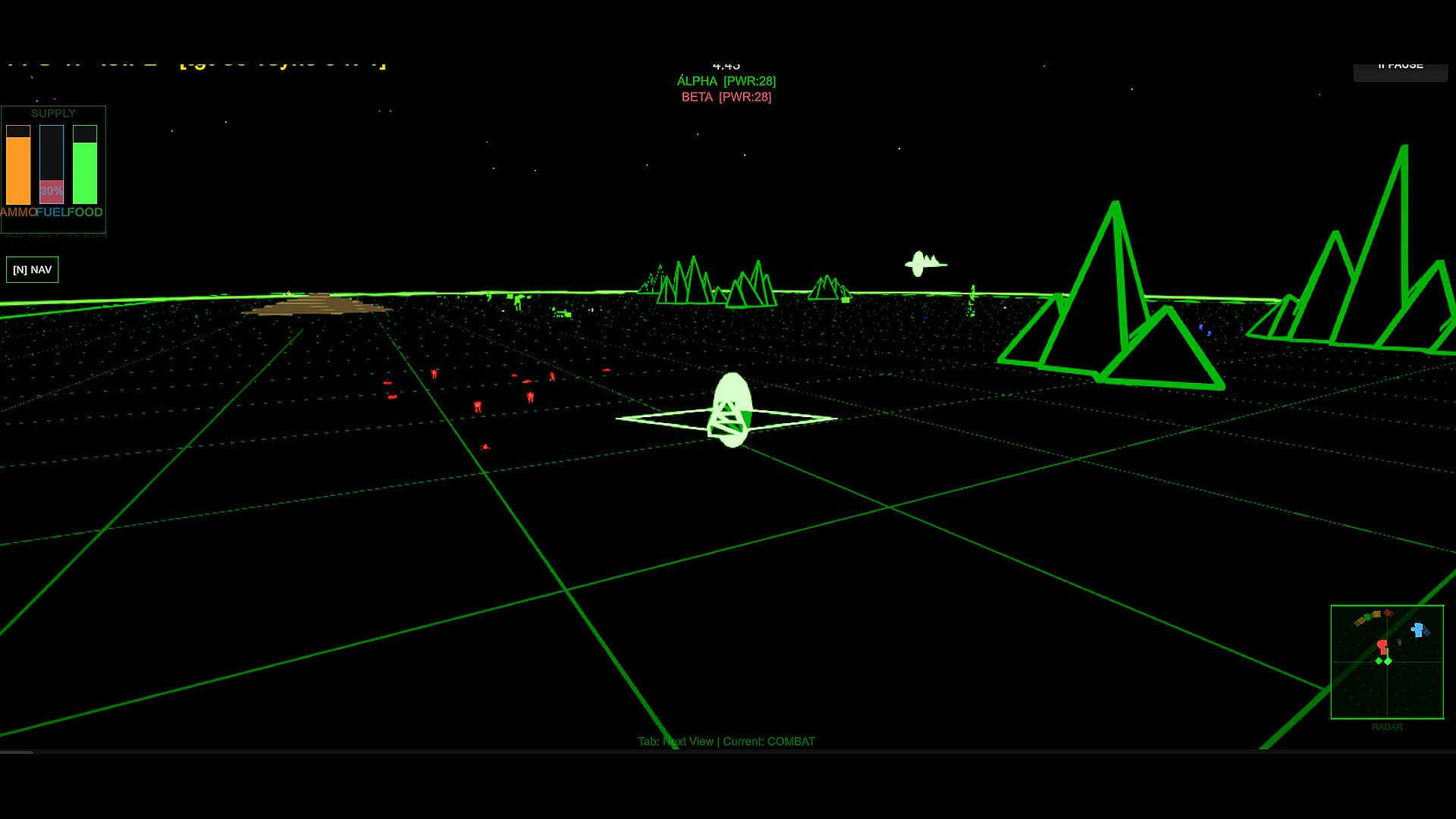
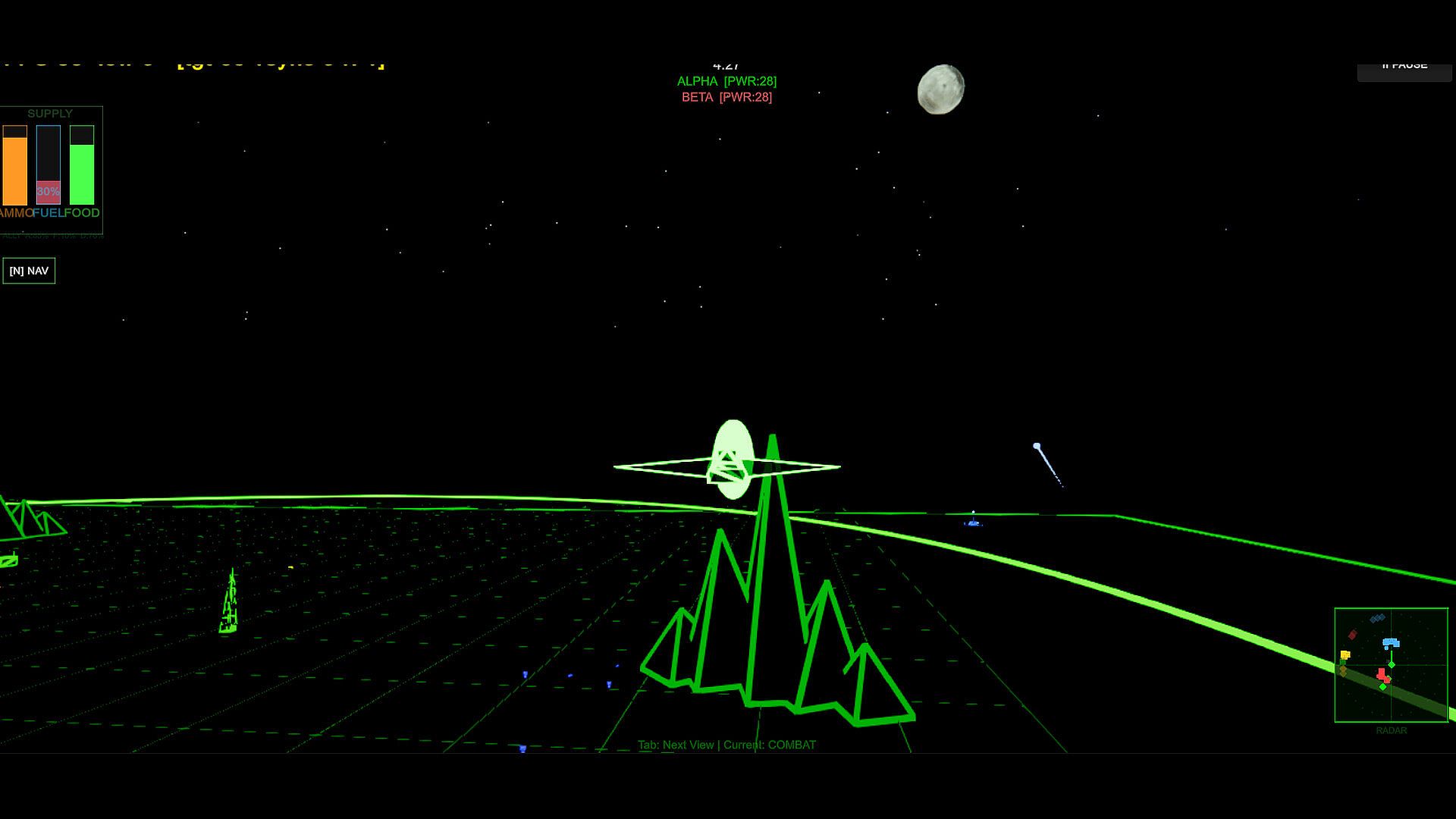
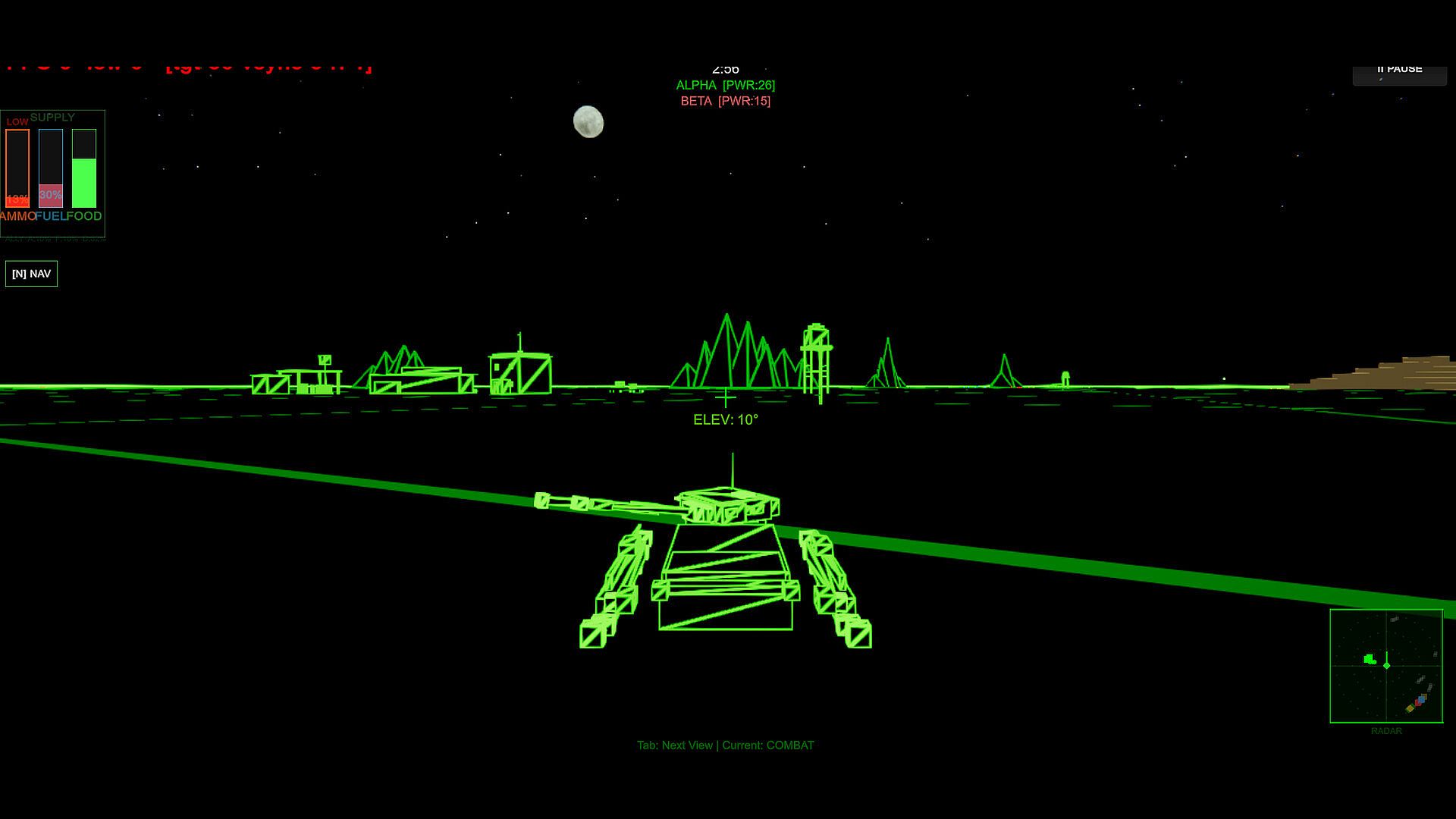
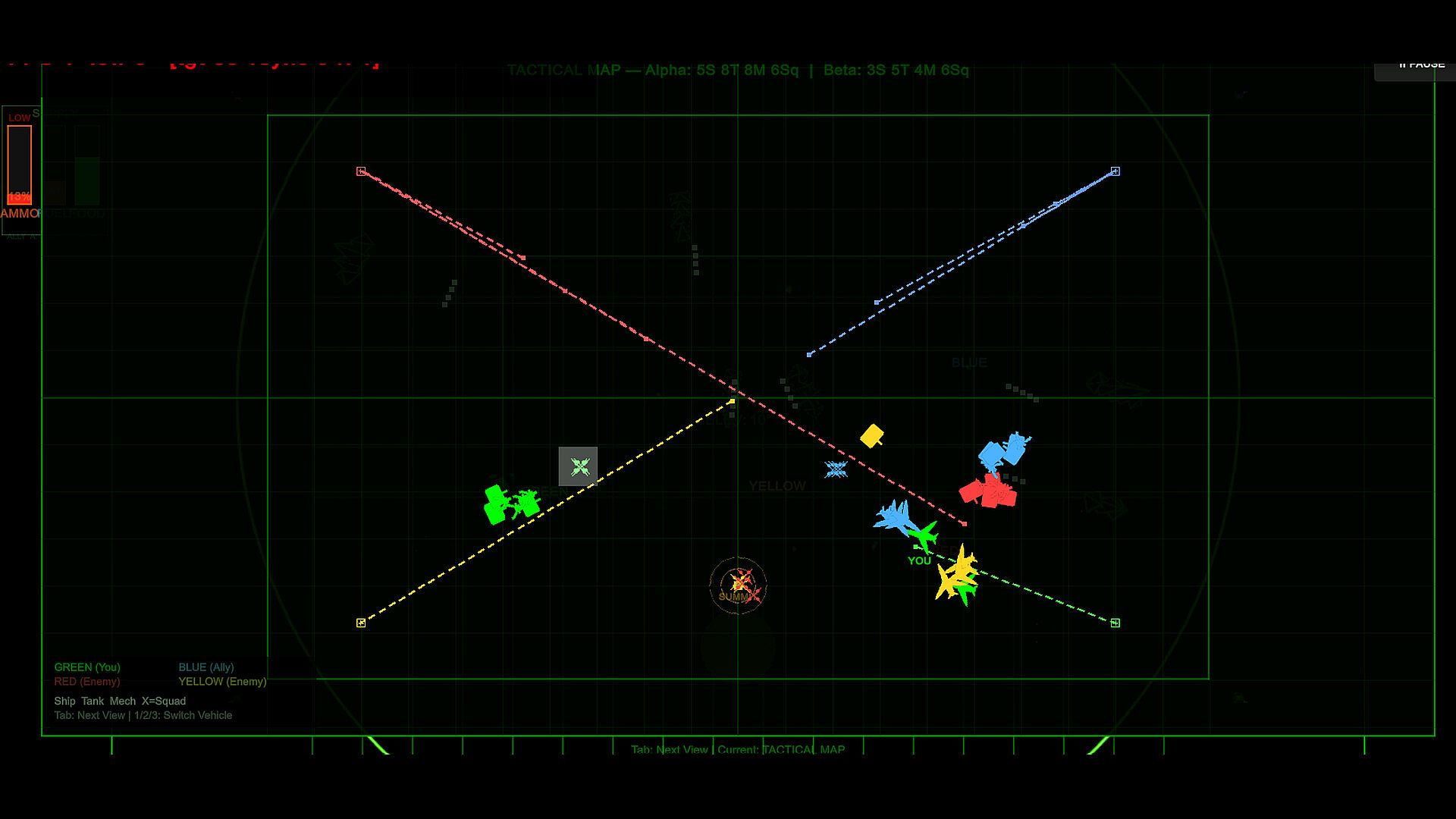
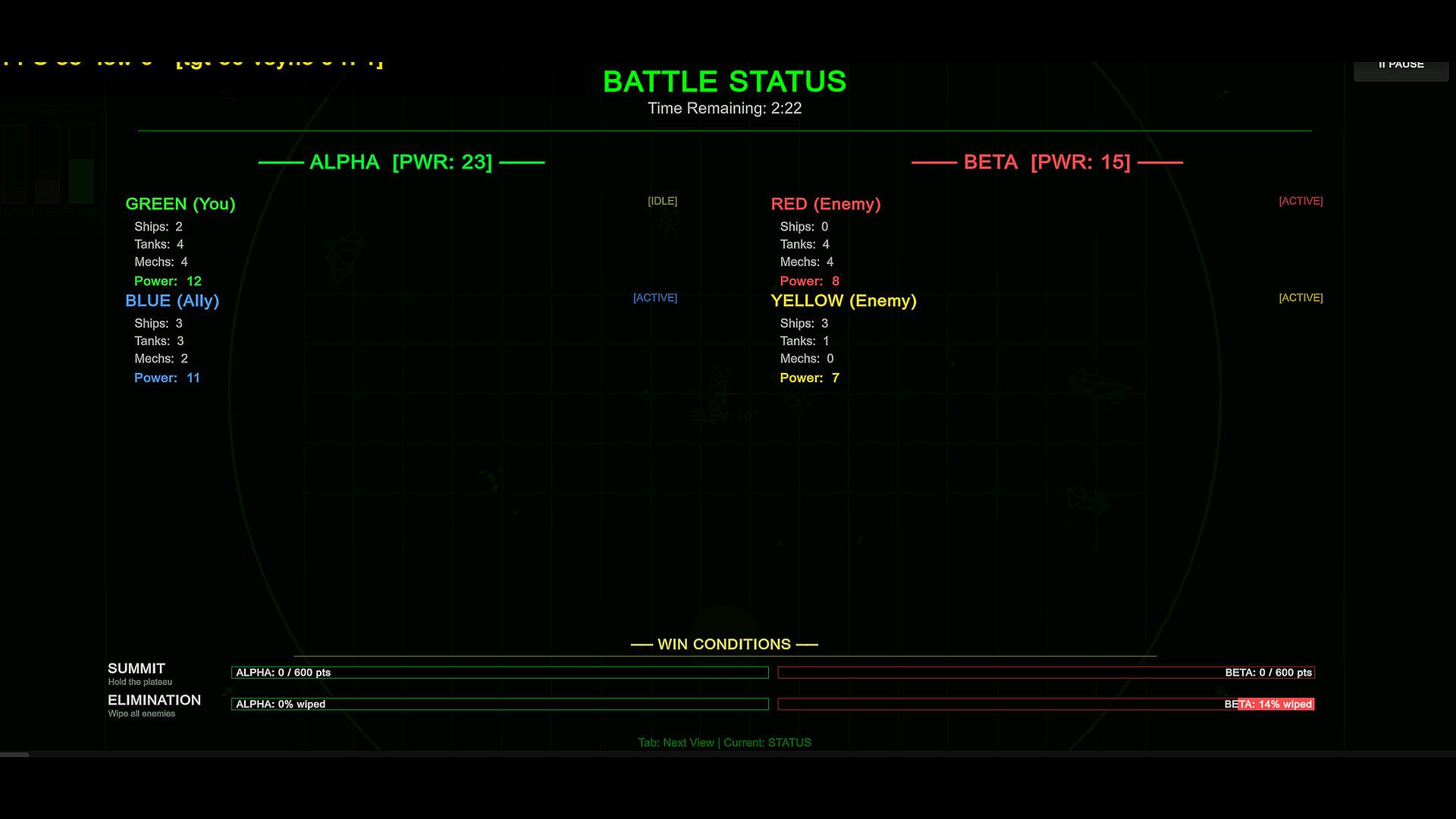
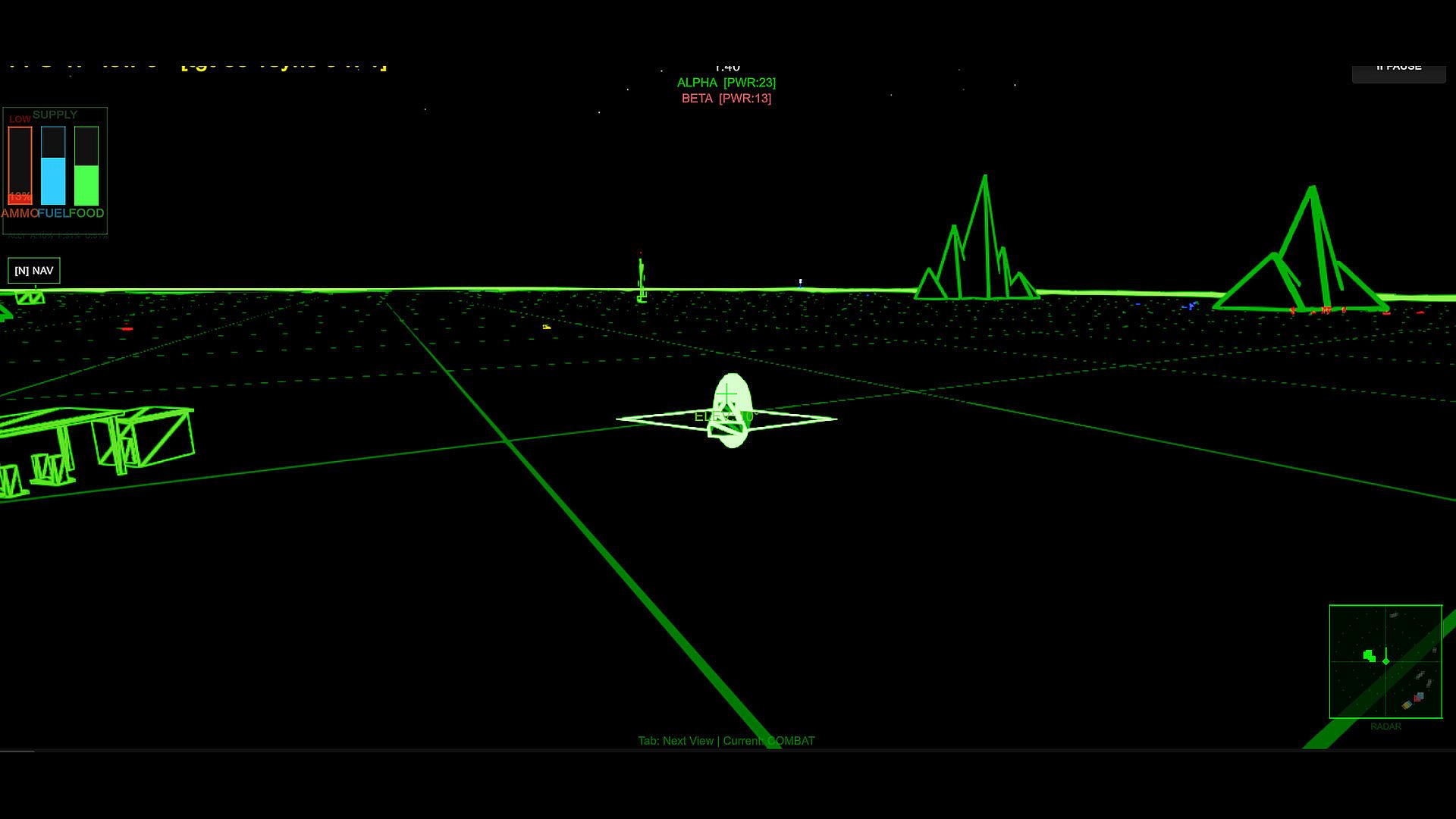
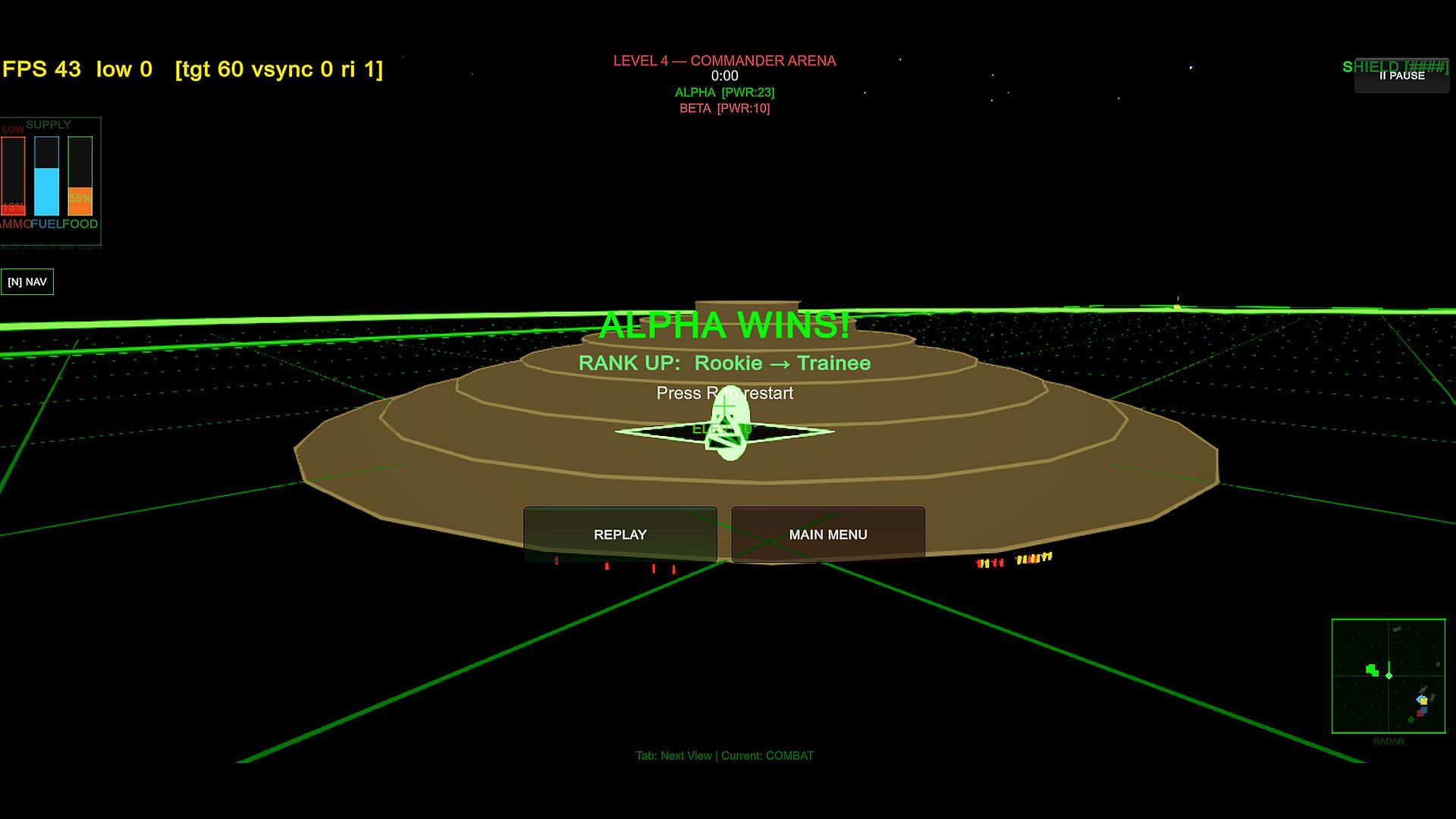
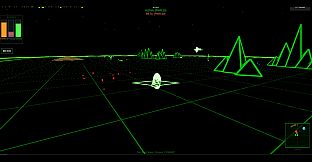
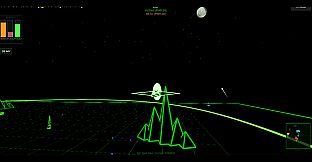
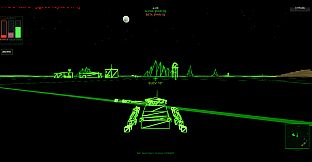
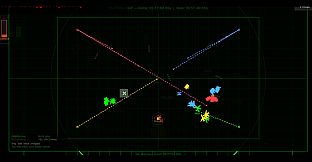
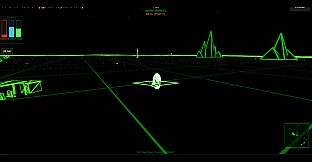
Four distinct vehicle types support the experience across escalating missions. Wireframe fighters handle aerial dogfights with laser and missile weapons. Armored tanks engage in ground exchanges across grid-based terrain. Walking war machines launch rockets and use stomp attacks for close-range dominance. The neon-vector art style ensures clear visibility of units and objectives even during fast-paced exchanges, with a live tactical map and scoreboard providing constant updates on the battlefield state.
Resource management revolves around supply convoys that deliver fuel and ammunition. Players must protect their own routes while disrupting enemy lines to maintain fighting capability. High ground at the summit grants a power bonus that influences overall control, encouraging coordinated pushes and defensive setups between allied forces.
Game Modes
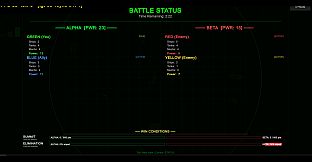
Commander Arena serves as the central experience, where two alliances clash for battlefield dominance. Green forces team with a blue ally against red and yellow opponents, with victory determined by firepower, positioning, and objective control rather than simple elimination. Missions build through four theaters of war that escalate in complexity.
Sky Dogfight focuses on aerial interception of enemy commanders using fighter jets. Tank Battle emphasizes armored advances and defensive stands across open grids. Mech Walker introduces heavy firepower and terrain traversal with rocket barrages. These theaters integrate into the larger Commander Arena structure, where strategic oversight transitions directly into vehicle control for each unit type.
A solo campaign allows players to progress through the full sequence of missions from start to finish, practicing voice commands and vehicle handling without external opponents. The system supports natural speech for orders, reducing reliance on traditional mouse or keyboard inputs during command phases.
Core Mechanics and Features
Voice recognition forms the foundation of unit control, enabling players to call out specific directives that trigger immediate responses from forces on the field. This integrates with direct piloting, where every commanded unit becomes available for personal operation in the same session. The result blends high-level planning with low-level execution in a single neon-vector environment.
Objectives emphasize supply line security and summit control alongside direct engagements. Convoys move critical resources that sustain armies, making their protection or destruction a recurring tactical priority. The scoreboard tracks progress across alliances, turning chaotic exchanges into measurable advantages through consistent positioning and fire support.
Four playable vehicle types provide variety within the four mission theaters, each with distinct handling and weaponry suited to its role. The art style prioritizes readability, with clean lines and glowing elements that highlight unit positions and movement paths during both strategic and action phases.
Is It Worth Playing?
Sky Commander: Voice RTS suits players who enjoy real-time strategy combined with direct action control and voice input systems. The solo campaign provides a complete single-player path through all theaters and objectives, focusing on command execution and vehicle piloting without requiring multiplayer participation.
Those interested in hybrid RTS experiences that reduce traditional interface friction through spoken orders will find the core systems align directly with the described mechanics. The emphasis on supply routes, summit control, and alliance-based objectives creates repeatable tactical decisions across the campaign missions.
Availability on PC supports straightforward access for testing voice recognition compatibility. The indie focus keeps the scope contained to the verified features of voice commands, vehicle switching, and objective-driven battles in the neon-vector setting.