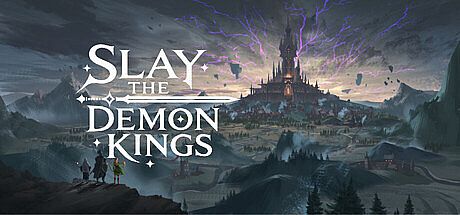


Slay the Demon Kings is a single-player Early Access title on PC that blends party-based RPG combat, deckbuilding, and roguelike progression. Players lead three amnesiac adventurers through the remnants of a Demon King's domain, reclaiming lost power while eliminating every threat along the way. The core loop centers on managing a shared hand of cards and a shared pool of Action Points across the entire party, with enemy countdown timers adding constant pressure to each decision.
Gameplay
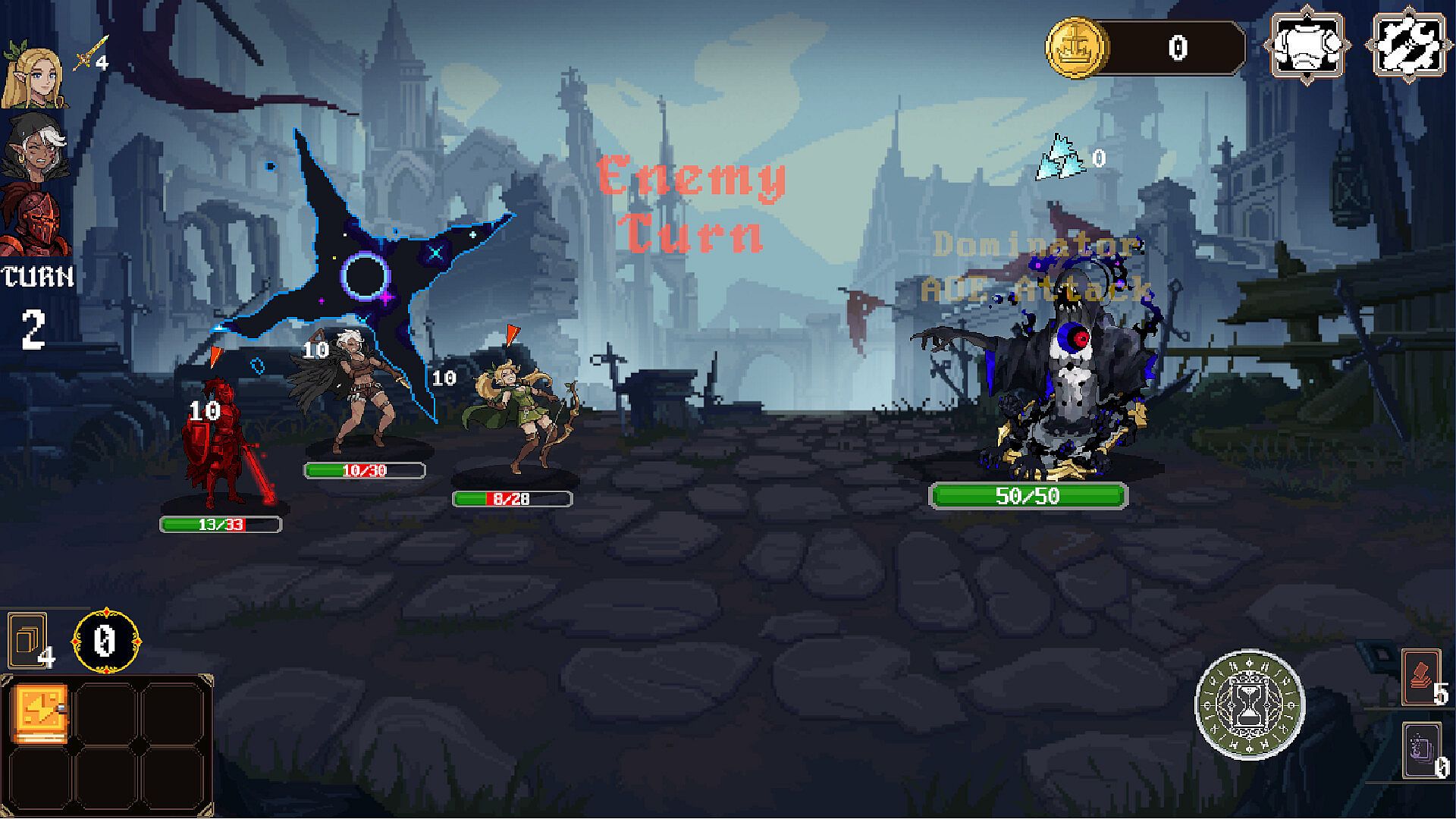
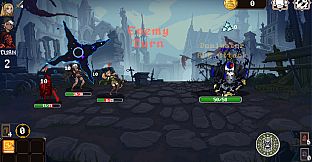
Combat unfolds in real time with turn-based elements. Every action advances enemy countdowns, and when a timer hits zero that foe strikes immediately. Players must read intentions, sequence moves carefully, and decide whether to interrupt, disable, or eliminate threats before they act. When an ally falls, their cards convert into rescue options, forcing a choice between continuing the assault or reviving the companion.
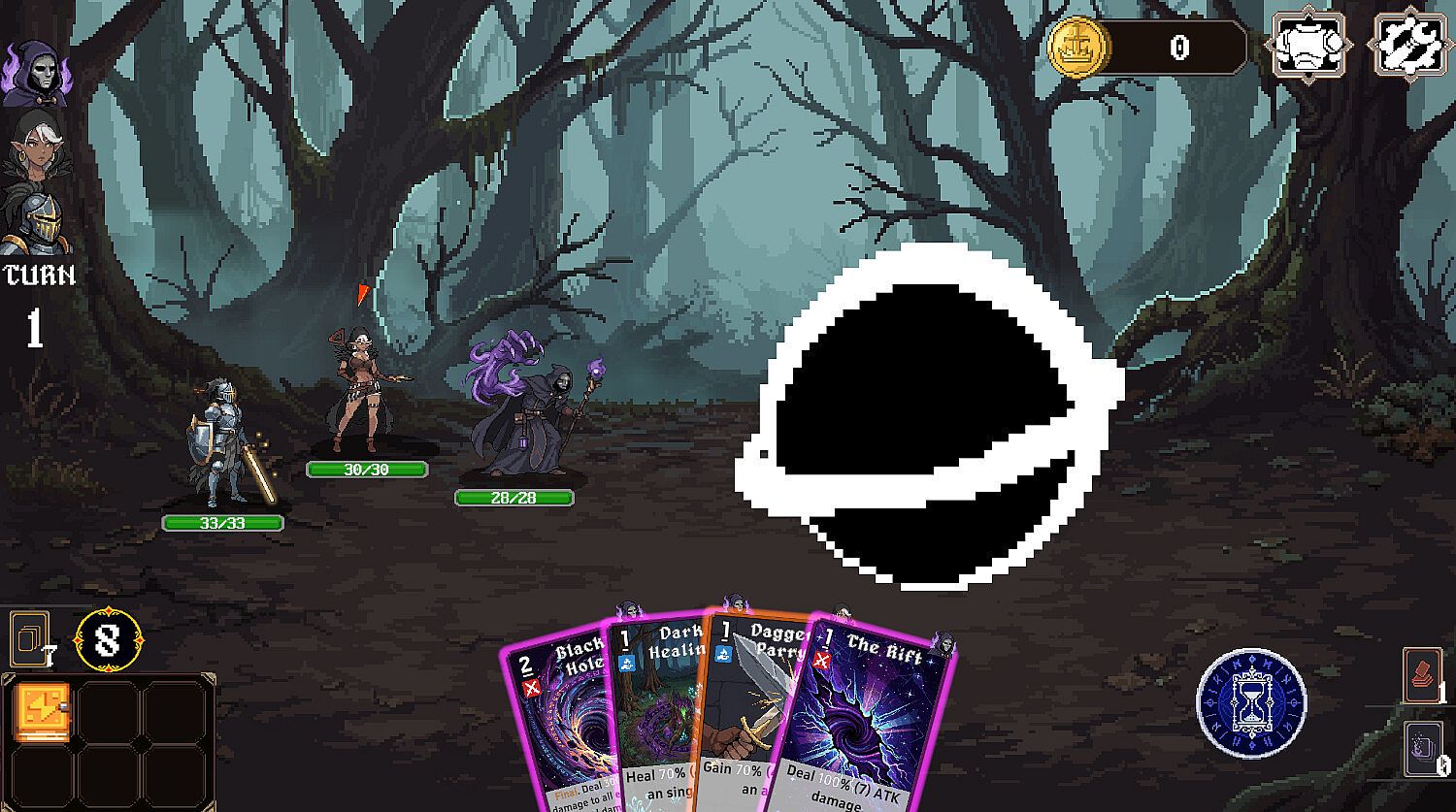
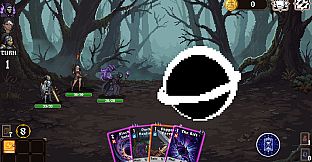
Each of the three characters brings a distinct combat style. One might focus on absorbing damage, another on healing or support, while others emphasize critical hits, poison, control effects, or status ailments. All three draw from one deck and one hand, so resource allocation becomes the central strategic challenge. Protecting an ally or concentrating fire on a priority target can determine how far the party advances.
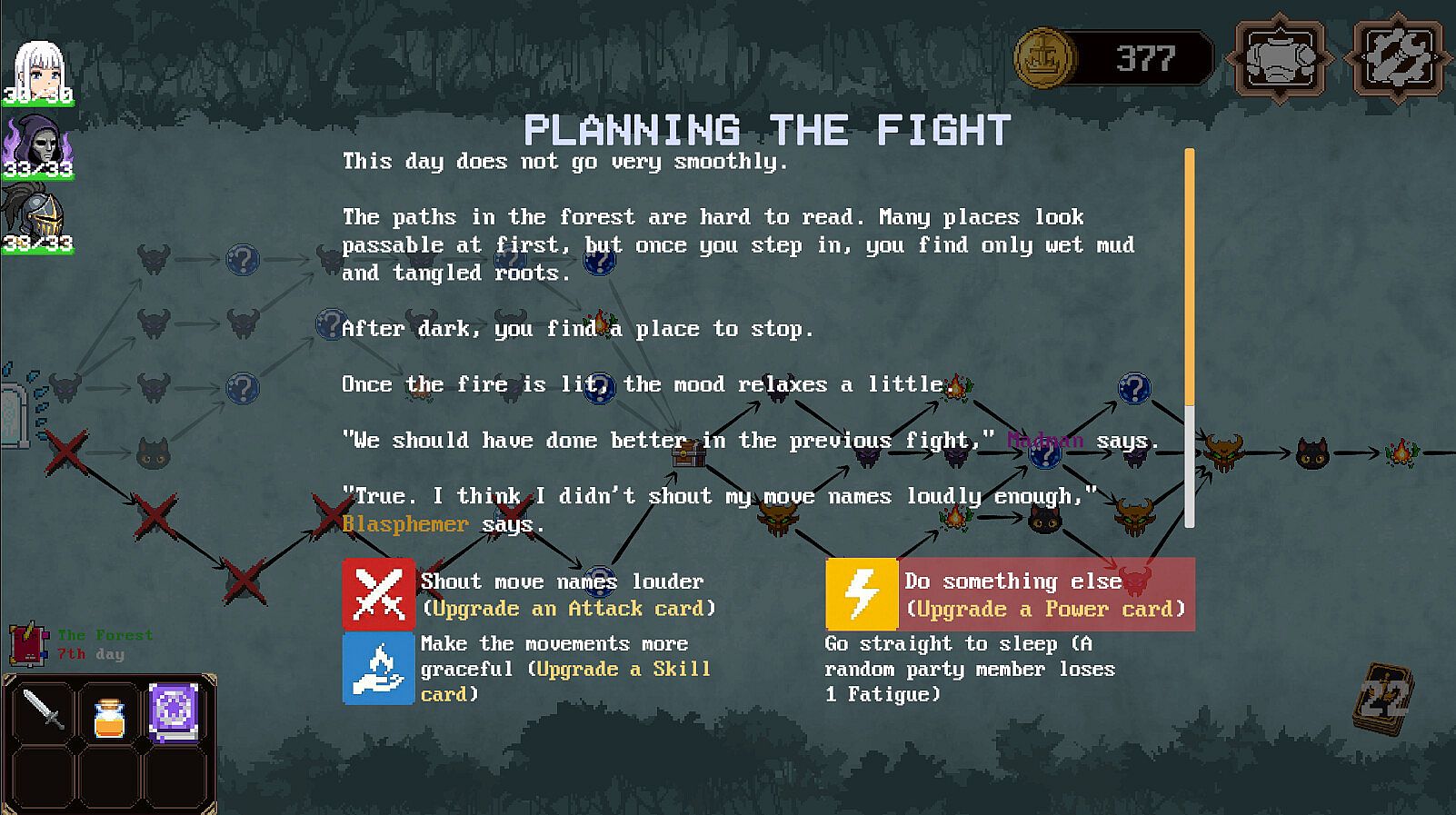
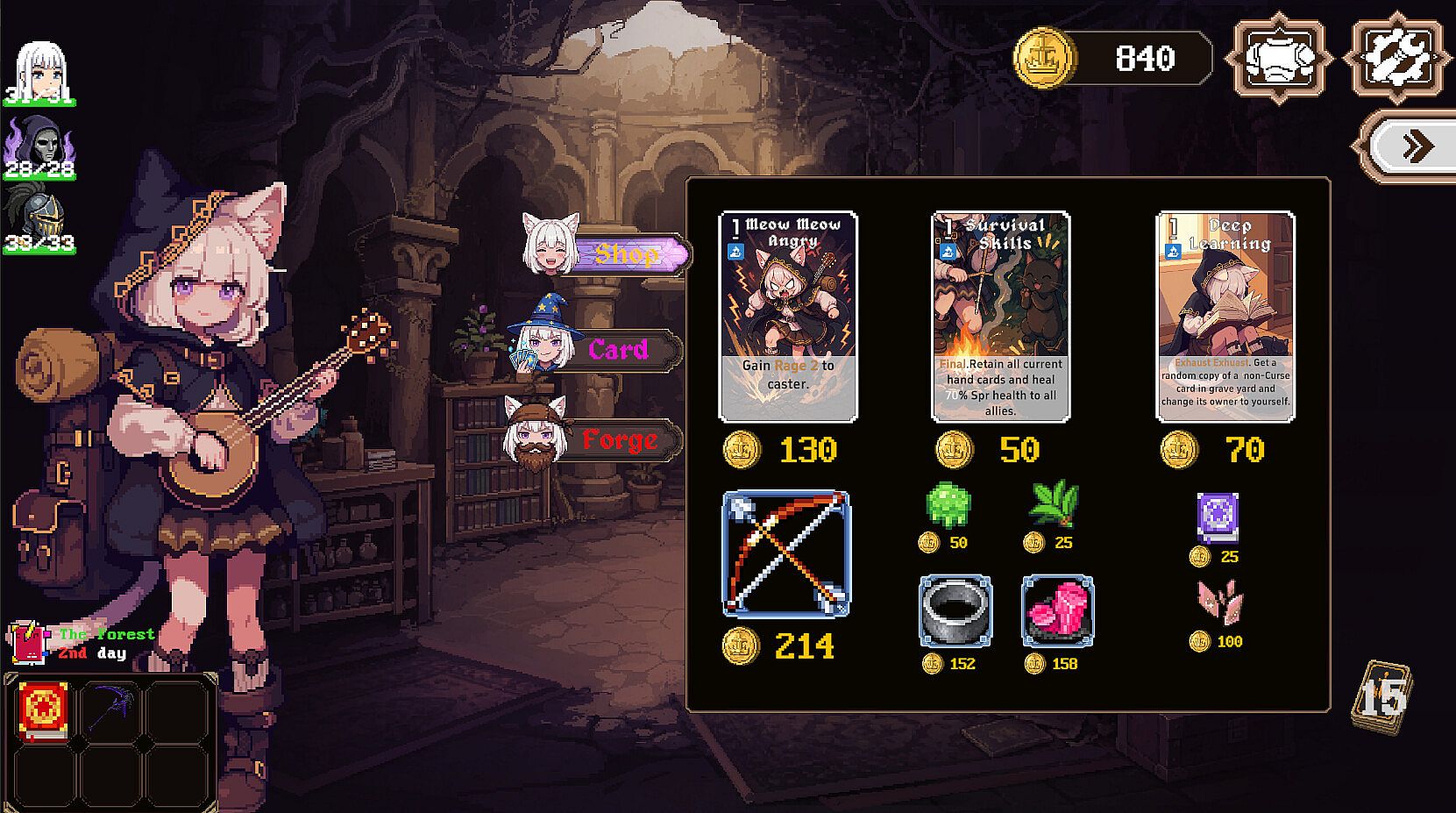
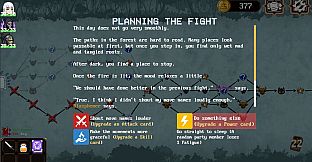
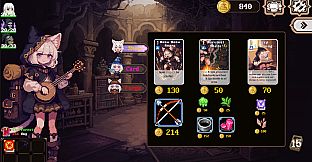
Card upgrades provide three distinct paths per class card, allowing the same starting ability to evolve into very different roles depending on party composition. Thirteen class cards and two Masterstroke cards define each character's identity, while 41 neutral cards offer flexible additions that can reinforce an existing strategy or enable entirely new archetypes. Equipment further shapes builds: legendary weapons alter attack patterns, treasures grant unique passive effects, and consumables provide emergency tools. Stats such as Attack, Spirit, and Critical Rate shift with every piece of gear.
Game Modes
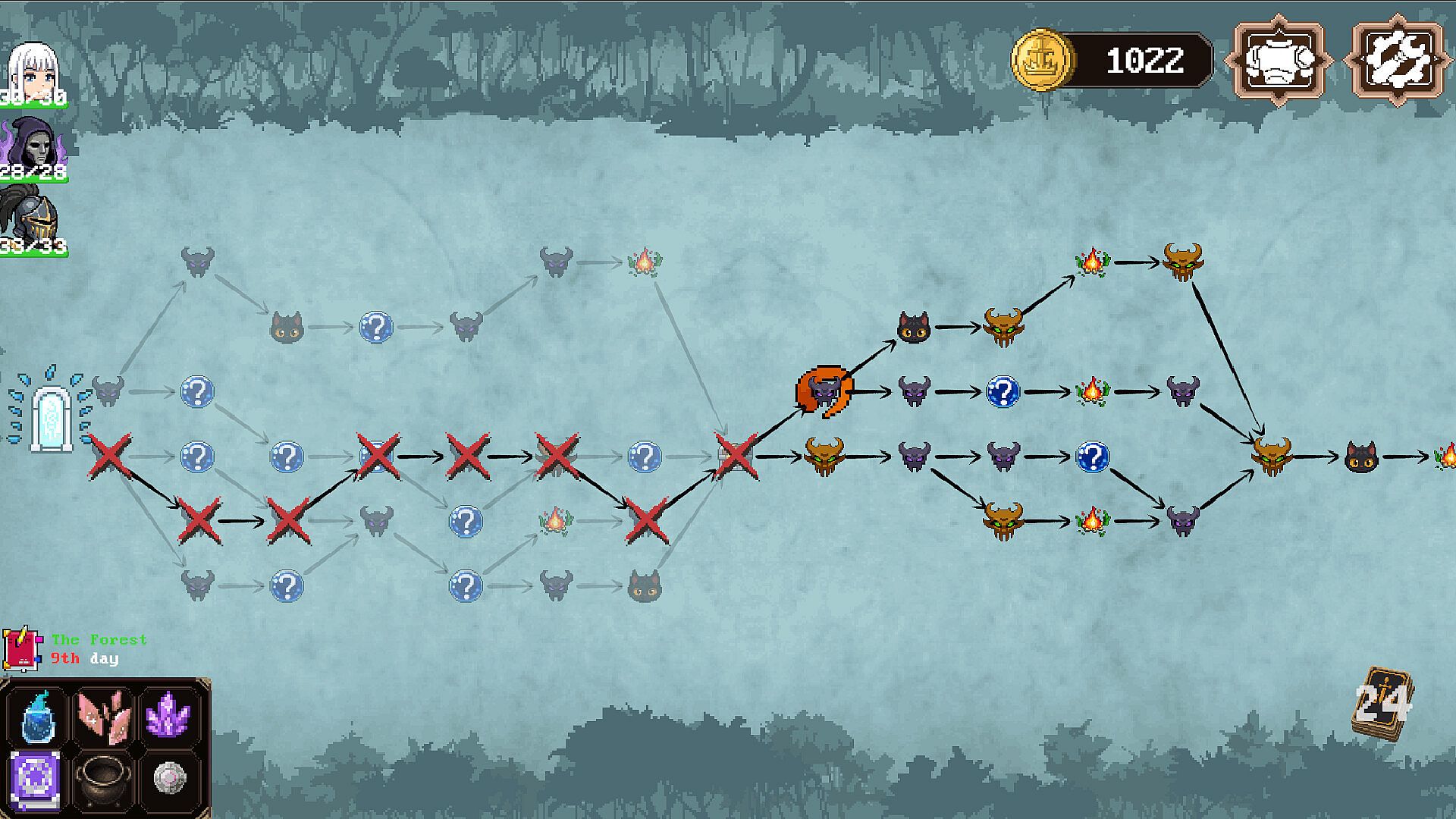
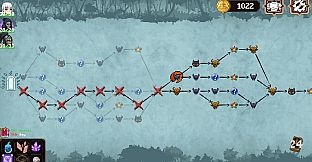
The game operates as a single continuous experience without separate named modes. Each run involves navigating unknown events, elite encounters, and powerful bosses at the end of each path. Players select three characters from a cast with radically different styles, then assemble and refine a shared deck while venturing deeper into hostile territory. Progression resets between runs in classic roguelike fashion, encouraging experimentation with card upgrades, weapon choices, and treasure synergies.
Success depends on adapting to the shared-resource constraints and timing pressures that define every battle. No additional game modes such as multiplayer or separate campaigns are present in the current Early Access build.
Character Builds and Progression
Party composition drives long-term strategy. Selecting characters whose strengths complement one another allows the shared deck to cover weaknesses while creating powerful synergies. A tank-focused ally paired with a poison specialist and a critical-strike dealer, for example, produces very different combat rhythms than three offense-oriented picks. Each journey offers fresh opportunities to test new upgrade paths and equipment combinations, ensuring no two runs play identically.
Neutral cards serve as wildcards that can anchor an archetype or fill gaps left by class-specific options. Treasures and weapons add another layer, turning an unassuming item into the centerpiece of an entire build. The result is a system where small choices compound into dramatically different playstyles over the course of a run.
Is It Worth Playing?
Slay the Demon Kings targets players who enjoy deliberate resource management and timing-based combat within a roguelike framework. The shared hand and Action Point system creates constant tension, while the countdown mechanics reward careful planning over brute force. Those who appreciate experimenting with card upgrades and equipment synergies will find substantial depth in the buildcrafting.
As an Early Access release, the game continues to receive updates that expand content and refine systems. Players comfortable with iterative development and willing to engage with the core loop of party management and timed decisions may find the experience rewarding. Those seeking polished, feature-complete titles or multiplayer options should monitor further updates before committing.