







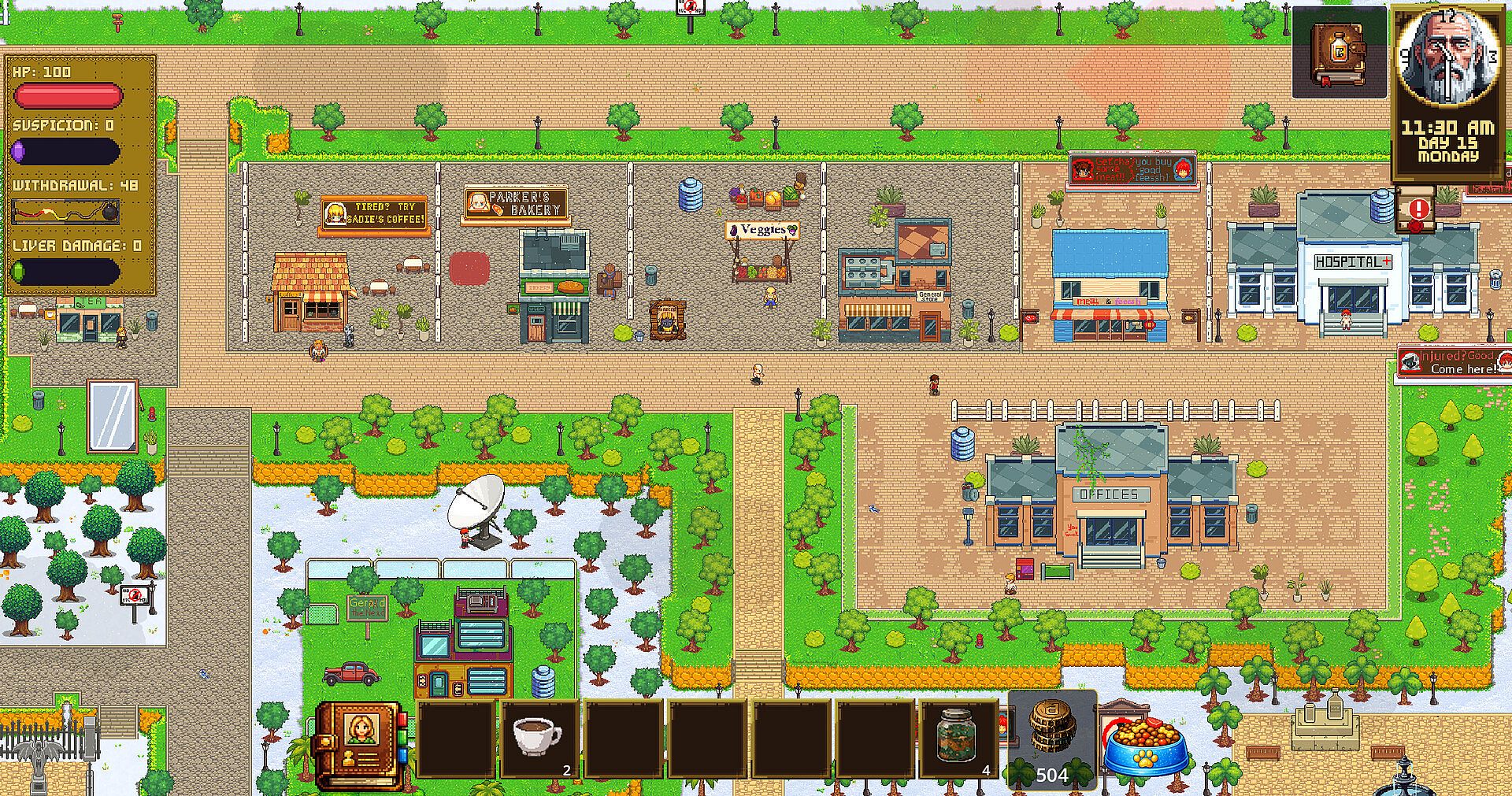
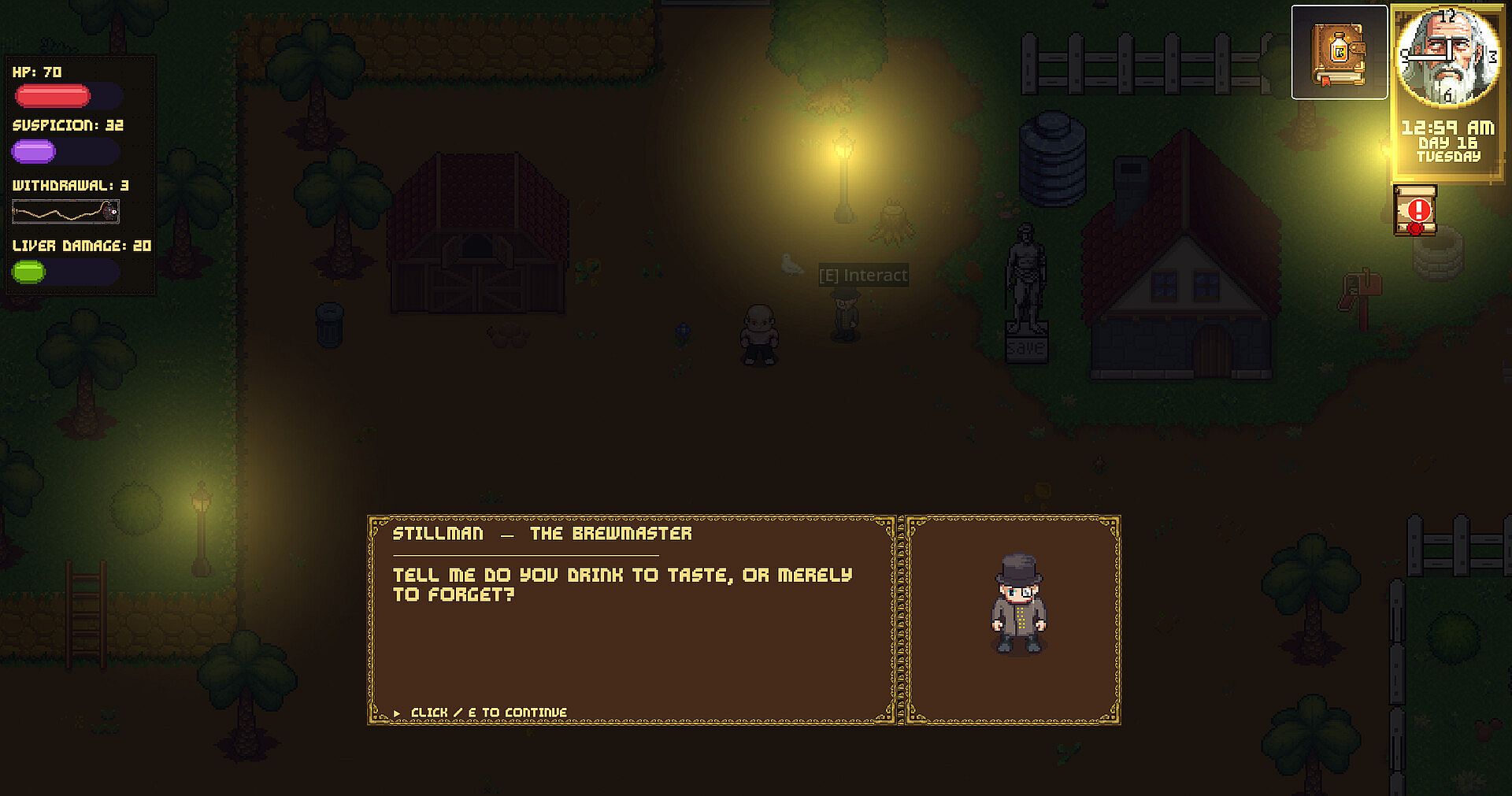
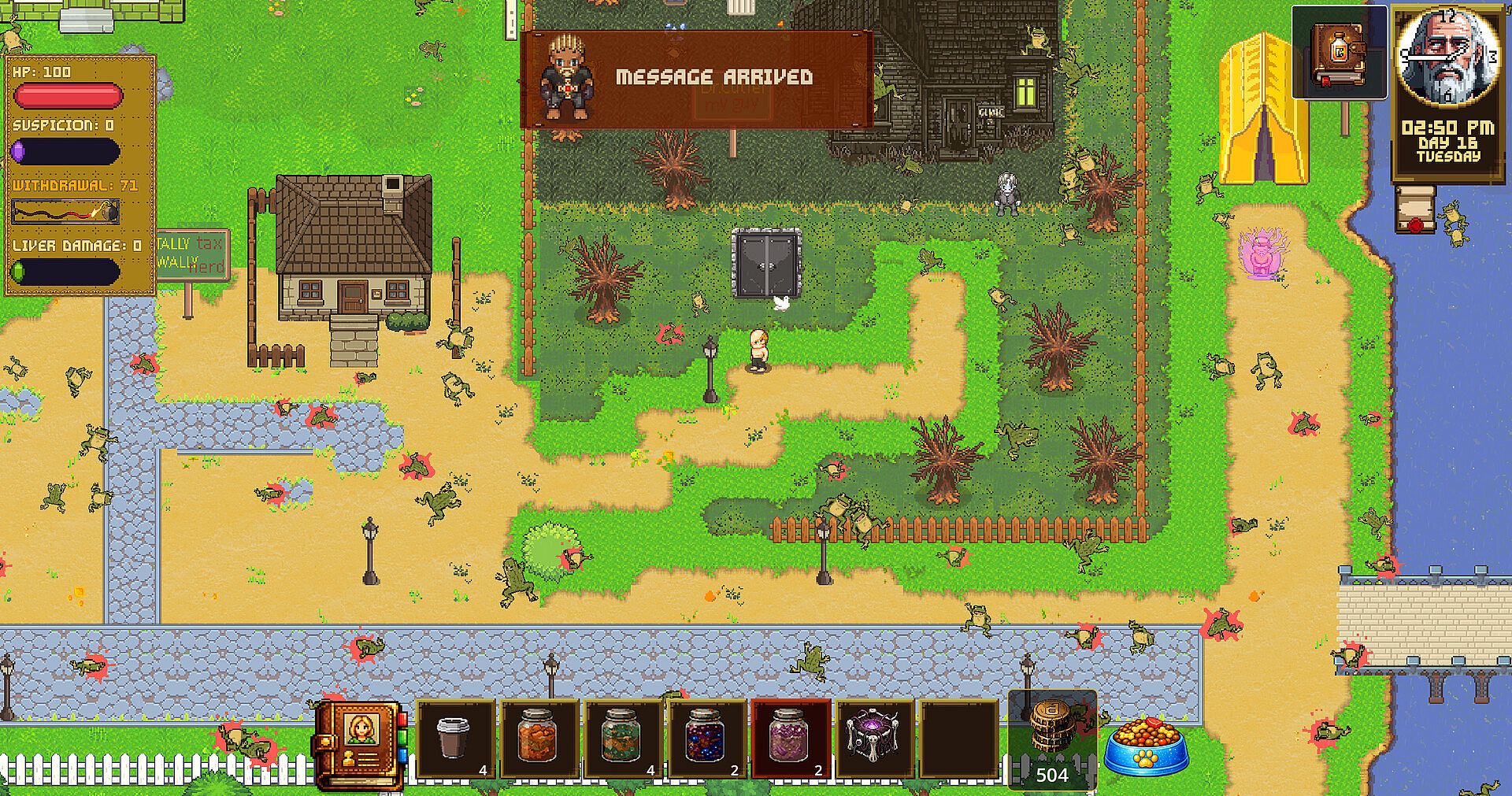
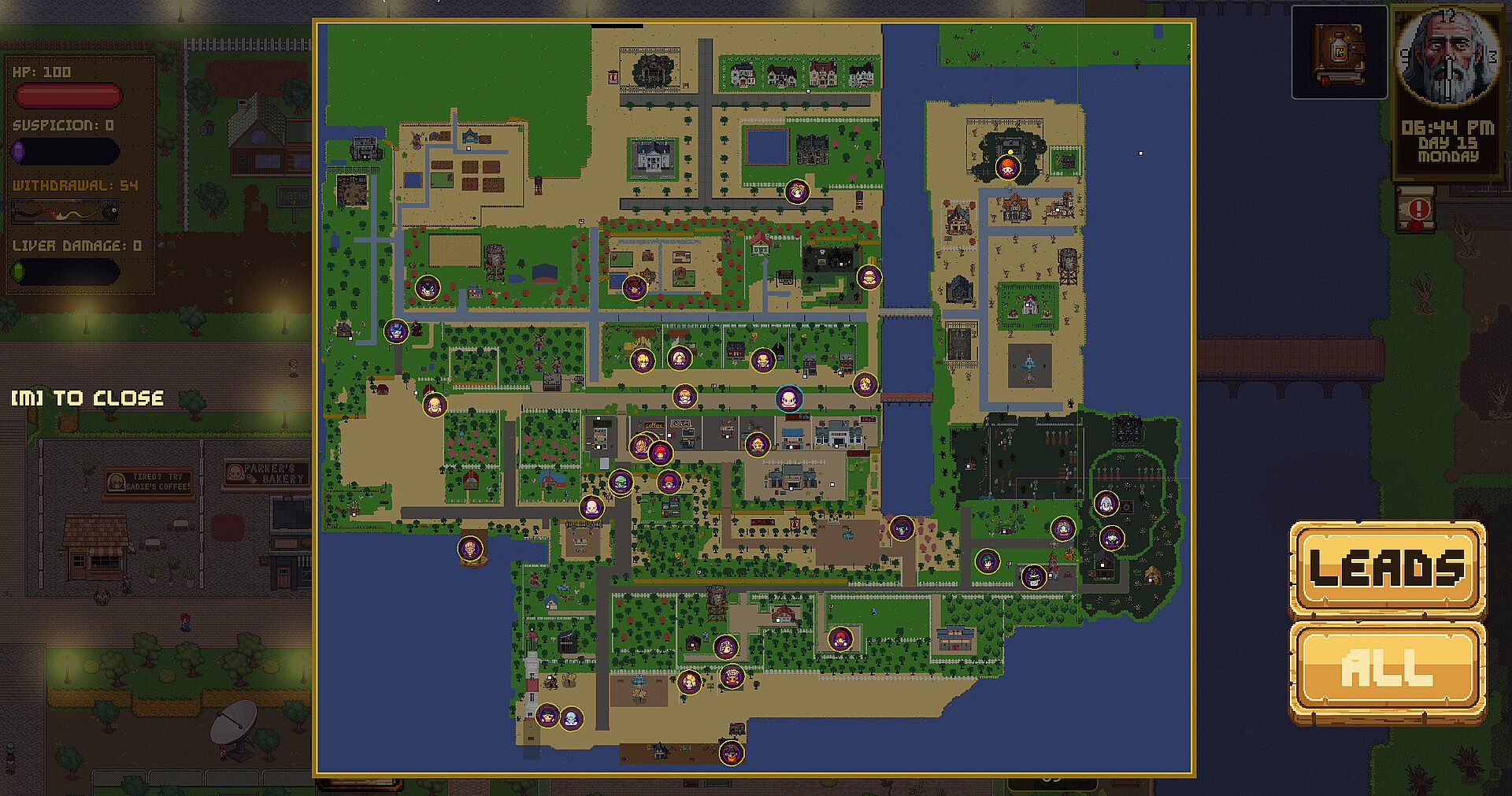
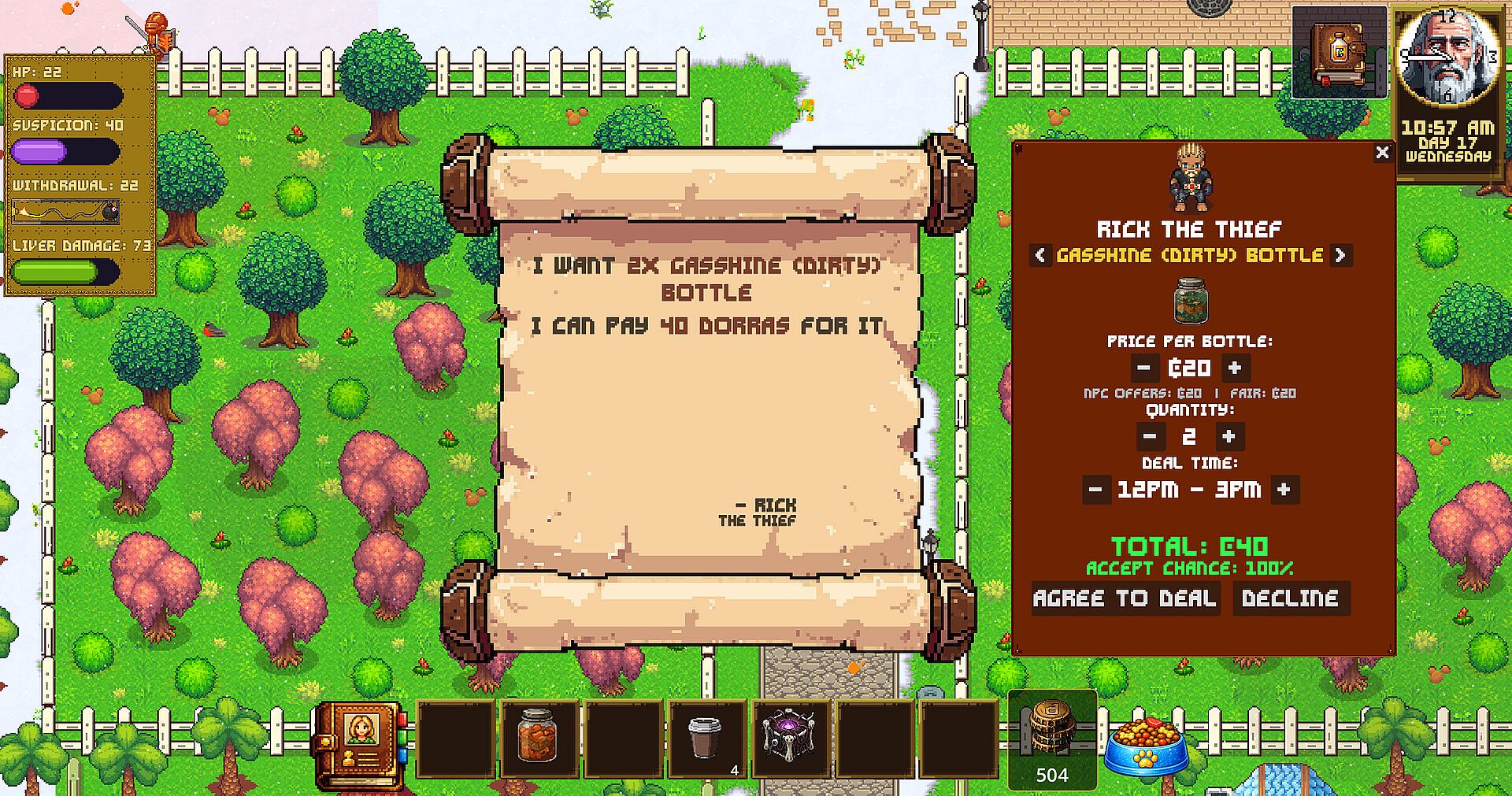
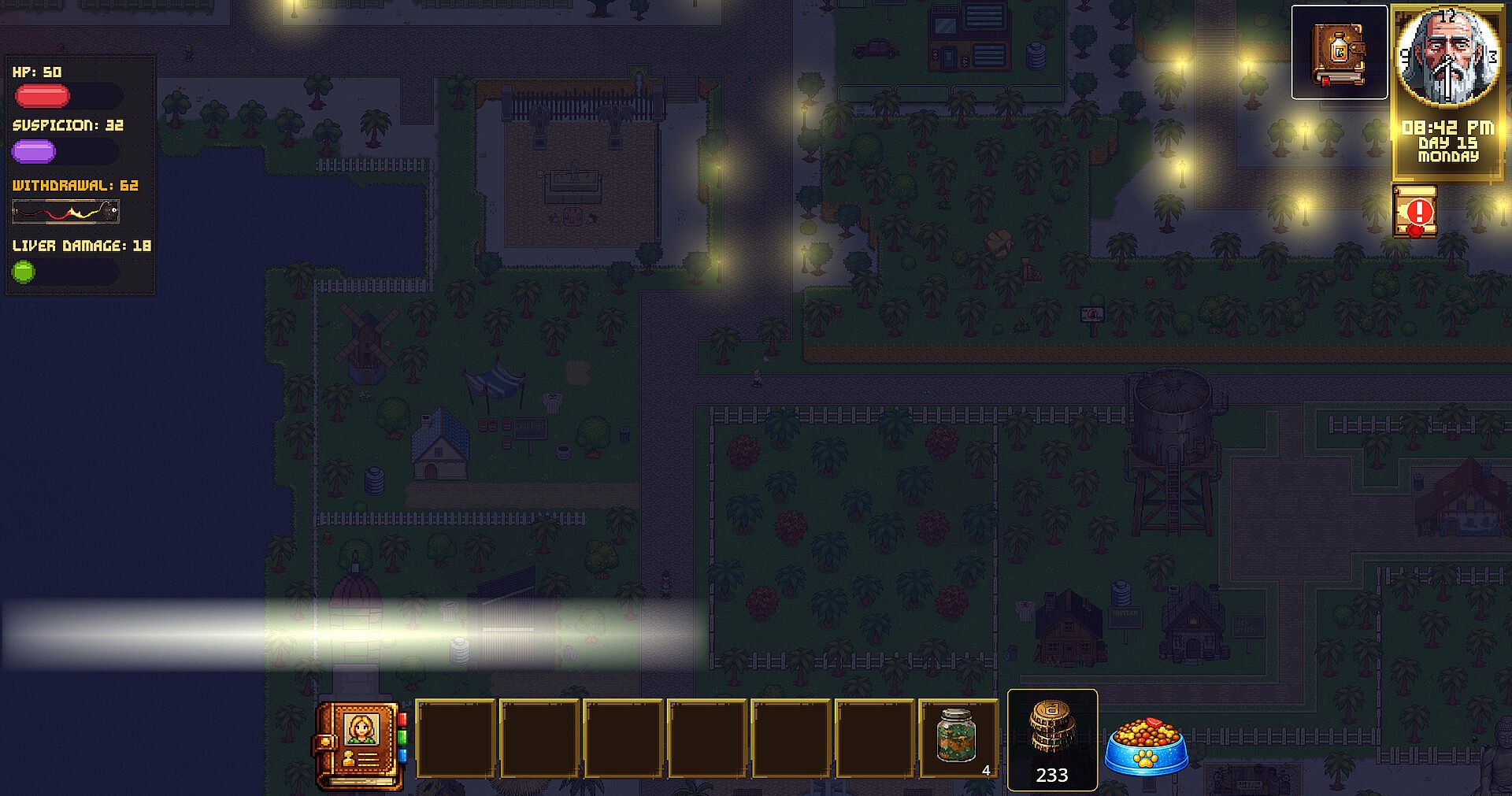
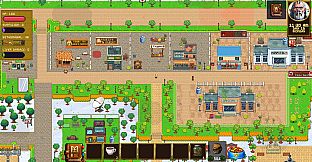
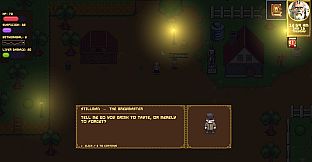
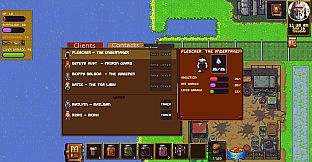
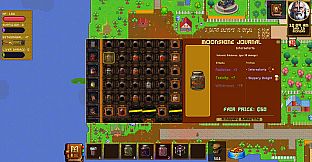
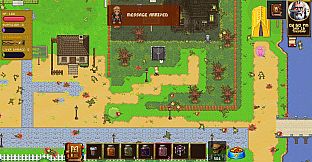
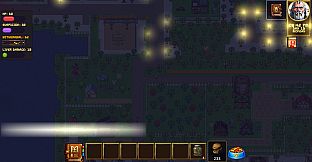
Soul Shine is a singleplayer action strategy indie simulation game set on PC where players run an illegal moonshine operation in a town gripped by prohibition. The core premise revolves around turning a small-scale criminal venture into a larger enterprise through brewing, workforce management, and exploitation of customers. This setup blends resource production with strategic expansion and moral choices that affect the surrounding community.
Gameplay
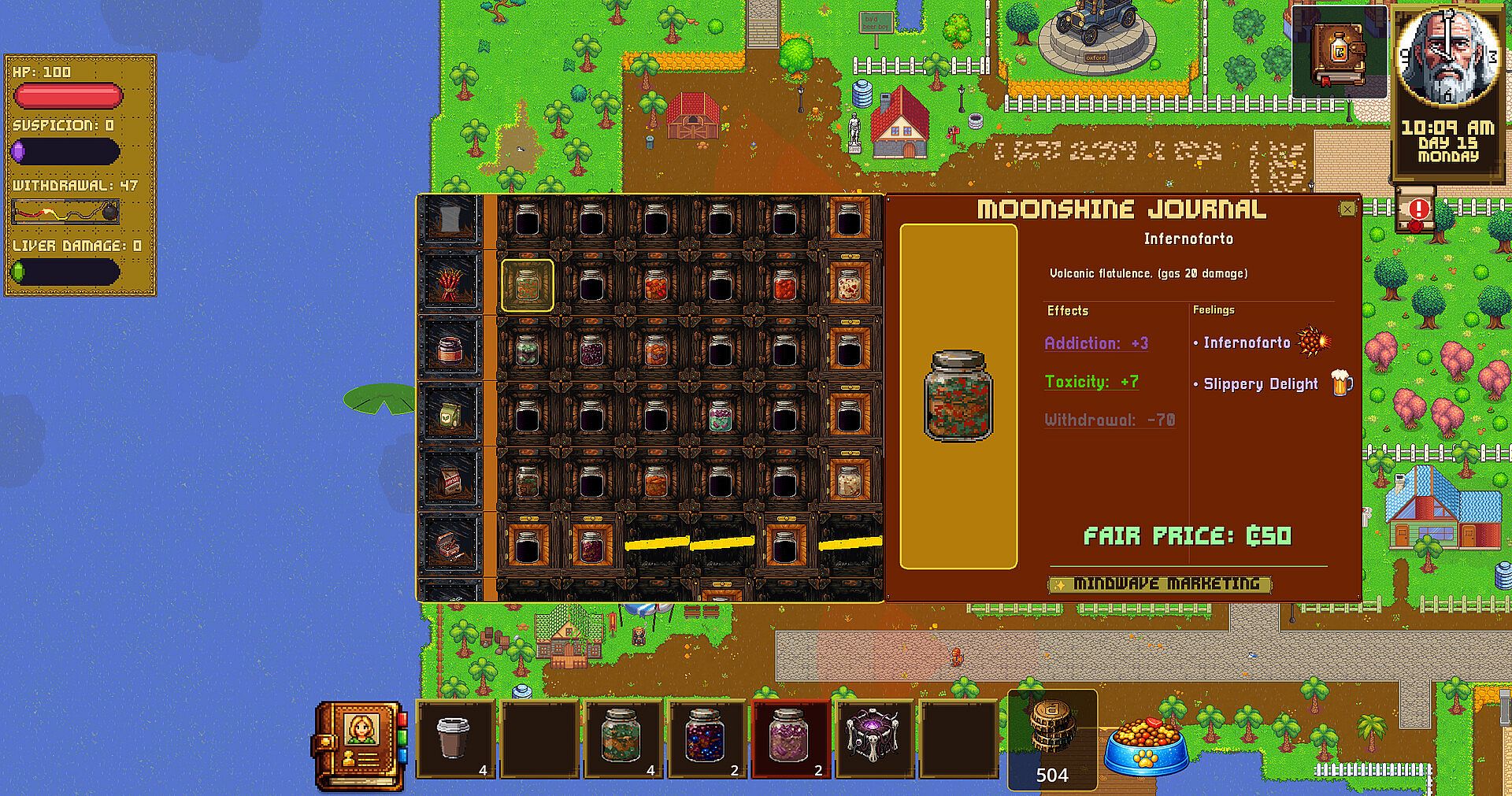
Players begin by cooking batches of moonshine using various recipes, each carrying distinct negative side effects for those who consume it. Demand persists despite these consequences, allowing the business to grow through repeated sales. The production process ties directly into empire building, where smuggled pigmen are raised and directed as a dedicated labor force to handle tasks and scale operations.
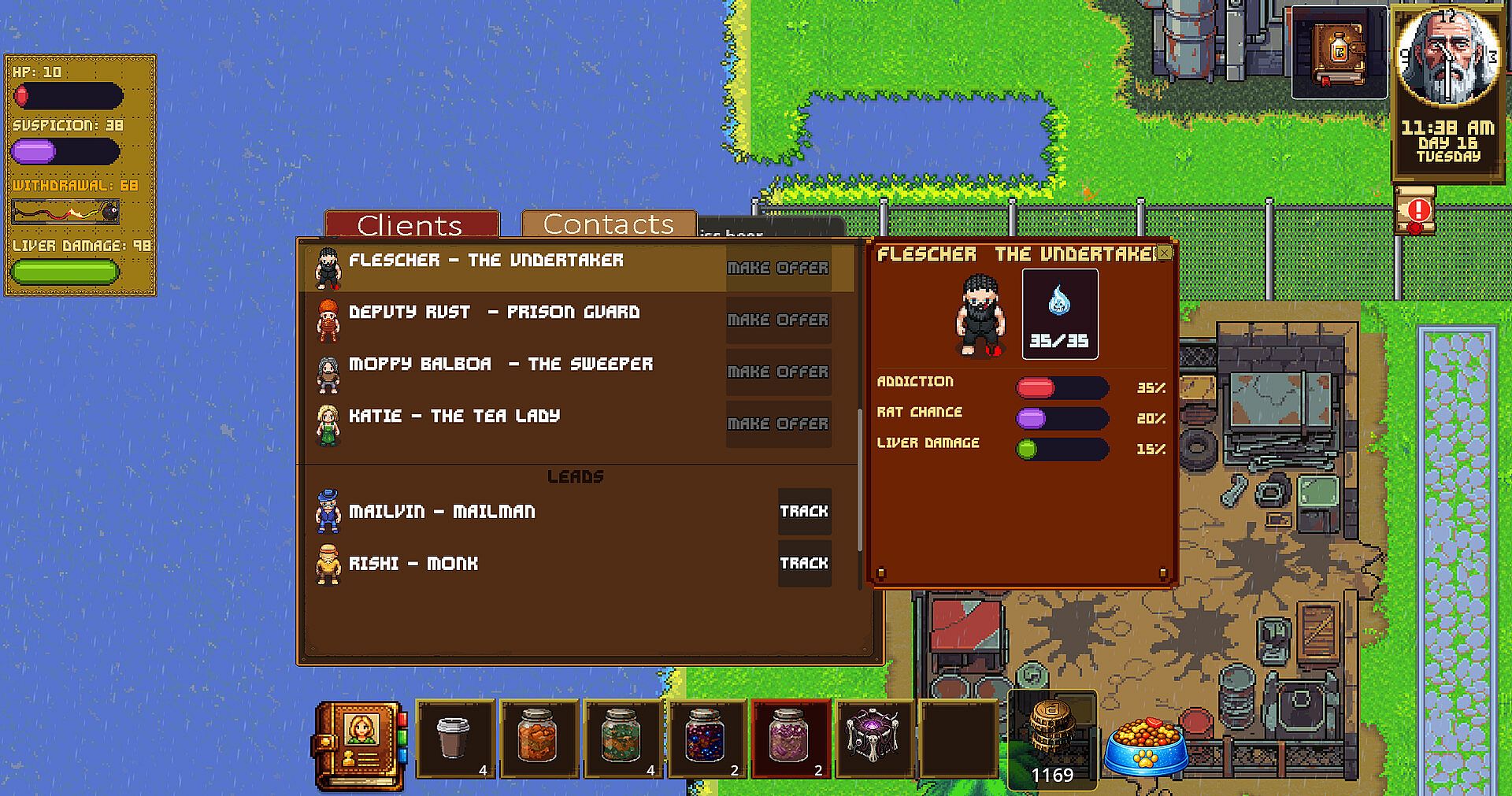
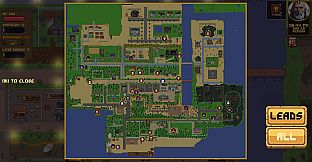
Expansion involves acquiring additional properties and increasing distribution through specialized agents known as Doglers. These elements create a loop of production, workforce allocation, and street-level flooding of product. As the operation matures, interactions with customers introduce layers of corruption that ripple outward, turning individual addictions into broader town-wide disruption.
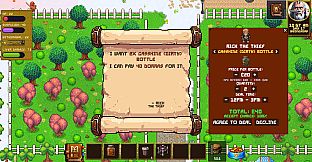
Financial shortfalls among patrons open alternative revenue streams. Souls can be collected as direct payment, while deceased individuals yield organs for further trafficking and profit. These mechanics integrate with a judgment system where each death triggers divine scrutiny. Player decisions influence divine favor, which in turn unlocks rewards and shapes the overall trajectory of the town.
Game Modes
The experience centers on a continuous singleplayer progression without separate multiplayer or competitive modes. All activity unfolds within one persistent criminal enterprise that evolves over time through player choices. The structure encourages repeated cycles of brewing, expansion, and consequence management rather than discrete rounds or matches.
Progression naturally shifts focus across different priorities as the empire develops. Early efforts emphasize recipe experimentation and basic workforce setup, while later stages incorporate larger-scale distribution, customer exploitation, and responses to divine judgment. This creates organic variety within the same overarching simulation without requiring mode switches.
Core Mechanics and Progression
Recipe variety forms a foundational system, with each formula producing moonshine that delivers unique drawbacks yet sustains customer interest. Workforce management with pigmen allows automation of repetitive tasks, freeing attention for higher-level decisions around property acquisition and distribution networks. The corruption layer tracks how individual sales accumulate into community decay, providing feedback on the long-term impact of business choices.
Soul and organ harvesting add a resource conversion element once monetary payments dry up. These options tie into the divine judgment mechanic, where accumulated deaths determine favor levels and associated benefits. The combination produces a strategy layer focused on balancing short-term gains against escalating risks and supernatural consequences.
Is It Worth Playing?
Soul Shine suits players who enjoy dark-themed management simulations that combine production systems with strategic empire growth and ethical trade-offs. The singleplayer focus delivers a self-contained experience centered on incremental expansion and consequence tracking. Those drawn to indie titles blending strategy and simulation elements will find the core loop of brewing, workforce direction, and town influence engaging for extended sessions.
Without confirmed updates or seasonal content at this stage, the game stands on its initial mechanics and progression systems. It appeals most to audiences comfortable with morally ambiguous gameplay that rewards careful planning around resource conversion and community effects. The absence of multiplayer components keeps the emphasis on personal empire building and decision consequences.











