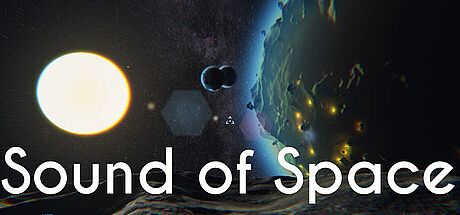


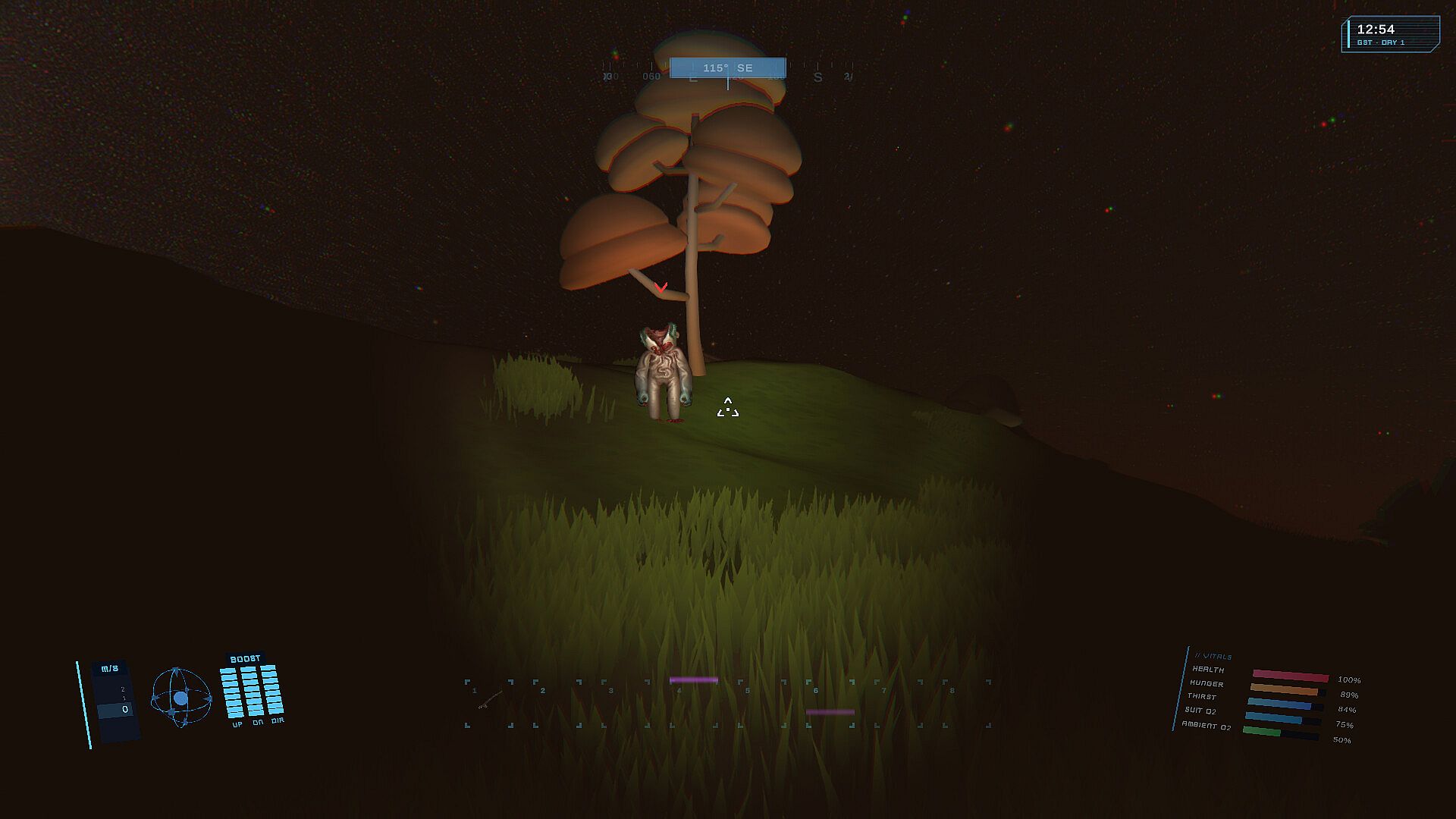
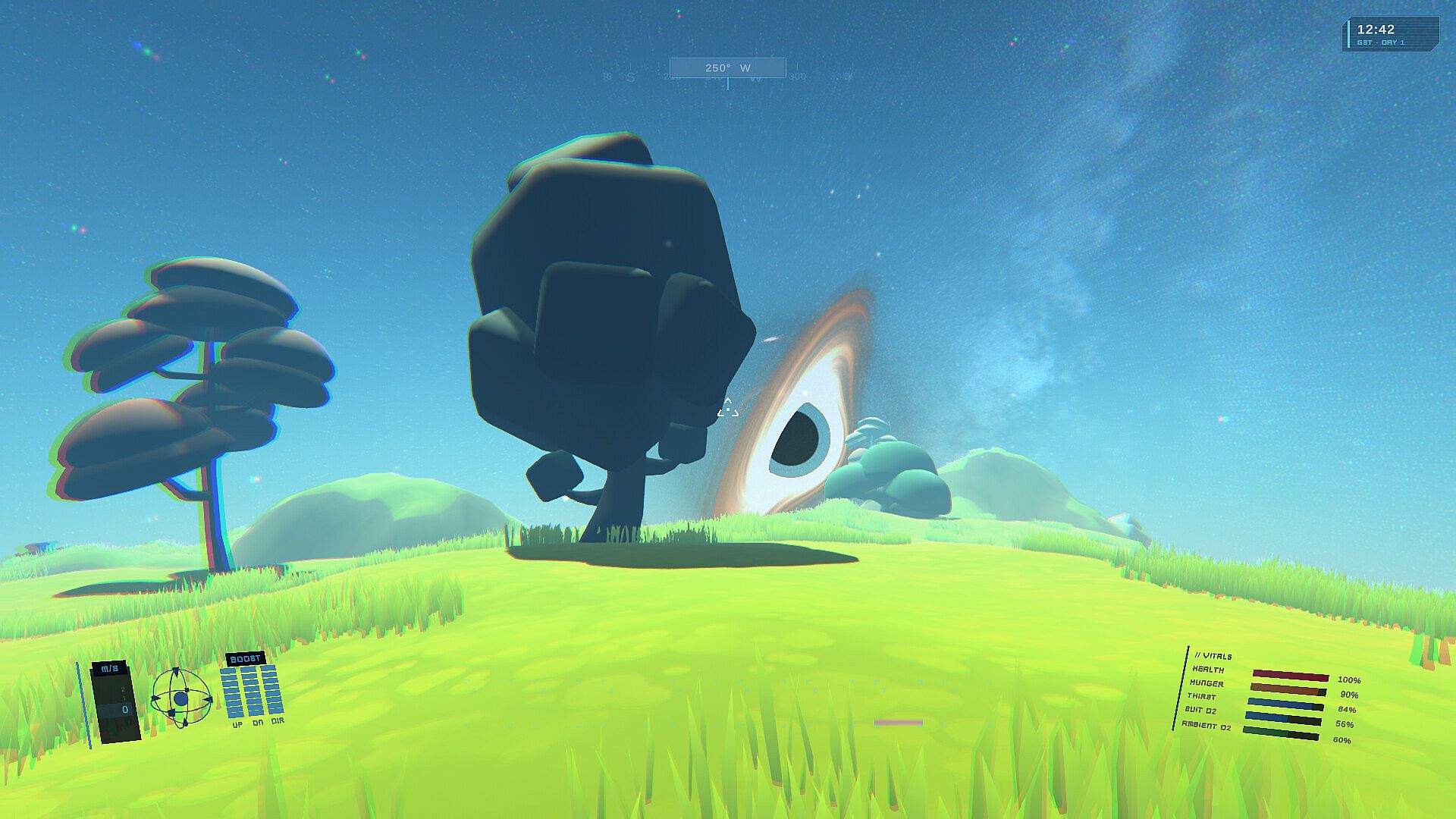
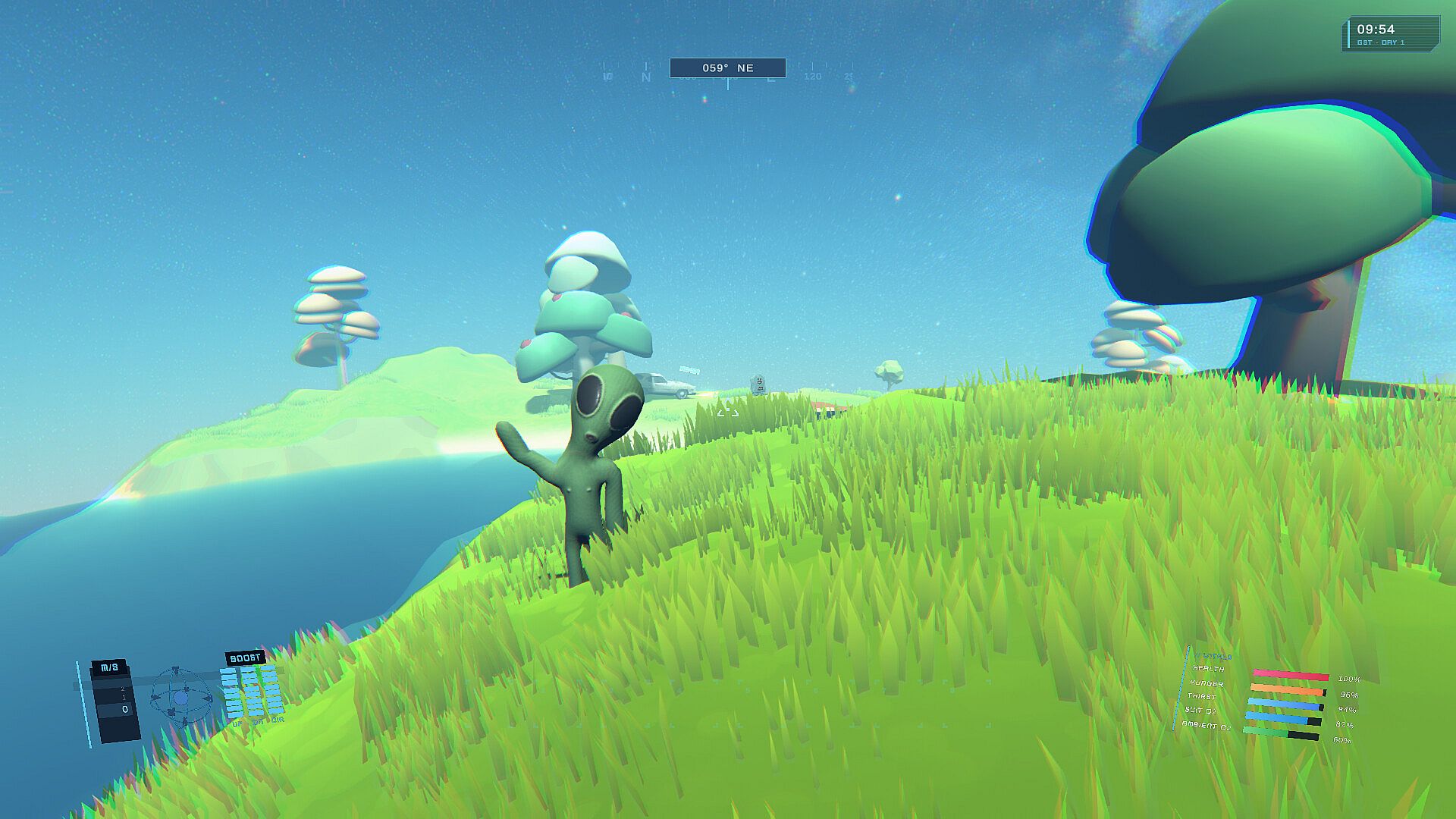
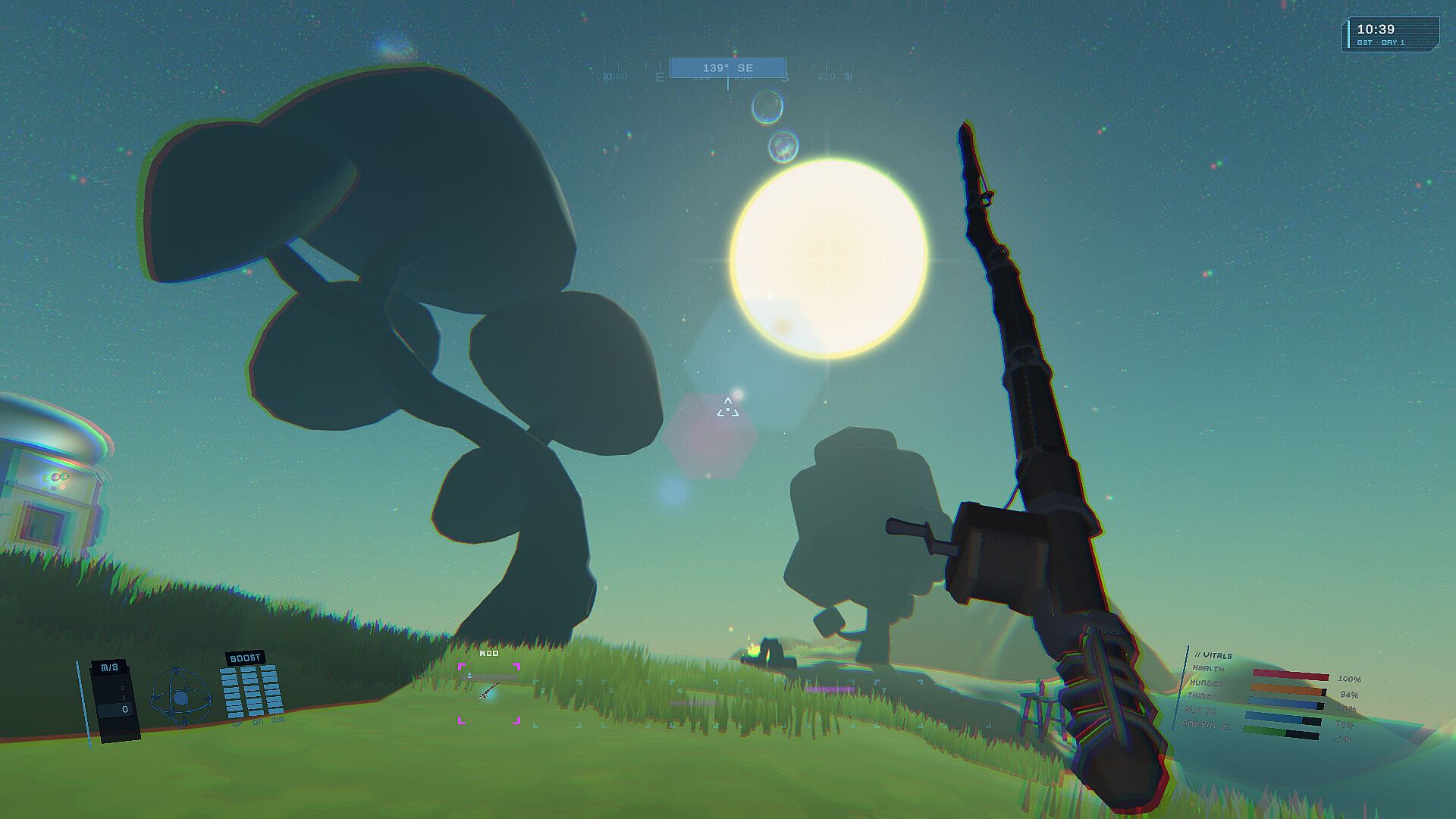
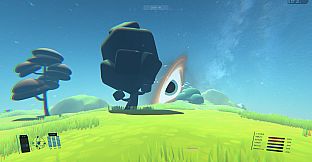
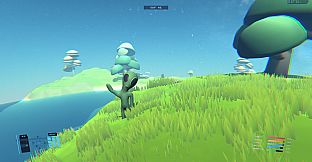
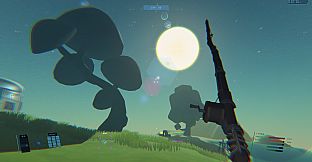
Sound of Space is an indie simulation and adventure game set in a solar system threatened by a growing black hole. Players create and sell music using the TRAX audio engine while traveling between orbiting planets to build a production career among alien customers.
Gameplay
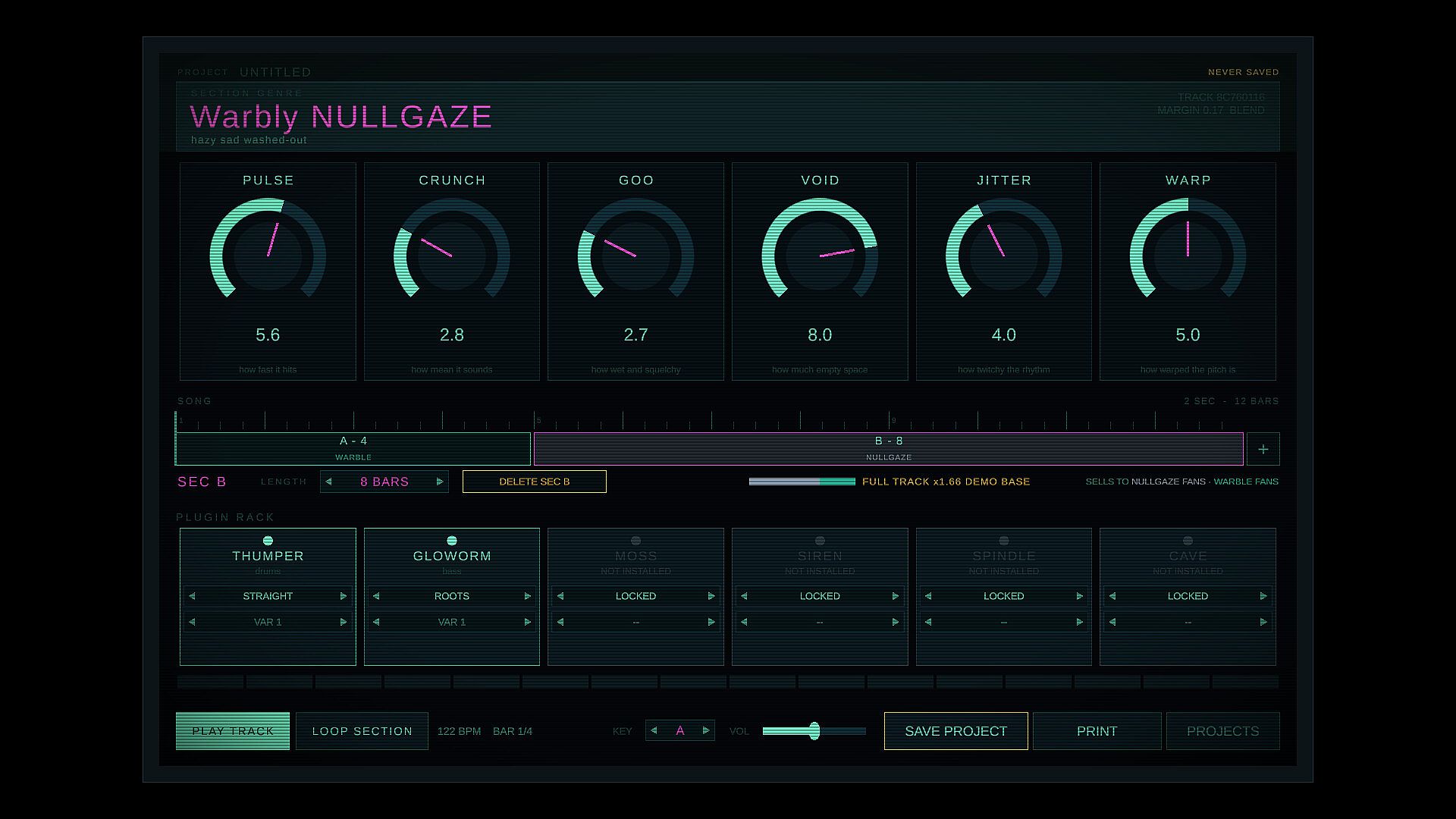
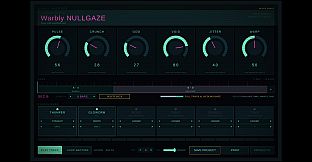
The core loop centers on the TRAX audio engine. Six dials adjust the sound and genre of a playing loop in real time. Tweaking these controls lets players shape tracks that match requests from aliens, such as warbly nullgaze. Once a loop feels right, players arrange sections end to end, and the engine generates transitions between them. Early demos consist of single sections. Successful sales unlock longer formats like half-length and full-length tapes that contain complete songs.
Every sale generates funds for new plugins. These additions expand the available sounds, improve quality, and provide more parameters to adjust. The system rewards experimentation because feedback from aliens directly influences future work. A rejection includes specific notes on disliked elements and preferred genres, while acceptance leads to negotiation over price and potential repeat requests with budgets.
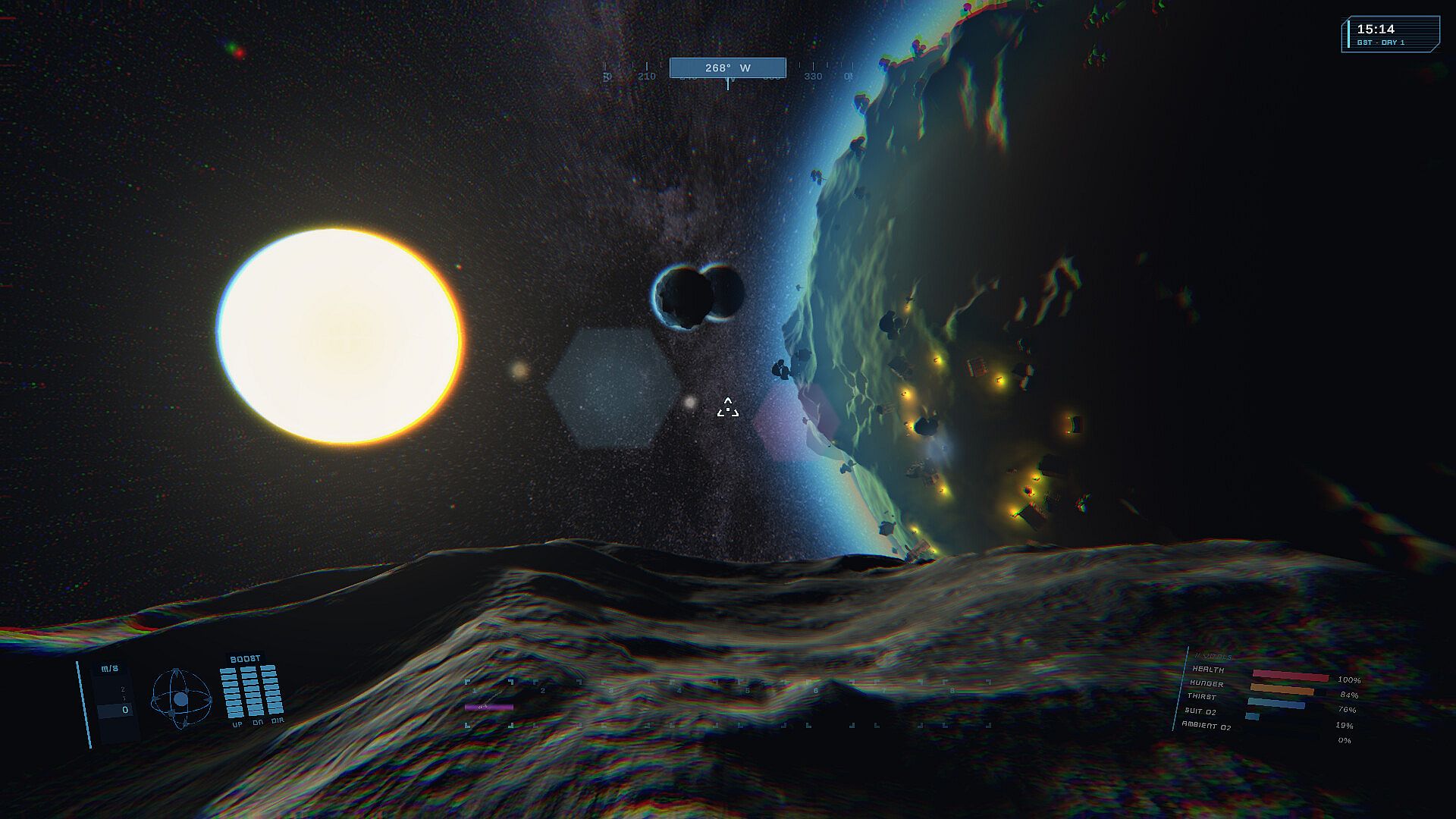
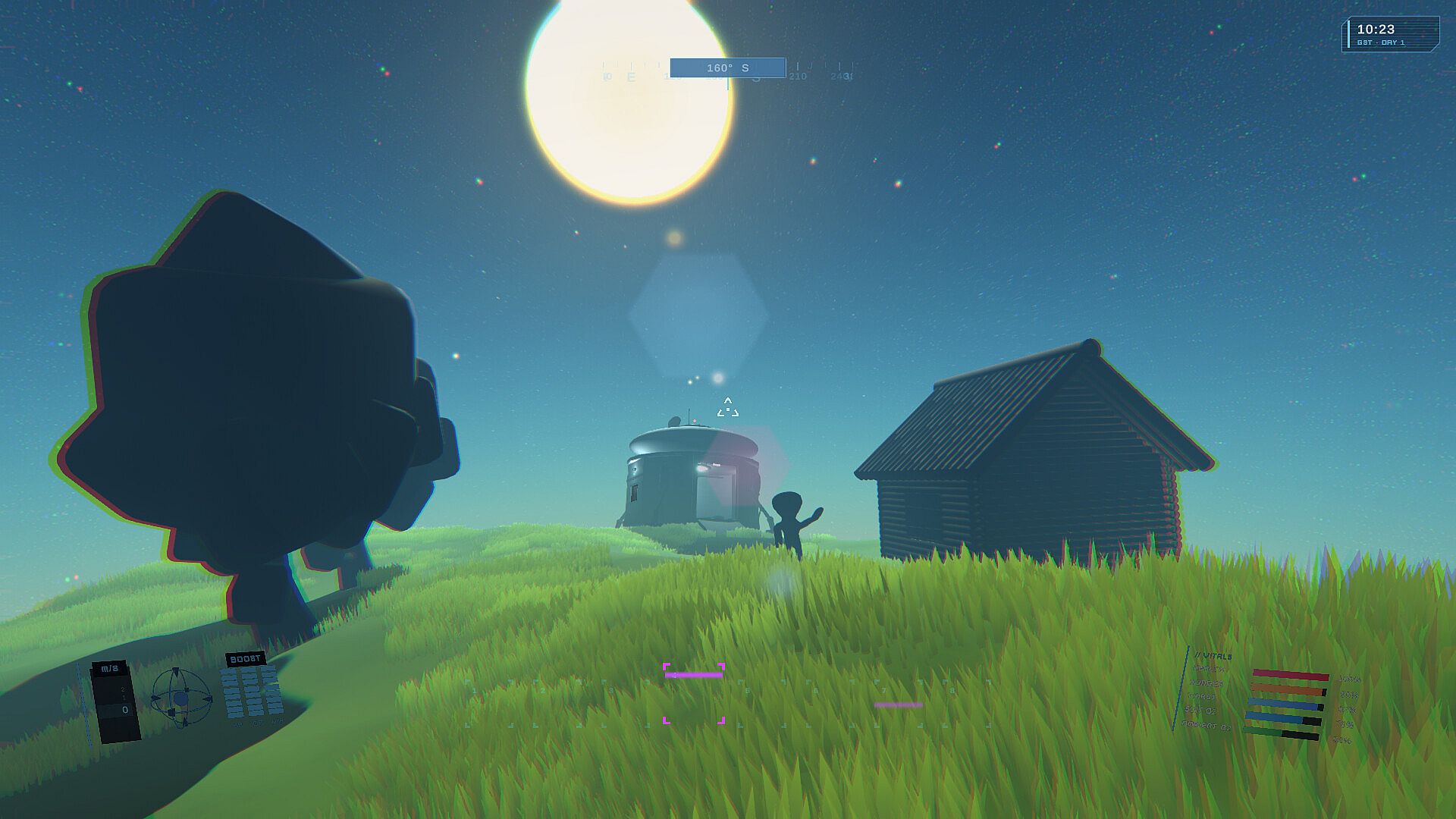
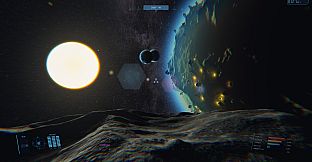
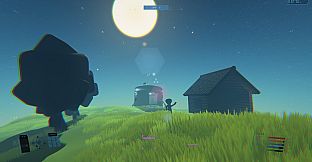
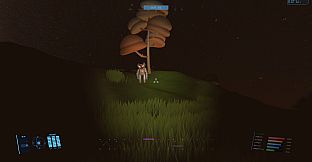
Travel forms another key part of the experience. Planets move in realistic orbits rather than static menu selections. Players pilot a ship between worlds, leaving one surface, crossing open space, and landing on the next. Each planet features distinct aliens with unique musical tastes, so outgrowing one local scene requires saving resources to reach new markets and expand the operation.
Game Modes
Sound of Space supports both solo and shared sessions without rigid named modes. In single-player play, the focus stays on building tracks, selling tapes, and managing progression through the solar system. Multiplayer allows friends to join the same track simultaneously on one screen. Each participant controls a cursor on the dials, and everyone hears changes to the loop as they occur. One player can remain in the studio refining audio while another handles sales and negotiations on the street.
The shared setup encourages direct collaboration or friendly competition over elements like the bassline. Sales remain individual, so players split responsibilities or compete for the same customers. The black hole threat adds ongoing pressure that affects all sessions equally, reminding players that time is limited regardless of play style.
Progression and Exploration
Advancement ties directly to commercial success. Enough tape sales unlock longer recording formats and additional plugins. These upgrades increase creative options and production quality. Exploration expands opportunities because each new planet brings fresh customers and different genre preferences. Flying between worlds requires timing with orbital mechanics, turning travel into an active part of the loop rather than instant teleportation.
The growing black hole serves as a constant backdrop. It consumes objects in its path and will eventually reach the solar system. This detail shapes the atmosphere without introducing separate win or lose conditions beyond the core music and sales systems.
Is It Worth Playing?
Sound of Space suits players interested in music creation tools combined with light simulation and exploration elements. The TRAX engine provides immediate hands-on control through its six dials, and the alien feedback system turns sales into a dialogue that guides further development. Co-op sessions add a social layer where multiple people shape the same track in real time.
The game remains in Early Access, so the feature set continues to evolve based on available updates. Those who enjoy building tracks from loops, negotiating with customers, and moving between distinct locations will find a focused loop here. The absence of traditional combat or complex resource management keeps the emphasis on audio tweaking and interpersonal exchanges with the alien population.