




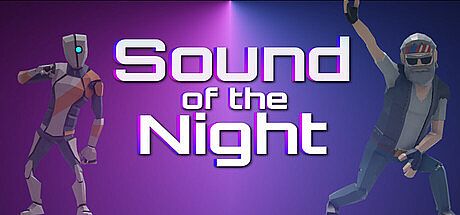


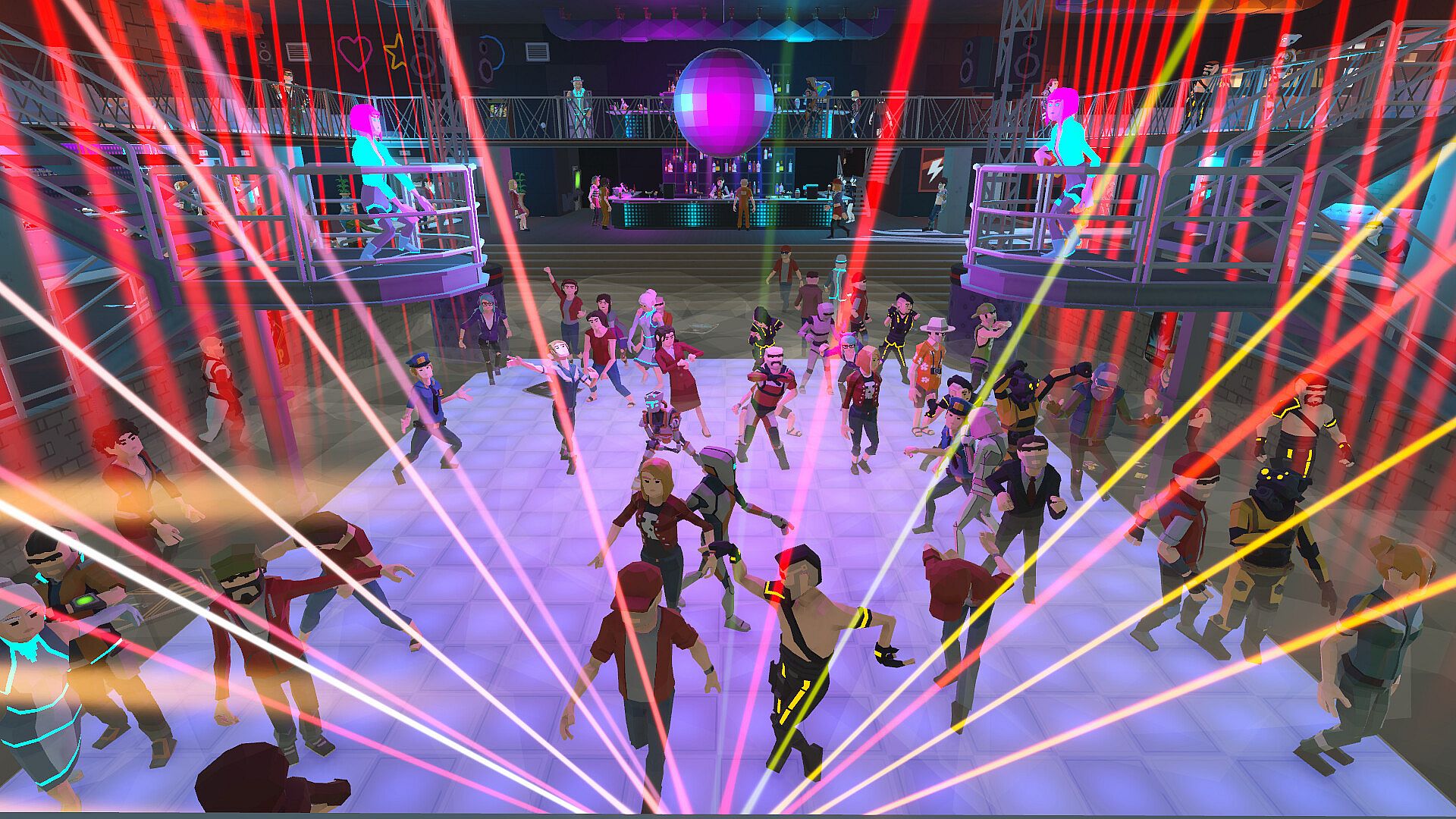
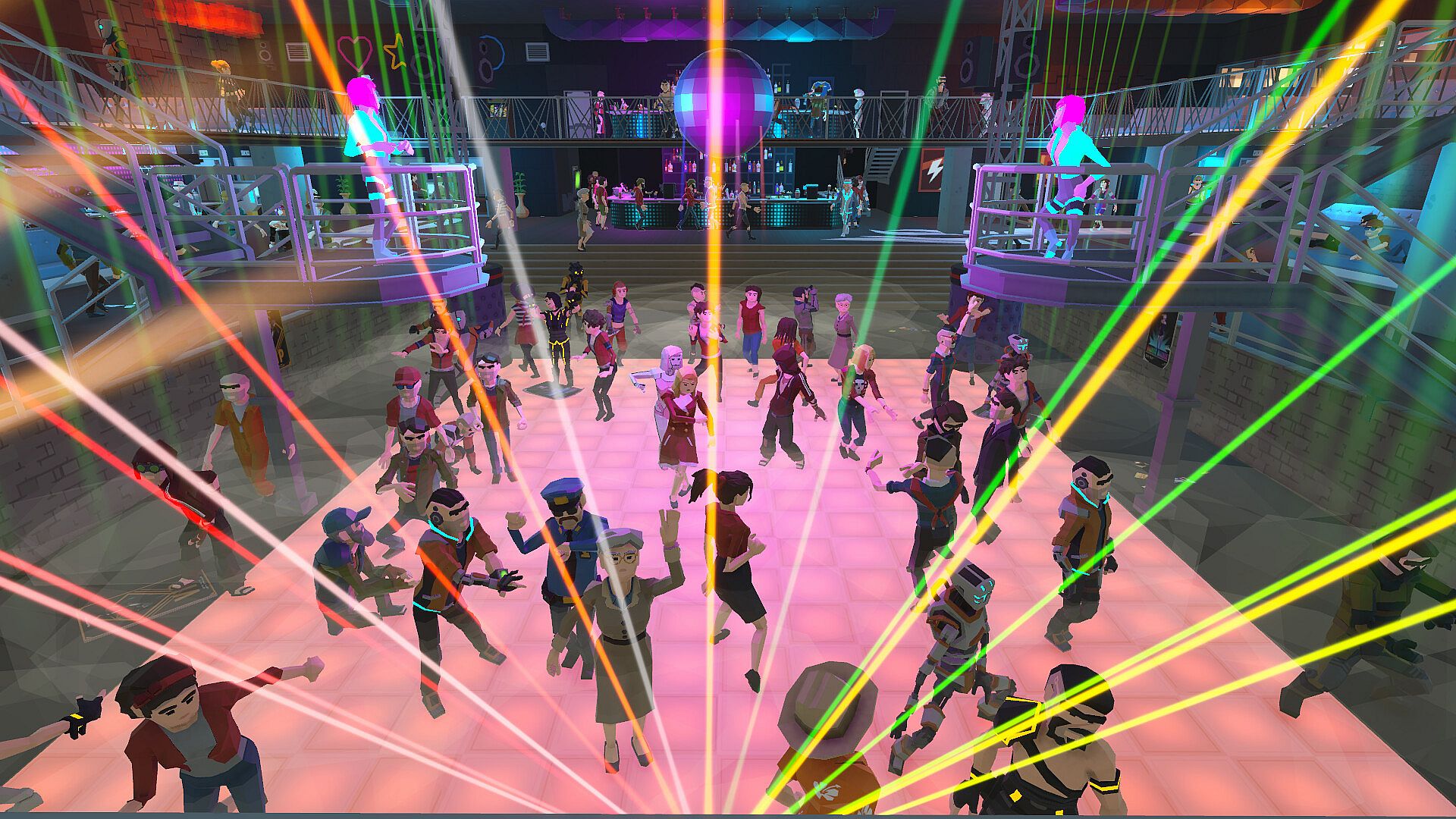
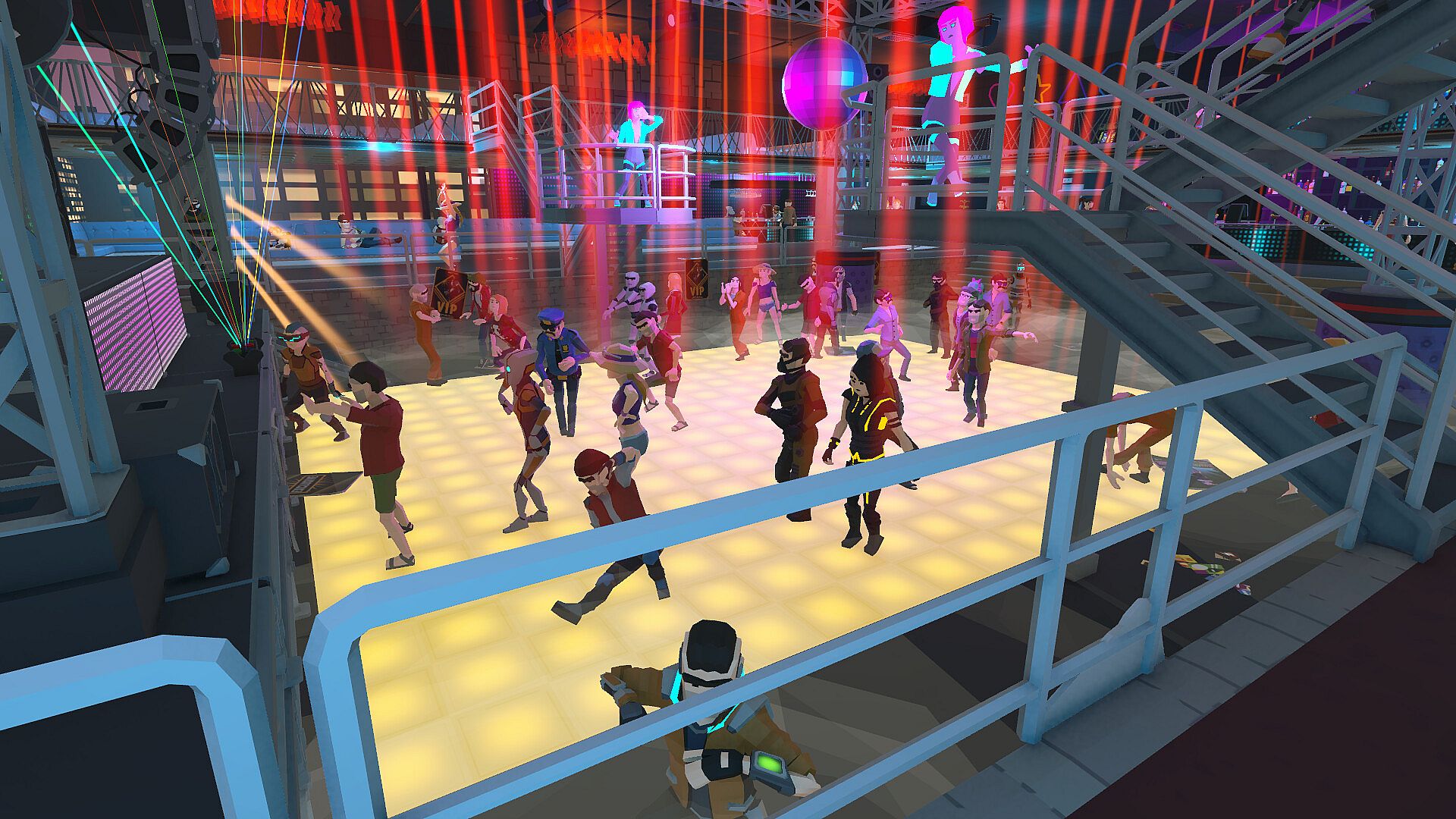
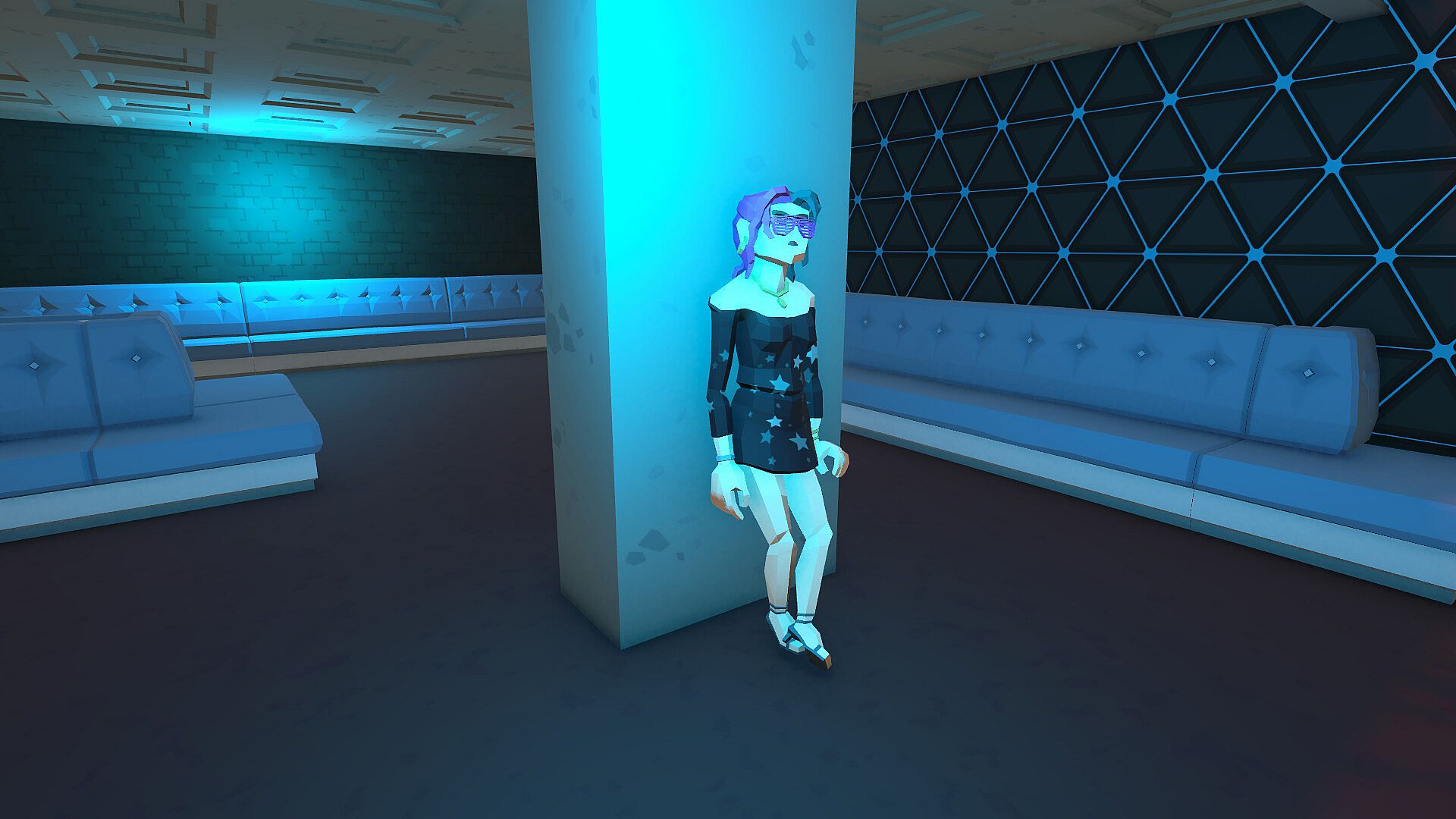
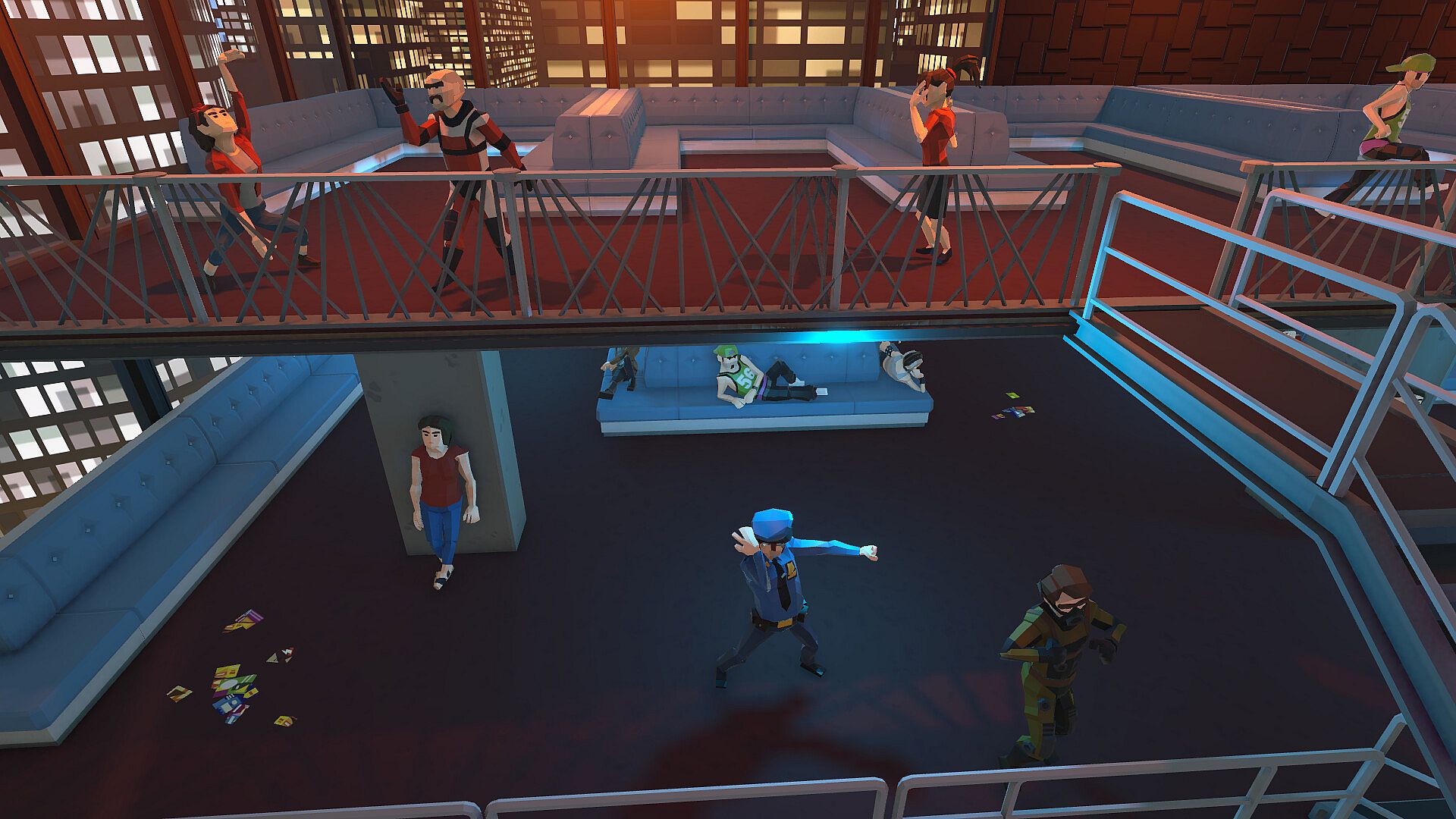
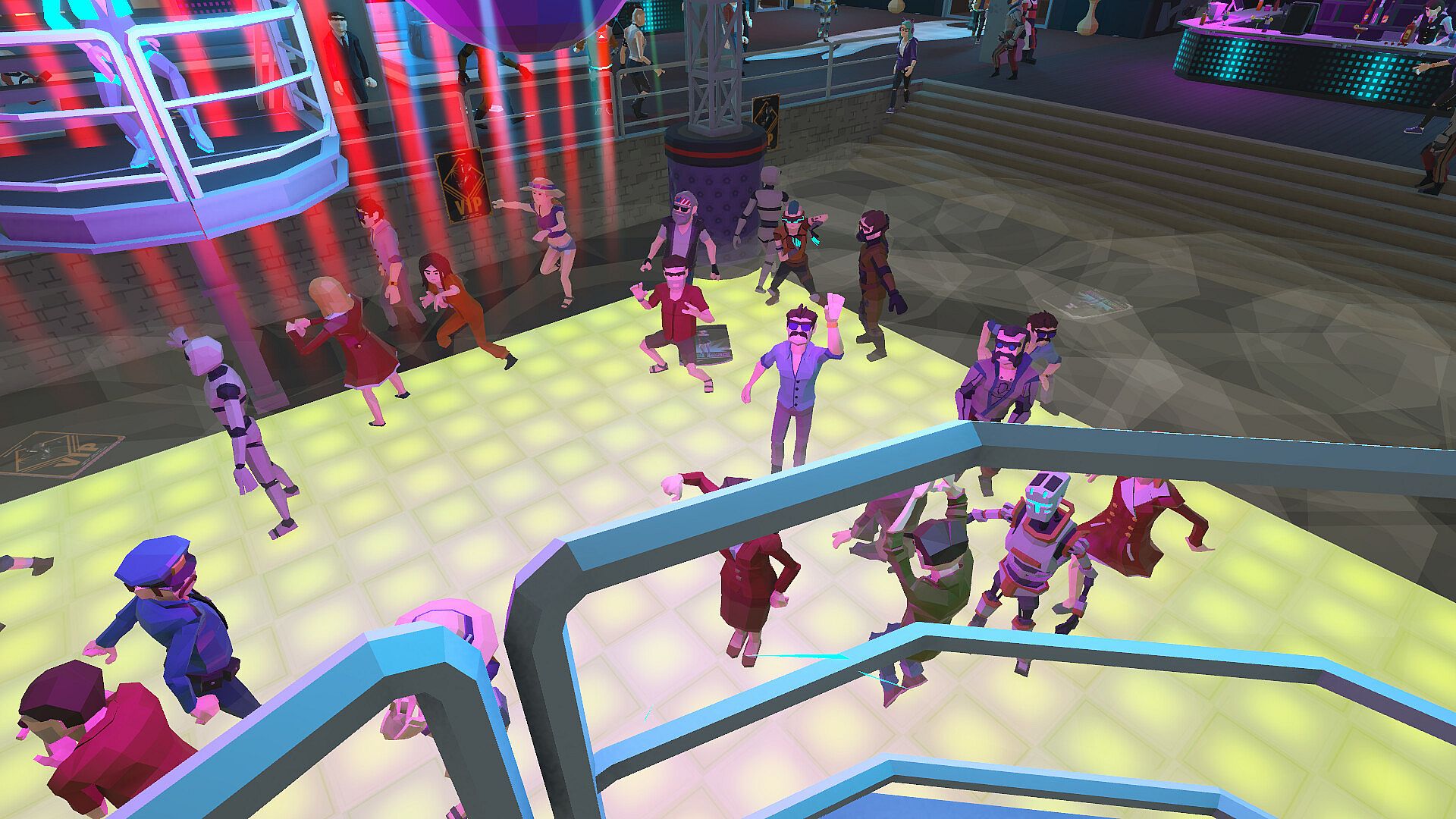
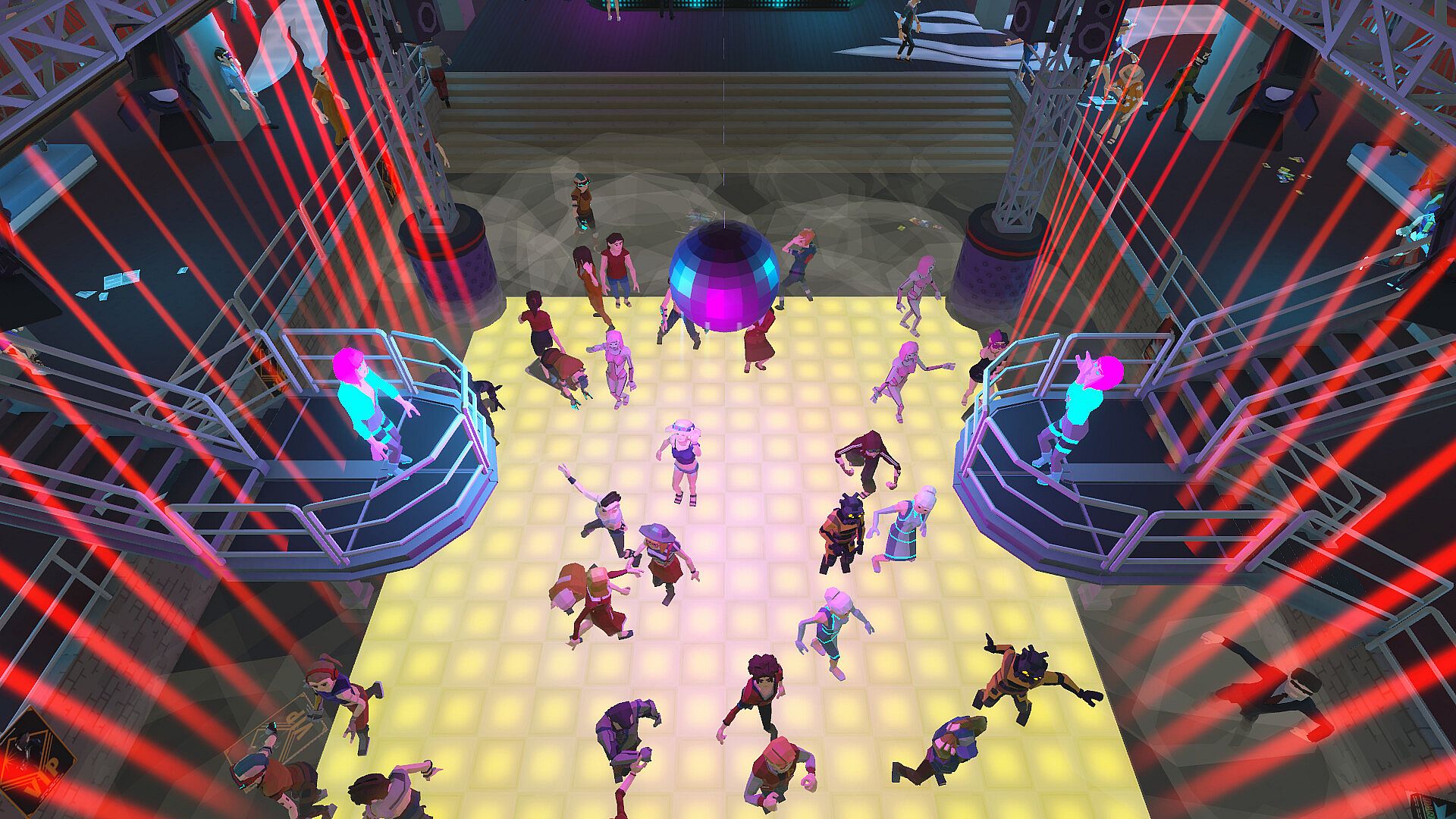
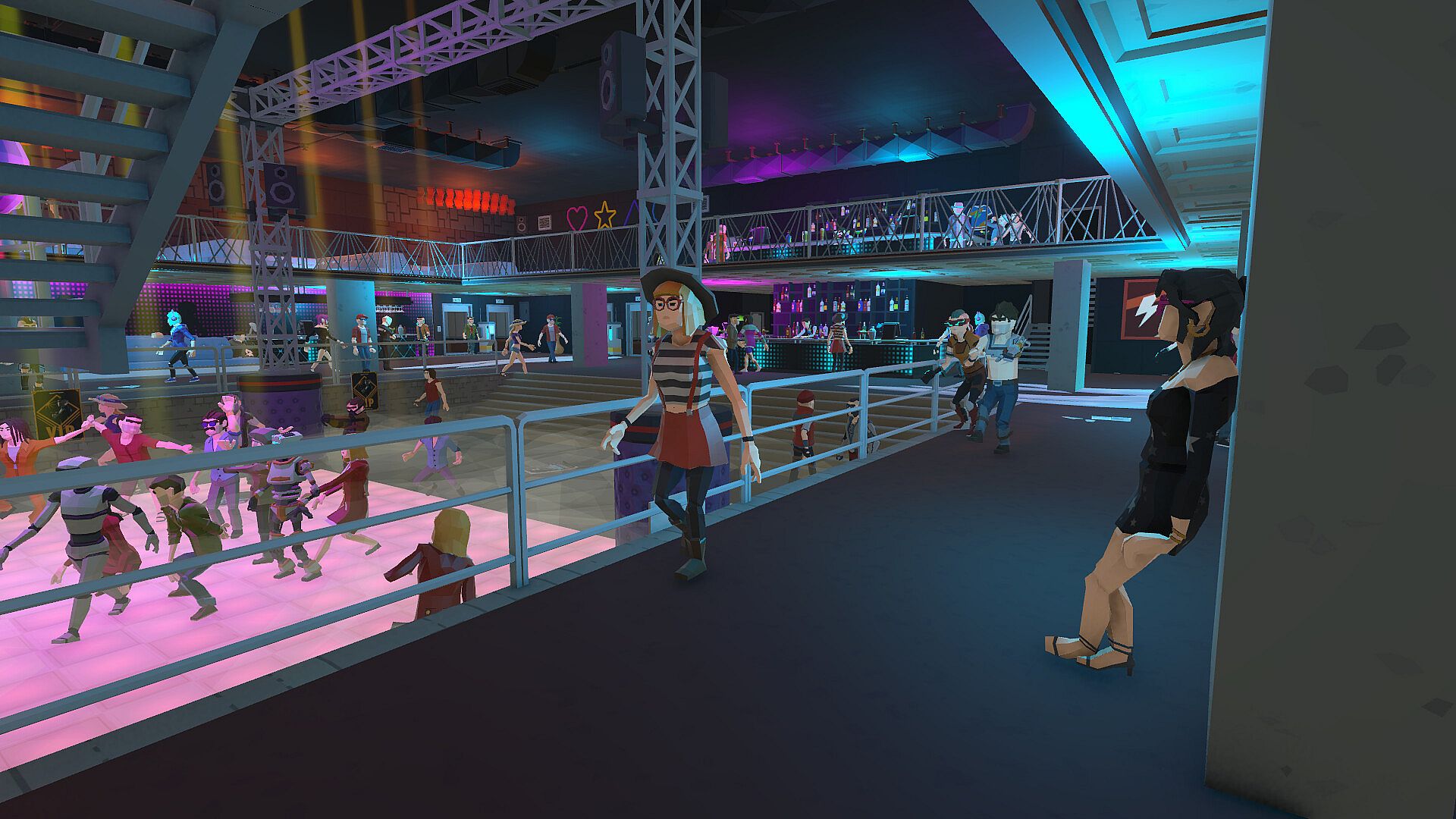

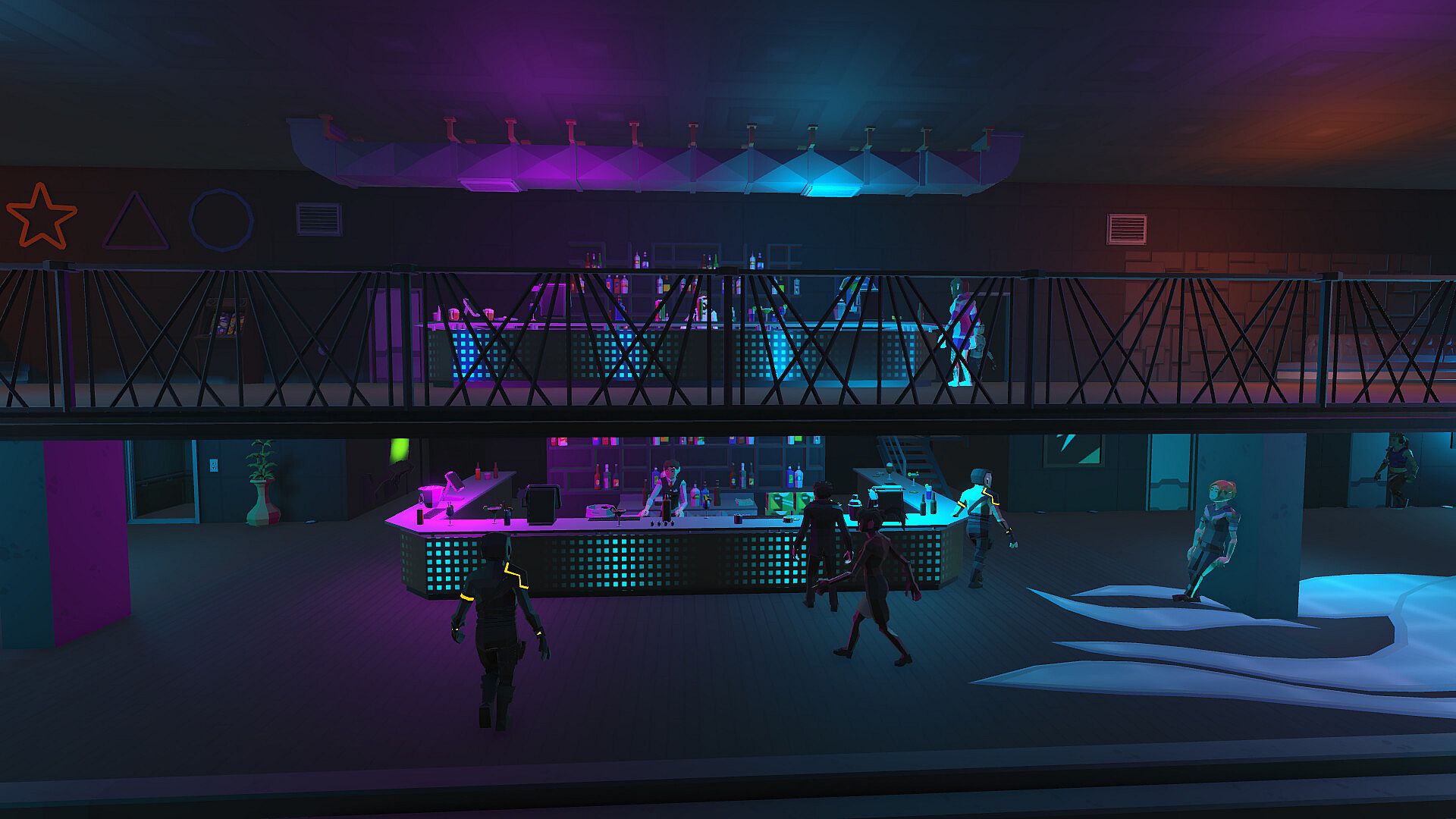
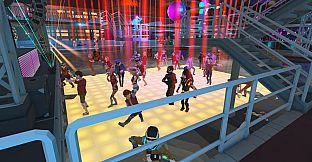
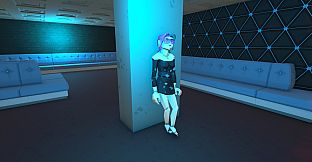
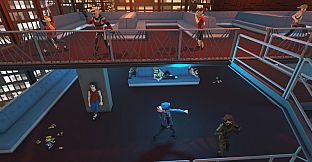
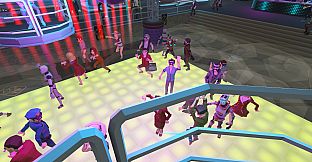
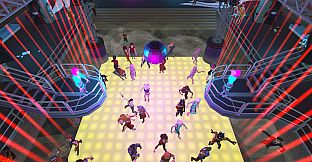
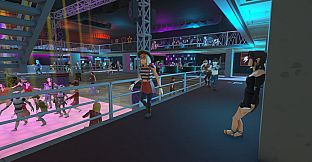

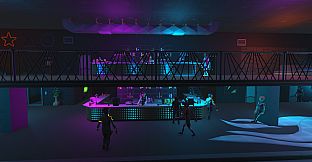
Sound of the Night is a management simulation game in the strategy and indie genres, available on PC. Players step into the shoes of a nightclub owner operating in a dystopian cyberpunk city, starting with a large debt that must be cleared through careful club management and strategic decisions.
Gameplay
The core loop centers on running a nightclub while balancing financial pressures and social dynamics. Players handle daily operations, attract customers from different groups, negotiate deals, and decide on investments that expand the business. As a fixer, the owner assigns tasks to other characters and earns a share of successful outcomes. The club serves as neutral ground where various groups can meet safely, and unlocking certain options allows business transactions to take place on the premises for additional profit.
Popularity plays a central role. Promotions and events target specific audiences to build favor, which in turn unlocks better opportunities and protections. Debt repayment requires steady income from operations, and choices about which groups to align with influence long-term stability. The cyberpunk setting introduces layers of risk and reward through interactions with unstable or mysterious elements in the city.
Game Modes
Sound of the Night includes an optional roguelike mode focused on weekly debt payments. Missing a deadline increases the owed amount with added interest, and success rates tie directly to the player's chosen background and faction ties. This mode adds pressure and replayability through permadeath elements if the debt spirals out of control.
Disabling the roguelike mode removes the weekly payment requirement. Players can then focus purely on club growth, faction relationships, and management tasks without the time-based financial deadline, creating a more relaxed experience centered on steady progress and exploration of the city's opportunities.
Factions and Relationships
Several factions populate the world and affect gameplay through their benefits and risks. Streetrunners operate as low-level muscle at the bottom of the hierarchy. Netwalkers maintain a neutral stance and collaborate when it serves their interests. Corporate entities sit at the top, offering influence that can ease legal troubles when relationships stay positive. Civilians represent everyday residents whose support boosts general popularity.
Two rogue factions introduce higher stakes. Augments consist of individuals destabilized by heavy cybernetic modifications, including full-body cyborgs. Offworlders remain largely unknown in their motives and origins. Direct promotion to rogue factions is not possible, so players improve standing only through actual business dealings. Each faction provides distinct advantages, and promotions must align with the desired audience to grow influence effectively.
Managing Your Club
Club management involves selecting events and upgrades that appeal to chosen factions while maintaining the venue as a safe space. Investments expand capacity or add features that support fixer work and deal-making. Relationships determine which groups frequent the club and what opportunities arise, creating a system where social strategy directly supports financial goals.
Success depends on matching promotions to target groups and using the club's neutral status to facilitate transactions. Players track popularity metrics across factions to unlock better deals and reduce external threats, turning the nightclub into both a business and a hub for the city's undercurrents.
Is It Worth Playing?
Sound of the Night remains unreleased, listed as coming soon with no user reviews available yet. The described systems appeal to players who enjoy management simulations that combine resource handling with faction-based decision making and an optional high-stakes roguelike layer. Those seeking a relaxed cyberpunk club-building experience can disable the roguelike mode, while others may prefer the added tension of weekly obligations tied to character choices.
The single-player focus and emphasis on strategic relationships suggest it suits fans of indie strategy titles that prioritize planning and social navigation over action. Potential buyers can monitor the developer for updates on the exact release window and any refinements to the core mechanics before deciding.











