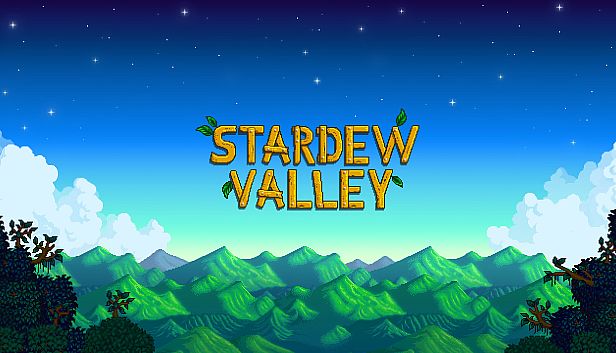



Stardew Valley is a farming simulation game with role-playing elements that places players in control of an inherited farm in a rural community. The experience centers on daily routines of crop management, resource gathering, and town interactions across changing seasons.
Gameplay
Players begin by selecting one of eight distinct farm layouts, each offering different advantages for specific activities like crop growth or animal care. The core loop revolves around tilling soil, planting seeds, watering plants, and harvesting mature crops while managing an energy bar that depletes with physical tasks. Replenishing energy requires consuming cooked meals or resting at the end of each day-night cycle.
Beyond basic agriculture, the game incorporates mining expeditions into underground caverns filled with ore, gems, and hostile creatures that demand combat using upgraded tools or weapons. Fishing in rivers, lakes, and oceans provides another income source and collection challenge, while foraging for wild plants and items supports crafting and sales. Relationships develop through repeated conversations, gift-giving, and participation in character-specific events that unlock deeper storylines and rewards.
Skill progression occurs naturally as players repeat actions in five main categories: farming, mining, fishing, foraging, and combat. Higher levels improve efficiency, unlock new recipes, and increase the quality of produced goods. Tool upgrades purchased from local shops further streamline these systems over time.
Game Modes
Stardew Valley supports a primary single-player mode where one farmer manages the entire property and relationships independently. An optional multiplayer mode allows up to eight participants to share the same world, with the host maintaining the save file that remains accessible in both single-player and group sessions.
Multiplayer supports split-screen play, local network connections, and remote joins via IP address. Most core activities remain unchanged from single-player, though certain time-sensitive elements adjust to accommodate multiple participants working simultaneously on the farm or in shared spaces. The Nintendo Switch 2 edition enhances this option with support for up to four players in split-screen simultaneously.
Progression and Seasons
Seasons cycle every 28 in-game days and influence crop viability, weather patterns, and available resources. Certain plants only grow in specific seasons, encouraging strategic planning and crop rotation. Festivals and community events occur on set dates, providing opportunities for unique rewards and social advancement.
Long-term goals include expanding the farm with new buildings, restoring community areas, and completing collections of items such as artifacts or fish. These objectives provide structure without enforcing a strict narrative path, allowing flexible pacing based on individual preferences.
Availability on Nintendo Switch 2
The Nintendo Switch 2 edition launched with an upgrade pack that includes enhancements such as mouse controls and expanded split-screen capabilities. Owners of the original Switch version received this update at no additional cost. The port maintains the full feature set of recent content updates, including expanded farm options and refined mechanics.
Is It Worth Playing?
Stardew Valley continues to receive strong player support years after its initial release, with sales exceeding 50 million copies across platforms. The open-ended structure appeals to those seeking relaxed pacing alongside optional depth in skill-building and exploration. Multiplayer adds a cooperative layer suitable for shared sessions without altering the fundamental single-player focus.
Recent updates keep the experience current on Nintendo Switch 2, and the absence of aggressive monetization or time-limited pressures makes it accessible for both new players and those returning after breaks. Individuals who enjoy methodical resource management, light social simulation, and incremental progress will find sustained engagement here. Those preferring fast-paced action or competitive elements may find the deliberate tempo less aligned with their preferences.