

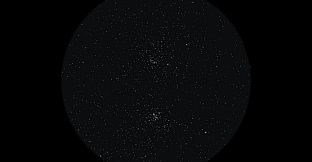
Stargazer Simulator is a simulation game for PC that places players in the role of an amateur astronomer working with real astronomical data. The experience centers on setting up equipment, navigating the night sky with charts, and viewing celestial objects through a telescope under varying conditions. Every session begins with choices about location, date, and time, which directly shape the positions of stars, the Moon, planets, and deep-sky targets.
Gameplay
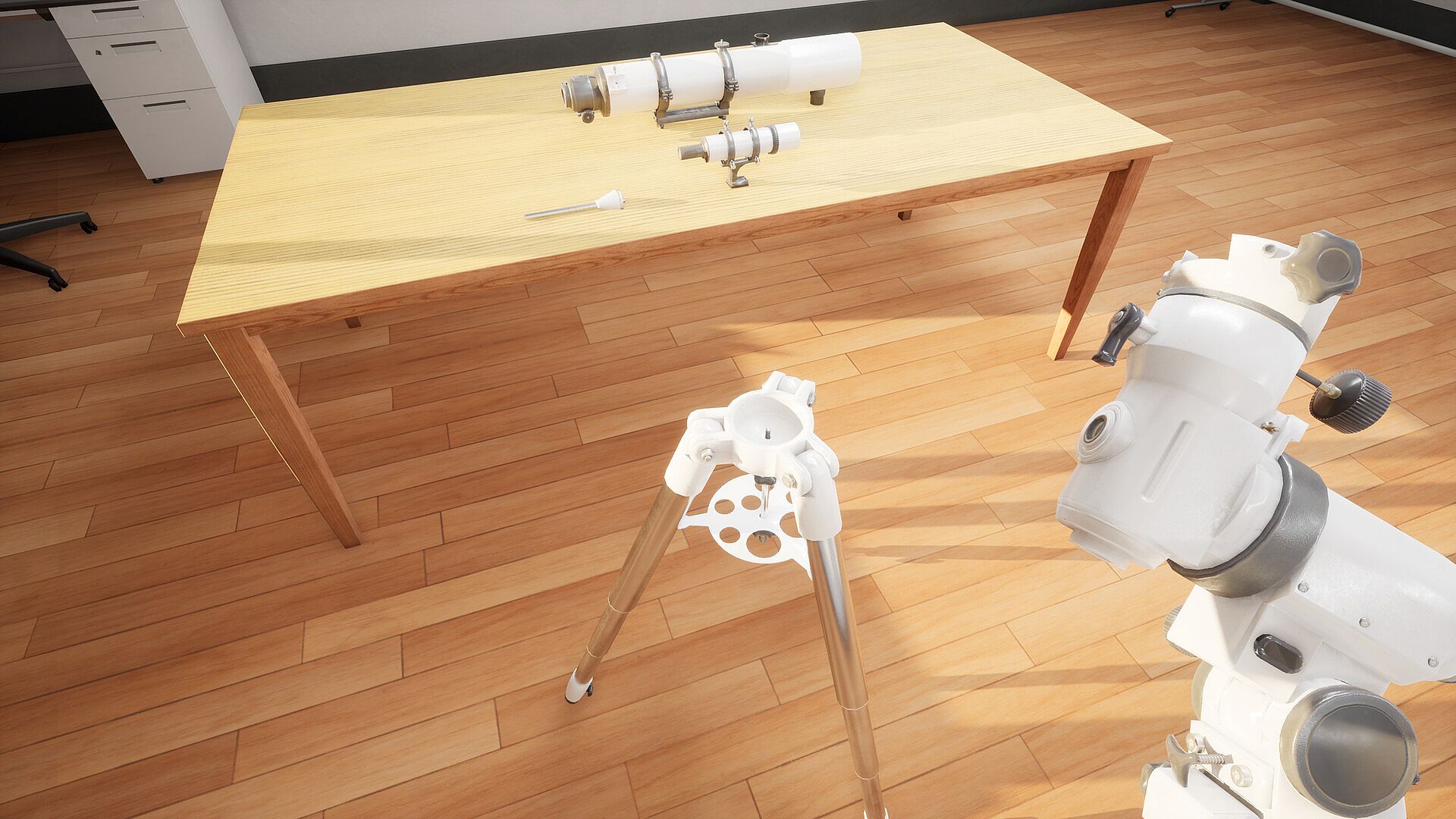
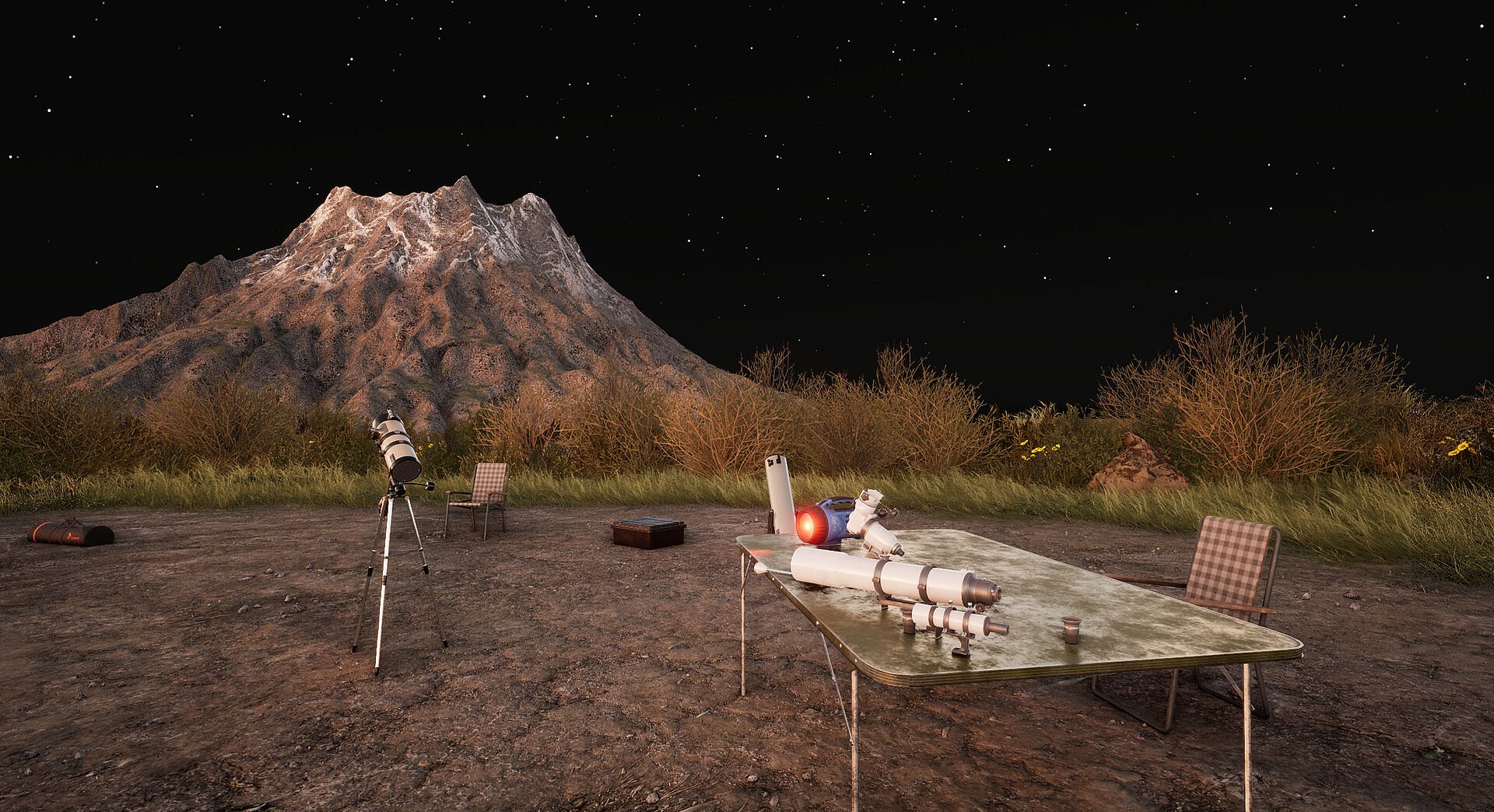
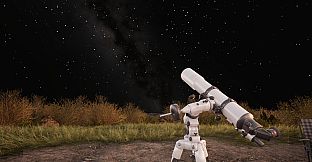
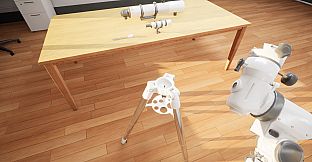
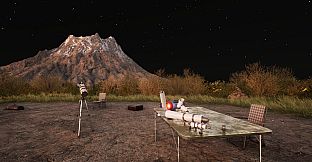
The core loop involves preparing an observing session from start to finish. Players select a telescope with specific aperture, focal length, and optical design, then assemble the full setup including tripod, equatorial mount, counterweights, and accessories. Balancing the assembly, aligning the finder scope, and performing polar alignment all influence how the telescope handles and points during use. Once ready, the search for targets starts with naked-eye reference points and moves through constellations and bright stars using a star chart or planisphere. The finder scope narrows the field before confirmation in the main eyepiece.
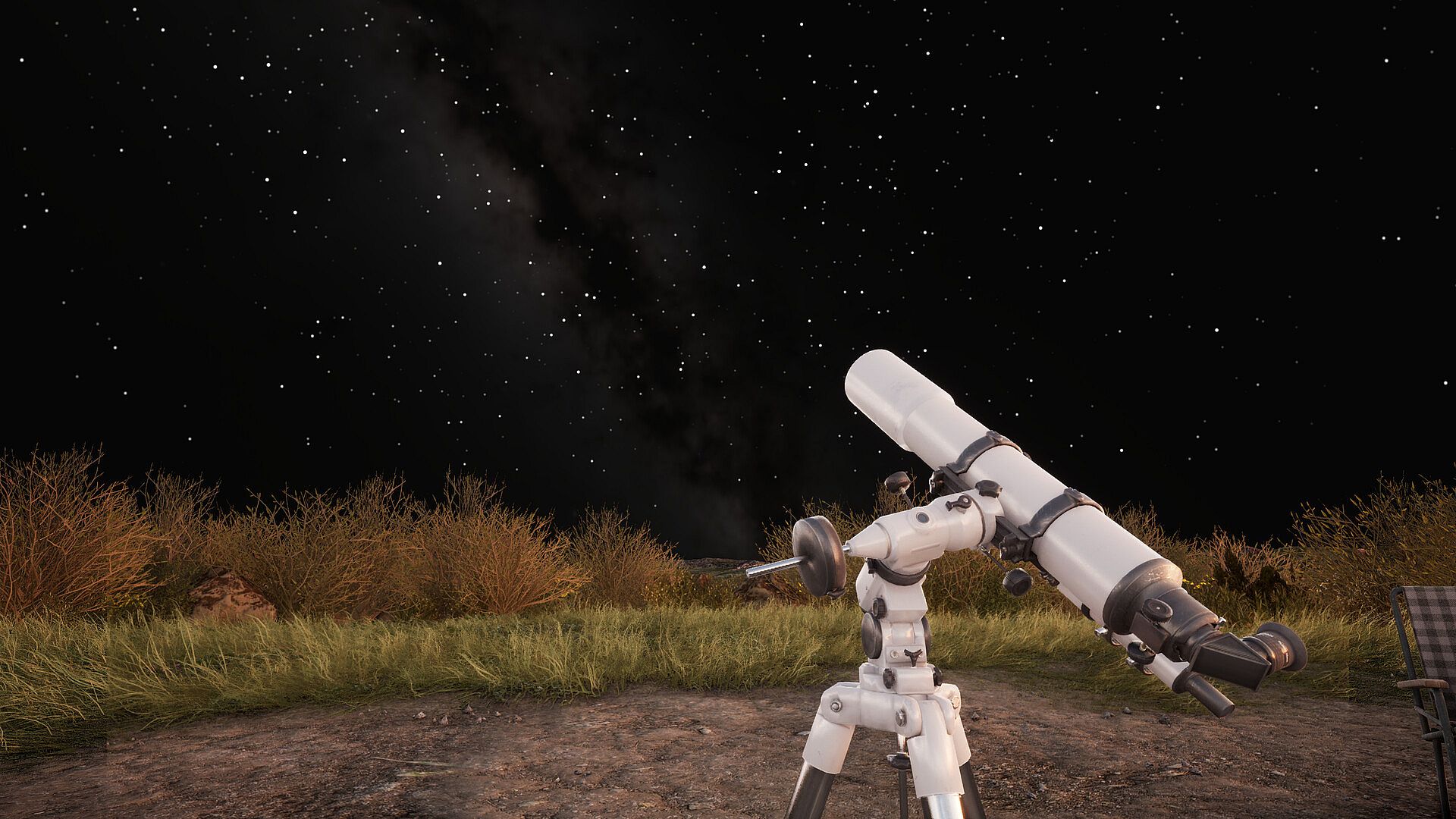
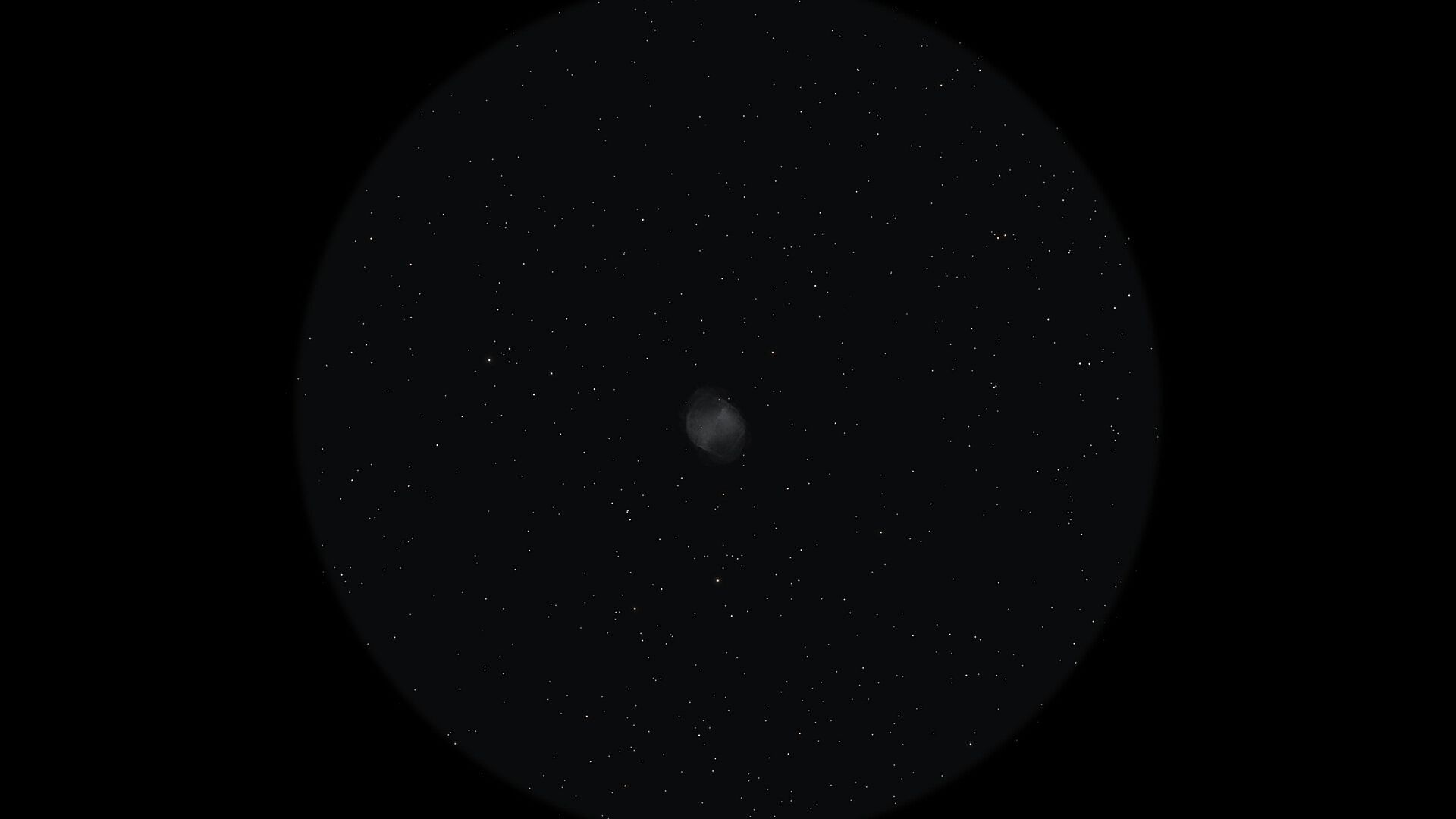
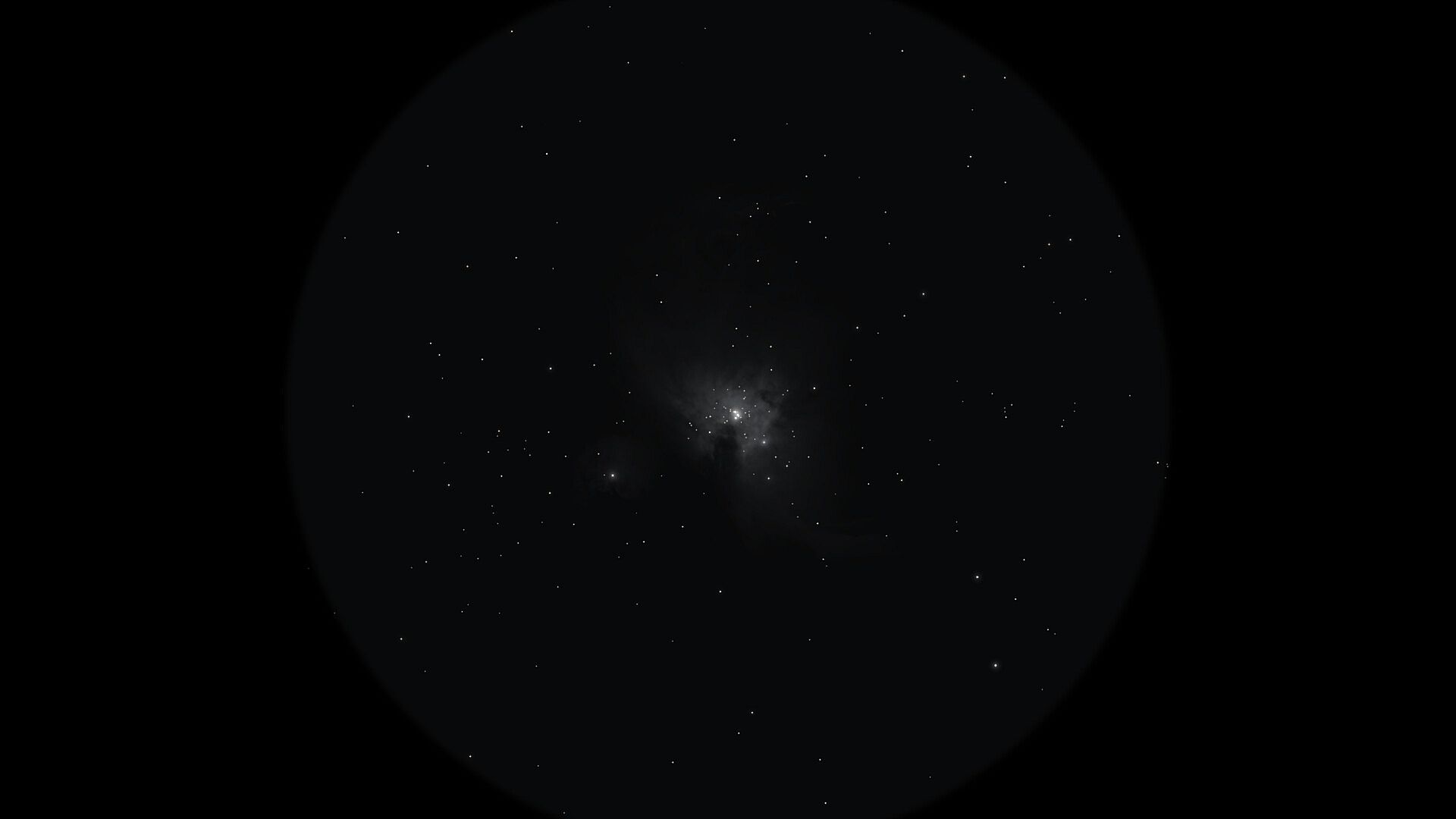
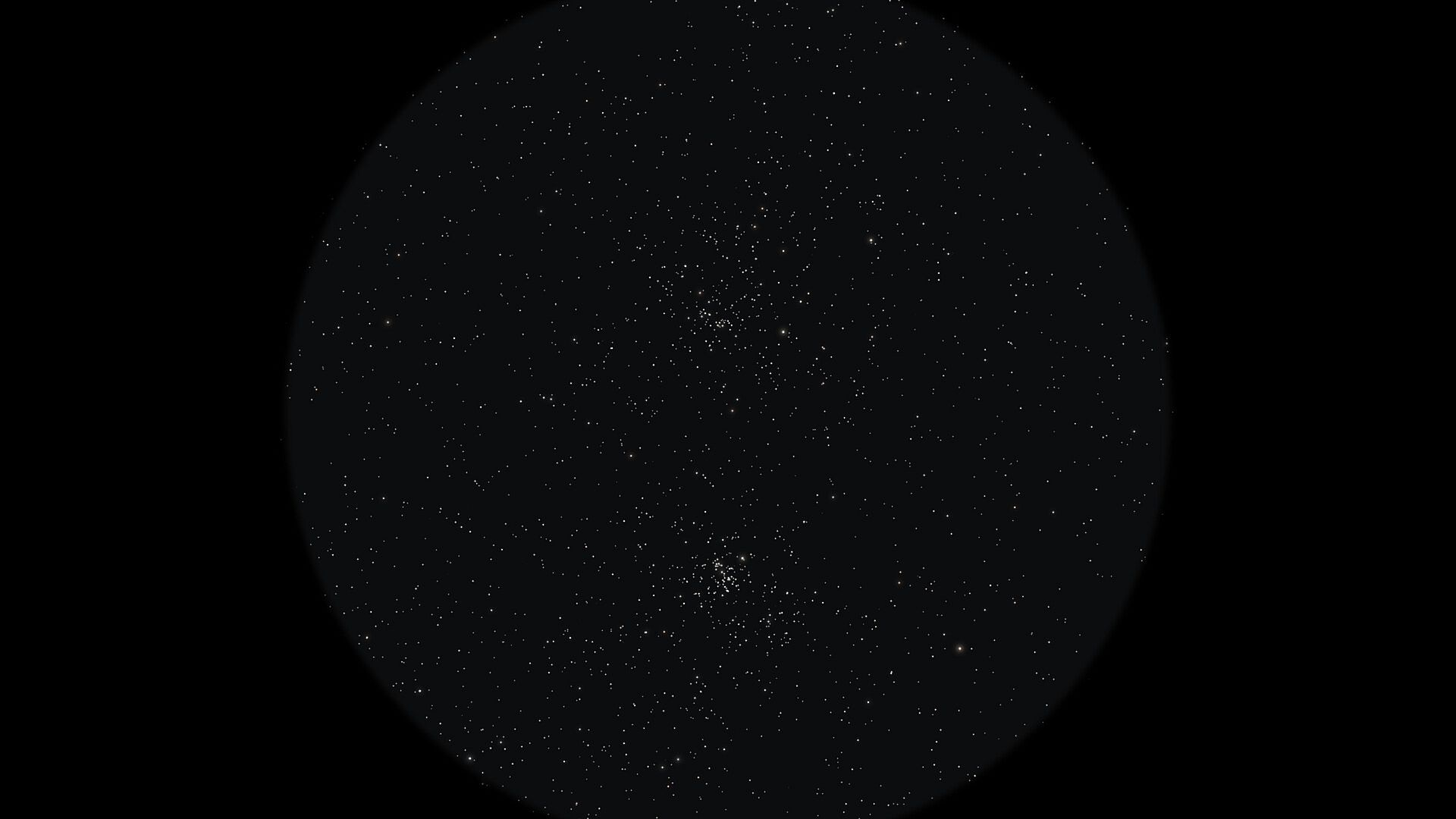
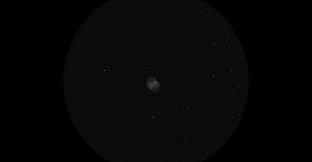
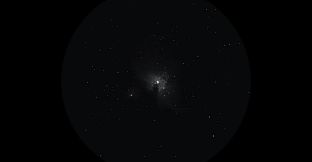
Through the eyepiece, details emerge based on magnification, field of view, and exit pupil set by the chosen eyepiece and Barlow lens. Aperture determines light-gathering power and resolution, while an object's angular size and surface brightness affect its appearance. External factors such as light pollution, moonlight, sky transparency, and atmospheric seeing further modify contrast and visible structure. The same target can appear sharp one night and washed out the next depending on these variables.
Game Modes
Guided observing sessions introduce equipment basics and target identification gradually, beginning with the Moon and bright objects before progressing to fainter clusters, nebulae, and galaxies. Each session records time, location, equipment, conditions, and observations in a log for later review. Free Observation mode removes the structure, allowing full control over location, date, time, and equipment selection to plan any session desired. Players can focus on a single target like the Moon or prepare an entire night of deep-sky work.
Equipment and Sky Dynamics
Telescopes vary in design and performance, creating distinct experiences when switching between configurations. Equatorial mounts require proper balancing and alignment for smooth tracking, while eyepiece changes alter apparent size, brightness, and ease of locating objects. The night sky itself moves in real time, with constellations, the Milky Way, twilight, and moonlight reshaping visibility hour by hour. Seasonal shifts bring new targets and different star-hopping routes from the same site.
Atmospheric conditions and light pollution levels change what remains visible, forcing adjustments in approach. Double stars reveal color and separation differences, while nebulae and galaxies appear as faint patches that demand careful identification against the background.
Is It Worth Playing?
Stargazer Simulator suits players who enjoy methodical, detail-oriented singleplayer simulation focused on realistic astronomy processes. The emphasis on setup accuracy, chart-based searching, and condition-dependent viewing creates a deliberate pace that rewards patience and preparation. Those interested in learning telescope operation and celestial navigation through repeated sessions will find the systems consistent with the provided astronomical data. The combination of guided progression and open-ended free mode supports both structured learning and personal exploration without external pressure. Availability on PC makes it accessible for anyone with an interest in astronomy who prefers hands-on equipment management over simplified visuals.