








Starlathe is a 2D top-down space simulation game that blends action, strategy, indie development, and simulation mechanics on PC. The title places players in a living galaxy where economic and military activities proceed without player input or scripted events.
Gameplay
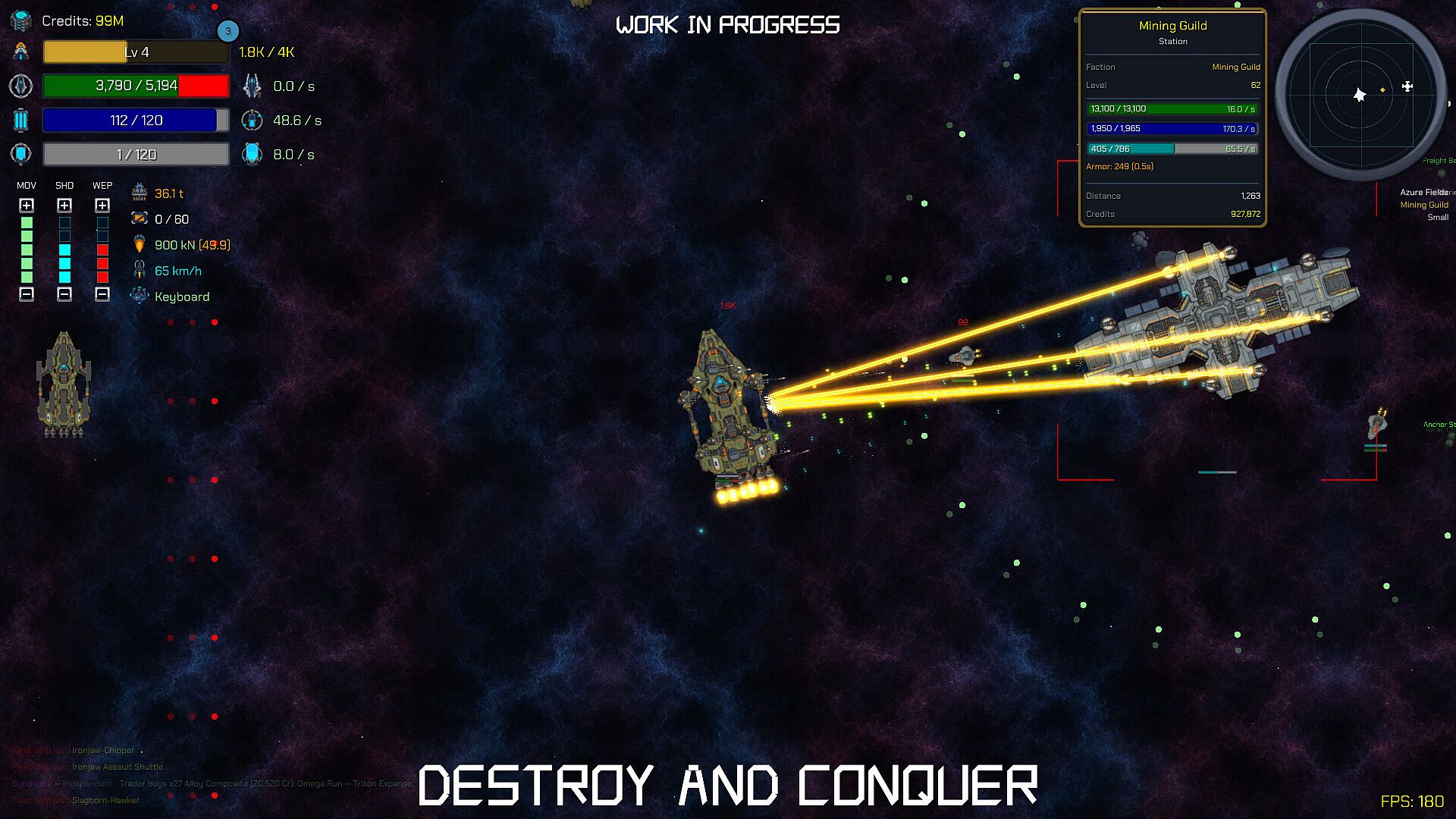
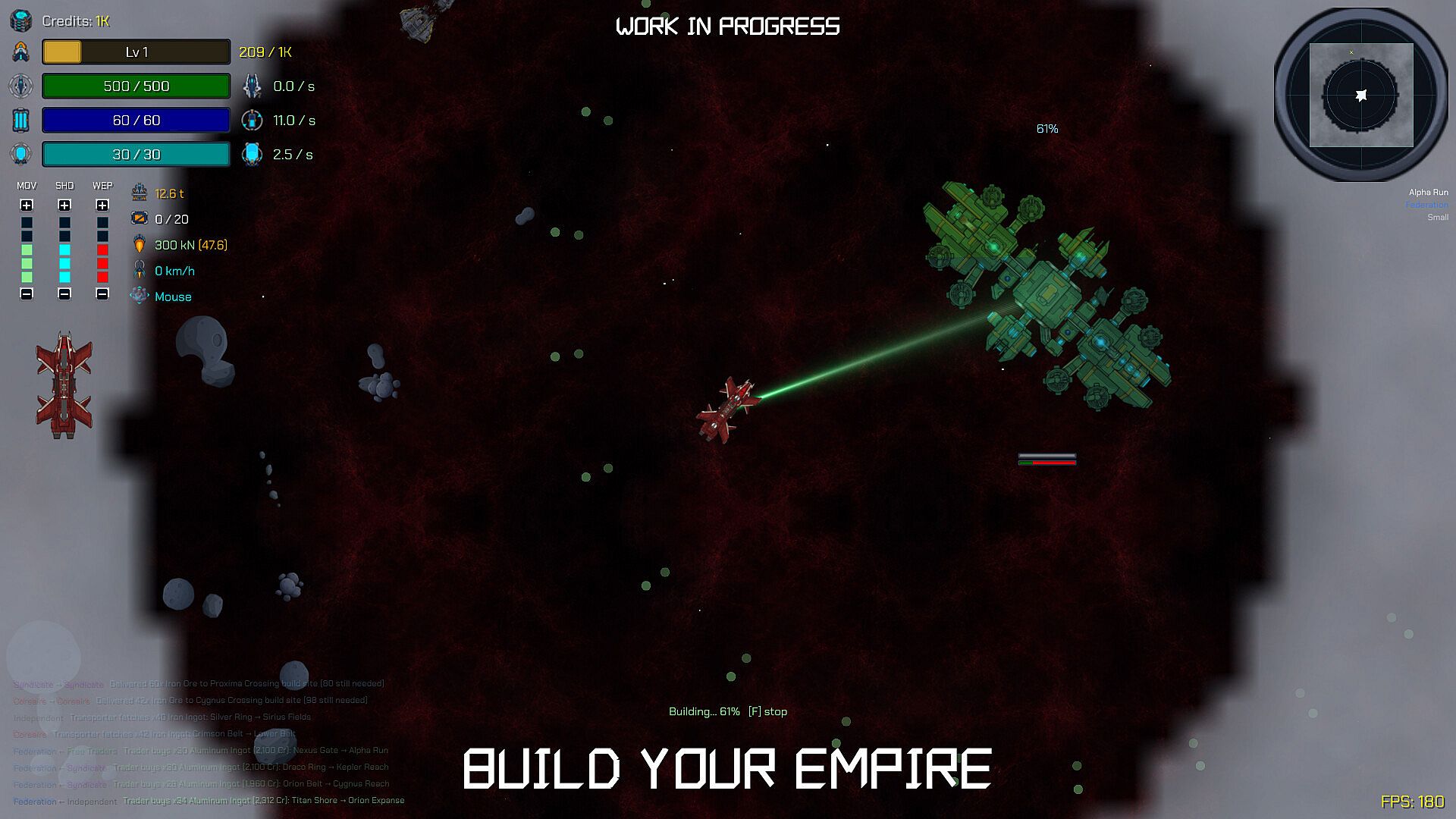
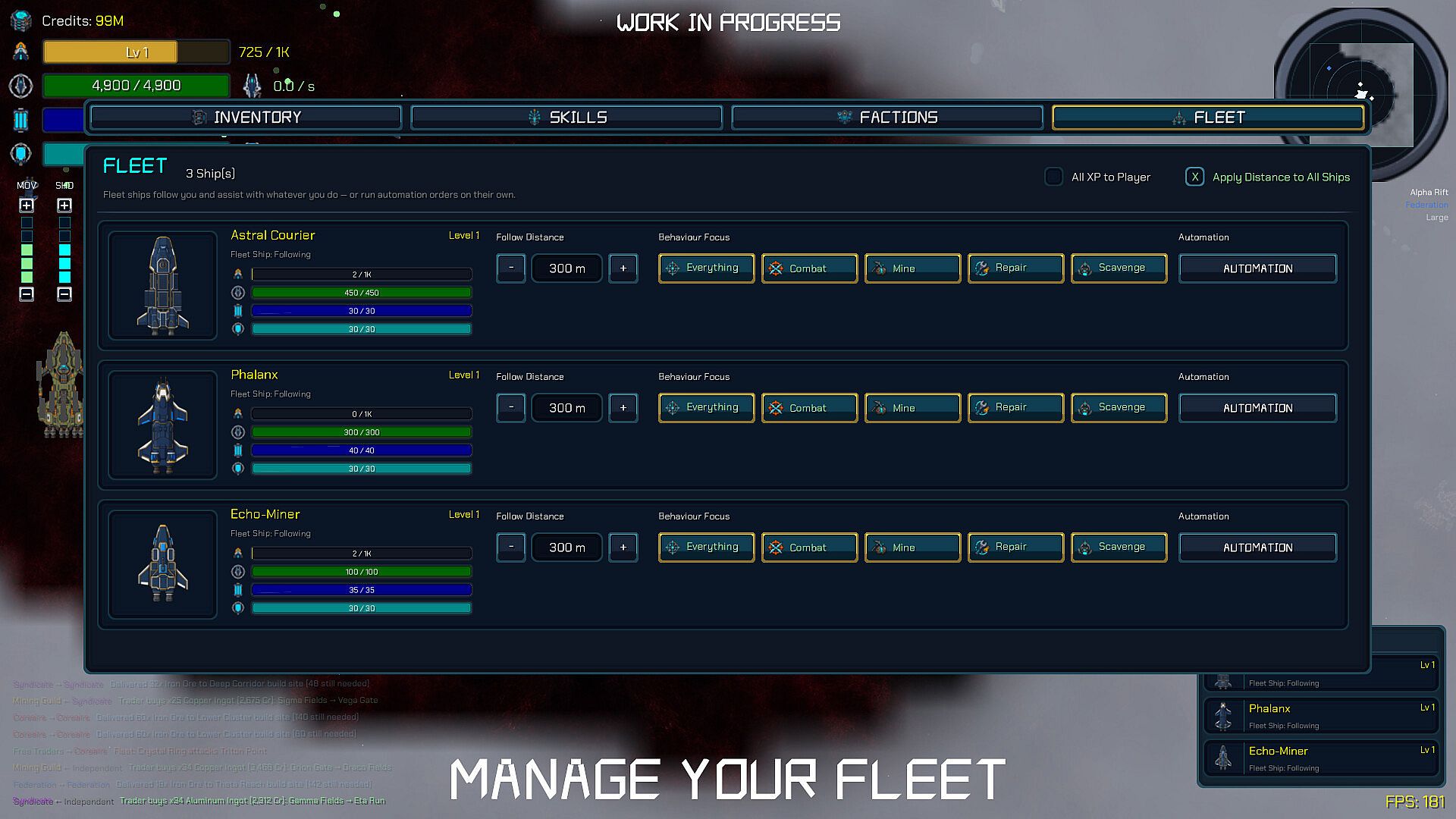
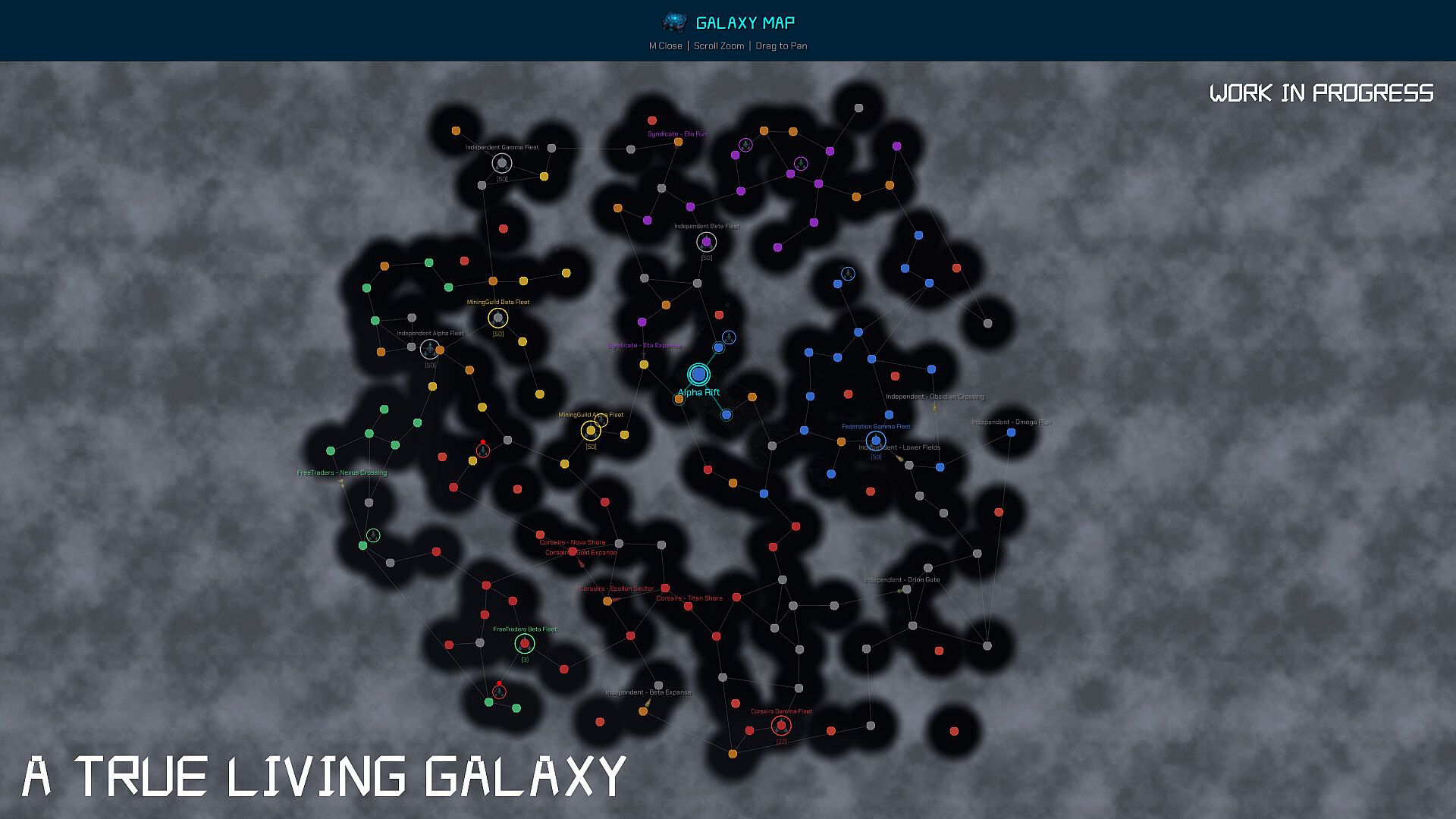
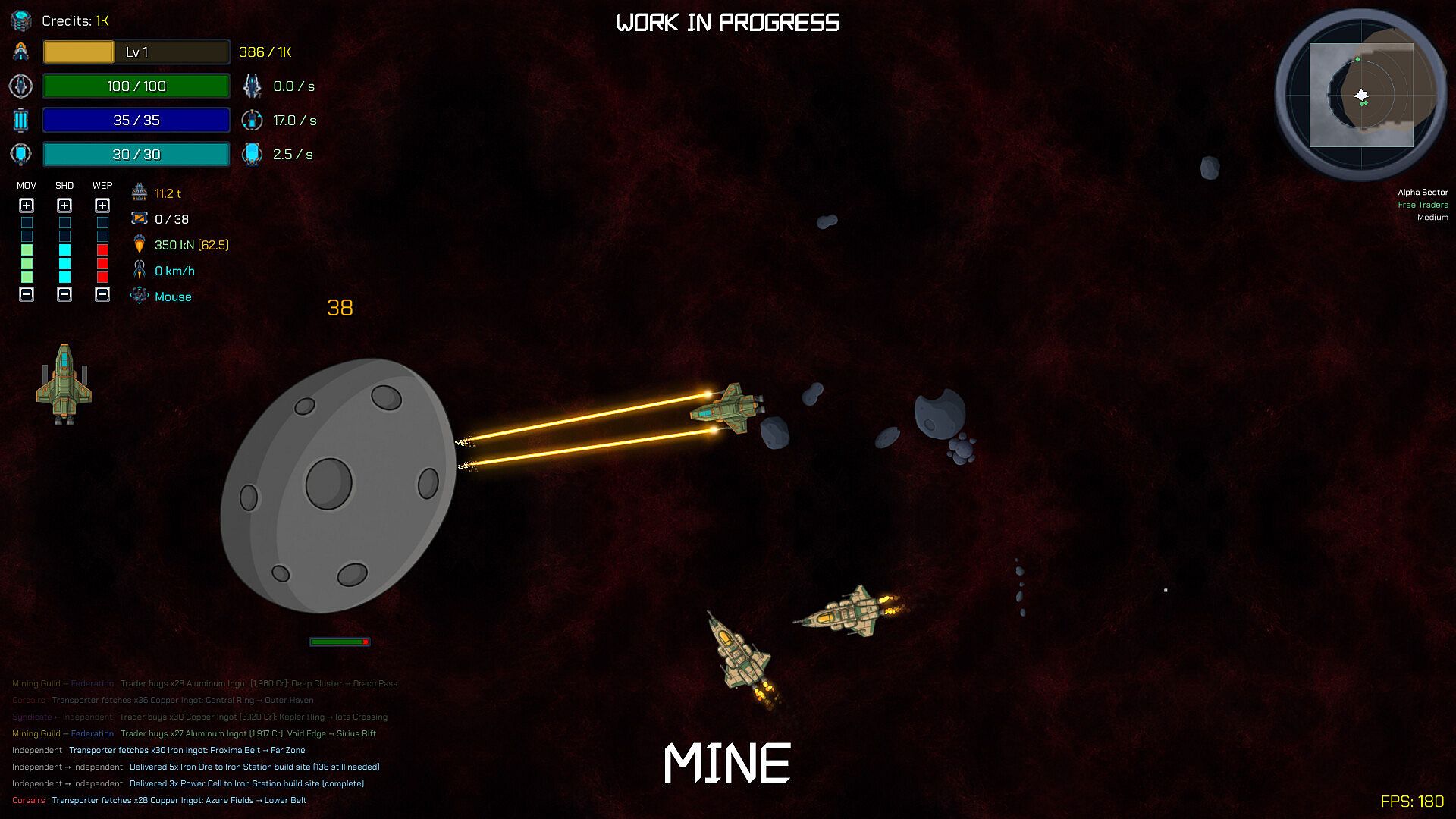
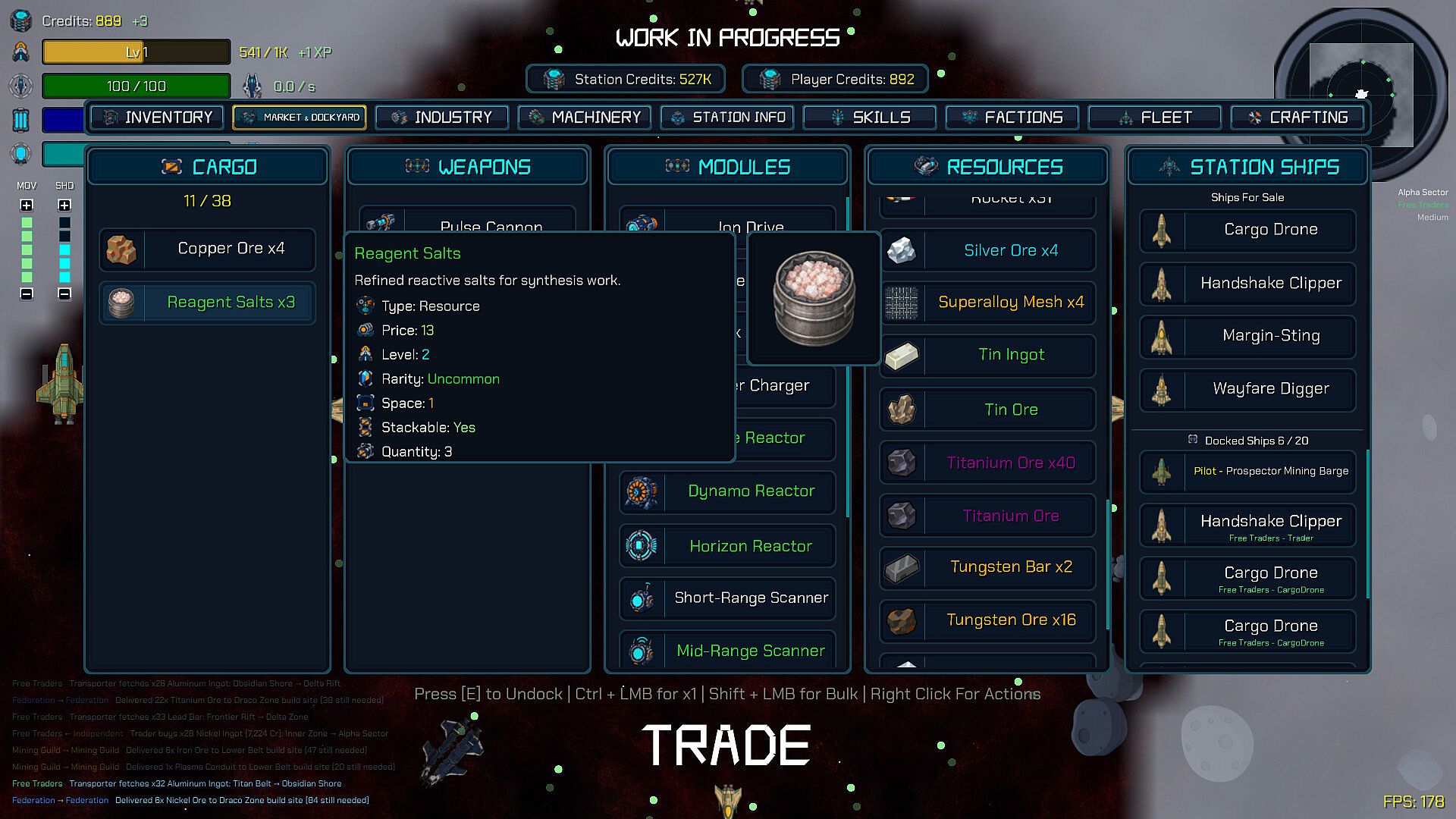
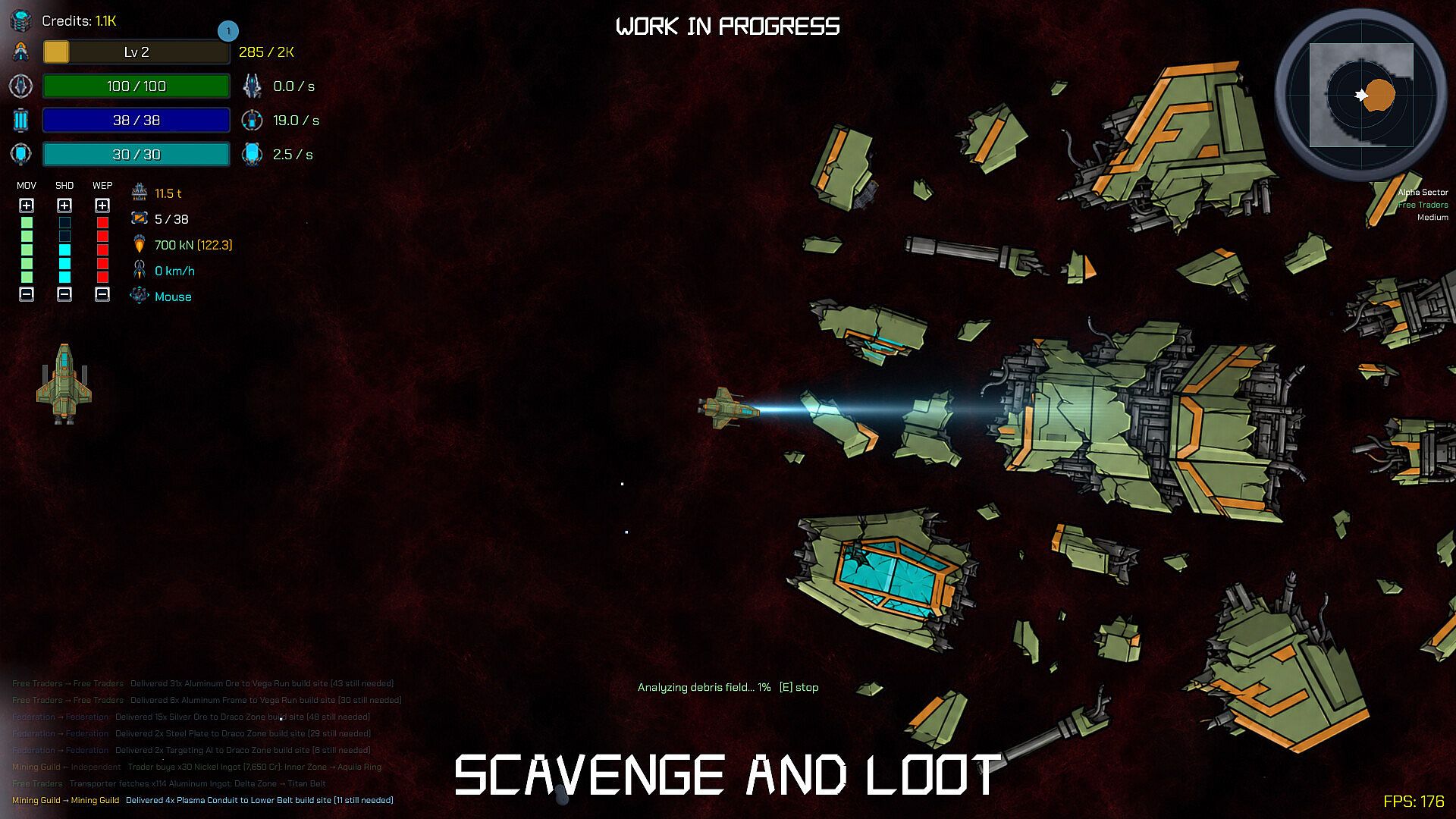
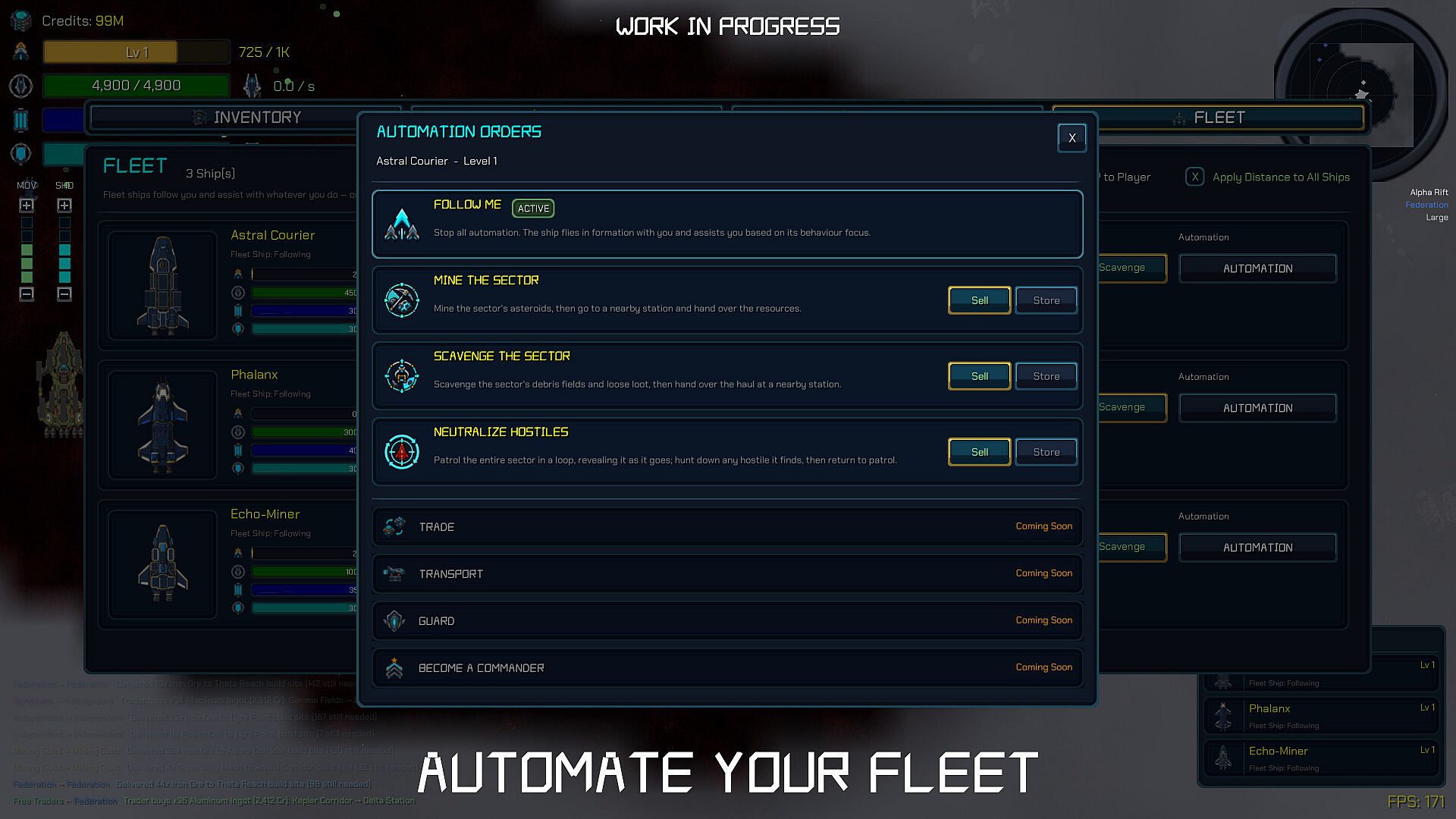
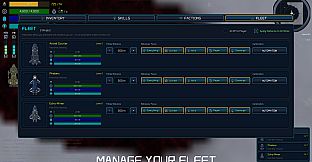
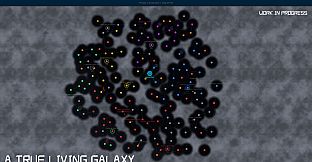
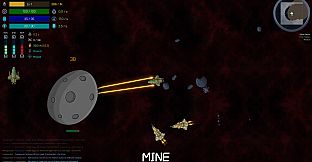
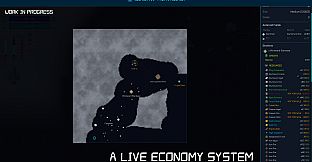
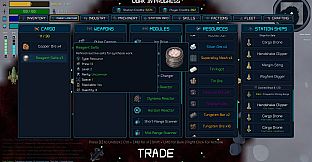
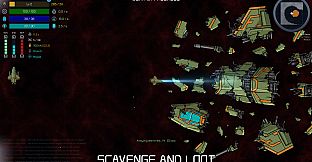
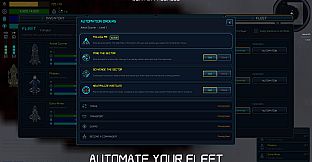
The core loop centers on a persistent simulation running across 150 sectors at all times. Miners extract ore from asteroid fields in real time, transporters move goods between stations, factories process materials into new products, and war fleets contest control of regions. Every shipment completes its journey, every ship follows its route, and every destroyed vessel leaves behind a wreck that persists as loot. Players begin with a basic ship and progress by engaging with these systems directly. Mining involves cutting ore and refining it into higher-value materials. Trading requires identifying price differences across a supply chain of more than 50 goods and transporting them accordingly. Combat includes hunting pirates for faction rewards or engaging in piracy while managing the resulting reputation effects. Crafting covers the full chain from raw resources through components to finished weapons, modules, and complete ships. Fleet management allows purchase of additional vessels, assignment of roles such as mining, transport, or escort, and direct command in battles that resolve through individual ship actions including turrets, rockets, beams, and point defense rather than abstract rolls.
Game Modes
The game supports multiple overlapping playstyles within its single persistent universe rather than separate named modes. One approach focuses on resource extraction and refinement to build personal wealth. Another emphasizes logistics and arbitrage across the supply network. Combat-oriented paths involve aligning with factions for bounties or operating independently as a pirate. Production chains allow players to manufacture equipment and vessels for personal use or sale. Fleet operations combine all of these elements by directing subordinate ships to generate income while the player leads larger engagements. Territory shifts occur when stations fall and factions reconstruct them, altering available routes and prices in response to actual supply and demand. Reputation tracks player actions such as smuggling or piracy, influencing interactions with authorities and other groups.
Economy and Simulation Depth
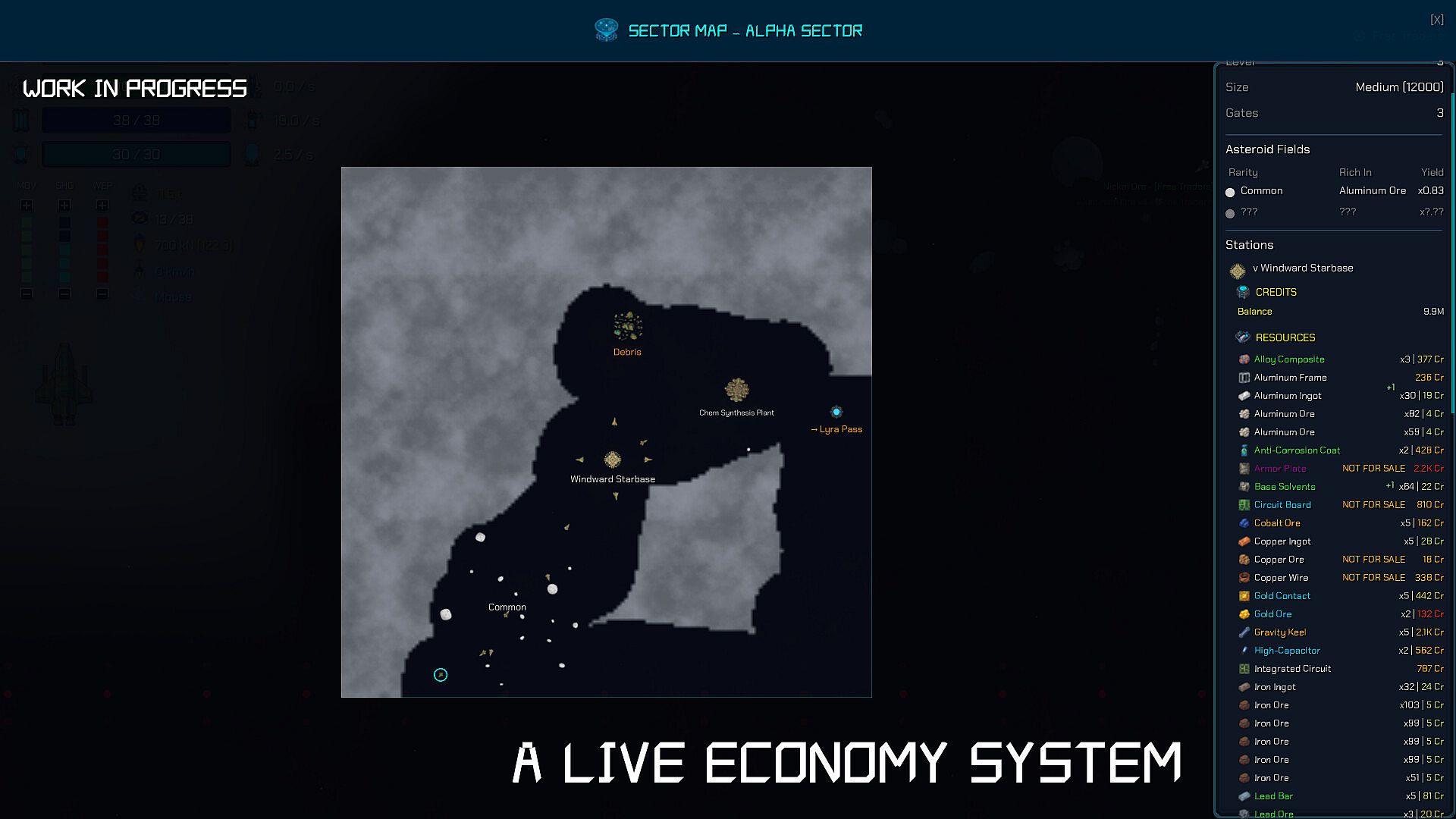
Prices fluctuate based on real production and consumption across the galaxy. Stations can be destroyed permanently until factions rebuild them, creating new wreck fields and changing control of sectors. The law system reacts to illegal activities, adding risk to certain routes or behaviors. All elements remain active regardless of player presence, so returning to a sector may reveal completed trades, ongoing conflicts, or newly formed opportunities. This creates a consistent cause-and-effect environment where player decisions influence and are influenced by the broader simulation.
Exploration and Unknown Regions
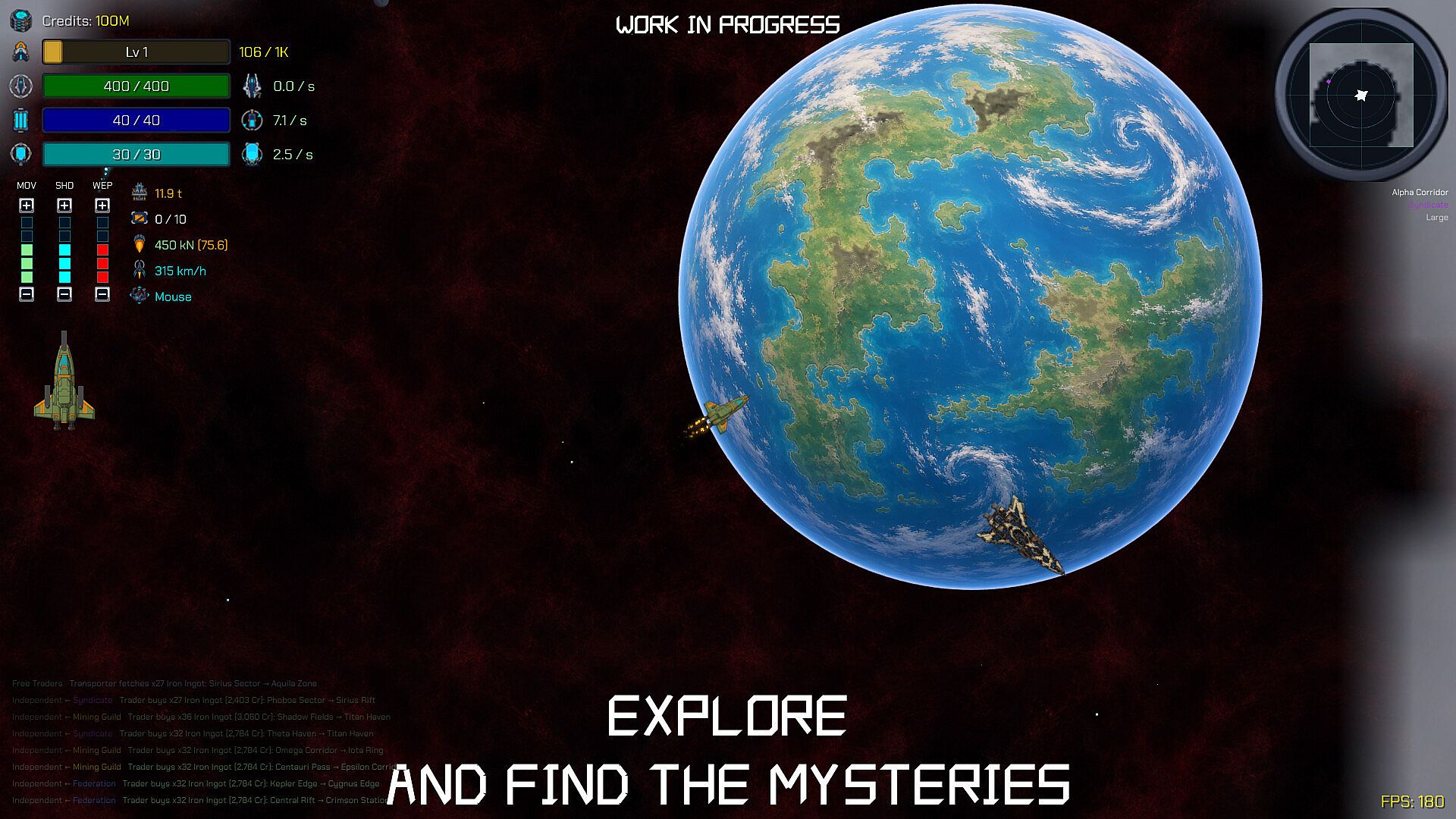
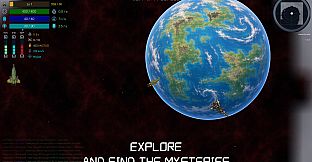
Fog of war obscures uncharted areas until players map them. Discovery can reveal ship graveyards with salvage potential, abandoned sectors, or wild space beyond established gates. The game features 22 distinct skies that change the visual environment during flight. These elements encourage gradual expansion from known space while the underlying simulation continues to evolve independently.
Is It Worth Playing?
Starlathe suits players who enjoy detailed economic simulations, fleet command, and consequence-driven gameplay in a space setting. The live simulation and real supply chains provide depth for those interested in strategy and management alongside action elements. New players start with straightforward ship control and expand into complex operations at their own pace. Because the galaxy operates continuously, sessions can focus on short trading runs or longer fleet campaigns without artificial resets. The indie scope keeps the experience focused on core systems rather than extraneous features. Those seeking a living world where actions carry lasting weight will find the mechanics align closely with that preference. Availability on PC allows direct access to the simulation without additional platform requirements.














