

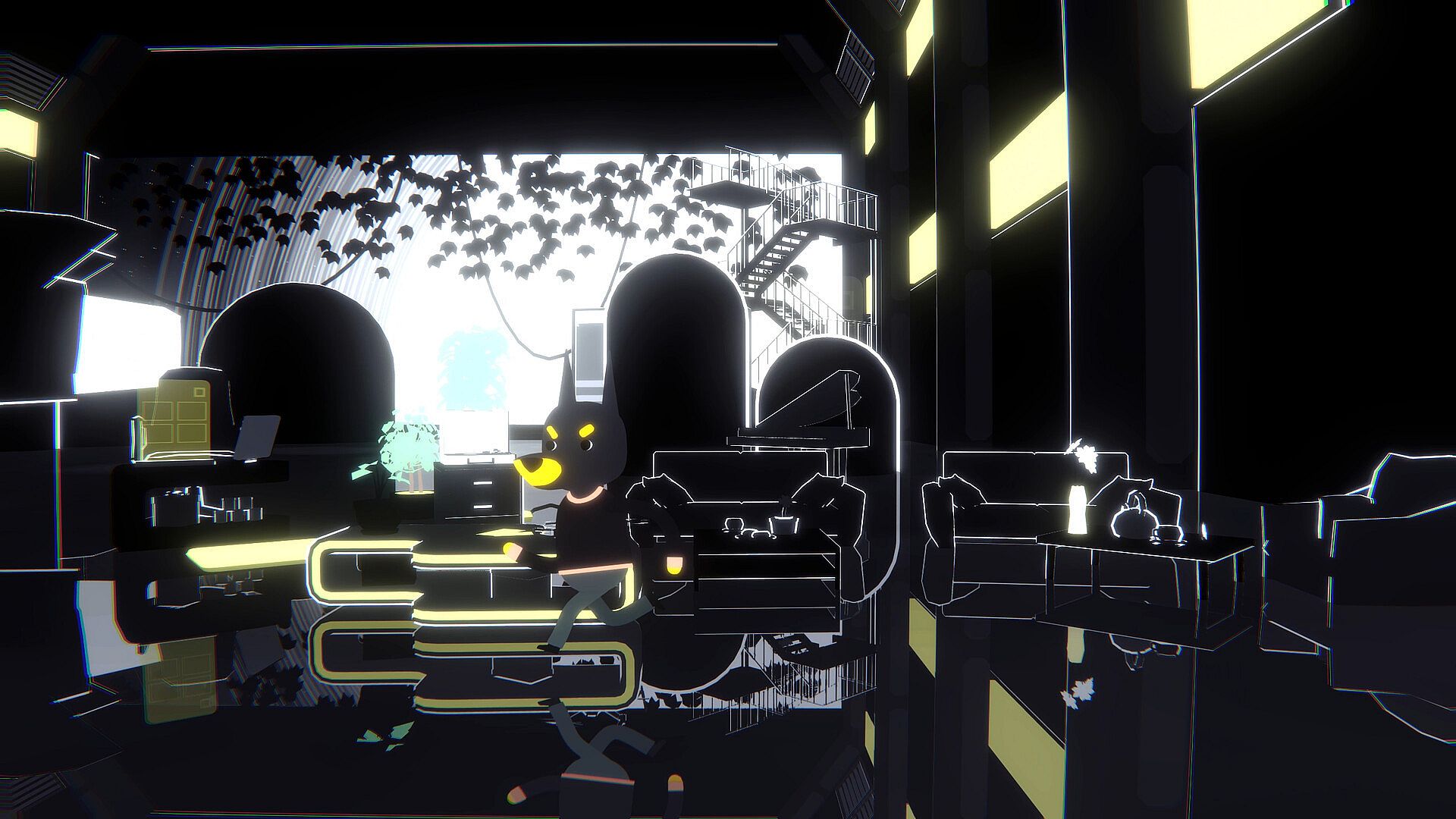
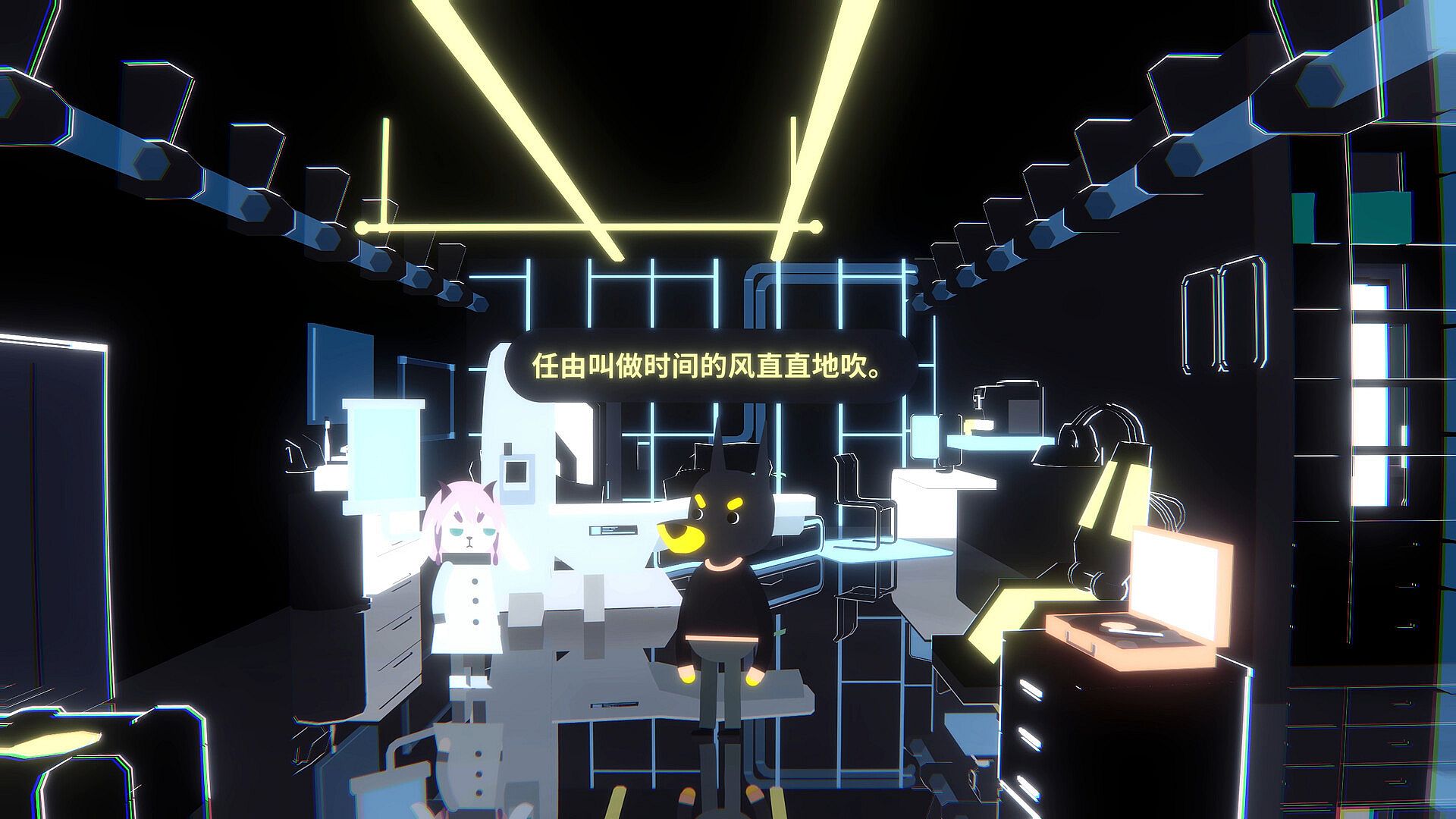
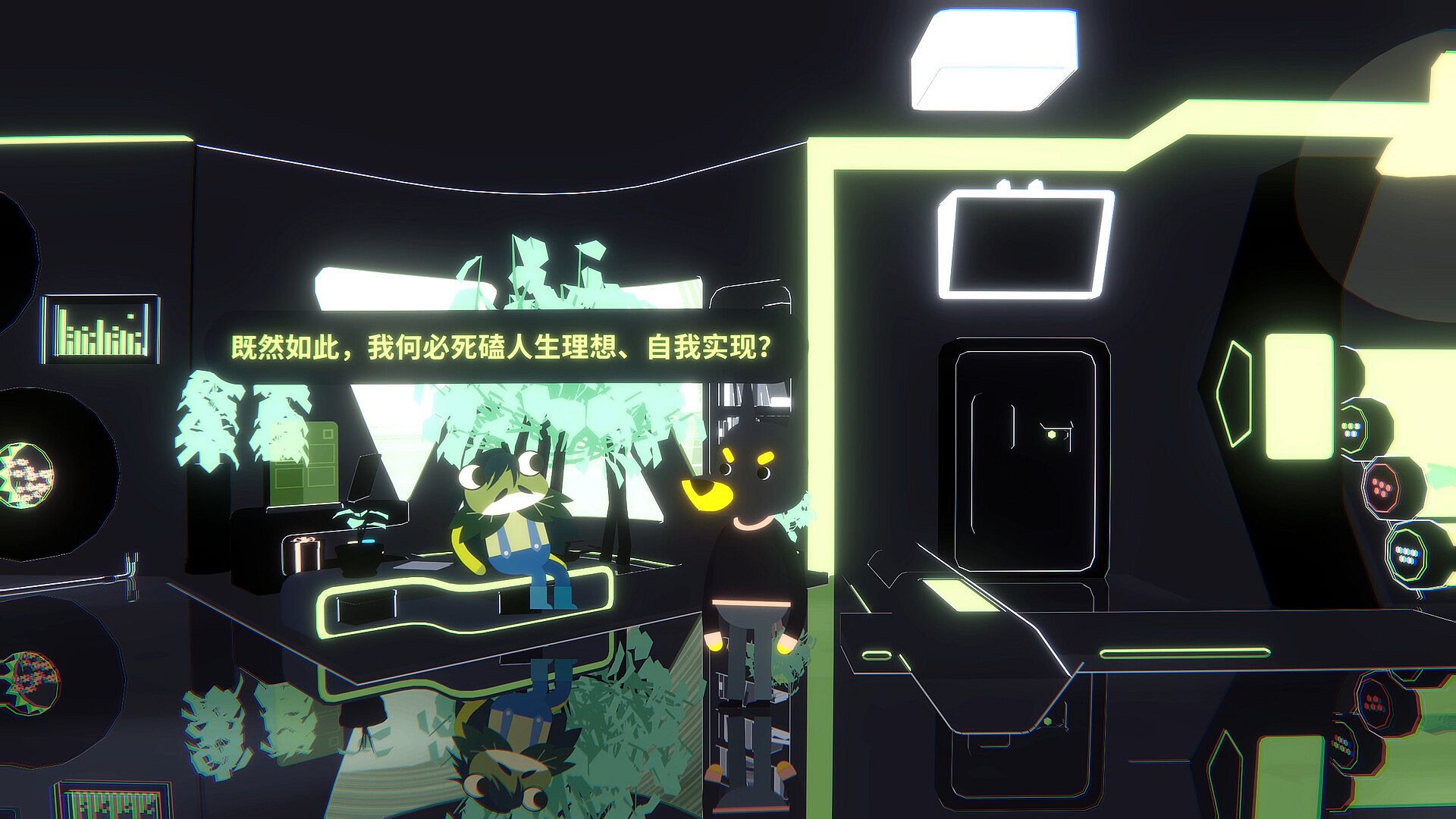
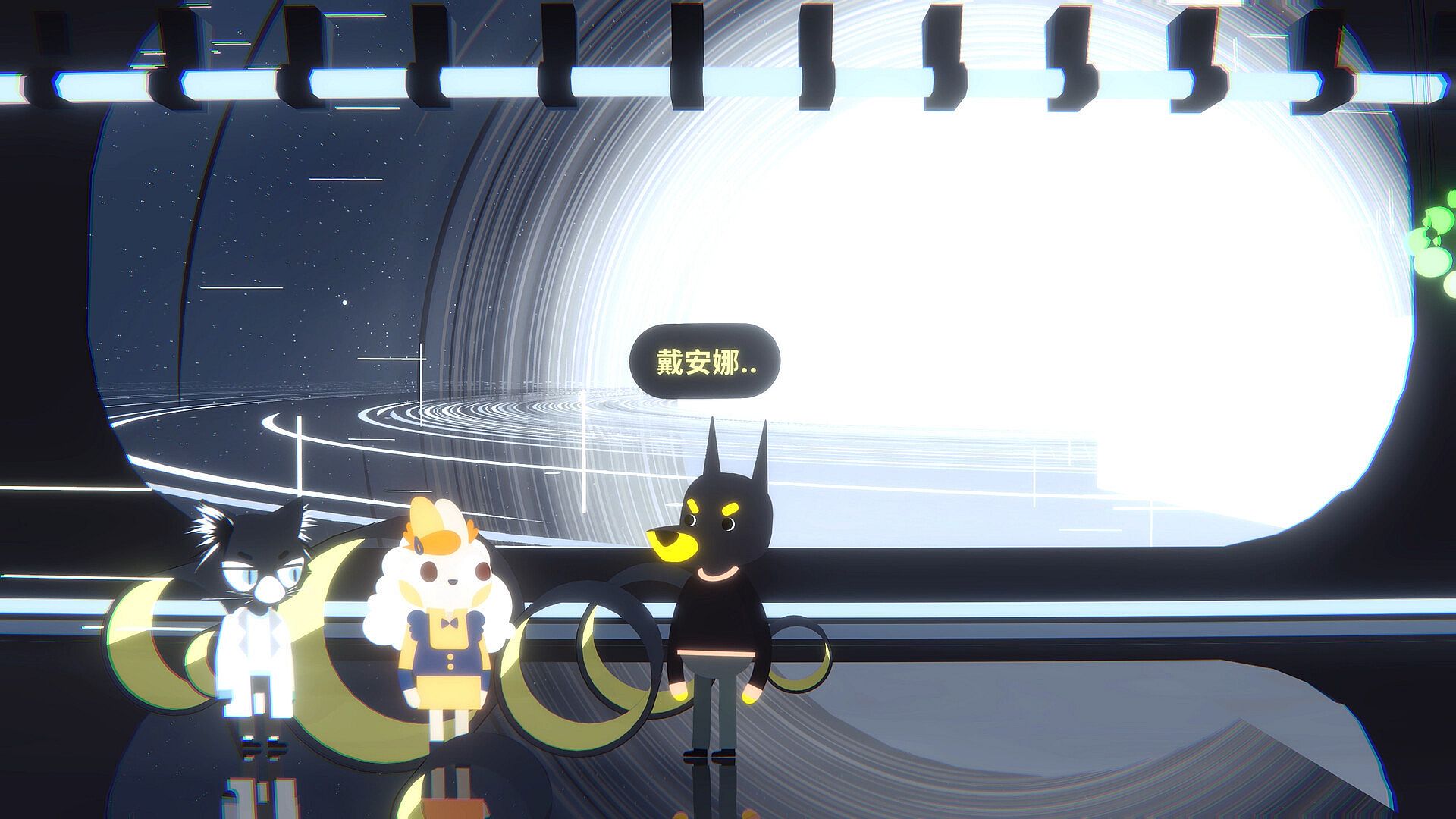
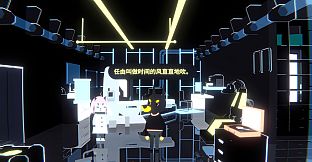
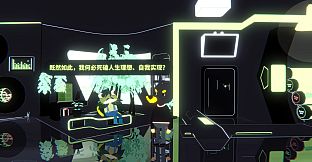
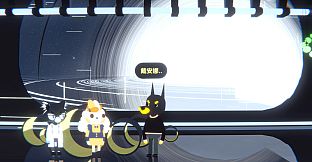
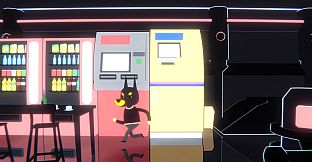
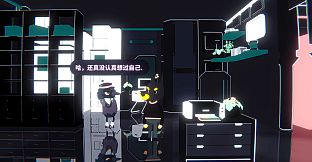
Station 21 is a single-player indie adventure game set in a near-future space station environment. Players take on the role of Joe, a character tasked with investigating the disappearance of researcher Diana amid a backdrop of time anomalies affecting human exploration efforts in 2063. The experience blends narrative storytelling with light interactive elements, focusing on personal connections and quiet reflection rather than action or competition.
Gameplay
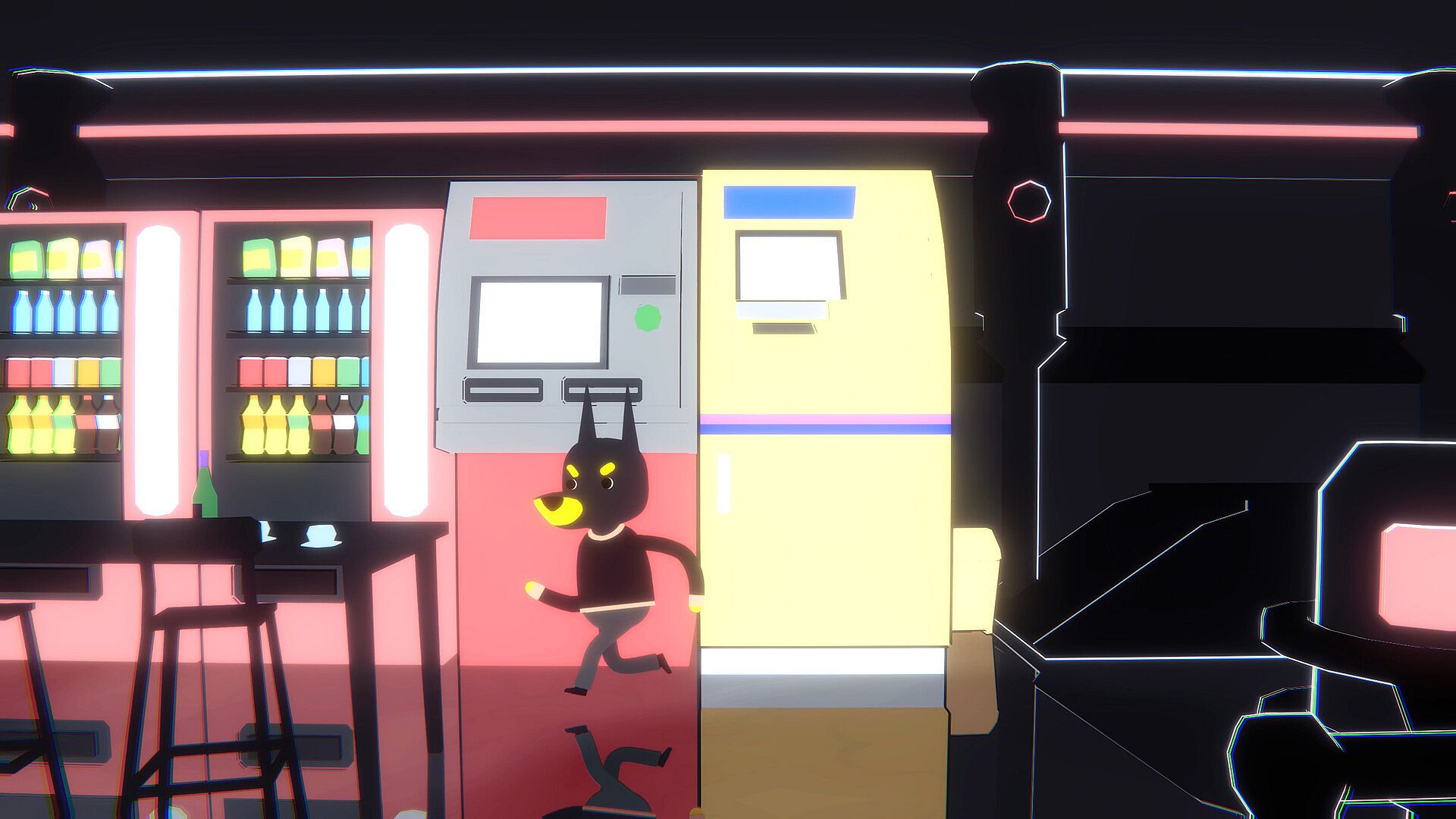
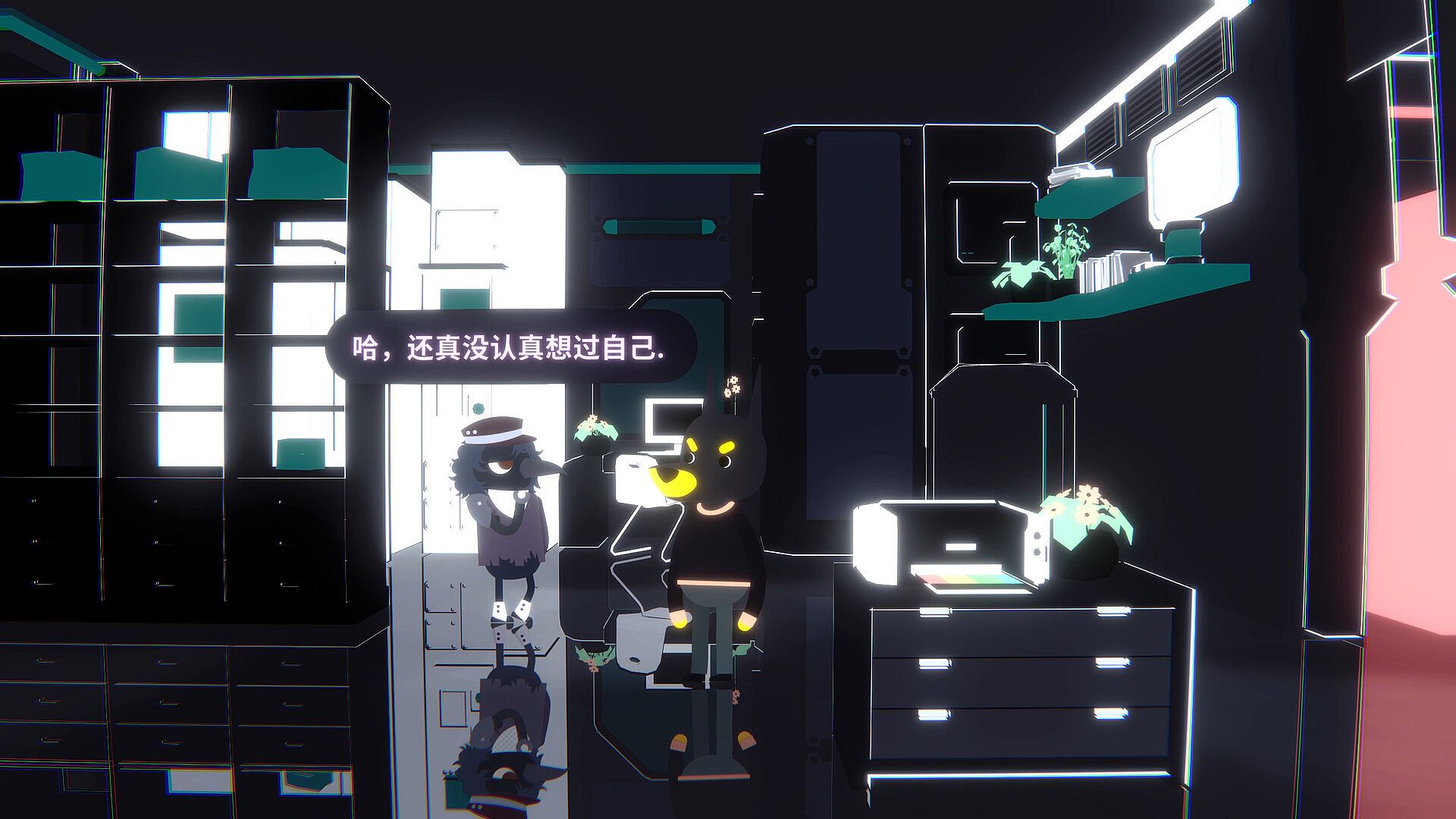
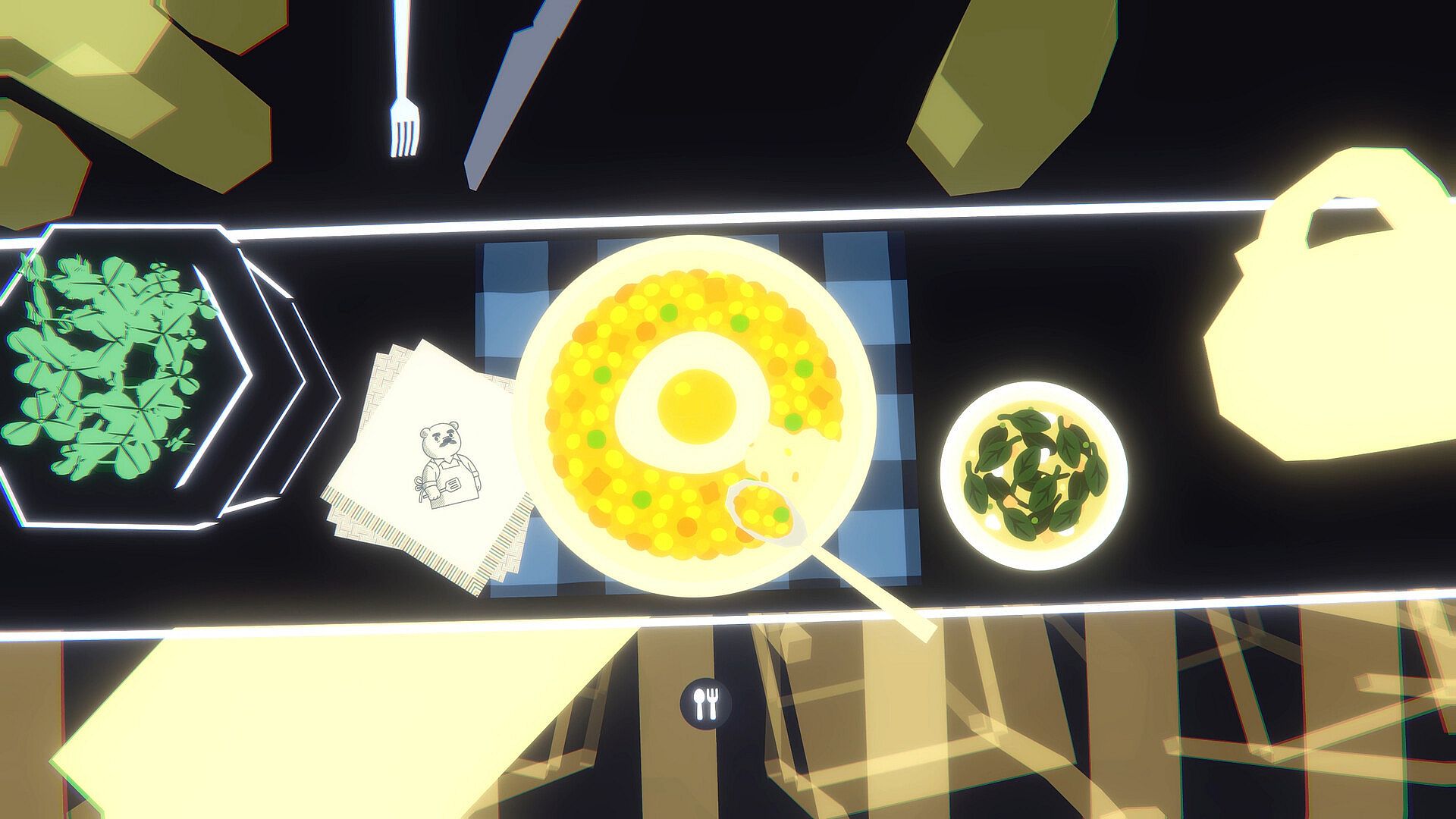
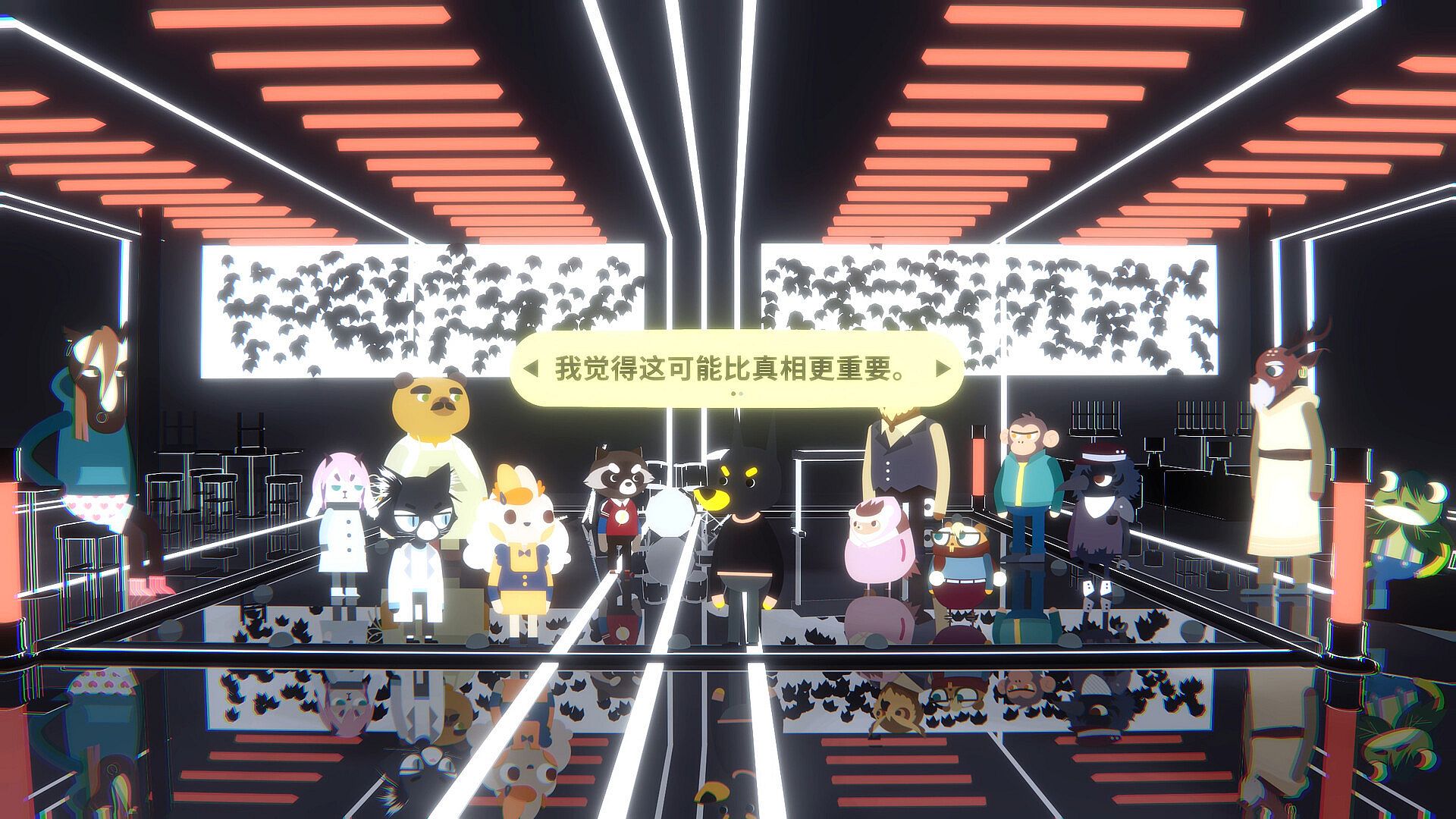
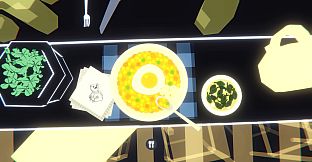
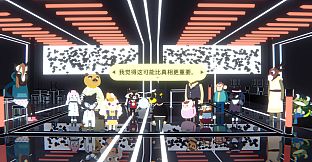
The core loop centers on free exploration of Station 21 between scheduled story events. Players move through the station to interact with crew members, uncovering personal stories tied to themes of loss and memory. Short mini-games appear as optional activities during these periods, providing brief breaks from dialogue and observation. Daily events advance the central investigation while allowing time for optional conversations that reveal character emotions and backstories. The mechanics emphasize pacing and choice in how deeply to engage with the crew, without complex inventories or combat systems.
Navigation remains straightforward, encouraging players to revisit areas at different times to catch evolving interactions. The game avoids high-pressure sequences, instead prioritizing atmospheric details in the station's design and the subtle effects of the surrounding time bubbles on the environment and inhabitants.
Game Modes
Station 21 operates entirely as a single-player experience with no separate multiplayer or competitive modes. The structure follows a narrative progression divided into daily segments, where exploration and story events form the primary flow. Players advance through the investigation at their own pace, with free time between events dedicated to crew meetings and mini-game participation. No branching campaigns or alternate scenarios exist beyond the main storyline.
Story and Setting
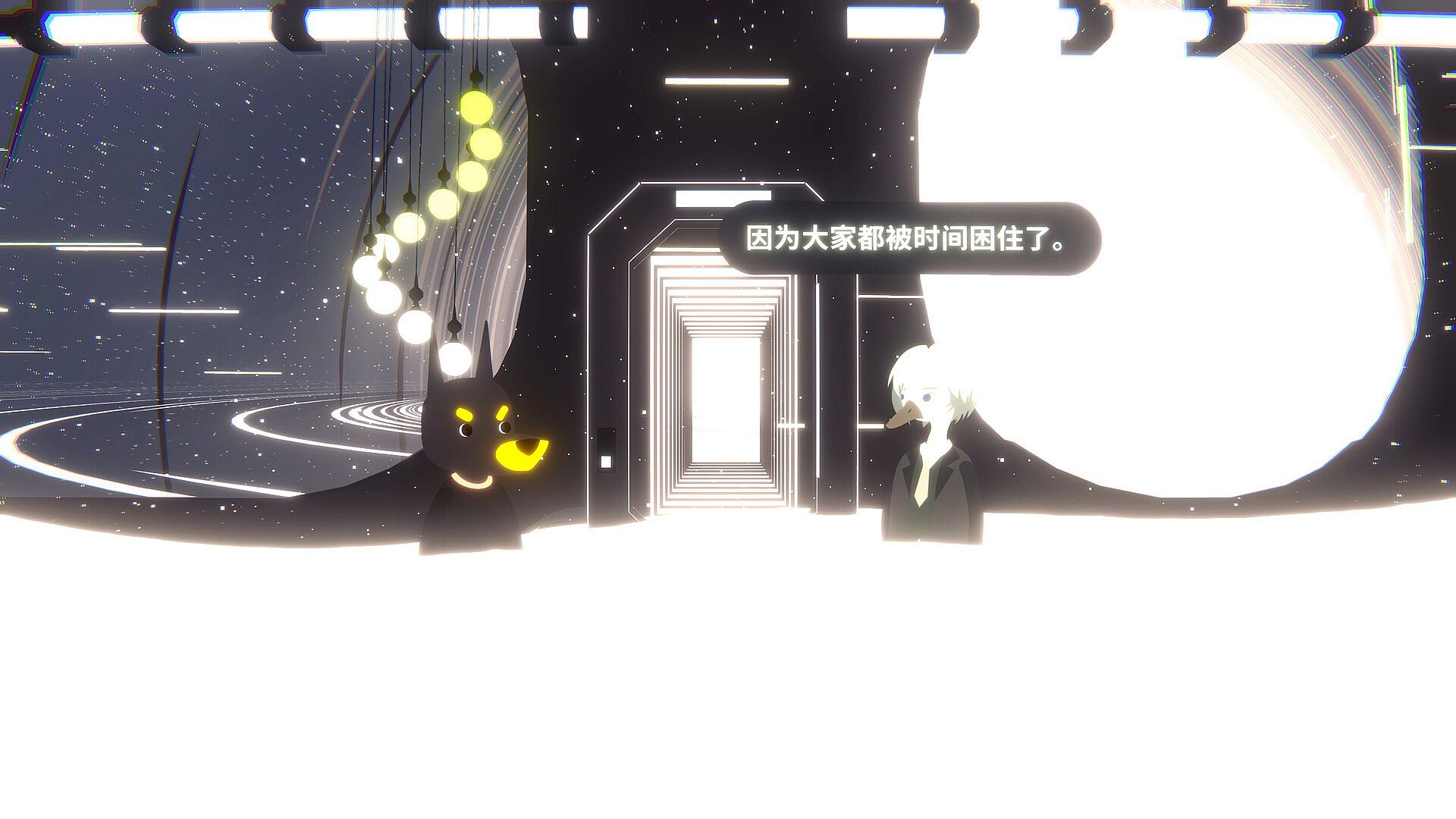
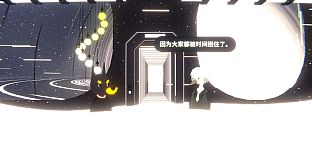
The narrative unfolds in 2063, a period when humanity resumes deep-space travel after years of limited progress. Time bubbles introduce instability, influencing the crew's mental states and the station's atmosphere. Joe arrives to probe Diana's vanishing, gradually learning about the personal struggles of those aboard. The tale examines grief, nostalgia, and personal resilience through conversations that highlight individual perspectives on time and isolation.
Environmental storytelling supplements direct dialogue, with station details reflecting the broader challenges of space habitation and the fading optimism of the era. The setting remains contained to Station 21, creating an intimate focus on character-driven moments.
Is It Worth Playing?
Station 21 suits players who prefer contemplative single-player adventures over fast-paced action or extensive systems. Its emphasis on dialogue, light exploration, and short interactive segments aligns with casual and narrative-focused genres. The game remains in a pre-release state with no available player reviews or confirmed updates at this time. Those drawn to stories about emotional resilience and quiet interpersonal moments may find value in the upcoming title once it launches, particularly if they enjoy experiences that reward attentive listening and optional engagement with side activities.