


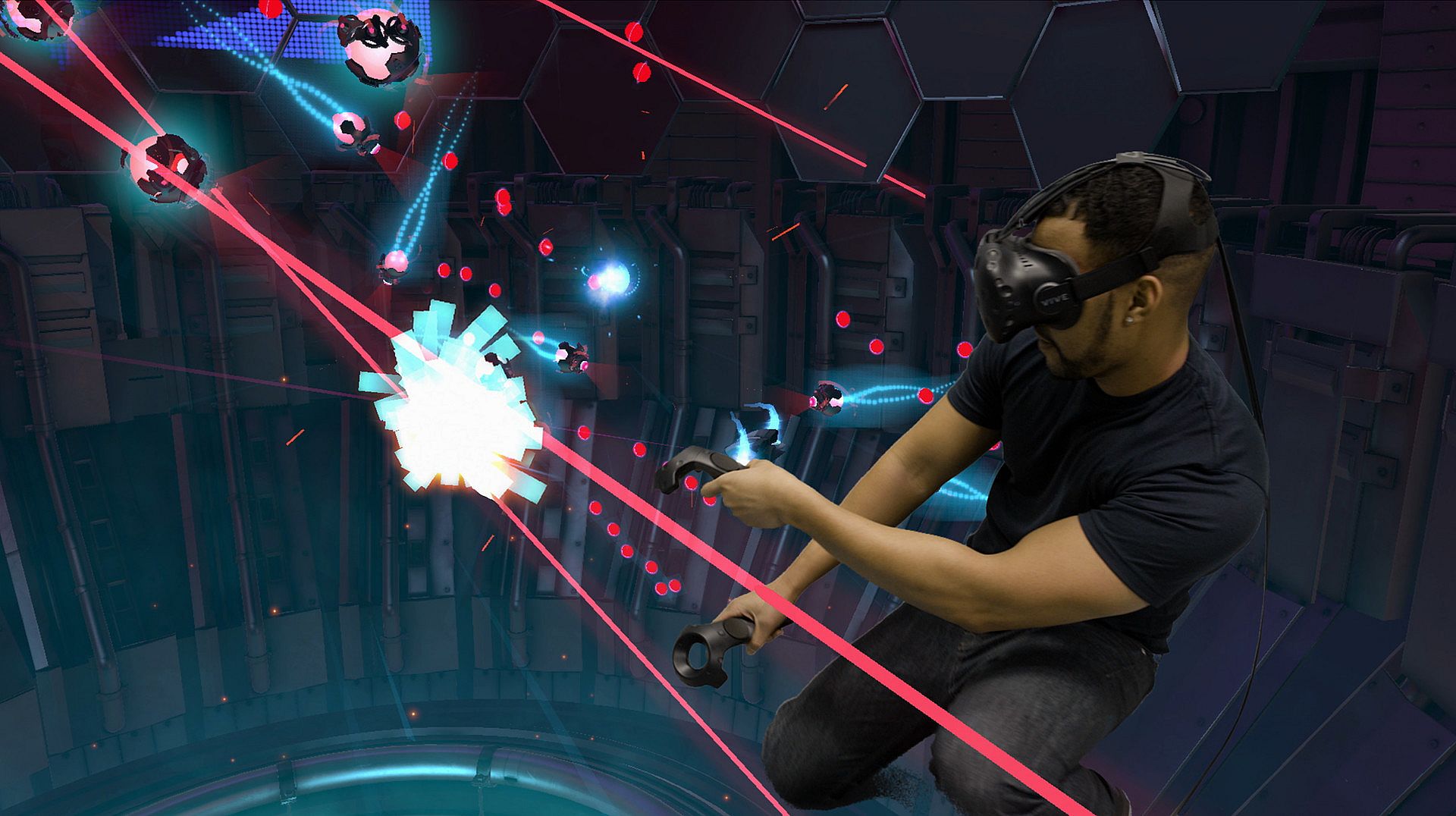
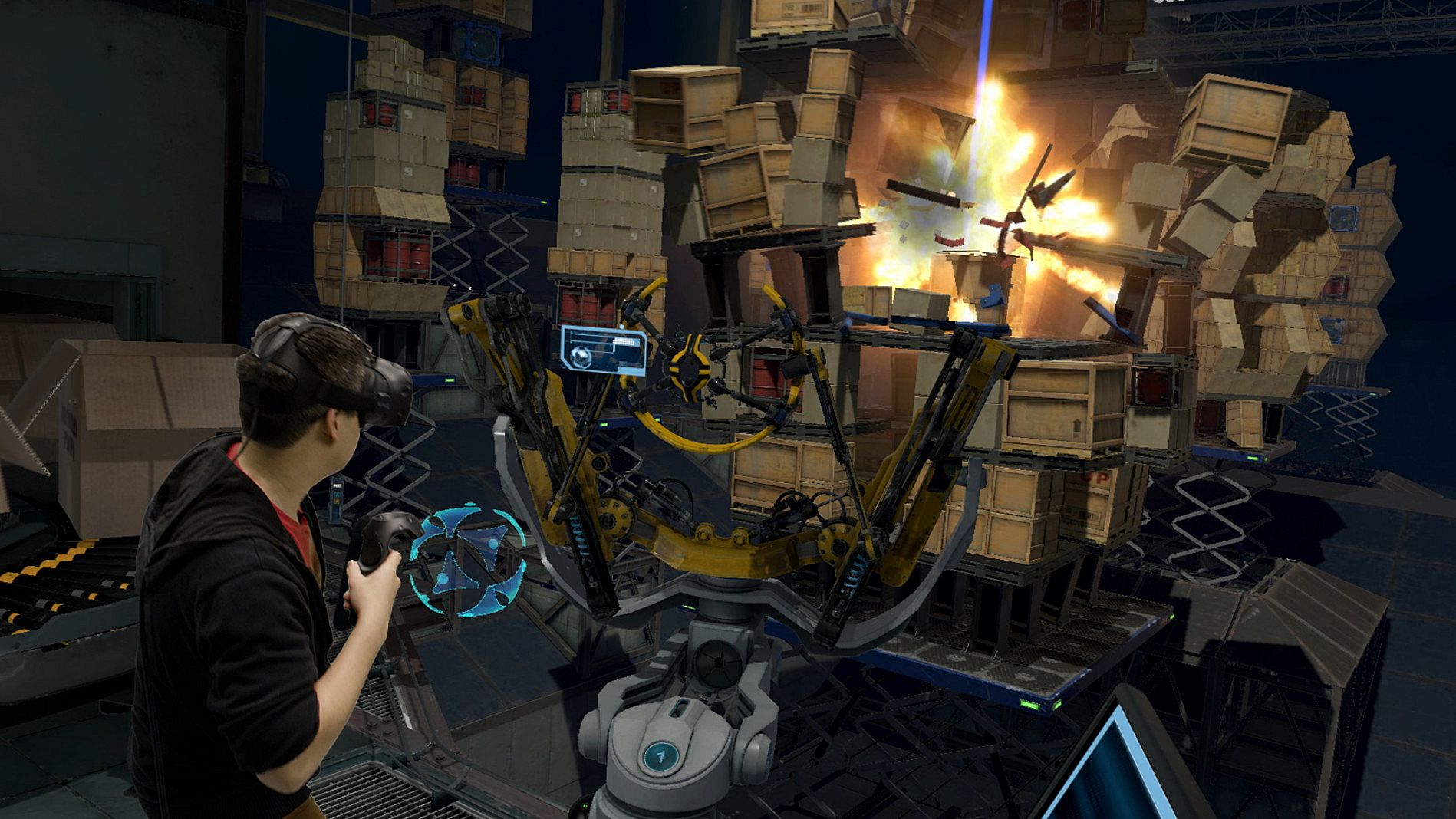
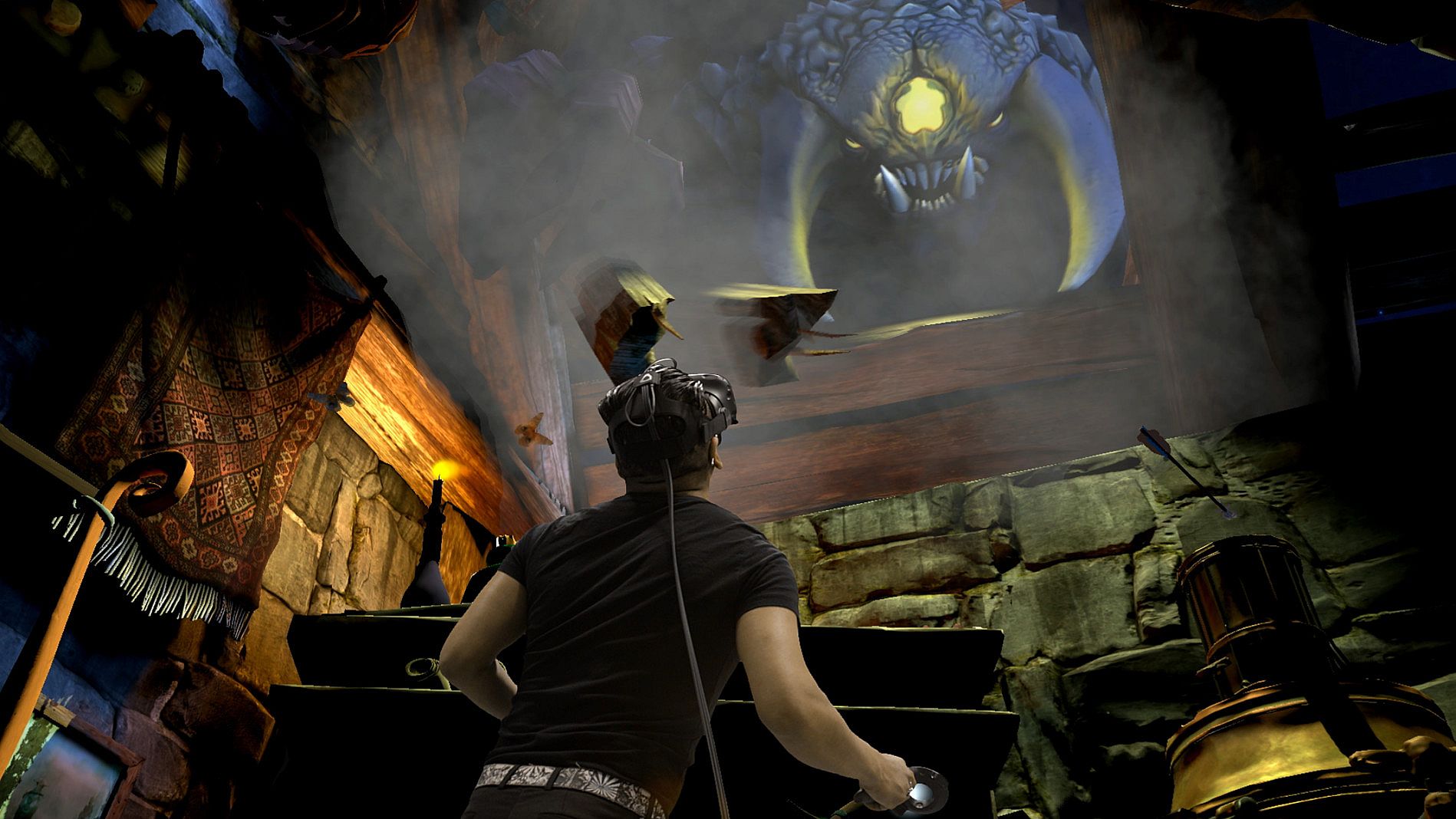
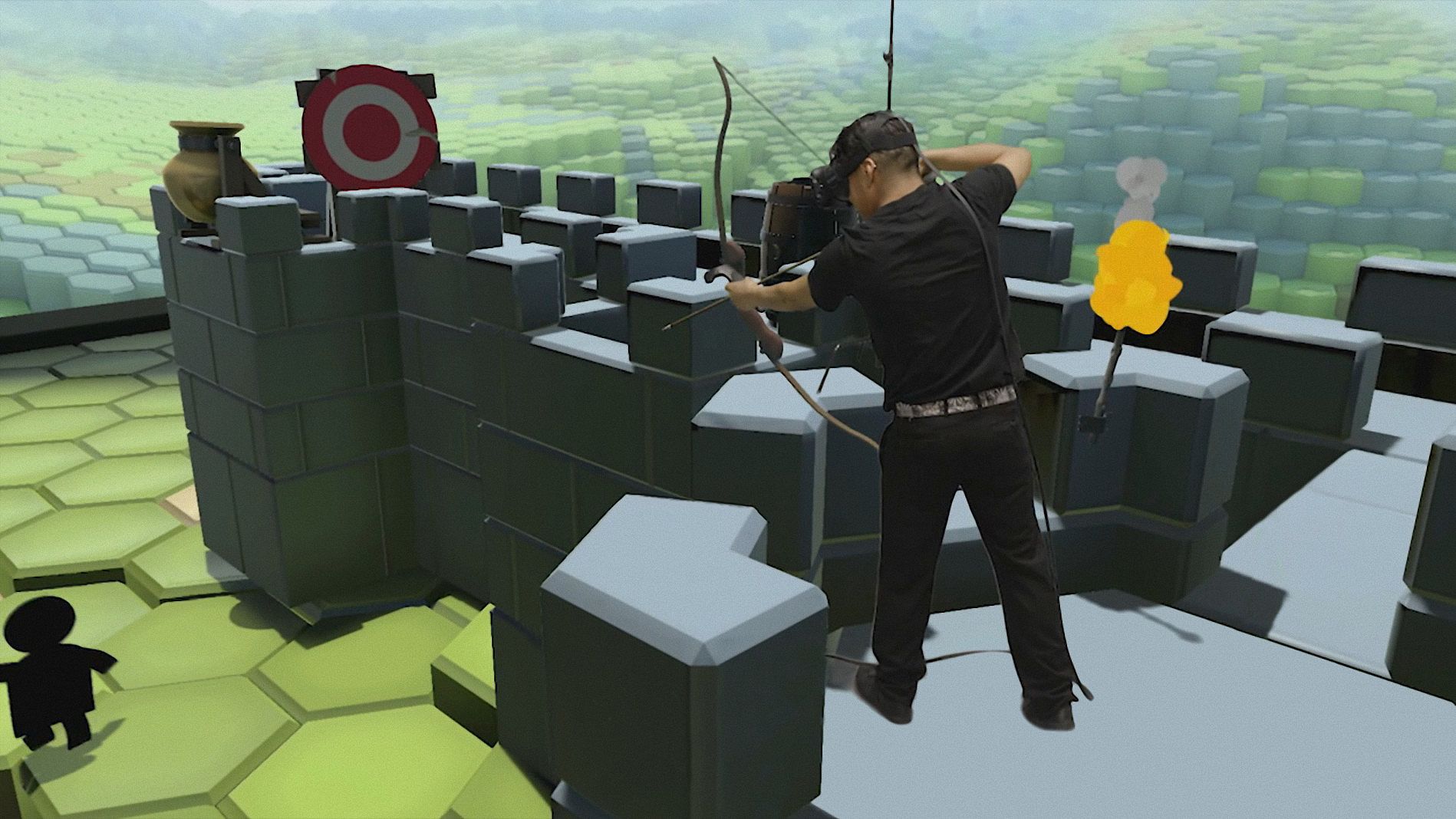
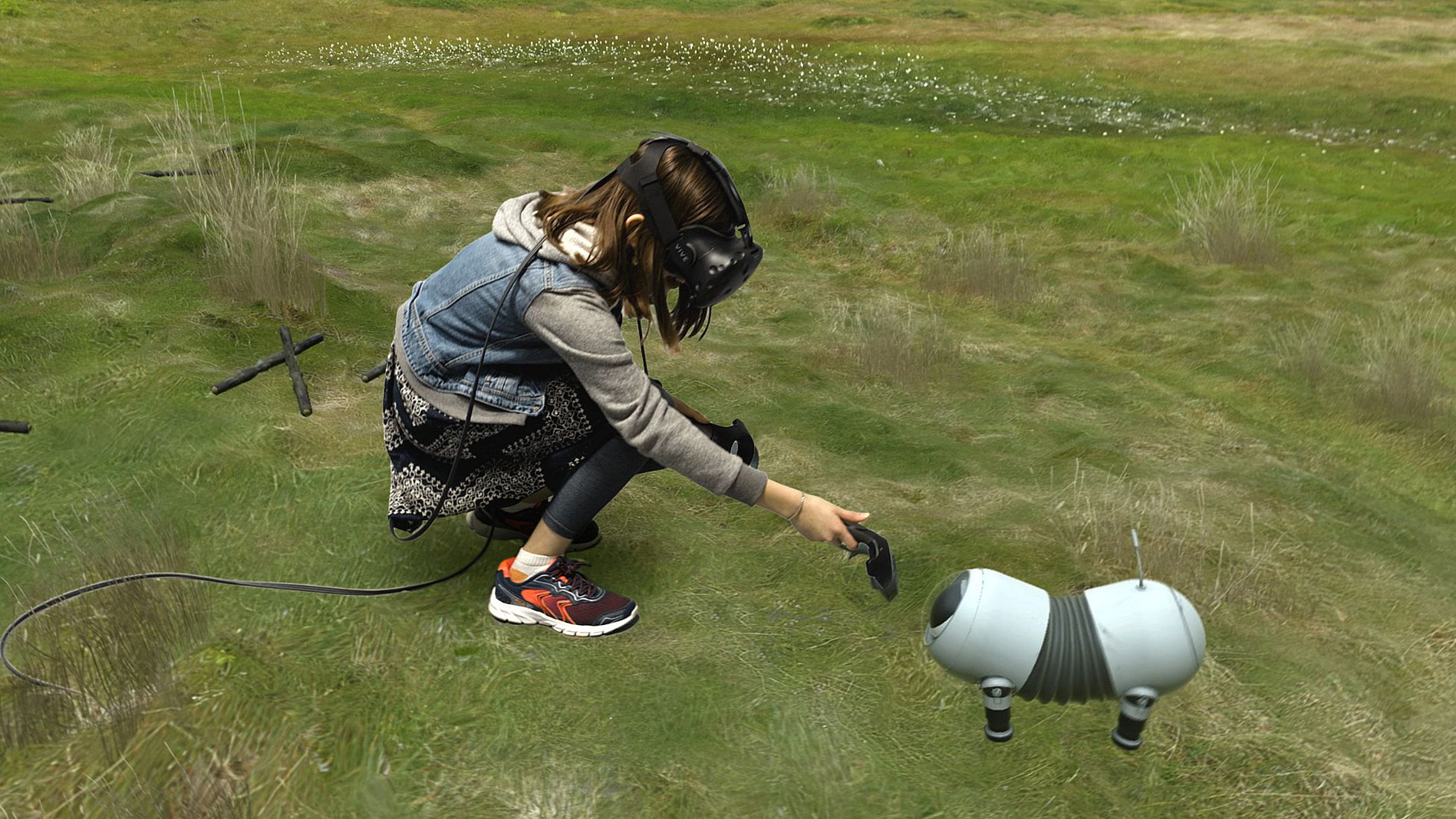






SteamVR is a VR software platform designed to enable users to access and experience virtual reality content on a variety of PC-compatible headsets.
Gameplay
At its core, SteamVR functions as a runtime environment that connects VR hardware to games and applications. Users start by setting up their play area with the Chaperone system, which defines boundaries to prevent collisions with real-world objects during immersion. Once configured, the VR Status Monitor provides quick access to system information and allows adjustments to settings like visuals, audio, and inputs. The platform integrates a dashboard that lets users switch between experiences, browse available content, and even interact with their desktop without removing the headset.
Game Modes
SteamVR does not feature traditional game modes but offers interactive spaces within its framework. SteamVR Home serves as the primary hub, where users can explore customizable environments, complete quests to unlock wearables and props for avatars, and engage in social interactions with other players. Community-created content extends this space through workshop tools, allowing submissions of new environments and items.
Updates and Current State
The platform received a significant overhaul with the SteamVR 2.0 update in 2023, which improved navigation, integrated modern interface elements, and enhanced reliability for hardware detection. As of 2026, SteamVR continues to support a range of headsets, including Valve Index and HTC Vive, with ongoing compatibility for new VR titles.
Is It Worth Playing?
With an overall Very Positive rating from 81,246 reviews and 80% positive recent feedback from 1,265 reviews, SteamVR appeals to those invested in PC VR setups. It suits users with compatible hardware seeking a seamless way to launch and manage VR experiences, though it requires a capable PC and headset. For VR enthusiasts, the platform's features make it a solid choice for exploring content.