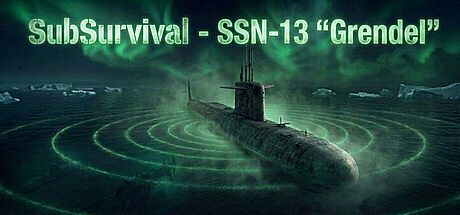


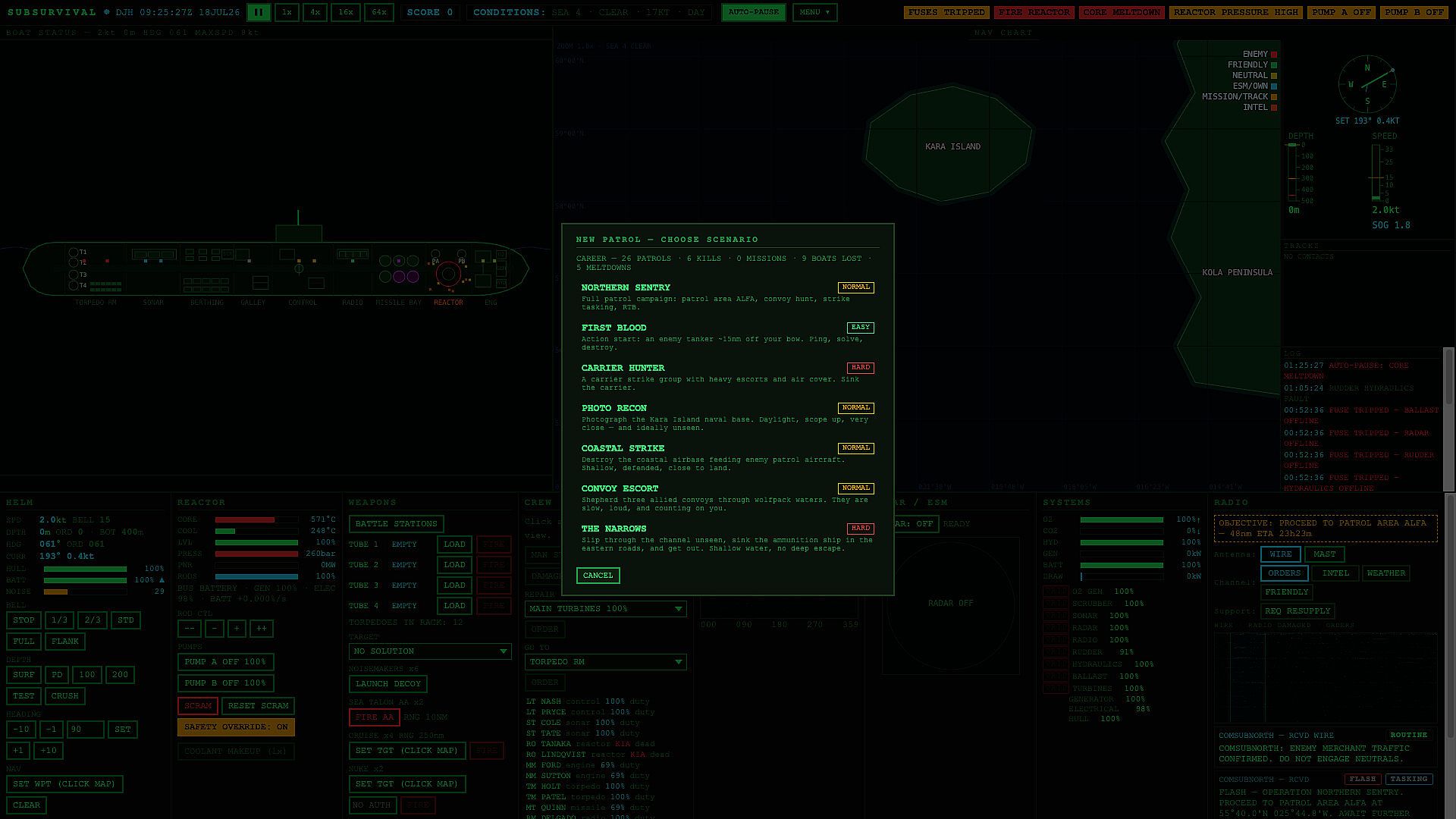
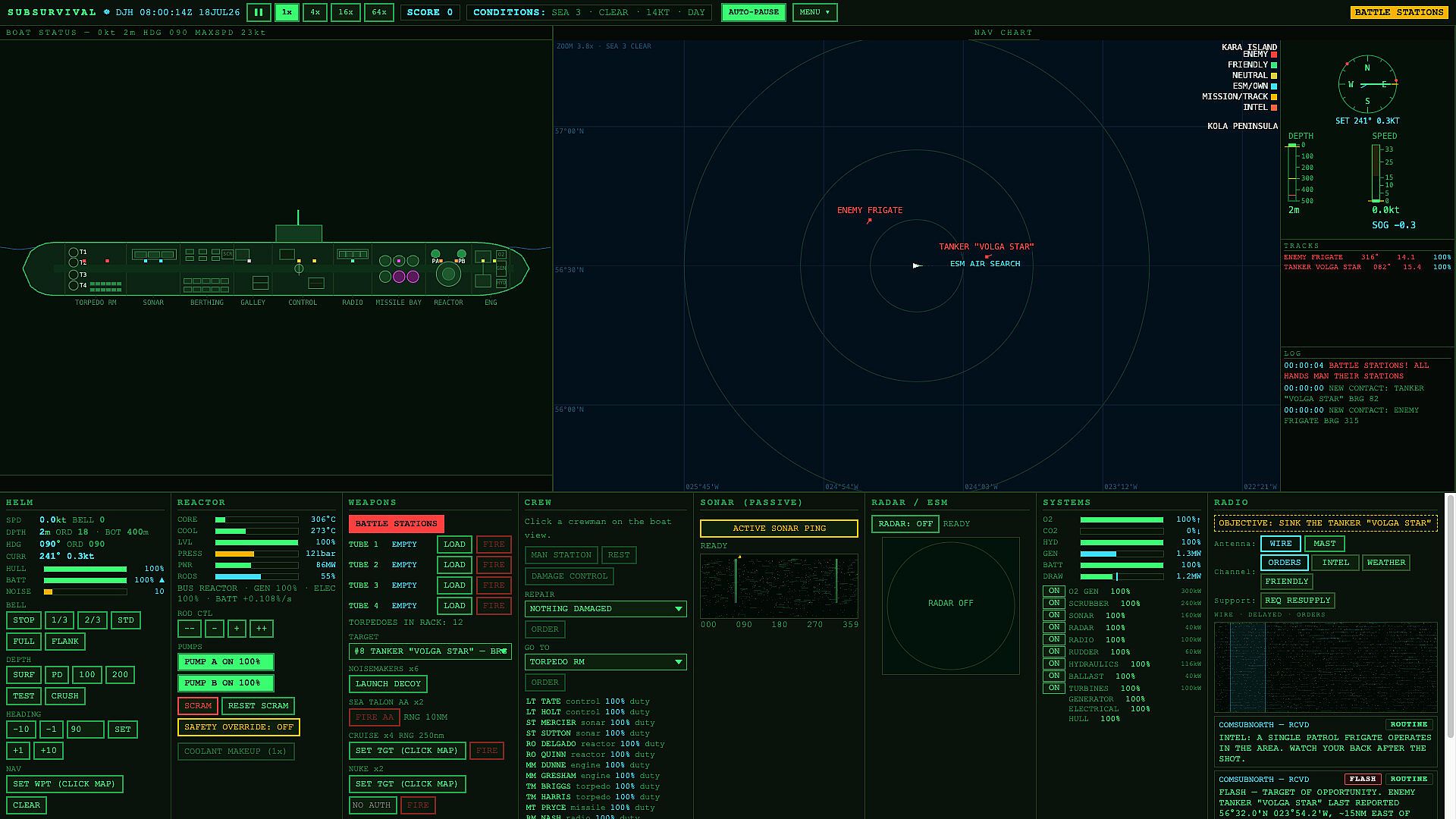
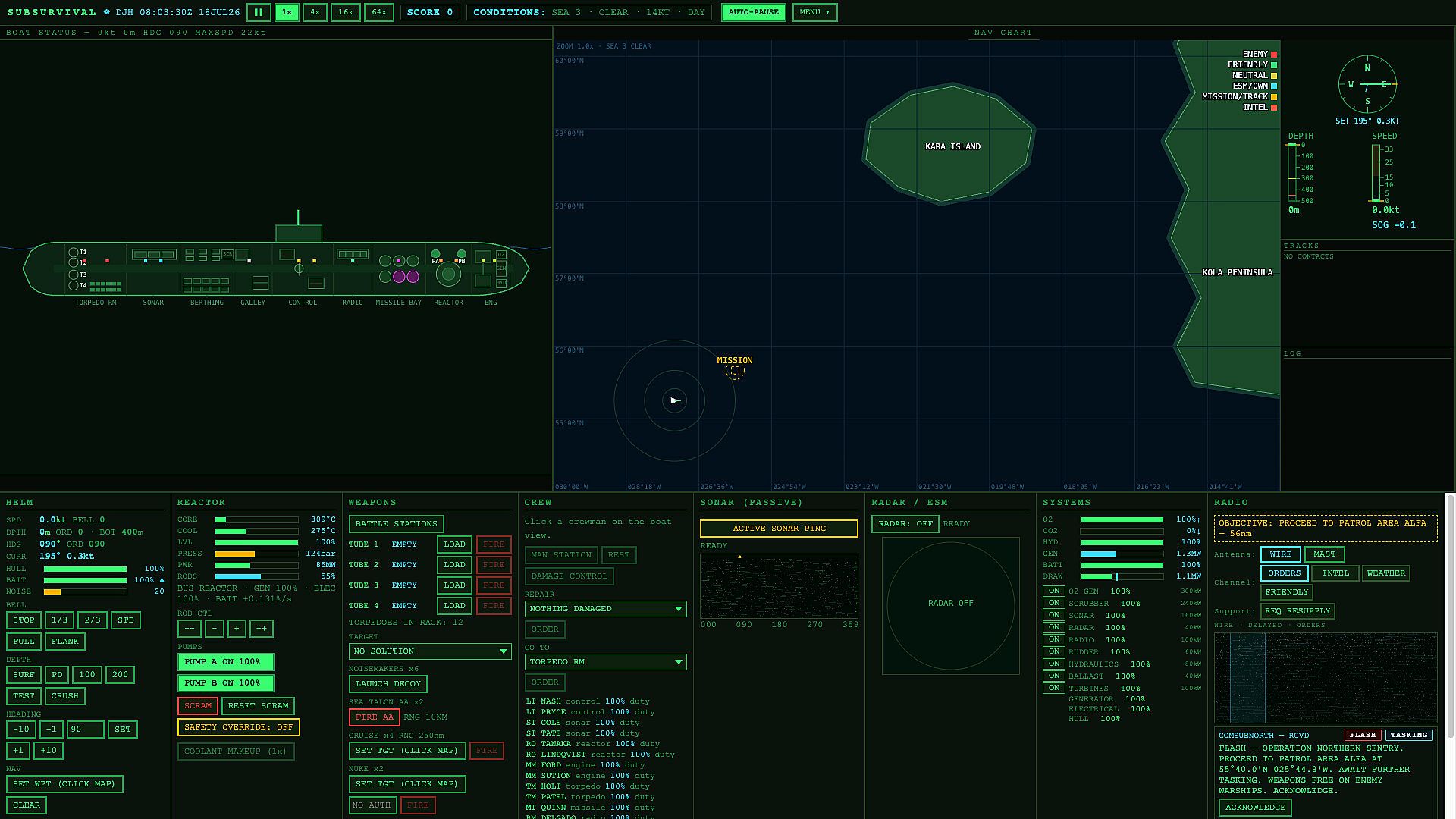
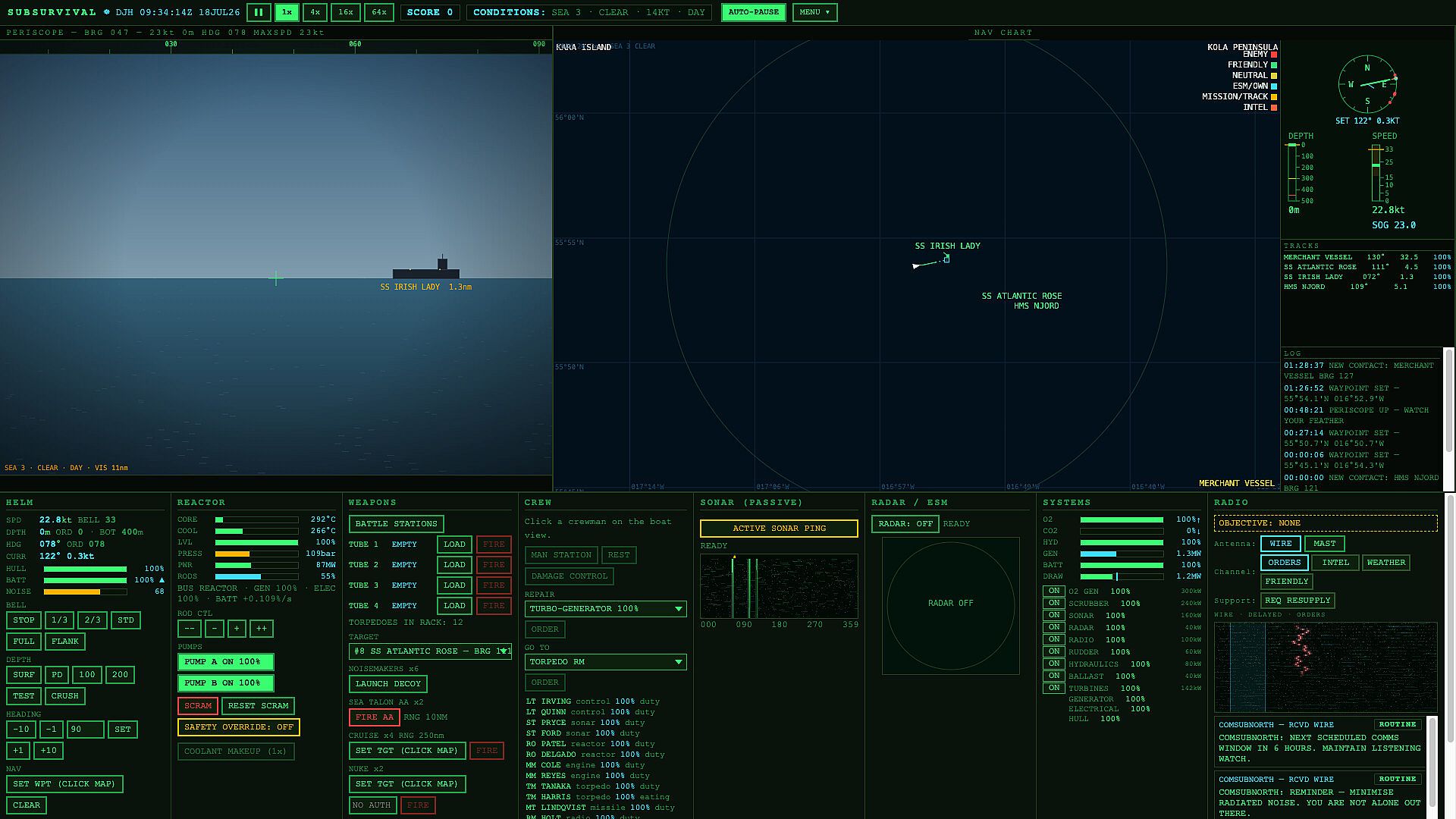
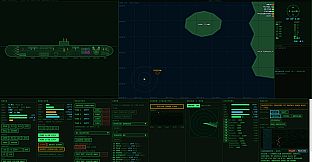
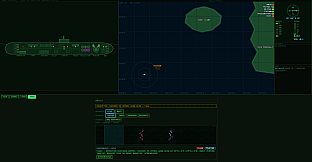
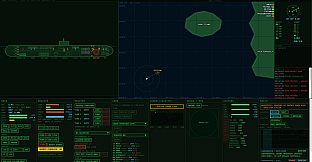
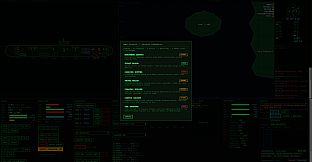
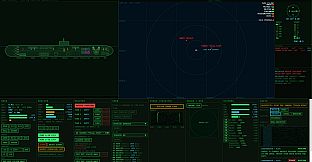
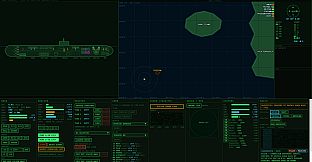
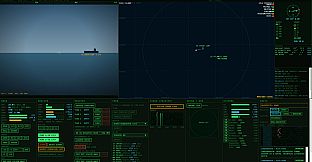
SubSurvival: SSN-13 "Grendel" is a single-player nuclear submarine simulation set on PC. Players take command of a 100-metre steel vessel in a hostile ocean environment where every system requires direct oversight and errors carry permanent consequences.
Gameplay
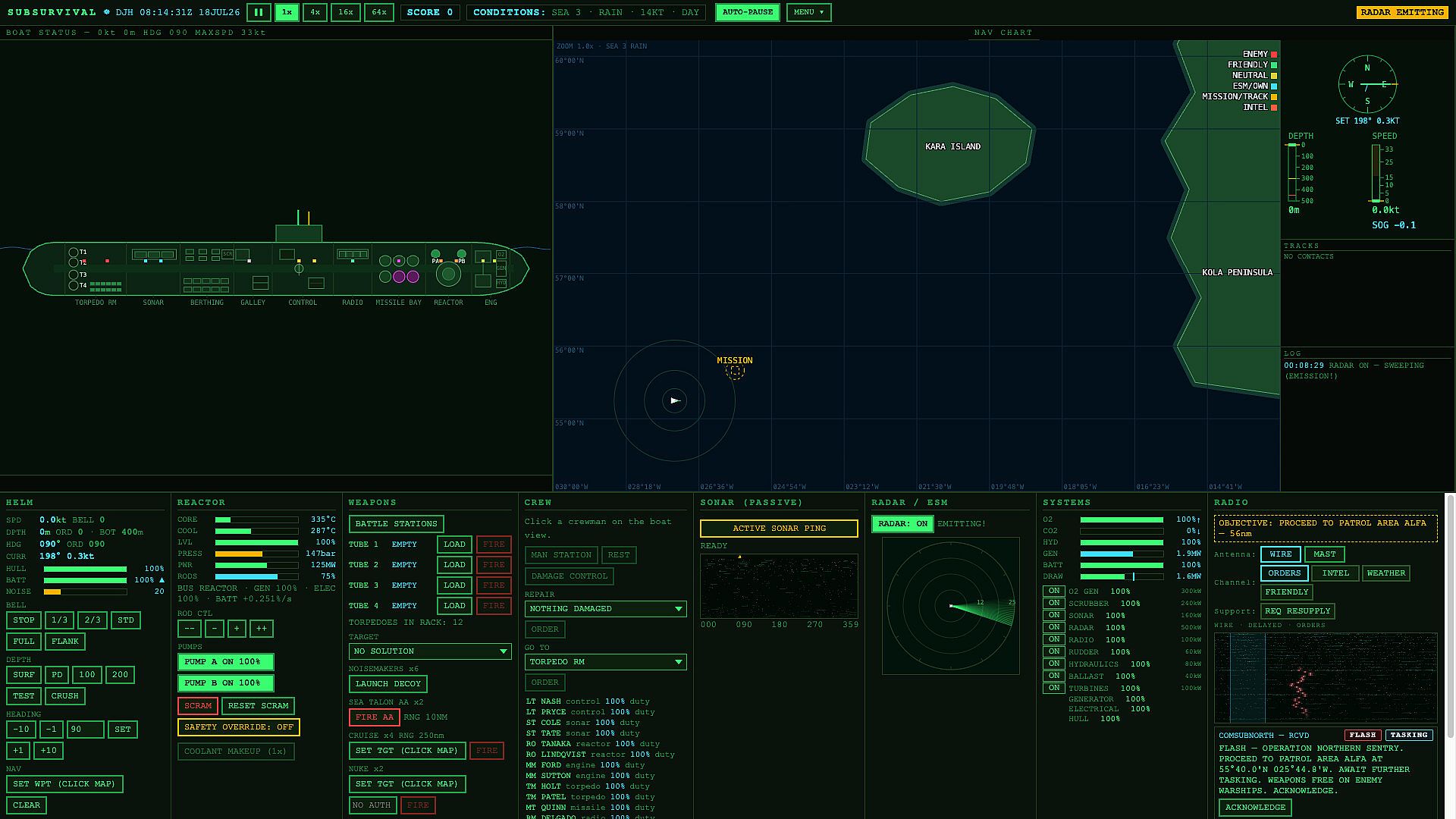
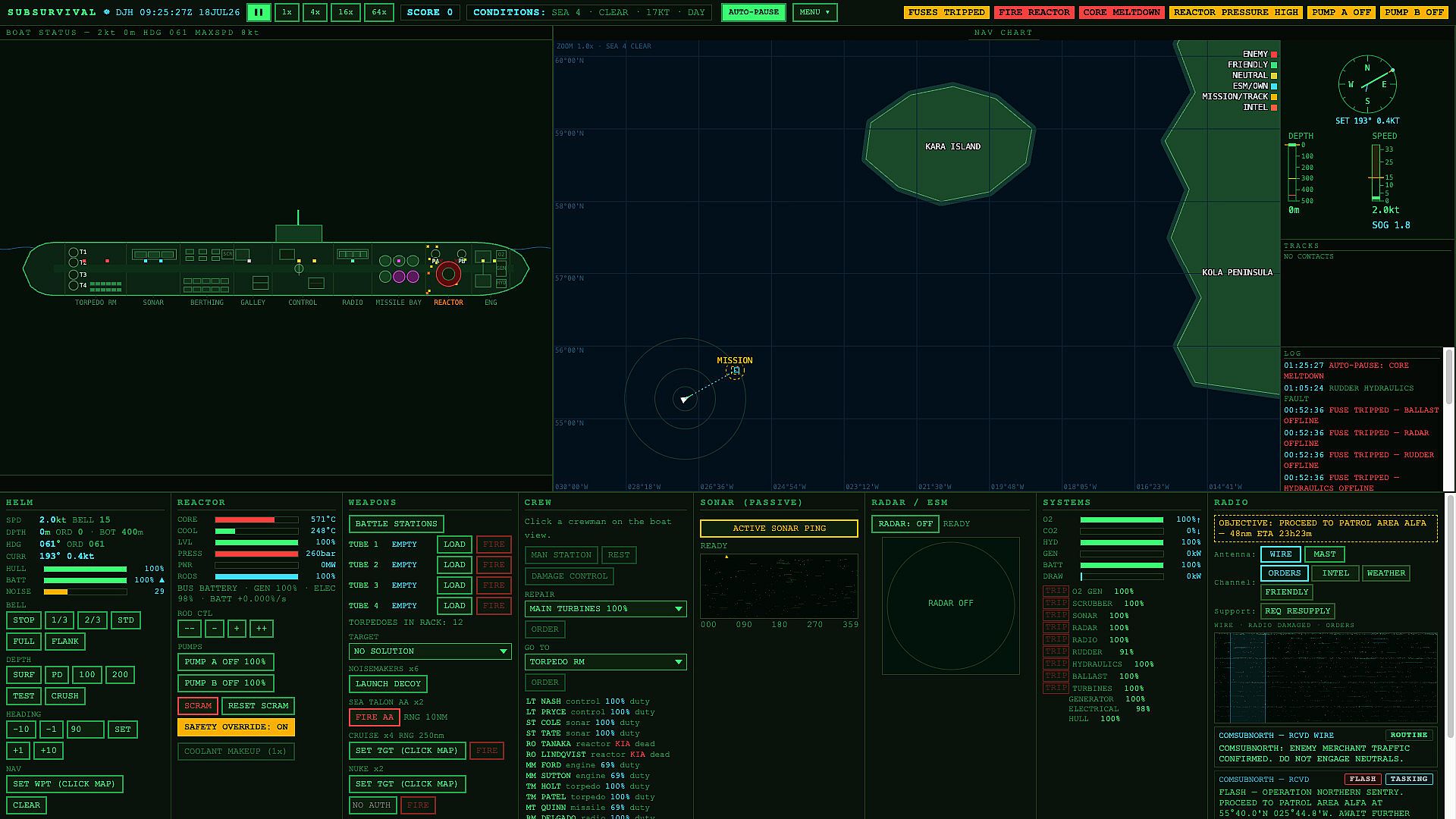
The core loop centers on real-time management of the entire submarine. The reactor demands constant attention through rod trimming to balance coolant temperature or full SCRAM procedures followed by battery-powered cooldown periods. Electrical distribution covers every pump, radar, and sonar unit, with power draw that can leave the boat dark and sensor-blind if reserves run out. Life support tracking covers oxygen and carbon dioxide levels while damage control plays out compartment by compartment. Fires and flooding require targeted responses, including the option to seal sections and sacrifice crew members inside to preserve the rest of the vessel.
Detection and engagement form another major pillar. Sonar tracks develop from initial faint bearings into usable fire-control solutions. Players exploit ocean layers such as the thermocline, adjust depth, and reduce noise output to stay hidden. Every action generates detectable signatures, from propeller cavitation and mechanical wear to active sonar pulses. Weapons include homing torpedoes, cruise missiles, nuclear missiles, noisemaker decoys, and SEA TALON anti-air missiles. Opposing forces respond with frigates deploying helicopters and sonobuoy fields, attack submarines that maneuver outside torpedo depth ranges, patrol aircraft, and minefields.
Game Modes
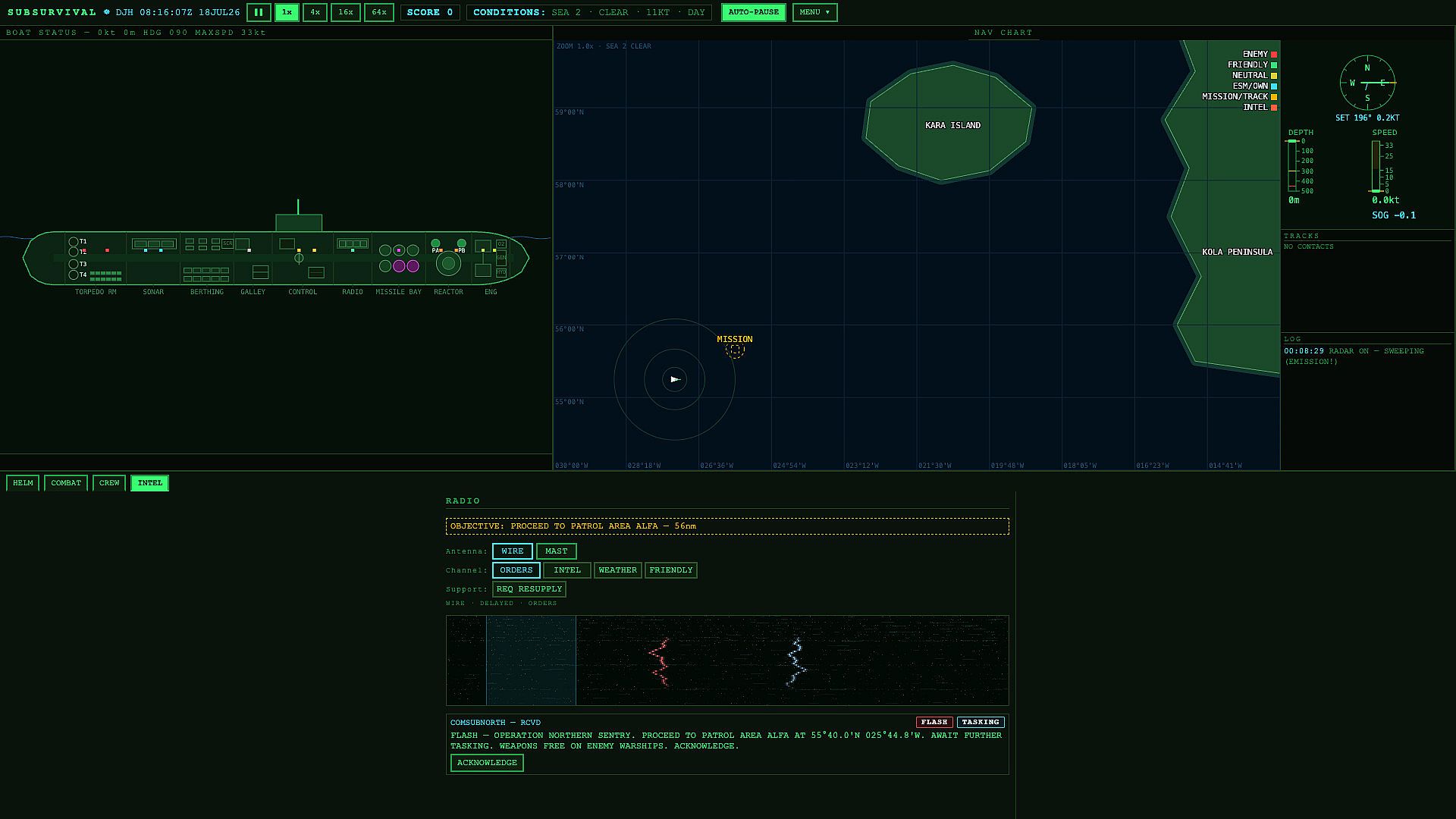
A scripted campaign provides structured missions while procedural tasking generates ongoing assignments. Available operations include intercepts, strikes, convoy escorts, reconnaissance, and joint operations. Scenarios range from an introductory patrol with more forgiving conditions to high-risk transits through shallow mined channels that offer no safe deep-water escape route. Day and night cycles, shifting weather, sea states, ocean currents, and varying coastal bathymetry all influence each run.
Twelve crew members operate autonomously across watches, meals, rest periods, and damage control. Their presence and positioning directly affect system performance and survival odds. A career log records patrols, successful engagements, crew losses, and reactor incidents across multiple playthroughs.
Survival Systems
Mechanical failures occur without warning and include pump trips, leaks, fires, and radiation events. Equipment degrades over time unless crew members perform maintenance. Time compression includes an optional auto-pause feature that halts the simulation during critical events, or it can be disabled for uninterrupted high-speed play. The environment itself imposes constant pressure through changing sea conditions and the need to balance stealth against mission requirements.
Is It Worth Playing?
This title targets players who seek detailed single-player submarine simulations with emphasis on systems management, detection avoidance, and crew oversight. The absence of cutscenes or scripted events keeps focus on direct command decisions. Because the game remains in a coming-soon state with no released version or player reviews available, its appeal rests on the described mechanics of reactor control, power distribution, compartment damage, sonar tracking, and autonomous crew behavior. Those interested in realistic naval simulation gameplay may find the combination of scripted and procedural content worth following until launch.