



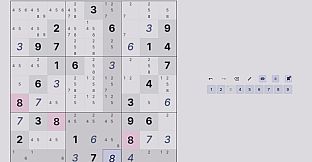
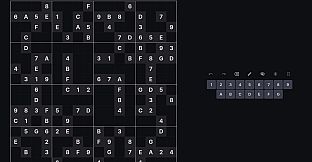
Sudoku Atlas delivers a focused casual puzzle experience centered on the classic logic challenge of filling grids according to standard Sudoku rules. Available on PC, this singleplayer title strips away every distraction to leave players alone with the numbers and the board. It emphasizes offline play and permanent ownership after a single purchase, making it suitable for anyone who prefers uninterrupted sessions over constant connectivity or monetization elements.
Gameplay
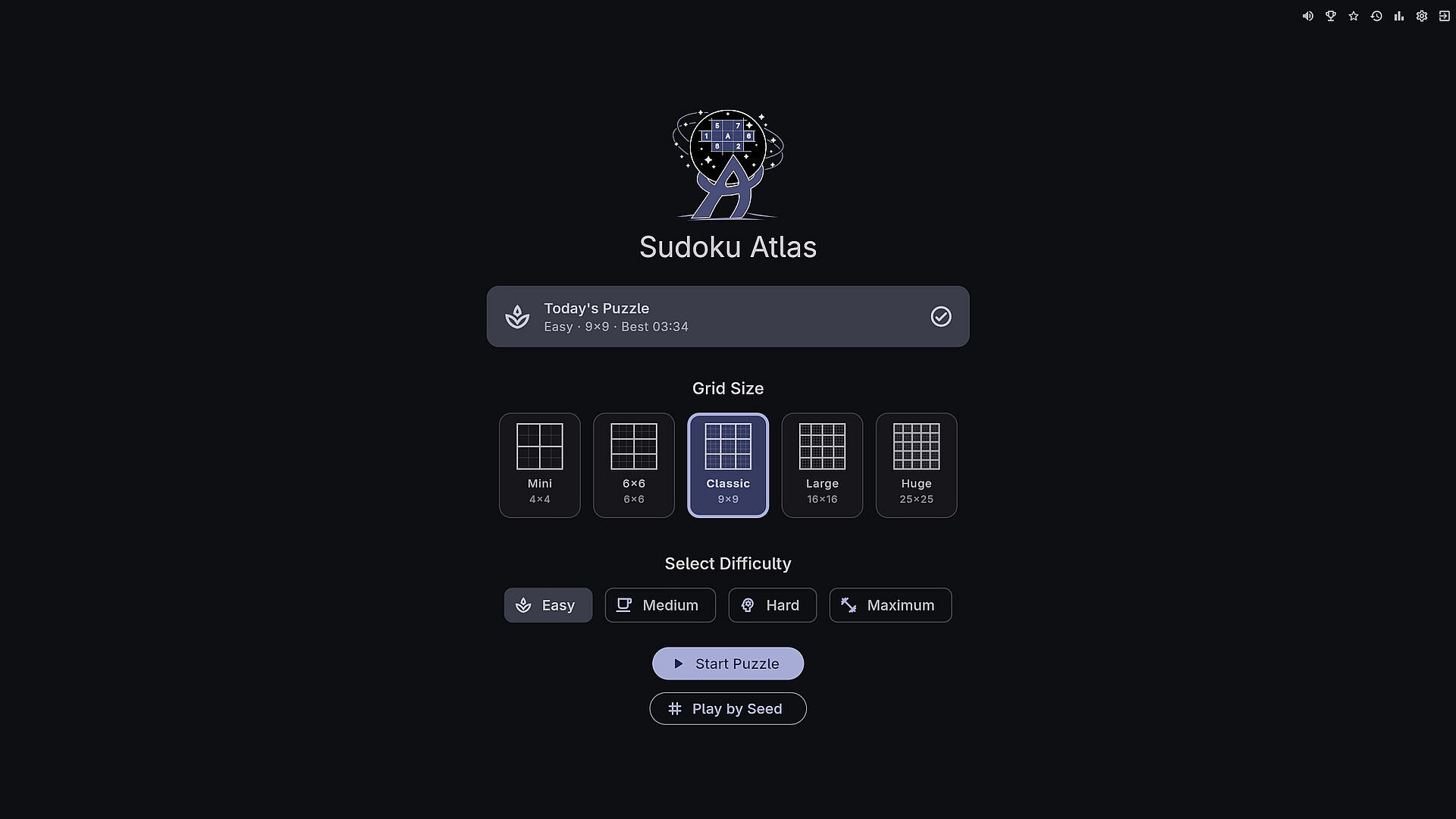
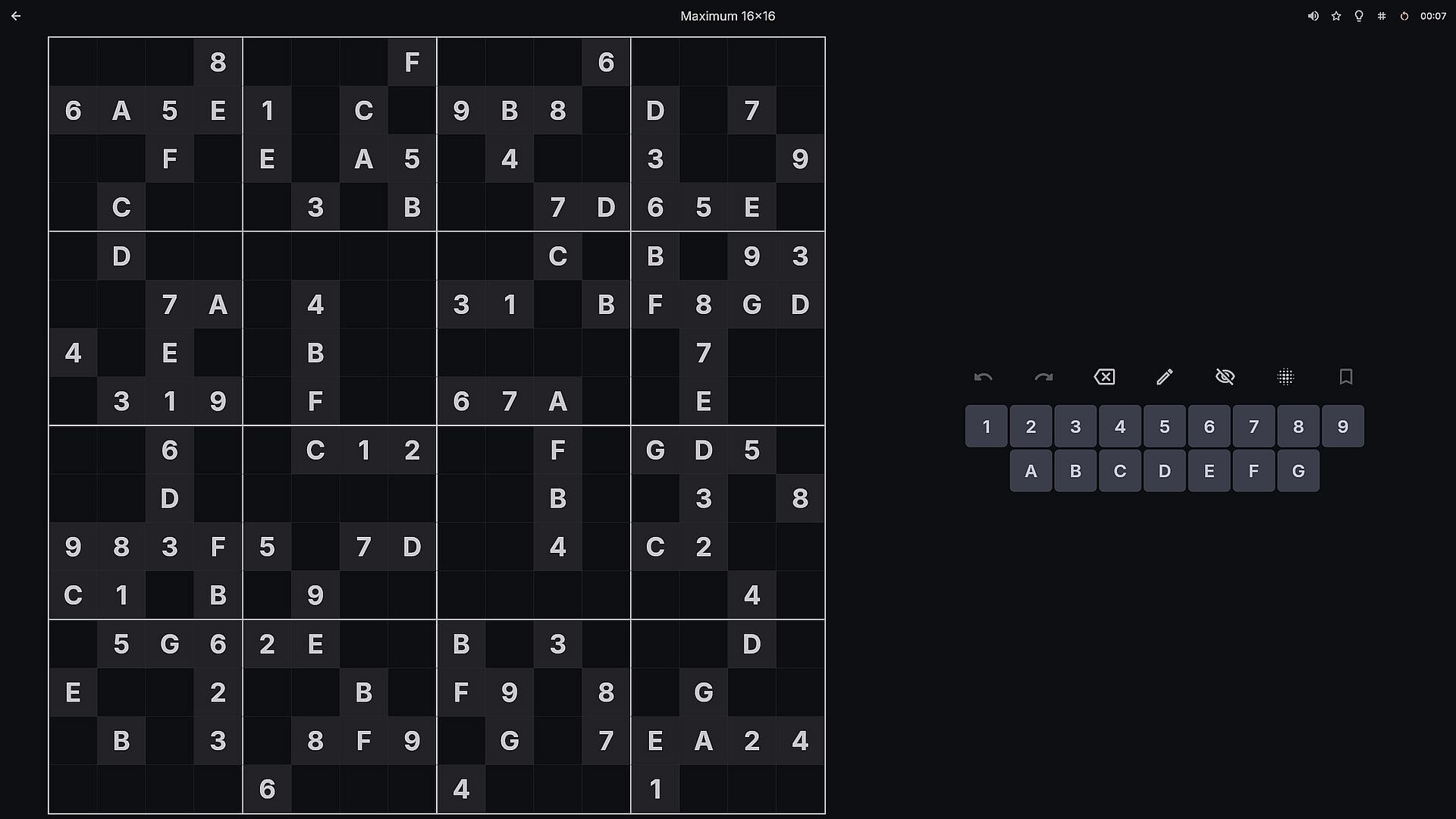
The core loop involves selecting a grid size and solving the generated puzzle by placing numbers so that each row, column, and defined block contains unique values from 1 up to the grid dimension. Puzzles range from compact starter sizes that build familiarity with the rules to expansive layouts that demand sustained concentration and systematic deduction. Every board uses deterministic generation from a seed value, ensuring each puzzle possesses exactly one solution and remains identical across playthroughs when the same seed is used.
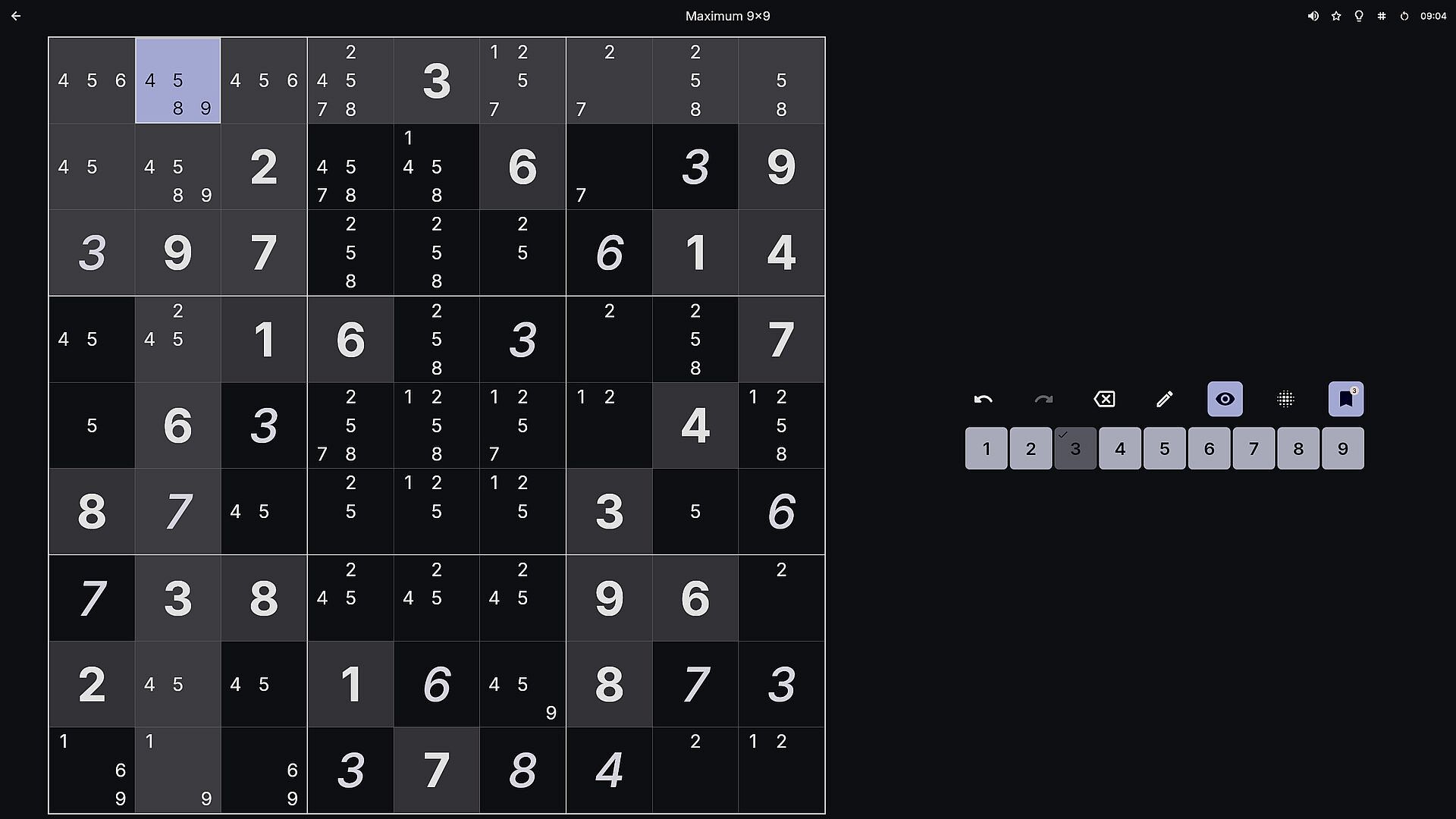
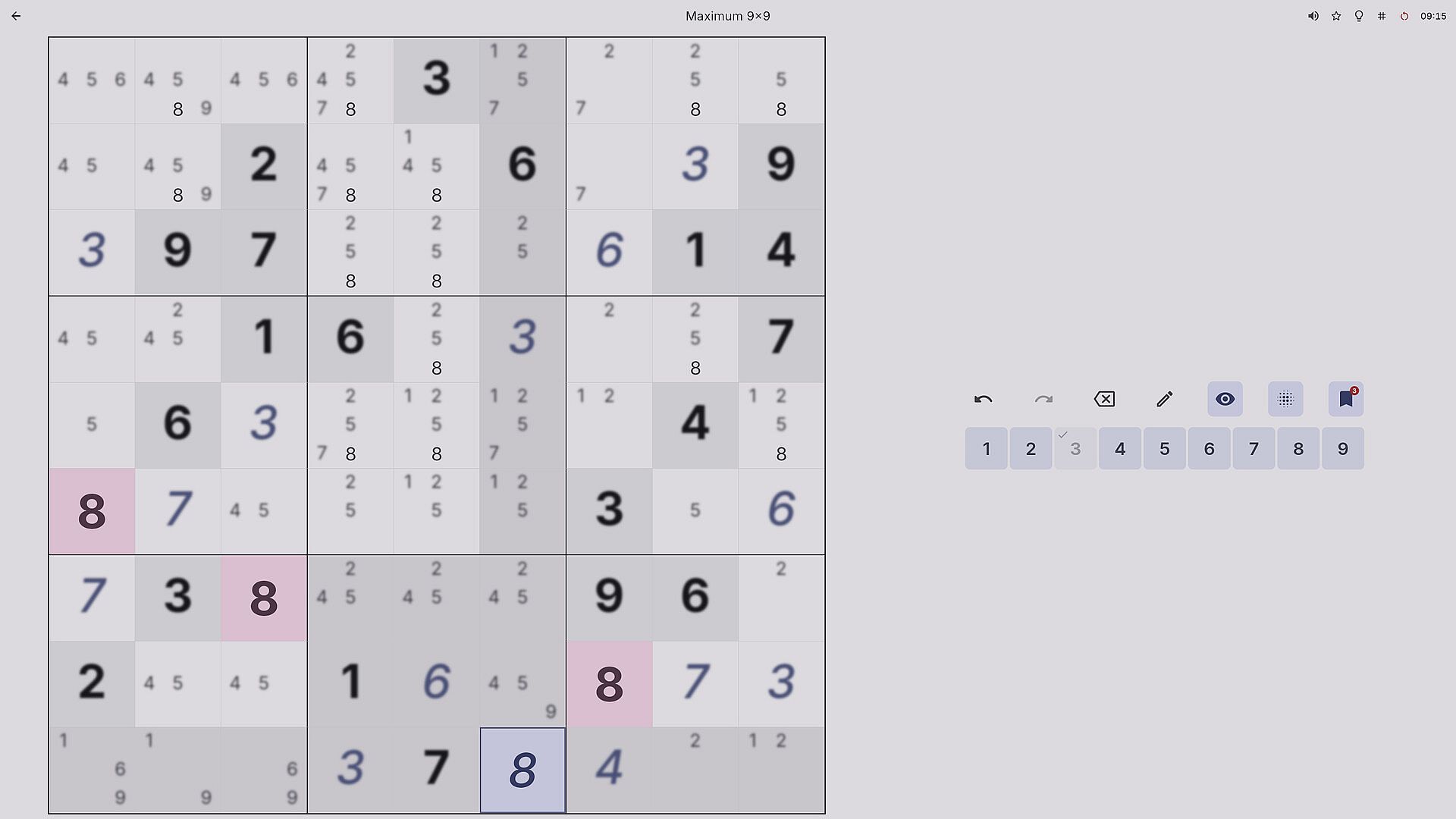
Controls accommodate different input preferences without compromise. Full keyboard support handles navigation, number placement, pencil notation for candidates, and quick corrections. Mouse and touch inputs work equally well for direct selection and marking on compatible hardware. The interface remains minimalist, with options for pencil marks, undo and redo actions, and optional hints that players activate only when needed. Progress, settings, and statistics save locally on the device, and the design includes high-contrast visuals along with colorblind accommodations so that shapes, borders, and underlines convey information independently of color cues.
Additional accessibility features respect system text scaling and provide complete screen-reader labeling. No timers appear to pressure the pace, allowing sessions to unfold at whatever speed feels natural, whether brief daily solves or extended focus periods.
Game Modes
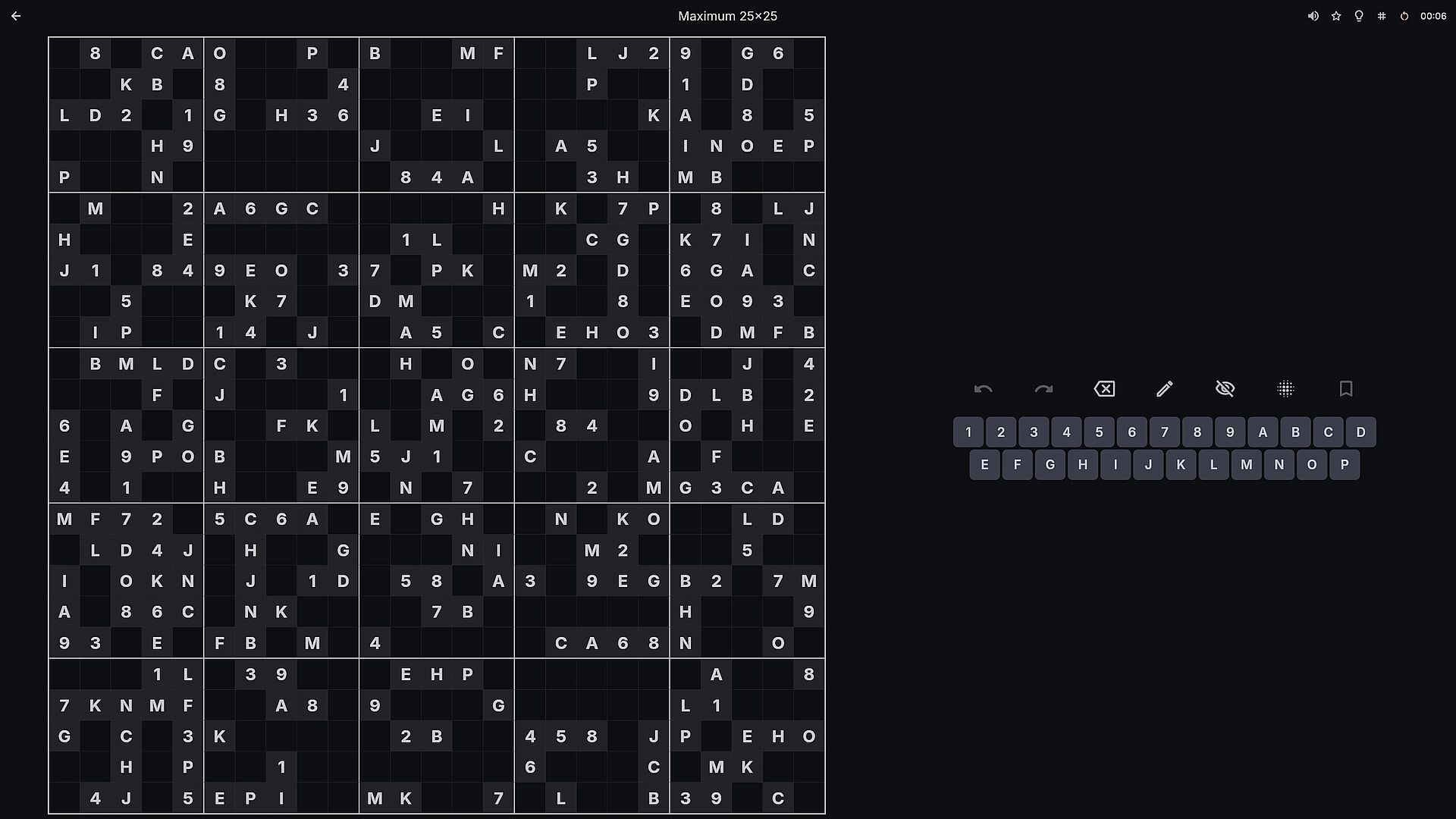
Variation comes primarily through eleven distinct grid sizes that scale both the physical board and the logical complexity. Smaller dimensions serve as gentle entry points for warming up or practicing core techniques, while the standard nine-by-nine size offers the familiar balance most players recognize. Larger formats extend the challenge into more demanding territory, where the increased number of cells and blocks requires deeper pattern recognition and longer-term planning.
These size options function as built-in difficulty layers without separate labeled modes. Players can move fluidly between them in any order, choosing based on available time or desired intensity. Deterministic seeding further supports consistent practice or sharing specific puzzles, though the experience stays entirely singleplayer and self-contained.
Design and Accessibility
The presentation prioritizes clarity and restraint. A clean layout keeps visual elements minimal so the grid itself remains the central focus. Support for multiple input methods ensures the game feels responsive whether used on a desktop setup with keyboard and mouse, a touchscreen device, or portable hardware like the Steam Deck. Privacy stands out as a deliberate choice, with the application making no network connections, collecting no data, and including no analytics or reporting features.
Colorblind-friendly elements and high-contrast themes extend usability to a broader audience, while full keyboard navigation and screen-reader compatibility address additional needs. These choices reflect a design philosophy centered on respect for the player's time and attention rather than engagement metrics.
Is It Worth Playing?
Sudoku Atlas suits players who value a pure, distraction-free Sudoku experience and want permanent access to all content after one purchase. Its range of grid sizes provides meaningful progression from quick warm-ups to substantial challenges that can occupy extended periods. The offline nature and absence of accounts or external elements make it reliable for consistent use without interruptions.
Those who enjoy methodical logic puzzles and prefer to control their own pace will find the toolset supportive rather than intrusive. The emphasis on accessibility and local storage adds practical value for repeated play. Overall, it serves as a straightforward recommendation for anyone seeking a respectful, no-frills Sudoku application that remains available indefinitely on the device.