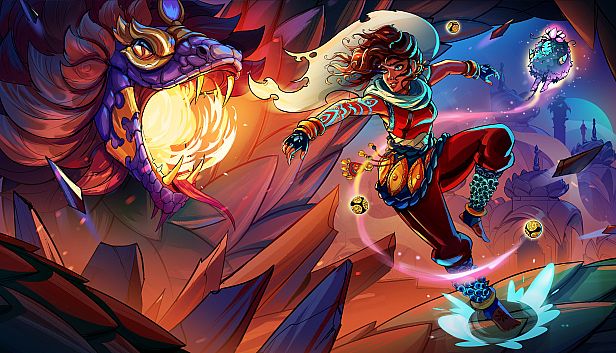



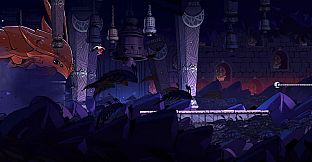
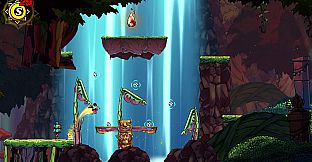
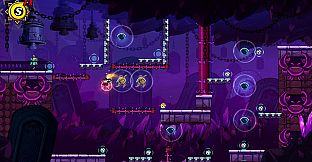
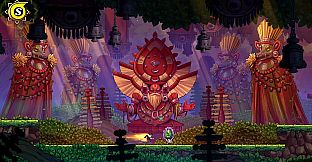
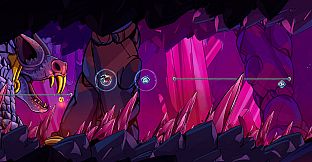
SURI: The Seventh Note is a rhythm-action platformer developed by Tathvamasi Studios for the PlayStation 5. Players control Ajira, a young girl who sets out across the island of Suri to locate a rare fruit that can cure her mother. The journey expands into a larger effort to restore balance to a land where rhythm governs every natural process. Movement, timing, and environmental reactions all tie directly to the soundtrack, creating a single-player experience built around precise synchronization rather than traditional combat or open exploration alone.
Gameplay
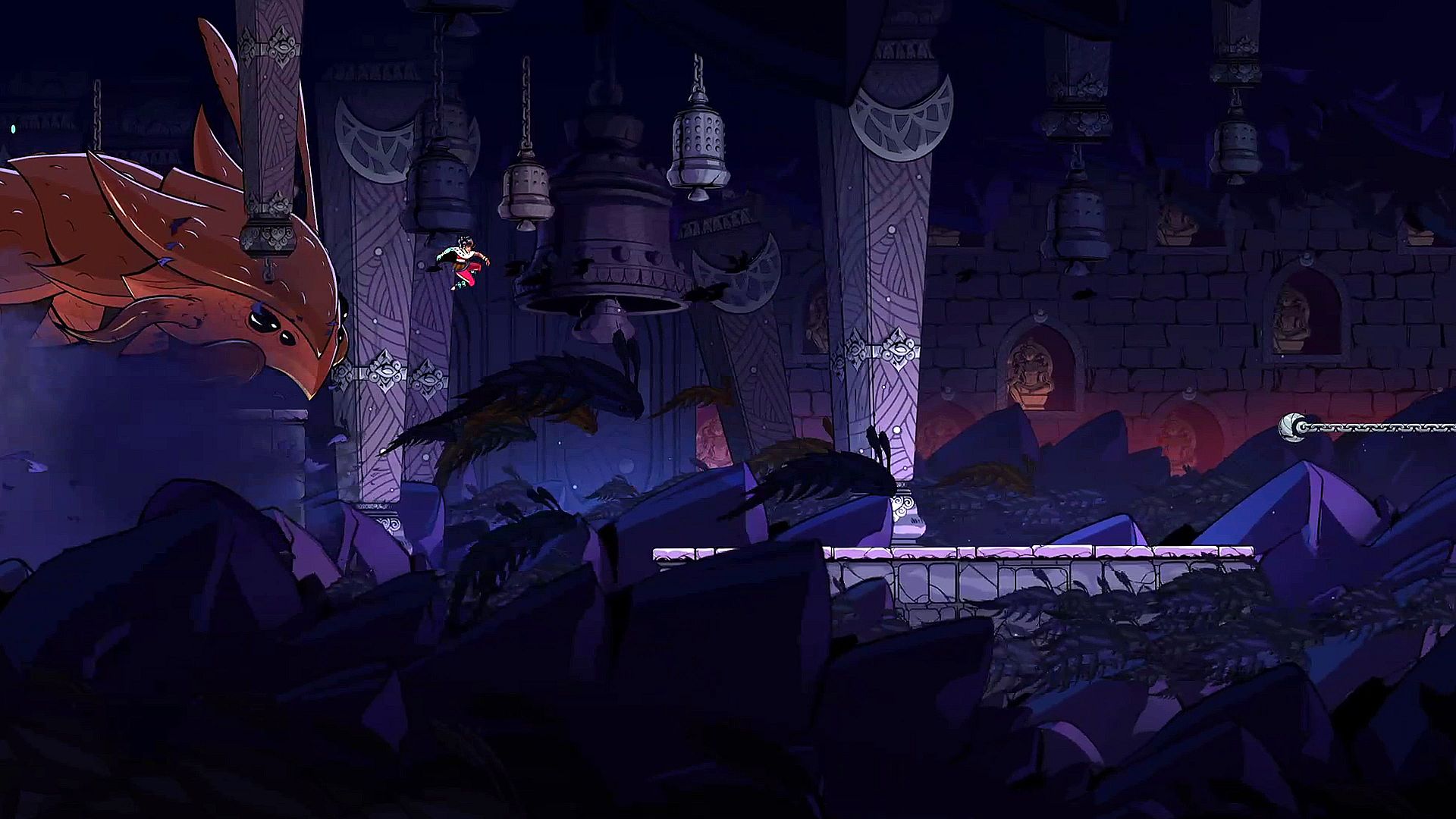
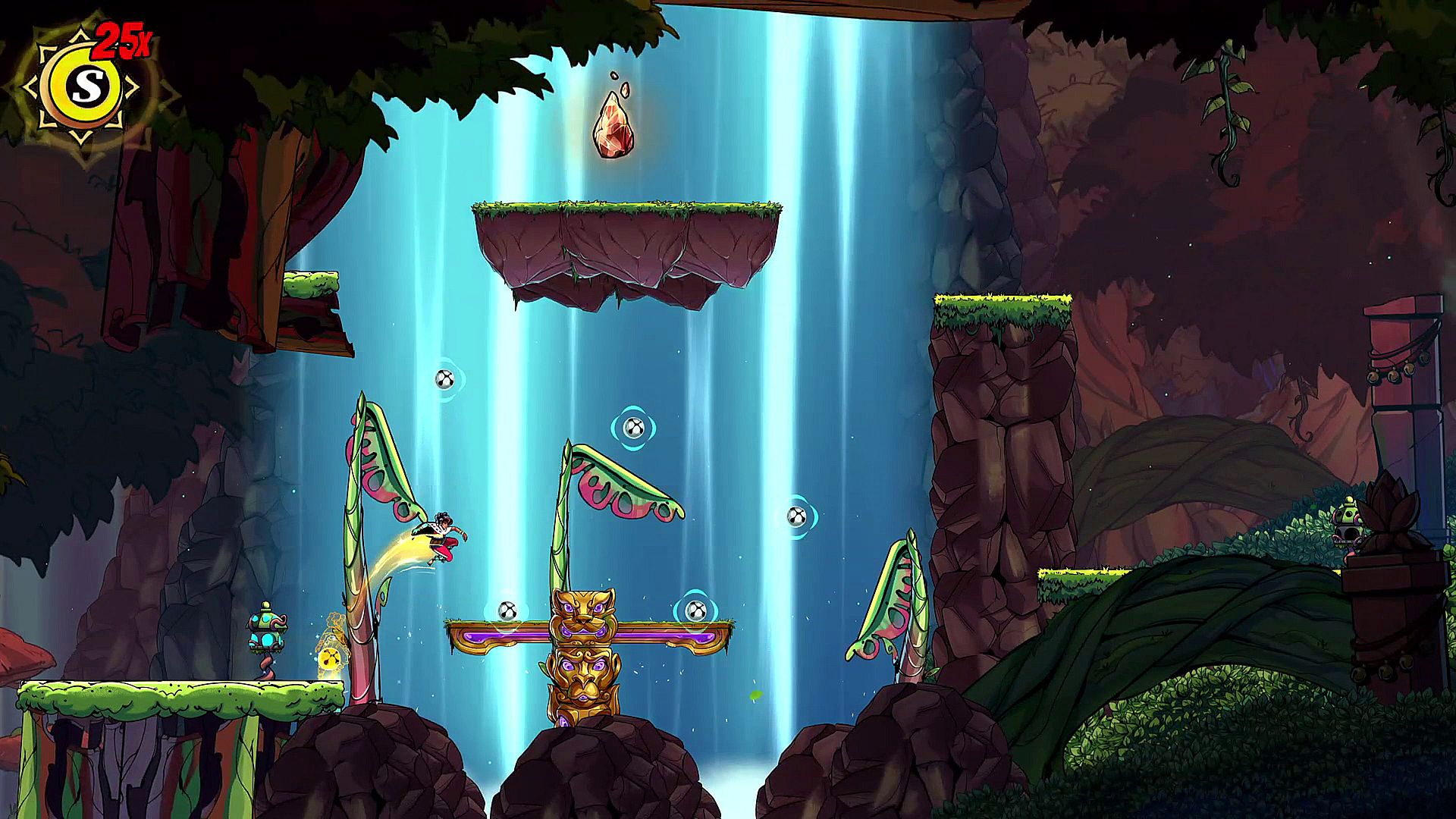
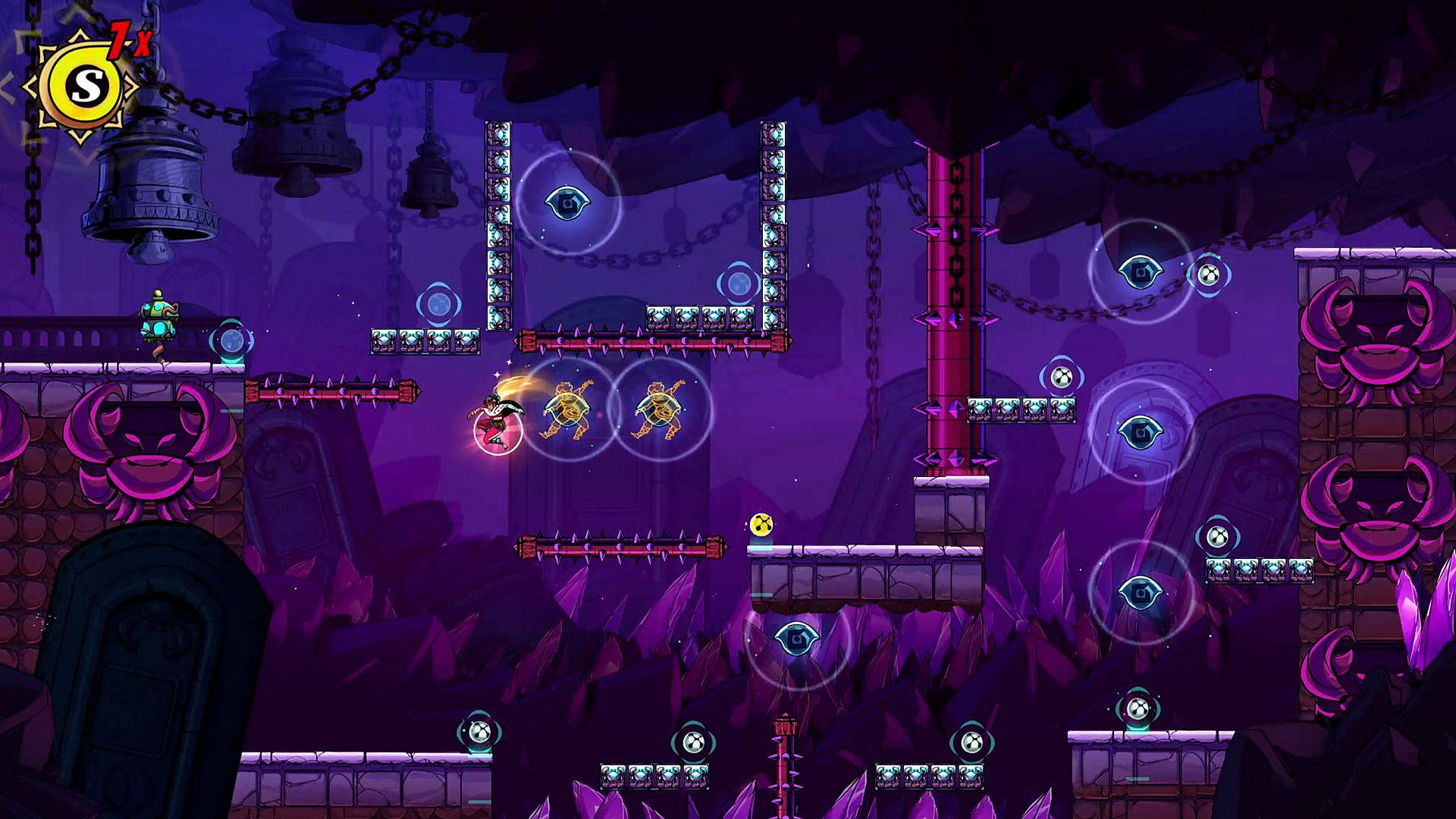
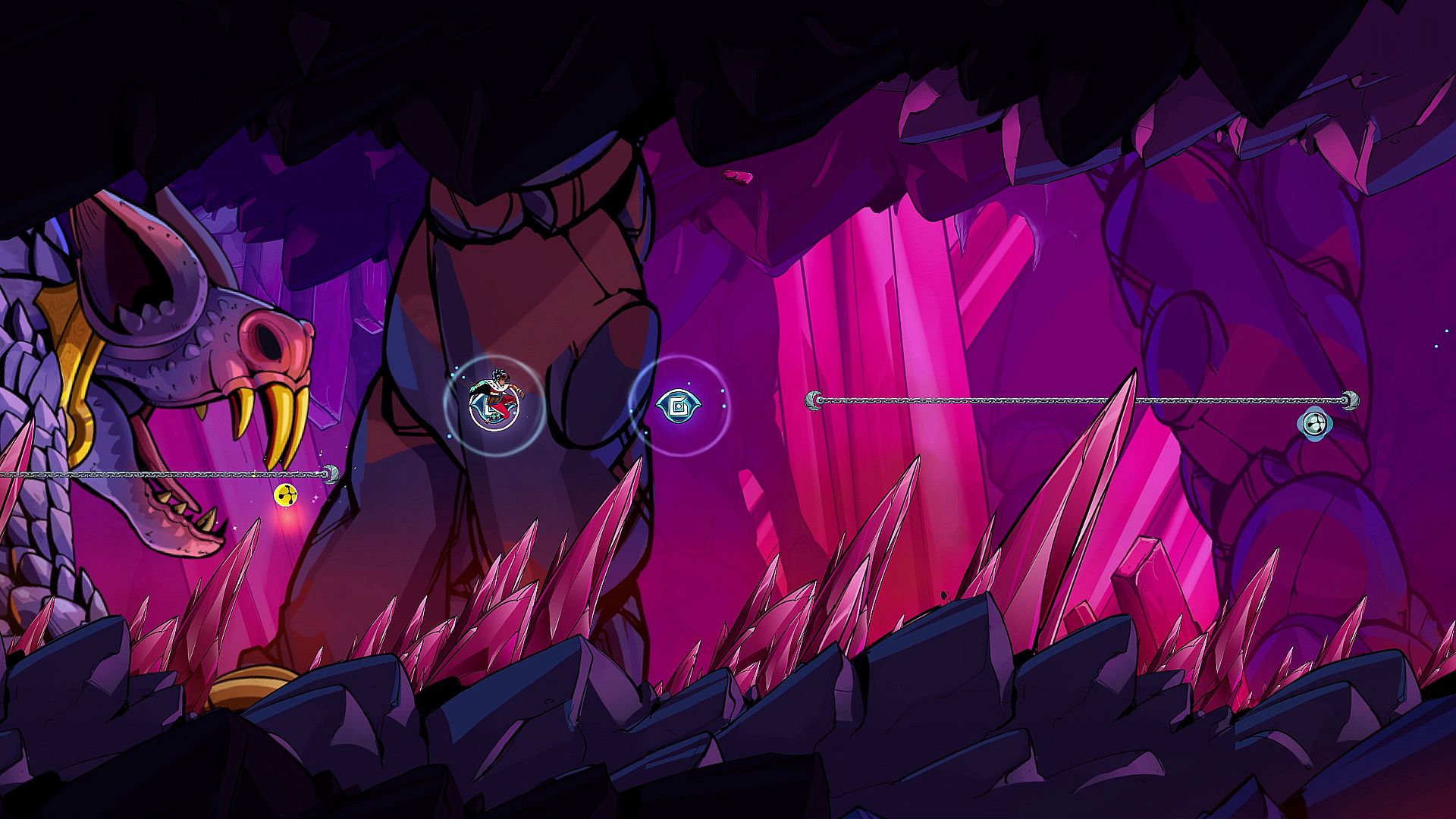
Core movement requires players to align jumps, dashes, and phase abilities with the beat of the music. The environment responds in real time: platforms shift, hazards activate, and pathways open or close according to musical cues. Missing the rhythm breaks the flow and can lead to failure in timed sections. Unlockable powers expand options over time, adding new ways to interact with the beat and navigate increasingly complex spaces. The Rhythm Haptics Engine on the DualSense controller translates audio into tactile feedback, allowing players to feel subtle variations in tempo and intensity alongside visual and auditory signals. Levels draw from Indian landscapes and mythology, with distinct biomes that change tone and structure as the story progresses. Escape sequences stand out as high-pressure stretches where platforming and music merge into continuous challenges that test reflexes and pattern recognition.
Game Modes
The game operates as a focused single-player campaign without separate multiplayer or competitive modes. Progression follows a linear structure punctuated by exploratory segments that encourage backtracking once new abilities become available. Different sections emphasize distinct rhythms and pacing, from quieter traversal areas to intense chase sequences. A free demo released in May 2026 lets players sample the core loop on PlayStation 5 and PC, providing an early look at the timing demands and world reactions before the full release later in the year.
Story and Setting
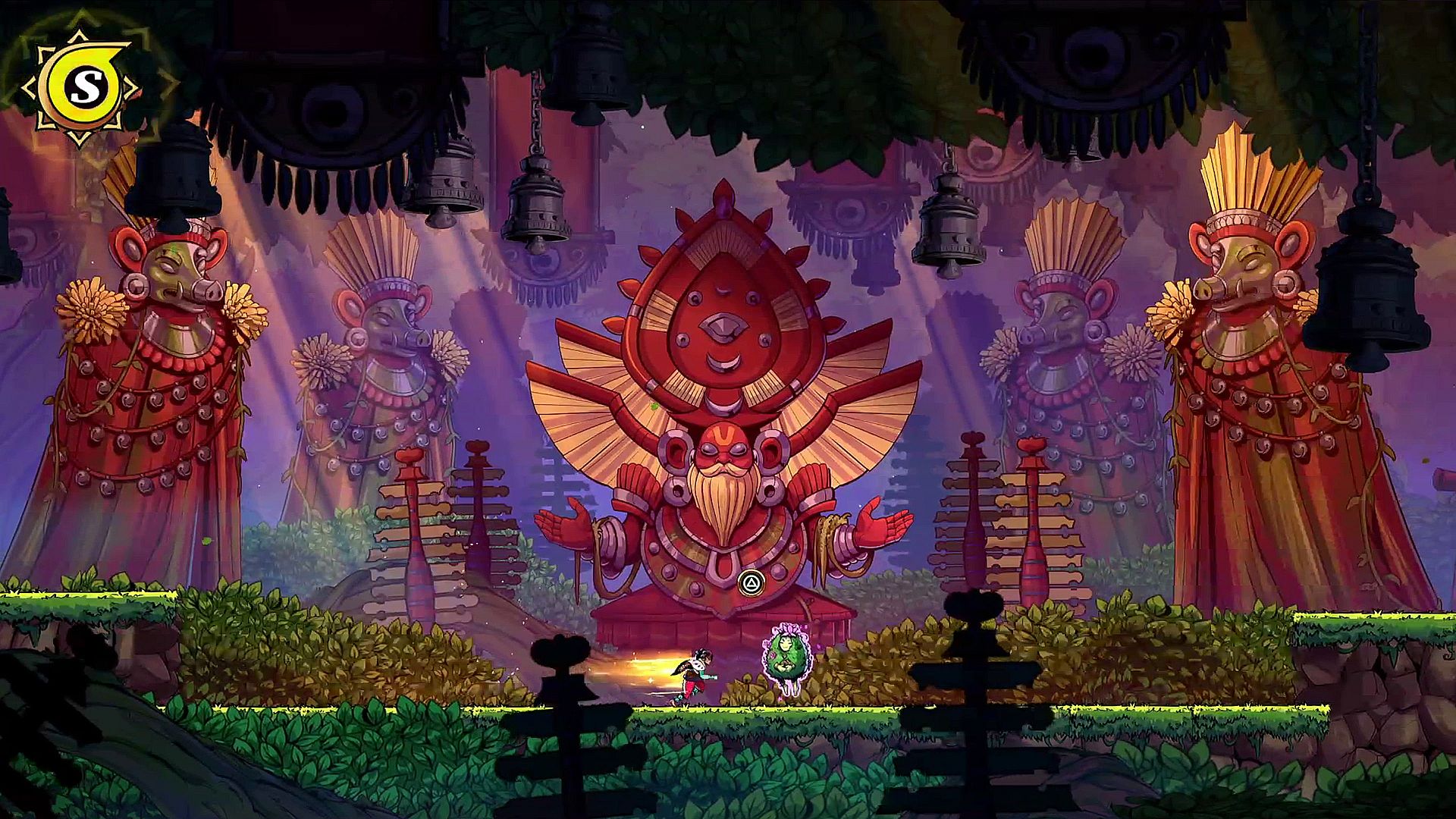
The narrative centers on family and restoration. Ajira begins with a personal goal that grows into a larger responsibility for the island itself. A corrupting force has twisted the natural rhythm into something hostile, altering the land and its inhabitants. Success depends on learning to work with the music rather than against it, turning the soundtrack into both guide and obstacle. Visual design uses bold colors and dramatic compositions to reflect the emotional shifts between harmony and discord across varied environments inspired by real Indian regions and folklore.
Is It Worth Playing?
Players who enjoy rhythm-based challenges combined with precise platforming will find the most appeal here. The integration of music into every system sets it apart from standard action-adventure titles, and the DualSense haptics add a layer of sensory feedback unavailable on other platforms. With the full game still upcoming and no completed reviews available yet, the existing demo serves as the best way to determine personal fit. Those drawn to Metroidvania-style ability progression and music-synced movement should keep an eye on the 2026 release window. The experience targets fans of thoughtful, timing-heavy indie platformers rather than broad audiences seeking multiplayer or fast-paced action without musical constraints.