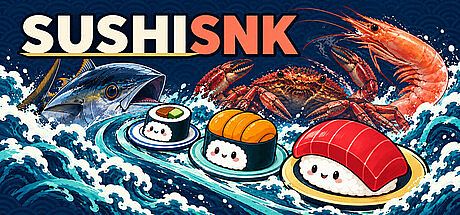


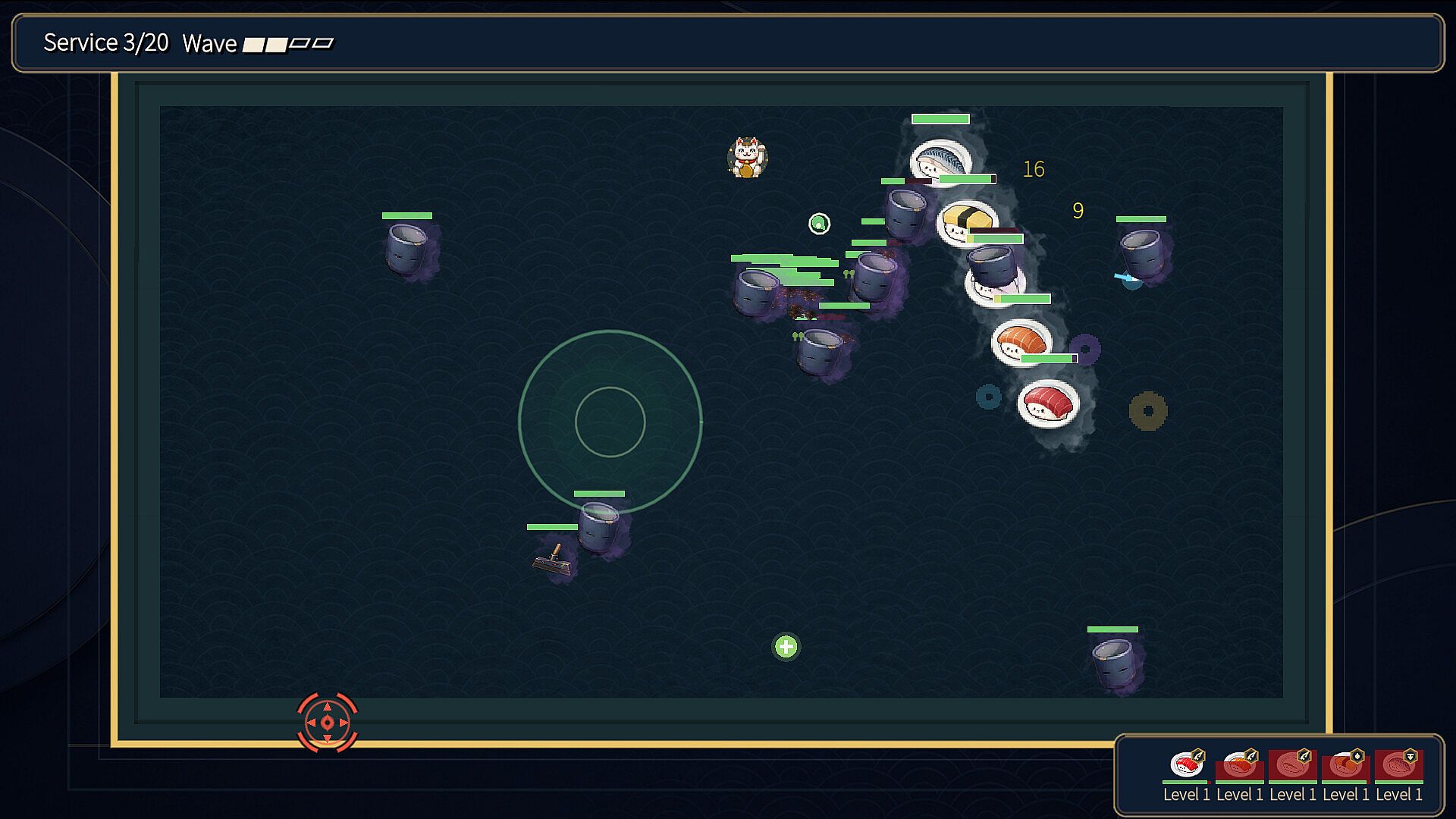
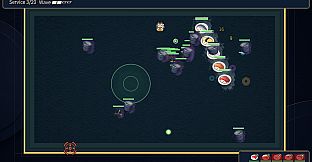
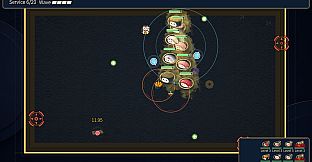
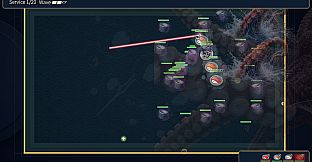
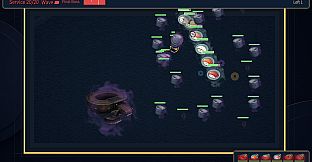
SUSHISNK is an action game that blends casual pacing with strategic pathfinding. Players guide a growing line of sushi across battlefields filled with enemy hordes and oversized seafood threats. The sushi companions strike automatically while the player decides the route, balancing evasion with positioning for stronger hits.
Gameplay
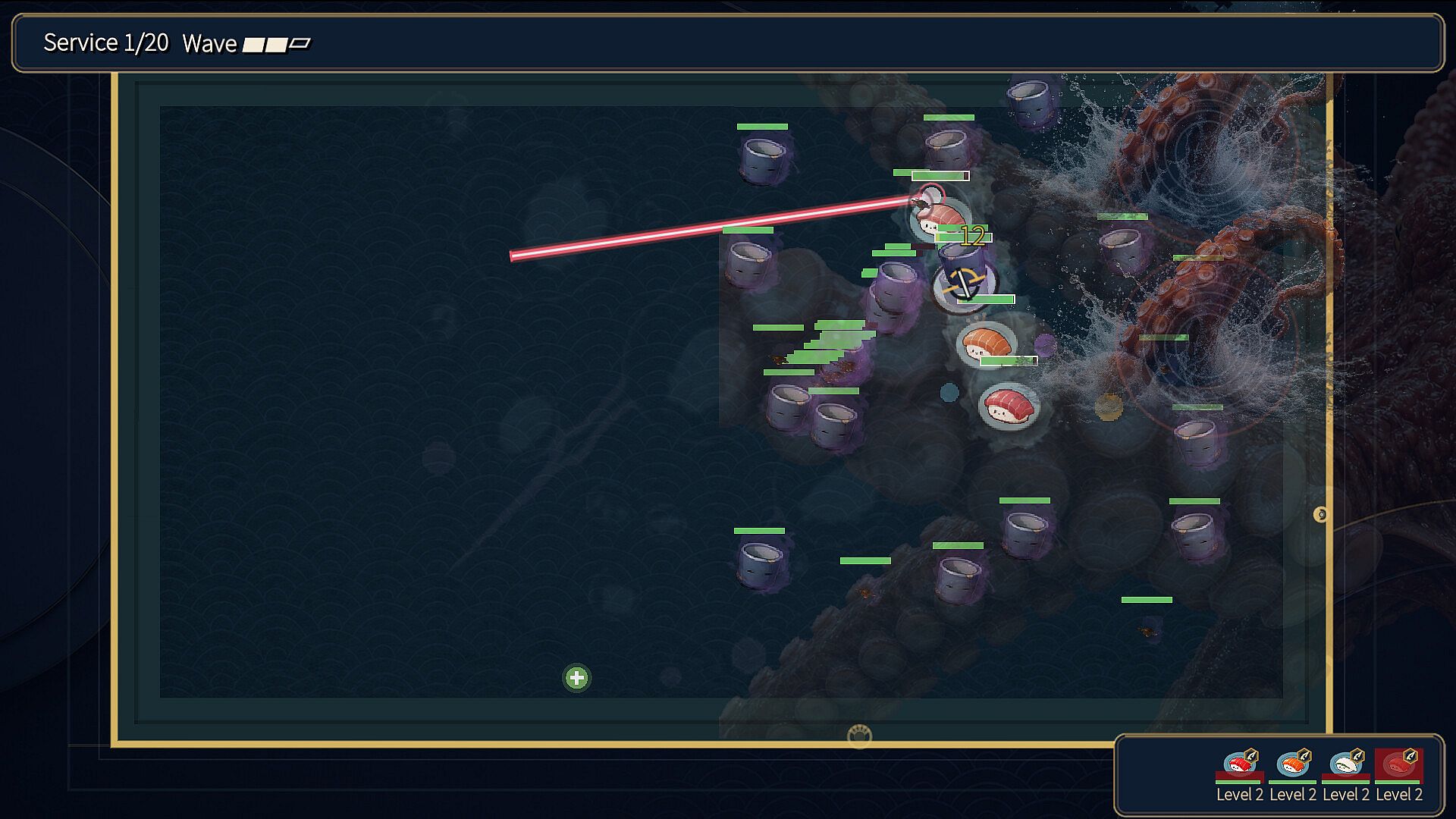
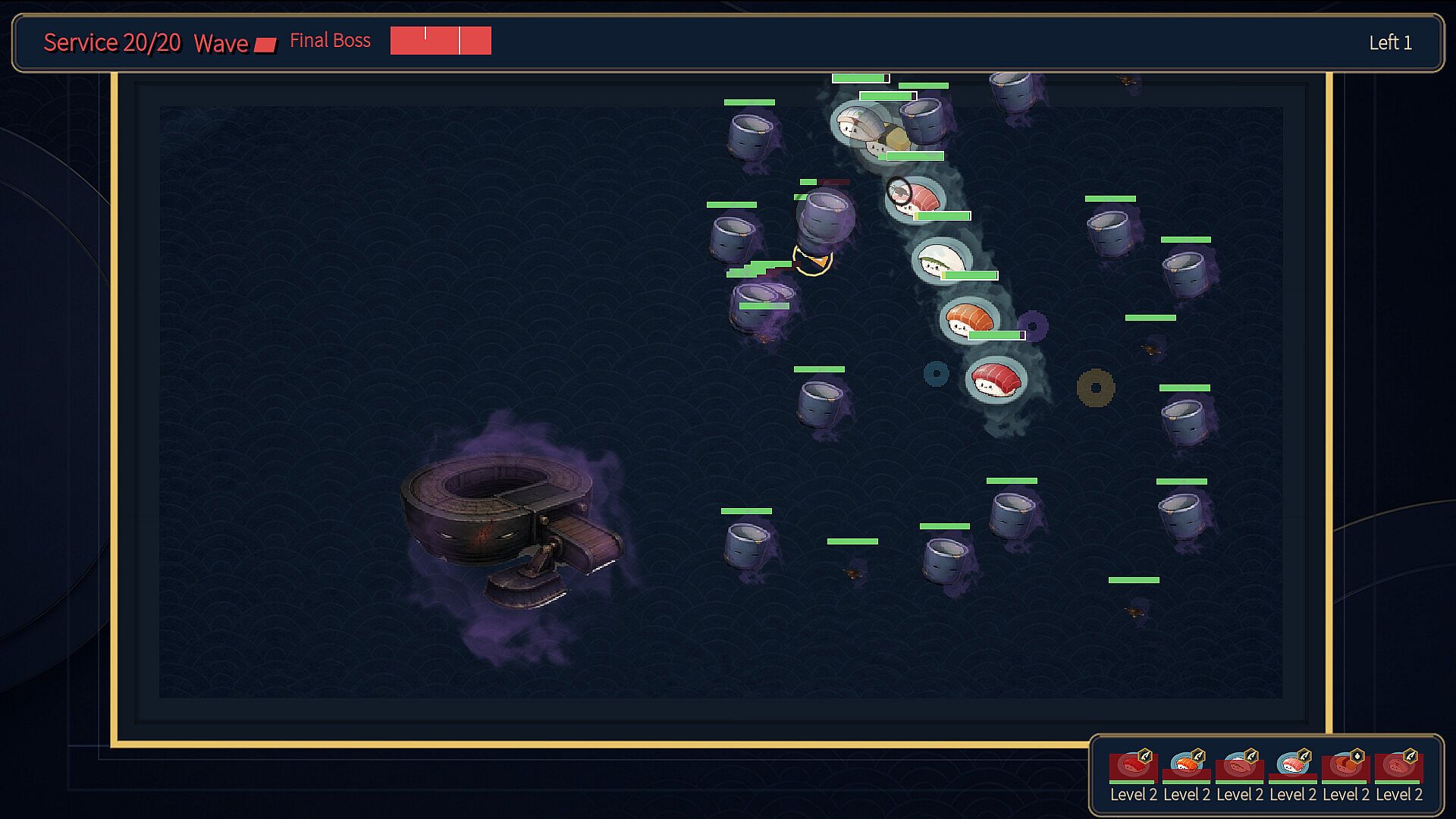
The core loop centers on controlling the head of a sushi procession. Movement follows a snake-like pattern where the line trails behind. Attacks happen without direct input, freeing attention for route selection. Dodging clusters of foes or steering into range for companion strikes determines survival and progress. The system rewards quick decisions on when to weave through gaps or commit to aggressive paths.
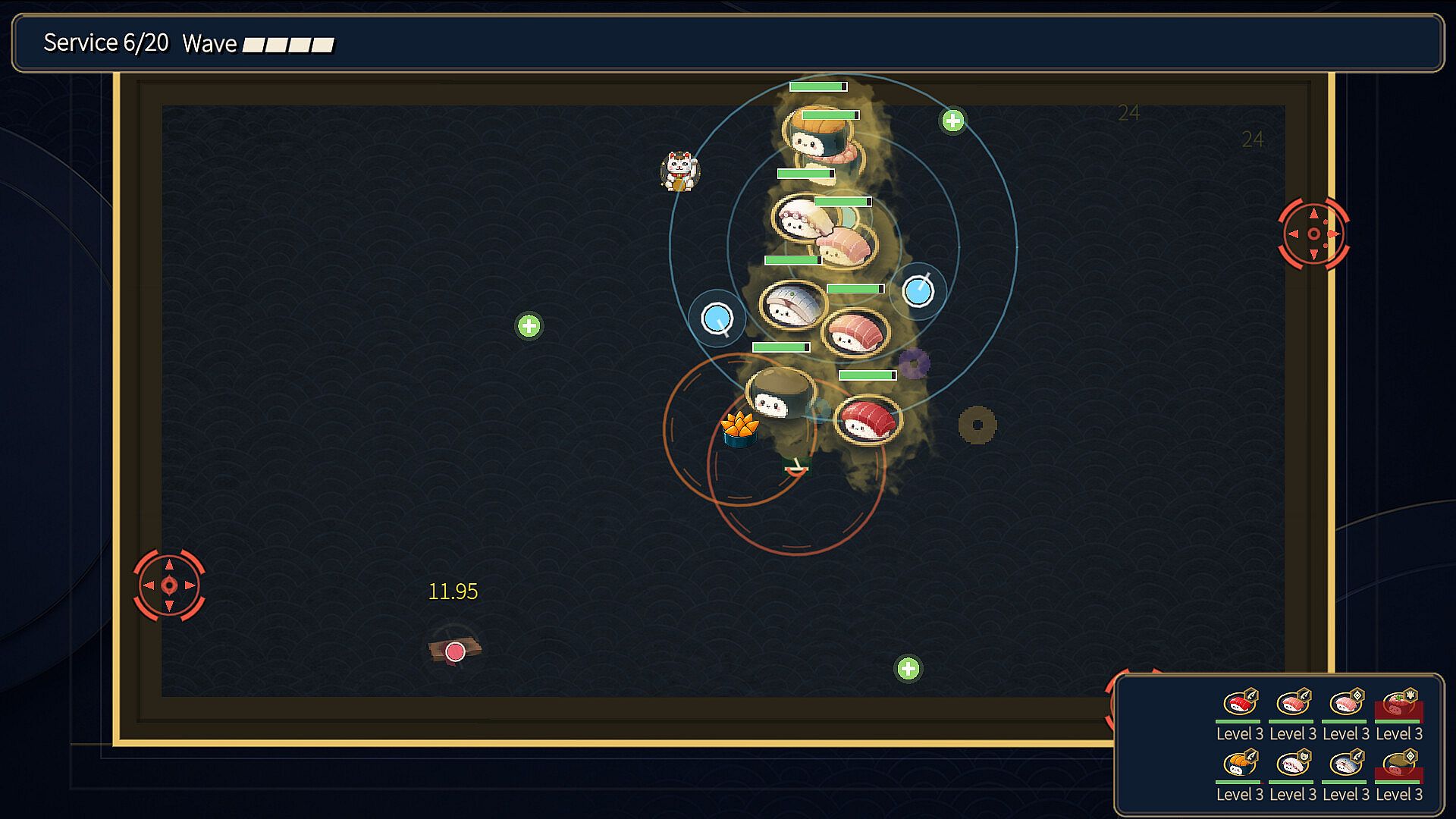
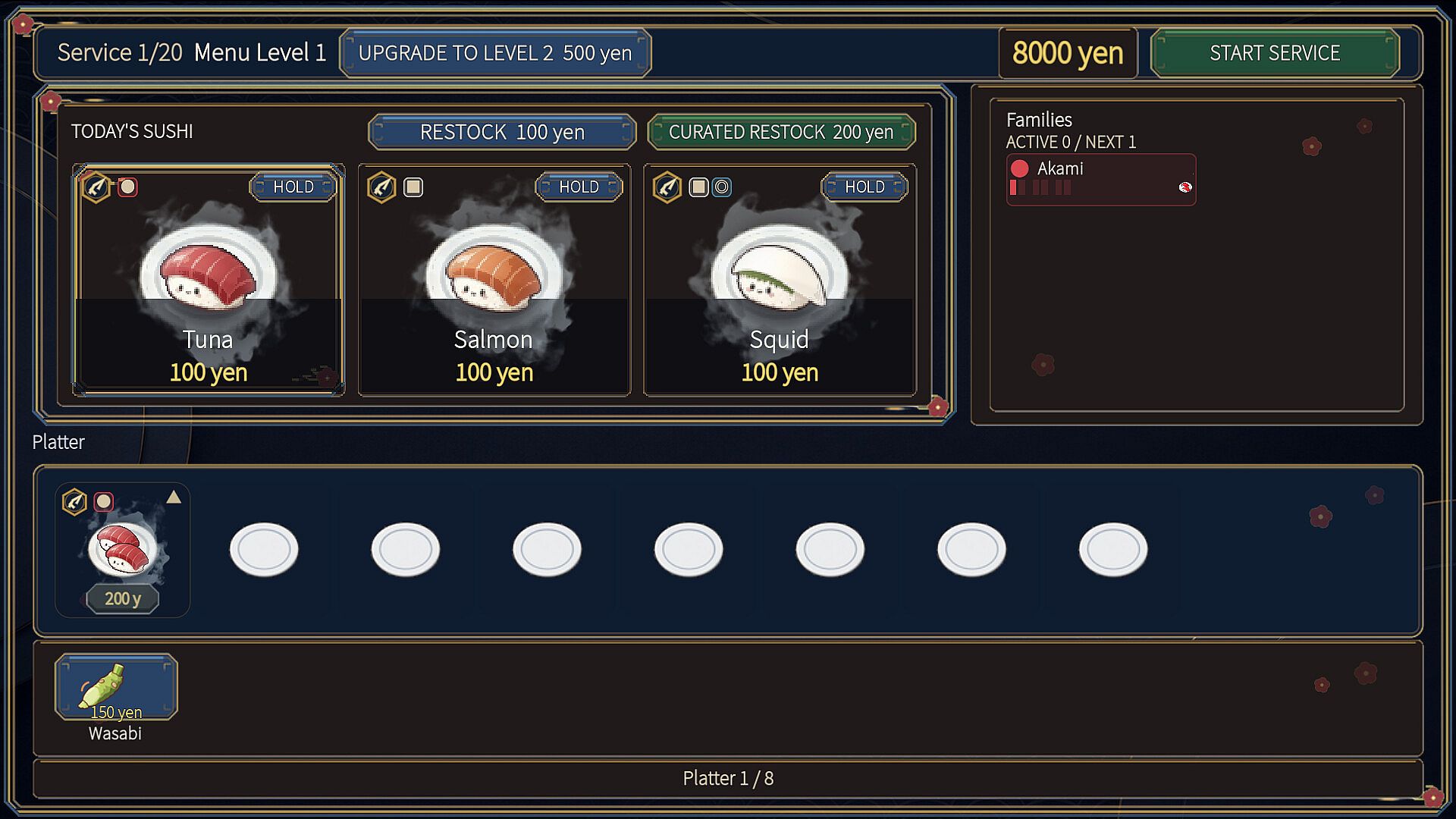
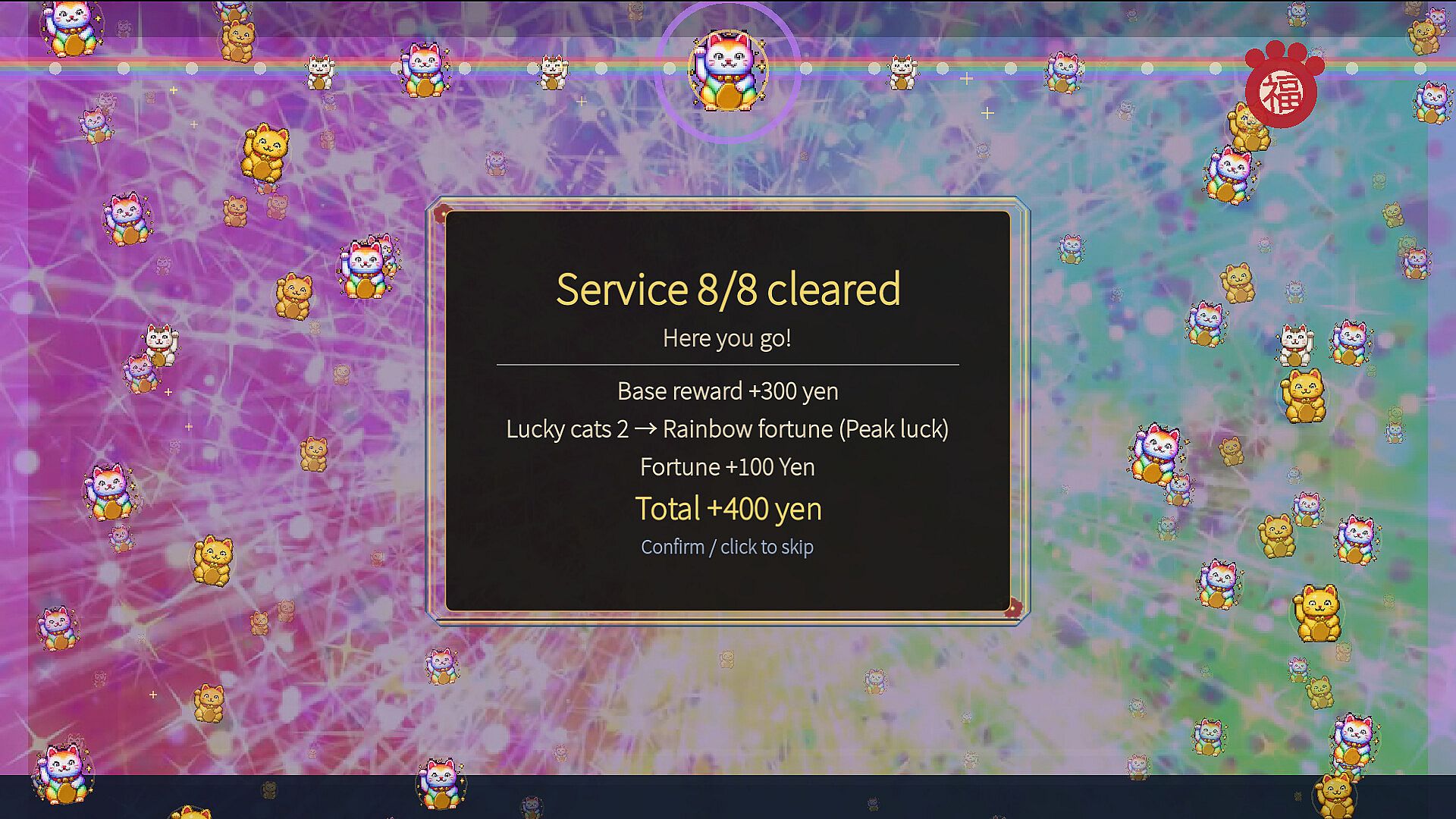
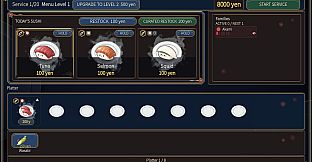
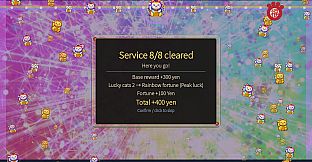
Recruitment pulls from a menu of available sushi types. Matching three identical pieces upgrades their plate, increasing power and unlocking new traits. Different sushi families and specialties combine to shape an overall platter. Layering compatible pieces creates synergies that carry through encounters. Post-battle sequences feature cat-based rewards that can elevate pieces further, progressing from basic tiers to higher rarities with visual and mechanical changes.
Game Modes
The experience runs as a continuous single-player action sequence. Each run involves navigating successive waves while managing the sushi line and upgrades. Encounters escalate with standard enemies giving way to larger anomalies. The structure emphasizes repeated play to refine routes and platter compositions rather than separate competitive or cooperative formats.
Progression ties directly to the matching and upgrade systems. Building stronger combinations carries forward across sessions, encouraging experimentation with different sushi selections. The absence of multiplayer elements keeps focus on personal route mastery and collection growth.
Building and Upgrading the Platter
Menu recruitment adds variety to the line over time. Collecting multiples of the same sushi triggers plate upgrades that improve attack output and add effects. Players experiment with family groupings and specialty pairings to find effective setups. The process creates a sense of ownership over the final arrangement without requiring complex menus or external systems.
Cat rewards after fights introduce another layer of anticipation. These can push individual pieces or the entire collection to new tiers, altering appearance and performance. The progression keeps each session engaging even after initial encounters feel familiar.
Facing Seafood Anomalies
Larger threats appear as the game advances. An octopus extends tentacles across the field, a tuna charges through lines, and a whale generates rolling waves. These anomalies disrupt standard movement patterns and demand adjusted routes. The sushi raised through prior upgrades provide the tools to handle the increased pressure.
Each anomaly changes battlefield dynamics in distinct ways. Players adapt the same core controls to new hazards, testing how well their current platter handles the shift. The encounters serve as milestones that highlight the value of careful matching and route choices made earlier.
Is It Worth Playing?
SUSHISNK targets players who enjoy casual action with light collection and upgrade elements. The automatic combat paired with manual path control creates a relaxed yet attentive loop suitable for shorter sessions. Those drawn to visual progression through tiered upgrades and themed builds will find the platter system satisfying.
The game remains in pre-release with a wishlist available on its platform page. No player reviews or performance data exist yet. Interest depends on preference for indie action titles that emphasize route strategy over direct combat input. The described mechanics align with the listed genres and offer a focused experience for fans of sushi-themed casual gameplay.