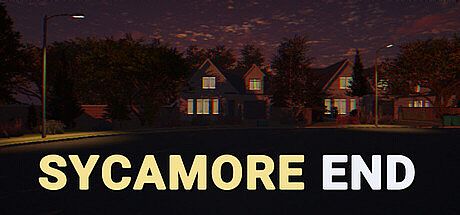



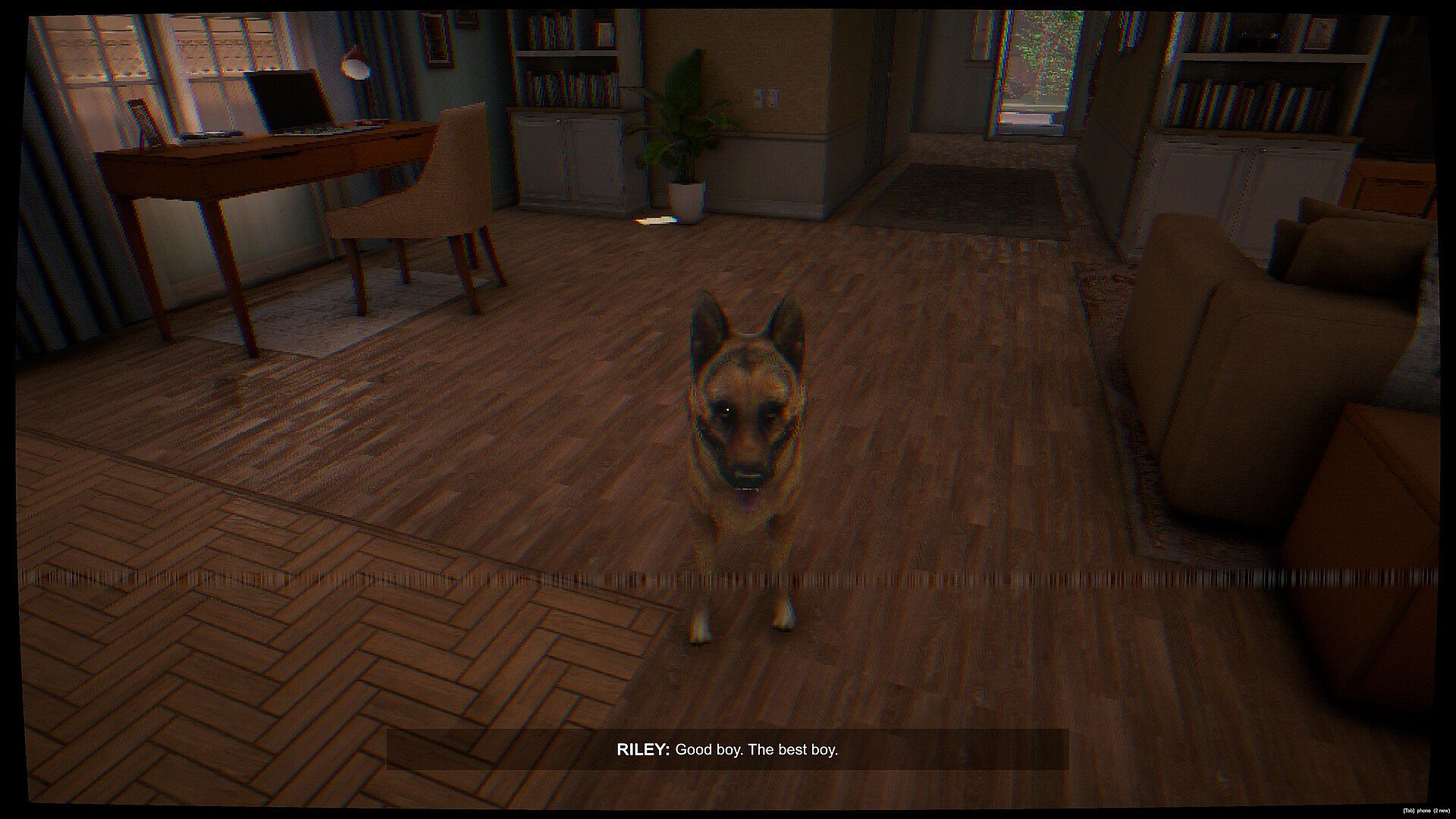

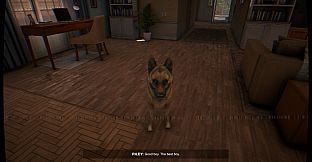


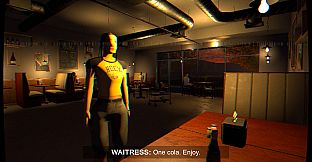
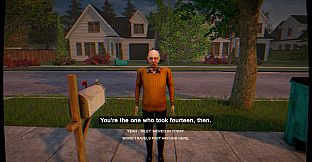
Sycamore End is a single-player first-person horror adventure game developed by one person for PC. Players take on the role of Riley, who moves into the last house on a quiet street with a dog named Bean and begins unpacking amid unsettling events that escalate after dark.
Gameplay
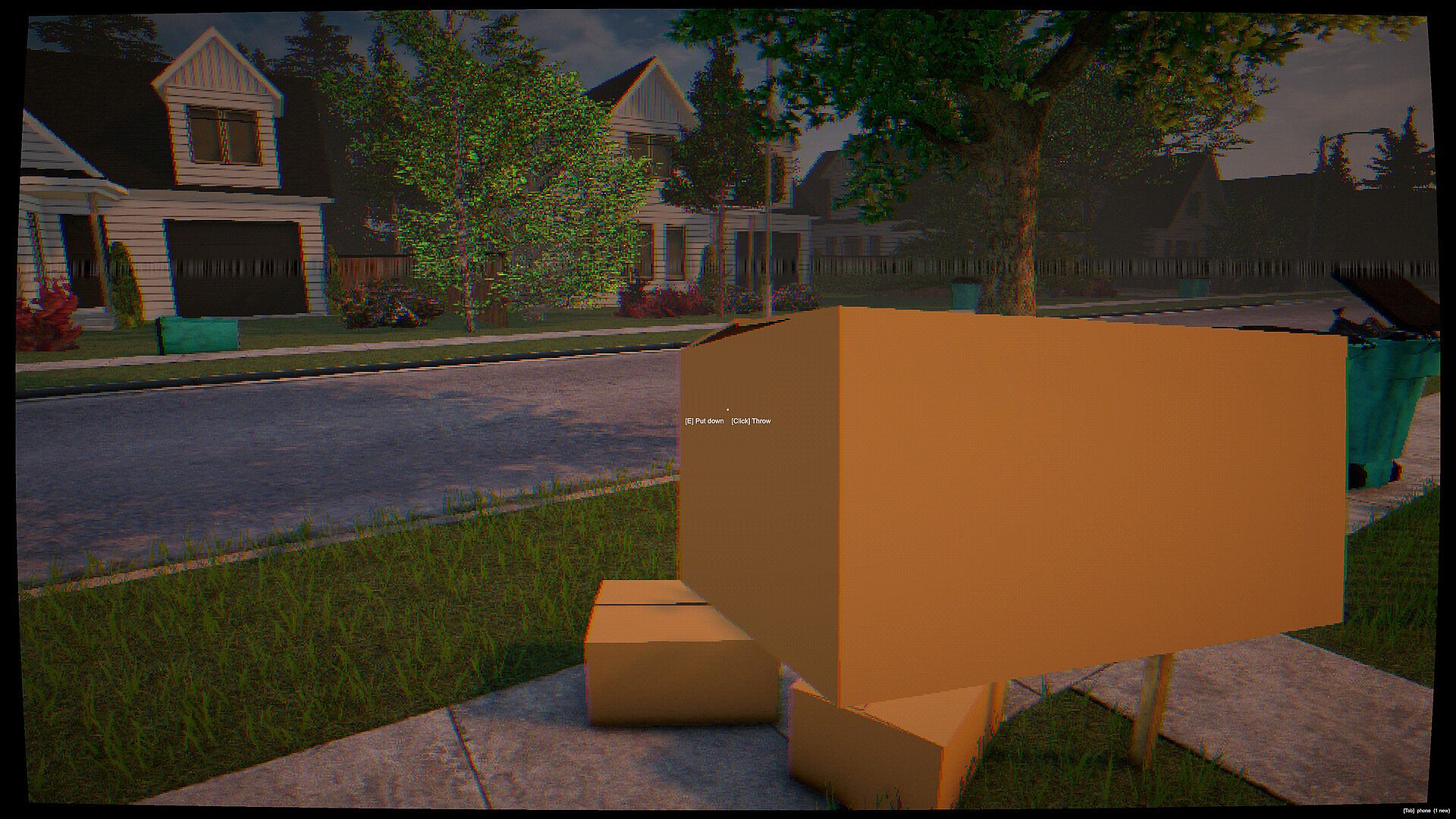
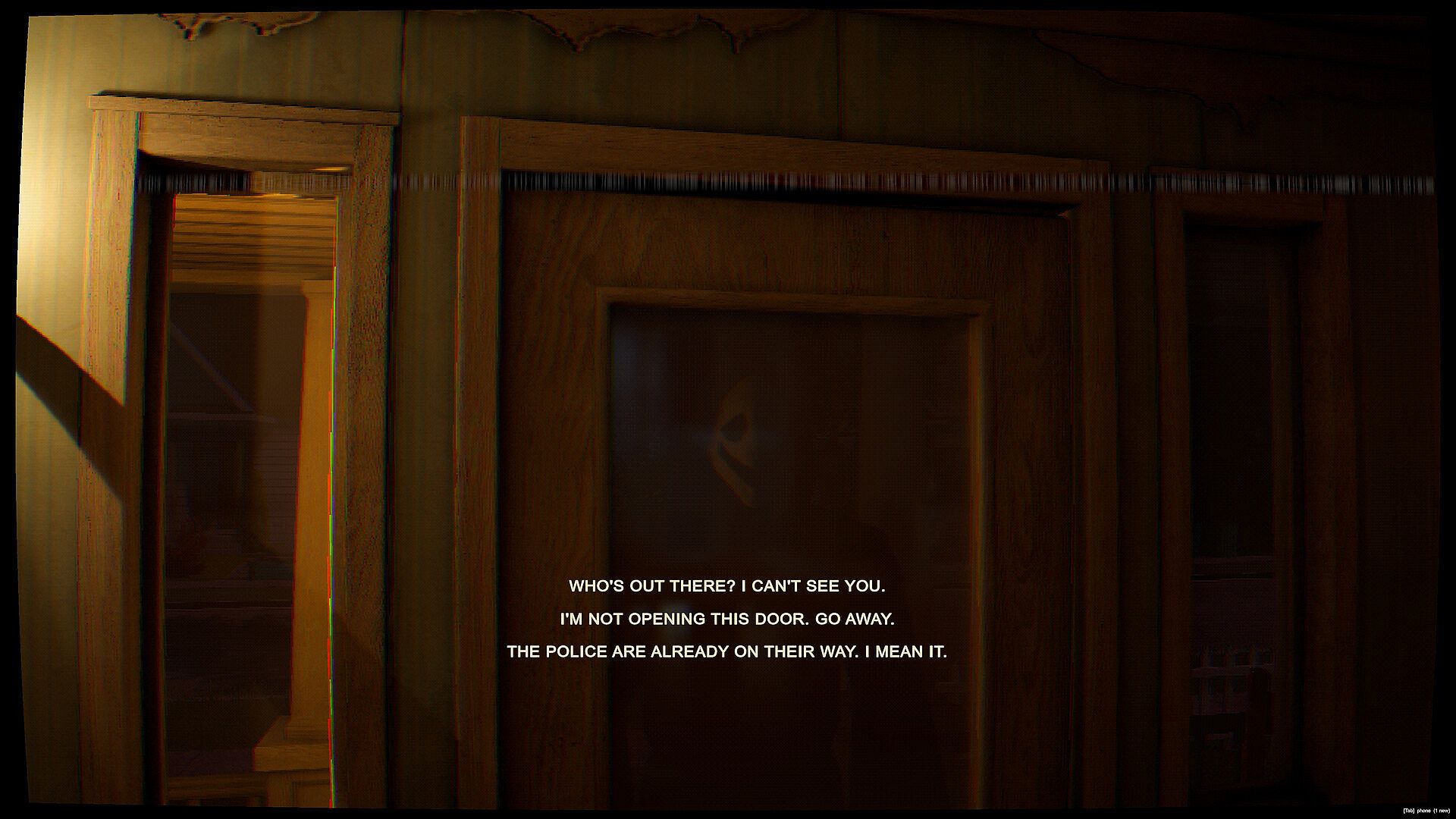
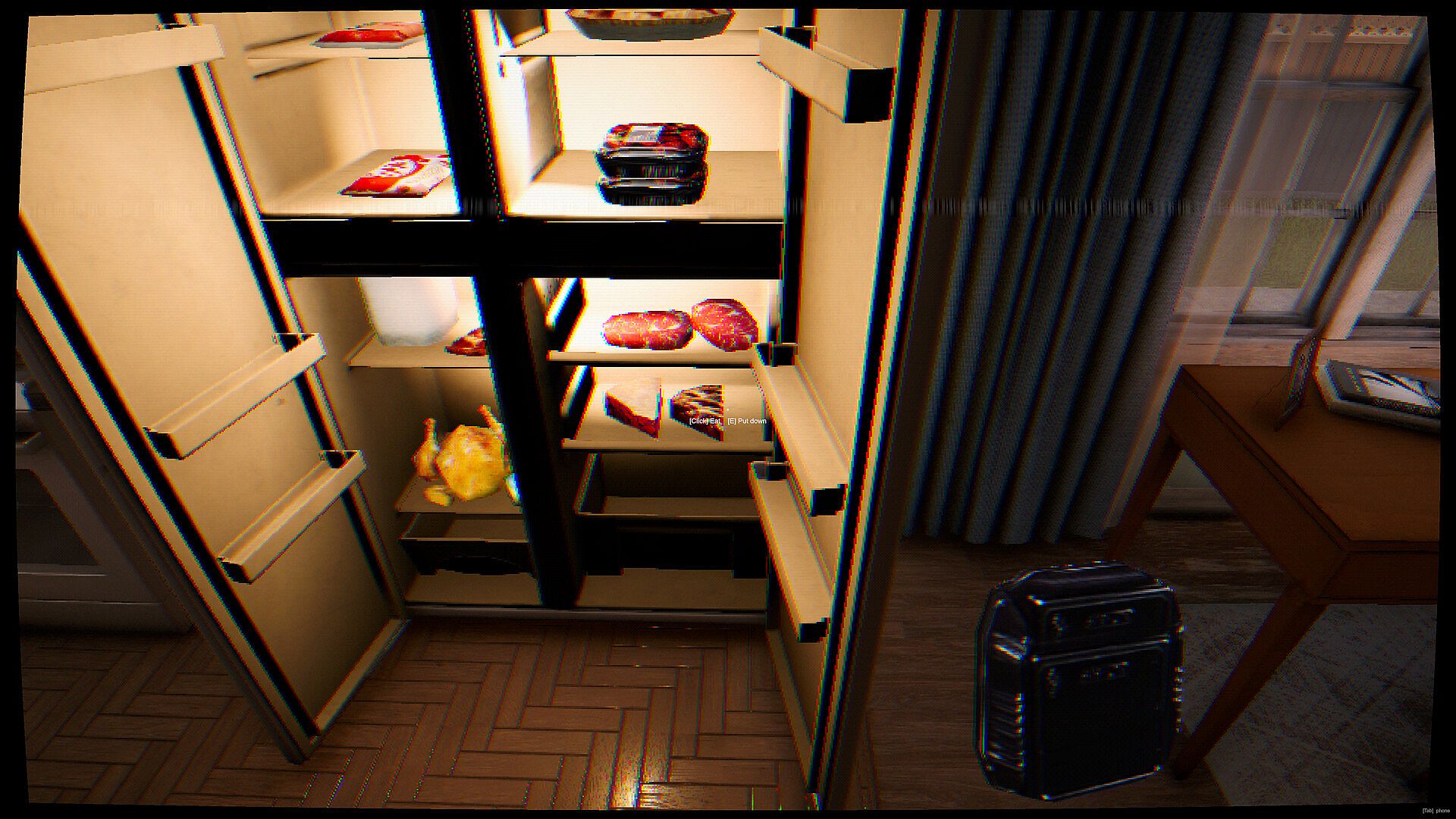
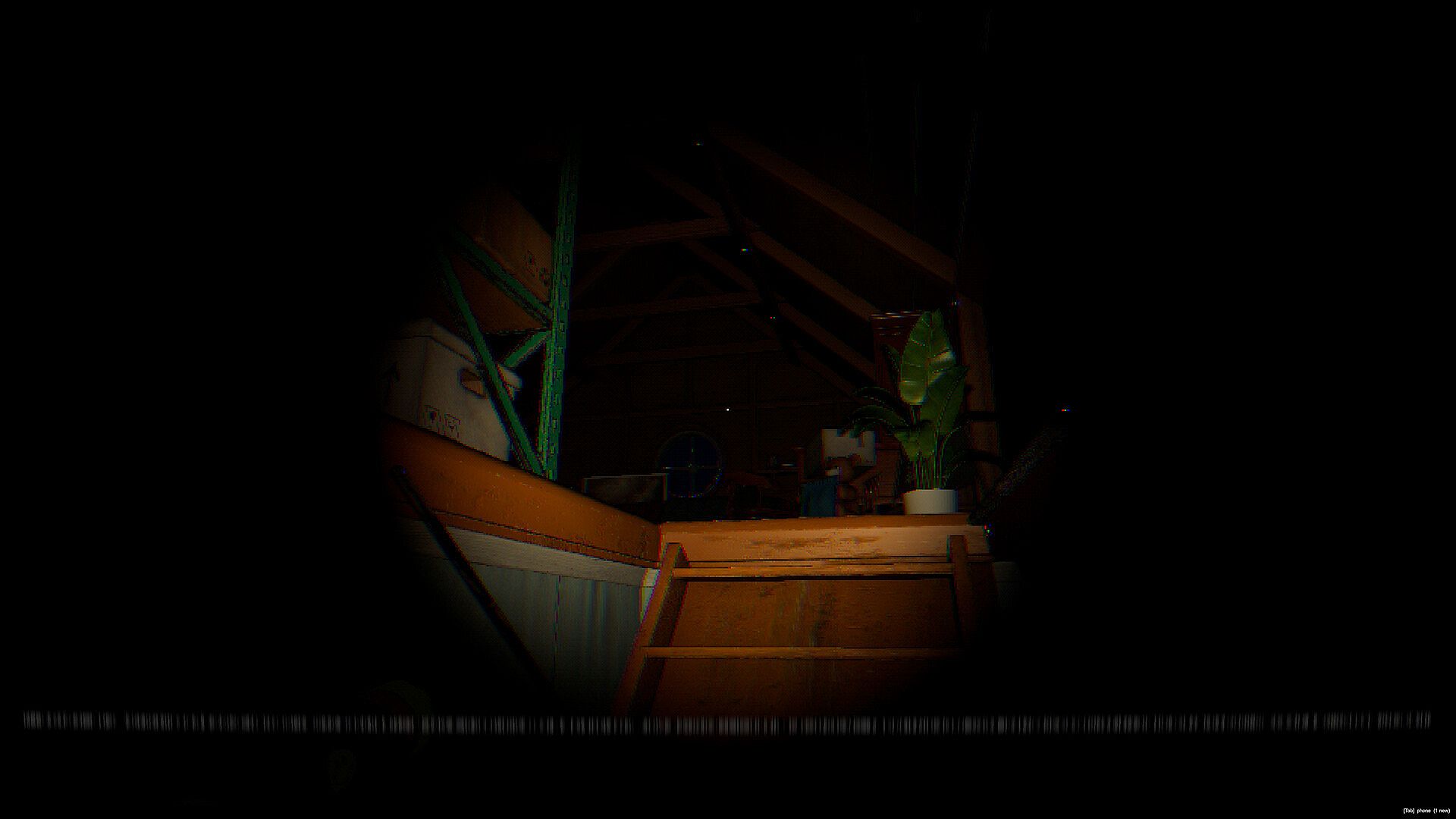
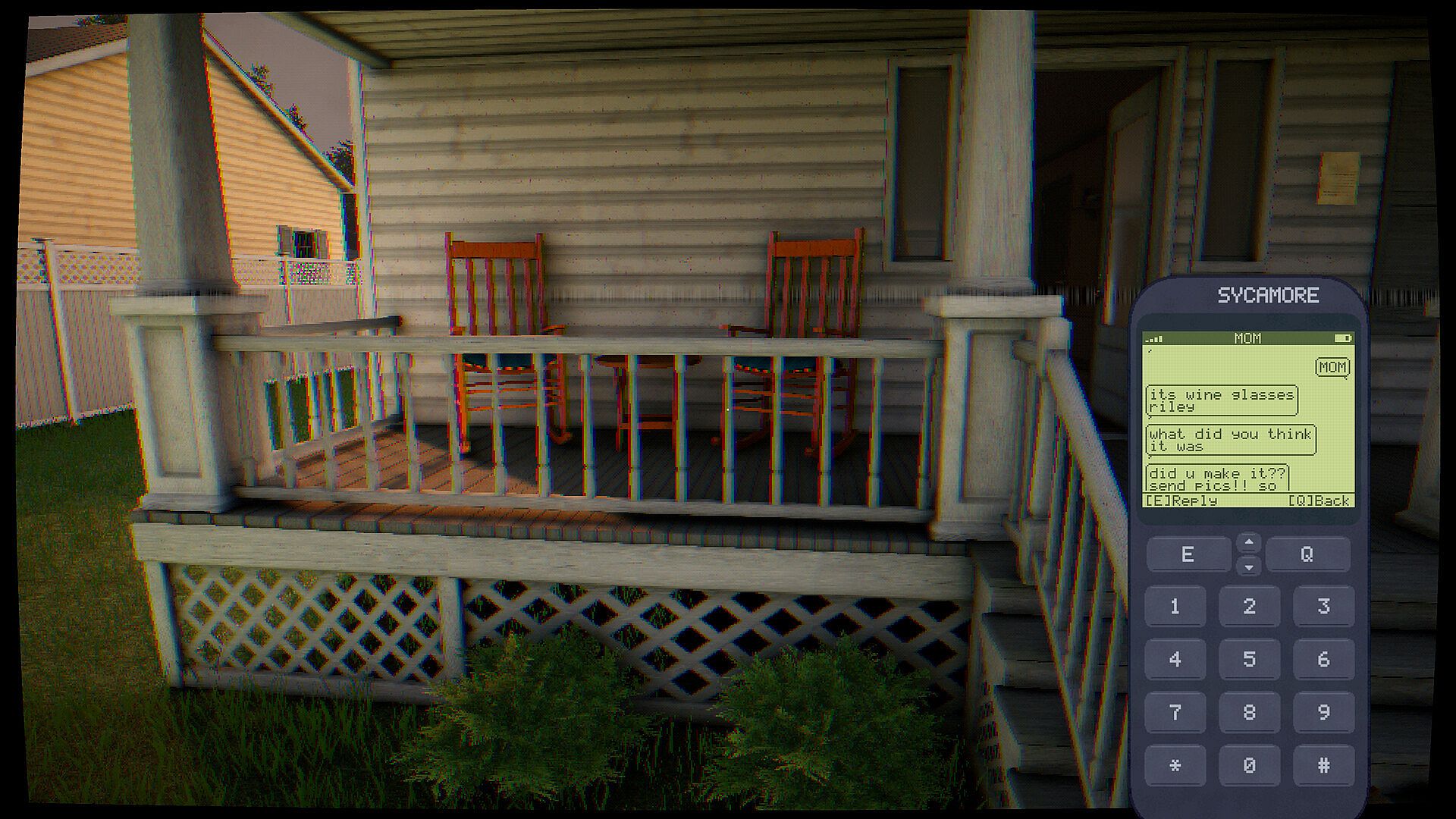
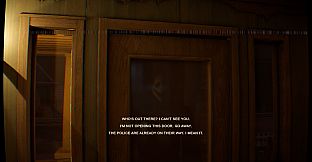
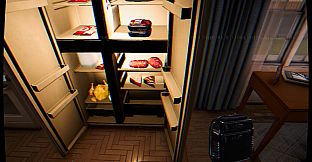
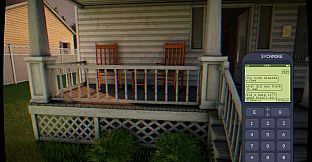
The core loop centers on settling into the house through everyday tasks such as unpacking boxes, checking the fridge, mopping floors, and identifying creaky stairs. These actions establish a sense of normalcy before tension builds. Interaction with the phone plays a key role, as messages from family members give way to unexpected texts from unknown numbers. When threats enter the space, the emphasis shifts to evasion rather than confrontation. Players turn off lights, conceal themselves in furniture like wardrobes, and observe the room through narrow gaps while the intruder searches. Reaching a signal for emergency calls requires stepping into the front yard at night, leaving the character exposed. Exploration stays grounded in the single location, with players climbing ladders or opening hatches to investigate noises without any on-screen guidance or modern navigation aids.
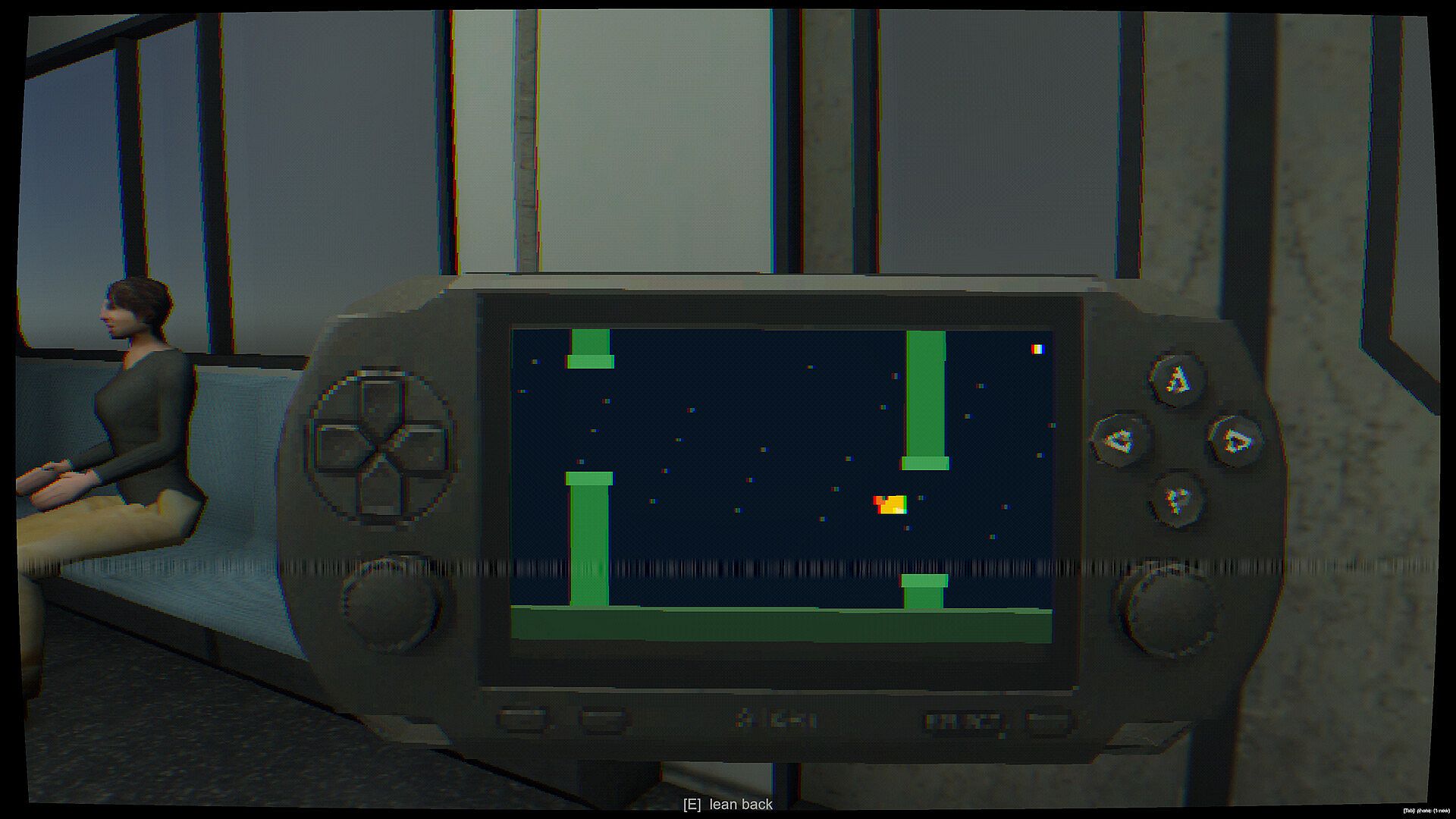
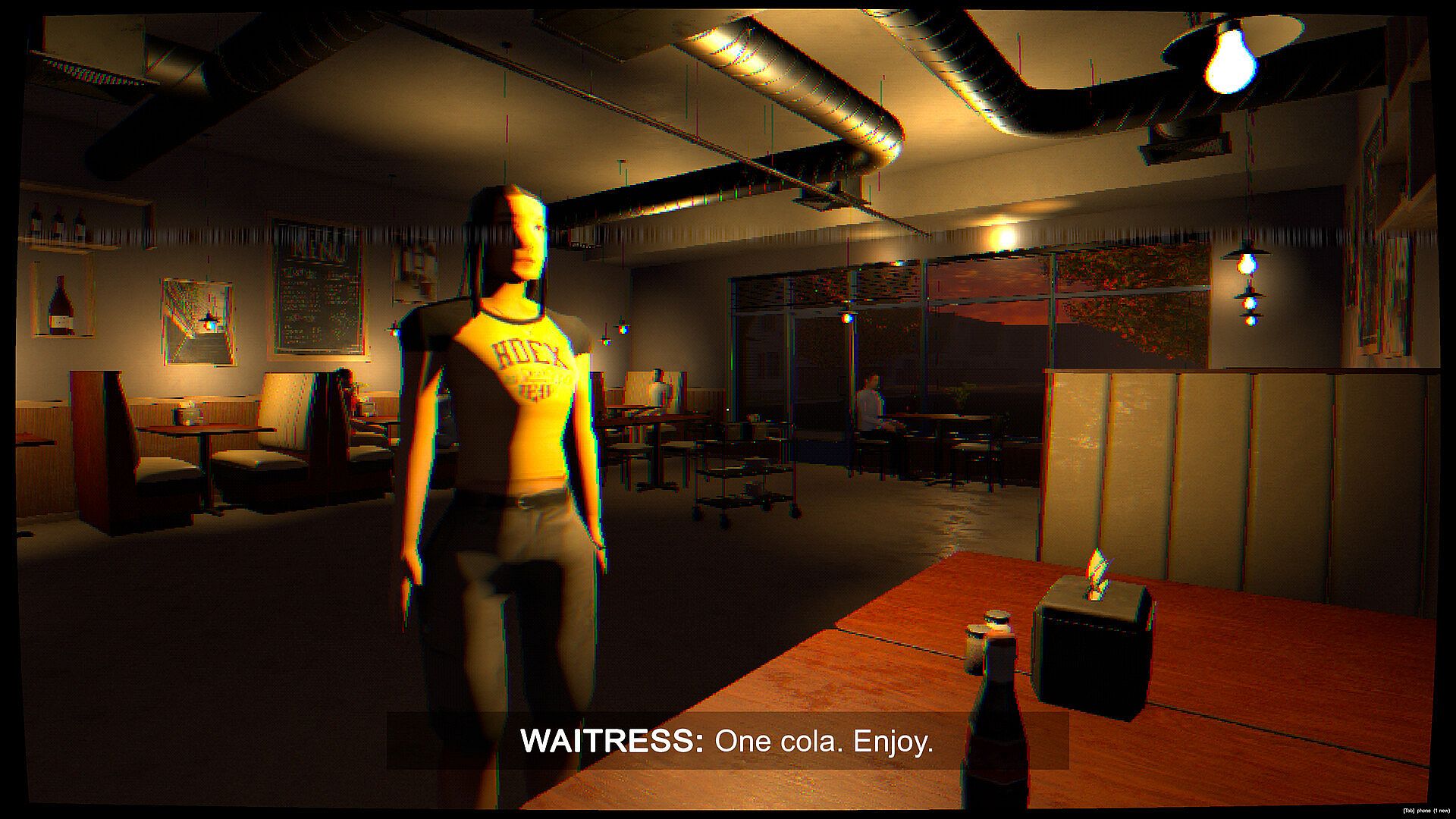
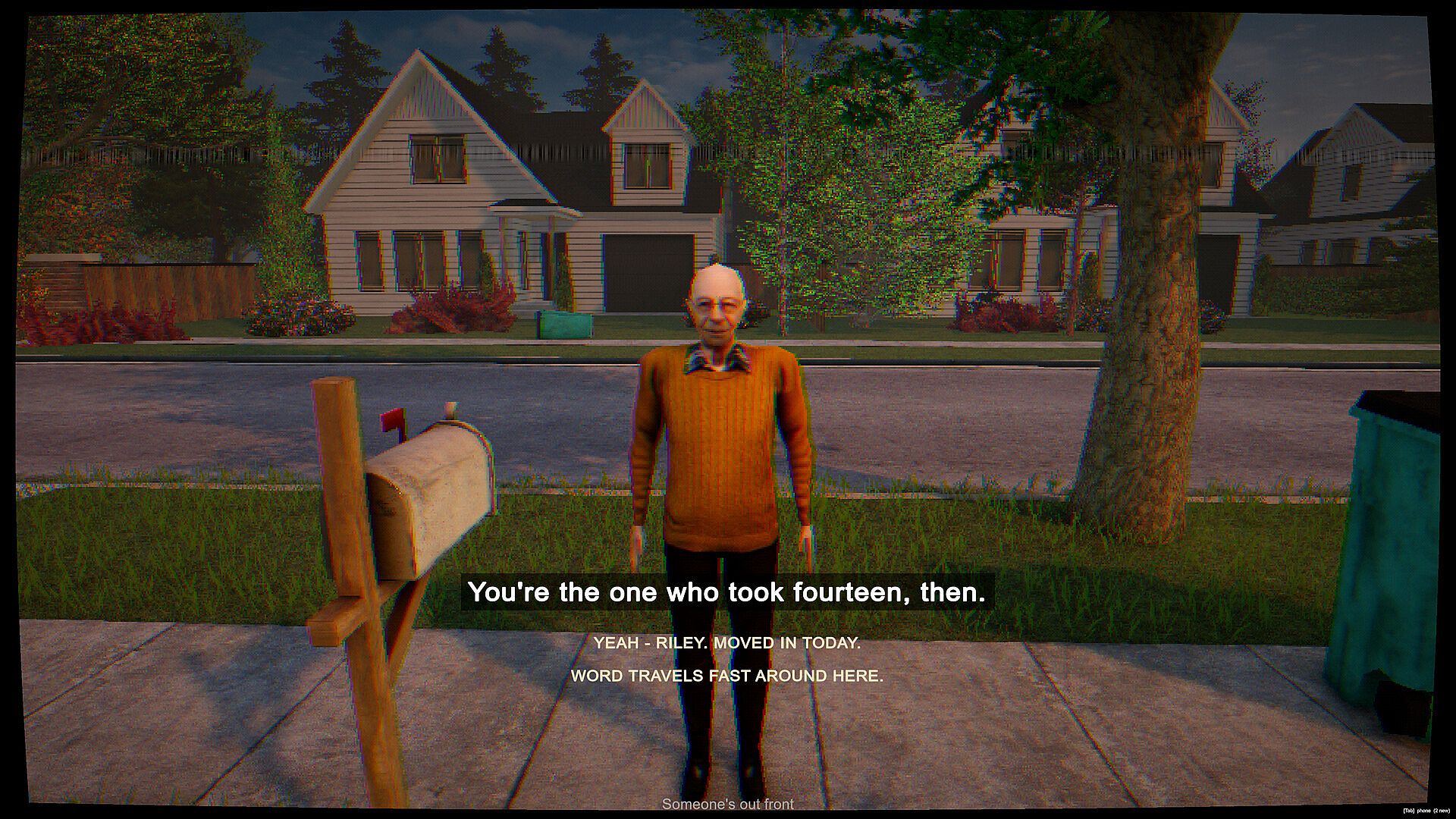
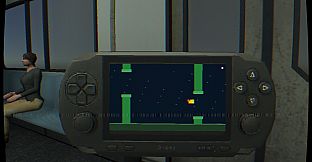
The presentation uses a deliberate VHS filter that introduces grain, tracking lines, and muted colors to evoke worn cassette playback. This visual style affects the entire experience and reinforces the short, chapter-based narrative structure. Controls remain straightforward, focusing on movement, object interaction, and hiding mechanics suited to a tense atmosphere best experienced with headphones.
Game Modes
Sycamore End offers only single-player story mode. No multiplayer options, co-op features, or additional modes appear in the available details. The experience unfolds linearly across chapters with a fixed sequence of events centered on the house and its immediate surroundings.
Story and Atmosphere
The narrative follows Riley's arrival in a new town and the gradual discovery of disturbances tied to the attic. Daily routines give way to phone interactions and intrusions that heighten isolation. The one-person development keeps the scope focused, delivering an evening-length story without extraneous content. Jump scares and sudden audio cues punctuate the tension, while the overall tone remains oppressive and grounded in home-invasion themes. Mature content includes stalking, implied threats, and emergency situations, but avoids graphic violence or unrelated elements.
Is It Worth Playing?
The game targets players who prefer concise, atmospheric single-player horror without padding or complex systems. Its short length and emphasis on tension through hiding and exploration suit those seeking a focused evening session. Since the title remains in a coming-soon state with no released reviews or player data available, any assessment rests on the described mechanics and presentation. Those drawn to first-person adventures with a retro visual twist and minimal combat will find the verified elements align with that preference. Availability is limited to PC once released, and the solo development approach suggests a direct, unexpanded experience.