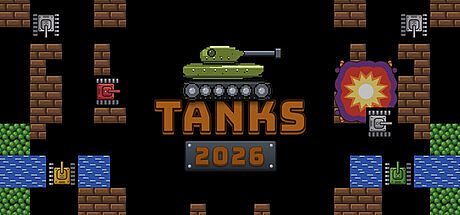


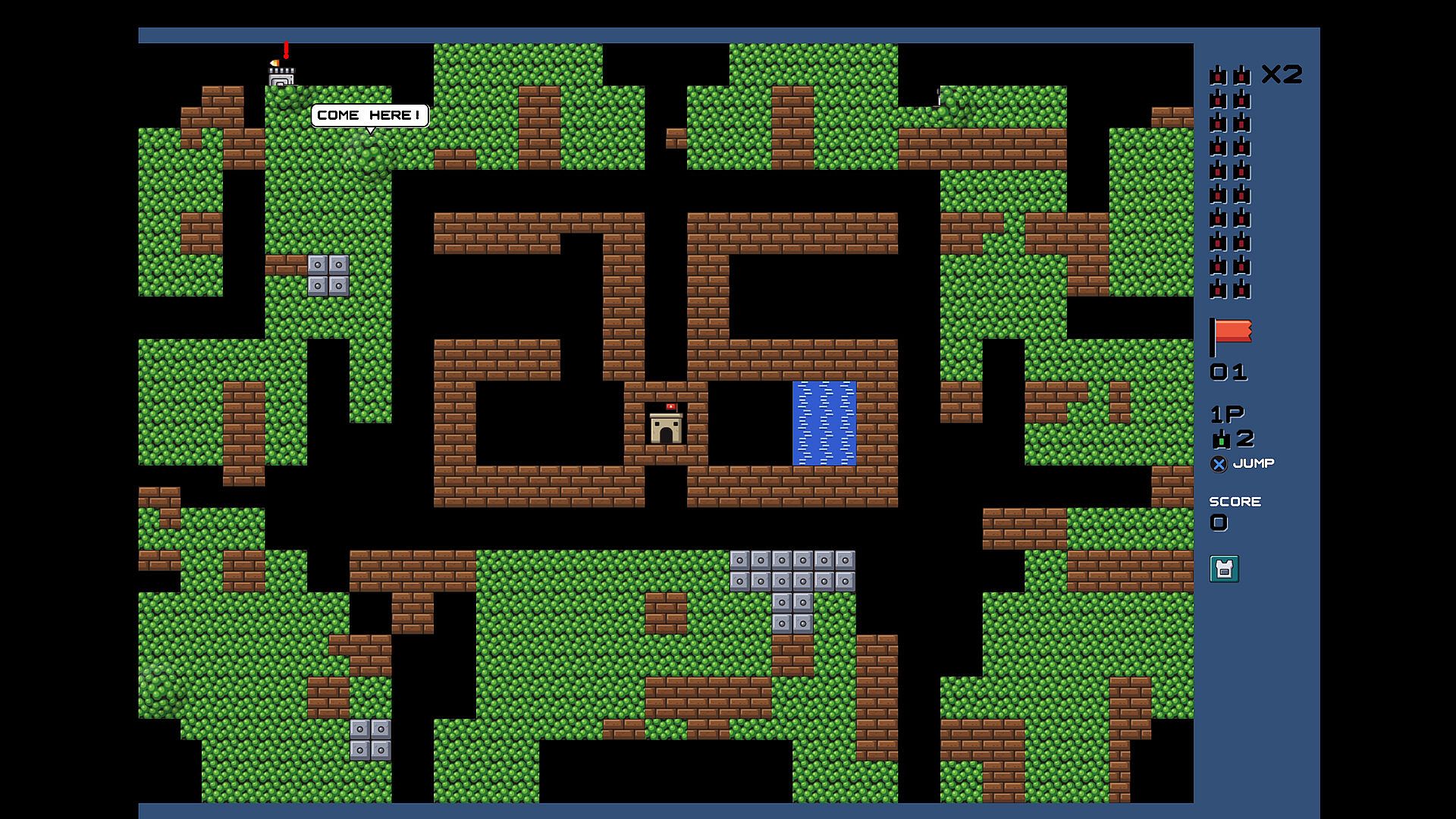
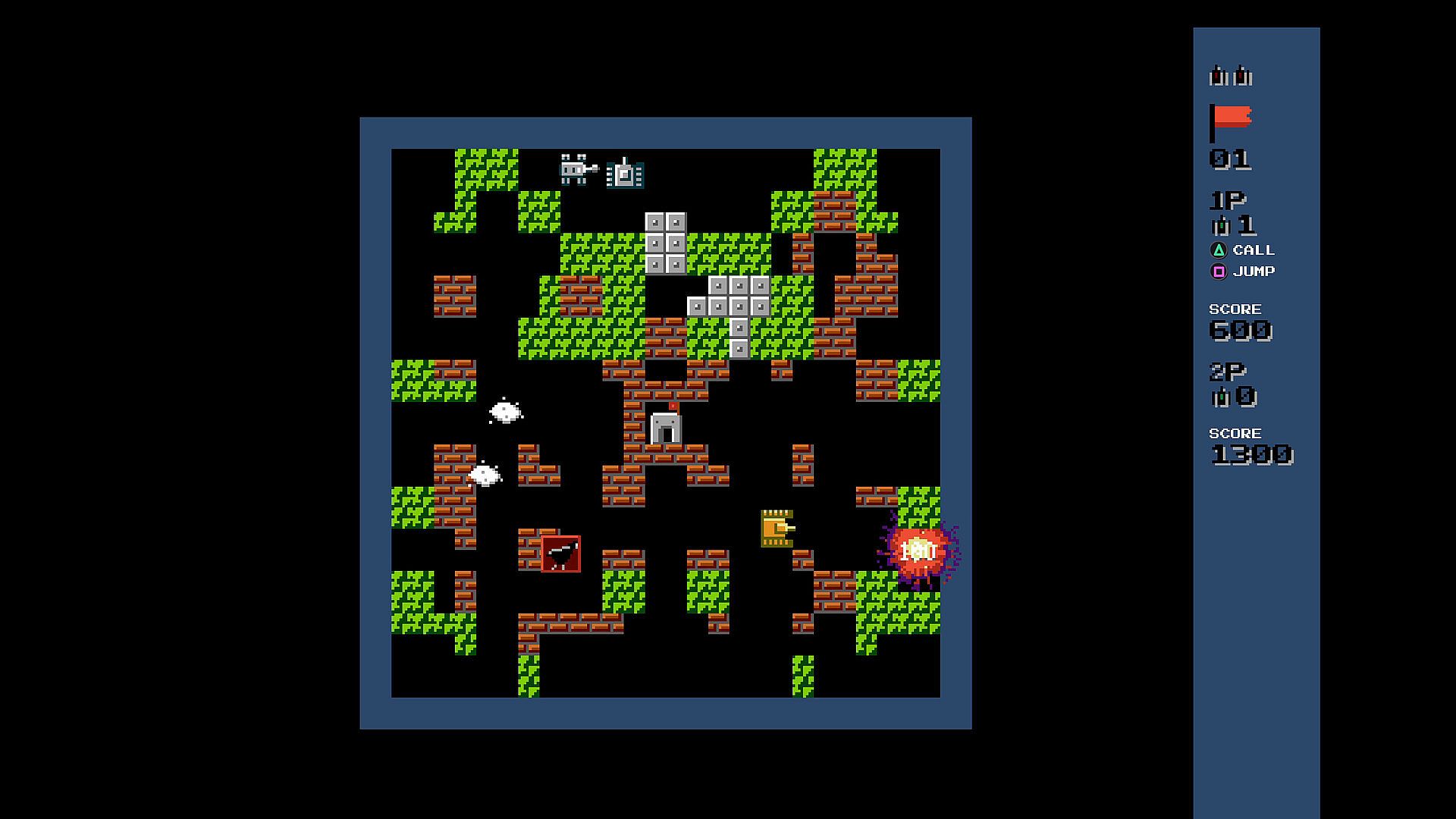
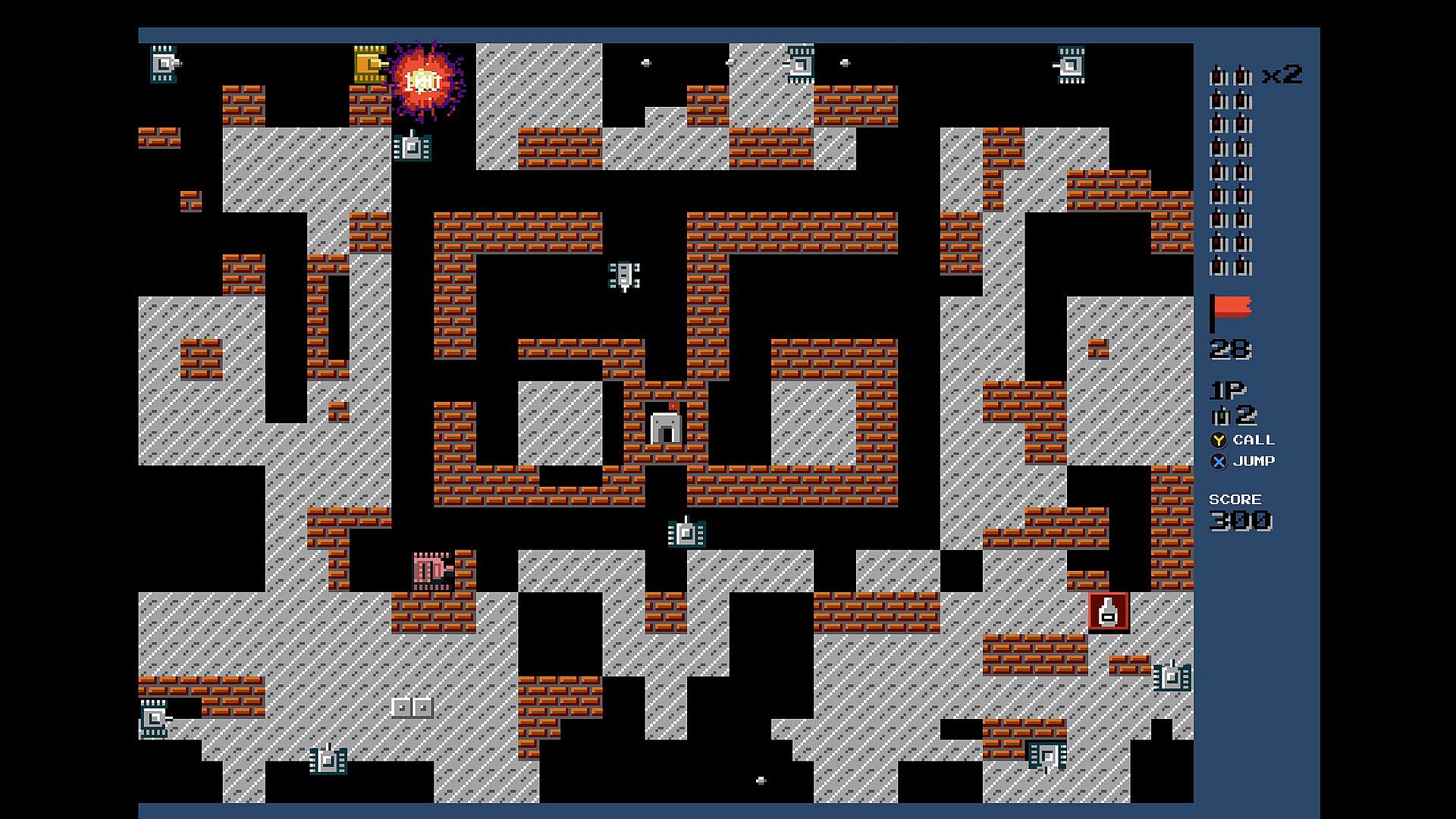
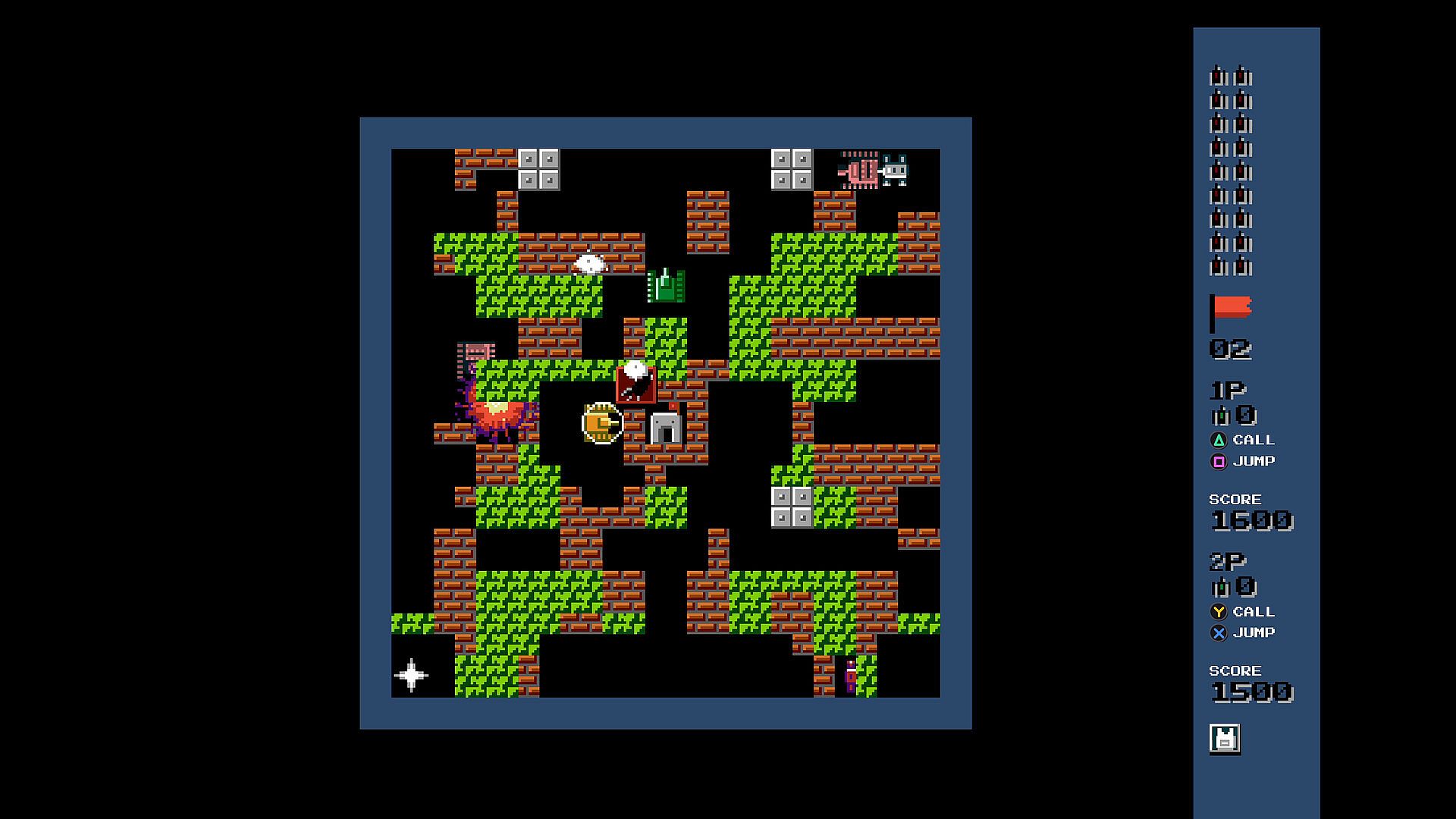
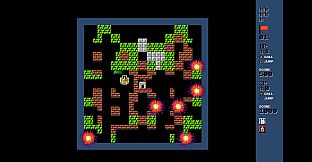
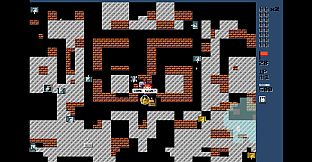
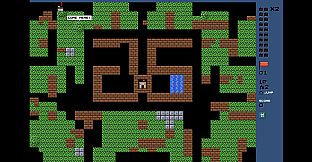
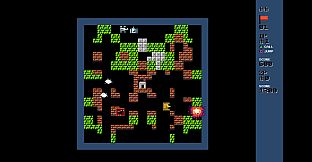
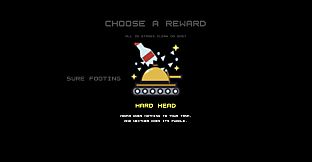
Tanks 2026 is a top-down tank battle action indie game developed for PC that revives the feel of classic 8-bit titles through deliberate design choices and modern touches. The developer built the core rules and systems personally after years of work in C++ and Java, finishing the project in 2026 with assistance from AI tools for art, sound, and certain code elements. The result captures the spellbinding quality of early pixel art games while adding layers of strategy through power-ups, enemy behavior, and progression systems.
Gameplay
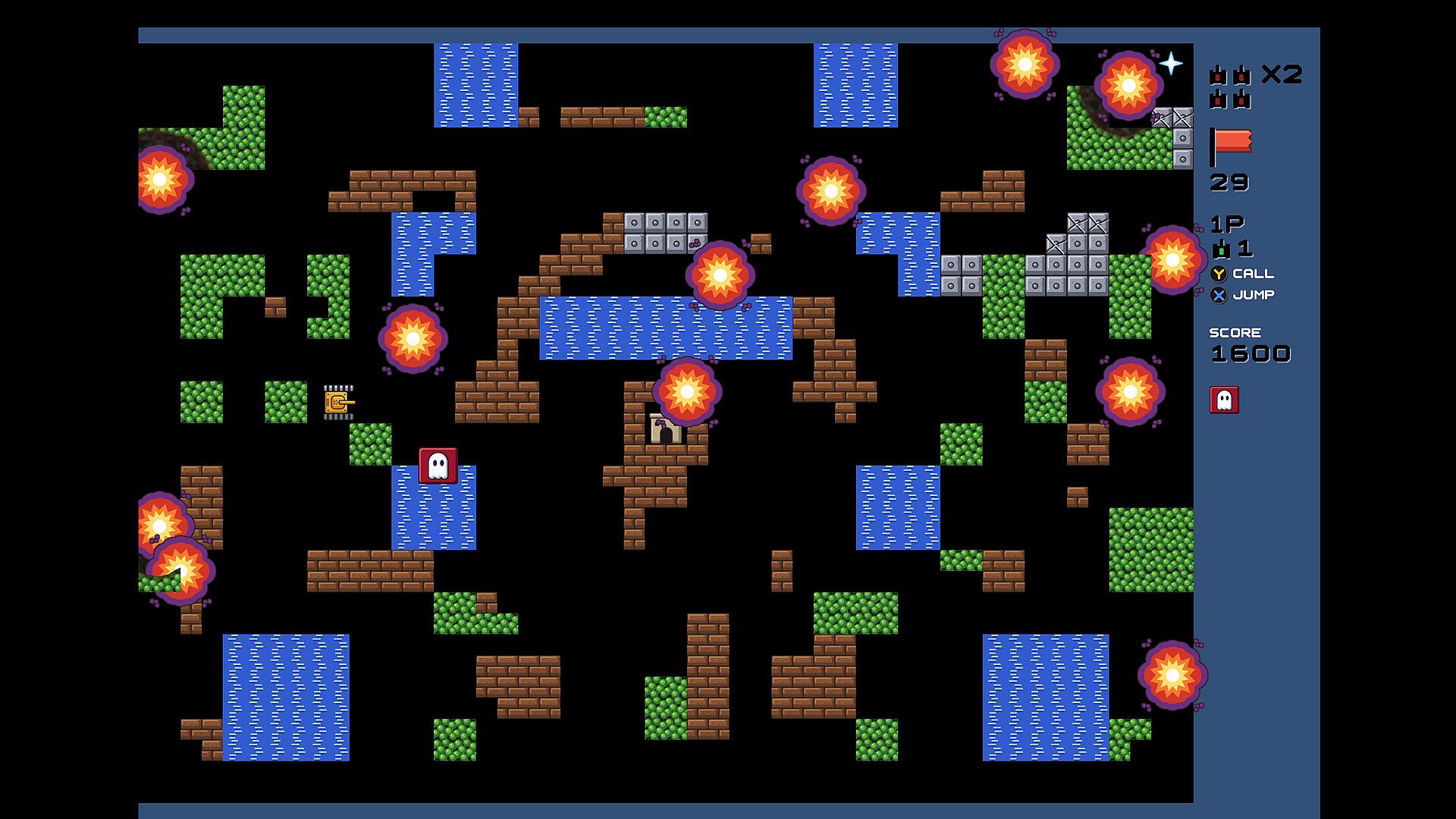
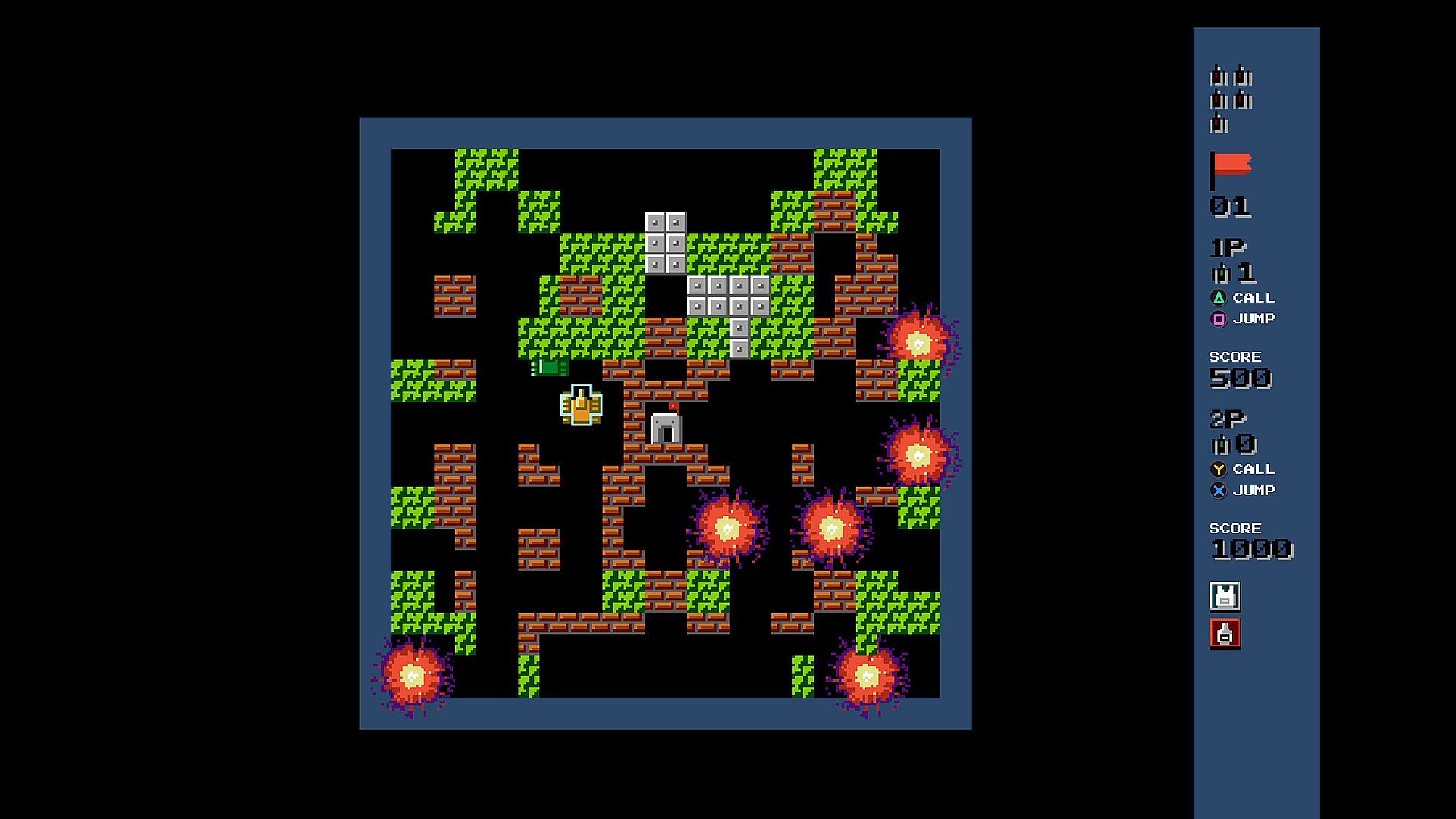
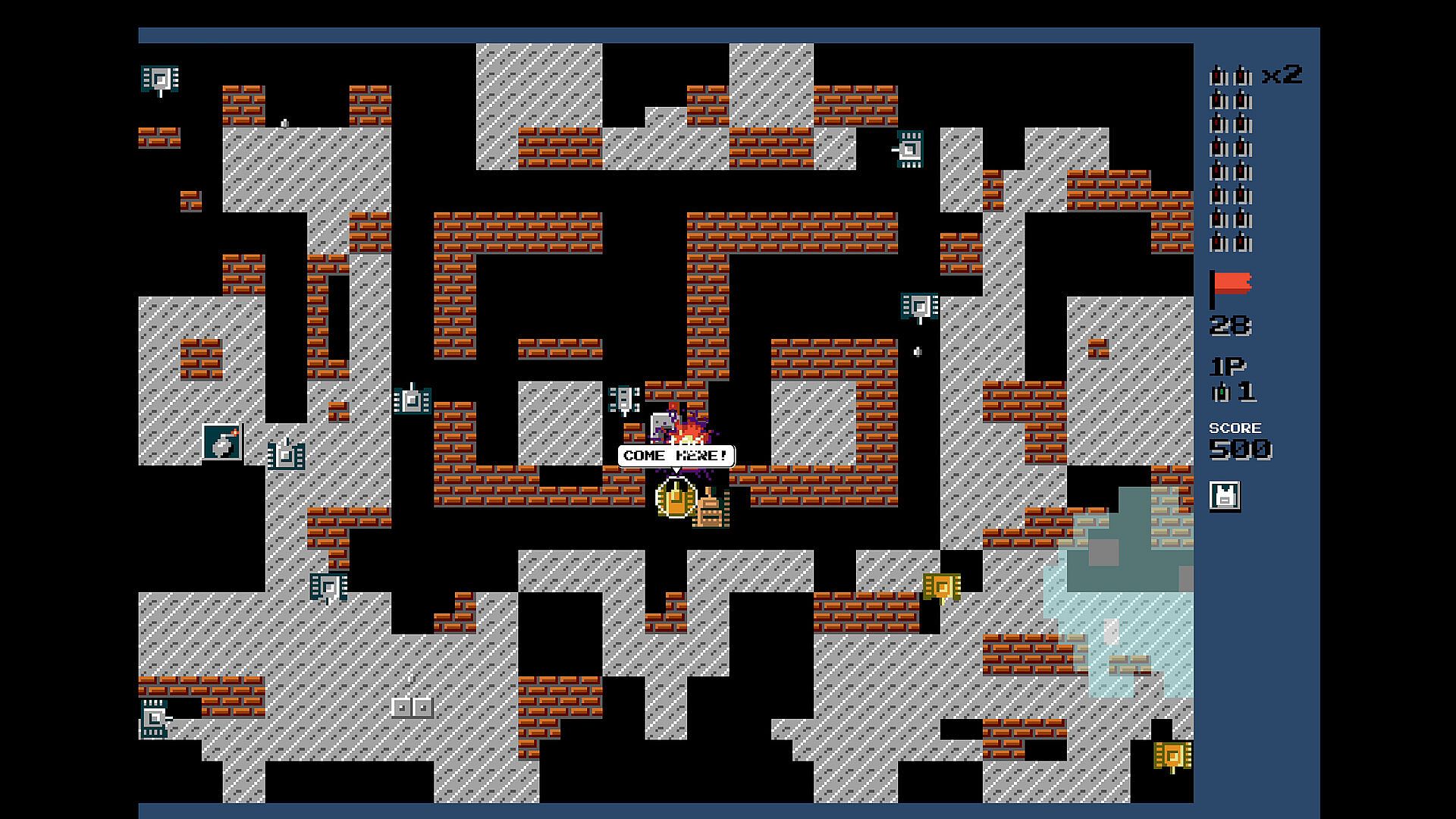
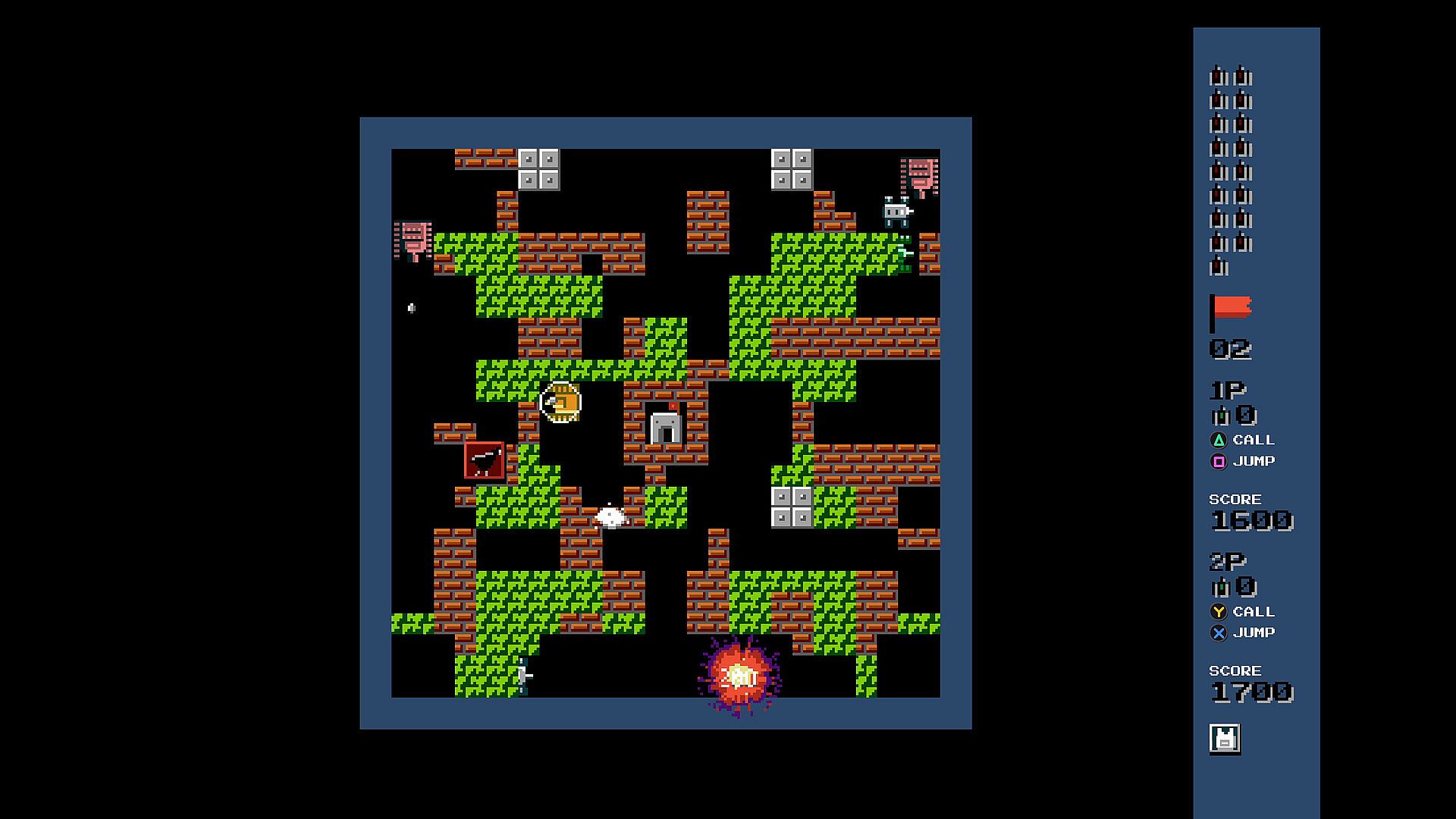
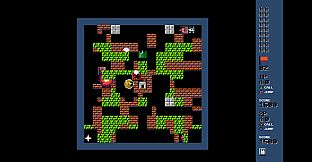
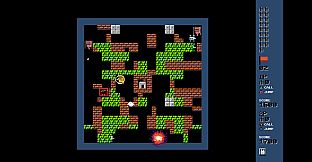
Players control a tank from an overhead view and must protect a central base while enemy tanks advance across brick walls, water, and ice. The loop centers on blasting through obstacles, collecting cards dropped by flashing enemy tanks, and managing limited lives across stages. Core actions include shooting to clear paths and using two special abilities available once per stage: CALL, which pulls the nearest enemy directly toward the player, and JUMP, which launches the tank four tiles forward to crush bricks, steel, or nearby foes upon landing. An armored enemy loses one stripe of protection from a successful crush, and double crushes award extra points.
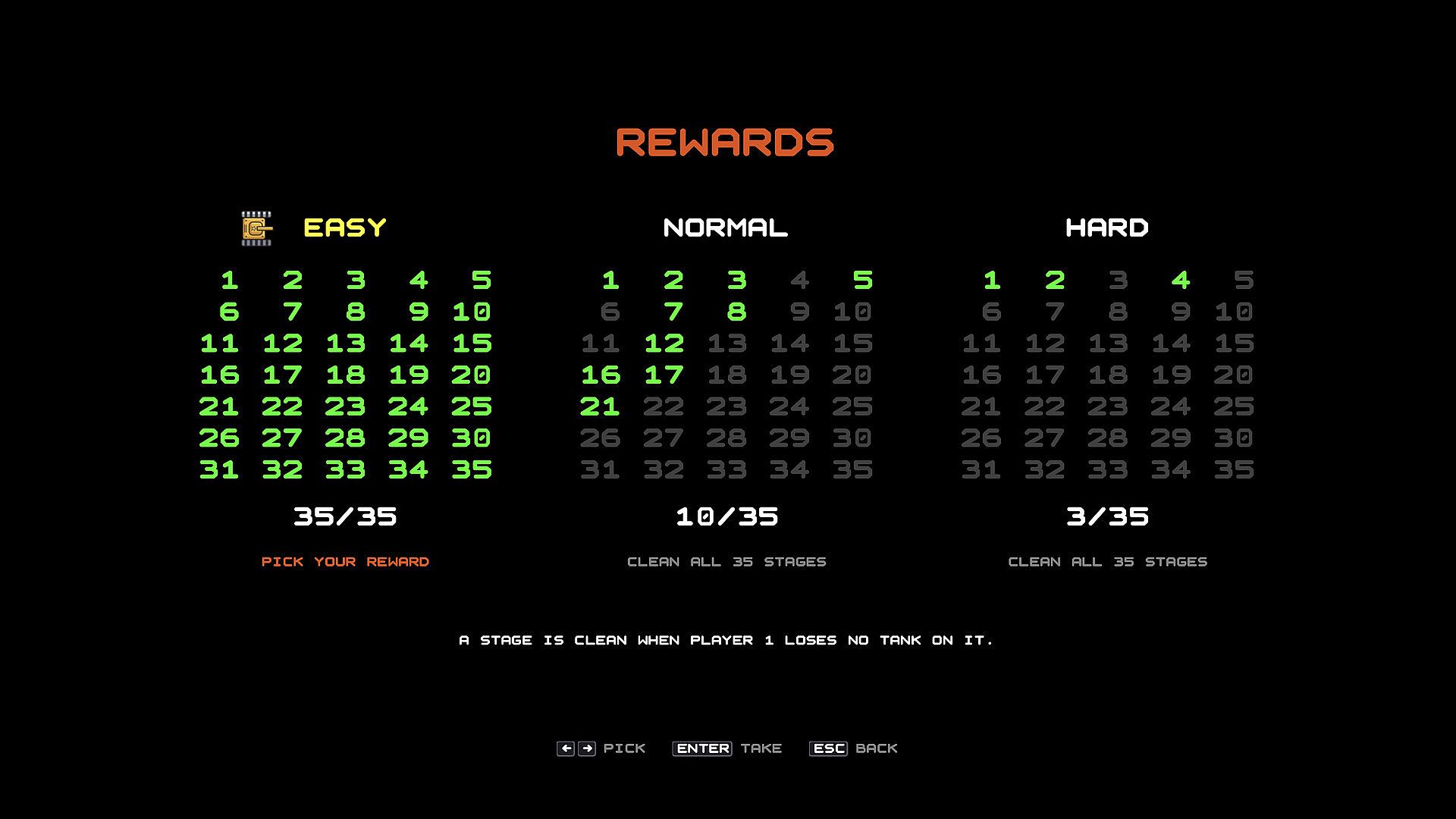
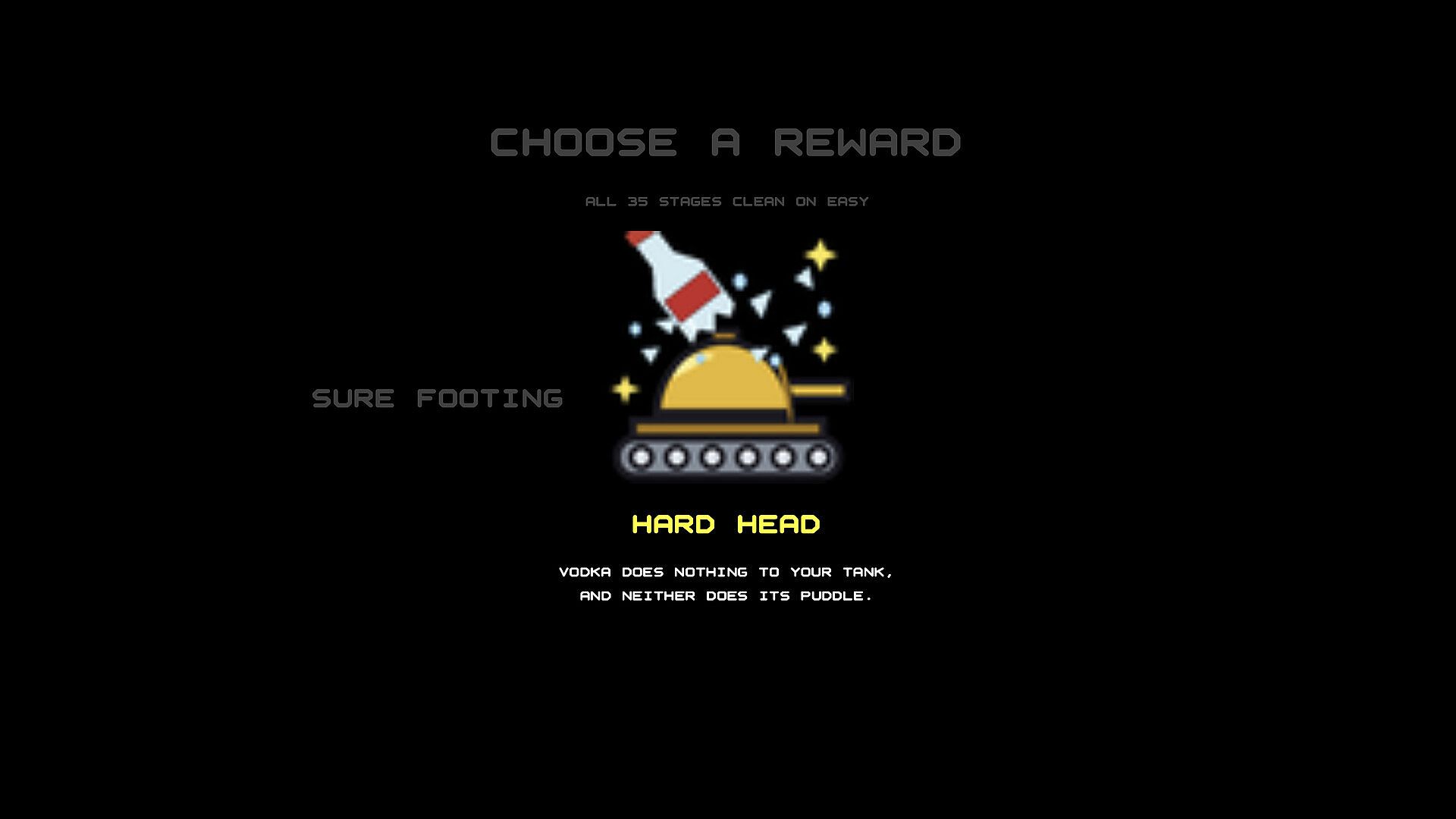
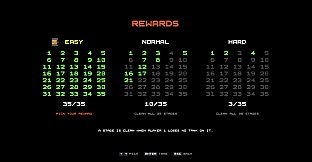
Rewards earned from clean stage clears persist across difficulties and can be toggled on or off. Examples include FIRE TRAIL, which leaves burning ground behind the tank for five seconds to damage enemies and alter terrain. Cards provide both helpful and hindering effects. Positive cards such as VEST, CAMERA, PICKAXE, LEVEL UP, BOMB, HEART, and WRENCH offer direct advantages, while red cards introduce complications like reversed controls, shrinking tanks, or summoning creatures that chew walls, steal cards, or turn enemies invisible. Enemies can also collect cards, increasing the challenge as rewards accumulate. Settings allow red cards to be disabled entirely.
Graphics toggle between chunky pixel art and a higher-detail HD mode that redraws assets with four times the resolution, adds a custom font, and enhances sound without interrupting music. In pixel mode, grass conceals units more effectively, while HD reveals hidden tanks and lets bombs clear grass for ten seconds. Controller support includes rumble on hits, color-coded DualSense lighting, and offline voice recognition for CALL commands in English, Russian, or Ukrainian when a DualSense is connected by cable. Local two-player co-op shares one screen, with separate lives and scores, using split keyboard input or two gamepads.
Game Modes
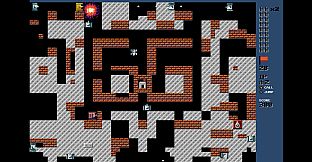
CLASSIC mode presents 35 fixed stages where enemies move randomly in the style of older 8-bit games. Every fifth stage arranges blocks into recognizable shapes or objects. Clearing all stages on one difficulty without losing a tank unlocks a choice between two permanent rewards that apply across difficulties. RANDOM mode generates larger fields spanning 50 by 36 tiles filled with 40 enemies arriving in two waves. Each run creates a fresh layout, and enemy AI grows more directed: some tanks prioritize the base while others maintain distance until the player has used CALL or JUMP. The expanded space supports bigger engagements and feels more comfortable for extended play sessions.
Three difficulty levels adjust enemy aggression and reward value. A leaderboard tracks three-letter initials, and progress saves allow continuation from the last completed stage. A 1,000-point bonus rewards any stage completed without taking damage. The game supports English, Russian, Ukrainian, and a humorous translation style reminiscent of early-2000s imported discs.
Features and Presentation
The title includes four enemy types, six rewards split between difficulties, and full local co-op on one screen. Gamepad support covers DualSense and Xbox controllers with rumble feedback. An old tube TV startup and shutdown animation frames each session. Credits acknowledge free assets and libraries used for sounds, voices, fonts, and code foundations.
Stages emphasize resource management through cards and abilities rather than pure reflexes. The dual graphics modes let players switch between nostalgic pixel constraints and clearer visuals that expose more tactical information, such as grass concealment. RANDOM campaigns ensure replayability through procedural generation, while CLASSIC offers structured progression with milestone rewards.
Is It Worth Playing?
Tanks 2026 suits players who enjoy methodical top-down action with retro roots and light strategic depth. The combination of fixed stages and procedurally generated runs provides variety without overwhelming complexity. Local co-op adds a social layer for shared sessions on one PC. Those drawn to 8-bit aesthetics, card-based power systems, and base-defense loops will find the mechanics rewarding, especially when experimenting with togglable rewards and enemy card interactions. The game runs on modest hardware and emphasizes offline play with optional controller features. Its focused scope and persistent progression make it a solid choice for short or repeated sessions rather than long campaigns.