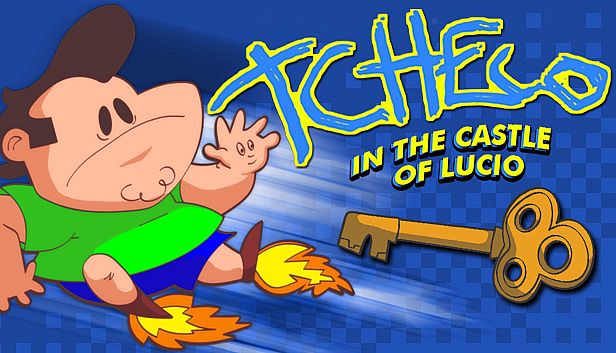











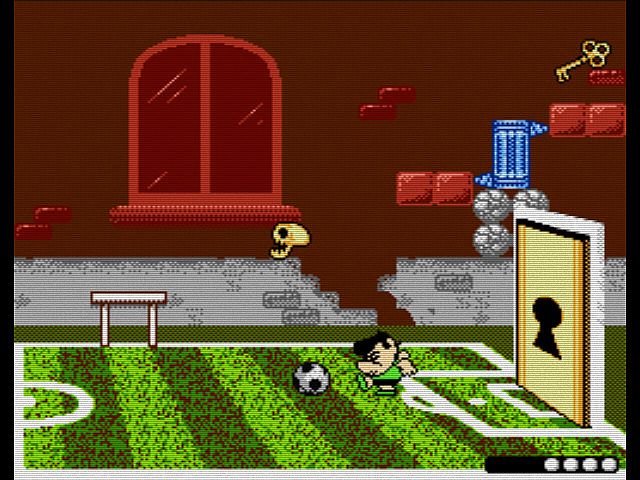
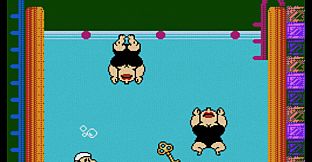
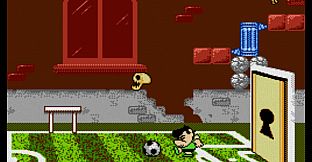
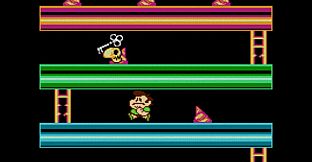
Tcheco in the Castle of Lucio is a 2D action platformer developed as an indie title for PC. Players control Tcheco the Adventure Boy as he attempts to escape a mysterious castle filled with deadly creatures. The game emphasizes quick reactions and precise movement through a series of connected rooms.
Gameplay
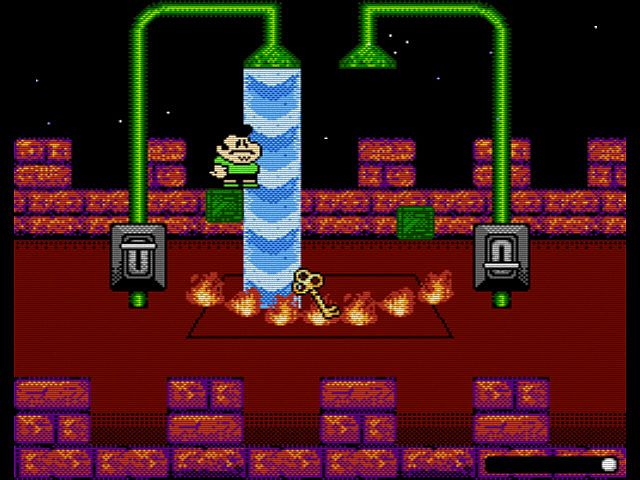
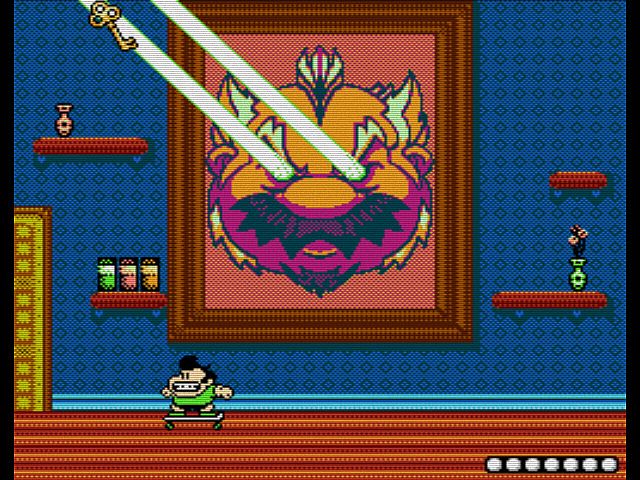
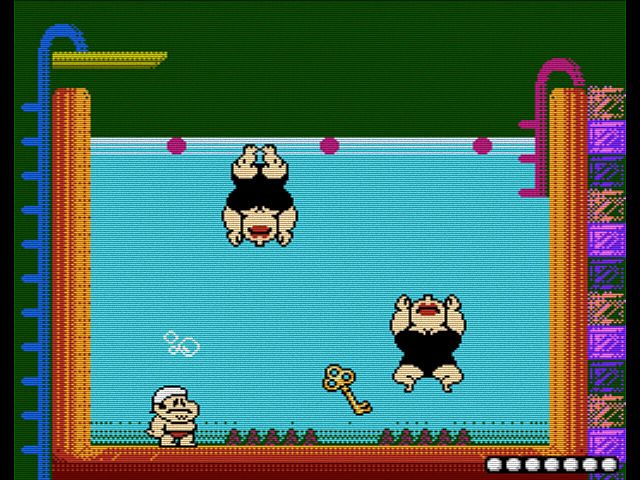
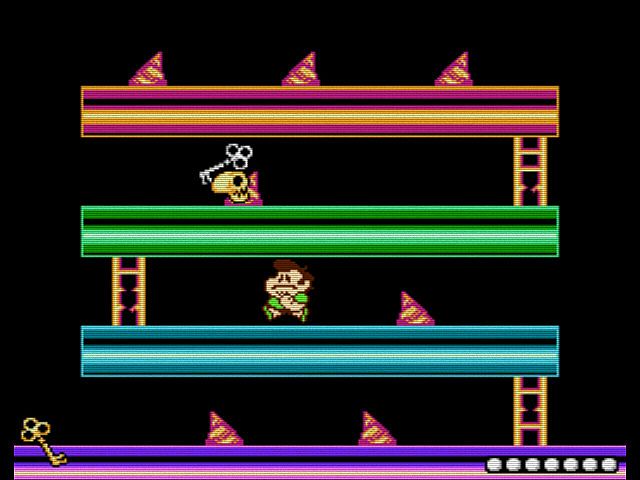
The core loop centers on navigating 65 rooms of increasing difficulty. Each room presents platforming challenges where players must jump across gaps, avoid hazards, and dodge enemies. Contact with any obstacle or creature results in the loss of a life, requiring careful timing and positioning to progress.
Controls remain straightforward with movement, jumping, and basic actions mapped to keyboard or compatible Xbox gamepad inputs. The design rewards memorization of room layouts and enemy patterns rather than complex combos or upgrades. Progression feels linear yet demanding as later rooms introduce tighter timing windows and more obstacles.
Retro-inspired mechanics keep the focus on fundamentals. Players learn through repeated attempts, adjusting routes on each run to reach the exit of every room. The experience stays single-player throughout with no additional systems layered on top of the basic platforming.
Game Modes
Two distinct modes alter the challenge level. Classic mode limits players to a small number of lives for the entire set of 65 rooms, encouraging careful play and route optimization to reach the end without running out.
Try Harder mode increases the overall difficulty, likely by adjusting enemy behavior or adding stricter conditions while retaining the same room structure. Both modes share the same core platforming rules and visual presentation.
No other modes exist beyond these two options. The structure supports repeated playthroughs as players refine their approach to each room.
Visuals, Audio, and Design
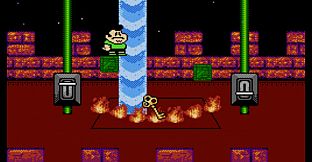
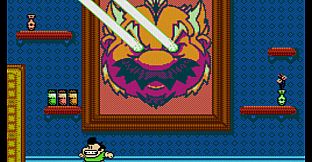
Graphics and sound draw directly from 8-bit aesthetics with pixel art and chiptune-style audio. The castle environments vary in layout across the rooms while maintaining a consistent retro look. Humor appears through absurd enemy designs and situations that fit the nonsense tone described in the game's premise.
Sound effects reinforce the fast-paced action without overwhelming the simple audio palette. The overall presentation targets fans of classic Famicom and NES platformers through its limited color palette and straightforward animations.
Is It Worth Playing?
Player reception on major platforms shows strong approval, with 90 percent positive ratings from hundreds of reviews. The game appeals most to those who enjoy short, challenging sessions focused on precision platforming and pattern recognition.
Its simple controls and lack of complex systems make it accessible for newcomers to retro-style games, while the progressive difficulty provides a solid test for experienced players. The title remains available on PC with support for both keyboard and gamepad input.
Those seeking a pure, no-frills 2D platforming challenge with retro visuals will find consistent value in its 65-room structure. The two modes offer replayability without requiring additional purchases or ongoing updates.