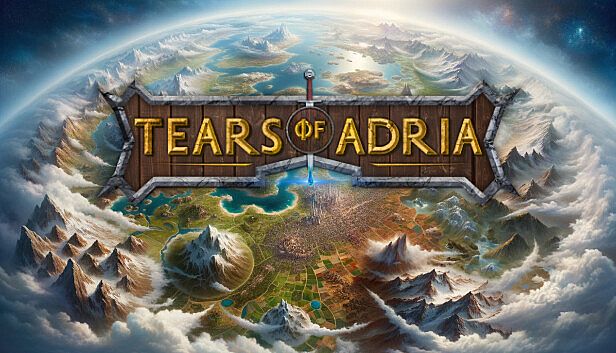



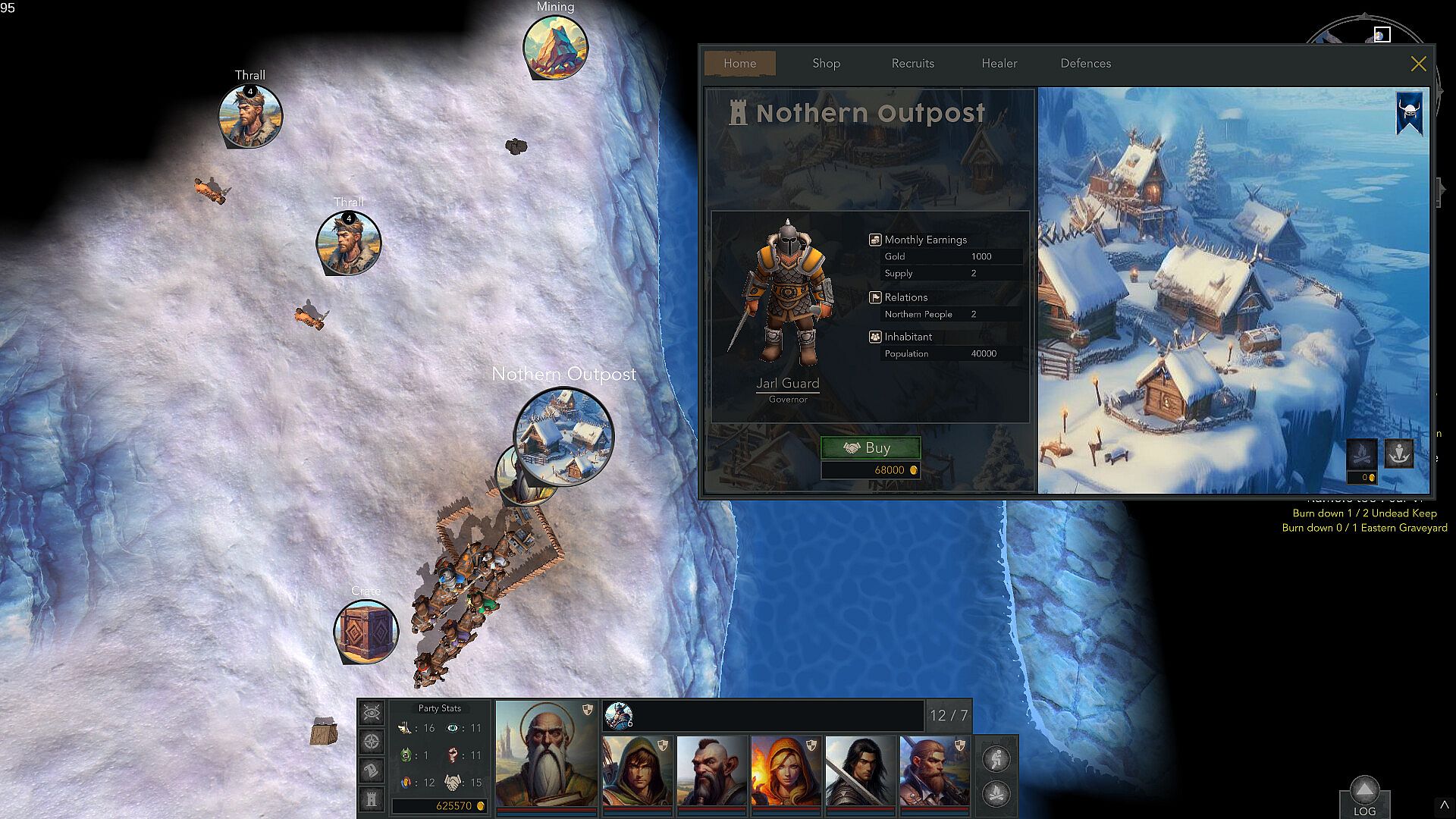
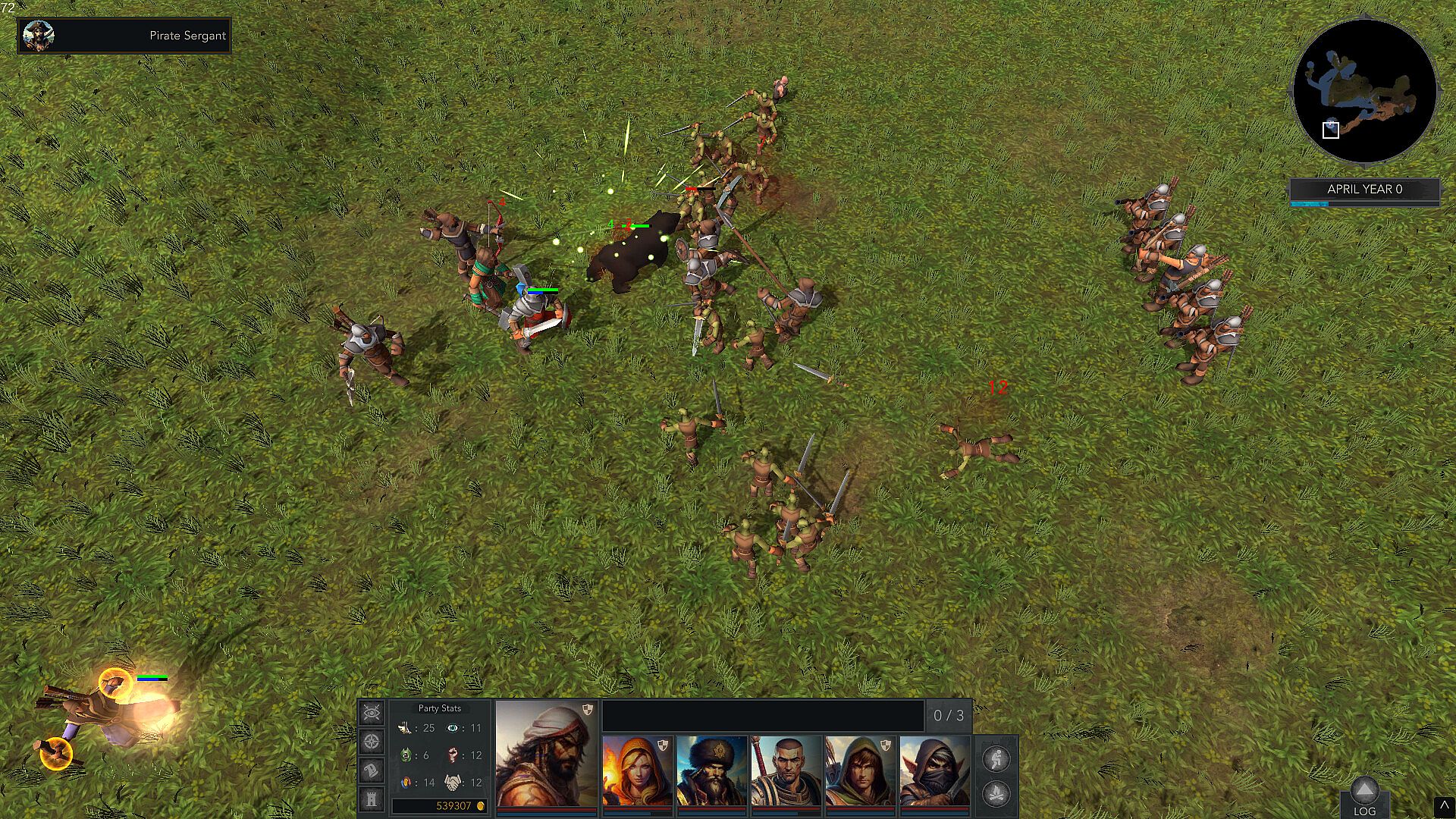
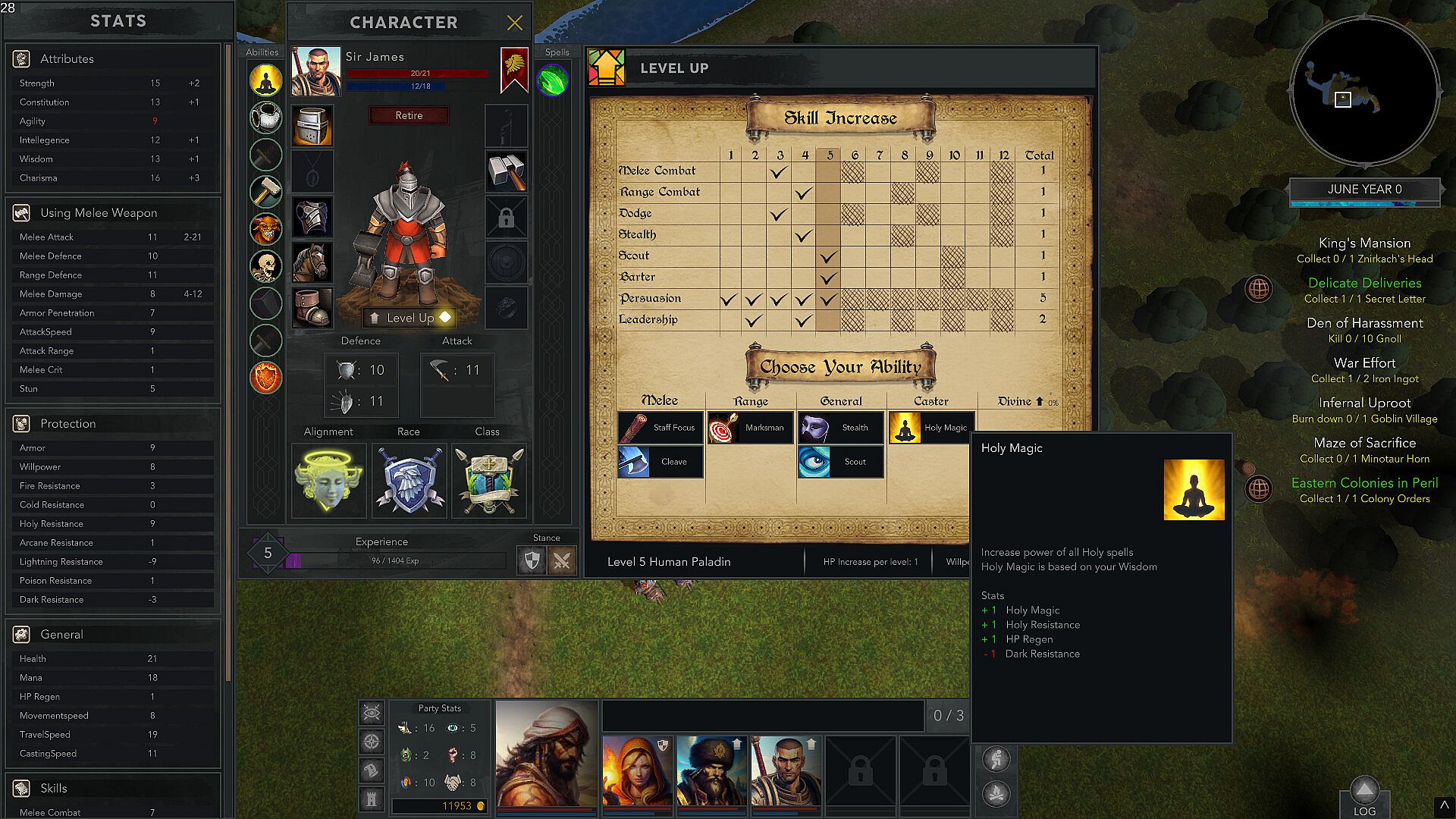
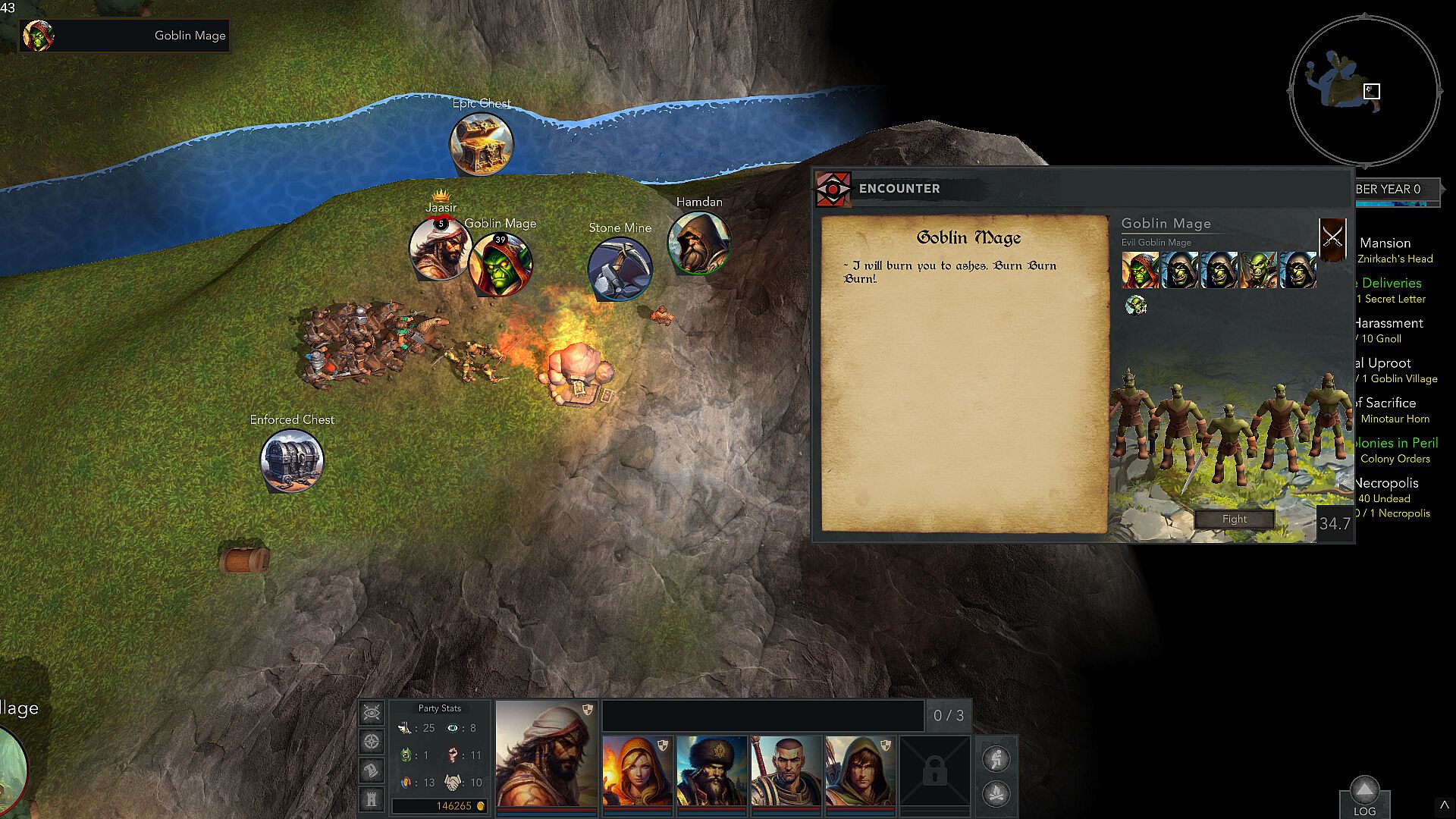
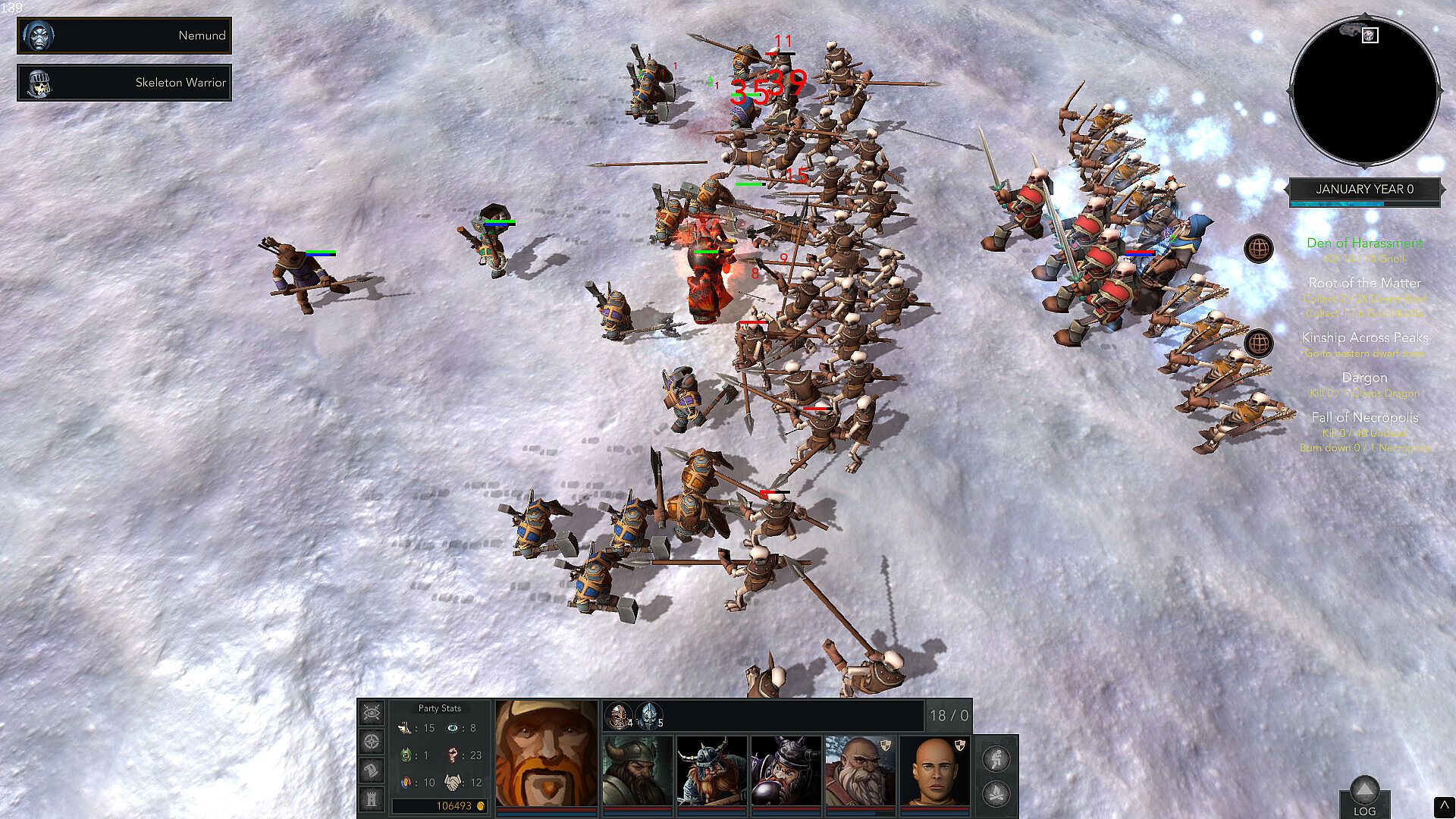
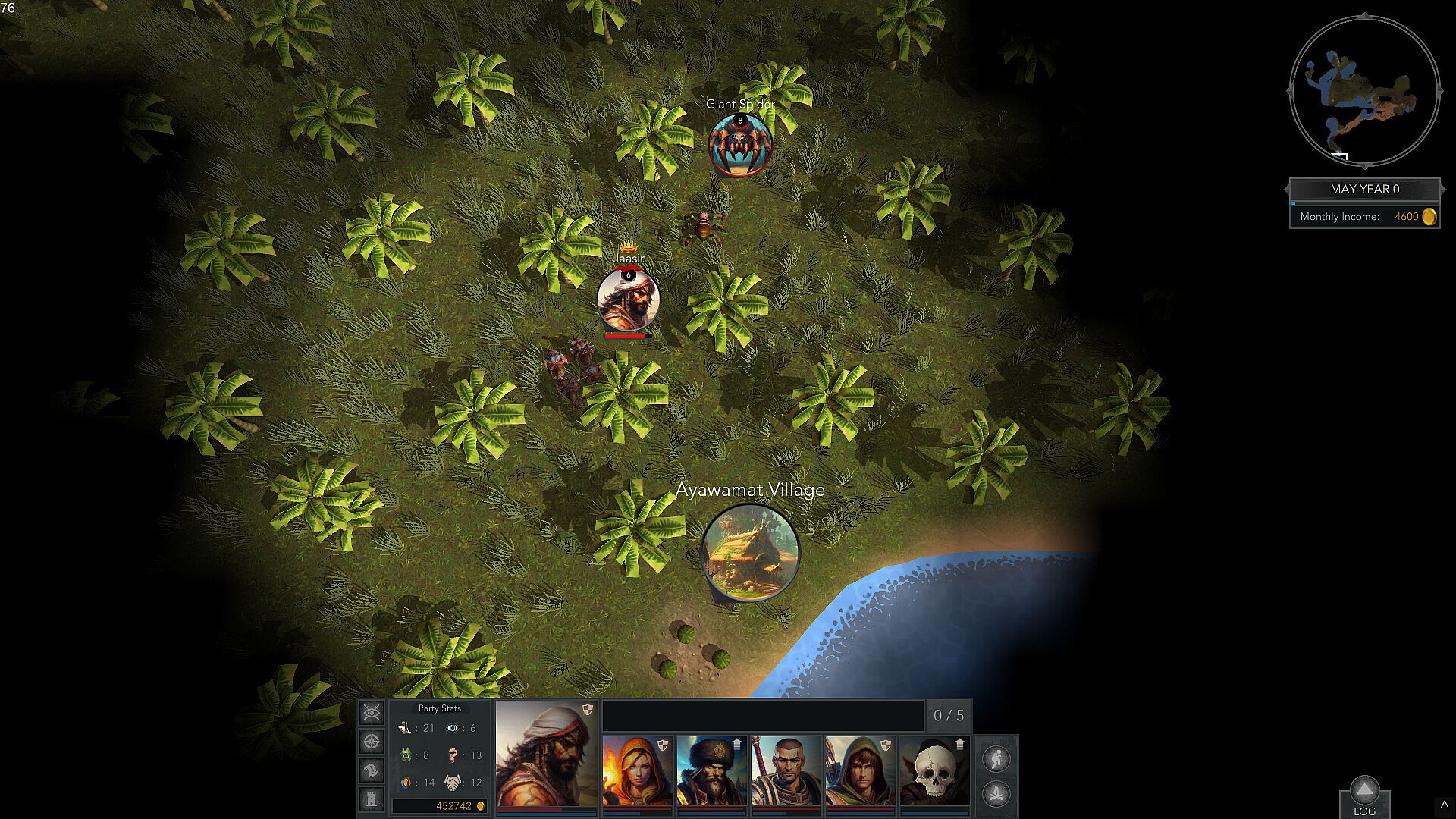
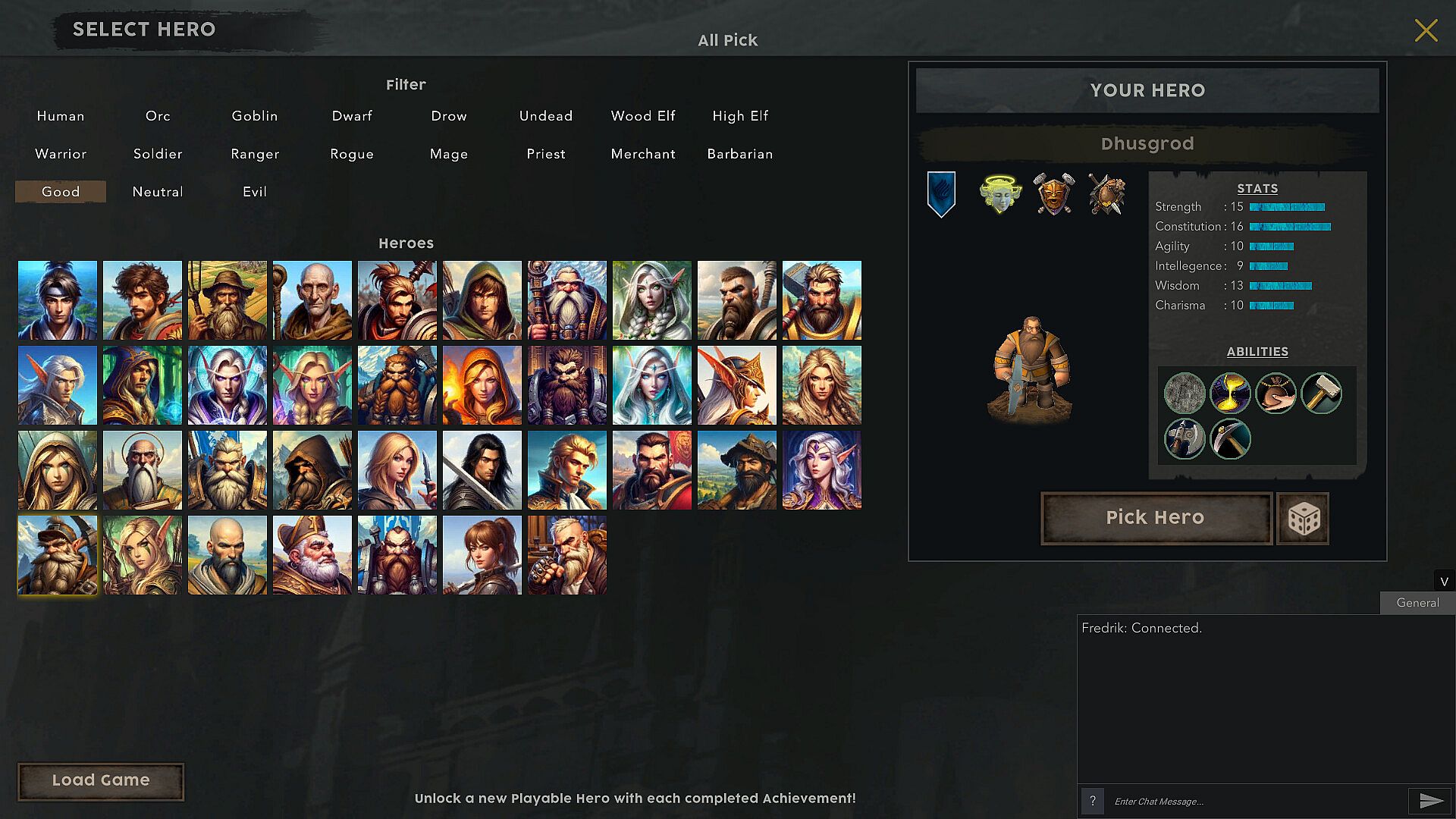
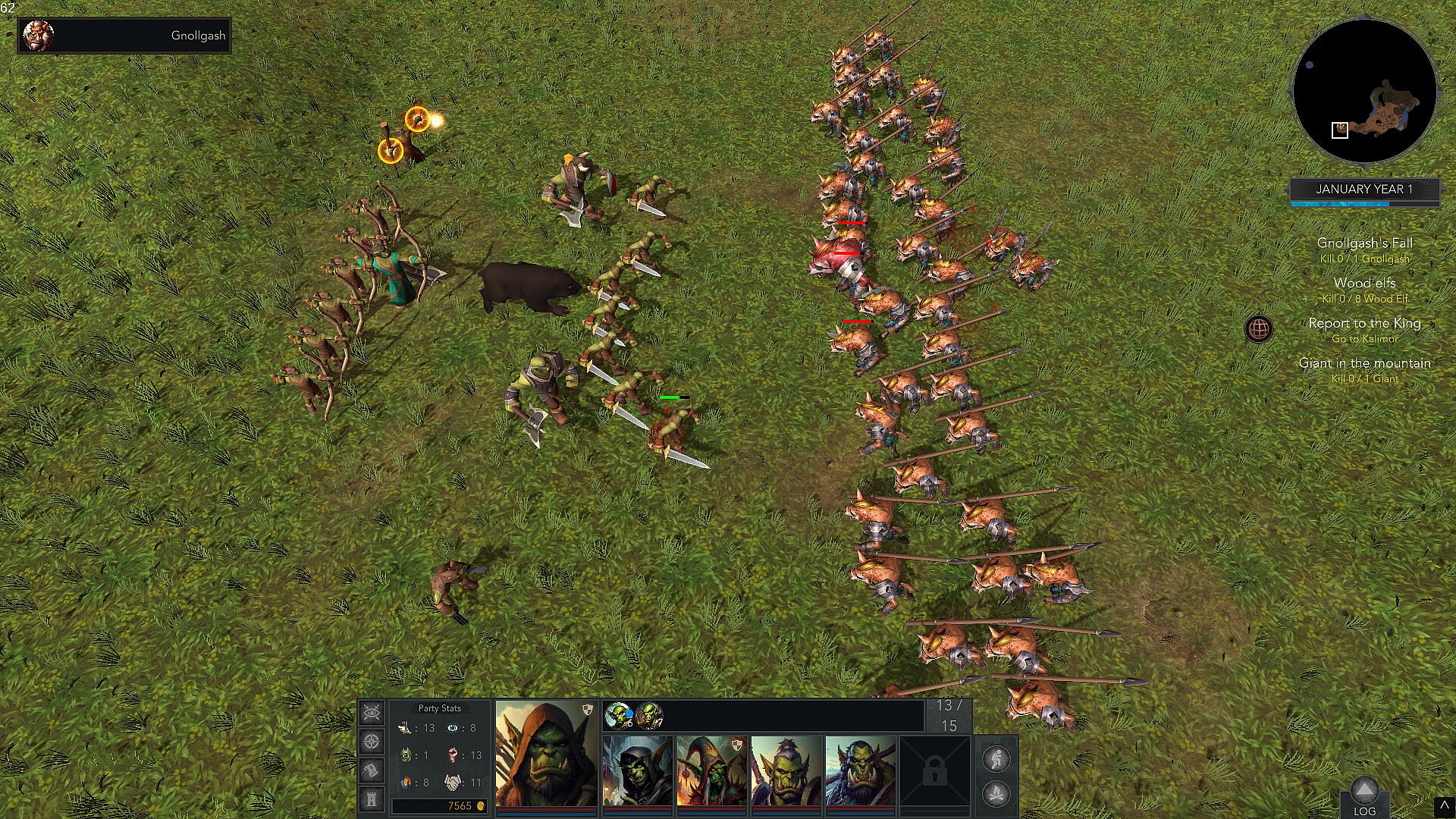
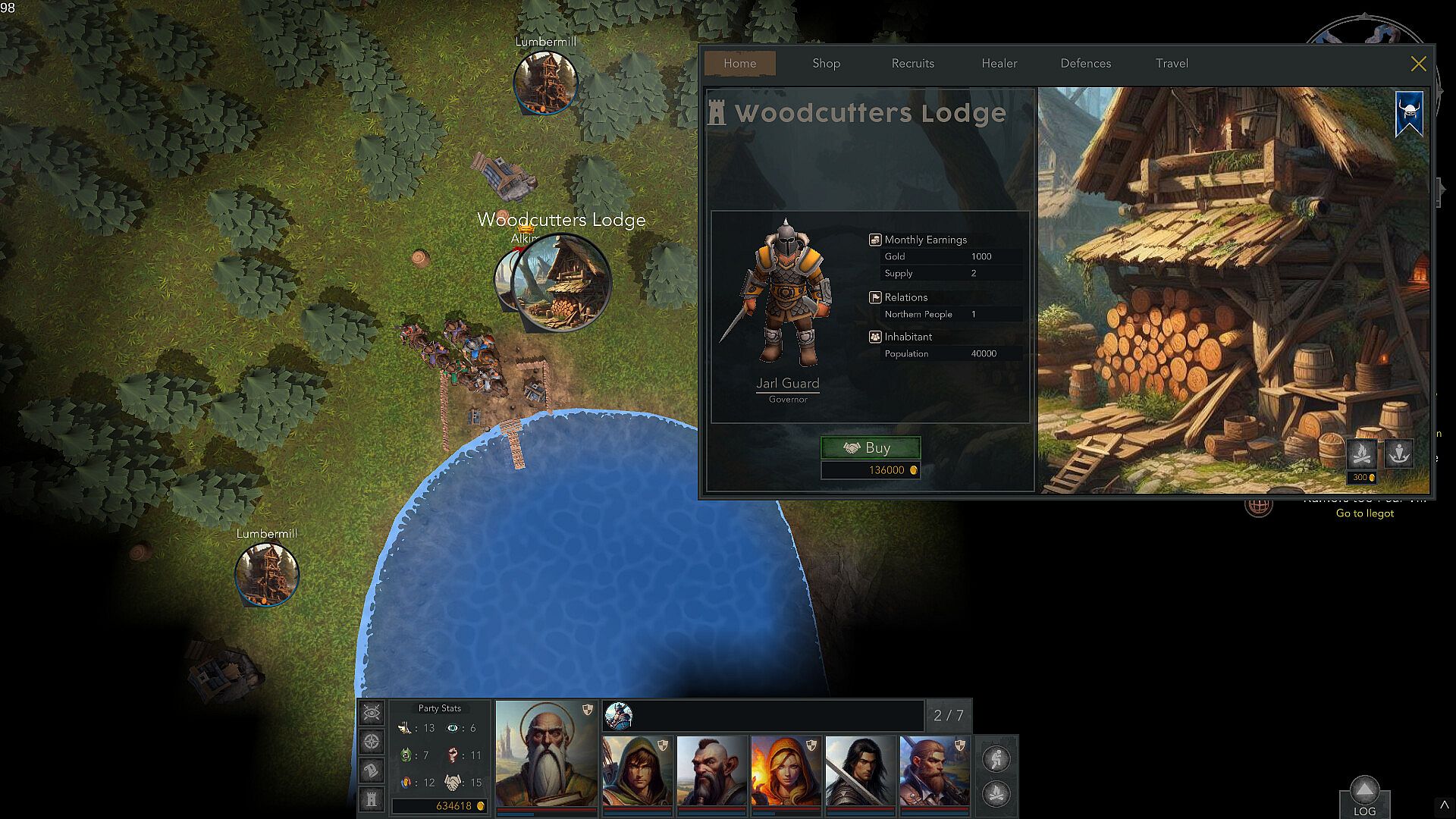
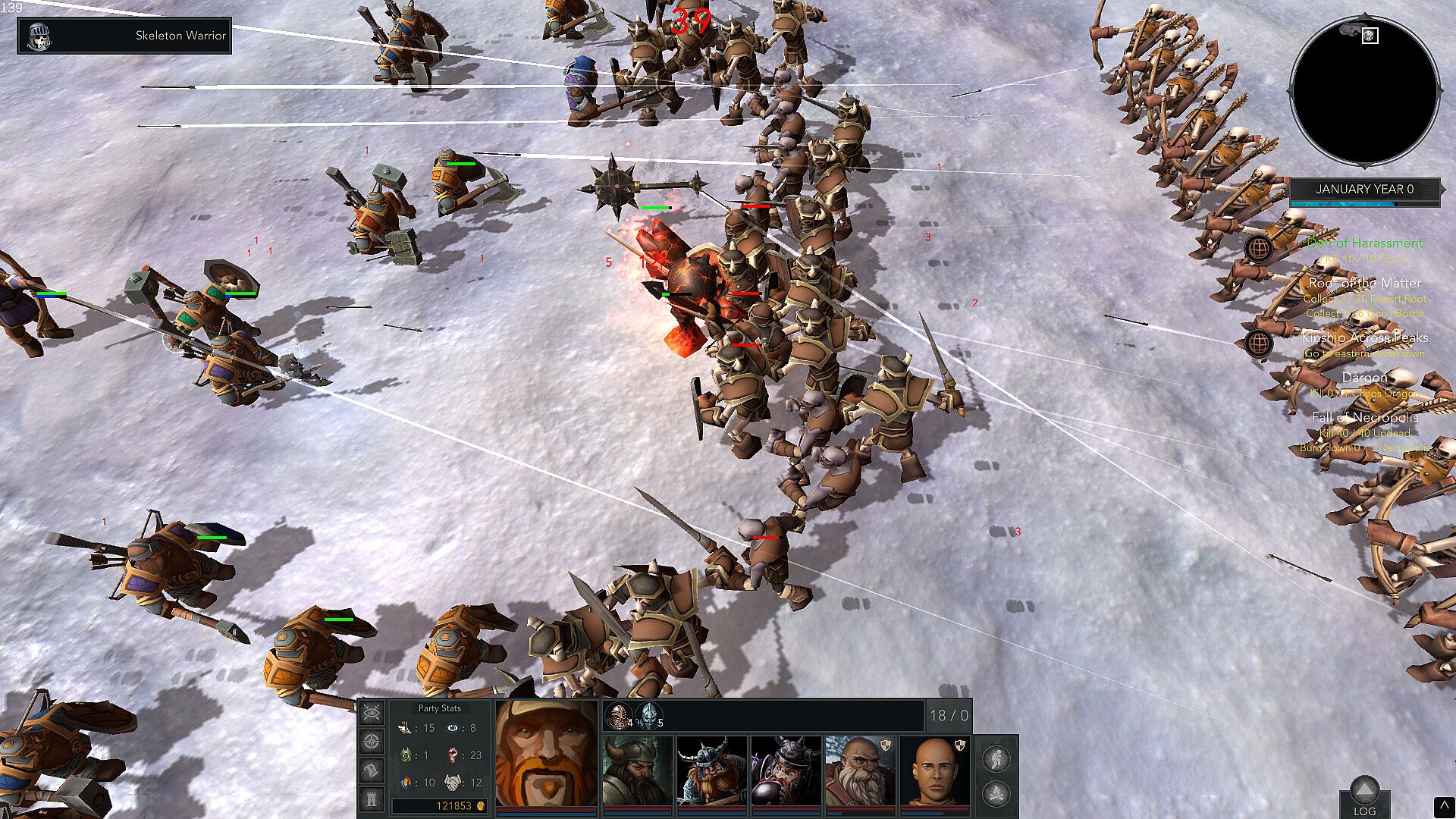
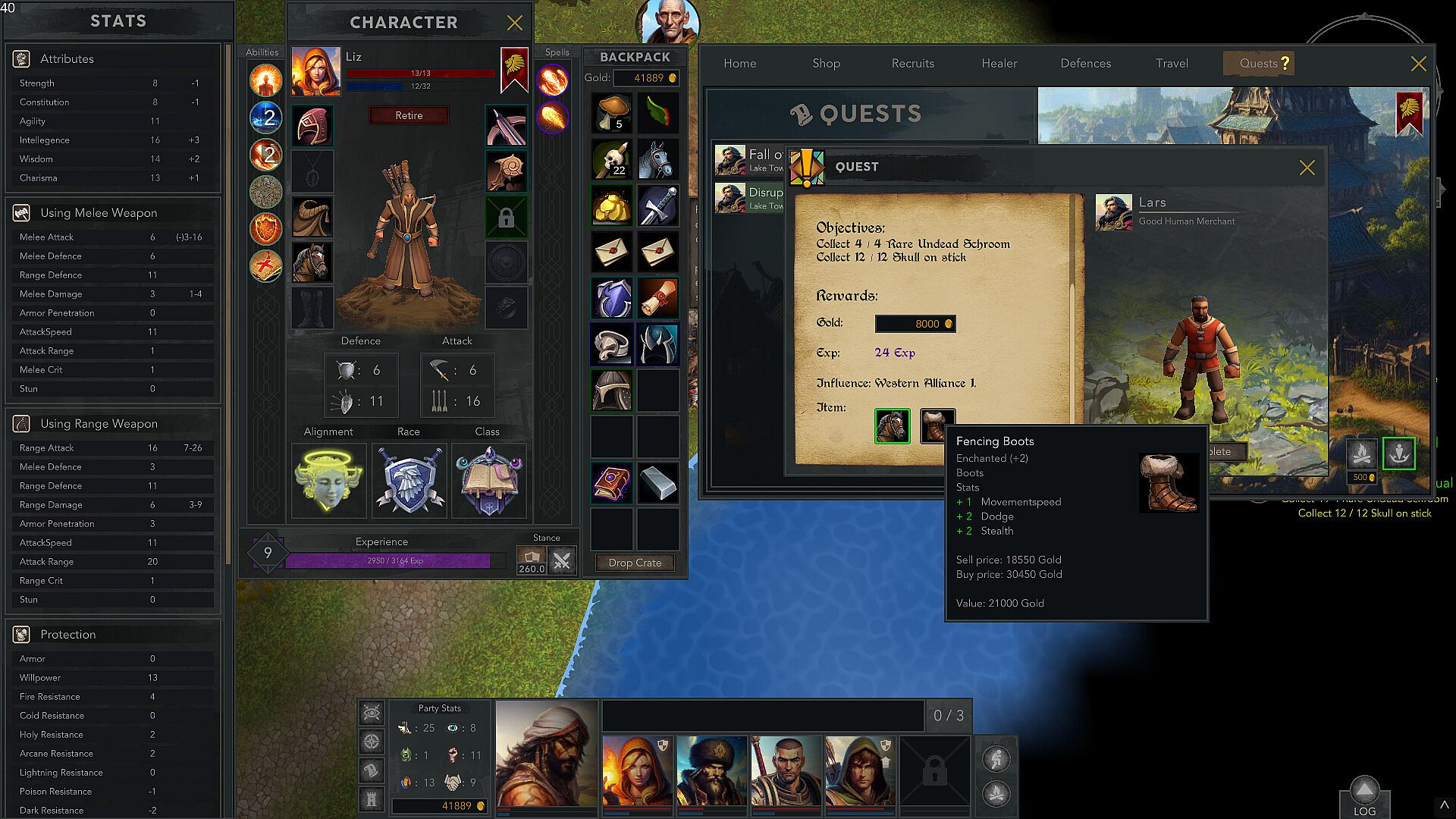
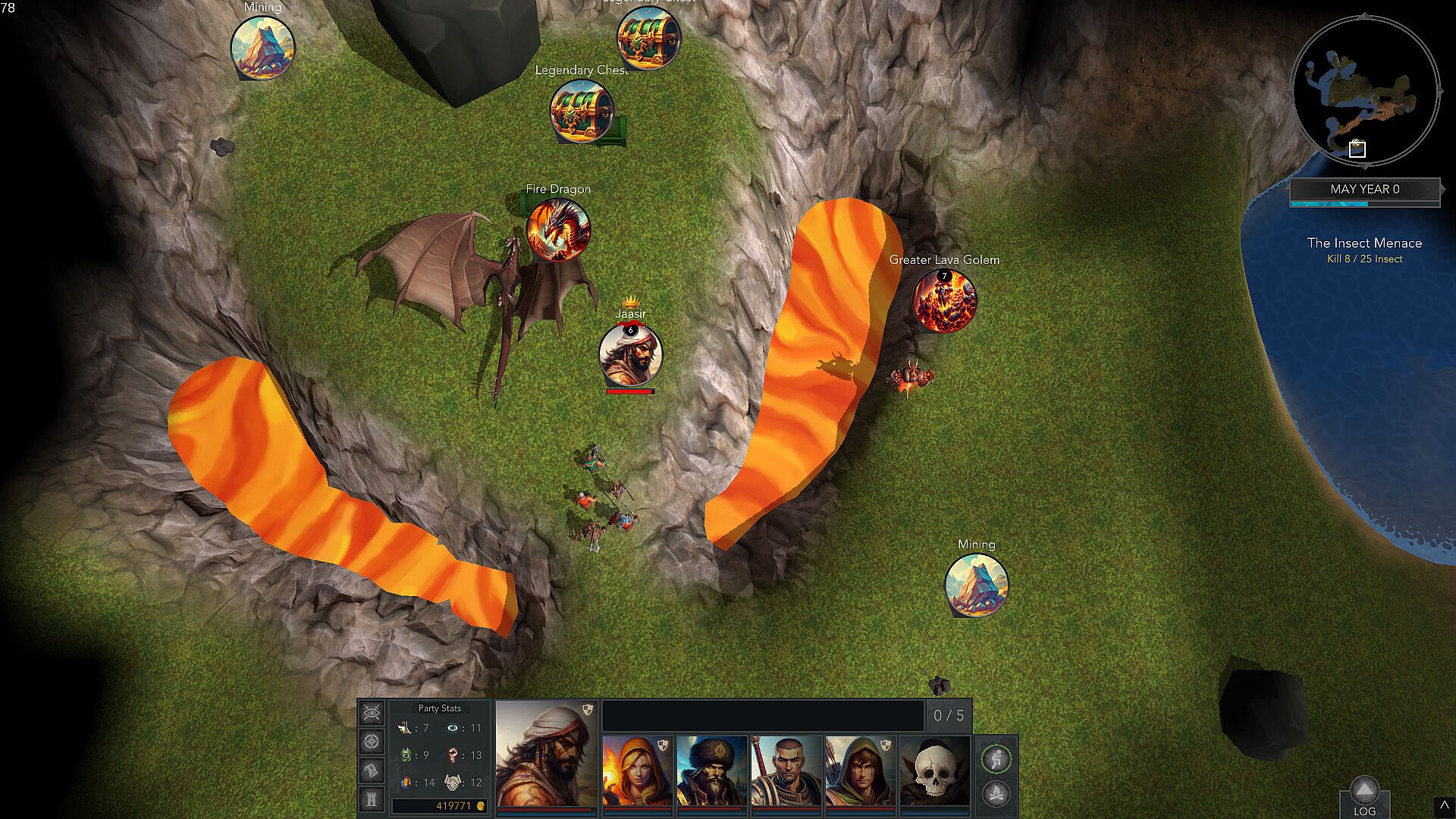
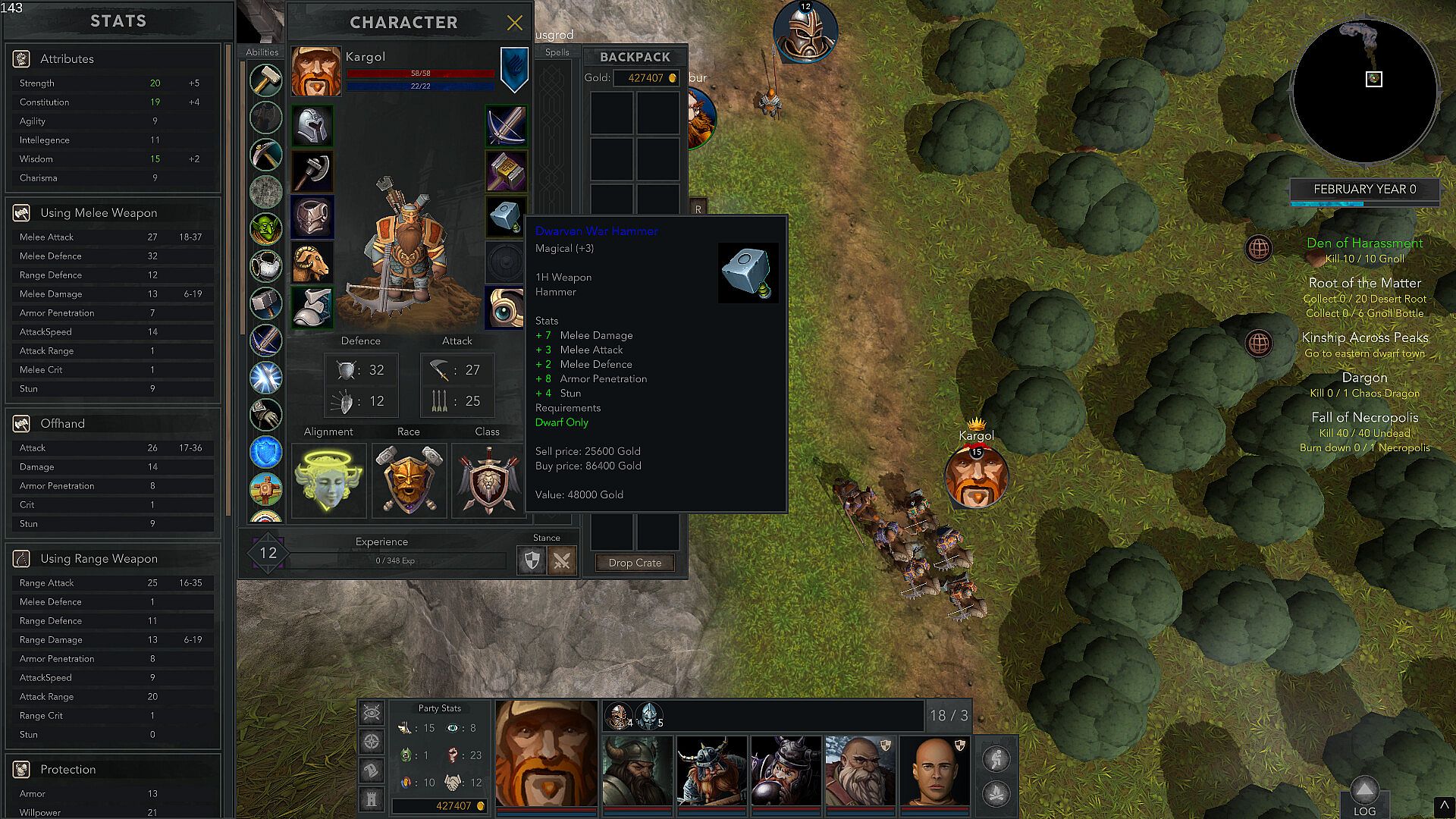
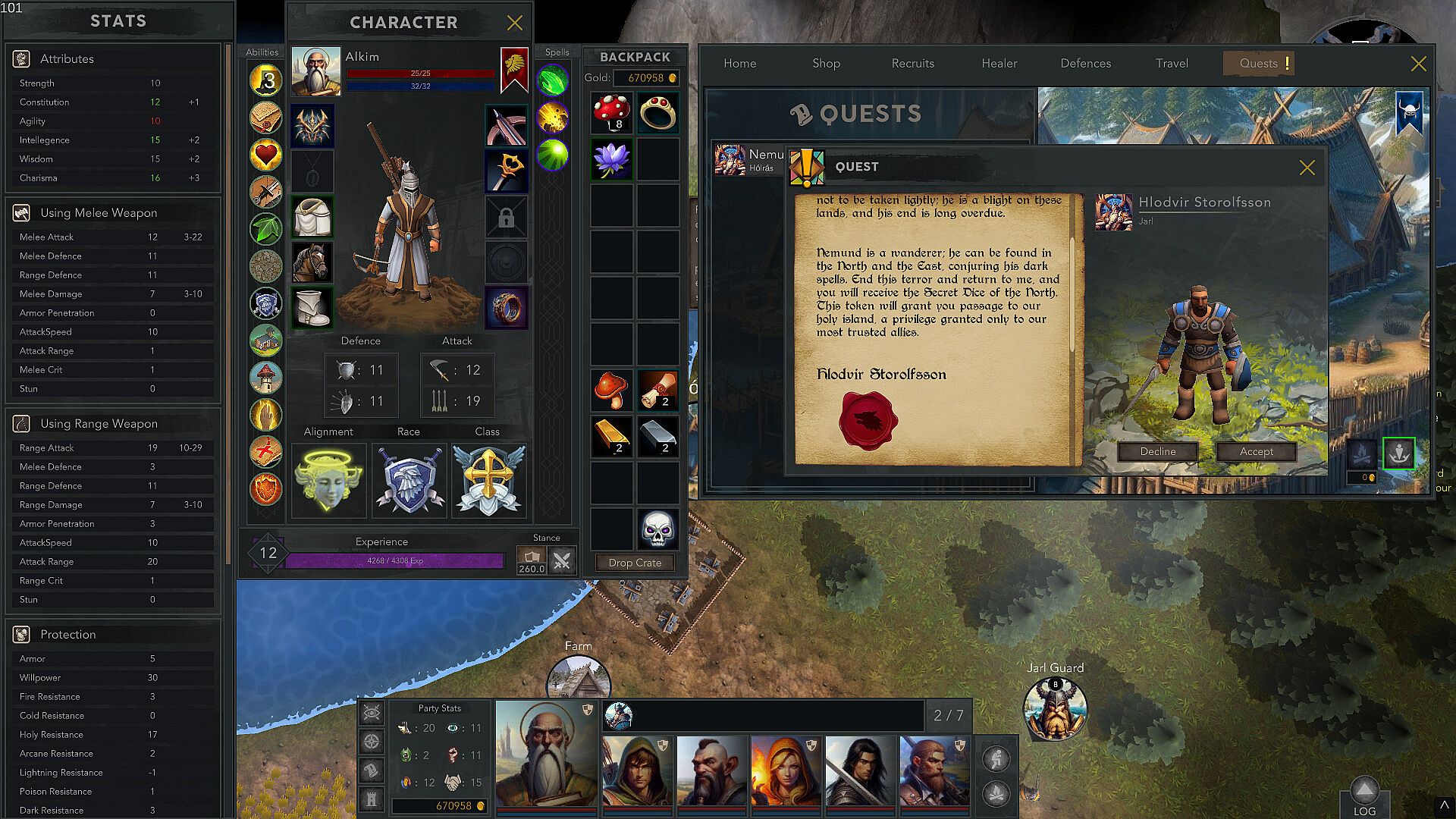
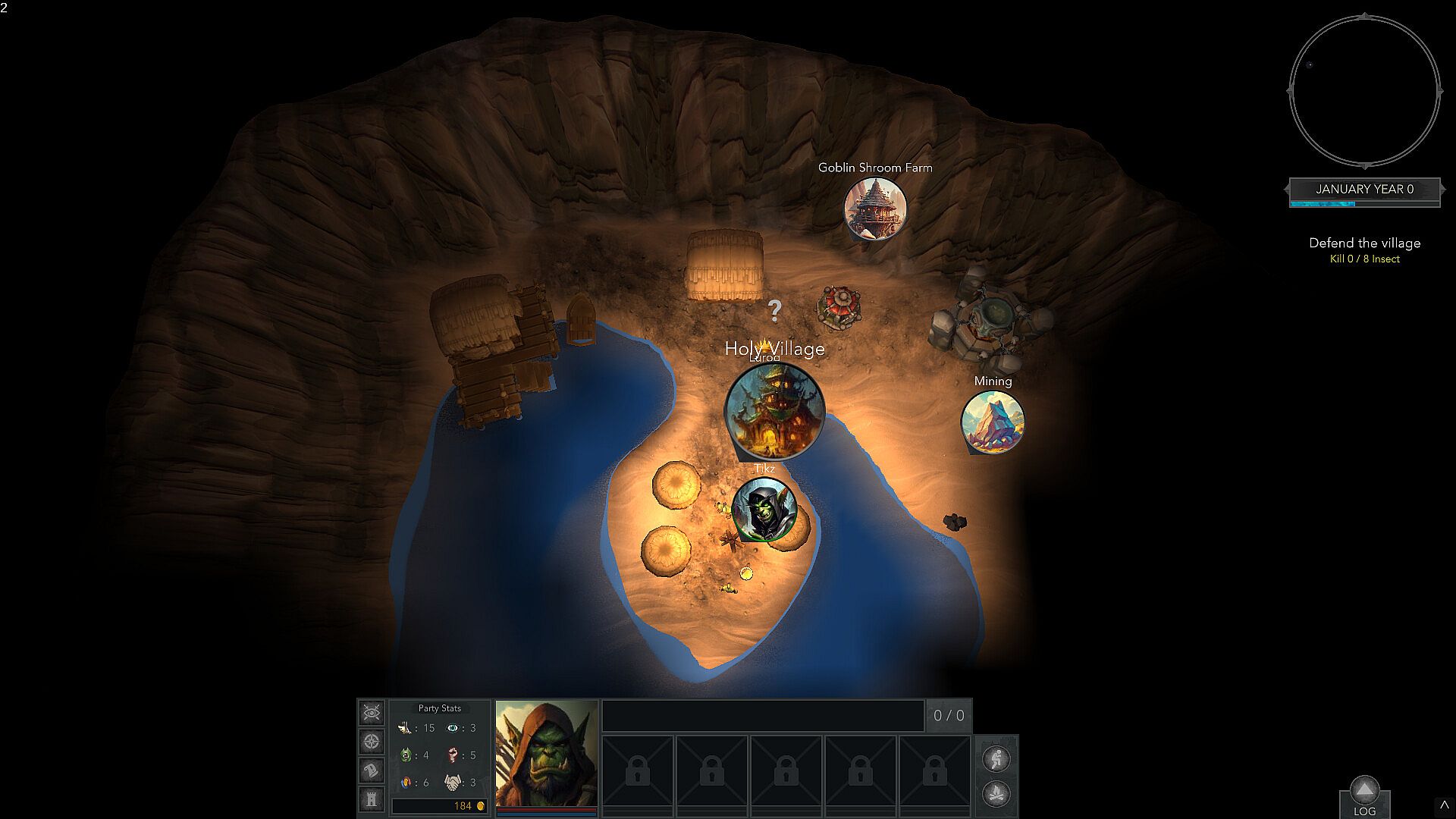
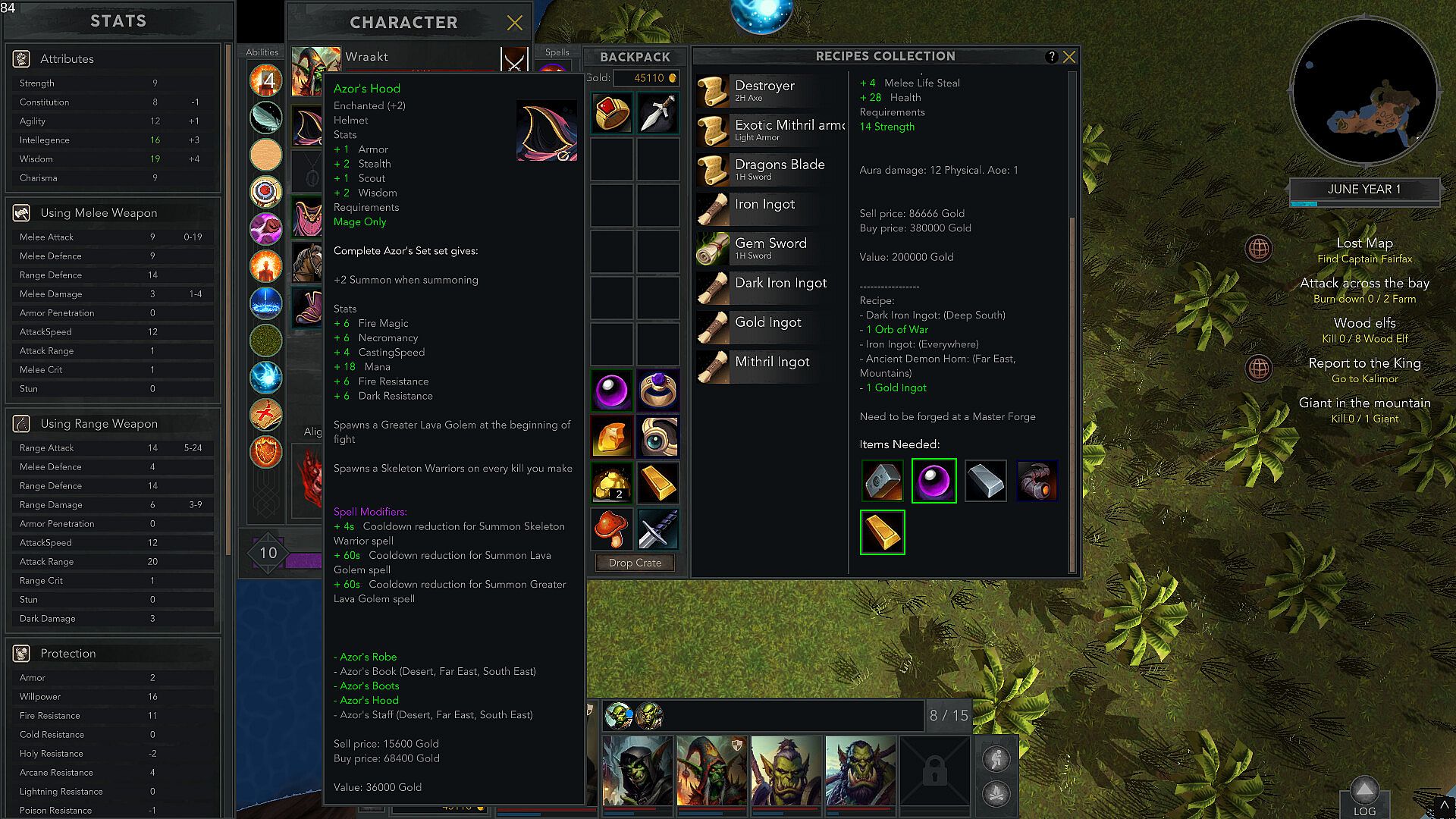
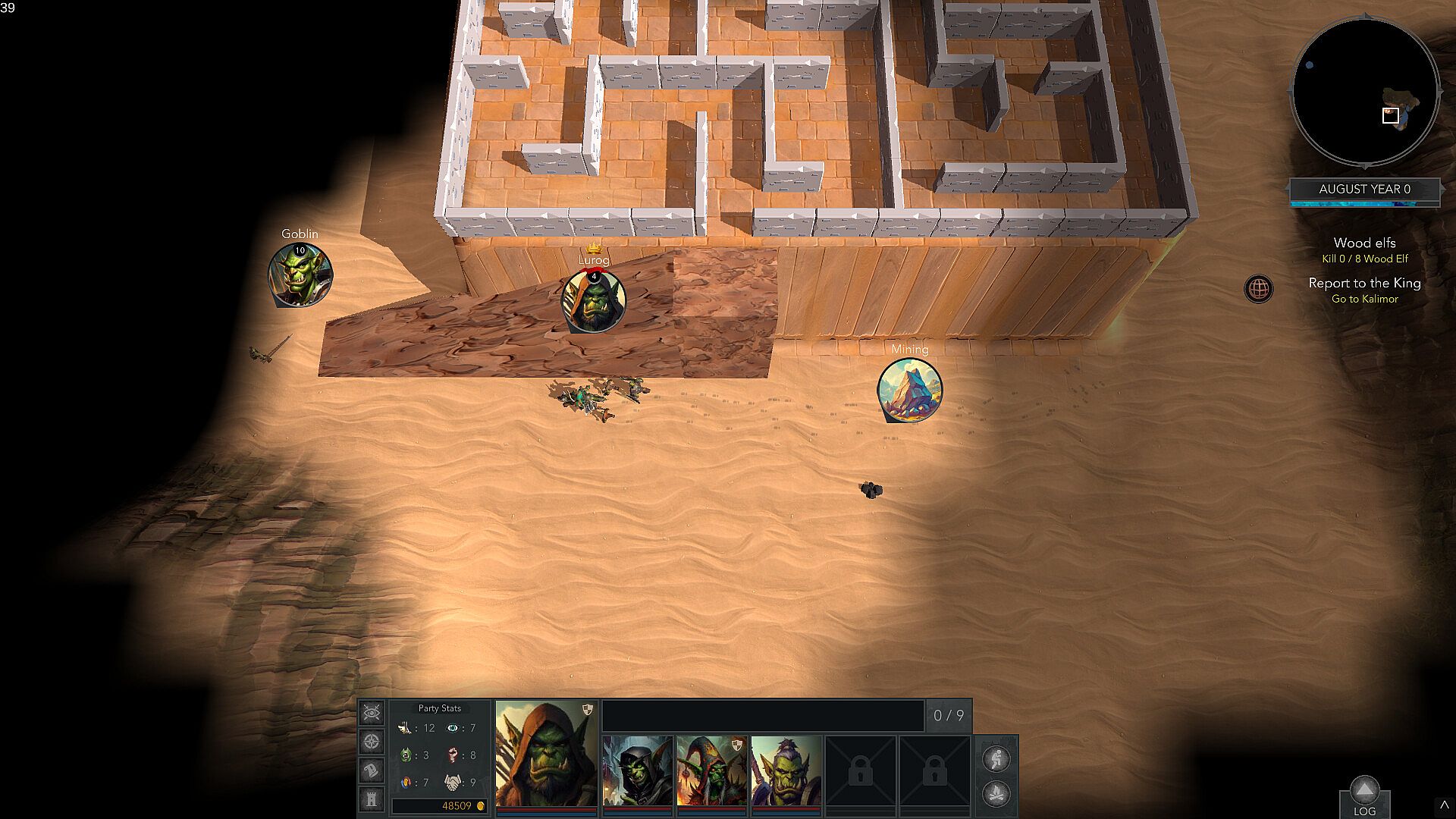
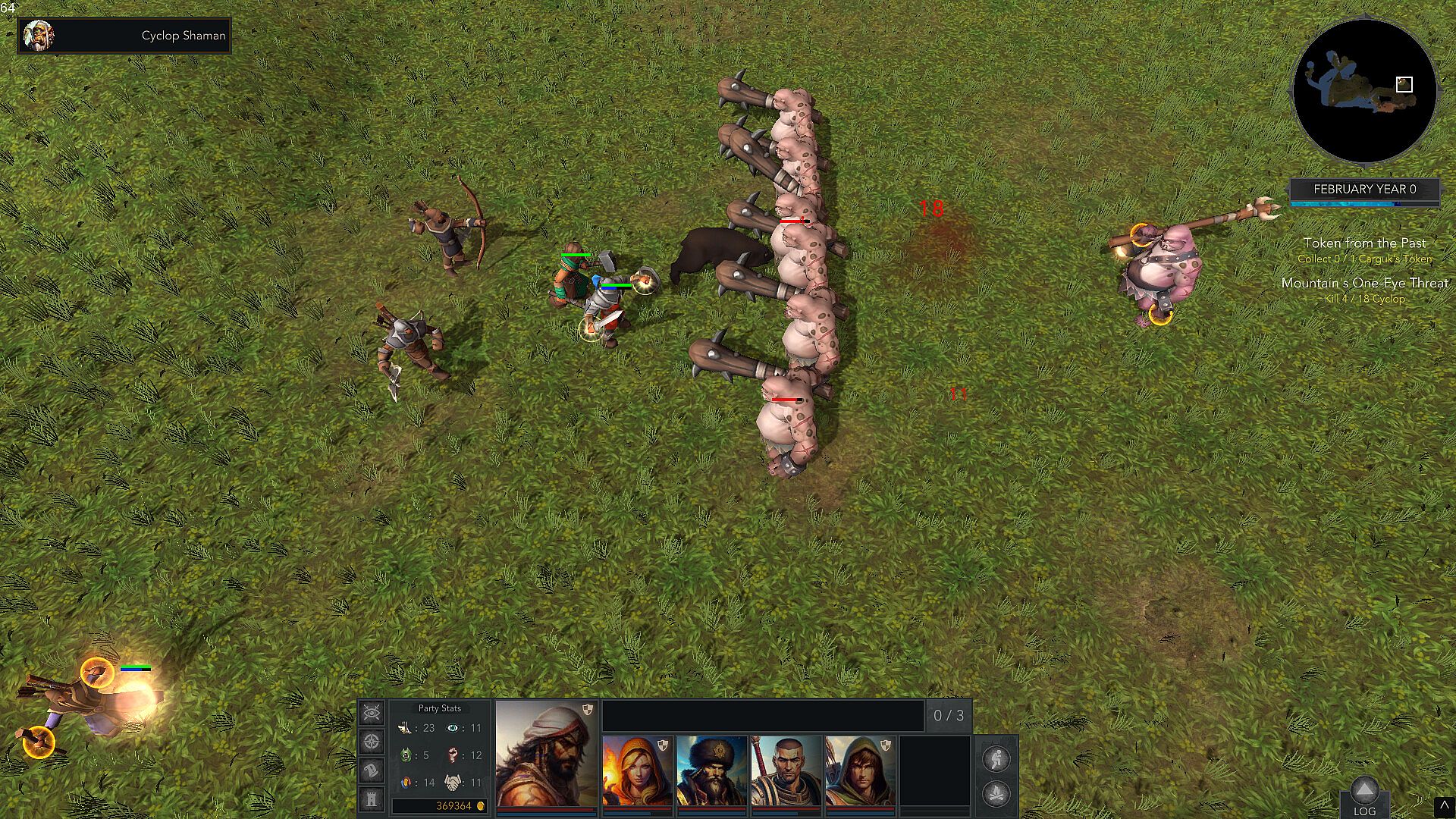
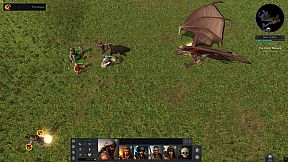
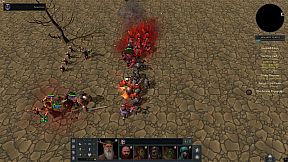
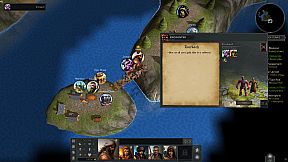
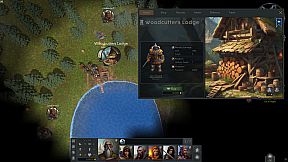
Tears of Adria stands out as a roguelite map explorer game blending action, strategy, indie RPG, and adventure elements on PC. Players dive into a fantasy world where building and managing a party of heroes drives the core experience, with auto-battle combat adding layers of tactical depth. Drawing from classics like King's Bounty and Heroes of Might and Magic, it emphasizes randomized progression and replayability, making each run feel distinct.
Gameplay
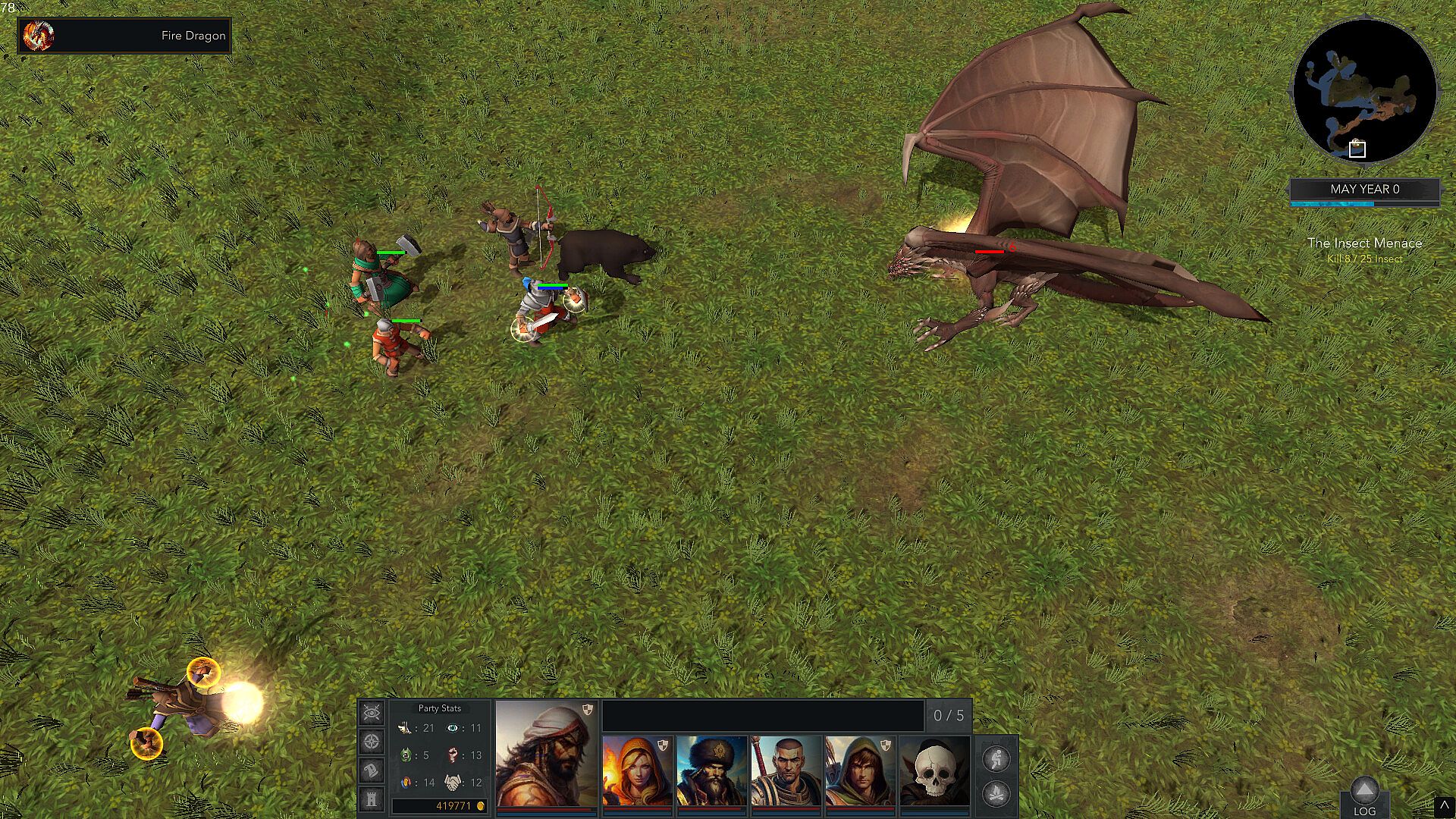
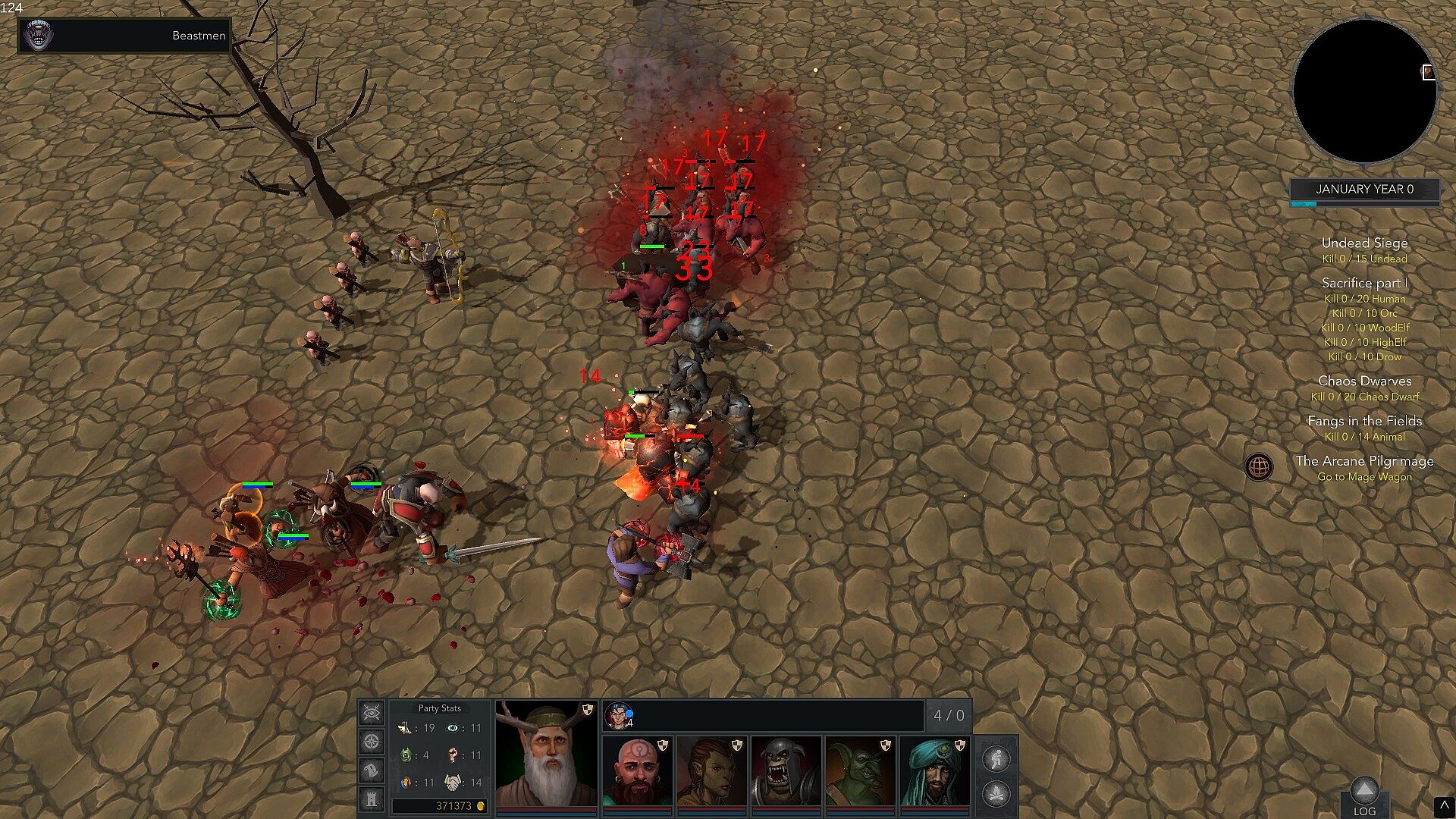
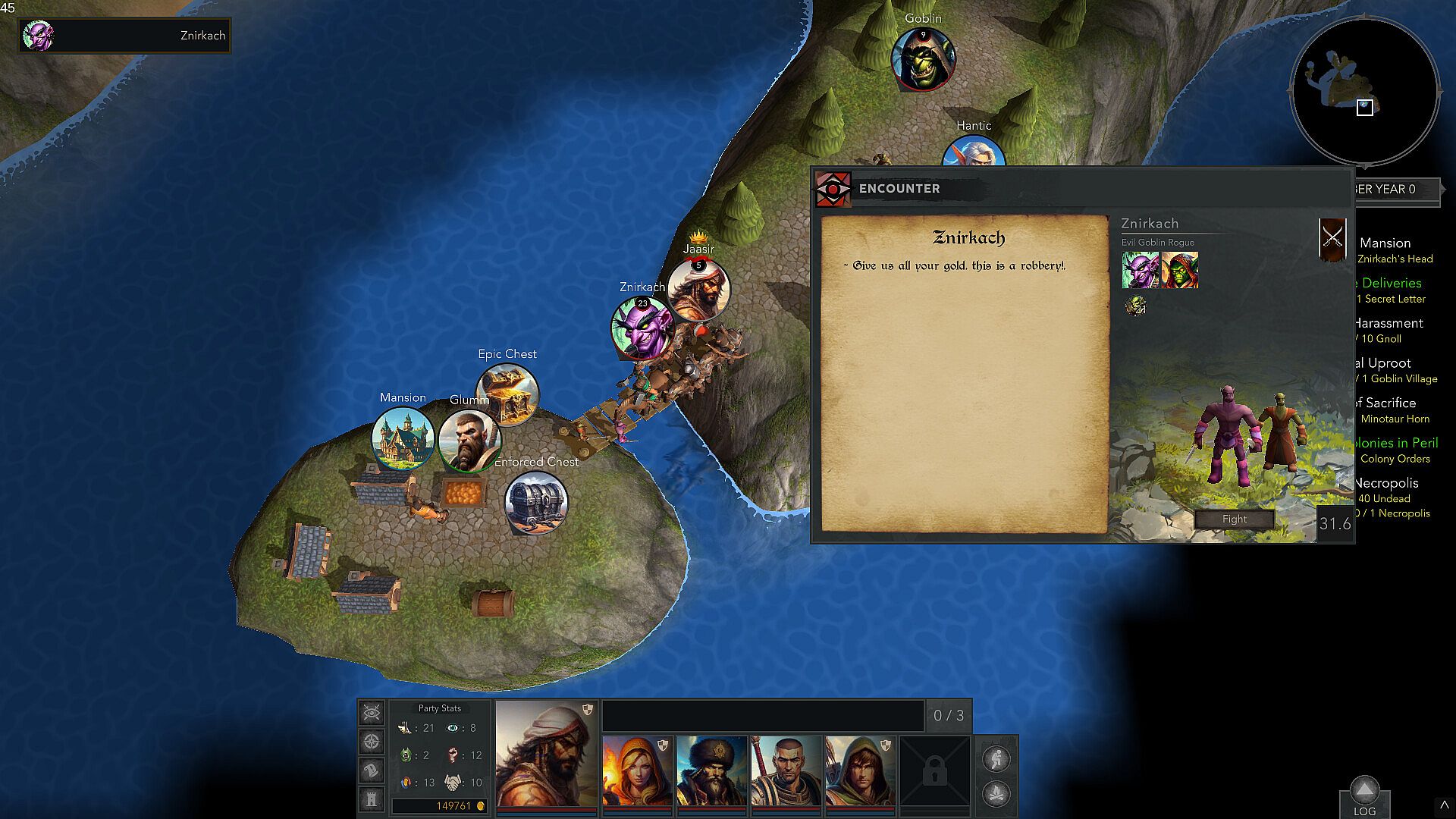
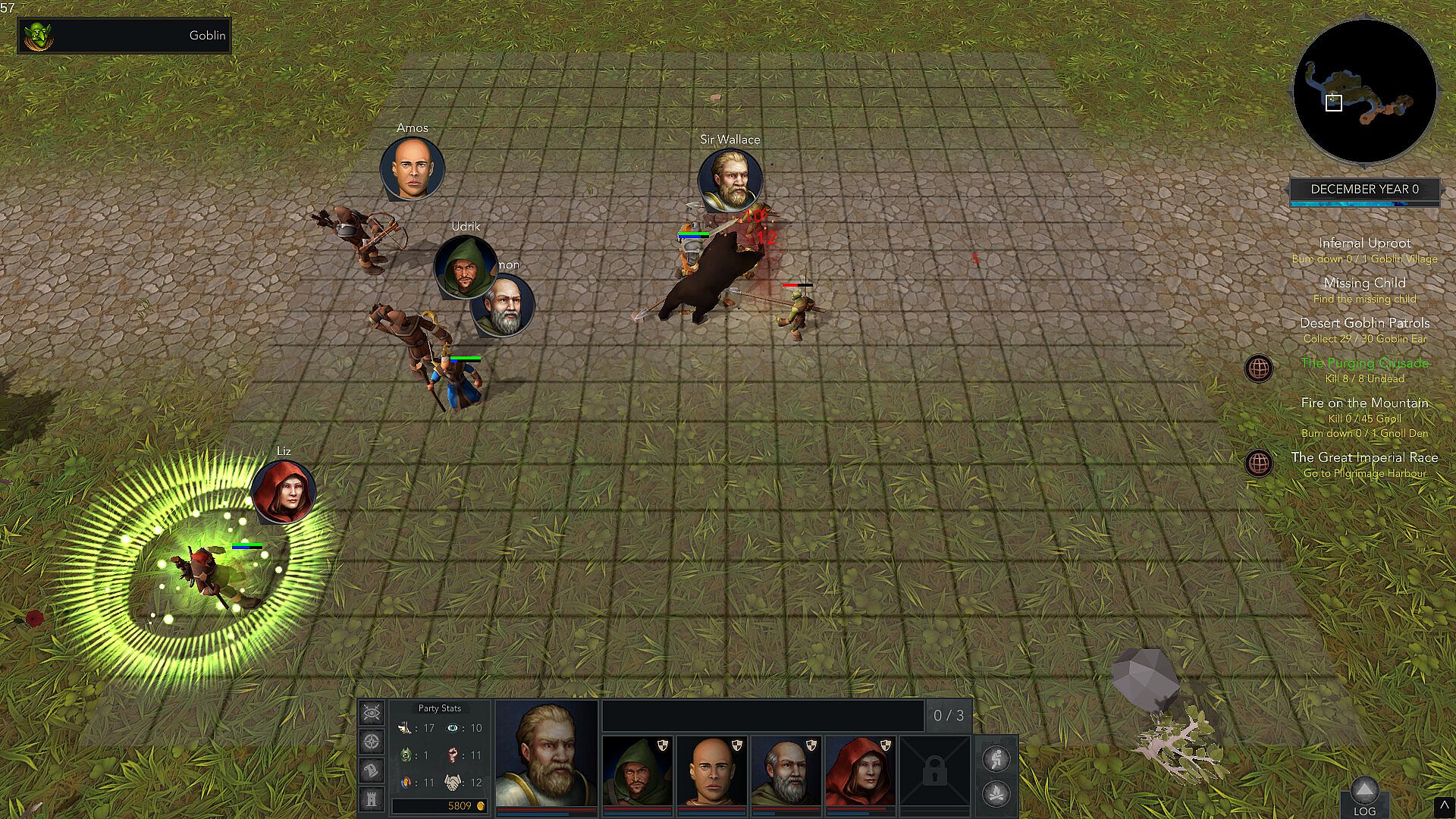
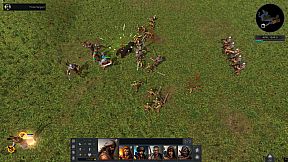
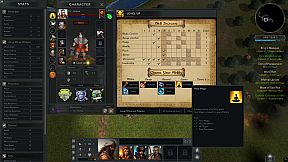
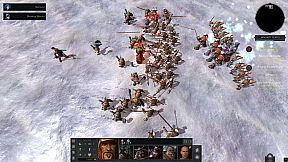
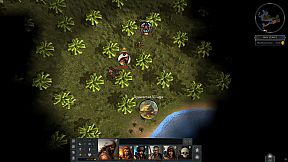
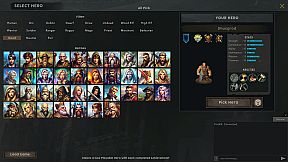
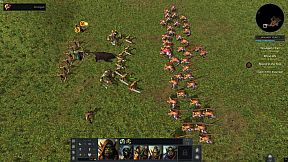
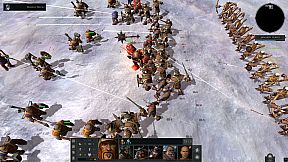
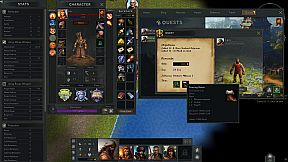
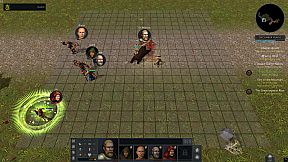
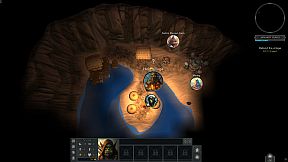
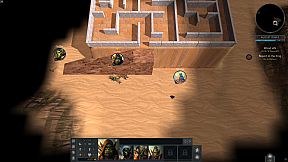
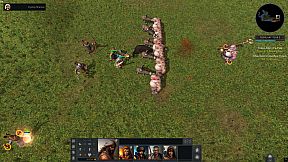
In Tears of Adria, the gameplay revolves around exploring a consistent map filled with random elements, such as hidden dungeons and artifacts. You start by selecting a hero and expand your party, choosing from over 125 companions and various henchmen, each with randomized level-ups that vary by race, class, and alignment. Combat unfolds on a 20x20 grid in auto-battle format, where positioning and setup determine outcomes, often resolving in seconds for quick pacing.
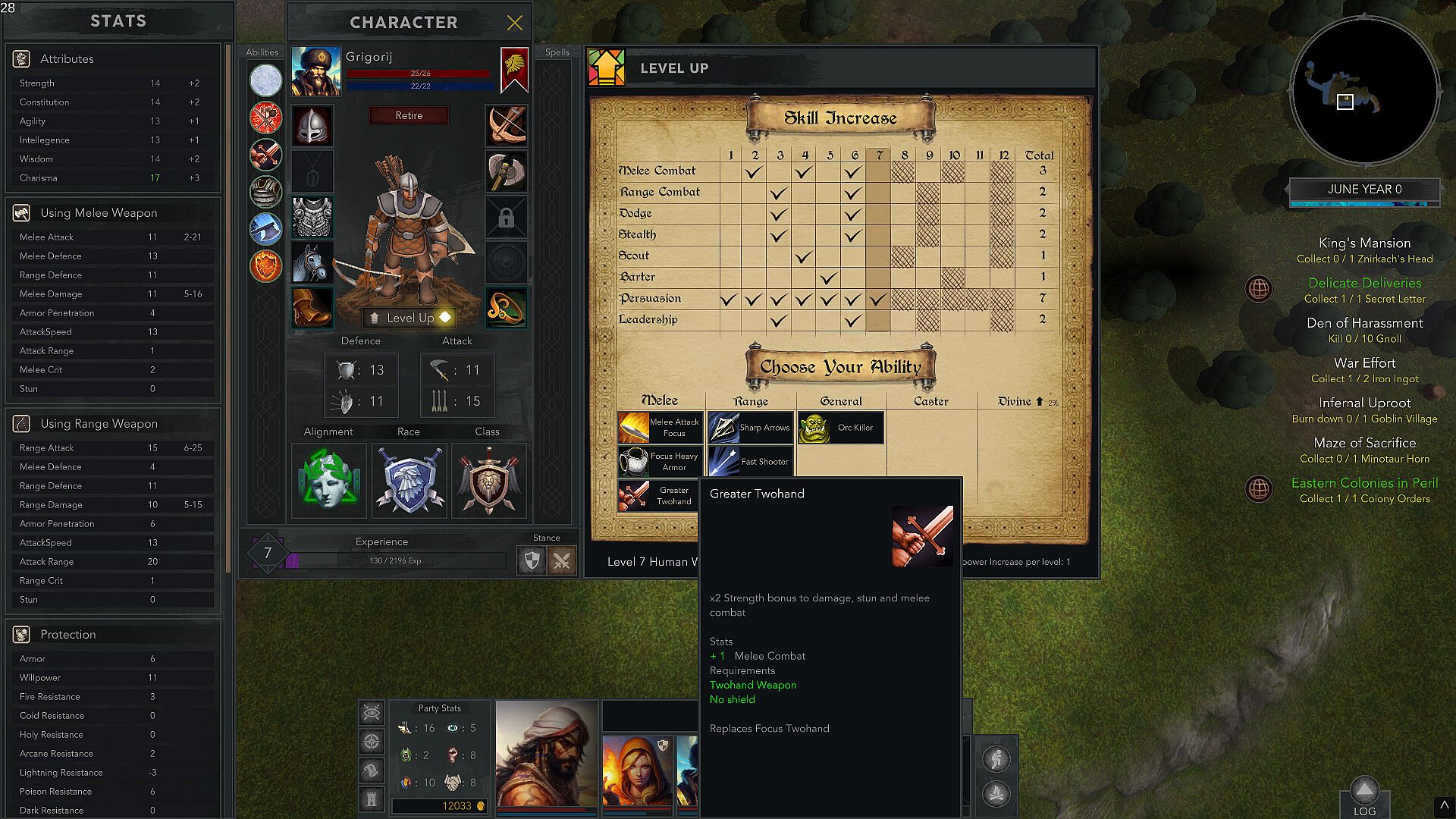
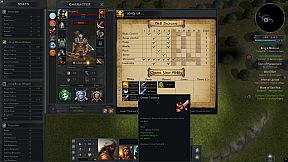
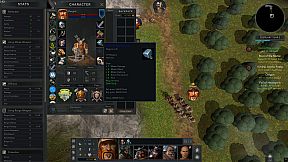
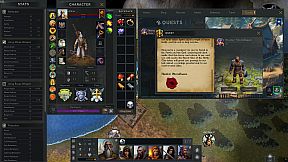
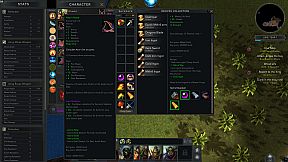
Strategic decisions come into play through party composition, like leading a stealthy group of Rangers for preemptive strikes or commanding a Necromancer's undead forces. The random level-up system introduces unique abilities and events, encouraging experimentation with builds. Permanent wound mechanics add risk, inspired by games like Blood Bowl and Mordheim, while exploration yields powerful items that shape your adventure.
Game Modes
Tears of Adria supports both single-player and multiplayer modes, accommodating up to four players. In single-player, you tackle the campaign solo, focusing on achievements that unlock new characters and promote replayability through varied paths.
Multiplayer includes cooperative adventures where friends team up to explore and battle, as well as competitive options like free-for-alls and team battles. These modes allow for shared strategy in party building and real-time auto-combat, making it suitable for group sessions.
Key Mechanics and Inspirations
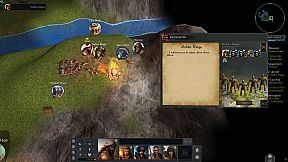
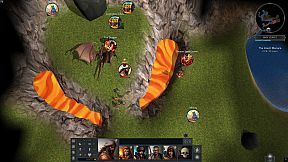
The game draws from board games like Talisman, incorporating map navigation, item collection, and enemy encounters in a real-time format. Factions and classes, such as Orc Clans for chaotic playstyles, offer diverse approaches, from solo powerful heroes to large armies.
Mechanics like randomized events ensure no two playthroughs are identical, with a focus on building the ultimate hero setup. This variety keeps the strategy engaging, whether you're aligning with undead legions or ranger bands.
Is It Worth Playing?
For those who enjoy roguelite strategy games with a emphasis on party management and quick combats, Tears of Adria delivers a solid experience. It holds a 94% positive rating from 53 user reviews, highlighting its replayability and fresh take on classic inspirations.
If you prefer tactical depth without lengthy battles, or want a game that scales well from solo runs to multiplayer nights, it fits nicely. However, if turn-based systems are more your style, it might feel too automated. With ongoing positive reception, it's a worthwhile pick for indie RPG fans seeking unpredictable adventures.