




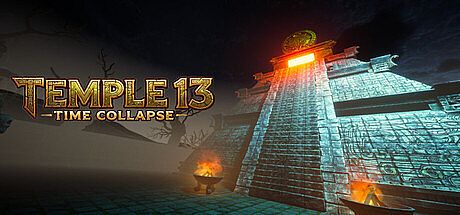



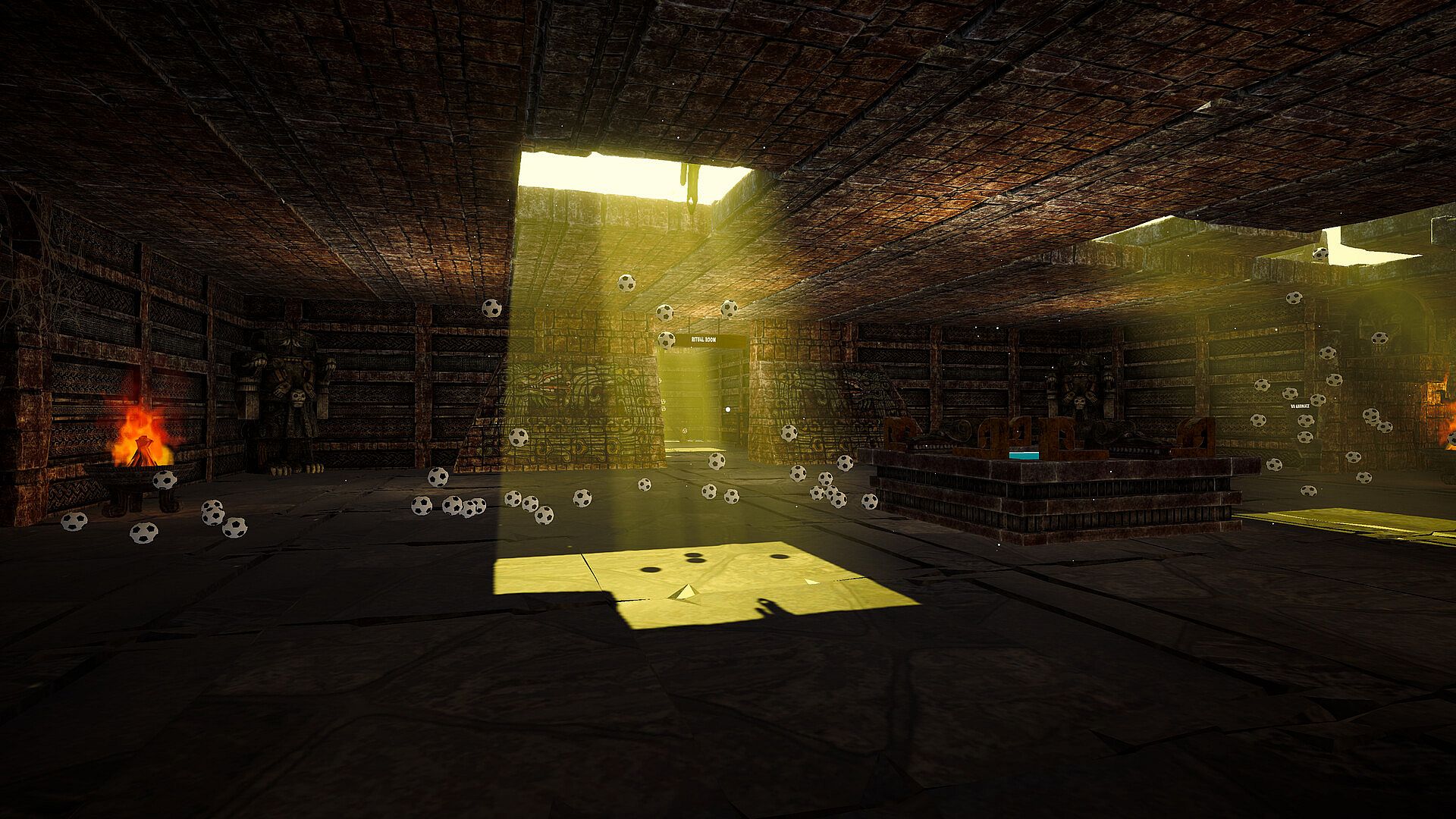
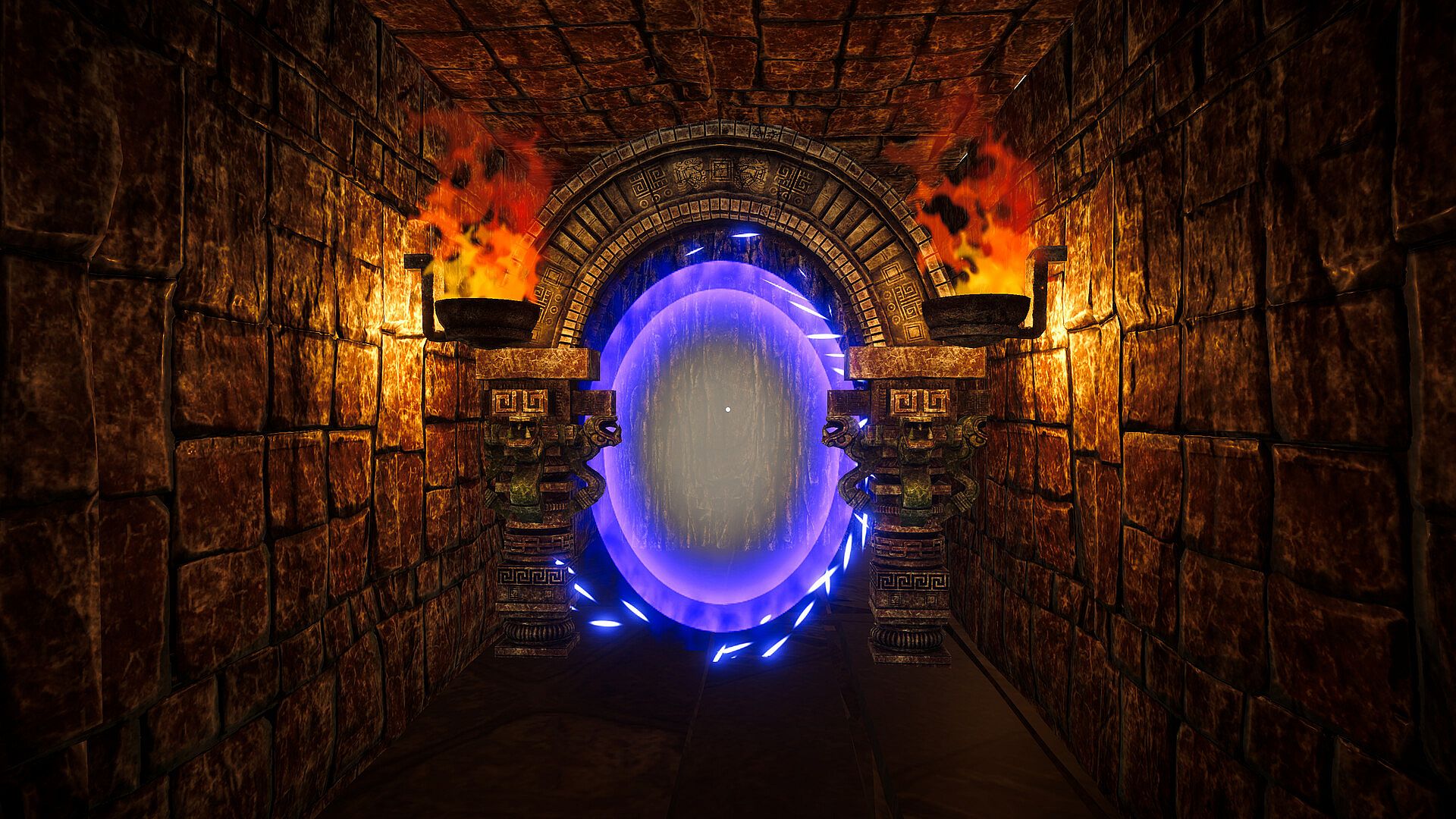
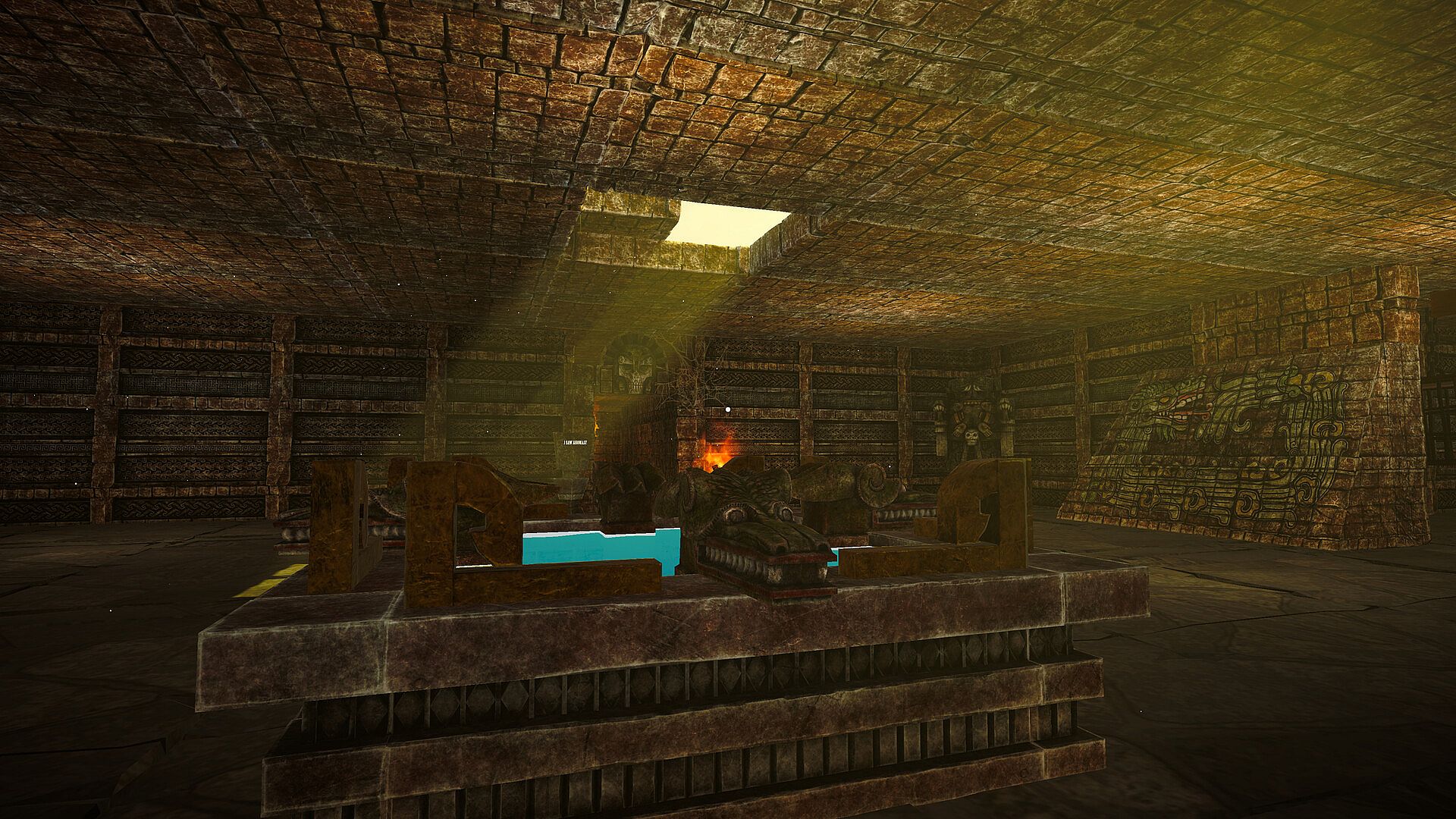
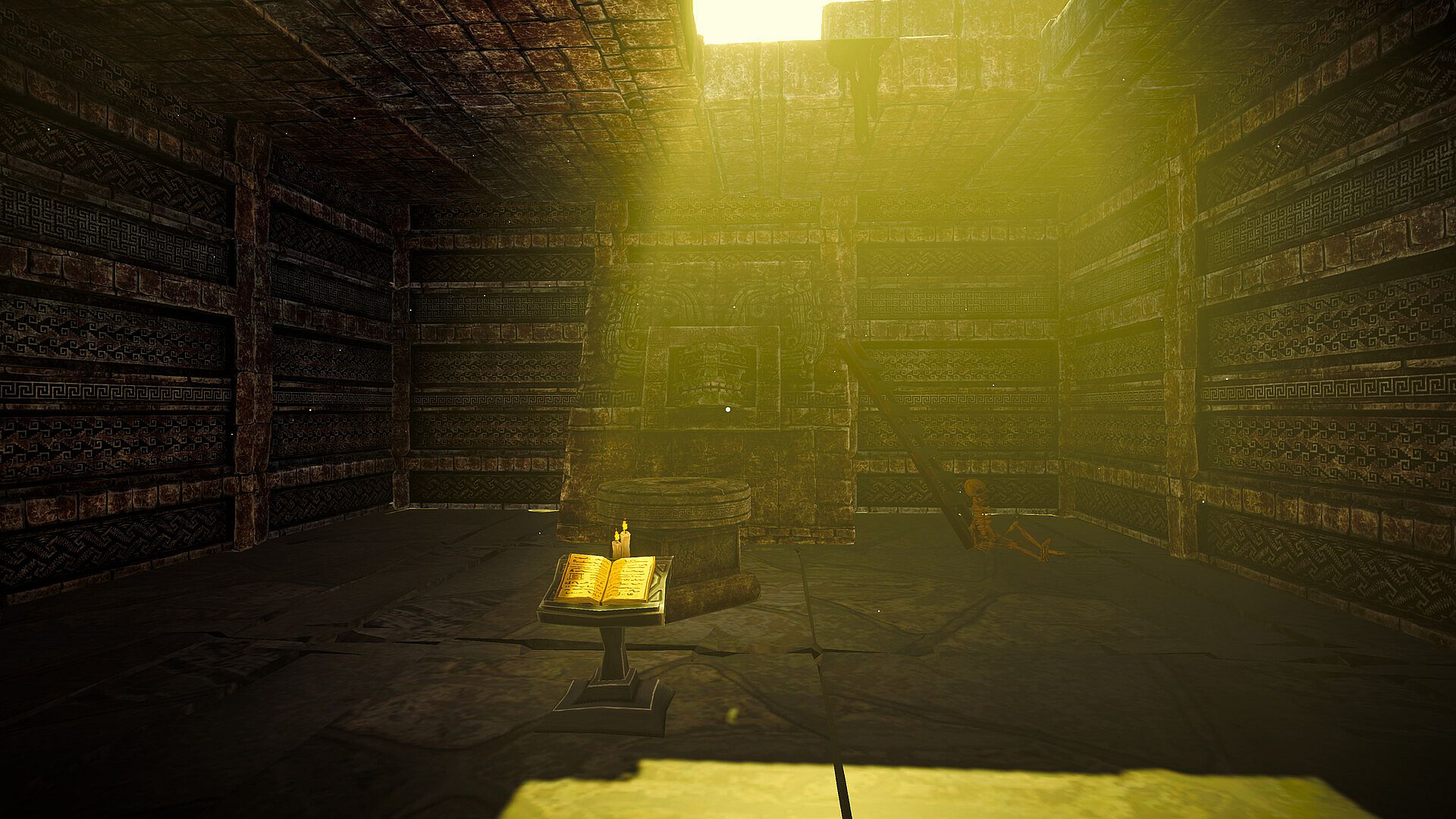
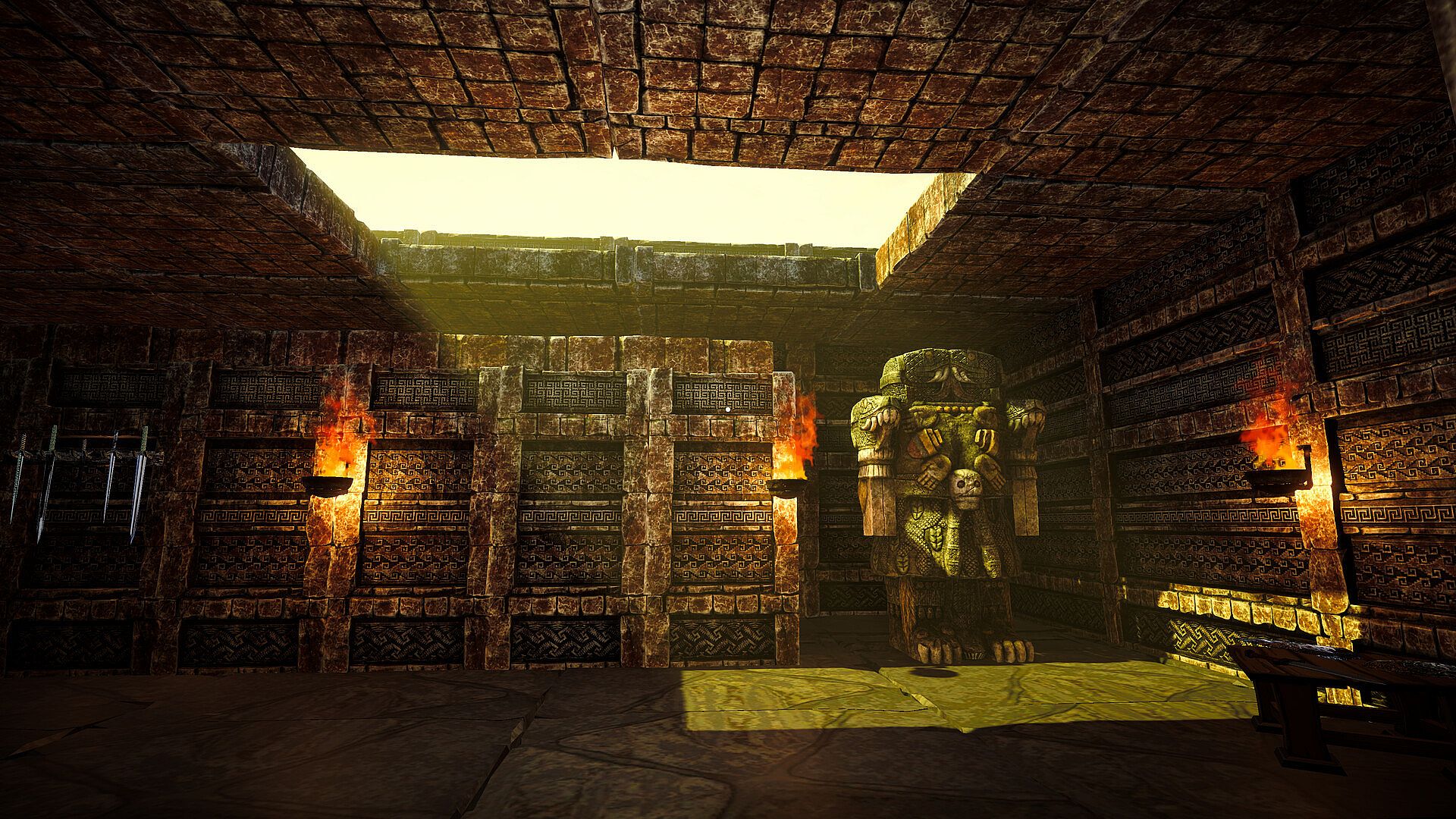
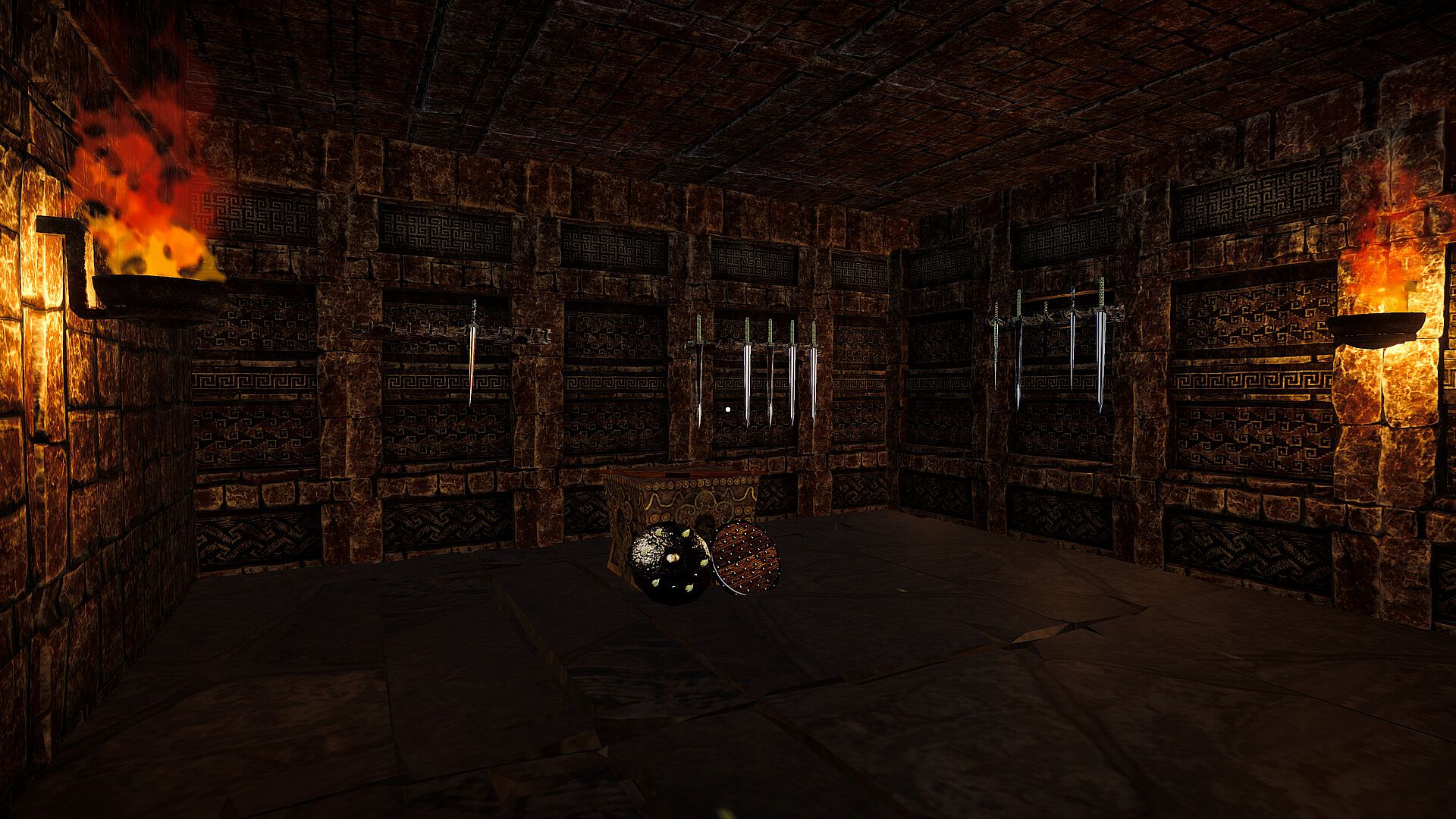
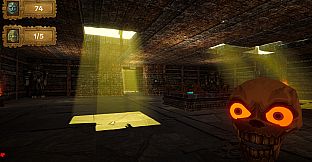
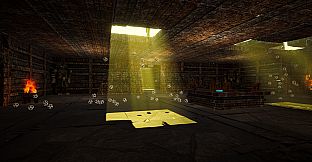
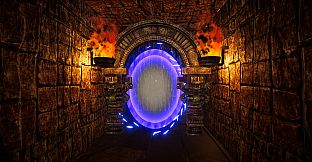
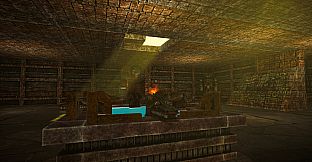
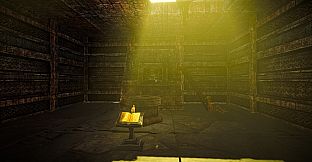
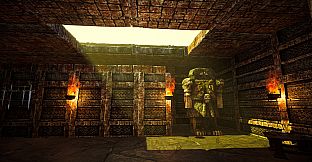
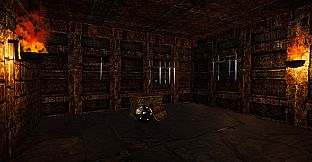

Temple 13 - Time Collapse is a first-person survival horror adventure game that places players inside an ancient temple where reality fractures under the weight of unexplained anomalies. Developed as a free-to-play indie title for PC, the experience centers on careful observation, puzzle solving, and tense navigation through shifting environments filled with threats. Players enter as an explorer tasked with distinguishing genuine anomalies from the temple's normal state, all while uncovering the fates of those who came before.
Gameplay
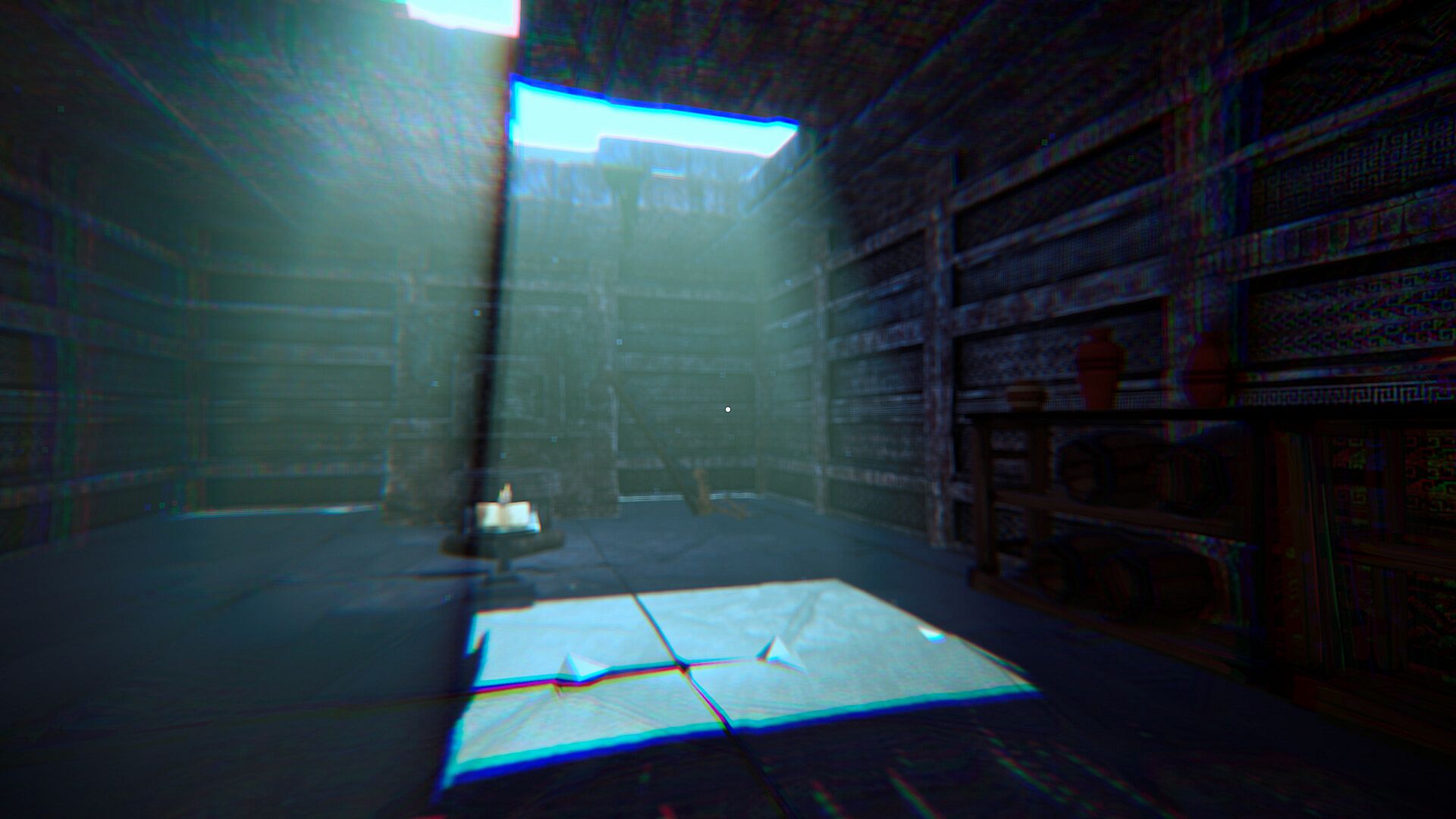
The core loop revolves around methodical exploration of the temple's corridors and chambers. Every area demands close attention to detail, as anomalies manifest through subtle or dramatic alterations to the surroundings. Players scan for inconsistencies, investigate unusual events, and decide how to respond to maintain safety. Ancient traps activate without warning, while unknown creatures and mysterious beings emerge from the shadows to test survival instincts.
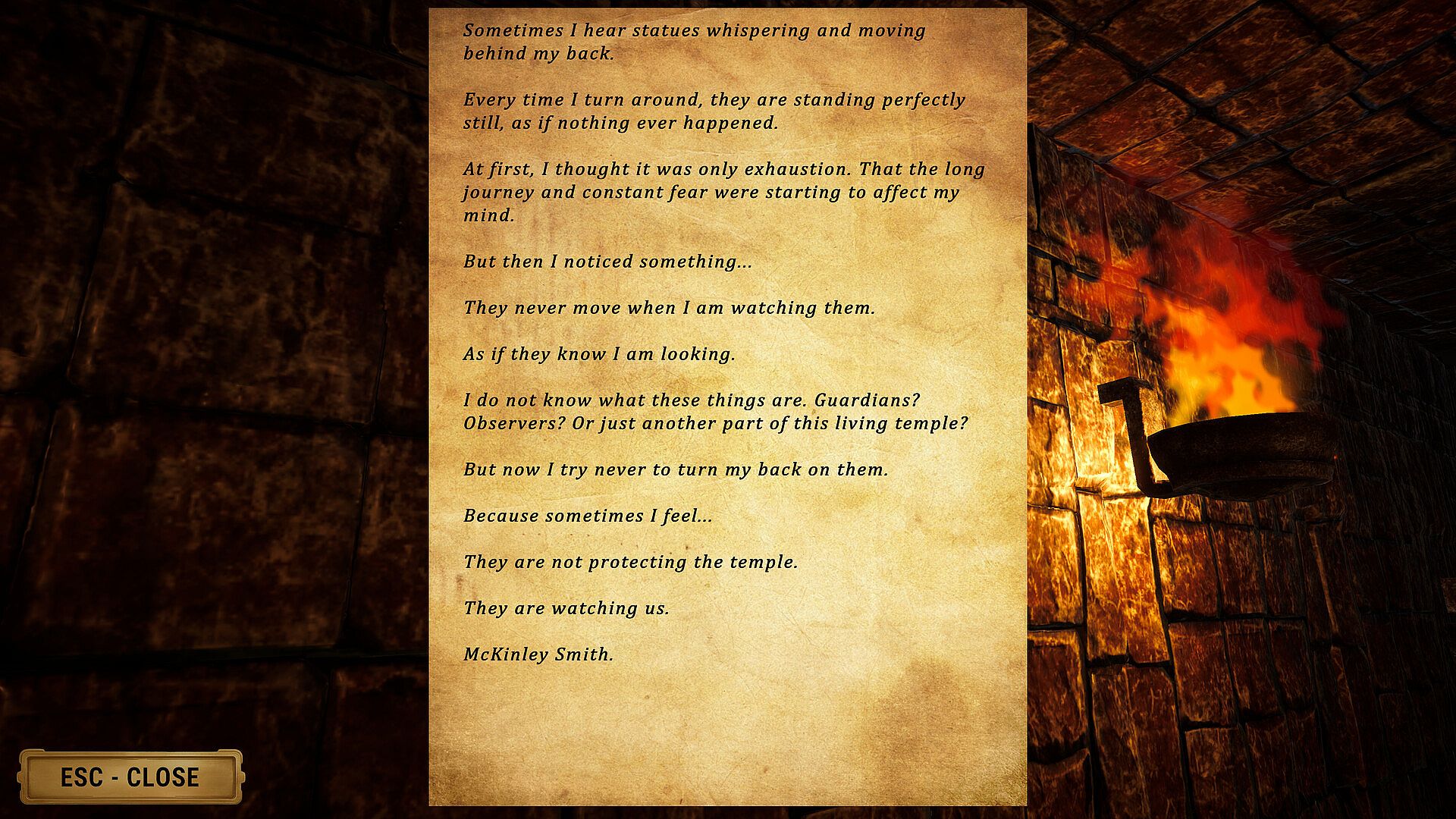
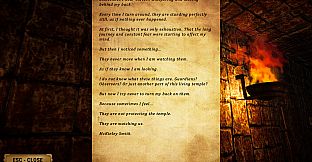
Progression involves piecing together environmental clues and interacting with remnants of prior expeditions. Forgotten notes, diaries, and messages scattered throughout the temple reveal personal stories and warnings from explorers who disappeared. These documents provide context for the temple's dangers and guide decisions that affect the path forward. Collectible items such as unique artifacts appear in hidden spots, encouraging thorough searching without derailing the main objective of reaching deeper sections.
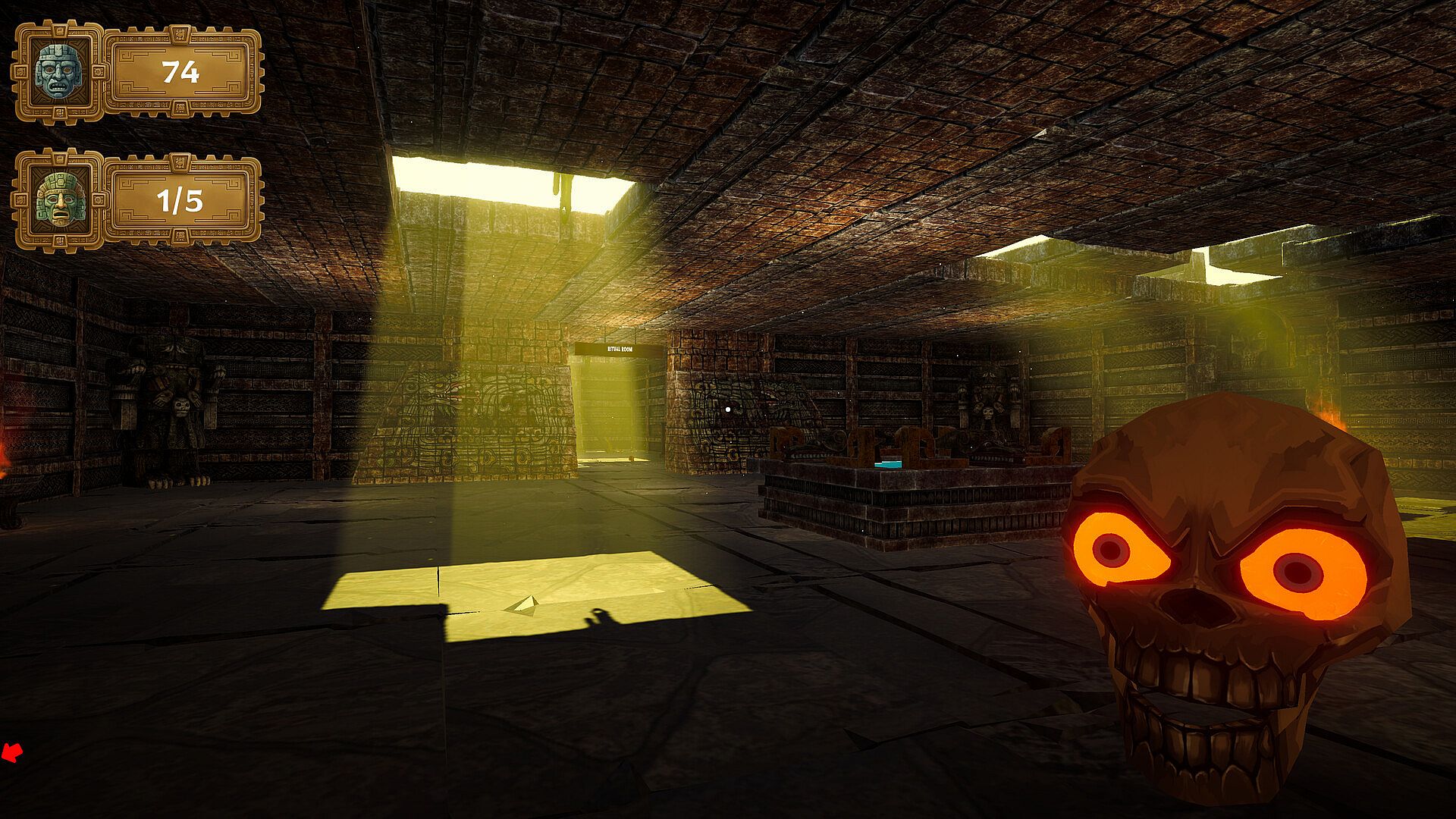
Survival elements emphasize avoidance and quick thinking over direct confrontation. The temple itself feels alive, reacting to movement and presence through sounds and visual shifts that may or may not signal real danger. A dedicated skull collection mini-game adds a layer of optional engagement, where rare skulls can be gathered to build a personal collection alongside the primary investigation.
Game Modes
Temple 13 - Time Collapse operates exclusively as a single-player experience. There are no multiplayer components or alternate modes confirmed in the game's design. The entire session unfolds as one continuous journey through the temple, with the anomaly investigation system serving as the central mechanic from start to finish. Puzzles integrate directly into exploration, requiring players to solve ancient mechanisms to unlock new paths or areas while managing the increasing intensity of threats.
Key Features and Mechanics
Anomaly investigation forms the foundation of interaction, requiring players to compare current observations against expected temple conditions. This system evolves as anomalies grow more hazardous deeper in the structure. Survival horror aspects arise from the constant need to evade or outmaneuver creatures and traps that respond to player actions. Puzzle solving combines with narrative discovery through the lost notes system, blending environmental storytelling with practical progression.
Collectibles extend beyond skulls to include various artifacts that reward exploration. The short overall playtime of 90 to 120 minutes keeps the focus tight, allowing a complete run without extended commitment. The temple's watchful nature adds tension, where not every auditory or visual cue proves reliable, forcing players to weigh risks carefully at each turn.
Is It Worth Playing?
Players who enjoy short, focused single-player horror adventures with strong emphasis on observation and light puzzle elements will find Temple 13 - Time Collapse a suitable match. The free-to-play model removes any upfront cost barrier, making it accessible for those curious about anomaly-based gameplay and temple exploration themes. With a contained runtime and no confirmed ongoing seasons or updates at this stage, the experience delivers a self-contained session centered on survival decisions and story fragments from previous explorers. Those seeking longer campaigns or competitive elements may want to look elsewhere, while fans of indie horror that prioritizes atmosphere and careful scrutiny over action spectacle stand to gain the most from its approach.












