




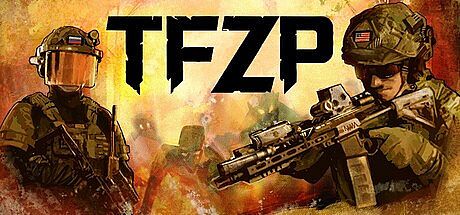


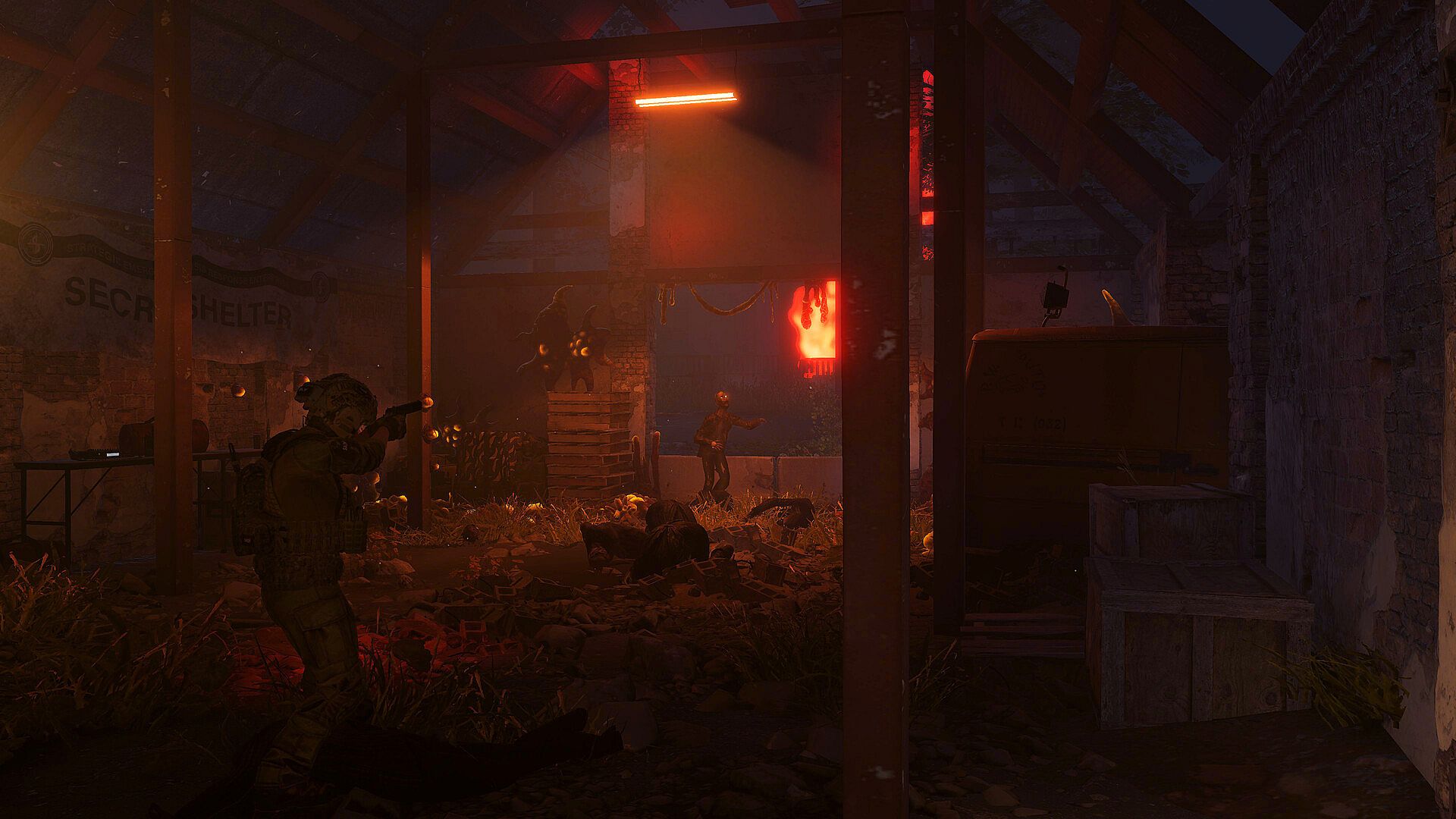
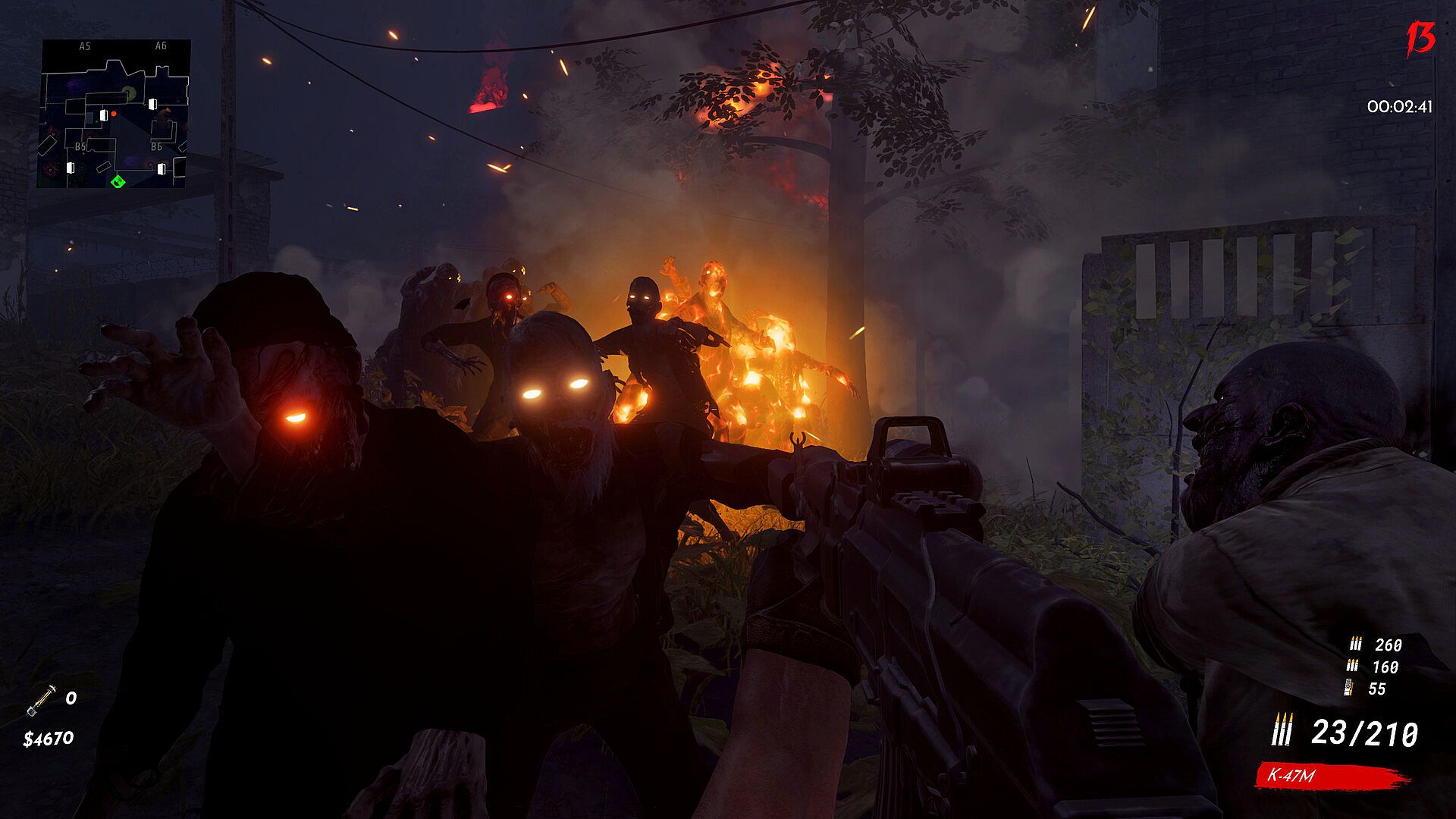
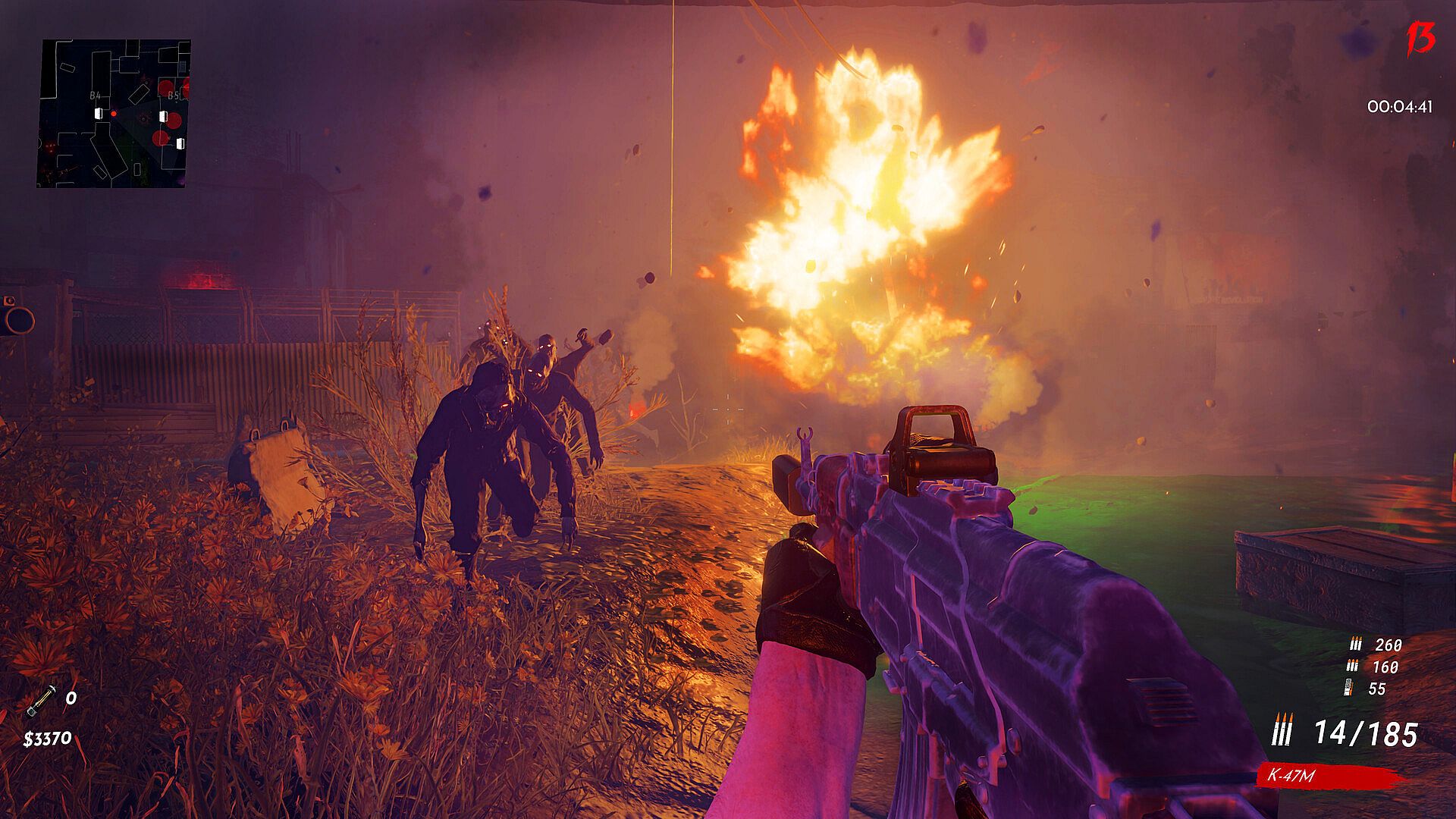


TFZP: The F*ing Zombie Project is a co-op endless wave survival shooter built for PC players who want intense, team-focused zombie combat. Developed as an indie title in early access, the game puts squads on the front lines against hordes that grow stronger with each passing round. An unknown threat has risen from beneath the earth, turning the world into an undead wasteland, and players step into the role of soldiers tasked with striking at the heart of the largest outbreaks.
Gameplay
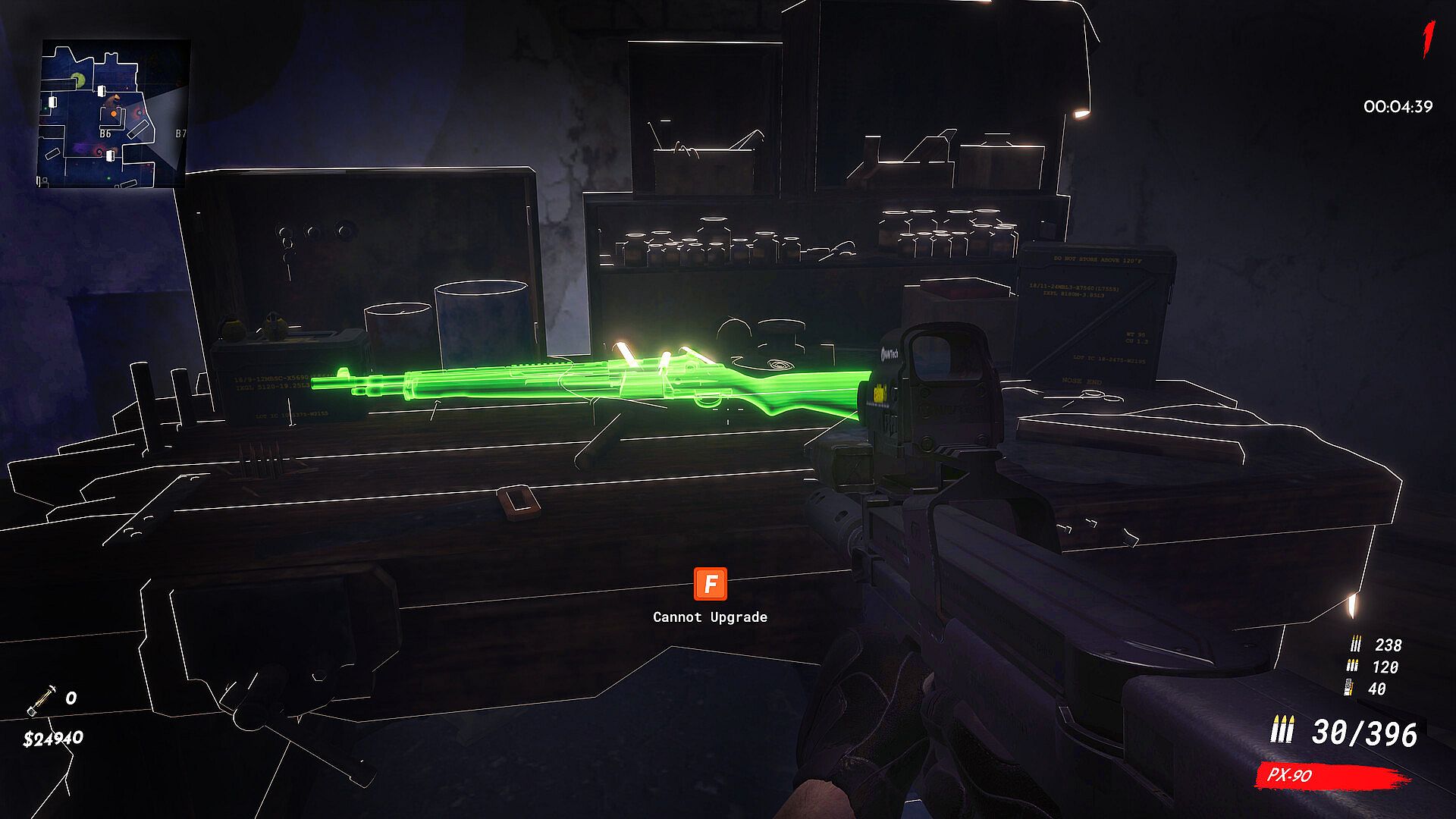
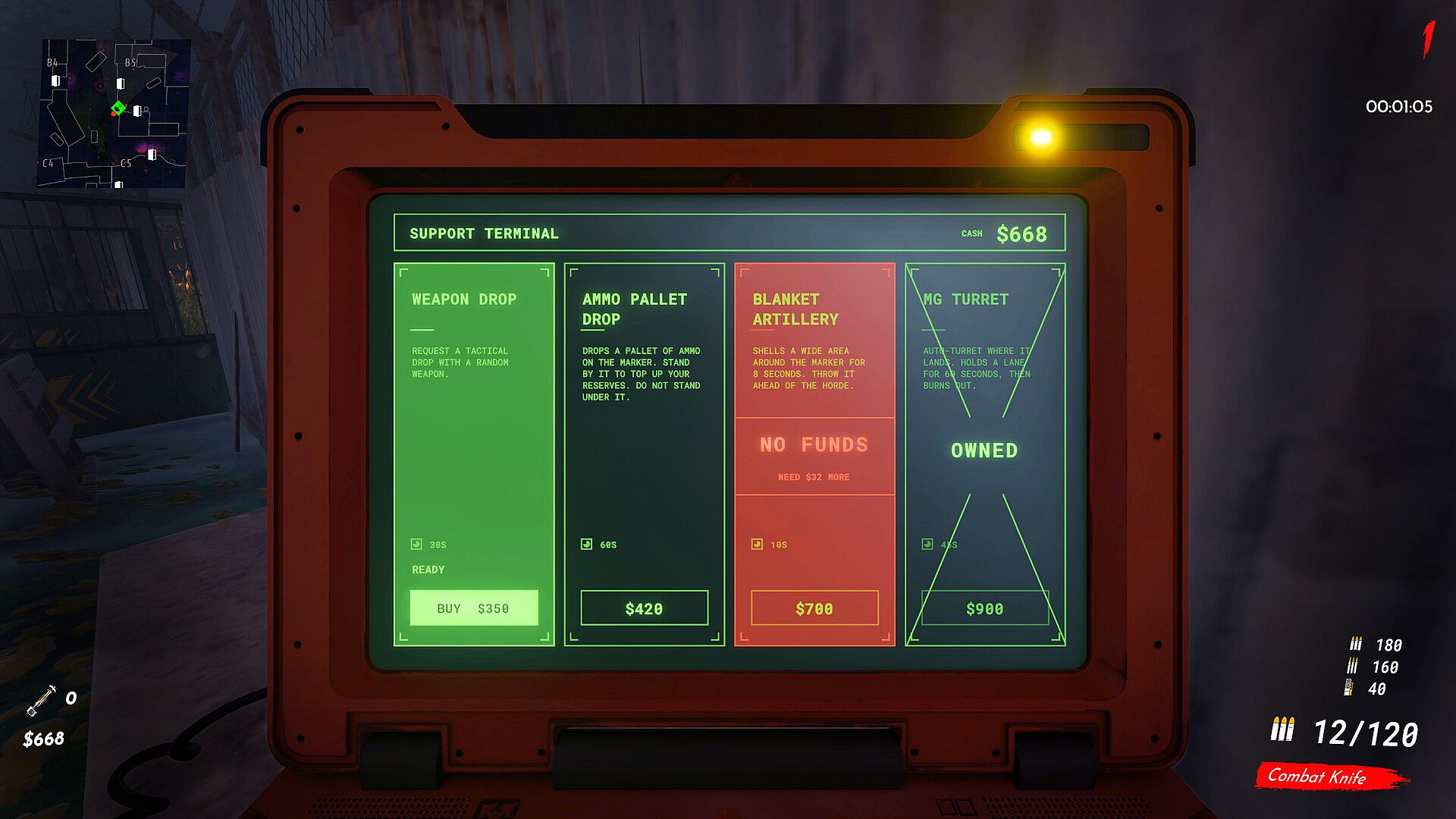
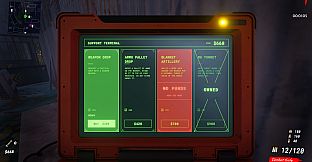
The core loop centers on surviving relentless zombie waves in tight, dynamic maps. Squads start with basic weapons and must earn points through kills to purchase upgrades, new firearms, perks, and power-ups. Progression carries roguelike qualities, where each run offers fresh combinations of gear and abilities that shape how the team handles escalating threats. Side missions scattered across rounds provide extra rewards for players willing to take calculated risks amid the chaos.
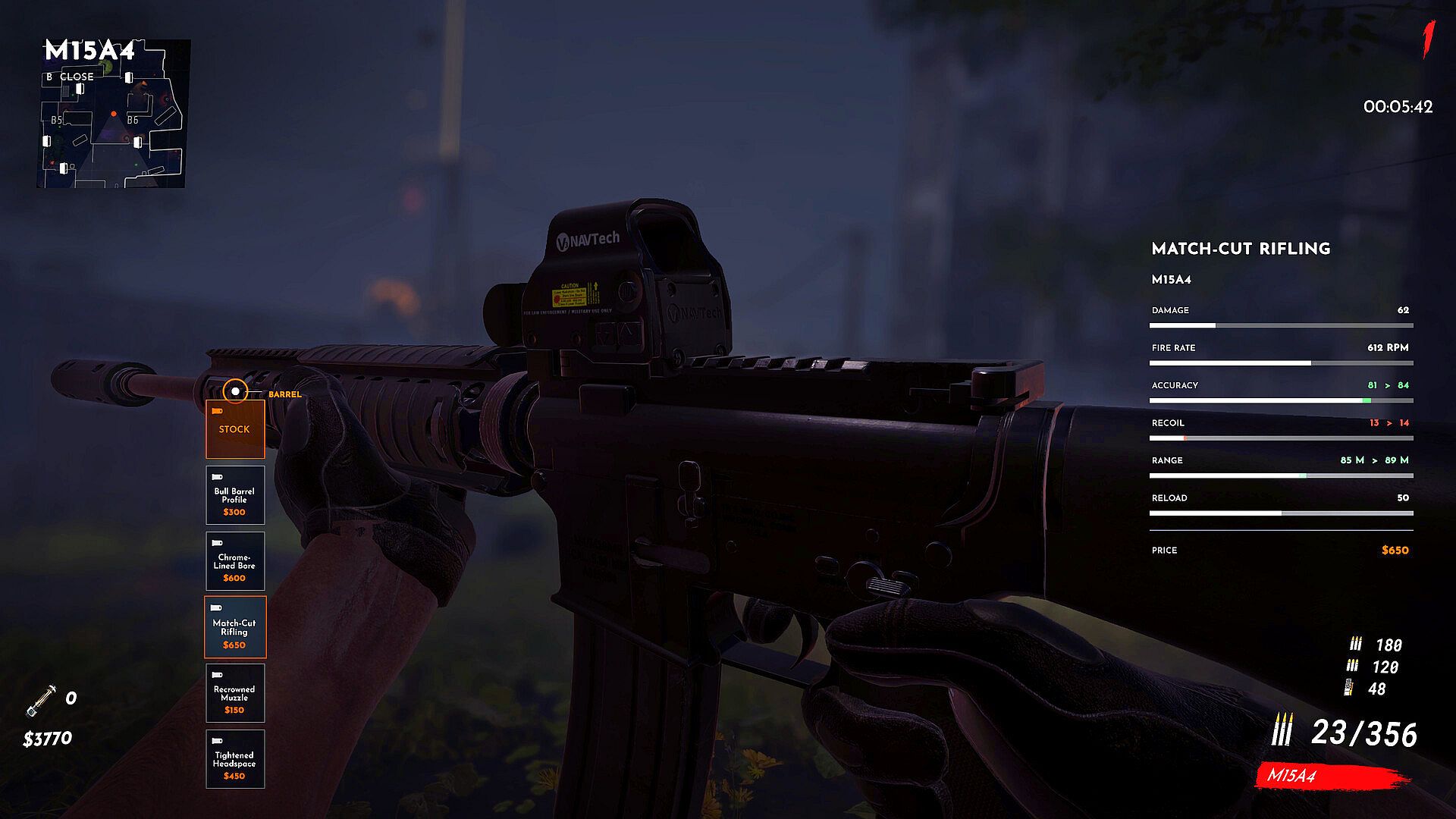
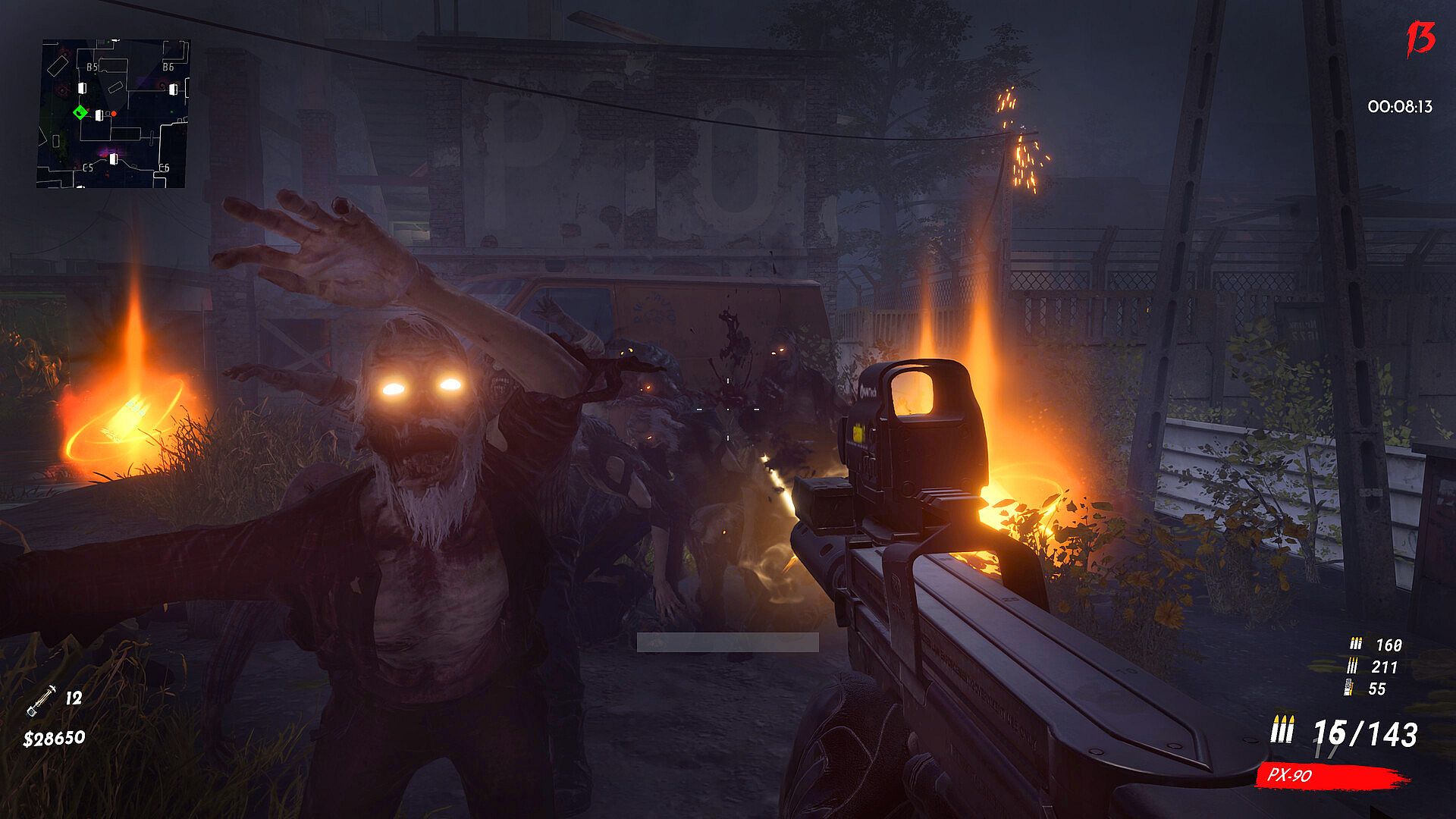
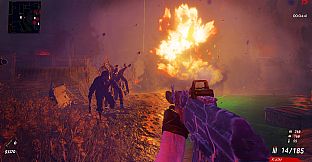
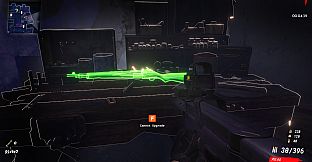
Weapon customization runs deep through a dynamic attachment system that lets players modify both external parts and internal components such as barrels, triggers, and feed mechanisms. This allows fine-tuning of each gun to match individual playstyles. Combat feels visceral thanks to dynamic dismemberment, where targeted shots can sever limbs, slow enemies, or destroy them outright. Blowing off a leg forces a zombie to crawl, while precise headshots end threats quickly. Certain enemies add variety, including fast explosive types that detonate on contact or death and can trigger chain reactions among the horde.
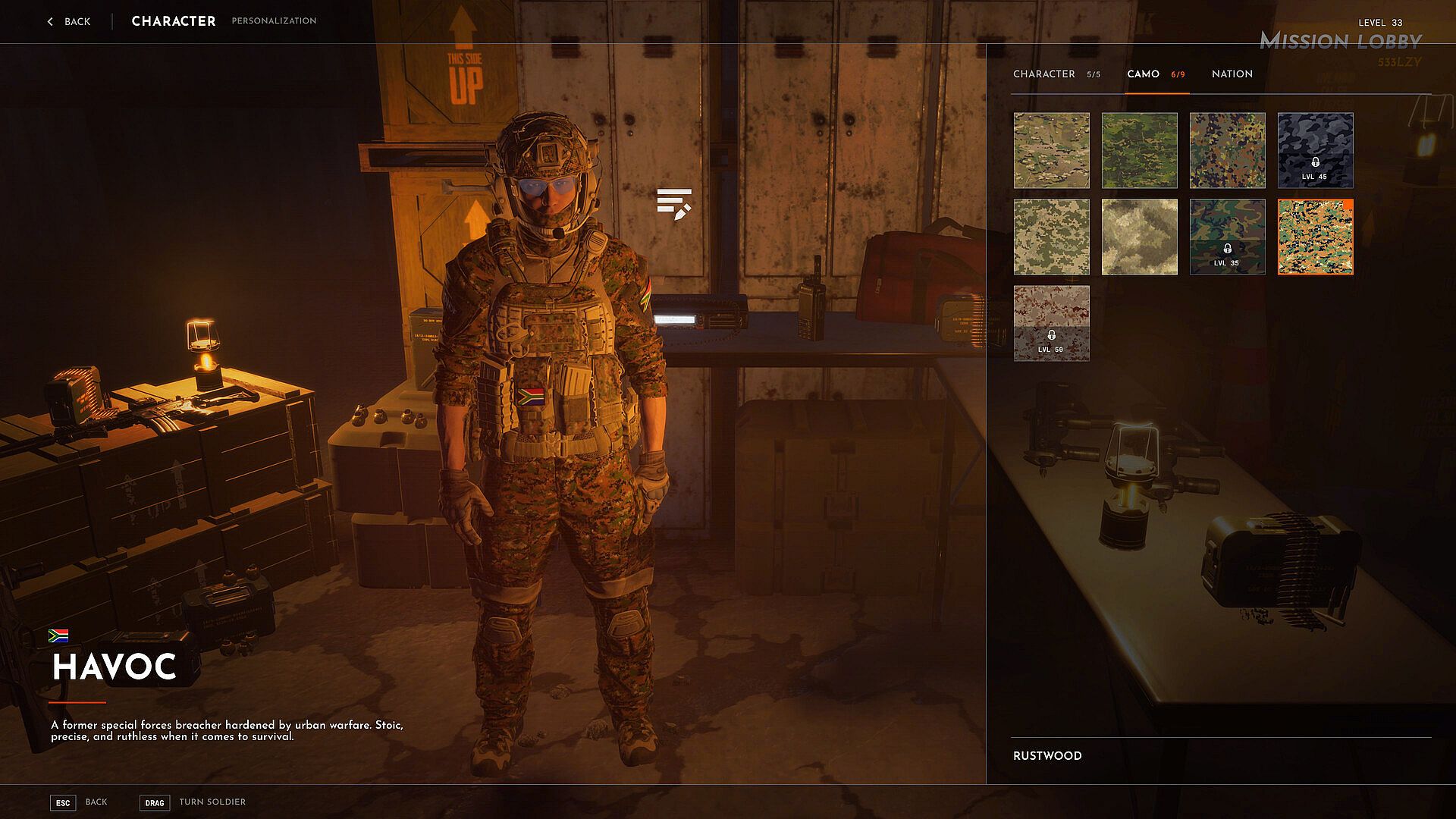
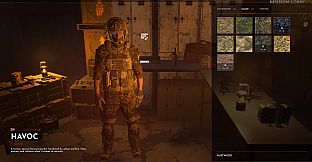
Teams coordinate around barricades and strategic positions on maps that feature distinct themes and layouts. Unique characters bring personality through different appearances, voice lines, and quips that lighten tense moments without breaking immersion. The experience supports solo play or groups of up to five, emphasizing communication and role distribution during prolonged defenses.
Game Modes
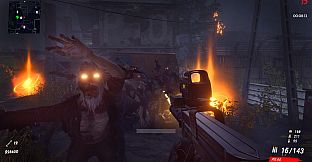
The primary experience revolves around endless wave survival. Each round introduces more zombies, building toward overwhelming tides that demand tight teamwork and adaptive tactics. Some rounds escalate into big fights, introducing brutal encounters designed to test coordination and skill under heavier pressure.
A global fight layer tracks every kill, down, and revive across all players worldwide. This feeds into a shared tally representing humanity's ongoing stand against the outbreak. Players can select a flag to align with soldiers from a specific nation, adding a layer of representation to the collective effort without altering core mechanics.
Progression and Systems
Perk upgrades and power-ups reward consistent performance, encouraging repeated runs to experiment with different loadouts and strategies. Maps incorporate unique elements that change how waves flow and where players position themselves. The roguelike structure means no two sessions feel identical, as random elements in enemy behavior and reward distribution keep the loop engaging for coordinated squads.
These systems blend classic wave survival tension with modern progression tools, focusing on immediate combat thrills rather than long-term base building or resource management.
Is It Worth Playing?
TFZP appeals most to players who enjoy classic co-op zombie wave shooters with added customization and roguelike variety. The emphasis on squad coordination, weapon tuning, and dismemberment creates satisfying, high-stakes moments during extended defenses. As an indie early access title from a small team, it targets fans of gritty, tactical horde survival who value direct combat feedback over expansive narratives or open-world elements.
Those seeking intense multiplayer sessions with friends or solo challenges against scaling difficulty will find the core loop rewarding. The game remains in active development, so expectations should align with an evolving experience that prioritizes wave-based action and team play. Players drawn to similar titles will likely appreciate the focused design and ongoing updates planned for the early access period.











