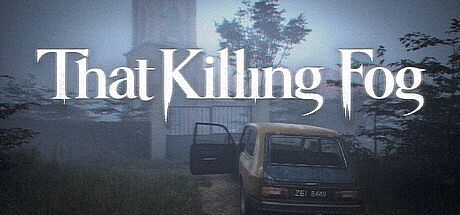


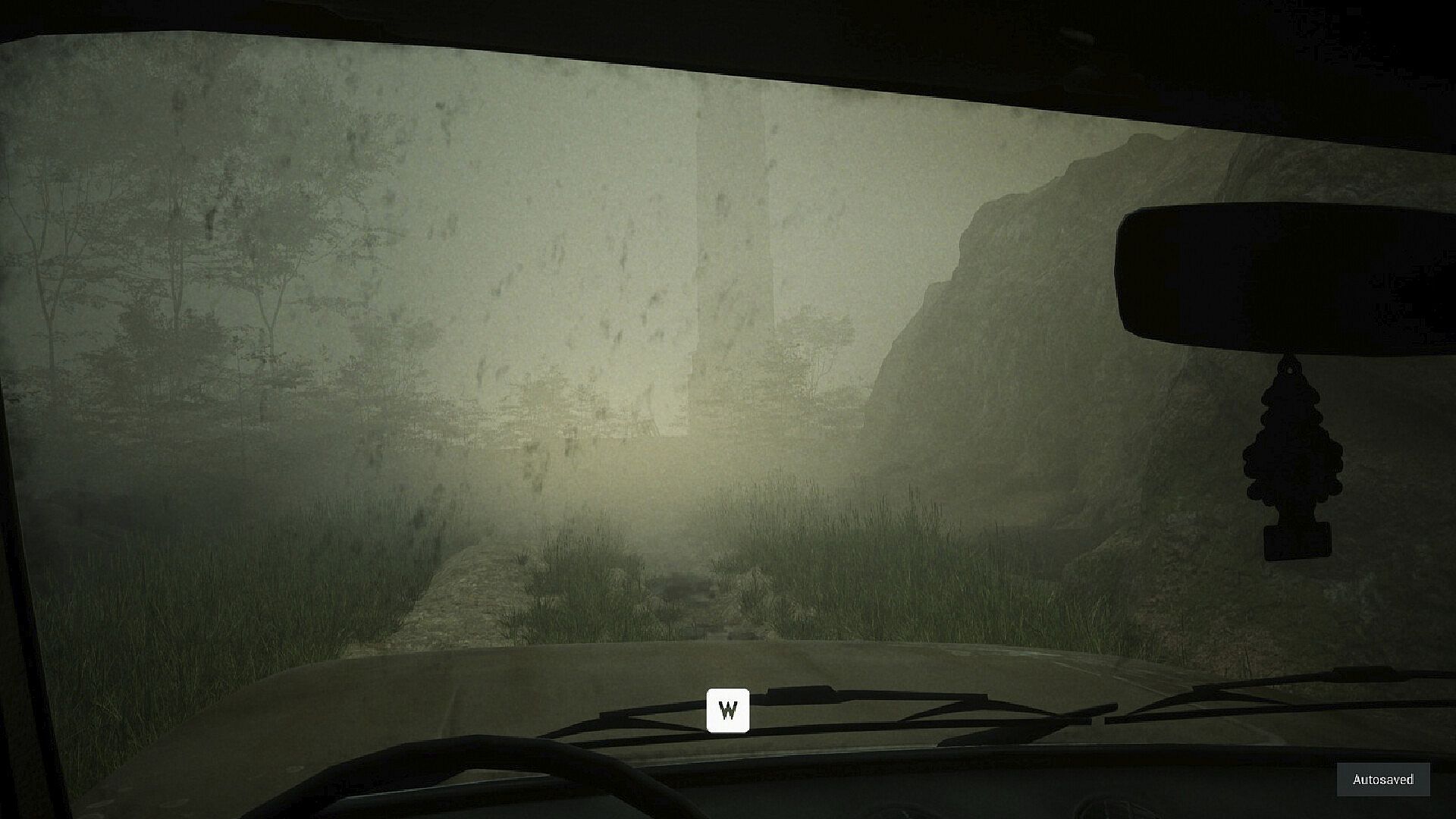
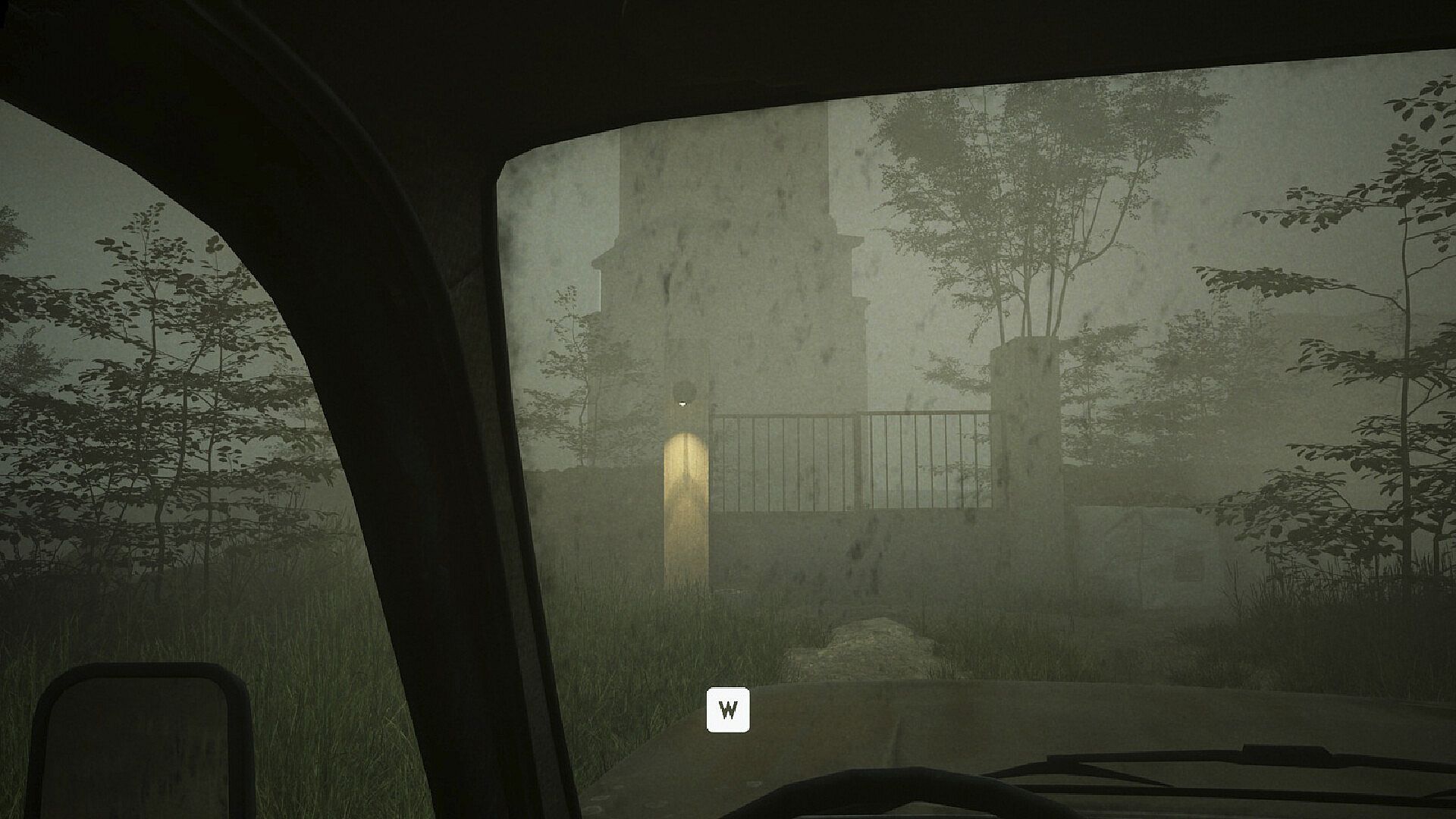
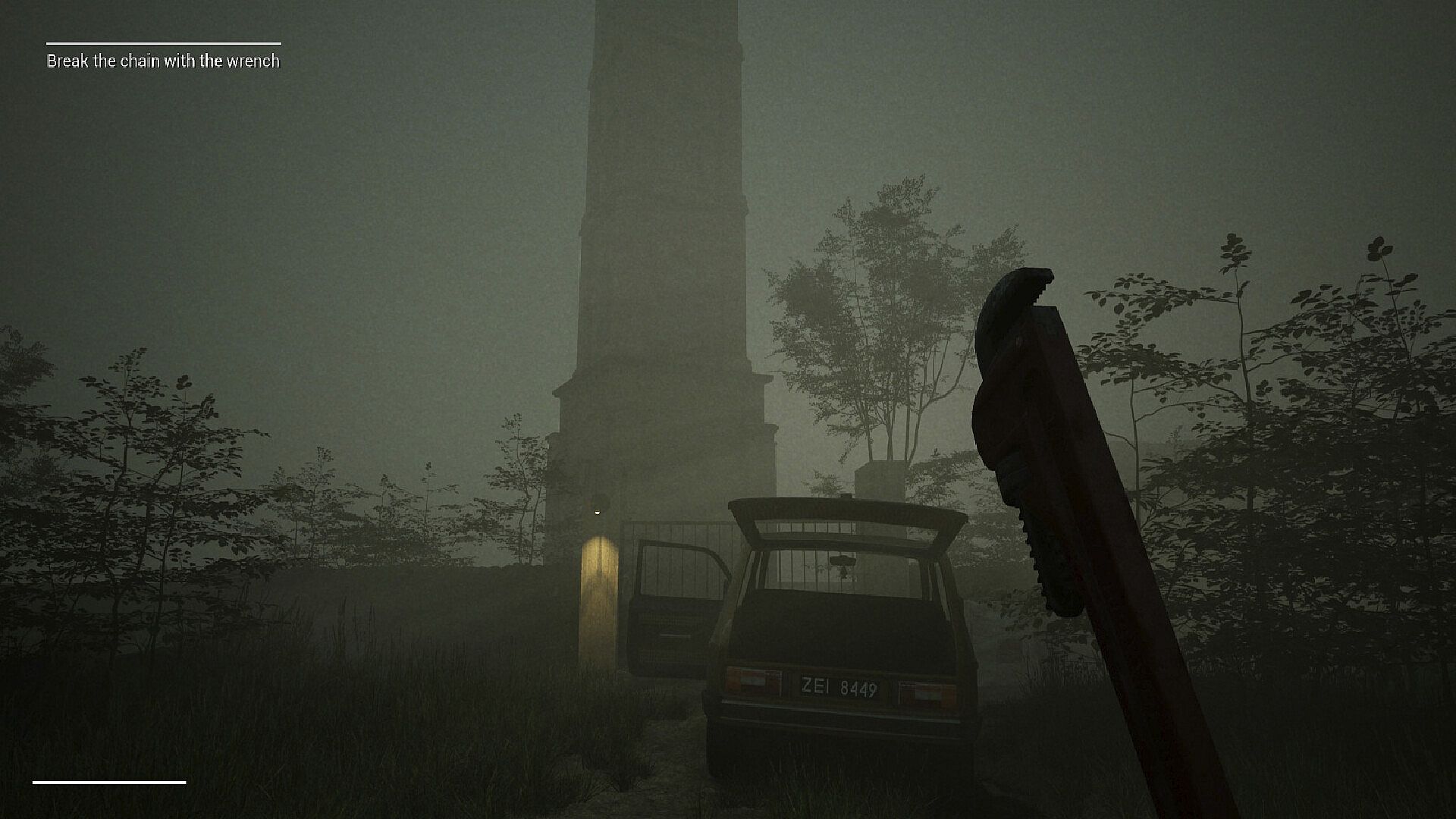
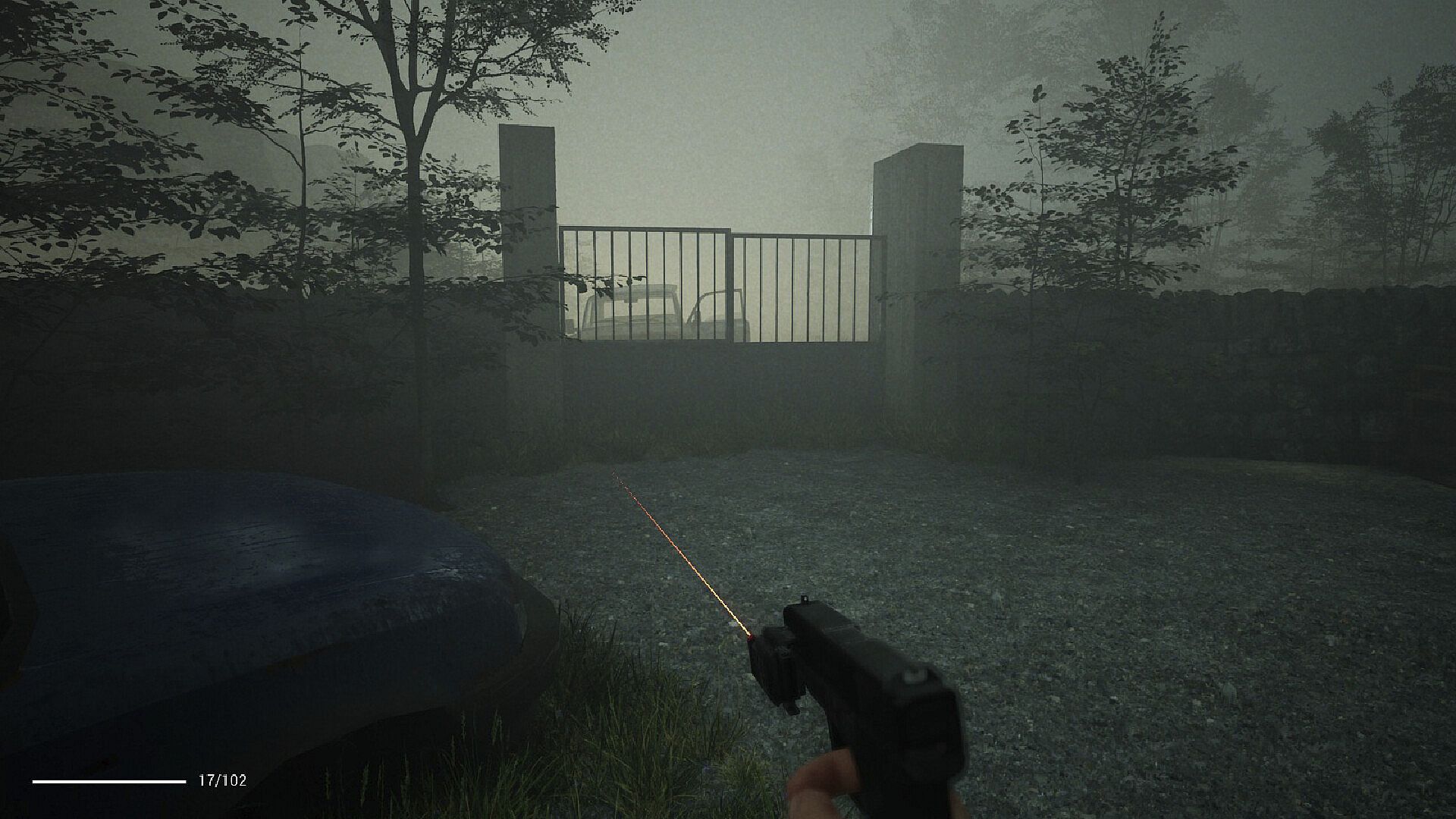
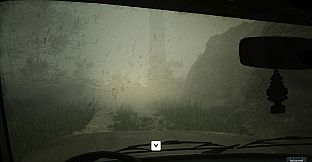
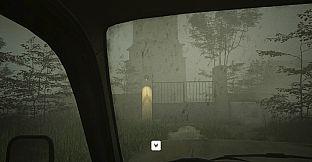
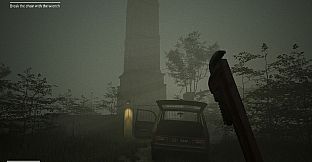
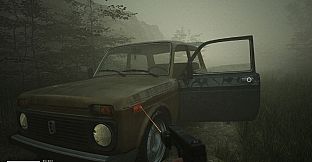
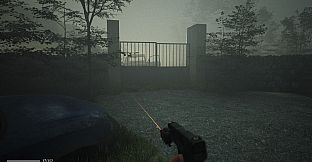
That Killing Fog is a single-player survival horror action game set in 1998. Players take on the role of someone drawn back to a familiar yet altered woodland location by a mysterious letter, where they must explore, uncover hidden truths, and endure against disturbing threats using limited resources and period-appropriate tools.
Gameplay
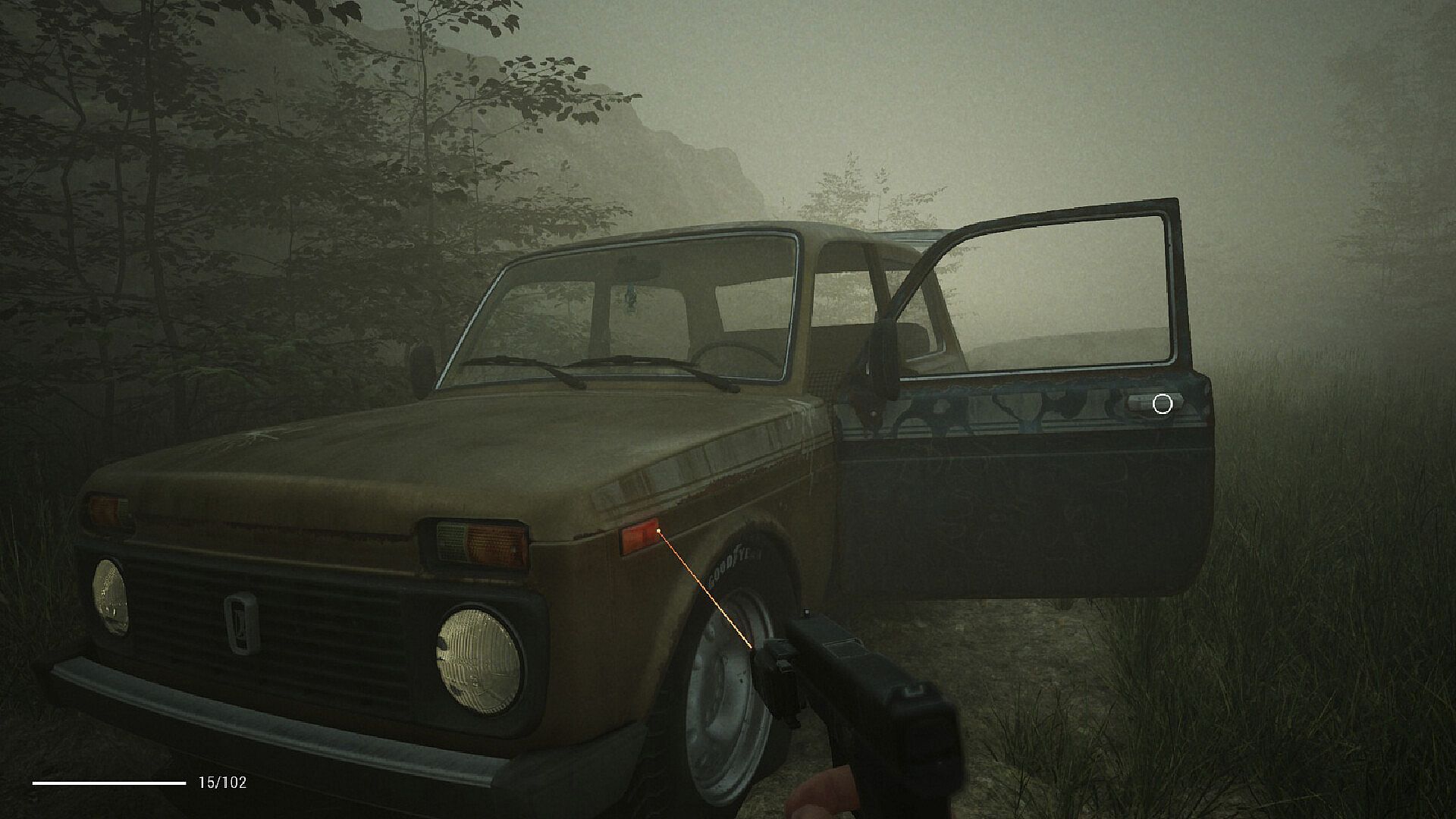
The core loop centers on exploration of a semi-open world built from interconnected areas with Metroidvania-inspired design. Levels contain secrets, environmental puzzles, and hidden paths that reward careful investigation. Progression relies on acquiring and using weapons, retro-inspired technology from the late 1990s, and unconventional tools rather than standard ability upgrades like double jumps. These items allow players to interact with the environment, solve obstacles, and reach previously inaccessible spots.
Backtracking forms a key part of the experience. New discoveries often alter how familiar areas function, revealing additional secrets or alternative routes through locations that initially seemed fully explored. The game emphasizes survival with scarce resources, deliberate weapon choices, and a gore system that makes encounters feel raw and variable. Not every threat requires direct confrontation, encouraging players to weigh risks and use the environment strategically.
Atmospheric settings draw from a real-world location recreated with realistic graphics. Story elements unfold through in-game cinematics mixed with real-life recorded footage, blending the fictional narrative with documentary-style presentation to heighten the sense of uncovering something that should remain hidden.
Game Modes
That Killing Fog operates as a single-player experience without separate multiplayer modes or competitive formats. The entire game focuses on one continuous campaign of exploration and survival. An optional "1998 Mode" accessible via the options menu introduces an additional layer to the presentation, providing a distinct visual or mechanical twist tied to the era setting.
Progression stays linear within the interconnected world structure, with backtracking and discovery driving advancement instead of branching campaigns or separate difficulty variants. The emphasis remains on piecing together the location's history through environmental clues and tools rather than replaying distinct scenarios.
Story and Setting
The narrative begins in 1998 with a letter that pulls the protagonist to woods once explored in youth. The area has changed due to an undisclosed event, and survival becomes the means to reveal what occurred. Technology and items reflect the time period, serving practical roles in puzzle-solving and navigation while reinforcing the grounded yet unsettling tone.
Real-life footage integration helps blur boundaries between the game's reality and external elements, supporting a slow reveal of the site's past. Players gather information gradually through exploration rather than direct exposition, fitting the survival horror focus on atmosphere and discovery.
Is It Worth Playing?
That Killing Fog suits players who enjoy deliberate survival horror combined with Metroidvania-style exploration and backtracking. The limited resources and visceral encounters create tension through scarcity and choice, while the tool-based progression offers variety in how obstacles are approached. Those drawn to atmospheric single-player experiences with puzzle elements and a 1990s aesthetic will find the core loop engaging.
The game rewards patience with its interconnected world and layered secrets. Fans of horror titles that prioritize environmental storytelling and resource management over fast-paced action or co-op elements will likely appreciate the focused design. Availability on PC makes it accessible for those seeking an indie title centered on survival and uncovering a mysterious past.