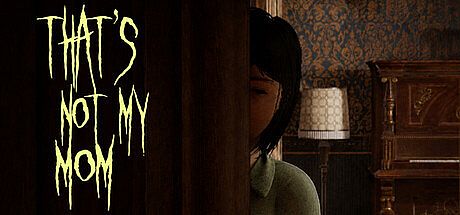



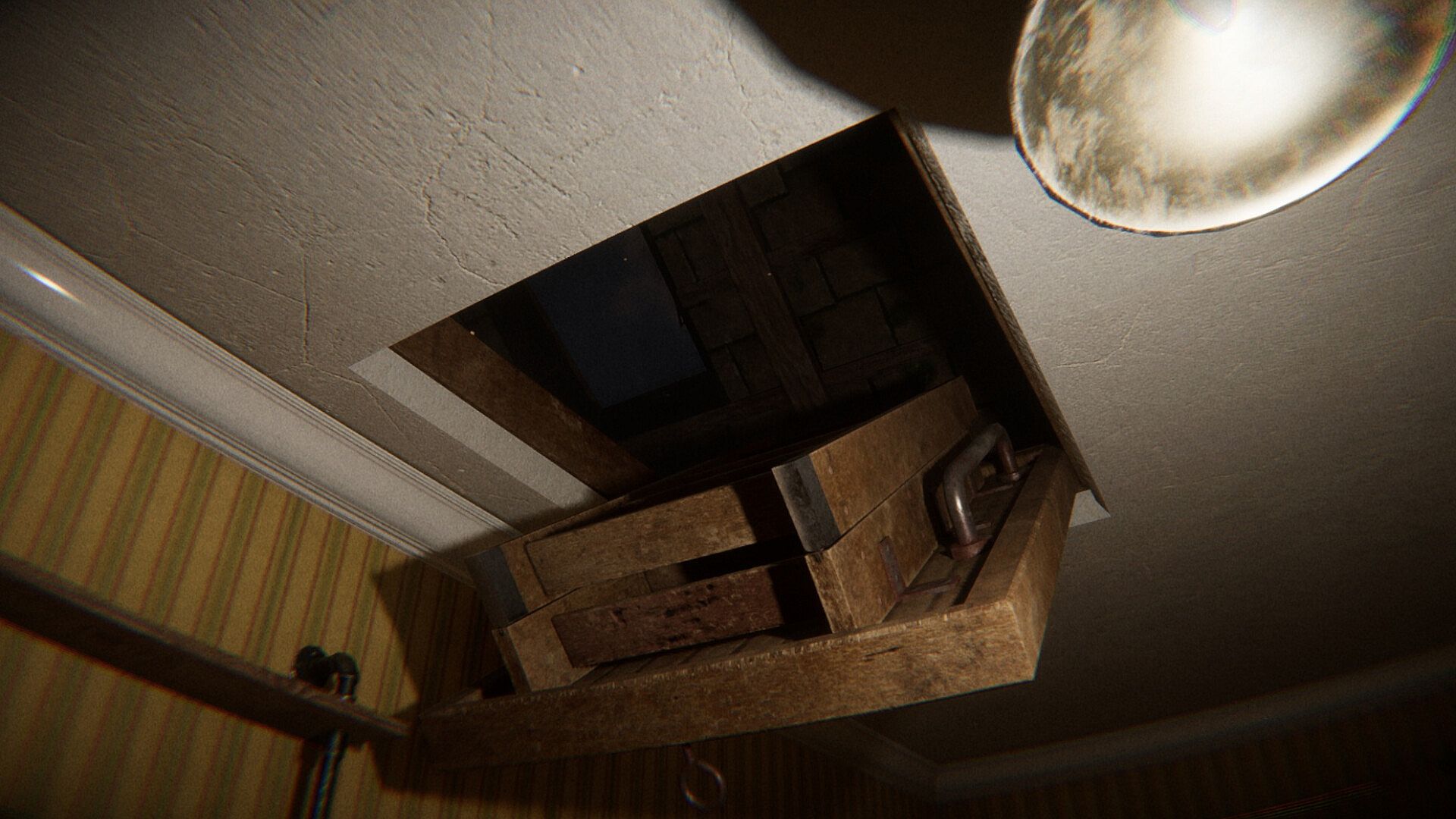
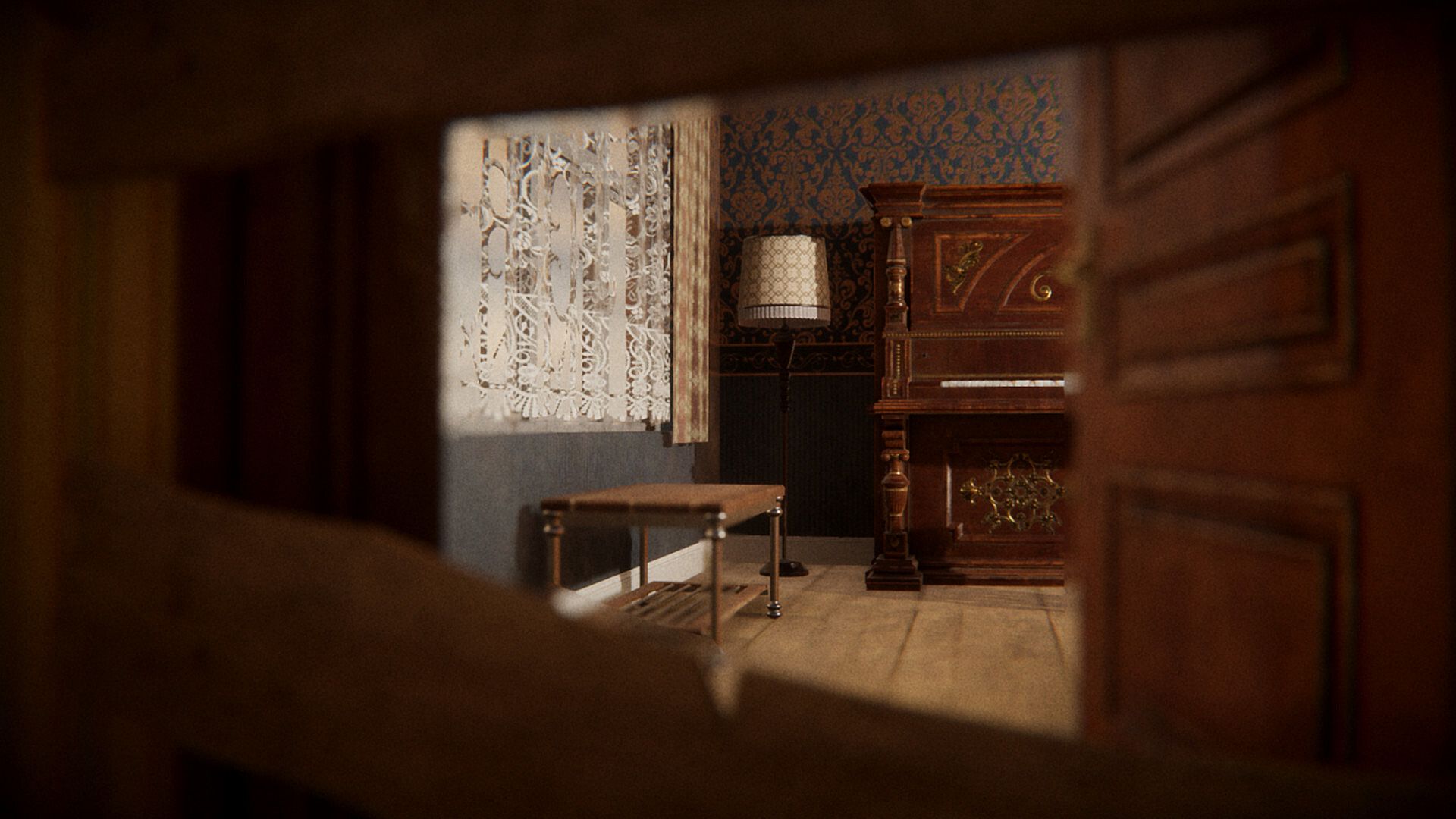
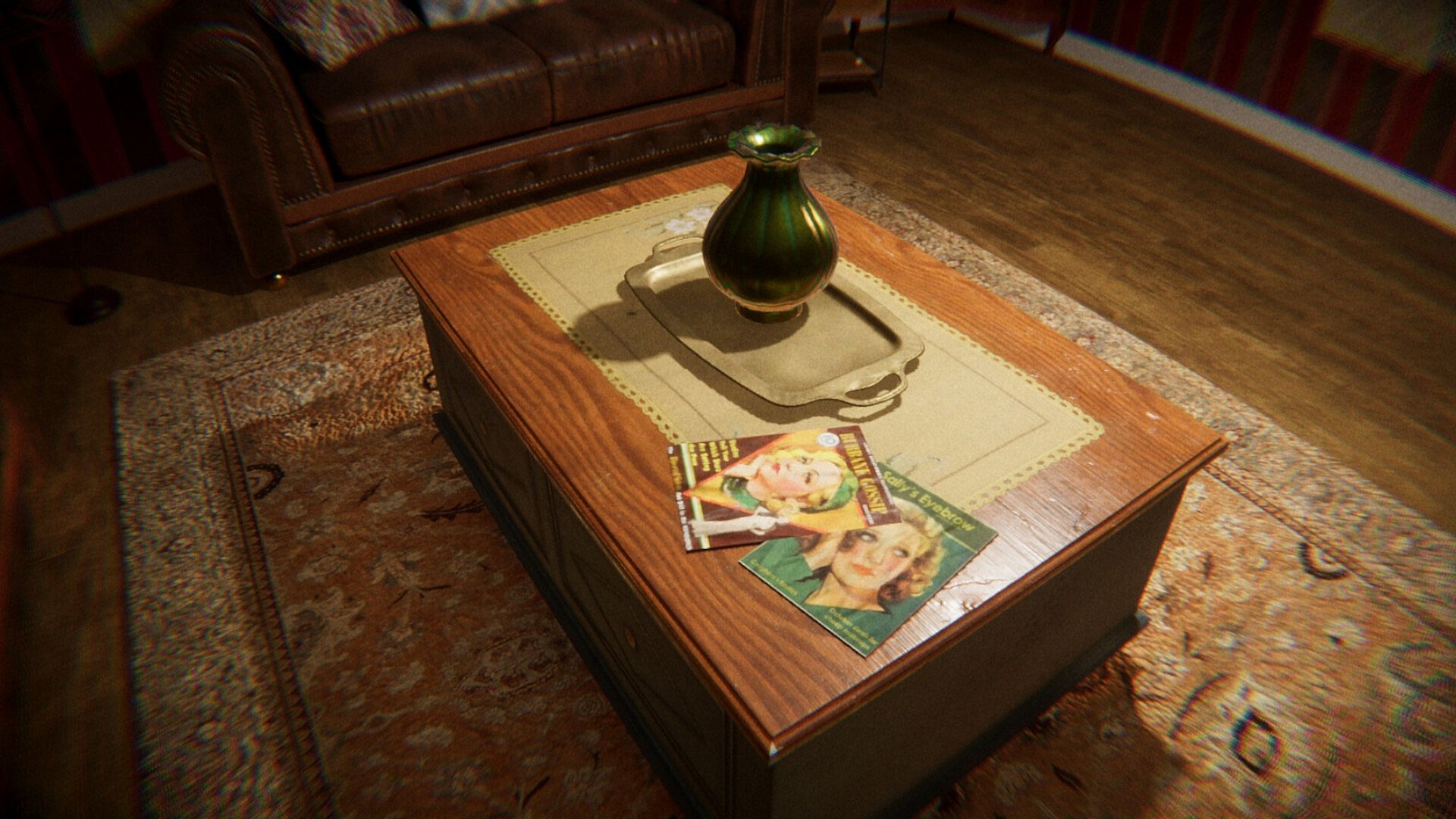
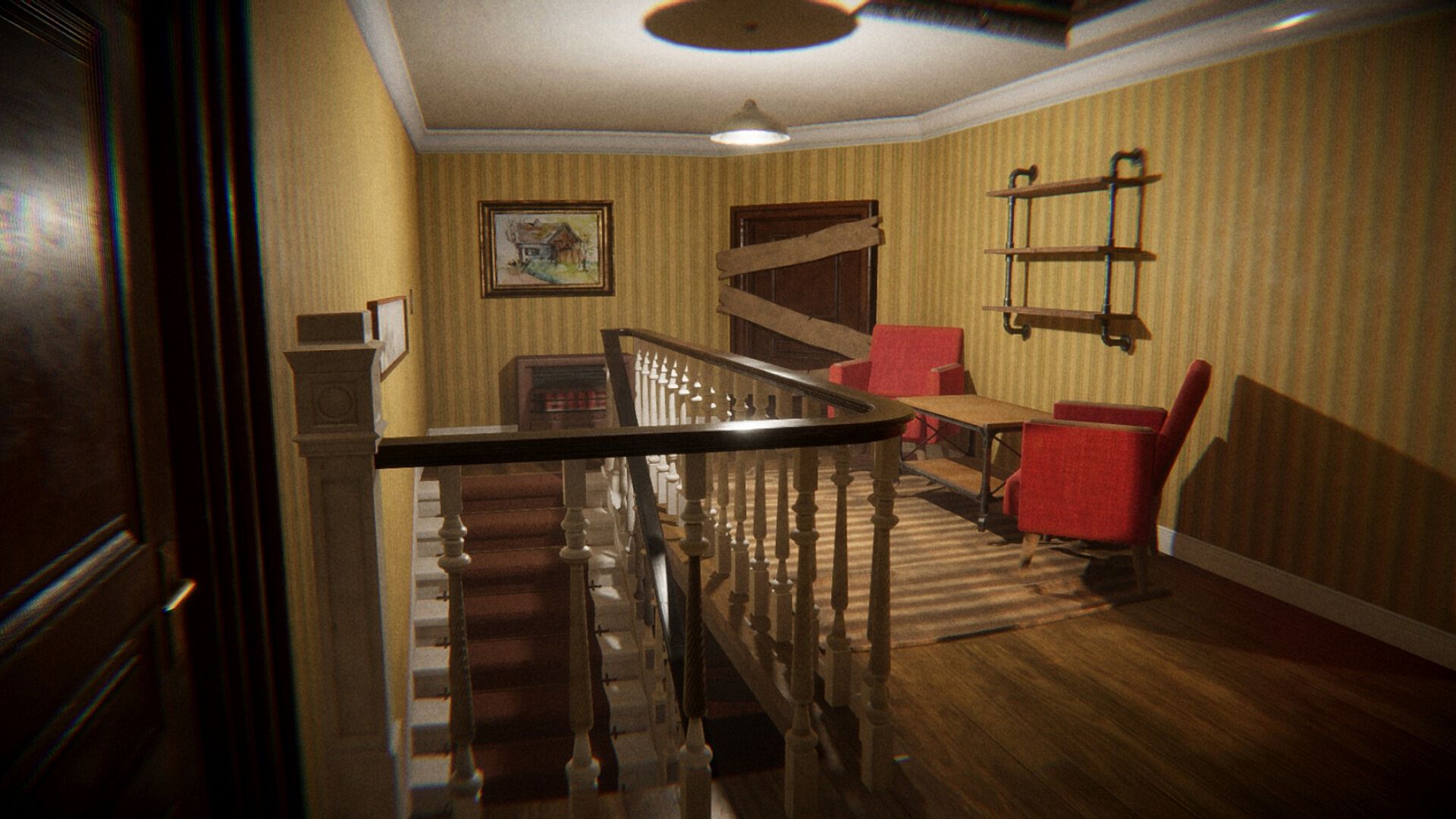
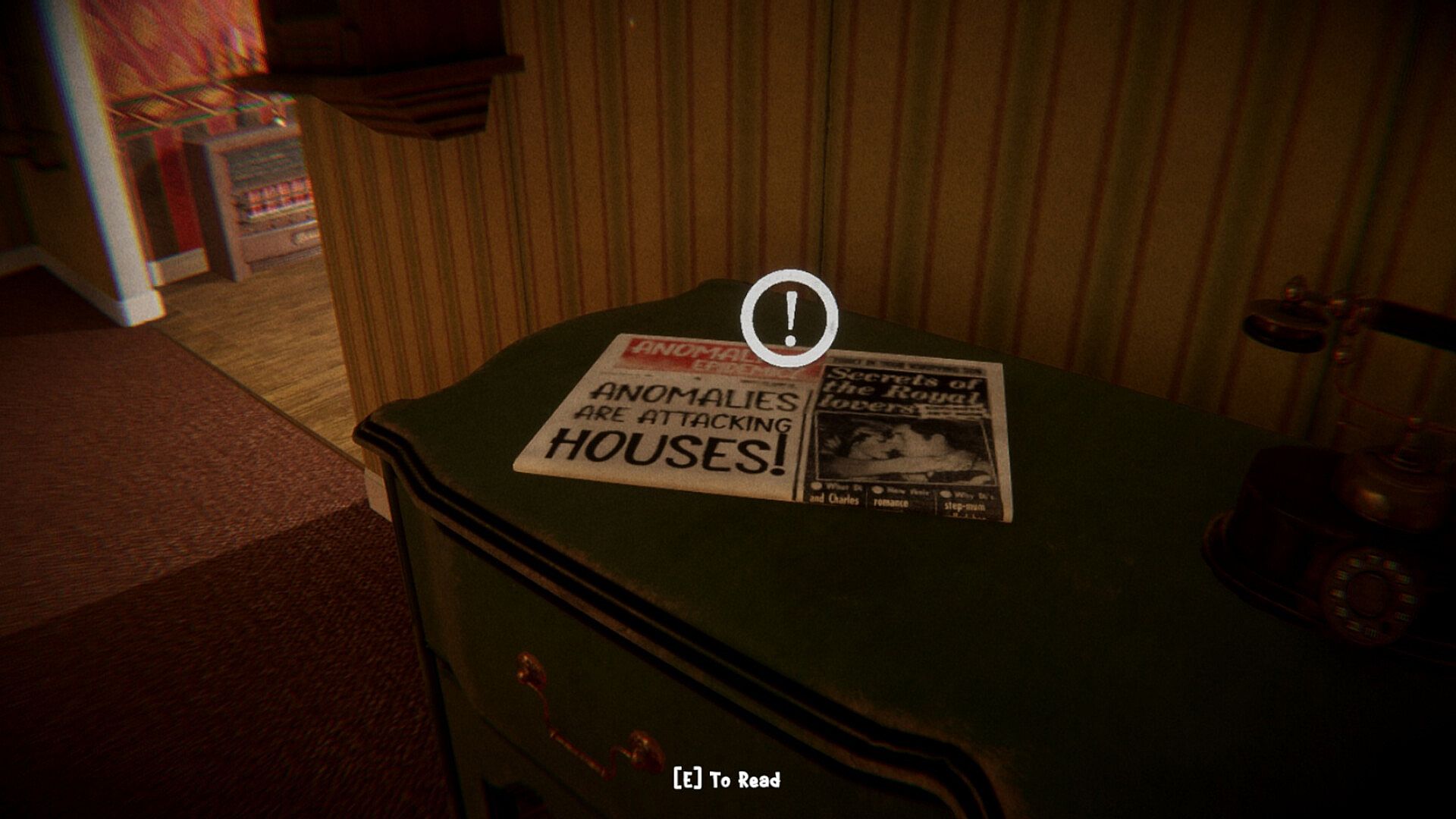
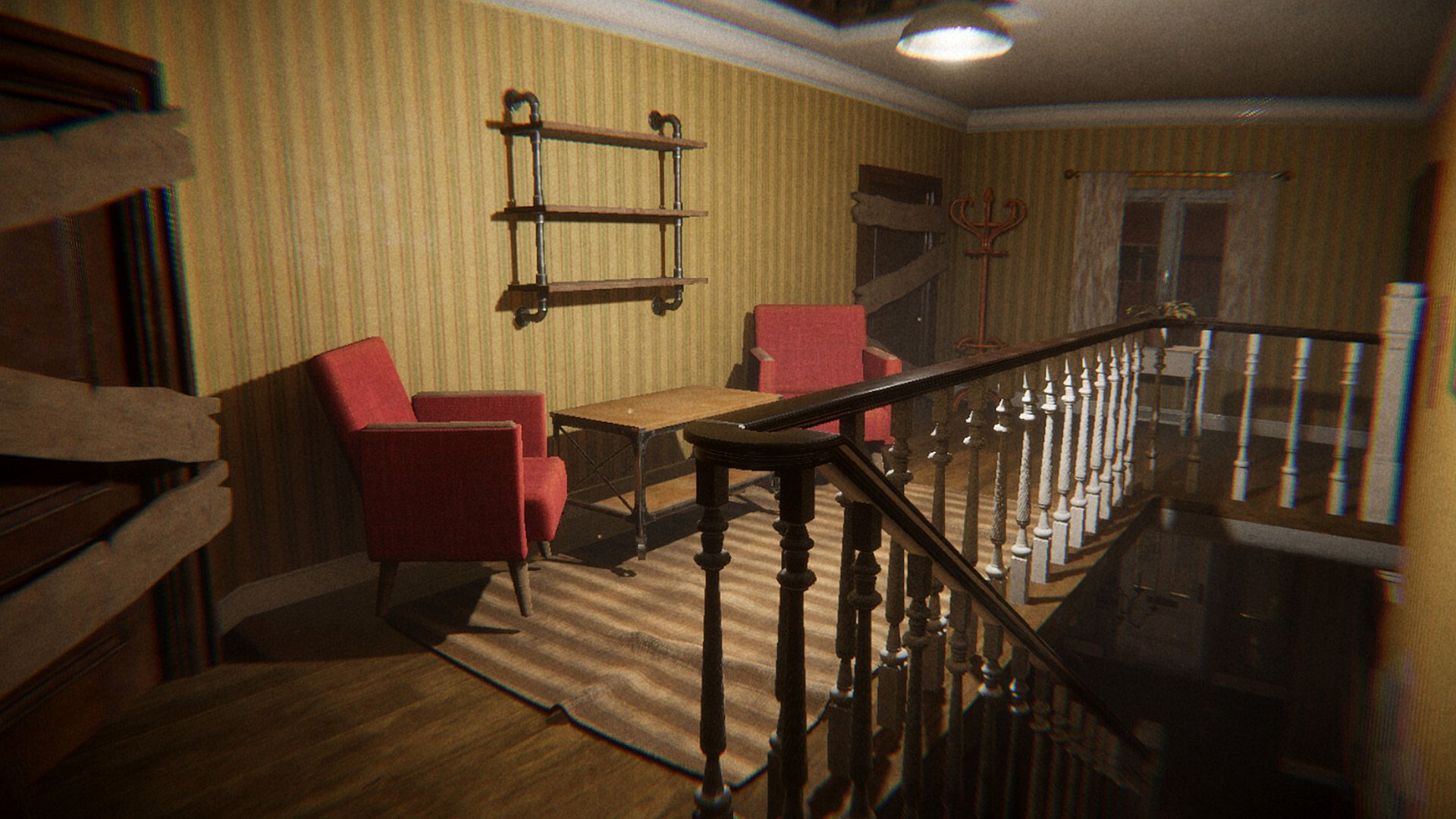
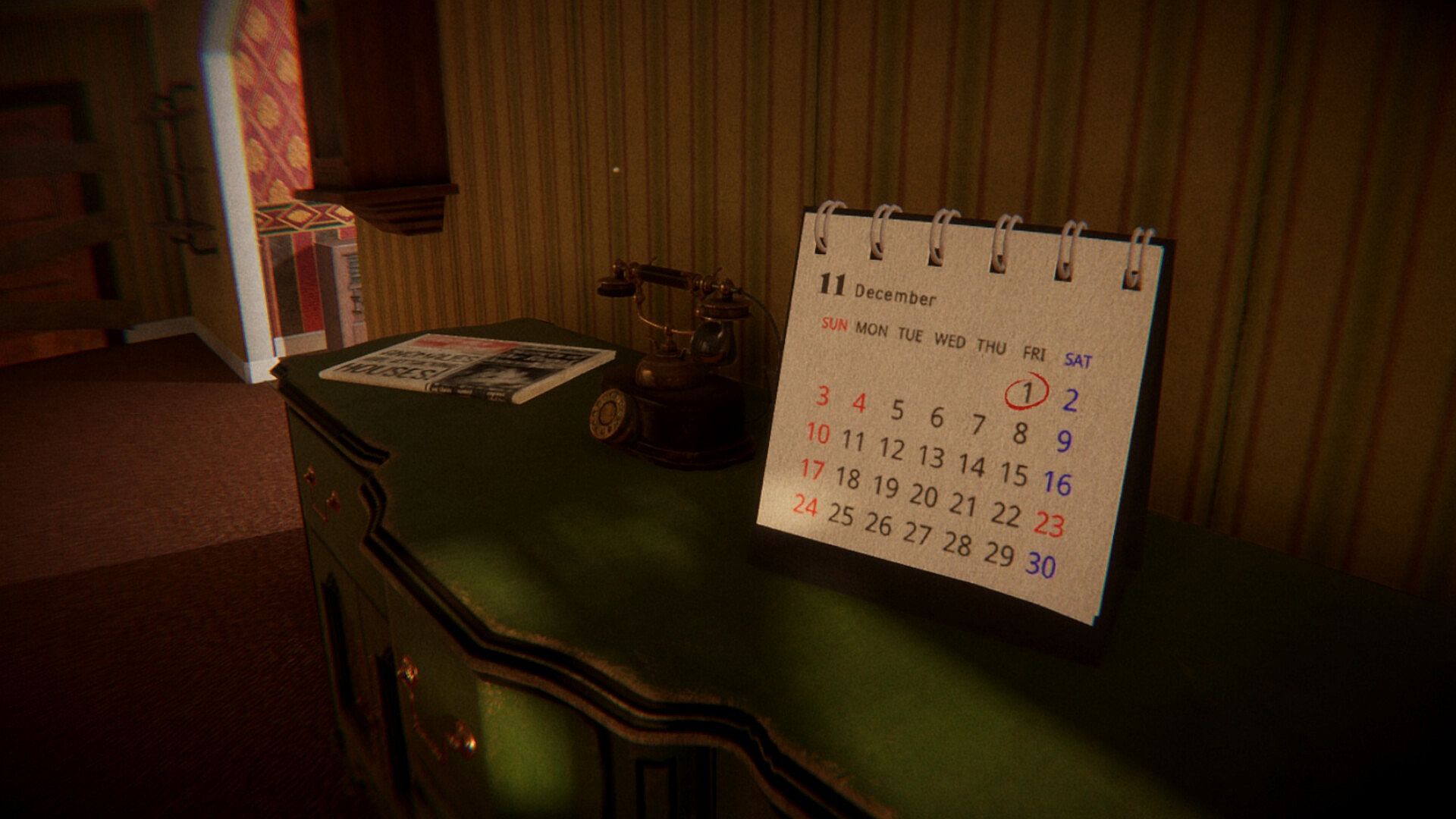
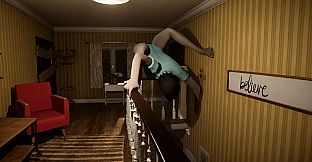
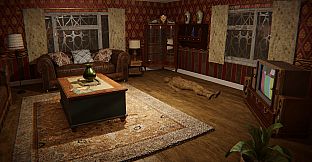
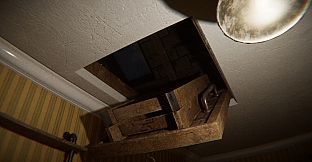
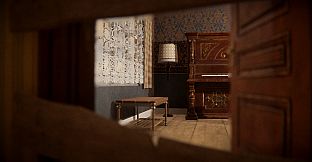
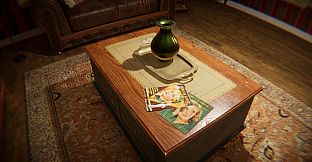
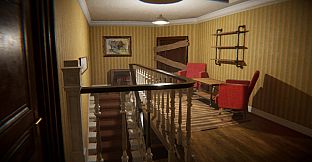
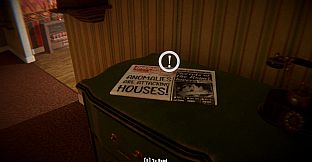
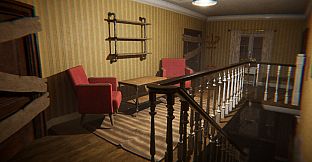
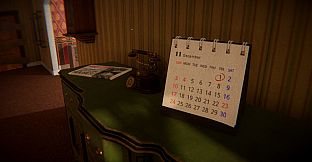
That's Not My Mom is an indie psychological horror game built around anomaly detection in a domestic setting. Players take on the role of an elementary school boy who returns home each day to find subtle changes that signal something unnatural at work. The experience centers on careful observation of the house and its inhabitants as events escalate across the city.
Gameplay
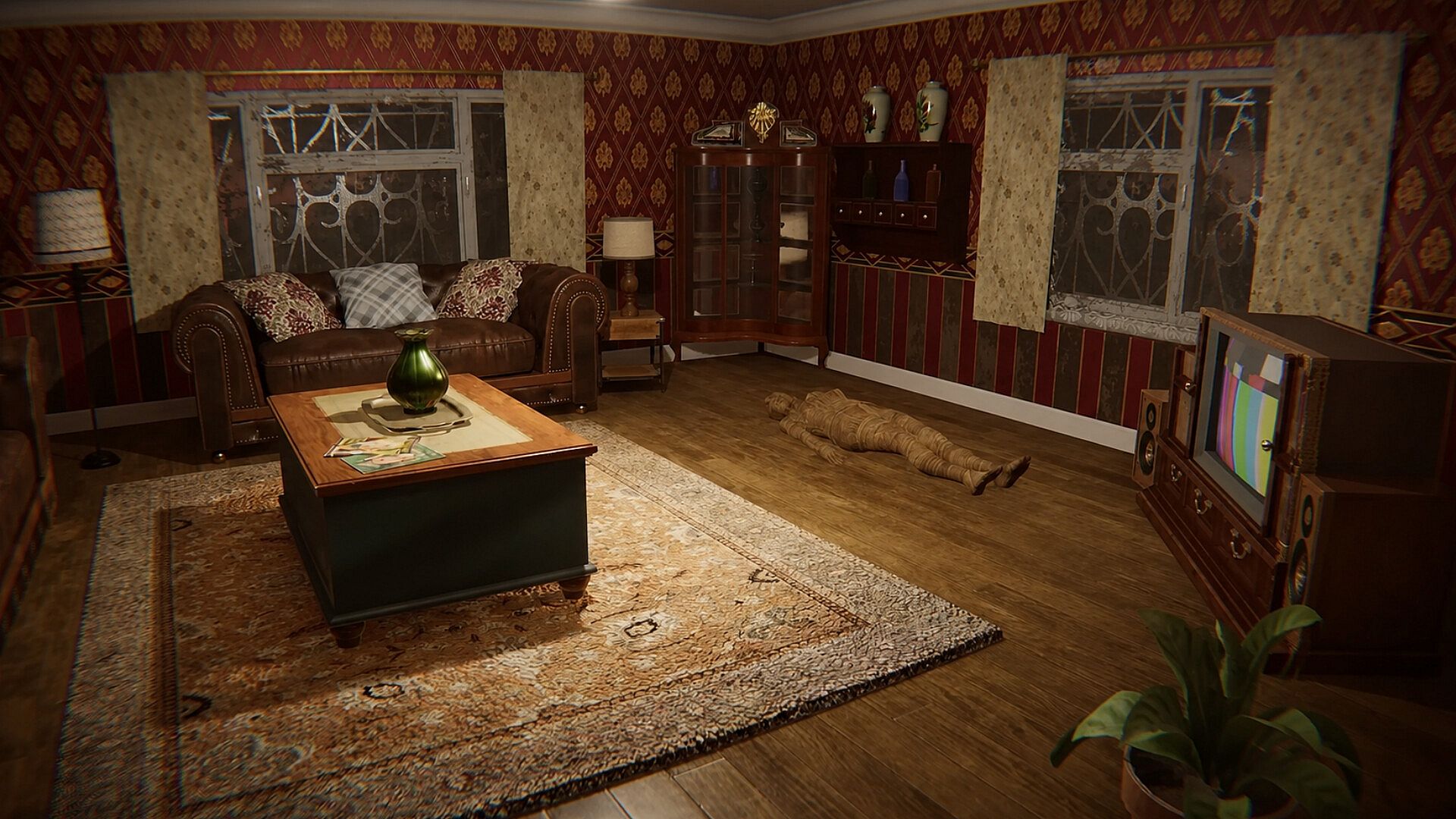
The core loop involves walking through the family home in first person while scanning rooms for anything out of place. Anomalies appear as small visual or behavioral shifts that players must identify before progressing. Controls remain straightforward with keyboard and mouse input, emphasizing observation over complex actions. Each return from school introduces new layers of unease as the environment reacts to the spreading phenomenon. Photorealistic visuals and high quality 3D audio heighten the tension during these inspections. The minimal interface keeps focus on the surroundings rather than menus or indicators. Sessions typically last under an hour in total, rewarding repeated playthroughs to catch every variation.
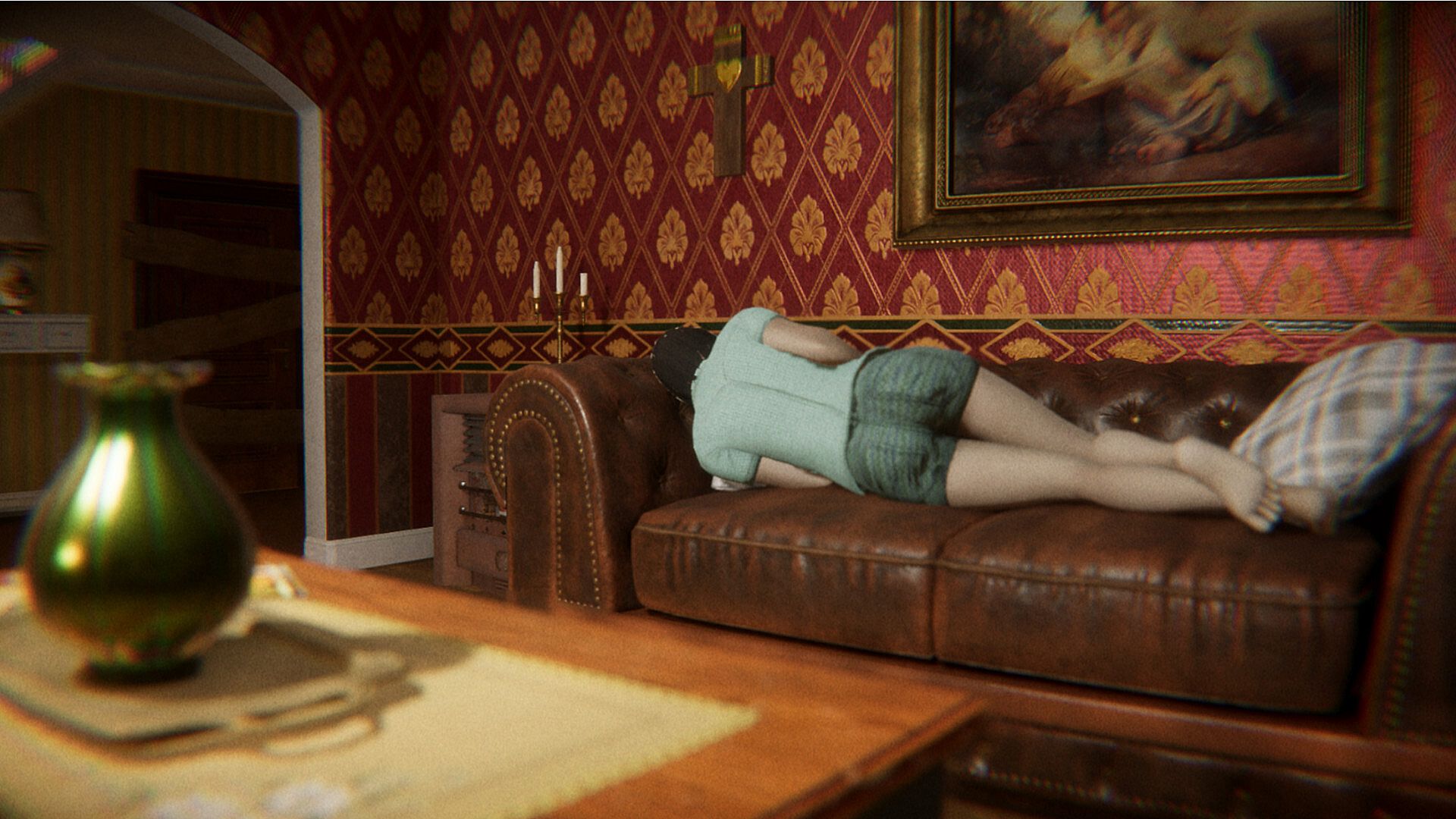
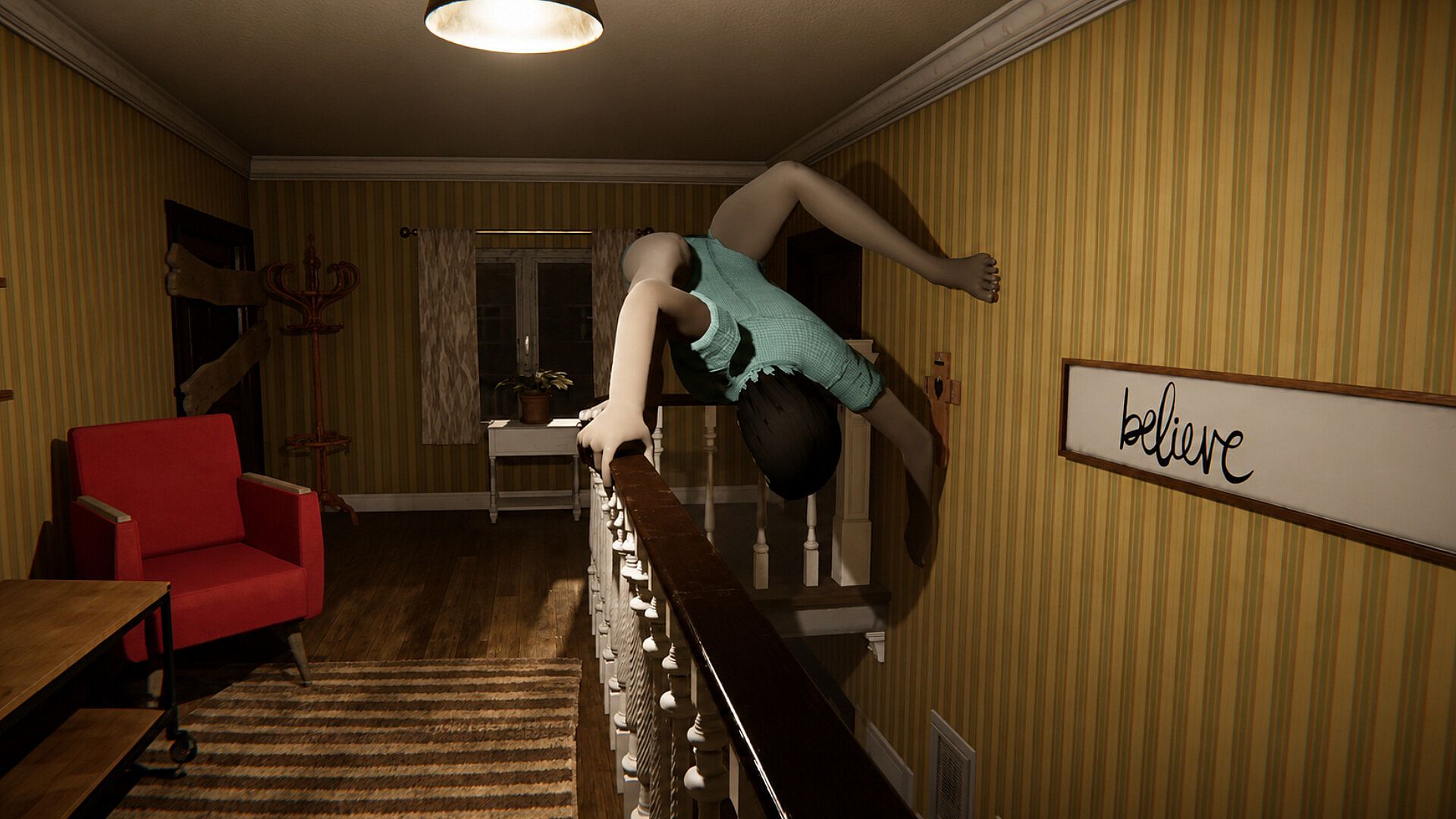
Challenges arise from the variety of anomalies scattered throughout the house. Some involve altered objects or rearranged furniture while others affect the mother's behavior or distant sounds from outside. The design encourages methodical exploration without time pressure, though missing key details can lead to unsettling outcomes. Smooth movement and responsive controls support the deliberate pace required for thorough searches.
Game Modes
The game offers a single focused singleplayer experience with no separate multiplayer options or alternate modes. Progression follows the boy's daily returns home, building the narrative through successive anomaly encounters. This structure keeps the emphasis on the core anomaly finding mechanic without branching paths or competitive elements. All content unfolds within the same atmospheric house setting across the short runtime.
Atmosphere and Presentation
A heavy sense of dread permeates the modest visuals and restrained sound design. The photorealistic style lends realism to familiar household spaces while subtle distortions create psychological discomfort. Audio cues such as creaking floors or distant city noises reinforce the feeling that the anomaly outbreak extends beyond the home. The story unfolds gradually through environmental changes and the mother's suspicious actions rather than direct exposition. This approach suits players who appreciate slow building tension over jump scares.
Tags associated with the title highlight its walking simulator roots combined with psychological horror elements. The experience remains accessible yet demanding due to the precision needed to spot every anomaly.
Is It Worth Playing?
Players seeking a concise anomaly spotting title will find value in the focused design and intriguing premise. Reception on itch.io shows a 4.3 out of 5 rating from a small number of reviews, with comments praising the tense atmosphere, gripping story, and effective scares despite the short length. The 40 to 60 minute estimated playtime makes it suitable for a single evening session or multiple attempts to achieve full anomaly discovery. Those familiar with similar titles will recognize the straightforward yet challenging loop that rewards attention to detail. The game suits fans of psychological horror who prefer observation based mechanics over combat or complex systems. Its status as a side project means limited ongoing updates, but the complete release delivers the promised atmospheric experience without unnecessary additions. Overall it provides a solid entry point for anyone interested in this niche style of indie horror.