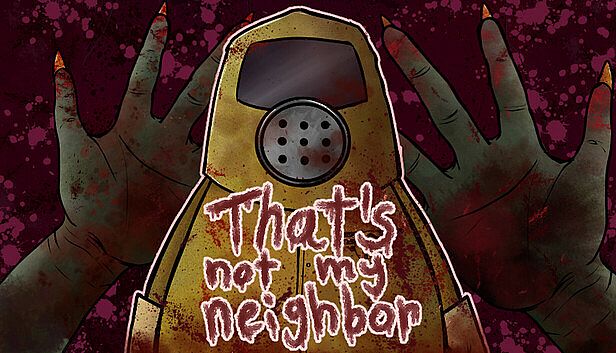



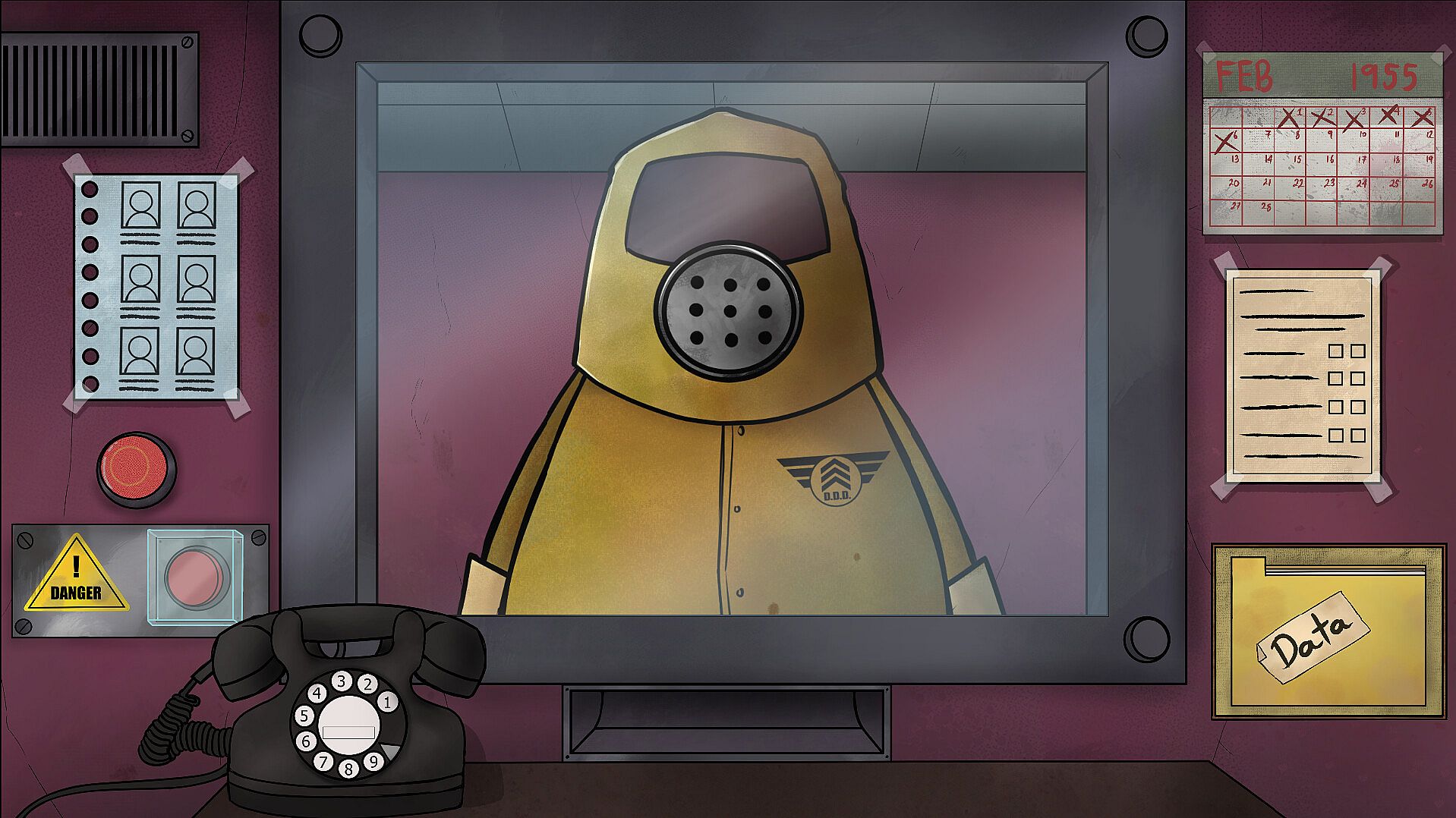

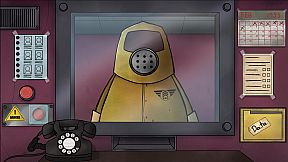

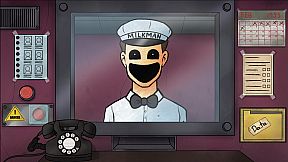
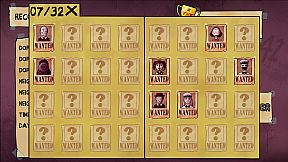
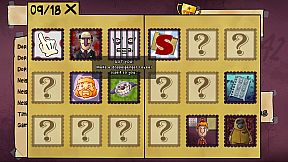
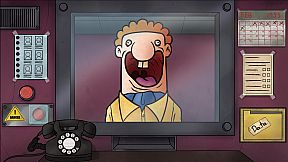
That's Not My Neighbor is an indie casual simulation adventure game for PC in which players take on the role of a doorman tasked with spotting doppelgangers among applicants trying to enter an apartment building. The Department of Doppelganger Detection, known as the D.D.D., relies on careful observation of documents, physical appearances, and tenant lists to separate genuine residents from impostors that mimic them. This singleplayer experience blends routine job simulation with science fiction tension and an eerie atmosphere that rewards attention to detail over fast reflexes.
Gameplay
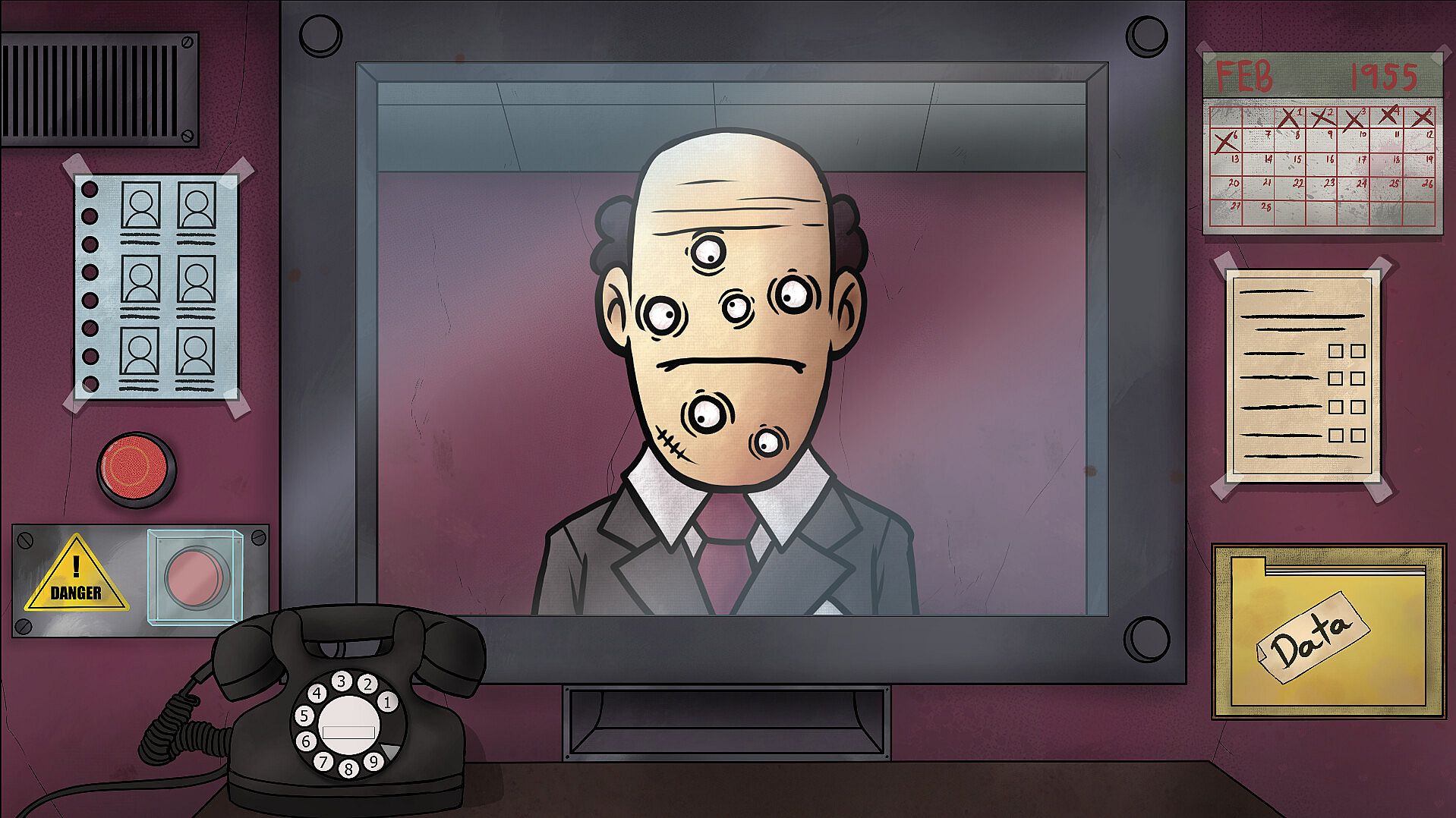
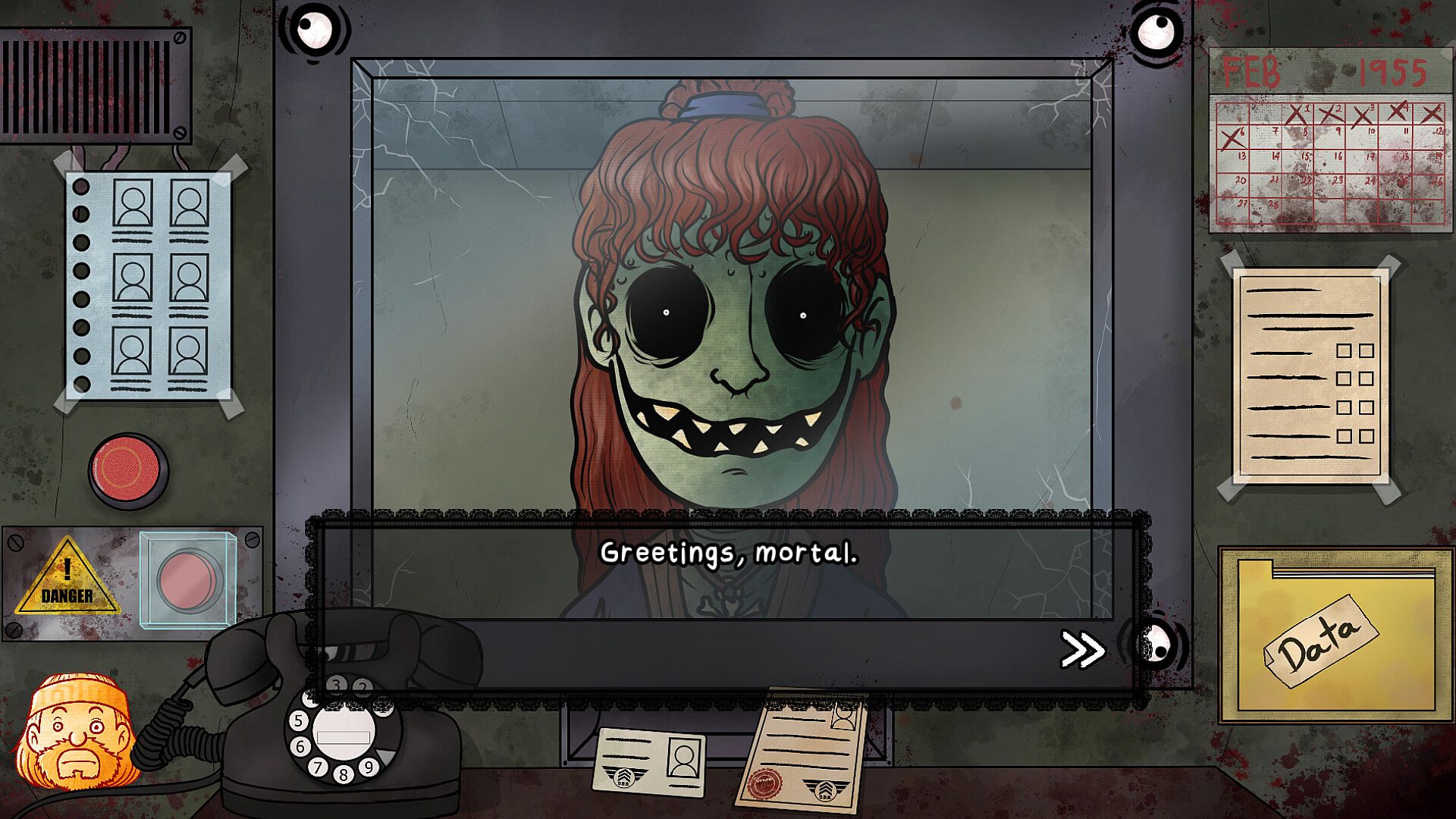
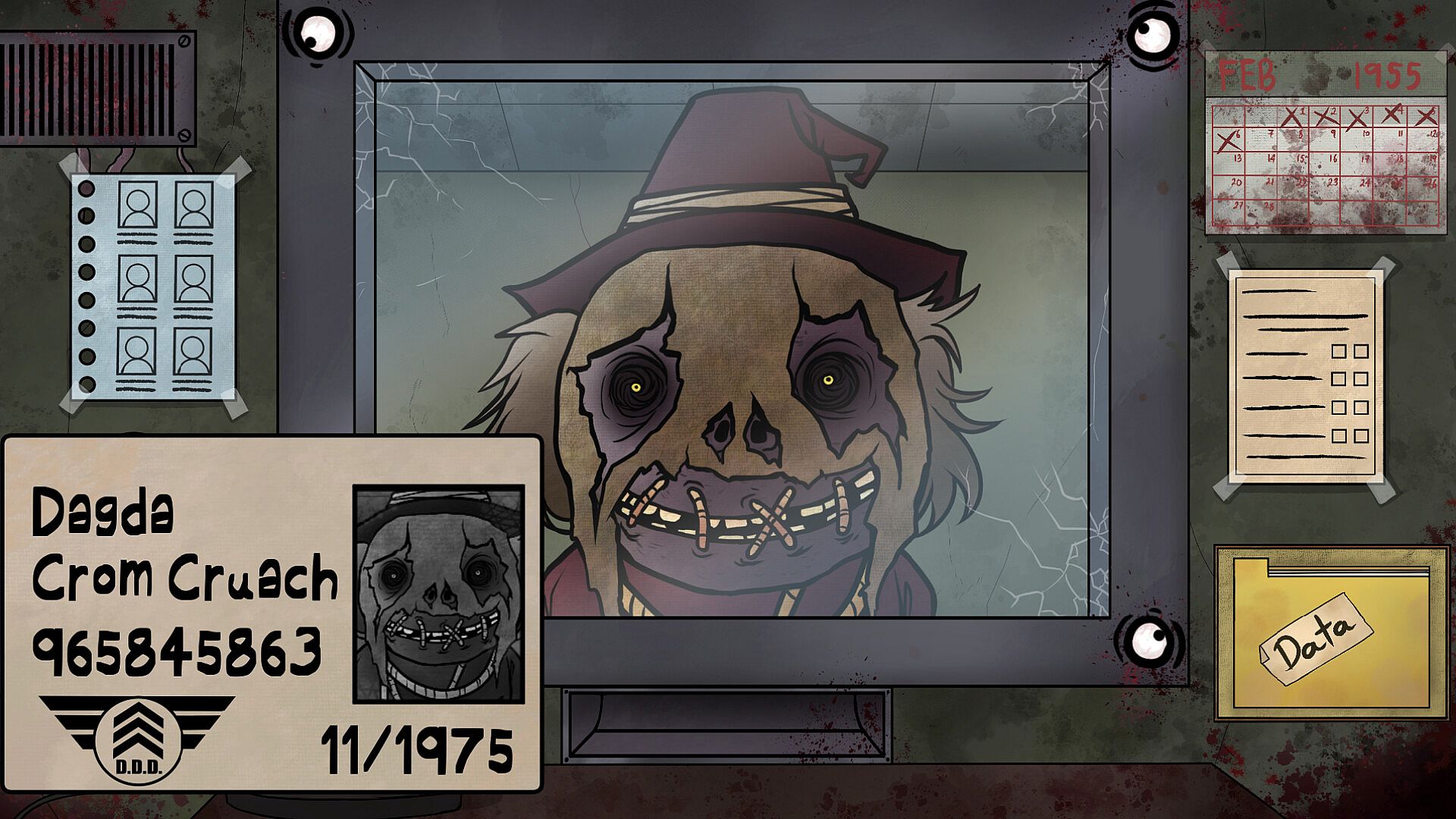
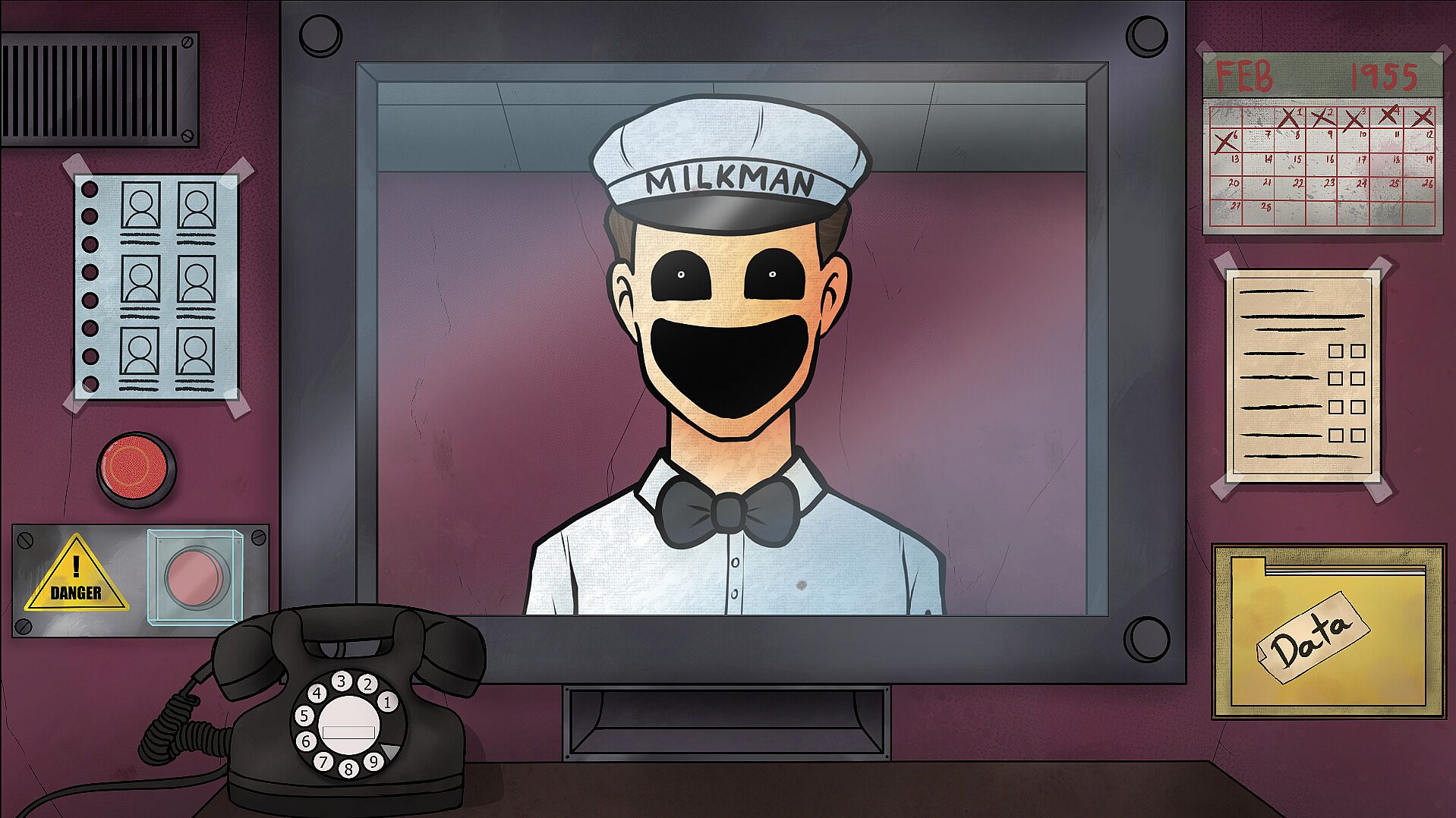
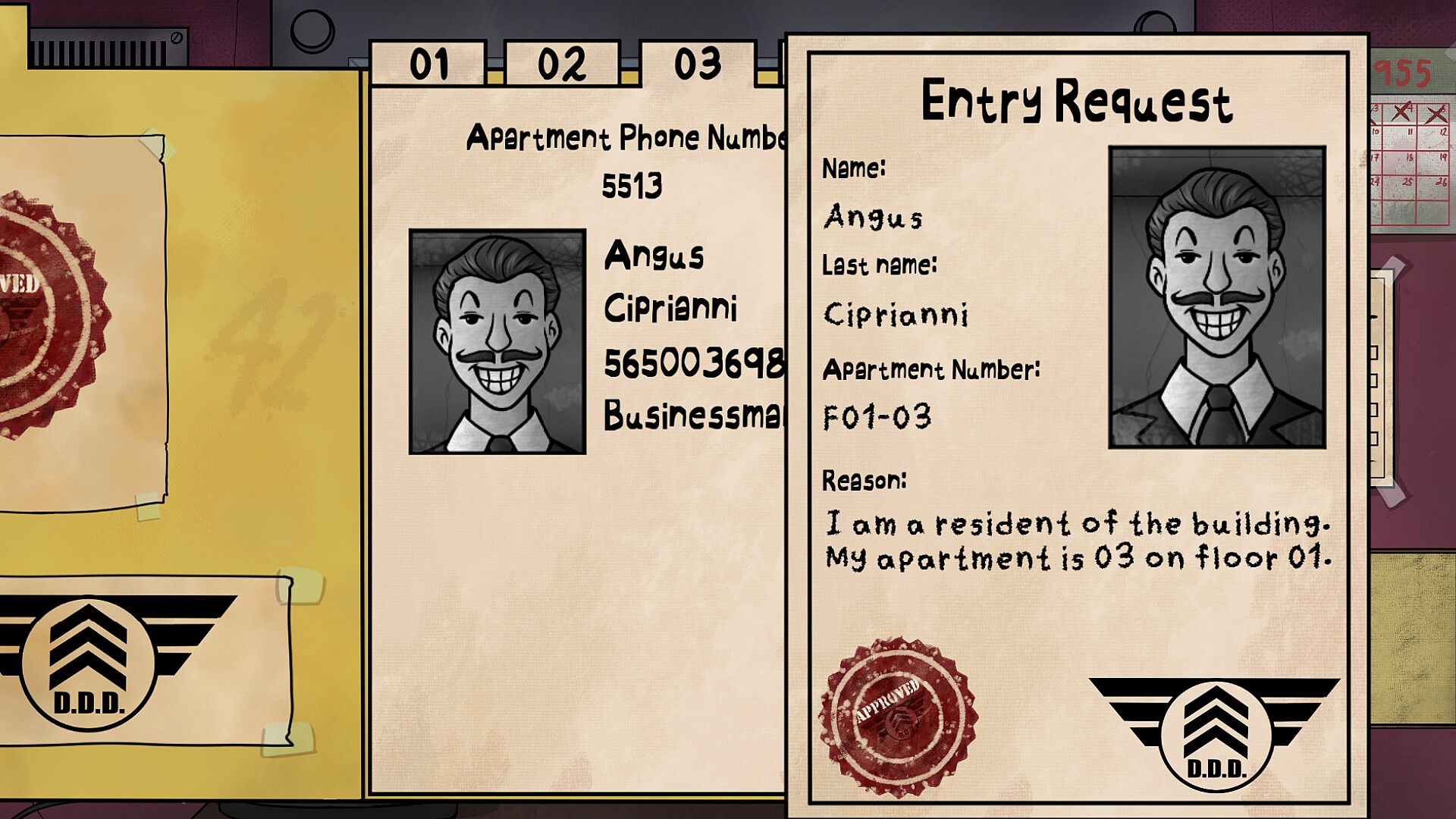
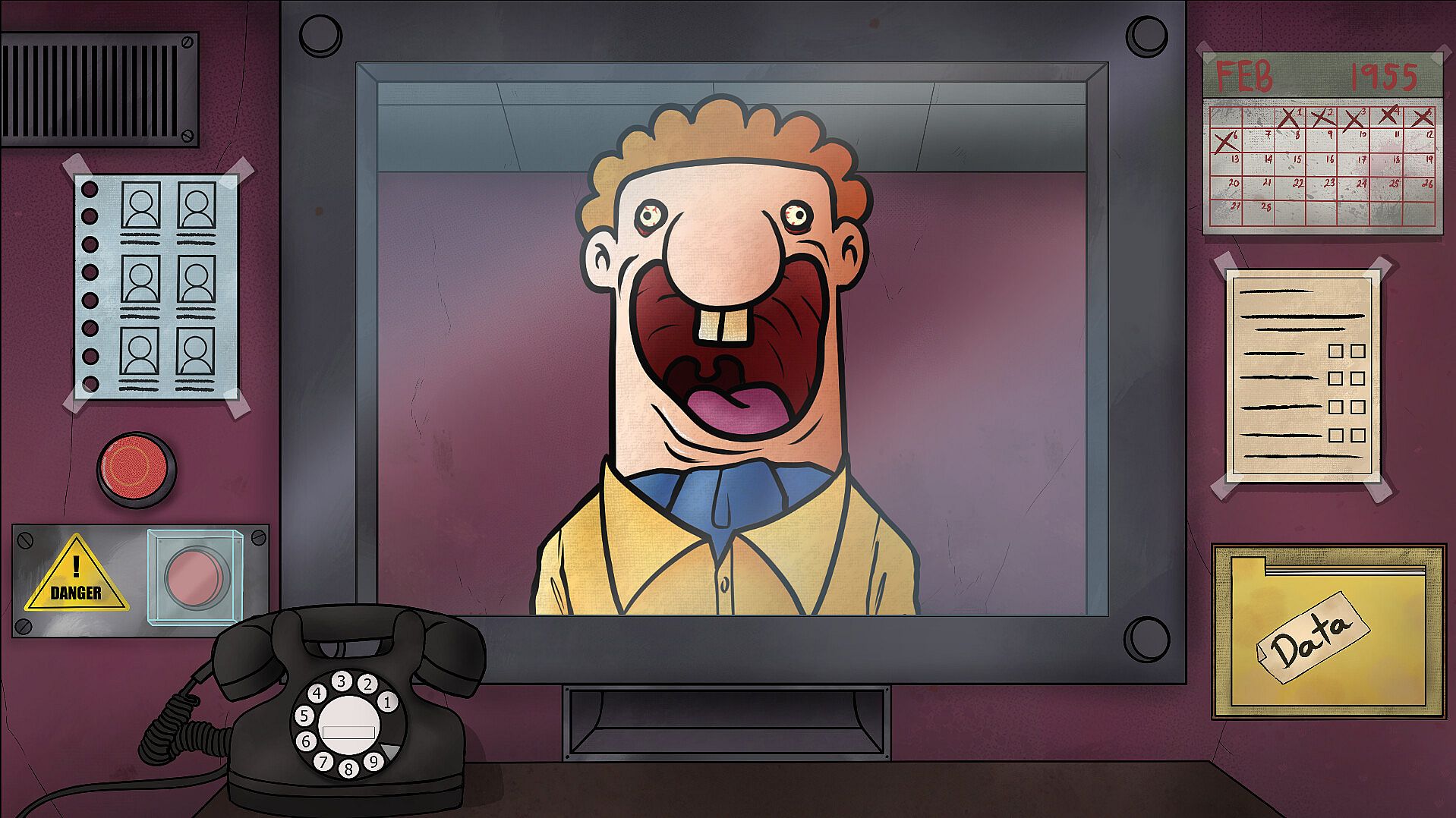
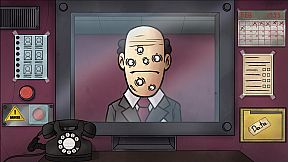
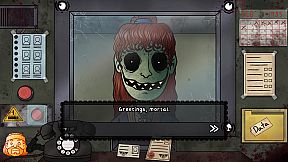
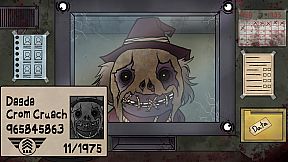
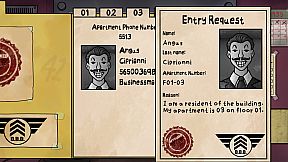
The core loop centers on processing applicants one by one at the front desk. Each visitor presents identification, entry requests, and other paperwork that must match the building's records for the day. Players compare photos, names, apartment numbers, and listed residents against what appears on screen. Discrepancies such as mismatched features, extra limbs, or incorrect details signal a potential doppelganger. Decisions to grant or deny entry carry consequences, as letting an impostor through can lead to problems inside the building while rejecting a real tenant affects performance metrics.
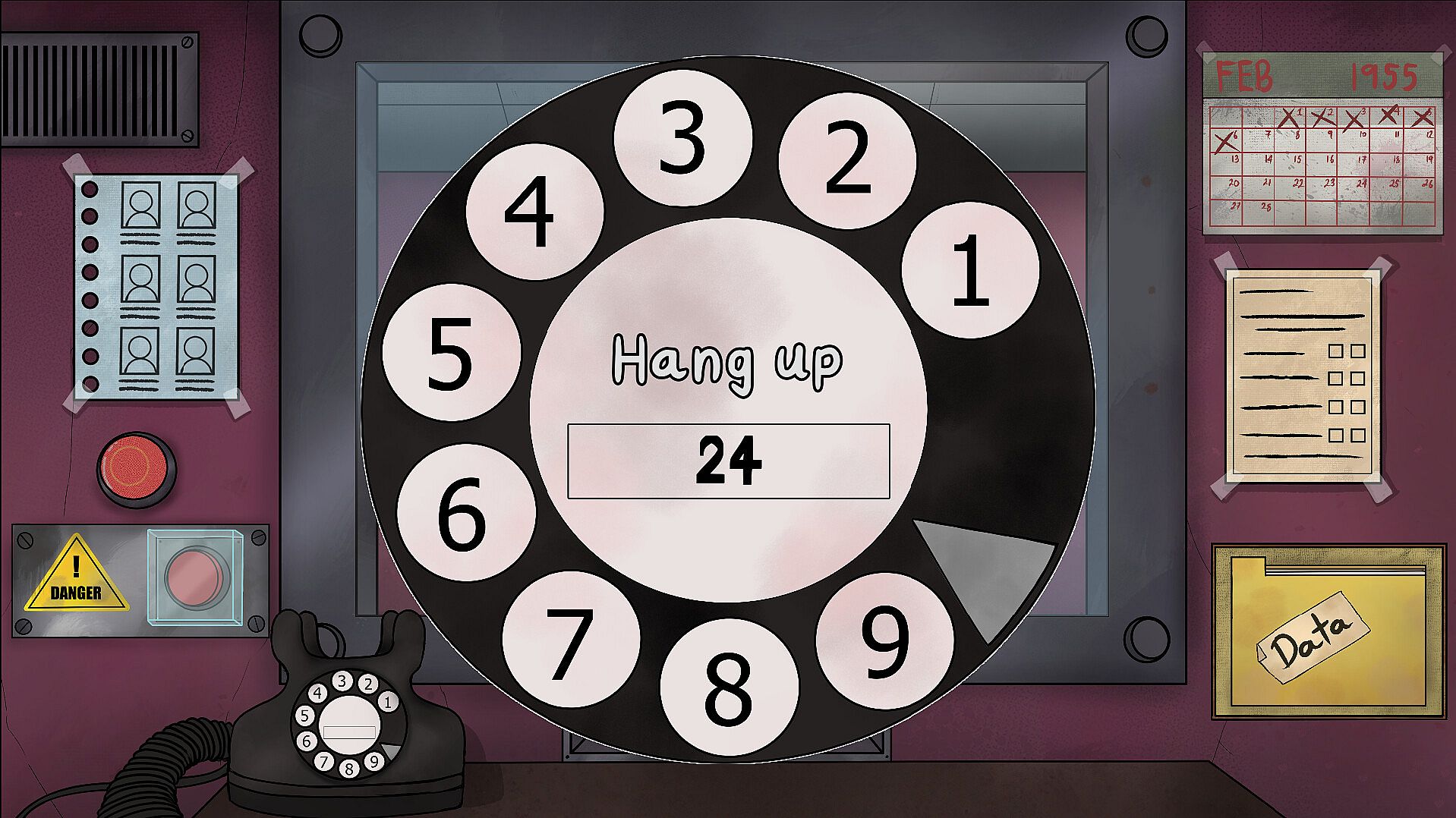
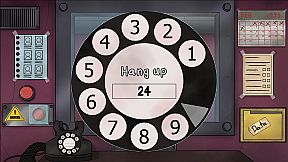
Mechanics emphasize methodical checking rather than action. The interface presents documents in a clear layout, allowing players to flip through pages, zoom on details, and cross-reference with a daily list of approved tenants. The D.D.D. provides occasional alerts or tools to assist with verification. The aesthetic mixes mundane office elements with unsettling visual cues when doppelgangers appear, creating a steady sense of unease without relying on jump scares. Progress depends on consistent accuracy across shifts, with mistakes accumulating toward different outcomes.
Game Modes
Campaign Mode forms the main experience, guiding players through a series of shifts where performance determines multiple possible endings. Success or failure in identifying doppelgangers shapes the story branches and final results.
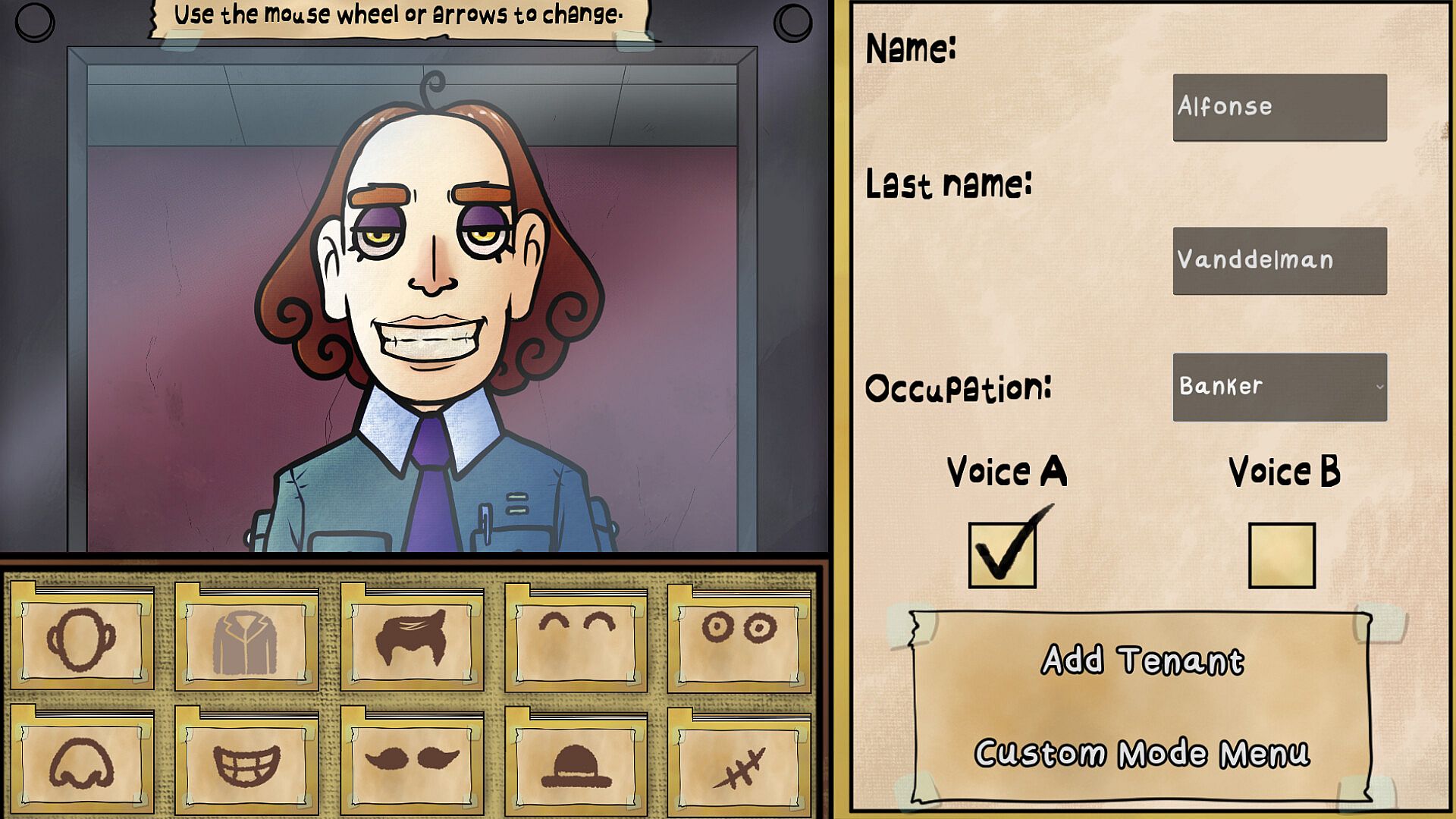
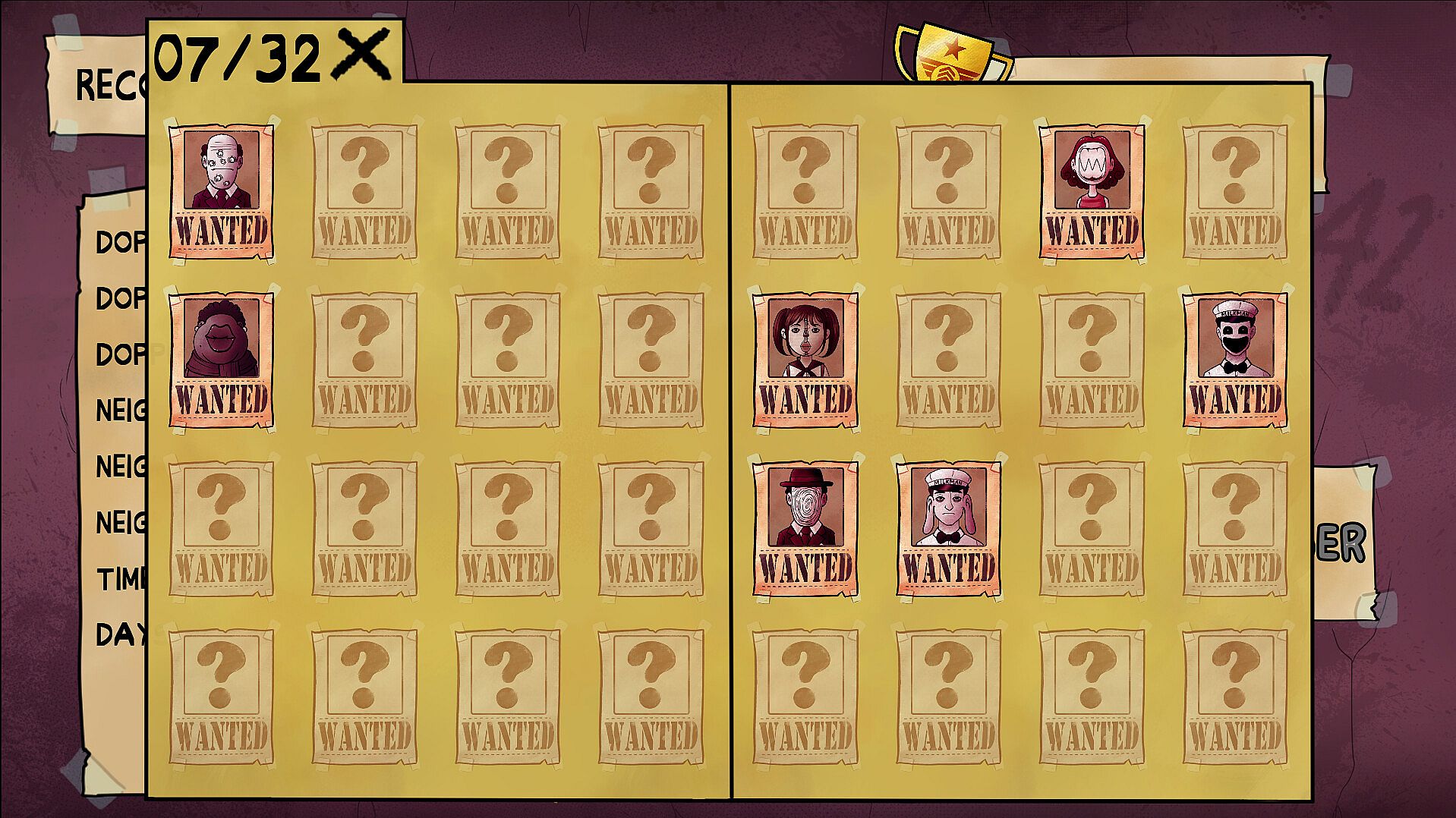
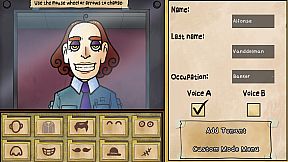
Arcade Mode shifts focus to scoring, challenging players to maximize correct decisions within time limits or across extended sessions to achieve high totals. Nightmare Mode increases difficulty with altered rules, including more aggressive impostor behavior and additional horror elements that change how threats manifest during shifts. Custom Mode allows players to create and modify their own tenants and scenarios, offering tools to build personalized challenges or experiments with the recognition system.
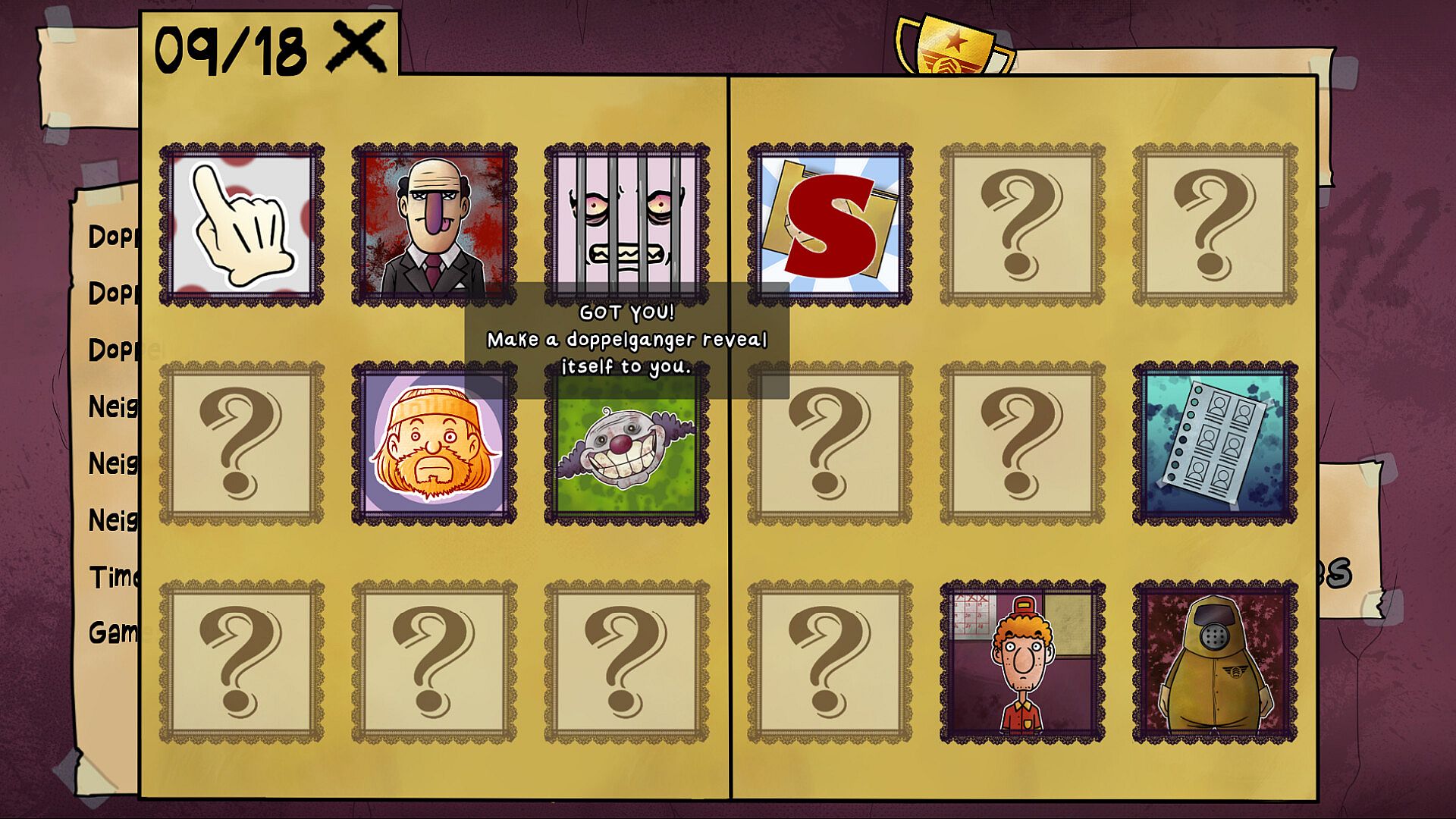
These modes share the same foundational verification tools but vary in goals, pacing, and risk levels. The Steam release includes six completed modes, with some features carried over from earlier versions of the game.
Story and Setting
The narrative unfolds through the doorman's daily interactions and the growing presence of doppelgangers in the building. Briefings from the D.D.D. provide context about the infestation and the stakes involved in each decision. The setting remains confined to the lobby and desk area, yet the implications of choices extend outward, influencing how the apartment complex fares over time. This structure keeps the focus on observation while layering in light science fiction lore about the nature of the impostors.
Is It Worth Playing?
Player reception on Steam stands at Very Positive, with 88 percent approval from over 2,000 English reviews and similar results in recent feedback. The game appeals to those who enjoy deliberate, detail-oriented simulation titles that test patience and pattern recognition. Its short sessions suit casual play, while the variety of modes supports repeated attempts for different outcomes or higher scores.
Those drawn to job-simulator mechanics with a horror twist will find the core loop engaging, especially in Nightmare Mode where tension rises. The title remains a straightforward PC experience without ongoing seasons or live-service elements, relying on its complete set of modes for replay value. It suits players comfortable with methodical pacing and willing to study each applicant's details carefully rather than seeking fast-paced action or multiplayer features.