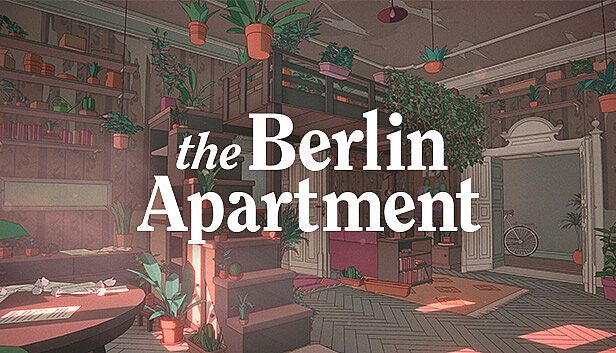






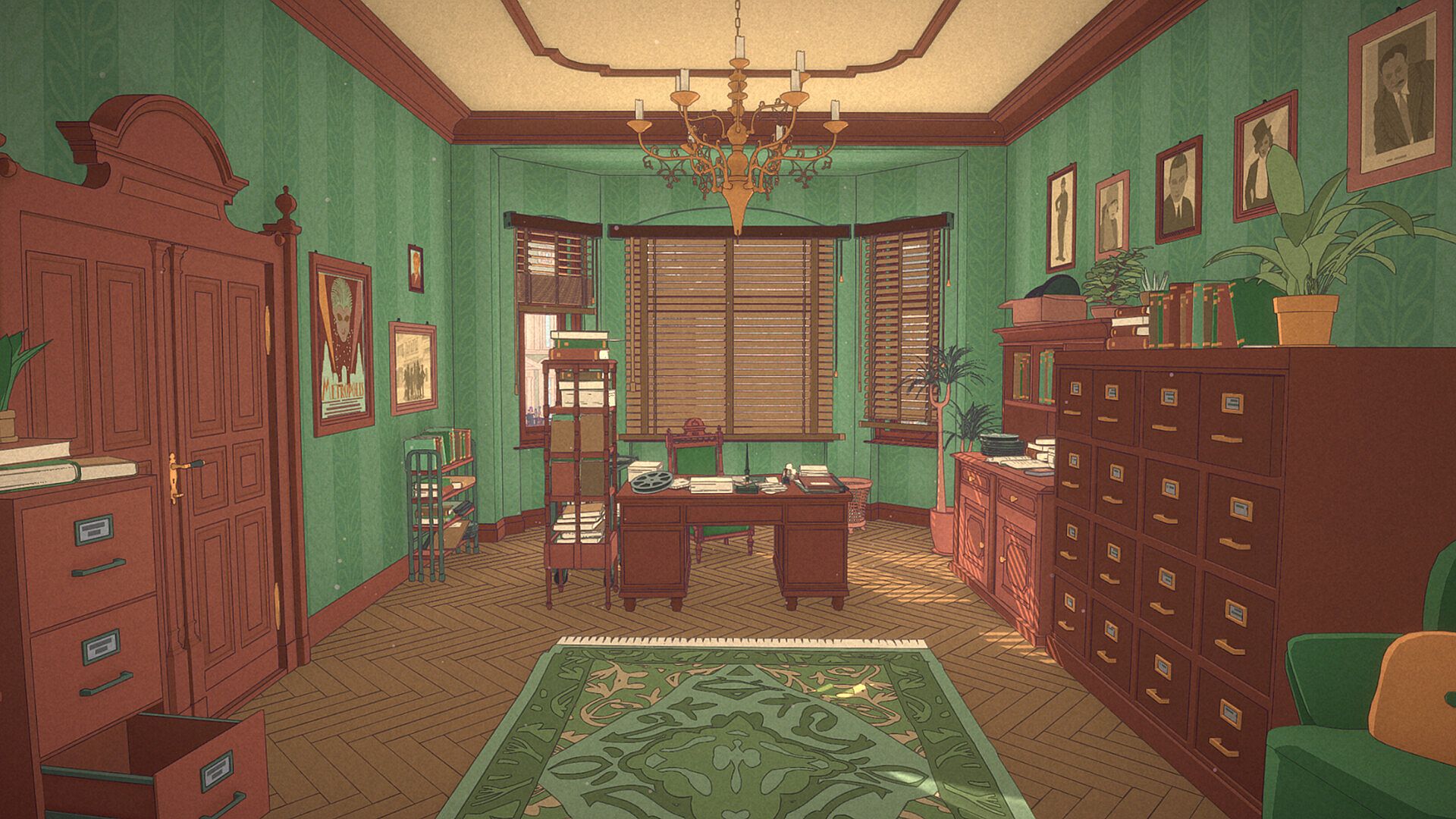
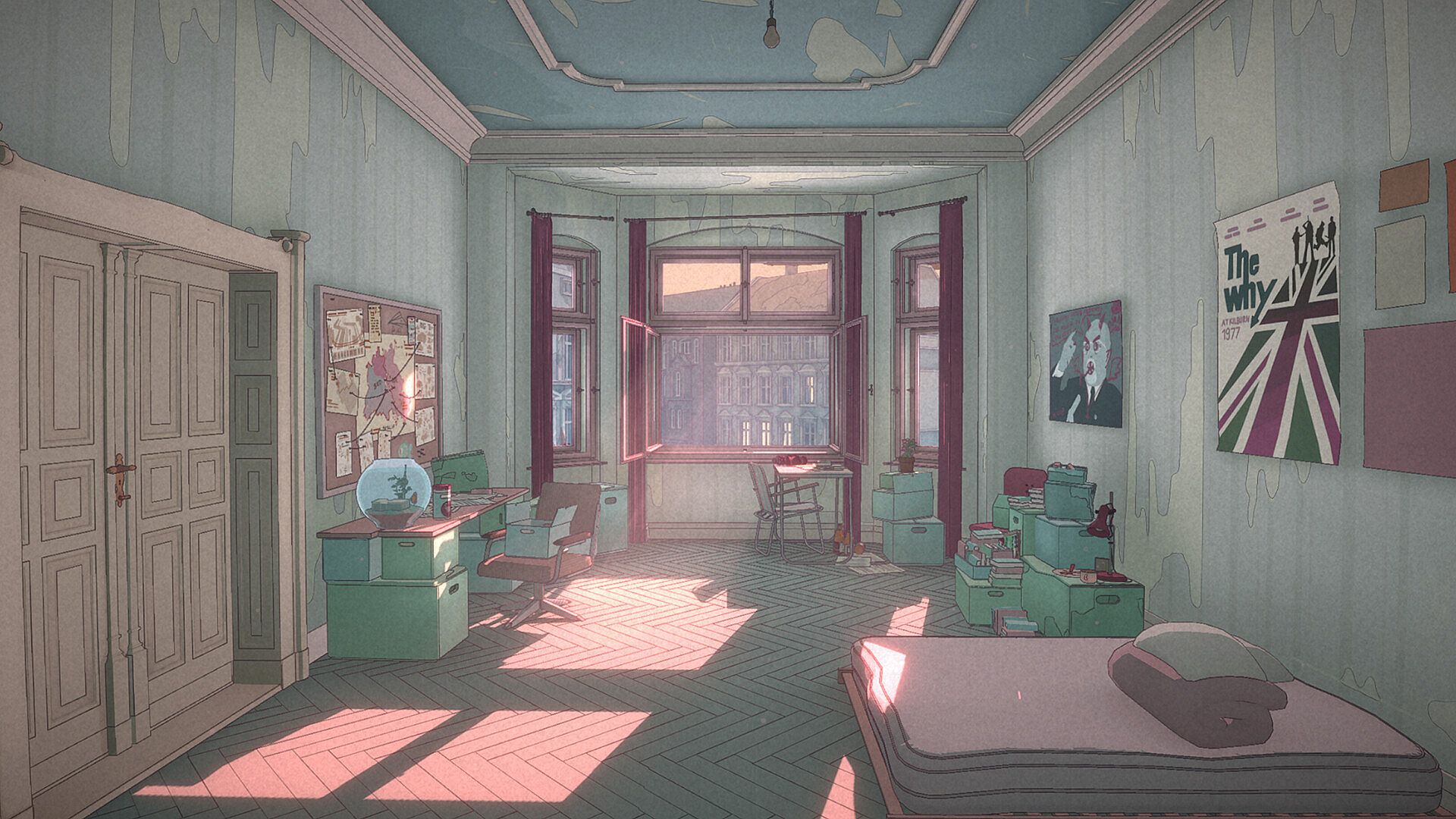
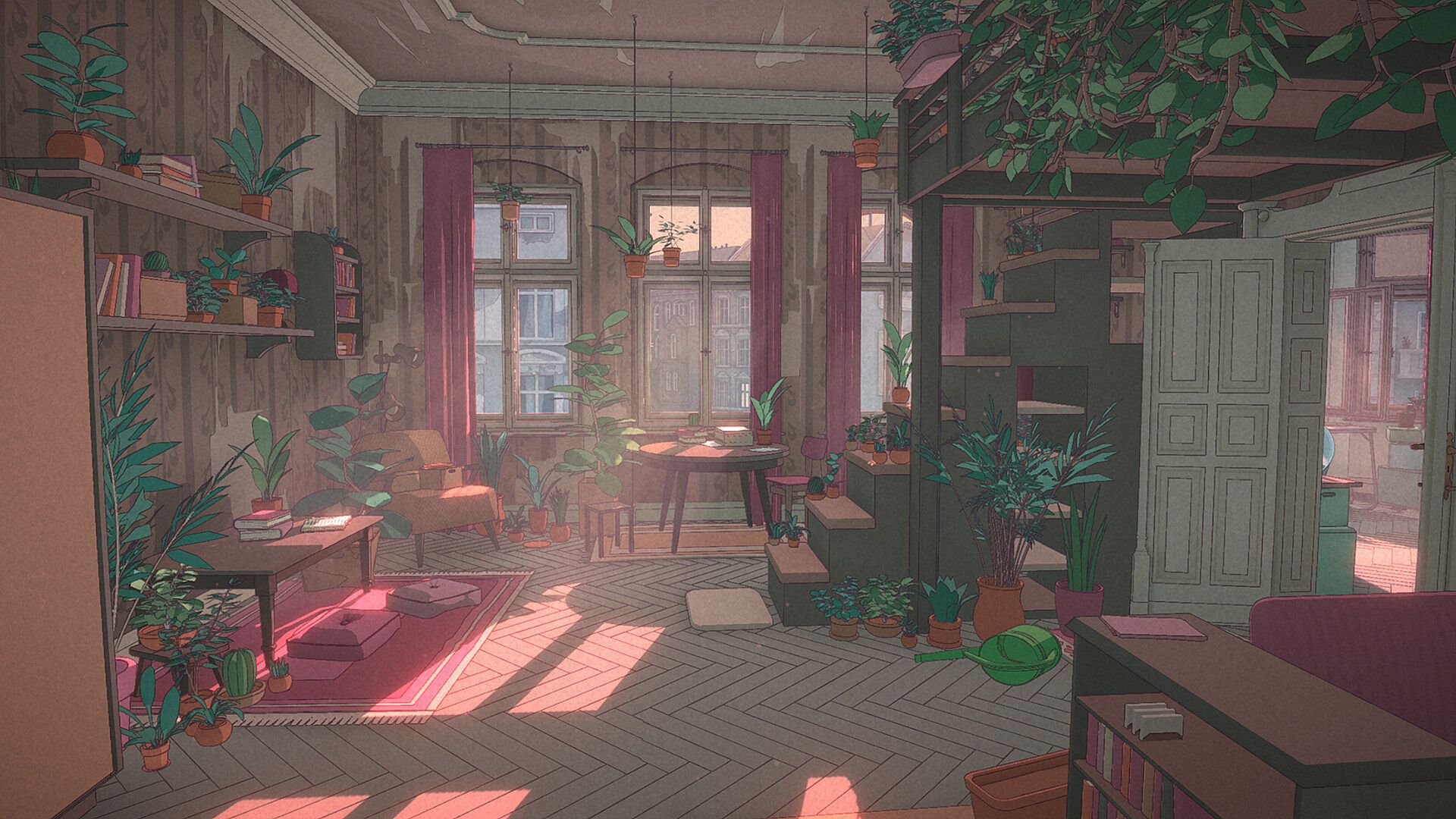
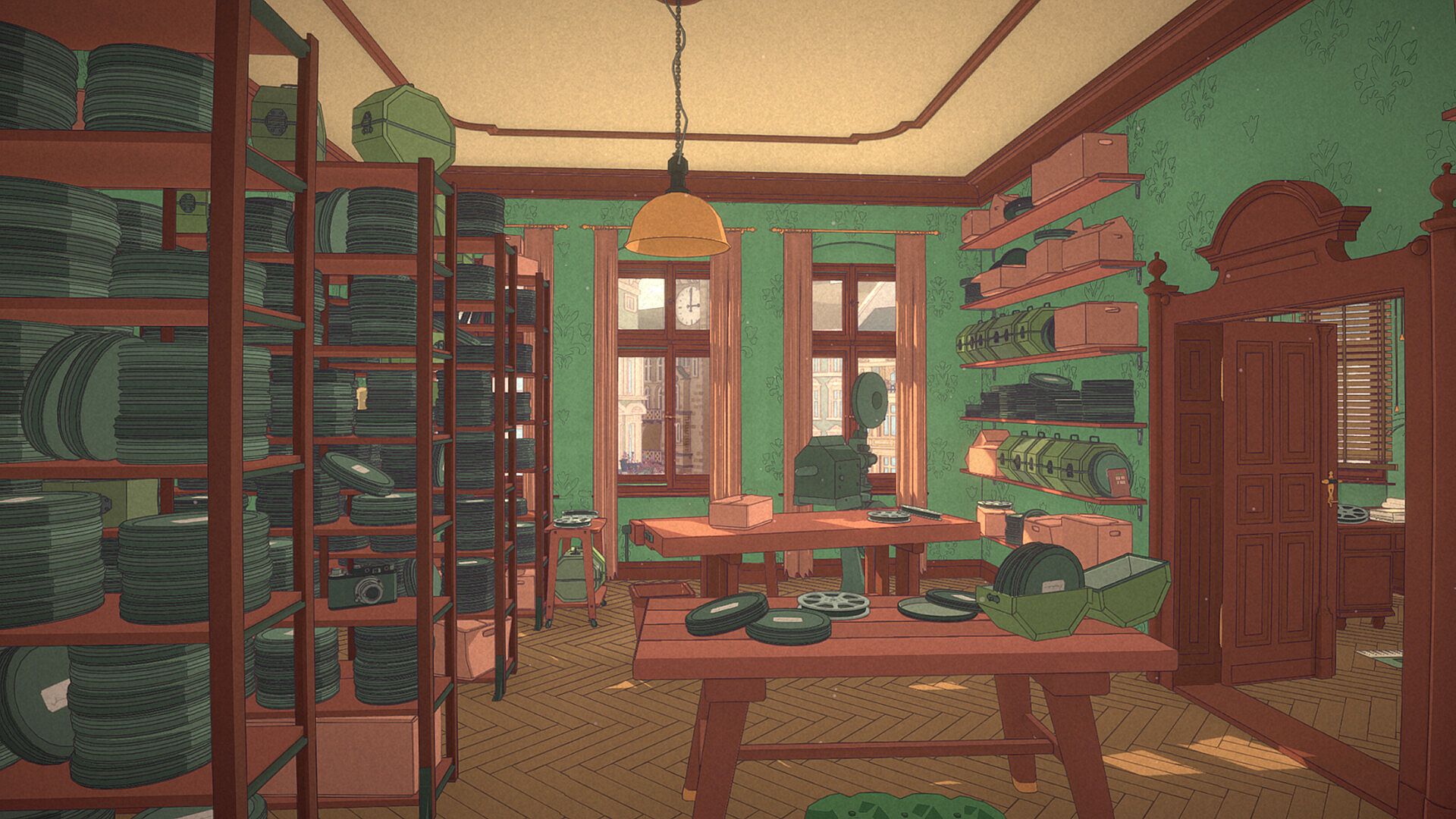
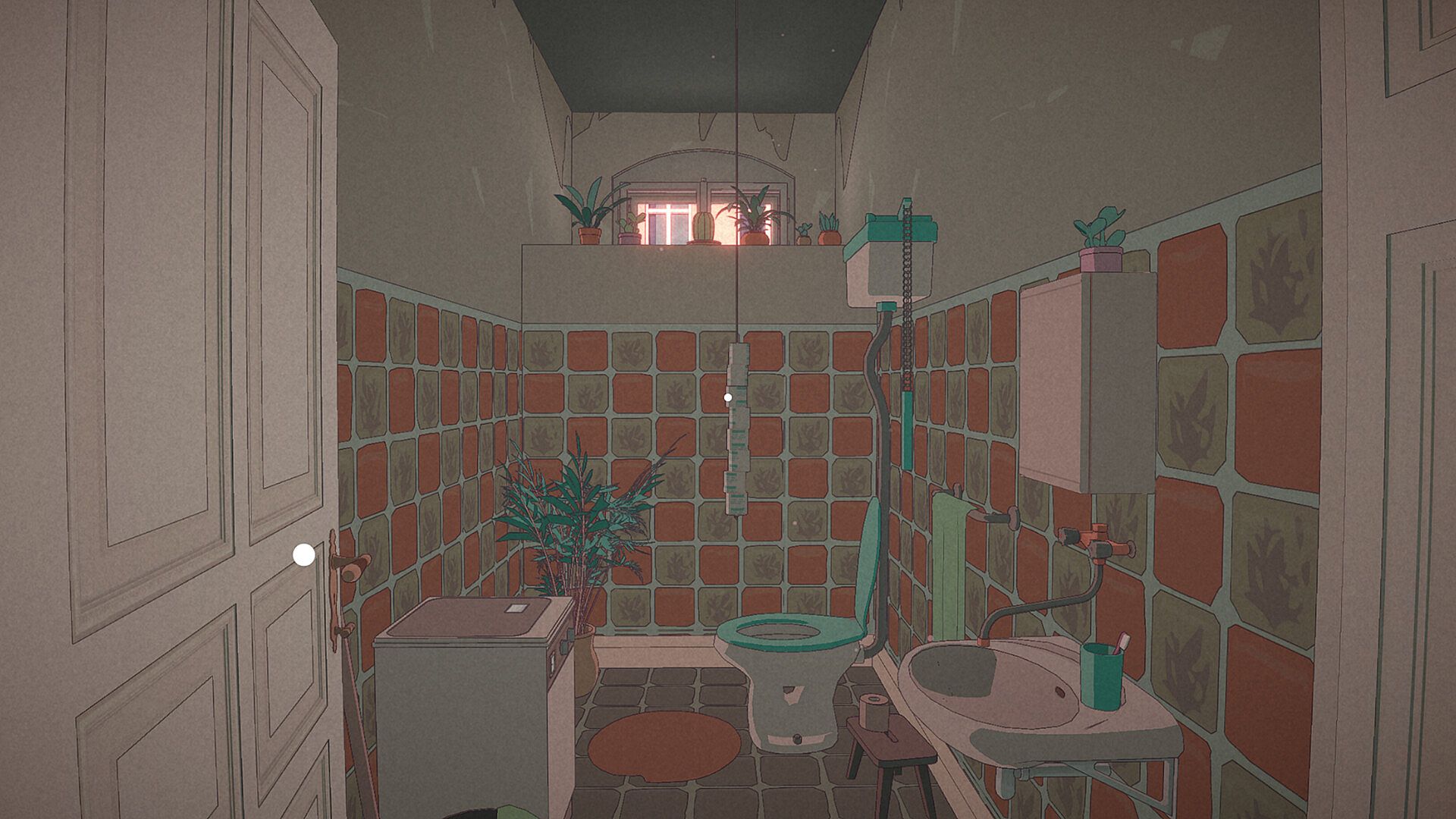
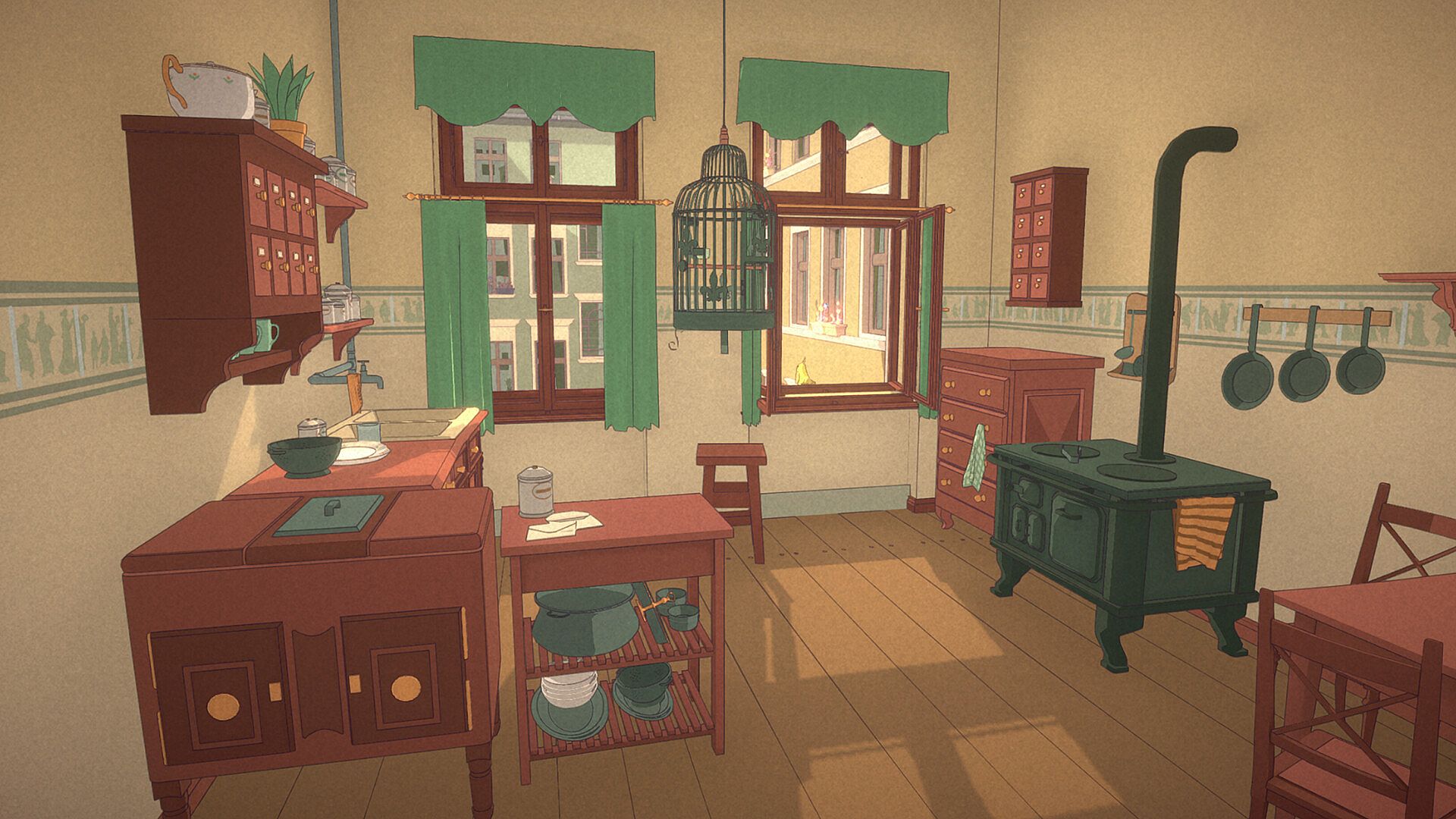
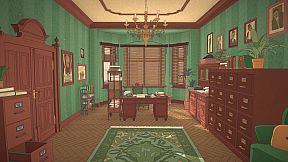
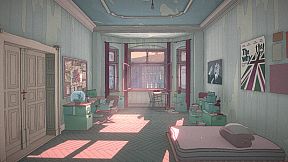
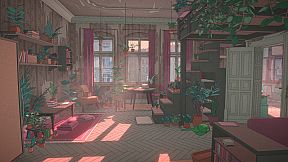
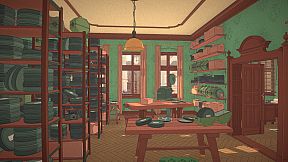
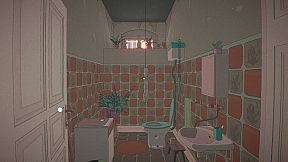
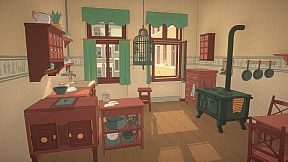
The Berlin Apartment is a narrative adventure game that takes players through the layered history of a single living space in Germany's capital. Released in late 2025, this indie title focuses on exploration and storytelling, where you uncover relics from different eras to reveal personal tales tied to Berlin's past. Available on PC, Xbox, and PlayStation 5, it combines detailed 3D environments with a colorful comic-book aesthetic to bring historical vignettes to life.
Gameplay
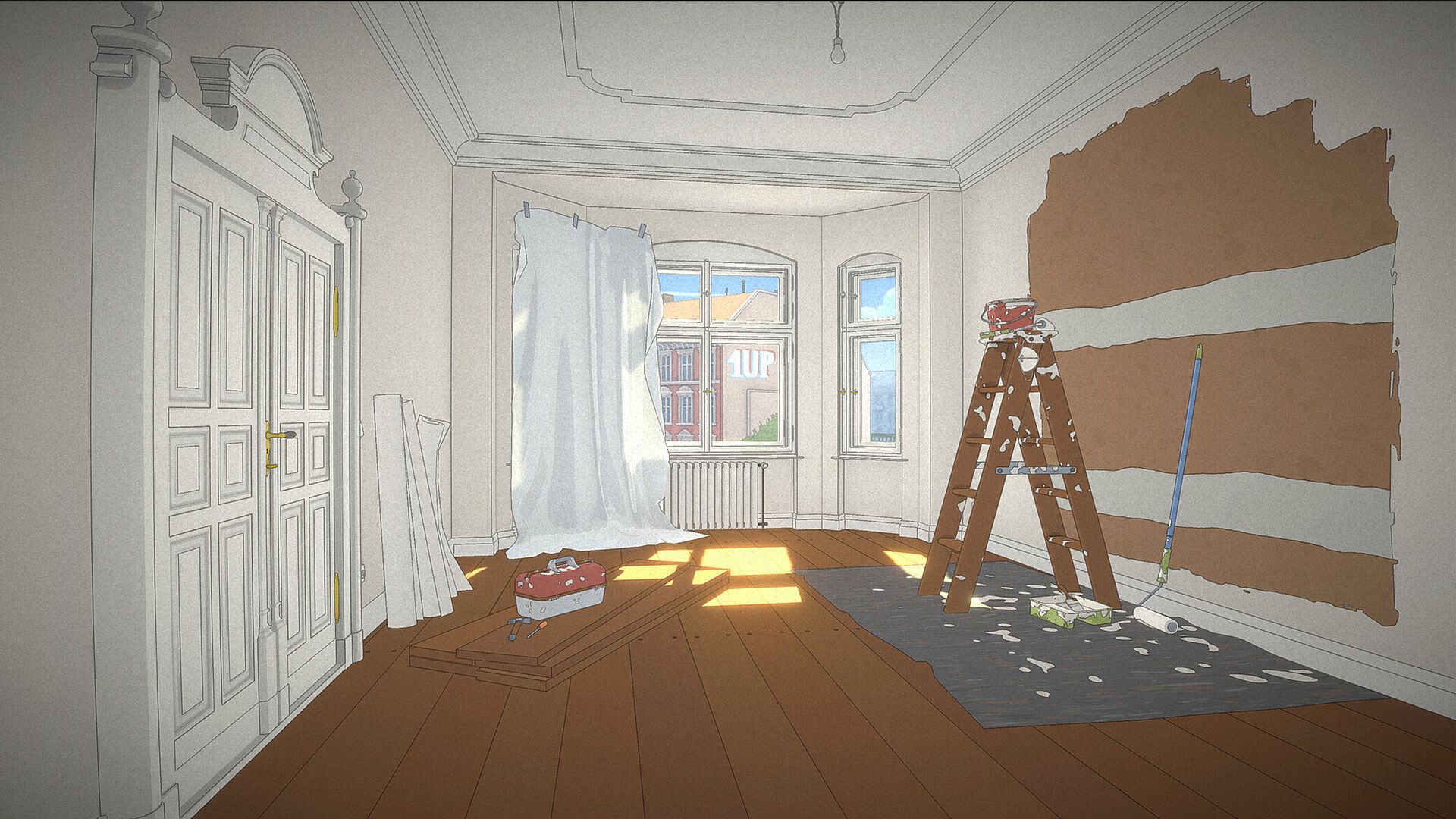
In The Berlin Apartment, you control Dilara, who helps her father renovate an old apartment while discovering objects that unlock stories from previous residents. Core mechanics involve searching rooms for relics, such as old letters or forgotten items, which trigger narrative sequences. Each find leads to a short story set in the same space but during a different historical period, with light interaction like moving objects or basic puzzles to progress. The game emphasizes observation over complex challenges, though some sections introduce minor variations, such as arranging items or navigating simple obstacles. Controls can feel uneven at times, and the experience prioritizes emotional depth rather than action-heavy elements.
The art style stands out with its vibrant, hand-drawn look that shifts to match each era's atmosphere, from post-war rebuilding to more modern times. Exploration happens in a fixed apartment layout that changes subtly with each story, encouraging players to revisit areas for new details. While the gameplay remains straightforward, it avoids deep puzzles or combat, making it accessible for those interested in history and character-driven narratives.
Game Modes
This single-player adventure unfolds through a series of episodic stories, each representing a distinct chapter in the apartment's history. There are no multiplayer options or competitive modes; instead, the game structures its content around individual narratives that players experience sequentially. Each episode features unique twists tailored to its time period, such as interacting with era-specific objects or following character routines within the confined space.
Progression is linear, with no branching paths or replayable modes beyond revisiting completed stories for missed details. The lack of varied modes keeps the focus on the overarching tale of Berlin's evolution, delivered in bite-sized segments that total a few hours of playtime.
Historical Context and Art Style
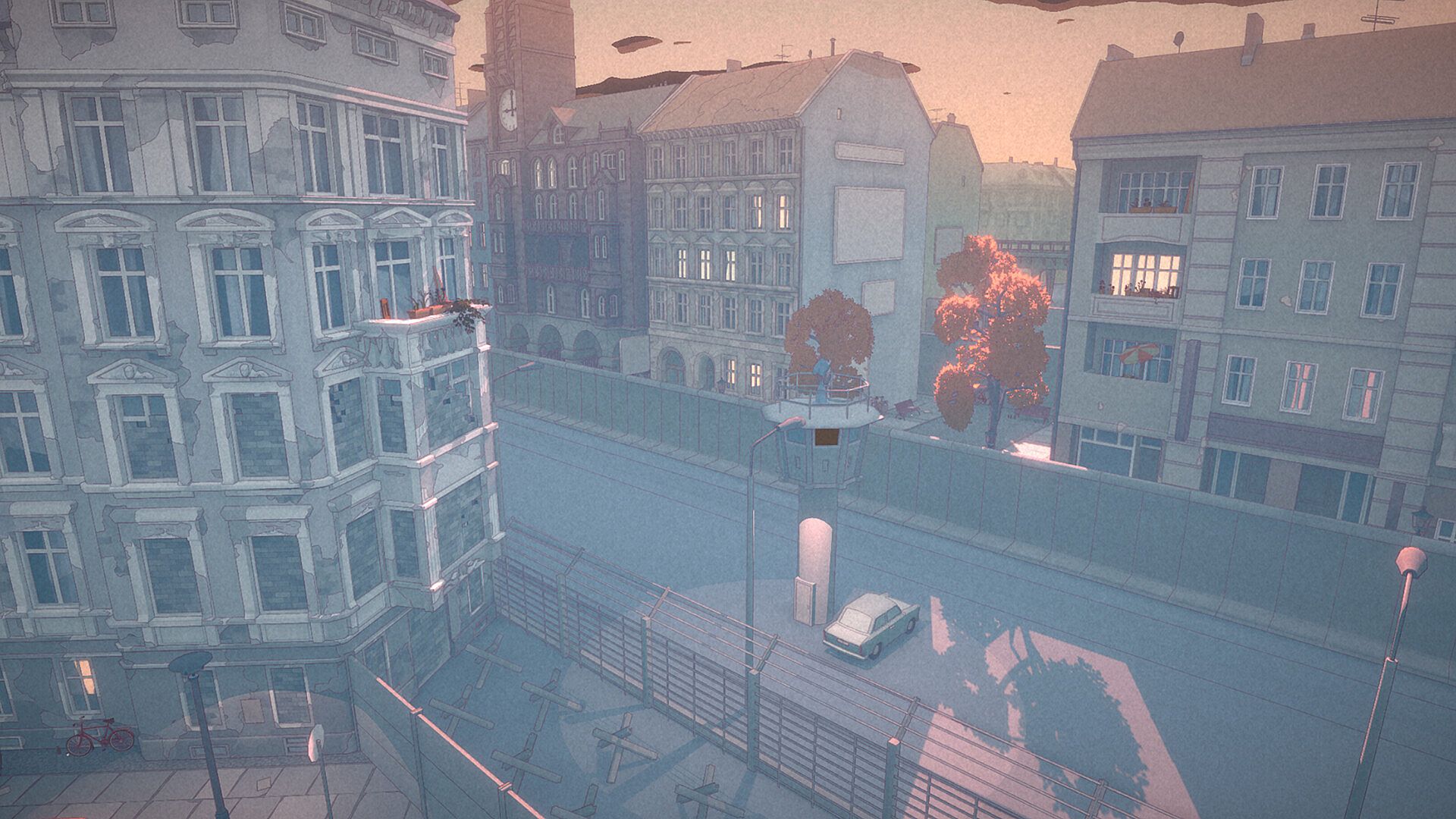
The game's strength lies in its portrayal of Berlin's turbulent past, spanning roughly a century through personal lenses. Stories touch on real historical events, like political upheavals and social changes, without fabricating details. This backdrop adds authenticity, as the apartment serves as a constant anchor amid shifting contexts.
Visually, the comic-book aesthetic brings warmth to potentially heavy themes, with detailed environments that reward close inspection. Colors and lighting adapt to each story's mood, creating a refreshing contrast to more realistic graphics in similar titles.
Is It Worth Playing?
Player reception highlights the game's heartfelt storytelling and beautiful presentation as major draws, though some note repetitive sections and occasional polish issues like spelling errors or clunky controls. Reviews often praise its emotional impact and unique approach to history, comparing it favorably to narrative-focused games like Life is Strange for those who enjoy poignant tales.
If you prefer story-driven experiences with minimal gameplay demands, The Berlin Apartment offers a thoughtful look at personal histories against a city's backdrop. It's less suited for players seeking action or intricate puzzles, but its short length and focused narrative make it a solid choice for a quiet evening of reflection. With no ongoing updates or seasons mentioned since launch, the game stands as a complete, self-contained package.