


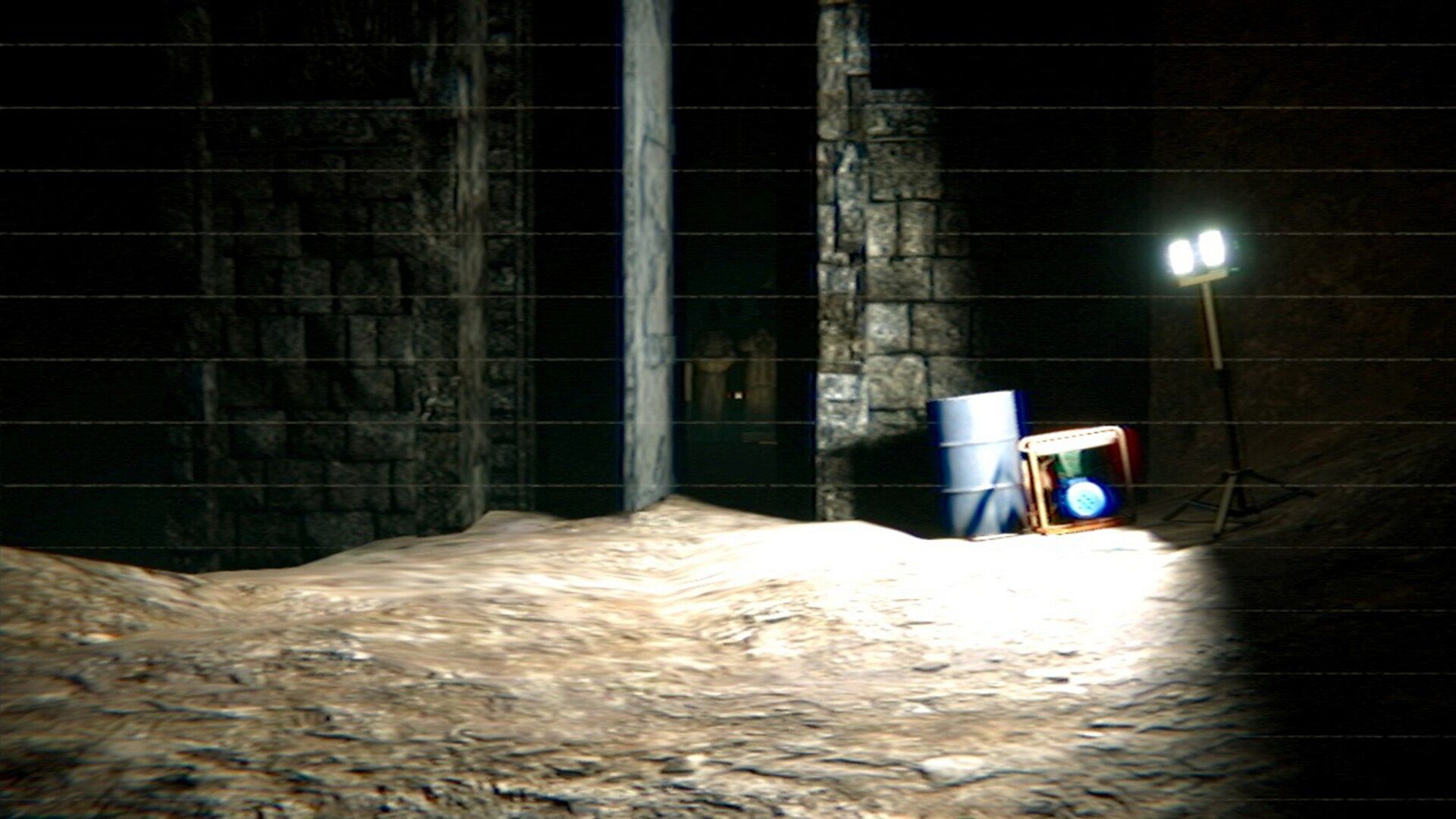



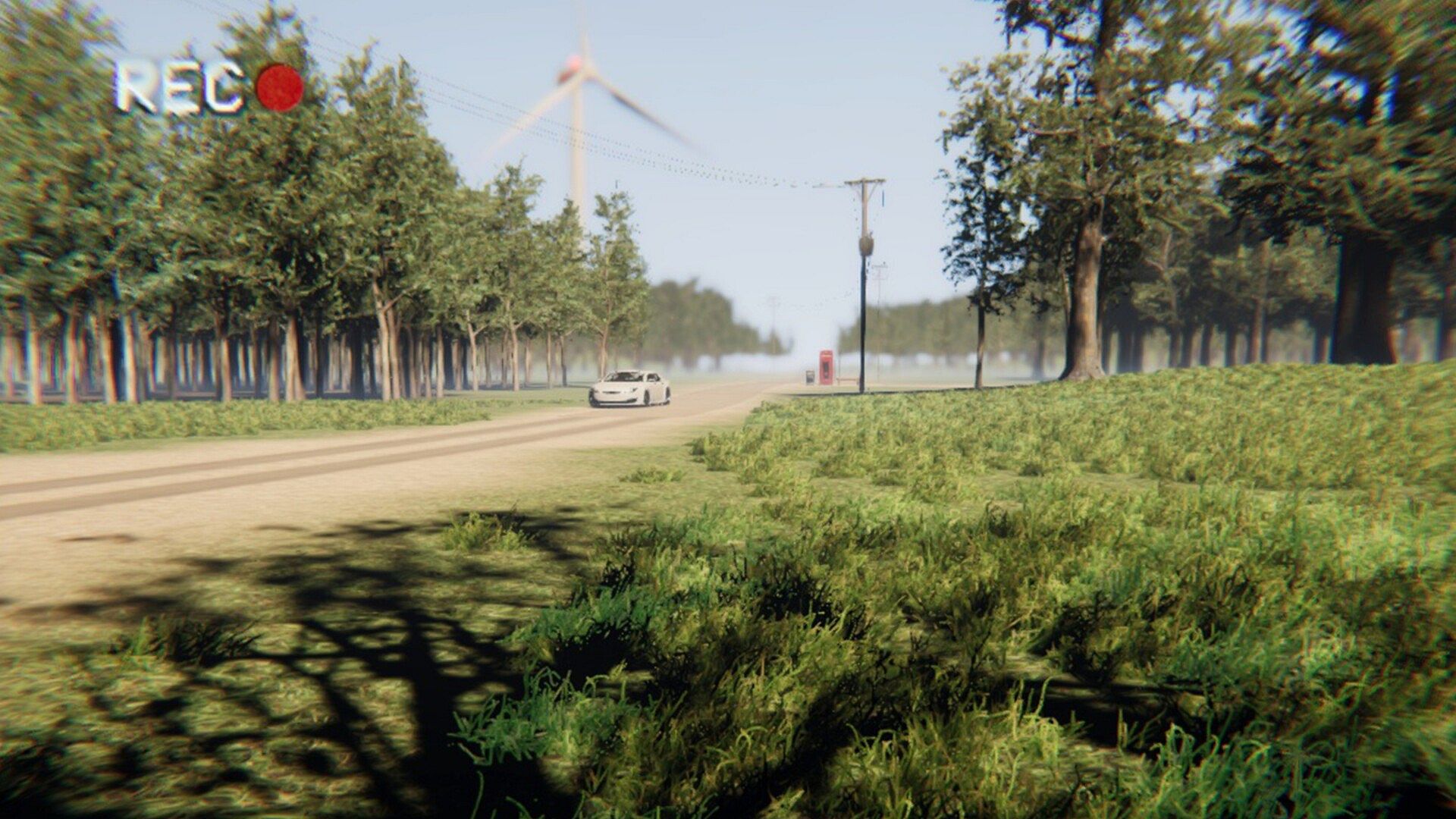





The Bicameral Protocol stands out as a first-person exploration adventure game that blends casual indie elements with a deep narrative drive. Set in 1990s rural England, it follows architect Isaac Llewellyn as he revisits his childhood home to uncover hidden truths about his identity. The game draws inspiration from titles like Gone Home, incorporating eerie subconscious realms that challenge perceptions of reality. Players step into Isaac's shoes, piecing together a mystery through environmental storytelling and personal discoveries.
Gameplay
In The Bicameral Protocol, core gameplay revolves around first-person exploration of detailed environments. Isaac navigates his childhood home and surrounding countryside, interacting with items like newspapers, letters, and keys to progress the story. These objects reveal lore and help solve puzzles tied to the narrative. The game features fully voiced performances that bring past events to life, creating immersive encounters. A key mechanic involves shifting between reality and sub-conscious hellscapes, where the environment changes dynamically. The large countryside hub area alters each visit, introducing elements of tension as distant sounds suggest lurking dangers. Players must carefully explore to reach objectives while avoiding threats.
Mechanics emphasize discovery and utilization of personal possessions to unravel sub-plots. For instance, finding and using a telephone becomes a pivotal, albeit dreaded, interaction that advances the intrigue. The experience is lore-rich, with interconnected threads that provide insights into the overarching mystery. This setup encourages thorough investigation, rewarding attention to detail without relying on combat or fast-paced action.
Game Modes
The Bicameral Protocol operates as a single-player experience without distinct multiplayer components or varied game modes. It centers on a narrative-driven campaign where exploration and story progression form the primary focus. Players engage in a cohesive journey through Isaac's world, with no options for competitive play or alternative scenarios. The game's structure supports replayability through its changing environments and multiple sub-plots, allowing different insights on subsequent playthroughs.
Key Features and Mechanics
Beyond basic exploration, the game includes mechanics like witnessing unfolding past events, which add layers to the mystery. Fully voiced dialogues enhance immersion, drawing players into intricate revelations. The indie nature keeps controls straightforward, suitable for casual sessions, while adventure elements introduce subtle horror through subconscious realms. No factions or team-based mechanics appear; instead, the focus remains on individual discovery in a lived-in world.
Is It Worth Playing?
For those who enjoy narrative-heavy exploration games with a touch of psychological tension, The Bicameral Protocol offers a compelling option. It suits players seeking a thoughtful indie adventure that prioritizes story and atmosphere over action. The game's setup, blending real-world settings with surreal elements, appeals to fans of introspective titles. Given its upcoming release, it holds potential for anyone interested in uncovering personal mysteries in a 1990s English countryside backdrop. If you prefer fast-paced gameplay or multiplayer interactions, this might not align with your tastes, but for solo explorers, it promises an engaging dive into identity and memory.